High-Protein Vegan Meals That Boost Muscle and Energy
Vegan Dishes That Fuel Strength and Stamina
Thinking about fueling your body with plants for more muscle and energy?
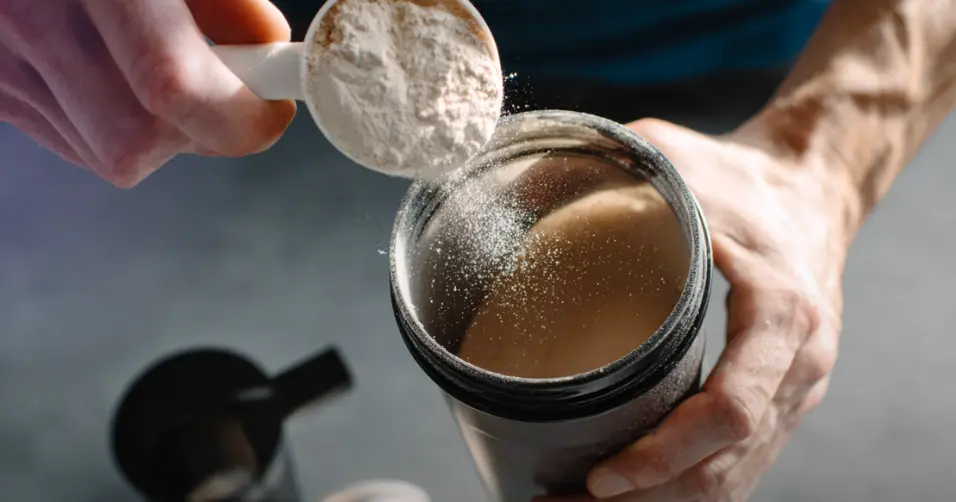
Whey Protein
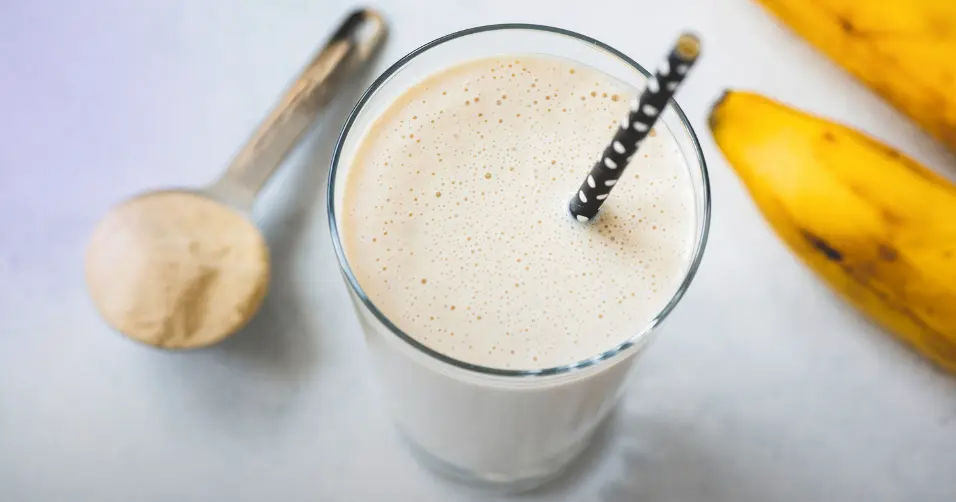
Top Lactose-Free Protein Options for Sensitive Stomachs

Soy Protein
Rice Protein
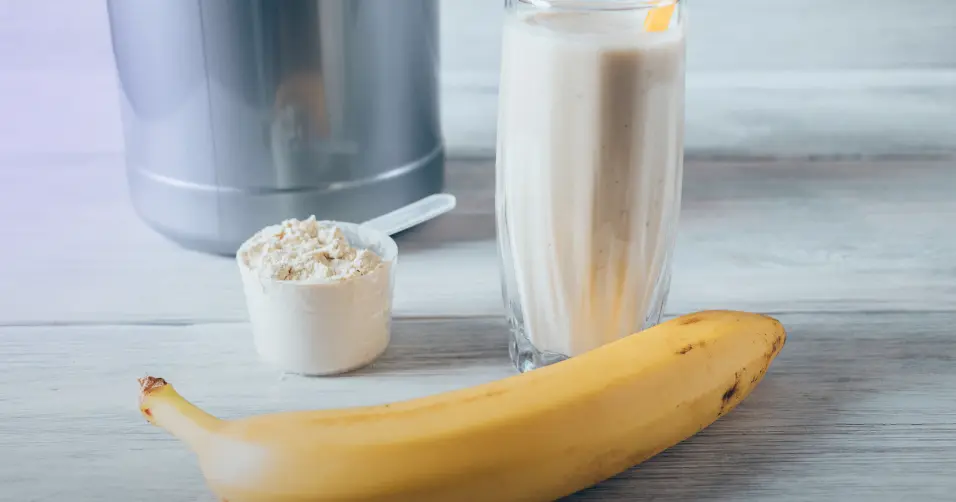
Plant-Based Protein
Pea Protein
Leucine

Lactose-Free Protein

Is Milk Good for Muscle Growth

Is a Protein Shake a Good Breakfast
How to Get 100 Grams of Protein a Day
How Long Does Protein Powder Last

How Is Protein Powder Made
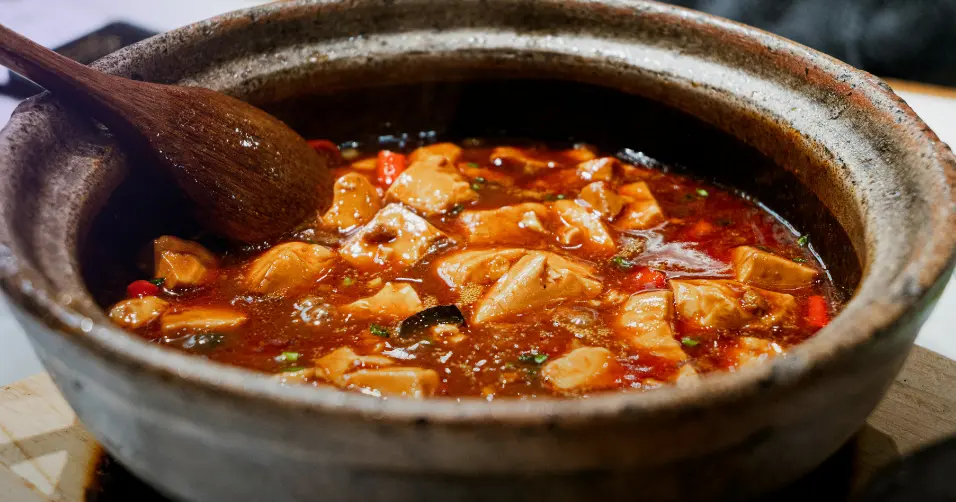
High-Protein Vegan Meals That Boost Muscle and Energy

High-Protein Chicken Recipes for Muscle Building

Gluten-Free Protein

Does Protein Keep You Awake

Cheap and Easy High-Protein Meals for Busy Days

Casein Protein

Can Protein Make You Poop More?
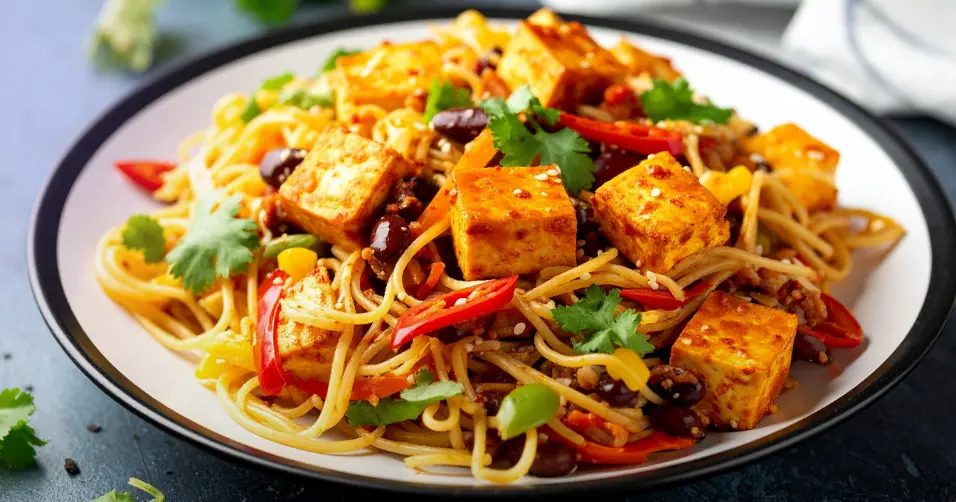
Best Vegetarian Protein Sources
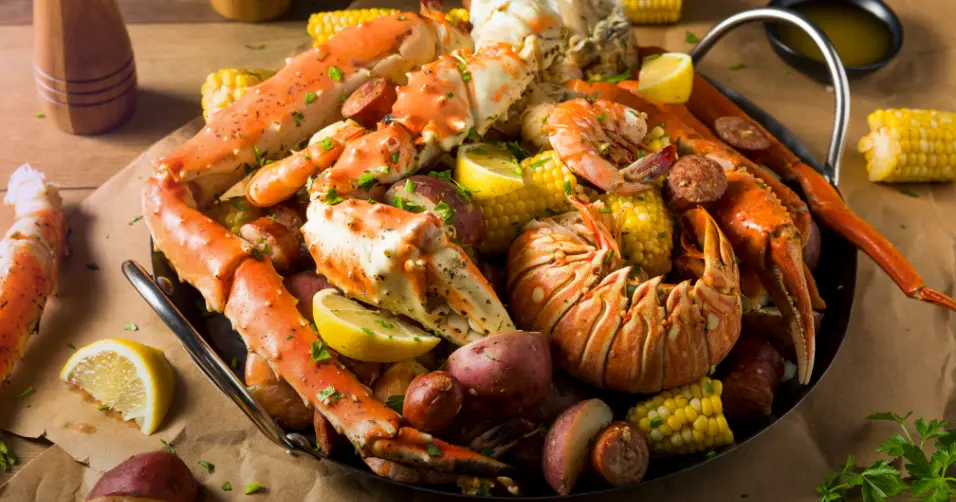
10 Best Seafood Protein Sources to Add to Your Diet
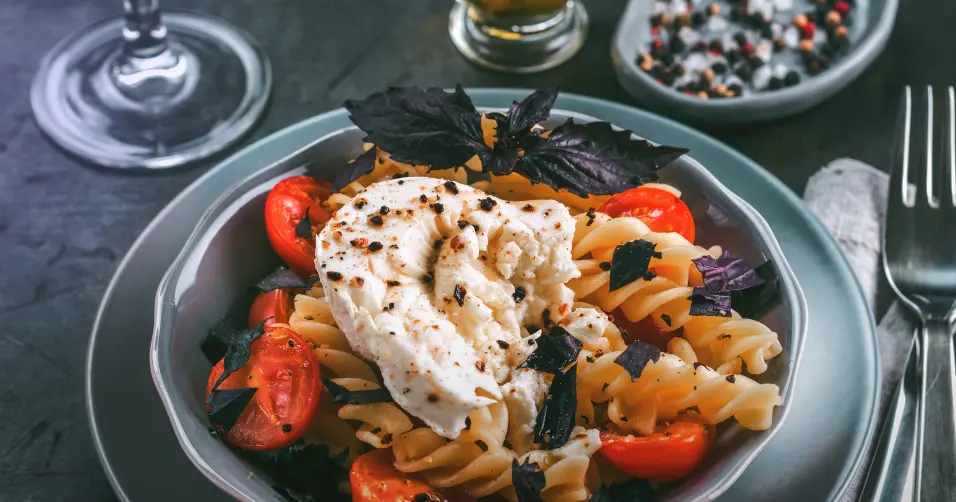
10 Best High-Protein Vegetarian Foods for Every Meal

10 Best High-Protein Vegan Foods for Plant-Based Diets
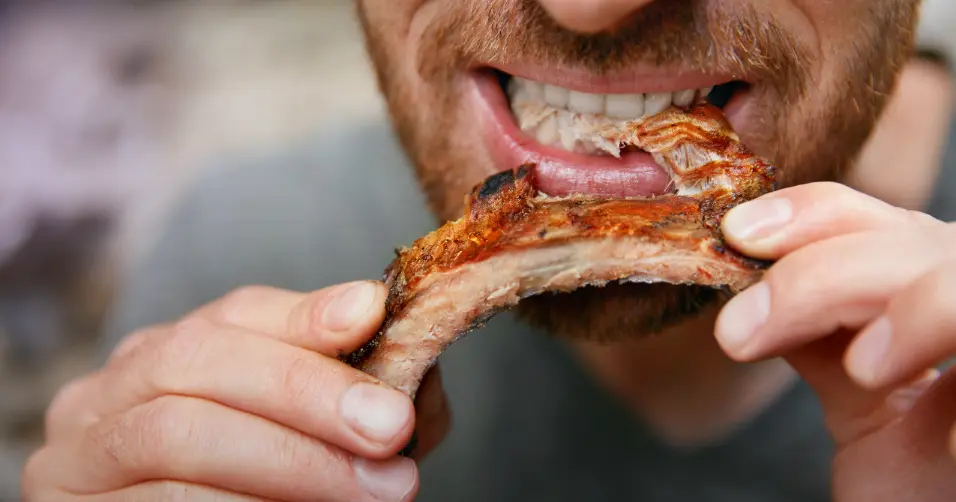
10 Best High-Protein Meat Dishes for Muscle Growth

10 Best High-Protein Chicken Dishes You’ll Crave
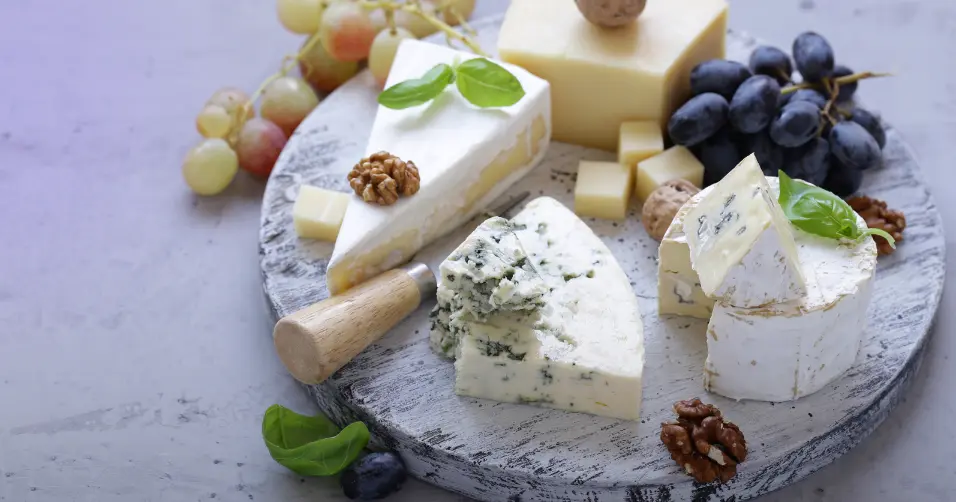
10 Best Cheeses High in Protein for Healthy Diets

8 Healthy High-Protein Dinners You’ll Want Every Night
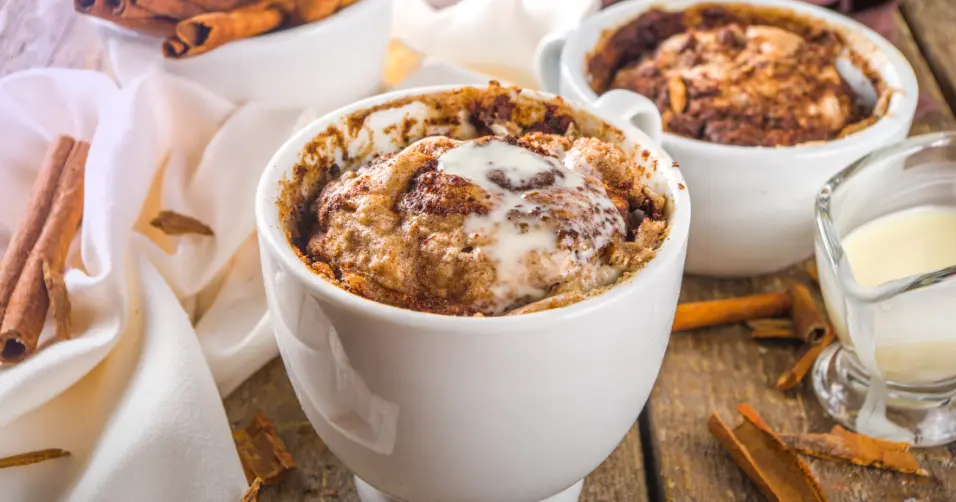
2-Minute Protein Mug Cake Recipe
Thinking about fueling your body with plants for more muscle and energy?
It's totally doable! Lots of people are switching to vegan diets for all sorts of reasons, and it doesn't mean you have to sacrifice your fitness goals. In fact, with the right food choices, you can really boost your gains. This guide is all about making High-Protein Vegan Meals simple and tasty, whether you're just starting out or looking to level up your plant-based game. We'll cover what you need to know to build muscle and keep your energy levels up, all from your kitchen.
Power Up Your Plate With High-Protein Vegan Meals
So, you're looking to get more protein into your vegan diet, maybe to help with muscle building or just to feel more energized throughout the day? That's totally doable. It might seem a bit tricky at first, especially if you're used to thinking about protein coming from meat or dairy, but there are tons of fantastic plant-based options out there. The key is to be smart about your food choices and incorporate protein-rich ingredients into every meal and snack.
Understanding Protein Needs for Muscle Growth
When you're trying to build muscle, protein is your best friend. It's like the building blocks for your muscles, helping them repair and grow after you've worked them out. For vegans, hitting those protein targets means paying a little extra attention to what's on your plate. It's not just about eating any protein, but making sure you're getting a good mix of amino acids, which are the smaller parts that make up protein. Your body uses these to do all sorts of important jobs, including muscle repair.
Key Plant-Based Protein Sources
There's a whole world of plant-based foods that are packed with protein. You've got your usual suspects like tofu, tempeh, and lentils, which are super versatile. But don't forget about things like beans, chickpeas, edamame, and even some grains like quinoa. Even certain vegetables, like spinach and broccoli, contribute a bit of protein to your daily intake. It's all about mixing and matching to get a good variety.
Here's a quick look at some top contenders:
Legumes: Lentils, beans (black, kidney, pinto), chickpeas, peas.
Soy Products: Tofu, tempeh, edamame.
Grains: Quinoa, oats, amaranth.
Nuts and Seeds: Almonds, walnuts, chia seeds, hemp seeds, pumpkin seeds.
Certain Vegetables: Spinach, broccoli, Brussels sprouts.
The Role of Whole Foods Over Supplements
While protein powders and supplements can be a convenient way to boost your intake, especially after a workout, they shouldn't be your main source. Whole foods offer a much broader spectrum of nutrients – vitamins, minerals, fiber, and other beneficial compounds that work together. Think of supplements as a little helper, not the main event. Focusing on a diet rich in whole, unprocessed plant foods will give you more bang for your buck in terms of overall health and sustained energy. Plus, they tend to be more filling, which is always a bonus.
Energizing Vegan Breakfasts to Start Your Day
Getting your day started right is key, especially when you're aiming to build muscle and keep your energy levels up. Forget those sugary cereals that leave you crashing by mid-morning. We're talking about breakfasts that pack a protein punch, keeping you full and focused.
Savory Tofu Scrambles for Muscle Support
Tofu scramble is a fantastic vegan alternative to scrambled eggs. It's incredibly versatile, and you can load it up with all sorts of veggies like spinach, bell peppers, and onions. A good scramble can easily hit around 20-25 grams of protein, giving your muscles the fuel they need. Plus, it's quick to make, which is a lifesaver on busy mornings. Just press your tofu, crumble it into a pan with some spices like turmeric (for that eggy color) and black salt (for a sulfuric kick), and sauté with your chosen vegetables. It's a hearty meal that really sets you up for the day.
Hearty Overnight Oats and Chia Puddings
These are the ultimate make-ahead breakfasts. Overnight oats are as simple as mixing rolled oats with your favorite plant-based milk (soy milk is a good protein option), chia seeds, and maybe some plant-based protein powder. Let it sit in the fridge overnight, and you wake up to a creamy, ready-to-eat meal. Chia puddings are similar, relying on chia seeds to thicken. A typical serving can offer around 15-25 grams of protein, especially if you add seeds like hemp or flax, or a scoop of protein powder. They're great for a grab-and-go option.
Protein-Packed Pancakes and Smoothies
Who says you can't have pancakes for breakfast when you're vegan and health-conscious? You can make delicious, fluffy pancakes using whole wheat flour, a bit of protein powder, and plant-based milk. They might not have as much protein as a tofu scramble on their own, but adding some nut butter or seeds on top can boost it significantly. Smoothies are another easy win. Blend plant-based milk, a scoop of vegan protein powder, some fruit for sweetness and carbs, and maybe a spoonful of almond butter or some hemp seeds. A well-made smoothie can easily deliver 25-30 grams of protein, making it a super efficient way to start your day strong.
Satisfying High-Protein Vegan Lunches
Lunchtime doesn't have to be a struggle when you're eating vegan and aiming for protein. Forget those sad desk salads that leave you hungry an hour later. We're talking about meals that actually fill you up and keep your energy levels steady through the afternoon. These options are designed to be both delicious and seriously satisfying.
Filling Quinoa and Bean Salads
Quinoa is a complete protein, meaning it has all nine essential amino acids your body needs. When you pair it with beans – like black beans, kidney beans, or chickpeas – you're creating a powerhouse of plant-based protein. These salads are super versatile. You can toss in chopped bell peppers, corn, red onion, and a zesty lime dressing. Or maybe go for a Mediterranean vibe with cucumber, tomatoes, olives, and a tahini dressing. The key is the combination of grains and legumes for that sustained energy.
Here’s a basic idea for a hearty quinoa and bean salad:
1 cup cooked quinoa
1 cup mixed beans (black beans, chickpeas)
1/2 cup chopped bell peppers (any color)
1/4 cup chopped red onion
2 tablespoons chopped cilantro or parsley
Dressing: Lime juice, olive oil, salt, and pepper
Just mix it all up. It’s that simple. You can even make a big batch on Sunday for easy lunches all week.
Mashed Chickpea and Tempeh Sandwiches
Sandwiches can be a bit tricky on a vegan diet if you're looking for protein, but chickpea and tempeh are game-changers. For a chickpea "tuna" salad, just mash up some chickpeas with a fork, then mix in vegan mayo, celery, onion, and a pinch of salt and pepper. It’s surprisingly similar to the real thing and packs a good protein punch. Tempeh, which is fermented soybeans, can be crumbled and seasoned, then pan-fried until crispy. Think of it as a savory, protein-rich filling that holds up well in a sandwich. Serve either on whole-grain bread with lettuce and tomato for a complete meal.
Nutrient-Dense Grain and Vegetable Bowls
Bowls are fantastic because you can pack so much goodness into one dish. Start with a base of a hearty grain like farro, brown rice, or even barley. Then, load it up with protein sources like baked tofu, edamame, or lentils. Add a generous serving of roasted or steamed vegetables – think broccoli, sweet potatoes, Brussels sprouts, or kale. A good sauce or dressing ties it all together. A tahini-lemon dressing, a peanut sauce, or even a simple vinaigrette can make all the difference. These bowls are great for using up whatever veggies you have on hand, making them both economical and delicious.
6 Great High Protein Vegan Meals
Creating a high protein diet for vegans is achievable with careful ingredient selection and balanced meals. Foods like lentils, chickpeas, tofu, tempeh, quinoa, and seitan are strong sources of plant-based protein. Combining different plants helps provide all essential amino acids necessary for muscle maintenance. Including vegetables, nuts, and seeds improves the nutrient profile of each meal. Meal prep can make staying on track easier and ensure consistent protein intake throughout the day.
Chickpea curry with quinoa offers both protein and complex carbs for energy and recovery.
Tofu stir-fry with mixed vegetables gives a nutrient-rich, high-protein lunch.
Lentil soup combined with whole-grain bread supplies complete amino acids.
Tempeh tacos are flavorful and provide fermented protein for easier digestion.
Seitan salad with seeds adds extra minerals like iron and zinc, often low in vegan diets.
Power Up Your Plate With High-Protein Vegan Meals
So, you're looking to get more protein into your vegan diet, maybe to help with muscle building or just to feel more energized throughout the day? That's totally doable. It might seem a bit tricky at first, especially if you're used to thinking about protein coming from meat or dairy, but there are tons of fantastic plant-based options out there. The key is to be smart about your food choices and incorporate protein-rich ingredients into every meal and snack.
Understanding Protein Needs for Muscle Growth
When you're trying to build muscle, protein is your best friend. It's like the building blocks for your muscles, helping them repair and grow after you've worked them out. For vegans, hitting those protein targets means paying a little extra attention to what's on your plate. It's not just about eating any protein, but making sure you're getting a good mix of amino acids, which are the smaller parts that make up protein. Your body uses these to do all sorts of important jobs, including muscle repair.
Key Plant-Based Protein Sources
There's a whole world of plant-based foods that are packed with protein. You've got your usual suspects like tofu, tempeh, and lentils, which are super versatile. But don't forget about things like beans, chickpeas, edamame, and even some grains like quinoa. Even certain vegetables, like spinach and broccoli, contribute a bit of protein to your daily intake. It's all about mixing and matching to get a good variety.
Here's a quick look at some top contenders:
Legumes: Lentils, beans (black, kidney, pinto), chickpeas, peas.
Soy Products: Tofu, tempeh, edamame.
Grains: Quinoa, oats, amaranth.
Nuts and Seeds: Almonds, walnuts, chia seeds, hemp seeds, pumpkin seeds.
Certain Vegetables: Spinach, broccoli, Brussels sprouts.
The Role of Whole Foods Over Supplements
While protein powders and supplements can be a convenient way to boost your intake, especially after a workout, they shouldn't be your main source. Whole foods offer a much broader spectrum of nutrients – vitamins, minerals, fiber, and other beneficial compounds that work together. Think of supplements as a little helper, not the main event. Focusing on a diet rich in whole, unprocessed plant foods will give you more bang for your buck in terms of overall health and sustained energy. Plus, they tend to be more filling, which is always a bonus.
Energizing Vegan Breakfasts to Start Your Day
Getting your day started right is key, especially when you're aiming to build muscle and keep your energy levels up. Forget those sugary cereals that leave you crashing by mid-morning. We're talking about breakfasts that pack a protein punch, keeping you full and focused.
Savory Tofu Scrambles for Muscle Support
Tofu scramble is a fantastic vegan alternative to scrambled eggs. It's incredibly versatile, and you can load it up with all sorts of veggies like spinach, bell peppers, and onions. A good scramble can easily hit around 20-25 grams of protein, giving your muscles the fuel they need. Plus, it's quick to make, which is a lifesaver on busy mornings. Just press your tofu, crumble it into a pan with some spices like turmeric (for that eggy color) and black salt (for a sulfuric kick), and sauté with your chosen vegetables. It's a hearty meal that really sets you up for the day.
Hearty Overnight Oats and Chia Puddings
These are the ultimate make-ahead breakfasts. Overnight oats are as simple as mixing rolled oats with your favorite plant-based milk (soy milk is a good protein option), chia seeds, and maybe some plant-based protein powder. Let it sit in the fridge overnight, and you wake up to a creamy, ready-to-eat meal. Chia puddings are similar, relying on chia seeds to thicken. A typical serving can offer around 15-25 grams of protein, especially if you add seeds like hemp or flax, or a scoop of protein powder. They're great for a grab-and-go option.
Protein-Packed Pancakes and Smoothies
Who says you can't have pancakes for breakfast when you're vegan and health-conscious? You can make delicious, fluffy pancakes using whole wheat flour, a bit of protein powder, and plant-based milk. They might not have as much protein as a tofu scramble on their own, but adding some nut butter or seeds on top can boost it significantly. Smoothies are another easy win. Blend plant-based milk, a scoop of vegan protein powder, some fruit for sweetness and carbs, and maybe a spoonful of almond butter or some hemp seeds. A well-made smoothie can easily deliver 25-30 grams of protein, making it a super efficient way to start your day strong.
Satisfying High-Protein Vegan Lunches
Lunchtime doesn't have to be a struggle when you're eating vegan and aiming for protein. Forget those sad desk salads that leave you hungry an hour later. We're talking about meals that actually fill you up and keep your energy levels steady through the afternoon. These options are designed to be both delicious and seriously satisfying.
Filling Quinoa and Bean Salads
Quinoa is a complete protein, meaning it has all nine essential amino acids your body needs. When you pair it with beans – like black beans, kidney beans, or chickpeas – you're creating a powerhouse of plant-based protein. These salads are super versatile. You can toss in chopped bell peppers, corn, red onion, and a zesty lime dressing. Or maybe go for a Mediterranean vibe with cucumber, tomatoes, olives, and a tahini dressing. The key is the combination of grains and legumes for that sustained energy.
Here’s a basic idea for a hearty quinoa and bean salad:
1 cup cooked quinoa
1 cup mixed beans (black beans, chickpeas)
1/2 cup chopped bell peppers (any color)
1/4 cup chopped red onion
2 tablespoons chopped cilantro or parsley
Dressing: Lime juice, olive oil, salt, and pepper
Just mix it all up. It’s that simple. You can even make a big batch on Sunday for easy lunches all week.
Mashed Chickpea and Tempeh Sandwiches
Sandwiches can be a bit tricky on a vegan diet if you're looking for protein, but chickpea and tempeh are game-changers. For a chickpea "tuna" salad, just mash up some chickpeas with a fork, then mix in vegan mayo, celery, onion, and a pinch of salt and pepper. It’s surprisingly similar to the real thing and packs a good protein punch. Tempeh, which is fermented soybeans, can be crumbled and seasoned, then pan-fried until crispy. Think of it as a savory, protein-rich filling that holds up well in a sandwich. Serve either on whole-grain bread with lettuce and tomato for a complete meal.
Nutrient-Dense Grain and Vegetable Bowls
Bowls are fantastic because you can pack so much goodness into one dish. Start with a base of a hearty grain like farro, brown rice, or even barley. Then, load it up with protein sources like baked tofu, edamame, or lentils. Add a generous serving of roasted or steamed vegetables – think broccoli, sweet potatoes, Brussels sprouts, or kale. A good sauce or dressing ties it all together. A tahini-lemon dressing, a peanut sauce, or even a simple vinaigrette can make all the difference. These bowls are great for using up whatever veggies you have on hand, making them both economical and delicious.
Hearty High-Protein Vegan Dinners
When the day winds down, you still want meals that pack a protein punch without resorting to animal products. These dinner ideas are designed to be satisfying and fuel your body, especially after a long day or a tough workout. Think comforting, filling, and packed with plant-based goodness.
Lentil Bolognese and Shepherd's Pie
These classic comfort foods get a vegan makeover that doesn't skimp on flavor or protein. A rich lentil bolognese, simmered with tomatoes and herbs, can be served over your favorite pasta or zucchini noodles. For a shepherd's pie, a hearty lentil and vegetable base is topped with creamy mashed sweet potatoes or cauliflower. Both dishes are fantastic for meal prep, meaning you can have a protein-rich dinner ready to go on busy weeknights.
Lentil Bolognese: Aim for at least 20-25 grams of protein per serving, depending on the lentil quantity.
Shepherd's Pie: Typically offers around 25-30 grams of protein per serving, thanks to the lentils and any added protein boosters like nutritional yeast.
Flavorful Stir-fries and Tacos
Stir-fries are incredibly versatile and a great way to load up on protein and veggies. Use firm tofu, tempeh, or edamame as your protein base, toss with a variety of colorful vegetables like broccoli, bell peppers, and snap peas, and finish with a savory sauce. Tacos are another fun and easy option. Fill corn or whole wheat tortillas with seasoned black beans, crumbled tempeh, or a lentil-soy crumble. Don't forget the toppings like salsa, avocado, and a sprinkle of nutritional yeast for that cheesy flavor.
Key Protein Boosters for Stir-fries and Tacos:
Tofu: Extra-firm tofu, pressed and cubed or crumbled, is a protein powerhouse.
Tempeh: This fermented soybean product has a firm texture and nutty flavor, making it great for stir-fries or taco crumbles.
Beans: Black beans, pinto beans, or kidney beans are simple, affordable, and protein-rich additions.
Edamame: Shelled edamame adds a nice bite and a good dose of protein to stir-fries.
Comforting Soups and Stews
Don't underestimate the power of a good soup or stew to deliver a hearty, protein-rich meal. A thick lentil soup, loaded with vegetables like carrots, celery, and spinach, can be incredibly satisfying. Consider a hearty chili made with a mix of beans (kidney, black, pinto) and perhaps some plant-based ground "meat" for an extra protein boost. These are perfect for cooler evenings and are often even better the next day, making them ideal for leftovers.
Three Bean Chili: A classic for a reason, packed with fiber and protein from multiple bean varieties.
Hearty Lentil Stew: Simple, wholesome, and easily customizable with your favorite root vegetables and greens.
Split Pea Soup: Often made with ham hocks, a vegan version uses smoked paprika and plenty of peas for a protein-rich, comforting bowl.
Smart Snacking for Sustained Energy
Sometimes, you just need a little something between meals to keep you going. It’s not about just grabbing anything, though. For vegans looking to build muscle and keep energy levels steady, snacks are a really important part of the puzzle. Choosing the right snacks can make a big difference in hitting your protein goals and avoiding that mid-afternoon slump.
Edamame and Roasted Chickpeas
These little green soybeans, or edamame, are fantastic. You can get them steamed right out of the pod, or shelled. They offer a good amount of protein and fiber, which helps you feel full. Roasted chickpeas are another winner. Toss them with your favorite spices – think paprika, garlic powder, or even a little chili powder – and roast them until they're nice and crispy. They're a crunchy, satisfying snack that packs a protein punch.
Protein Bars and Dairy-Free Yogurt Parfaits
When you're on the go, a good quality vegan protein bar can be a lifesaver. Just be sure to check the ingredients; some can be loaded with sugar or artificial stuff. Look for bars made with whole food ingredients. For something a bit more substantial, try a dairy-free yogurt parfait. Layer a plain, unsweetened vegan yogurt (like soy or coconut based) with some berries and a sprinkle of granola or some seeds. It’s like a mini-dessert that’s actually good for you.
Nut Butter with Fruit or Rice Cakes
This is a classic for a reason. A couple of tablespoons of peanut butter, almond butter, or cashew butter spread on an apple or banana is a simple yet effective snack. The healthy fats and protein from the nut butter, combined with the natural sugars and fiber from the fruit, provide sustained energy. If you prefer something less sweet, try nut butter on a couple of plain rice cakes. It’s a quick way to get some protein and healthy fats in without much fuss.
Maximizing Your High-Protein Vegan Meal Prep
Okay, so you've got your high-protein vegan meals planned out, which is awesome. But how do you actually make it happen during a busy week without feeling like you're cooking from scratch every single day? Meal prep is the answer, and it doesn't have to be complicated. It's all about setting yourself up for success.
Strategic Use of Protein Powders
Protein powders can be a handy tool, especially if you're struggling to hit your protein targets. They're basically pre-digested protein, so your body can use them pretty fast. This is great for a post-workout shake, but relying on them too much throughout the day might mean you're also consuming a lot of extra calories without much else. When you do choose to use them, look for ones with minimal added stuff – no unnecessary sugars or weird fillers. Third-party certifications, like USP or NSF, are a good sign that the product is what it says it is. Just remember, whole foods are usually the best way to go for sustained energy.
Incorporating Non-Starchy Vegetables
Don't forget about your veggies! Non-starchy vegetables are packed with vitamins, minerals, and water, making them super nutrient-dense without a ton of calories. Plus, some of them actually contribute a bit of protein. Think mushrooms, spinach, asparagus, and bok choy. Loading up your meals with these will add volume, nutrients, and a little extra protein boost. They're also great for keeping things interesting and adding color to your plate.
Adding Flavor With Garnishes and Seasonings
Let's be real, eating the same plain meal prep every day can get pretty boring. That's where garnishes and seasonings come in. A sprinkle of fresh herbs, a dash of hot sauce, some toasted seeds, or a dollop of dairy-free yogurt can totally transform a meal. It's a simple way to keep your taste buds happy and make your prepped food feel fresh and exciting, even if it's the same base meal you made on Sunday. Don't underestimate the power of a good sauce or a flavorful spice blend to liven things up.
Wrapping It Up
So there you have it! Eating plant-based doesn't mean you have to skimp on protein or energy. We've looked at some seriously tasty meals that can help you build muscle and keep you going strong, whether you're hitting the gym or just tackling a busy day. Remember, it's all about making smart choices with whole foods and maybe a little help from some quality protein powders if you need them. Give these ideas a try, mix and match, and find what works best for you. You might be surprised at how good you feel and how much energy you have. Happy eating and happy lifting!
Hearty High-Protein Vegan Dinners
When the day winds down, you still want meals that pack a protein punch without resorting to animal products. These dinner ideas are designed to be satisfying and fuel your body, especially after a long day or a tough workout. Think comforting, filling, and packed with plant-based goodness.
Lentil Bolognese and Shepherd's Pie
These classic comfort foods get a vegan makeover that doesn't skimp on flavor or protein. A rich lentil bolognese, simmered with tomatoes and herbs, can be served over your favorite pasta or zucchini noodles. For a shepherd's pie, a hearty lentil and vegetable base is topped with creamy mashed sweet potatoes or cauliflower. Both dishes are fantastic for meal prep, meaning you can have a protein-rich dinner ready to go on busy weeknights.
Lentil Bolognese: Aim for at least 20-25 grams of protein per serving, depending on the lentil quantity.
Shepherd's Pie: Typically offers around 25-30 grams of protein per serving, thanks to the lentils and any added protein boosters like nutritional yeast.
Flavorful Stir-fries and Tacos
Stir-fries are incredibly versatile and a great way to load up on protein and veggies. Use firm tofu, tempeh, or edamame as your protein base, toss with a variety of colorful vegetables like broccoli, bell peppers, and snap peas, and finish with a savory sauce. Tacos are another fun and easy option. Fill corn or whole wheat tortillas with seasoned black beans, crumbled tempeh, or a lentil-soy crumble. Don't forget the toppings like salsa, avocado, and a sprinkle of nutritional yeast for that cheesy flavor.
Key Protein Boosters for Stir-fries and Tacos:
Tofu: Extra-firm tofu, pressed and cubed or crumbled, is a protein powerhouse.
Tempeh: This fermented soybean product has a firm texture and nutty flavor, making it great for stir-fries or taco crumbles.
Beans: Black beans, pinto beans, or kidney beans are simple, affordable, and protein-rich additions.
Edamame: Shelled edamame adds a nice bite and a good dose of protein to stir-fries.
Comforting Soups and Stews
Don't underestimate the power of a good soup or stew to deliver a hearty, protein-rich meal. A thick lentil soup, loaded with vegetables like carrots, celery, and spinach, can be incredibly satisfying. Consider a hearty chili made with a mix of beans (kidney, black, pinto) and perhaps some plant-based ground "meat" for an extra protein boost. These are perfect for cooler evenings and are often even better the next day, making them ideal for leftovers.
Three Bean Chili: A classic for a reason, packed with fiber and protein from multiple bean varieties.
Hearty Lentil Stew: Simple, wholesome, and easily customizable with your favorite root vegetables and greens.
Split Pea Soup: Often made with ham hocks, a vegan version uses smoked paprika and plenty of peas for a protein-rich, comforting bowl.
Smart Snacking for Sustained Energy
Sometimes, you just need a little something between meals to keep you going. It’s not about just grabbing anything, though. For vegans looking to build muscle and keep energy levels steady, snacks are a really important part of the puzzle. Choosing the right snacks can make a big difference in hitting your protein goals and avoiding that mid-afternoon slump.
Edamame and Roasted Chickpeas
These little green soybeans, or edamame, are fantastic. You can get them steamed right out of the pod, or shelled. They offer a good amount of protein and fiber, which helps you feel full. Roasted chickpeas are another winner. Toss them with your favorite spices – think paprika, garlic powder, or even a little chili powder – and roast them until they're nice and crispy. They're a crunchy, satisfying snack that packs a protein punch.
Protein Bars and Dairy-Free Yogurt Parfaits
When you're on the go, a good quality vegan protein bar can be a lifesaver. Just be sure to check the ingredients; some can be loaded with sugar or artificial stuff. Look for bars made with whole food ingredients. For something a bit more substantial, try a dairy-free yogurt parfait. Layer a plain, unsweetened vegan yogurt (like soy or coconut based) with some berries and a sprinkle of granola or some seeds. It’s like a mini-dessert that’s actually good for you.
Nut Butter with Fruit or Rice Cakes
This is a classic for a reason. A couple of tablespoons of peanut butter, almond butter, or cashew butter spread on an apple or banana is a simple yet effective snack. The healthy fats and protein from the nut butter, combined with the natural sugars and fiber from the fruit, provide sustained energy. If you prefer something less sweet, try nut butter on a couple of plain rice cakes. It’s a quick way to get some protein and healthy fats in without much fuss.
Maximizing Your High-Protein Vegan Meal Prep
Okay, so you've got your high-protein vegan meals planned out, which is awesome. But how do you actually make it happen during a busy week without feeling like you're cooking from scratch every single day? Meal prep is the answer, and it doesn't have to be complicated. It's all about setting yourself up for success.
Strategic Use of Protein Powders
Protein powders can be a handy tool, especially if you're struggling to hit your protein targets. They're basically pre-digested protein, so your body can use them pretty fast. This is great for a post-workout shake, but relying on them too much throughout the day might mean you're also consuming a lot of extra calories without much else. When you do choose to use them, look for ones with minimal added stuff – no unnecessary sugars or weird fillers. Third-party certifications, like USP or NSF, are a good sign that the product is what it says it is. Just remember, whole foods are usually the best way to go for sustained energy.
Incorporating Non-Starchy Vegetables
Don't forget about your veggies! Non-starchy vegetables are packed with vitamins, minerals, and water, making them super nutrient-dense without a ton of calories. Plus, some of them actually contribute a bit of protein. Think mushrooms, spinach, asparagus, and bok choy. Loading up your meals with these will add volume, nutrients, and a little extra protein boost. They're also great for keeping things interesting and adding color to your plate.
Adding Flavor With Garnishes and Seasonings
Let's be real, eating the same plain meal prep every day can get pretty boring. That's where garnishes and seasonings come in. A sprinkle of fresh herbs, a dash of hot sauce, some toasted seeds, or a dollop of dairy-free yogurt can totally transform a meal. It's a simple way to keep your taste buds happy and make your prepped food feel fresh and exciting, even if it's the same base meal you made on Sunday. Don't underestimate the power of a good sauce or a flavorful spice blend to liven things up.
Wrapping It Up
So there you have it! Eating plant-based doesn't mean you have to skimp on protein or energy. We've looked at some seriously tasty meals that can help you build muscle and keep you going strong, whether you're hitting the gym or just tackling a busy day. Remember, it's all about making smart choices with whole foods and maybe a little help from some quality protein powders if you need them. Give these ideas a try, mix and match, and find what works best for you. You might be surprised at how good you feel and how much energy you have. Happy eating and happy lifting!
Harald Ragnarok, Editor in Chief, Myopedia
Myopedia is your to-go source for simple, practical guide to getting stronger, leaner, and healthier for the long run—bringing together biohacking, longevity, and muscle growth in one place. It breaks down what to do and why it works, with straightforward training and nutrition basics plus clear explanations of supplements and newer health tools, so you can make better choices without getting lost in hype.
Medical Disclaimer: All content on this website is intended solely for informational and educational purposes and should not be interpreted as a substitute for professional medical advice, diagnosis, or treatment, nor as encouragement or promotion for or against any particular use, product, or activity. Results may vary and are not guaranteed. No doctor–patient relationship is created by your use of this content. Always consult a qualified healthcare provider, nutritionist, or other relevant expert before starting or changing any supplement, diet, exercise, or lifestyle program. This website can contain errors. Check important information. Read our full Disclaimer.
RSS – Status – Terms of Service – Privacy Policy – Disclaimer – About Myopedia.
©2025 Myopedia™. All rights reserved.
Myopedia is your to-go source for simple, practical guide to getting stronger, leaner, and healthier for the long run—bringing together biohacking, longevity, and muscle growth in one place. It breaks down what to do and why it works, with straightforward training and nutrition basics plus clear explanations of supplements and newer health tools, so you can make better choices without getting lost in hype.
Medical Disclaimer: All content on this website is intended solely for informational and educational purposes and should not be interpreted as a substitute for professional medical advice, diagnosis, or treatment, nor as encouragement or promotion for or against any particular use, product, or activity. Results may vary and are not guaranteed. No doctor–patient relationship is created by your use of this content. Always consult a qualified healthcare provider, nutritionist, or other relevant expert before starting or changing any supplement, diet, exercise, or lifestyle program. This website can contain errors. Check important information. Read our full Disclaimer.
RSS – Status – Terms of Service – Privacy Policy – Disclaimer – About Myopedia.
©2025 Myopedia™. All rights reserved.
Myopedia is your to-go source for simple, practical guide to getting stronger, leaner, and healthier for the long run—bringing together biohacking, longevity, and muscle growth in one place. It breaks down what to do and why it works, with straightforward training and nutrition basics plus clear explanations of supplements and newer health tools, so you can make better choices without getting lost in hype.
Medical Disclaimer: All content on this website is intended solely for informational and educational purposes and should not be interpreted as a substitute for professional medical advice, diagnosis, or treatment, nor as encouragement or promotion for or against any particular use, product, or activity. Results may vary and are not guaranteed. No doctor–patient relationship is created by your use of this content. Always consult a qualified healthcare provider, nutritionist, or other relevant expert before starting or changing any supplement, diet, exercise, or lifestyle program. This website can contain errors. Check important information. Read our full Disclaimer.
RSS – Status – Terms of Service – Privacy Policy – Disclaimer – About Myopedia.
©2025 Myopedia™. All rights reserved.