How Is Protein Powder Made
Step-by-Step Look at How Protein Powder Is Made
So, you've seen protein powder everywhere, right?
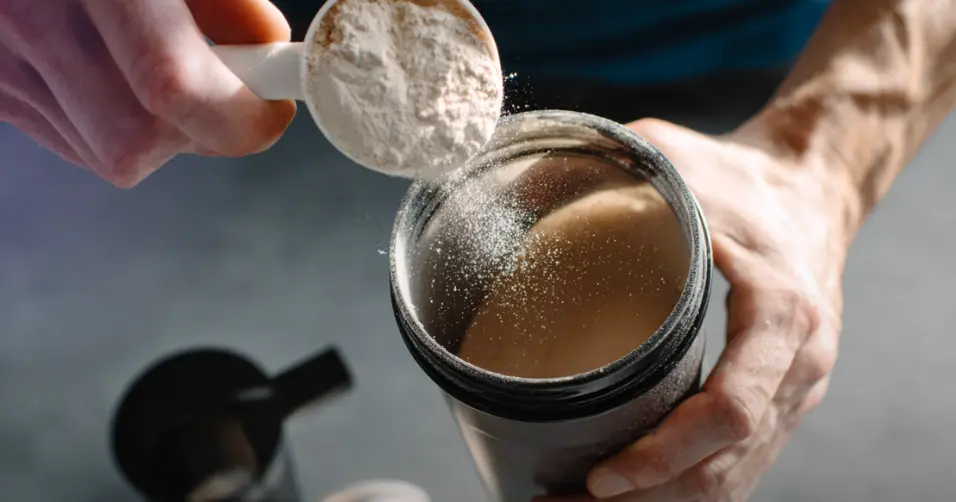
Whey Protein
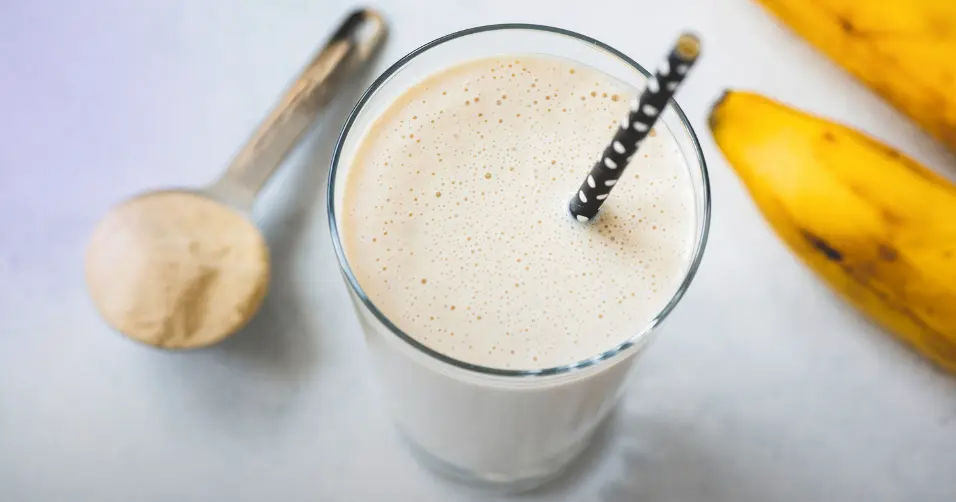
Top Lactose-Free Protein Options for Sensitive Stomachs

Soy Protein
Rice Protein
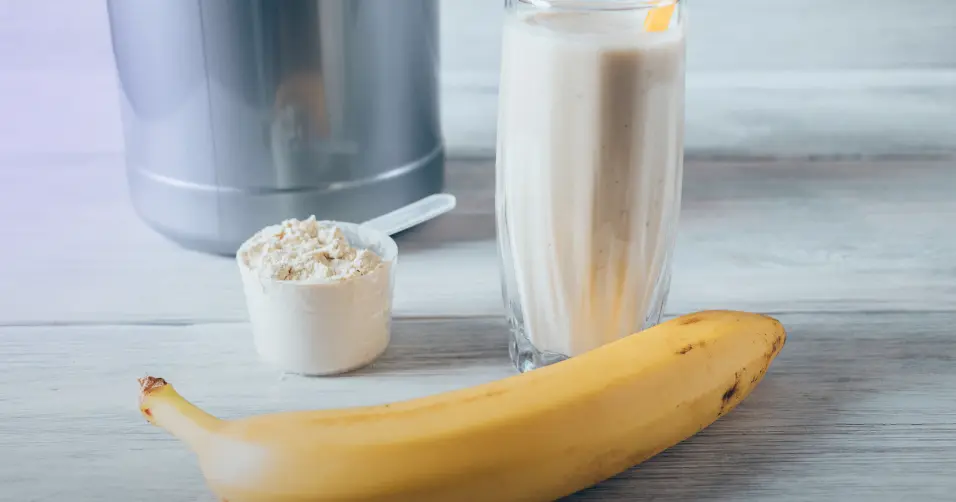
Plant-Based Protein

Pea Protein
Leucine

Lactose-Free Protein

Is Milk Good for Muscle Growth

Is a Protein Shake a Good Breakfast
How to Get 100 Grams of Protein a Day
How Long Does Protein Powder Last

How Is Protein Powder Made
High-Protein Vegan Meals That Boost Muscle and Energy

High-Protein Chicken Recipes for Muscle Building

Gluten-Free Protein

Does Protein Keep You Awake

Cheap and Easy High-Protein Meals for Busy Days

Casein Protein

Can Protein Make You Poop More?
Best Vegetarian Protein Sources

10 Best Seafood Protein Sources to Add to Your Diet

10 Best High-Protein Vegetarian Foods for Every Meal

10 Best High-Protein Vegan Foods for Plant-Based Diets
10 Best High-Protein Meat Dishes for Muscle Growth

10 Best High-Protein Chicken Dishes You’ll Crave

10 Best Cheeses High in Protein for Healthy Diets

8 Healthy High-Protein Dinners You’ll Want Every Night

2-Minute Protein Mug Cake Recipe
So, you've seen protein powder everywhere, right?
In the gym, online, maybe even at the grocery store. But have you ever stopped to wonder, 'How is protein powder made?' It's not just magic dust, you know. It actually comes from different sources and goes through a few steps to get to that powdery form. Understanding this process can help you pick the best one for your needs. Let's break down how protein powder is made.
Understanding Protein Powder Sources
So, you're curious about where all that protein powder comes from, right? It's not magic, though sometimes it feels like it when you're trying to hit your protein goals. Basically, protein powder is made by taking protein from different foods and then processing it into that fine powder you see in tubs. The source really matters, though, because it affects the type of protein you're getting and what else might be in there.
Whey Protein From Dairy
This is probably the most common type you'll see. Whey protein comes from milk. When milk is turned into cheese, there's a liquid left over – that's whey. It's packed with protein, and manufacturers take this liquid, process it to remove most of the fat and lactose (that's the sugar in milk), and then dry it into a powder. It's known for having all the essential amino acids your body needs, which is why it's so popular for muscle building and recovery.
Plant-Based Protein Options
If you're not into dairy, or you're vegan, there are tons of plant-based options now. These come from things like peas, soy, rice, hemp, or even pumpkin seeds. The process is a bit different; they extract the protein from the plant material. Sometimes, these powders might not have all the essential amino acids on their own, so manufacturers might blend different plant proteins to make sure you're getting a complete profile. They can sometimes have a slightly different texture or taste compared to whey.
Other Animal-Based Proteins
Besides whey, there are other animal sources too. Casein is another protein found in milk, and it's processed similarly to whey. You might also find protein powders made from eggs, which are another complete protein source. These are less common than whey but offer different digestion rates and amino acid profiles, which some people prefer for specific reasons.
The Whey Protein Manufacturing Process
Ever wonder what actually happens to milk to turn it into that powder you mix into shakes? It's a pretty interesting journey, and for whey protein, it all starts with cheese.
Milk Preparation and Separation
It all begins with fresh milk, usually from cows. This milk first goes through pasteurization, which is basically heating it up to kill off any unwanted bacteria. After that, it's time to make cheese. Enzymes are added to the milk, causing it to separate into solid curds (which become cheese) and a liquid called whey. This whey is what we're interested in for protein powder. It's a byproduct of cheesemaking, and traditionally, it was often just discarded.
Whey Filtration and Concentration
Now, this liquid whey isn't pure protein. It contains fats, lactose (milk sugar), and other bits. To get a high-protein product, manufacturers filter the whey. This is often done using special membranes. Think of it like a super-fine sieve that lets the liquid pass through but catches the protein. Different filtration methods can be used to create either whey protein concentrate (which still has some fat and carbs) or whey protein isolate (which has had most of the fat and carbs removed, leaving a much higher protein percentage).
Drying and Powder Formation
After filtration, the concentrated whey is still a liquid. To turn it into powder, it needs to be dried. A common method is spray drying. The liquid whey is sprayed into a hot chamber, where the water evaporates almost instantly, leaving behind fine particles of dry protein powder. This process needs to be carefully controlled to avoid damaging the protein itself.
Flavoring and Packaging
Once you have the dry whey powder, it's often unflavored. Many companies then add flavorings, sweeteners, and sometimes other ingredients like vitamins or minerals. This is where your chocolate or vanilla whey powder gets its taste. Finally, the powder is packaged, ready to be sold and mixed into your favorite post-workout drink.
Creating Plant-Based Protein Powders
So, you're curious about how those plant-based protein powders actually come to be? It's a pretty interesting process, and honestly, often a bit simpler than their dairy counterparts. Instead of milk, we're starting with things like peas, rice, soy, or even hemp seeds. These plants are packed with protein, but it's all mixed in with fiber, carbs, and fats, so we need to separate it out.
Harvesting and Initial Processing
First off, the plants are grown, harvested, and then cleaned up real good to get rid of any dirt or unwanted bits. Think of it like washing your veggies before you cook them, but on a much bigger scale. After that, they're usually ground down into a fine meal. This makes it easier to get to the protein inside.
Protein Extraction and Separation
This is where the magic happens. The ground plant meal is mixed with water, or sometimes enzymes are used. This helps to separate the protein from the other stuff, like the fiber and starches. It's kind of like straining pasta – you're keeping the good stuff (the protein) and letting the rest go. The liquid that's left, which is now full of protein, gets filtered and concentrated. This gets rid of excess water and makes the protein content much higher. The goal here is to get as much pure protein as possible.
Drying and Final Product Formulation
Once we have this concentrated protein liquid, it needs to be turned into a powder. The most common way to do this is through spray-drying. Basically, the liquid is sprayed into a hot chamber, and the water evaporates almost instantly, leaving behind a fine, dry powder. This powder is then ready to be packaged. Sometimes, manufacturers might add other ingredients at this stage to improve the taste, texture, or nutritional profile, but the core of it is that extracted plant protein.
Protein Concentration Techniques
So, you've got your protein source, but how do they get it to be so… concentrated? It's not just magic, you know. There are a couple of main ways manufacturers turn raw ingredients into the powders we see on shelves, and it really comes down to how much of the other stuff – like carbs and fats – they manage to remove.
How Is Protein Powder Made?
Protein in general supports muscle repair within hours, but noticeable gains take weeks of consistent intake.
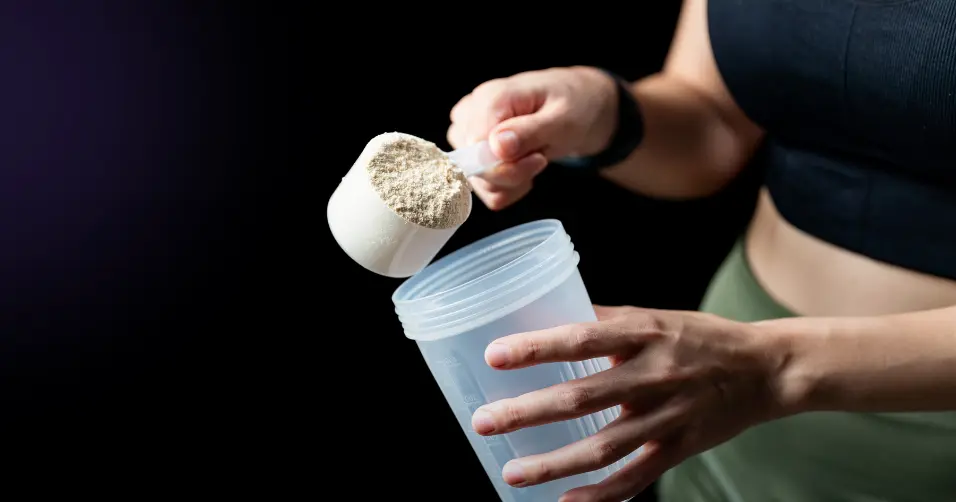
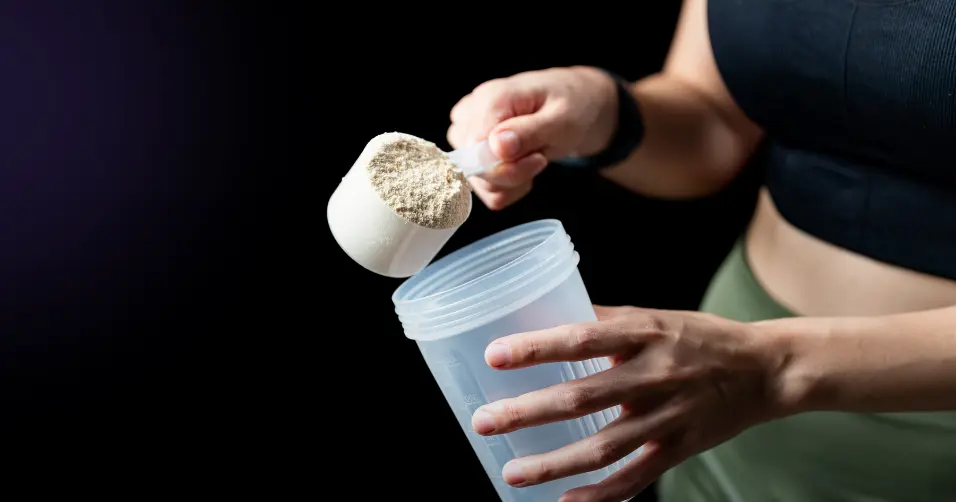
Protein powder is produced through a process that separates protein from its original food source, such as milk, eggs, or plants. The chosen material is first cleaned and ground into a fine paste or slurry, then filtered to remove fats and carbohydrates. The protein concentrate is then dried using spray-drying or freeze-drying methods to create a powder form. Some manufacturers add flavoring, sweeteners, or stabilizers to improve taste and texture. Finally, the powder is tested for purity and nutrient composition before packaging.
The separation process often uses filtration membranes that allow smaller molecules like sugars to pass while retaining protein molecules, ensuring a high concentration of protein.
Drying techniques, such as spray-drying, use hot air to quickly evaporate moisture, preserving the protein’s nutritional quality.
Freeze-drying, used in premium products, removes water by sublimation, keeping more of the protein’s structure intact.
Quality control tests check for contaminants like heavy metals or microbes, ensuring safety before distribution.
Added ingredients like natural flavor extracts or enzymes help with taste and digestibility, catering to different dietary needs.
Understanding Protein Powder Sources
So, you're curious about where all that protein powder comes from, right? It's not magic, though sometimes it feels like it when you're trying to hit your protein goals. Basically, protein powder is made by taking protein from different foods and then processing it into that fine powder you see in tubs. The source really matters, though, because it affects the type of protein you're getting and what else might be in there.
Whey Protein From Dairy
This is probably the most common type you'll see. Whey protein comes from milk. When milk is turned into cheese, there's a liquid left over – that's whey. It's packed with protein, and manufacturers take this liquid, process it to remove most of the fat and lactose (that's the sugar in milk), and then dry it into a powder. It's known for having all the essential amino acids your body needs, which is why it's so popular for muscle building and recovery.
Plant-Based Protein Options
If you're not into dairy, or you're vegan, there are tons of plant-based options now. These come from things like peas, soy, rice, hemp, or even pumpkin seeds. The process is a bit different; they extract the protein from the plant material. Sometimes, these powders might not have all the essential amino acids on their own, so manufacturers might blend different plant proteins to make sure you're getting a complete profile. They can sometimes have a slightly different texture or taste compared to whey.
Other Animal-Based Proteins
Besides whey, there are other animal sources too. Casein is another protein found in milk, and it's processed similarly to whey. You might also find protein powders made from eggs, which are another complete protein source. These are less common than whey but offer different digestion rates and amino acid profiles, which some people prefer for specific reasons.
The Whey Protein Manufacturing Process
Ever wonder what actually happens to milk to turn it into that powder you mix into shakes? It's a pretty interesting journey, and for whey protein, it all starts with cheese.
Milk Preparation and Separation
It all begins with fresh milk, usually from cows. This milk first goes through pasteurization, which is basically heating it up to kill off any unwanted bacteria. After that, it's time to make cheese. Enzymes are added to the milk, causing it to separate into solid curds (which become cheese) and a liquid called whey. This whey is what we're interested in for protein powder. It's a byproduct of cheesemaking, and traditionally, it was often just discarded.
Whey Filtration and Concentration
Now, this liquid whey isn't pure protein. It contains fats, lactose (milk sugar), and other bits. To get a high-protein product, manufacturers filter the whey. This is often done using special membranes. Think of it like a super-fine sieve that lets the liquid pass through but catches the protein. Different filtration methods can be used to create either whey protein concentrate (which still has some fat and carbs) or whey protein isolate (which has had most of the fat and carbs removed, leaving a much higher protein percentage).
Drying and Powder Formation
After filtration, the concentrated whey is still a liquid. To turn it into powder, it needs to be dried. A common method is spray drying. The liquid whey is sprayed into a hot chamber, where the water evaporates almost instantly, leaving behind fine particles of dry protein powder. This process needs to be carefully controlled to avoid damaging the protein itself.
Flavoring and Packaging
Once you have the dry whey powder, it's often unflavored. Many companies then add flavorings, sweeteners, and sometimes other ingredients like vitamins or minerals. This is where your chocolate or vanilla whey powder gets its taste. Finally, the powder is packaged, ready to be sold and mixed into your favorite post-workout drink.
Creating Plant-Based Protein Powders
So, you're curious about how those plant-based protein powders actually come to be? It's a pretty interesting process, and honestly, often a bit simpler than their dairy counterparts. Instead of milk, we're starting with things like peas, rice, soy, or even hemp seeds. These plants are packed with protein, but it's all mixed in with fiber, carbs, and fats, so we need to separate it out.
Harvesting and Initial Processing
First off, the plants are grown, harvested, and then cleaned up real good to get rid of any dirt or unwanted bits. Think of it like washing your veggies before you cook them, but on a much bigger scale. After that, they're usually ground down into a fine meal. This makes it easier to get to the protein inside.
Protein Extraction and Separation
This is where the magic happens. The ground plant meal is mixed with water, or sometimes enzymes are used. This helps to separate the protein from the other stuff, like the fiber and starches. It's kind of like straining pasta – you're keeping the good stuff (the protein) and letting the rest go. The liquid that's left, which is now full of protein, gets filtered and concentrated. This gets rid of excess water and makes the protein content much higher. The goal here is to get as much pure protein as possible.
Drying and Final Product Formulation
Once we have this concentrated protein liquid, it needs to be turned into a powder. The most common way to do this is through spray-drying. Basically, the liquid is sprayed into a hot chamber, and the water evaporates almost instantly, leaving behind a fine, dry powder. This powder is then ready to be packaged. Sometimes, manufacturers might add other ingredients at this stage to improve the taste, texture, or nutritional profile, but the core of it is that extracted plant protein.
Protein Concentration Techniques
So, you've got your protein source, but how do they get it to be so… concentrated? It's not just magic, you know. There are a couple of main ways manufacturers turn raw ingredients into the powders we see on shelves, and it really comes down to how much of the other stuff – like carbs and fats – they manage to remove.
Understanding Protein Concentrates
Think of a protein concentrate as the "good enough" version. The process here usually involves using heat or enzymes to pull out the protein from the original source. This also gets rid of water and some minerals. What you end up with is a powder that's typically around 70% to 85% protein. The rest? That's usually a mix of carbs and fats. It's a solid option for many people, offering a good amount of protein without being overly processed.
The Process of Creating Isolates
Now, if you want to go for the "purest" option, that's where isolates come in. This is a more involved step where they really try to strip away almost everything that isn't protein. The goal here is to get a powder that's at least 90% protein. To do this, they use more advanced filtering methods, like micro and ultra-filtration, to separate the protein from lactose, fats, and minerals. It's a more refined product, but it also means more processing.
Impact of Processing on Purity
When you compare concentrates and isolates, the main difference is that purity level. Isolates have a higher protein percentage because they've undergone more steps to remove non-protein components. However, it's worth remembering that more processing can sometimes affect other things in the powder, though generally, the nutritional benefits are still there. The choice between a concentrate and an isolate often comes down to personal preference and what you're looking for in terms of protein content versus how much the ingredient has been altered from its natural state.
Enhancing Protein Powders
So, you've got your basic protein powder, maybe it's whey or plant-based. But manufacturers don't just stop there. They often add other things to make it taste better, mix easier, or pack in more nutritional punch. It's all about making the powder more appealing and functional for you.
Adding Flavor and Sweeteners
Let's be honest, plain protein powder can taste pretty bland, right? That's where flavors and sweeteners come in. For chocolate, manufacturers might add cocoa powder. For vanilla, they often use a blend of natural flavors – think ingredients you can actually recognize. Sweeteners, whether natural like stevia or artificial, are added to make it palatable. Sometimes, they'll even add things like thickeners to give your shake a creamier texture. It's a balancing act to make it taste good without adding a ton of extra stuff you don't want.
Incorporating Vitamins and Minerals
Beyond just protein, some powders are fortified with vitamins and minerals. This can be a way to get a broader spectrum of nutrients, especially if you're using the powder as a meal replacement or if your diet is lacking in certain areas. You might see added calcium, iron, vitamin D, or a whole B-complex. It's like turning your protein shake into a more complete nutritional supplement. However, it's worth noting that the amounts added can vary widely, and it's not a substitute for a balanced diet.
Other Nutritional Additives
This is where things can get really interesting. Manufacturers might throw in other ingredients aimed at specific goals. For instance, you might find:
Digestive Enzymes: Added to help break down the protein and potentially reduce bloating or discomfort.
Creatine: A popular supplement for muscle growth and strength.
Branched-Chain Amino Acids (BCAAs): Often included to support muscle repair and reduce fatigue.
Fiber: Sometimes added to aid digestion and promote a feeling of fullness.
Superfoods: Ingredients like spinach, kale, or berries might be included for their antioxidant properties.
It's important to check the full ingredient list because these additions can significantly change the powder's profile and purpose. What works for one person might not be ideal for another, so reading up on what's actually in the scoop is always a good idea.
Quality and Safety Considerations
When you're grabbing a tub of protein powder, it's easy to just focus on the protein content and the flavor. But there's more to it than just that. Thinking about the quality and safety of what you're putting into your body is pretty important, right?
Potential Contaminants in Powders
So, here's the thing: the FDA doesn't really regulate protein powders the same way they do actual medications. This means manufacturers are mostly on the honor system when it comes to what's actually in the tub. Sometimes, things can sneak in that aren't supposed to be there. We're talking about stuff like heavy metals – lead, arsenic, cadmium, that sort of thing. Studies have found these in some powders, though usually in amounts that aren't considered a major health risk for most people. Still, it's a bit unsettling to think about, isn't it?
Allergen Information
This is a big one, especially if you have sensitivities. Most protein powders are made from common allergens like milk (whey and casein) or soy. Even plant-based ones can sometimes have cross-contamination issues if they're processed in facilities that also handle allergens. If you have a known allergy, you really need to be careful. For example, if you're allergic to dairy, you'll want to steer clear of whey and casein. Pea protein is generally a safer bet for many, but even then, it's good to check the label.
Importance of Label Reading
Honestly, just reading the label is probably the most important step you can take. It tells you what's actually in the powder, beyond just the protein source. Look for:
Protein Source: Is it whey, casein, soy, pea, rice, or something else?
Added Ingredients: Check for sweeteners (artificial or natural), flavors, thickeners, and any other additives. Some people prefer to avoid things like artificial sweeteners or certain gums.
Allergen Warnings: Most reputable brands will clearly state if the product contains common allergens or was processed in a facility that handles them.
Third-Party Certifications: While not always present, certifications from independent organizations can offer extra assurance that the product has been tested for purity and contaminants.
Ultimately, being an informed consumer means taking a few extra minutes to read that label before you buy and before you mix up that shake. It might seem like a hassle, but it's a simple way to make sure you're getting what you expect and avoiding any unwanted surprises.
Wrapping It Up
So, there you have it. Protein powder isn't some magical substance; it's made through a pretty straightforward process, whether it's from milk or plants. They take the good stuff, filter out what's not needed, and dry it into that powder we see. Sometimes they add flavors, sometimes they don't. Knowing this can help you pick the right kind for your goals, and hey, if you're unsure, chatting with a doctor or a dietitian is always a good move. It’s all about making informed choices for your body.
Understanding Protein Concentrates
Think of a protein concentrate as the "good enough" version. The process here usually involves using heat or enzymes to pull out the protein from the original source. This also gets rid of water and some minerals. What you end up with is a powder that's typically around 70% to 85% protein. The rest? That's usually a mix of carbs and fats. It's a solid option for many people, offering a good amount of protein without being overly processed.
The Process of Creating Isolates
Now, if you want to go for the "purest" option, that's where isolates come in. This is a more involved step where they really try to strip away almost everything that isn't protein. The goal here is to get a powder that's at least 90% protein. To do this, they use more advanced filtering methods, like micro and ultra-filtration, to separate the protein from lactose, fats, and minerals. It's a more refined product, but it also means more processing.
Impact of Processing on Purity
When you compare concentrates and isolates, the main difference is that purity level. Isolates have a higher protein percentage because they've undergone more steps to remove non-protein components. However, it's worth remembering that more processing can sometimes affect other things in the powder, though generally, the nutritional benefits are still there. The choice between a concentrate and an isolate often comes down to personal preference and what you're looking for in terms of protein content versus how much the ingredient has been altered from its natural state.
Enhancing Protein Powders
So, you've got your basic protein powder, maybe it's whey or plant-based. But manufacturers don't just stop there. They often add other things to make it taste better, mix easier, or pack in more nutritional punch. It's all about making the powder more appealing and functional for you.
Adding Flavor and Sweeteners
Let's be honest, plain protein powder can taste pretty bland, right? That's where flavors and sweeteners come in. For chocolate, manufacturers might add cocoa powder. For vanilla, they often use a blend of natural flavors – think ingredients you can actually recognize. Sweeteners, whether natural like stevia or artificial, are added to make it palatable. Sometimes, they'll even add things like thickeners to give your shake a creamier texture. It's a balancing act to make it taste good without adding a ton of extra stuff you don't want.
Incorporating Vitamins and Minerals
Beyond just protein, some powders are fortified with vitamins and minerals. This can be a way to get a broader spectrum of nutrients, especially if you're using the powder as a meal replacement or if your diet is lacking in certain areas. You might see added calcium, iron, vitamin D, or a whole B-complex. It's like turning your protein shake into a more complete nutritional supplement. However, it's worth noting that the amounts added can vary widely, and it's not a substitute for a balanced diet.
Other Nutritional Additives
This is where things can get really interesting. Manufacturers might throw in other ingredients aimed at specific goals. For instance, you might find:
Digestive Enzymes: Added to help break down the protein and potentially reduce bloating or discomfort.
Creatine: A popular supplement for muscle growth and strength.
Branched-Chain Amino Acids (BCAAs): Often included to support muscle repair and reduce fatigue.
Fiber: Sometimes added to aid digestion and promote a feeling of fullness.
Superfoods: Ingredients like spinach, kale, or berries might be included for their antioxidant properties.
It's important to check the full ingredient list because these additions can significantly change the powder's profile and purpose. What works for one person might not be ideal for another, so reading up on what's actually in the scoop is always a good idea.
Quality and Safety Considerations
When you're grabbing a tub of protein powder, it's easy to just focus on the protein content and the flavor. But there's more to it than just that. Thinking about the quality and safety of what you're putting into your body is pretty important, right?
Potential Contaminants in Powders
So, here's the thing: the FDA doesn't really regulate protein powders the same way they do actual medications. This means manufacturers are mostly on the honor system when it comes to what's actually in the tub. Sometimes, things can sneak in that aren't supposed to be there. We're talking about stuff like heavy metals – lead, arsenic, cadmium, that sort of thing. Studies have found these in some powders, though usually in amounts that aren't considered a major health risk for most people. Still, it's a bit unsettling to think about, isn't it?
Allergen Information
This is a big one, especially if you have sensitivities. Most protein powders are made from common allergens like milk (whey and casein) or soy. Even plant-based ones can sometimes have cross-contamination issues if they're processed in facilities that also handle allergens. If you have a known allergy, you really need to be careful. For example, if you're allergic to dairy, you'll want to steer clear of whey and casein. Pea protein is generally a safer bet for many, but even then, it's good to check the label.
Importance of Label Reading
Honestly, just reading the label is probably the most important step you can take. It tells you what's actually in the powder, beyond just the protein source. Look for:
Protein Source: Is it whey, casein, soy, pea, rice, or something else?
Added Ingredients: Check for sweeteners (artificial or natural), flavors, thickeners, and any other additives. Some people prefer to avoid things like artificial sweeteners or certain gums.
Allergen Warnings: Most reputable brands will clearly state if the product contains common allergens or was processed in a facility that handles them.
Third-Party Certifications: While not always present, certifications from independent organizations can offer extra assurance that the product has been tested for purity and contaminants.
Ultimately, being an informed consumer means taking a few extra minutes to read that label before you buy and before you mix up that shake. It might seem like a hassle, but it's a simple way to make sure you're getting what you expect and avoiding any unwanted surprises.
Wrapping It Up
So, there you have it. Protein powder isn't some magical substance; it's made through a pretty straightforward process, whether it's from milk or plants. They take the good stuff, filter out what's not needed, and dry it into that powder we see. Sometimes they add flavors, sometimes they don't. Knowing this can help you pick the right kind for your goals, and hey, if you're unsure, chatting with a doctor or a dietitian is always a good move. It’s all about making informed choices for your body.
How The Whey Protein Is Made?
Whey protein is made by separating liquid whey from milk, filtering, and drying it into powder.
Whey protein is made by filtering liquid whey, a byproduct of cheese production. The liquid is pasteurized, filtered to remove fat and lactose, then dried into powder. Further processing produces whey isolate or hydrolyzed forms for higher purity. The result is a complete, fast-digesting protein source. It’s used for muscle recovery, weight management, and general nutrition.
Whey originates from the liquid remaining after milk curdles during cheese making.
Filtration methods determine protein concentration and lactose content.
Powder drying preserves nutritional value for shelf stability.
High-quality whey powders retain all nine essential amino acids.
Why Is Protein Powder So Expensive?
Protein powder is expensive due to purification, testing, and production costs for high-quality protein.
Protein powder is expensive due to high production, filtration, and testing standards. Processing to remove fat, lactose, and impurities raises cost. Quality control, flavoring, and packaging also add expenses. Premium options use more advanced filtration for better digestibility. The price reflects purity, sourcing, and nutritional quality rather than marketing alone.
Filtration and purification processes make production more costly.
High-grade raw ingredients ensure consistent protein concentration.
Independent testing guarantees purity and safety for consumers.
Long shelf life and convenience contribute to overall value despite price.
Harald Ragnarok, Editor in Chief, Myopedia
Myopedia is your to-go source for simple, practical guide to getting stronger, leaner, and healthier for the long run—bringing together biohacking, longevity, and muscle growth in one place. It breaks down what to do and why it works, with straightforward training and nutrition basics plus clear explanations of supplements and newer health tools, so you can make better choices without getting lost in hype.
Medical Disclaimer: All content on this website is intended solely for informational and educational purposes and should not be interpreted as a substitute for professional medical advice, diagnosis, or treatment, nor as encouragement or promotion for or against any particular use, product, or activity. Results may vary and are not guaranteed. No doctor–patient relationship is created by your use of this content. Always consult a qualified healthcare provider, nutritionist, or other relevant expert before starting or changing any supplement, diet, exercise, or lifestyle program. This website can contain errors. Check important information. Read our full Disclaimer.
RSS – Status – Terms of Service – Privacy Policy – Disclaimer – About Myopedia.
©2025 Myopedia™. All rights reserved.
Myopedia is your to-go source for simple, practical guide to getting stronger, leaner, and healthier for the long run—bringing together biohacking, longevity, and muscle growth in one place. It breaks down what to do and why it works, with straightforward training and nutrition basics plus clear explanations of supplements and newer health tools, so you can make better choices without getting lost in hype.
Medical Disclaimer: All content on this website is intended solely for informational and educational purposes and should not be interpreted as a substitute for professional medical advice, diagnosis, or treatment, nor as encouragement or promotion for or against any particular use, product, or activity. Results may vary and are not guaranteed. No doctor–patient relationship is created by your use of this content. Always consult a qualified healthcare provider, nutritionist, or other relevant expert before starting or changing any supplement, diet, exercise, or lifestyle program. This website can contain errors. Check important information. Read our full Disclaimer.
RSS – Status – Terms of Service – Privacy Policy – Disclaimer – About Myopedia.
©2025 Myopedia™. All rights reserved.
Myopedia is your to-go source for simple, practical guide to getting stronger, leaner, and healthier for the long run—bringing together biohacking, longevity, and muscle growth in one place. It breaks down what to do and why it works, with straightforward training and nutrition basics plus clear explanations of supplements and newer health tools, so you can make better choices without getting lost in hype.
Medical Disclaimer: All content on this website is intended solely for informational and educational purposes and should not be interpreted as a substitute for professional medical advice, diagnosis, or treatment, nor as encouragement or promotion for or against any particular use, product, or activity. Results may vary and are not guaranteed. No doctor–patient relationship is created by your use of this content. Always consult a qualified healthcare provider, nutritionist, or other relevant expert before starting or changing any supplement, diet, exercise, or lifestyle program. This website can contain errors. Check important information. Read our full Disclaimer.
RSS – Status – Terms of Service – Privacy Policy – Disclaimer – About Myopedia.
©2025 Myopedia™. All rights reserved.