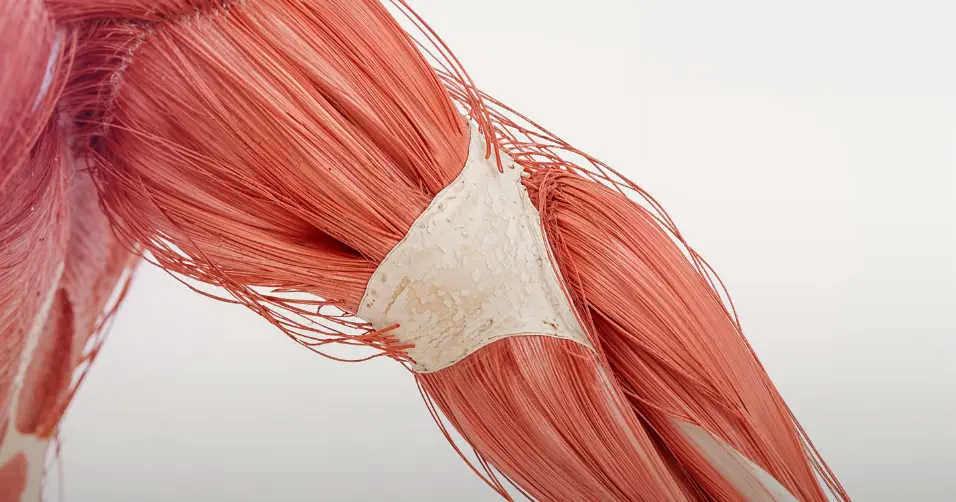
Muscle Growth
How Long Does It Take to Gain Muscle Mass?
Realistic Timeline for Seeing Noticeable Muscle Gains


This article is educational and not intended to diagnose, treat, or suggest any specific intervention, and should not replace qualified medical advice.
How To Know If You Are A "Hard Gainer"?
A hard gainer struggles to build muscle despite eating and training properly due to high metabolism or genetics.
You may be a "hard gainer" if you find it difficult to gain weight or muscle despite consistent workouts and eating. Common traits include fast metabolism, low appetite, and naturally lean body type. Hard gainers often require higher calorie and protein intake than average. Tracking food and training helps ensure a consistent surplus. Rest and recovery are equally important for steady growth.
Fast metabolisms burn calories quickly, making weight gain challenging.
Increased meal frequency supports muscle and calorie accumulation.
Progressive overload in training promotes efficient strength gains.
Prioritizing sleep and stress reduction aids hormonal balance for growth.
You may be a "hard gainer" if you find it difficult to gain weight or muscle despite consistent workouts and eating. Common traits include fast metabolism, low appetite, and naturally lean body type. Hard gainers often require higher calorie and protein intake than average. Tracking food and training helps ensure a consistent surplus. Rest and recovery are equally important for steady growth.
Fast metabolisms burn calories quickly, making weight gain challenging.
Increased meal frequency supports muscle and calorie accumulation.
Progressive overload in training promotes efficient strength gains.
Prioritizing sleep and stress reduction aids hormonal balance for growth.
Does Sleep Impact Muscle Mass Growth?
Yes, sleep impacts muscle growth by releasing growth hormone and aiding recovery.
Sleep directly impacts muscle mass growth through hormonal regulation and recovery. During deep sleep, the body releases growth hormone essential for tissue repair. Inadequate rest reduces protein synthesis and increases cortisol, a muscle-breaking hormone. Consistent 7–9 hours nightly supports optimal strength and recovery. Poor sleep can limit training progress even with good nutrition.
Sleep deprivation slows recovery and reduces energy during workouts.
Quality rest enhances testosterone and growth hormone balance.
Regular bedtime patterns improve long-term muscle adaptation.
Hydration and low-caffeine intake aid better sleep quality.
Sleep directly impacts muscle mass growth through hormonal regulation and recovery. During deep sleep, the body releases growth hormone essential for tissue repair. Inadequate rest reduces protein synthesis and increases cortisol, a muscle-breaking hormone. Consistent 7–9 hours nightly supports optimal strength and recovery. Poor sleep can limit training progress even with good nutrition.
Sleep deprivation slows recovery and reduces energy during workouts.
Quality rest enhances testosterone and growth hormone balance.
Regular bedtime patterns improve long-term muscle adaptation.
Hydration and low-caffeine intake aid better sleep quality.
What Makes Muscle Grow?
Muscle grows from resistance training, protein intake, and recovery phases.
Muscle grows through a process called hypertrophy—repair and enlargement of muscle fibers after resistance training. This occurs when training creates micro-tears that rebuild stronger with proper nutrition and recovery. Protein intake, hormones, and progressive overload are key drivers. Sufficient calories and rest complete the growth cycle. Consistent effort over weeks leads to visible physical changes.
Progressive overload stimulates muscle fibers to adapt and enlarge.
Protein-rich diets supply amino acids for tissue rebuilding.
Growth hormones and insulin-like factors accelerate recovery.
Balanced rest ensures adaptation without overtraining or fatigue.
Muscle grows through a process called hypertrophy—repair and enlargement of muscle fibers after resistance training. This occurs when training creates micro-tears that rebuild stronger with proper nutrition and recovery. Protein intake, hormones, and progressive overload are key drivers. Sufficient calories and rest complete the growth cycle. Consistent effort over weeks leads to visible physical changes.
Progressive overload stimulates muscle fibers to adapt and enlarge.
Protein-rich diets supply amino acids for tissue rebuilding.
Growth hormones and insulin-like factors accelerate recovery.
Balanced rest ensures adaptation without overtraining or fatigue.
How Long Until You See Visible Muscle Growth?
Visible muscle growth typically appears after 6–8 weeks of consistent training and eating.
Visible muscle growth usually appears after 6–8 weeks of consistent resistance training. Beginners may see early strength improvements before physical size increases. Growth depends on training intensity, protein intake, and recovery. Leaner individuals may notice definition faster than bulkier ones. Long-term consistency yields noticeable and sustainable gains.
Early changes come from neuromuscular adaptation before hypertrophy sets in.
Diet and rest speed up visible progress through faster recovery cycles.
Photographic tracking helps monitor subtle early improvements.
After 3–6 months, muscle mass becomes clearly visible under consistent effort.
Visible muscle growth usually appears after 6–8 weeks of consistent resistance training. Beginners may see early strength improvements before physical size increases. Growth depends on training intensity, protein intake, and recovery. Leaner individuals may notice definition faster than bulkier ones. Long-term consistency yields noticeable and sustainable gains.
Early changes come from neuromuscular adaptation before hypertrophy sets in.
Diet and rest speed up visible progress through faster recovery cycles.
Photographic tracking helps monitor subtle early improvements.
After 3–6 months, muscle mass becomes clearly visible under consistent effort.
What Exercise Grow Muscle Fastest?
Compound exercises like squats, deadlifts, and bench press grow muscle fastest.
Compound exercises like squats, deadlifts, bench presses, and pull-ups grow muscle fastest. These moves recruit multiple muscle groups, maximizing strength and hypertrophy. They stimulate more hormones such as testosterone and growth hormone. Training with progressive overload increases results over time. Consistent compound movement routines yield efficient full-body growth.
Compound lifts engage large muscle areas for greater mechanical tension.
Progressive resistance ensures continuous adaptation and strength gain.
Combining with accessory isolation moves refines definition and balance.
Proper form and recovery are vital to prevent injury during heavy training.
Compound exercises like squats, deadlifts, bench presses, and pull-ups grow muscle fastest. These moves recruit multiple muscle groups, maximizing strength and hypertrophy. They stimulate more hormones such as testosterone and growth hormone. Training with progressive overload increases results over time. Consistent compound movement routines yield efficient full-body growth.
Compound lifts engage large muscle areas for greater mechanical tension.
Progressive resistance ensures continuous adaptation and strength gain.
Combining with accessory isolation moves refines definition and balance.
Proper form and recovery are vital to prevent injury during heavy training.
Which Muscle Is Easiest To Grow Quickly?
Legs and back muscles tend to grow the quickest due to their large size.
The easiest muscle to grow varies by genetics, but typically the legs and back respond fastest. These areas contain large muscle groups like quads and lats that handle heavy loads. Regular compound lifts stimulate their rapid adaptation. Consistent nutrition and training intensity accelerate visible results. Smaller muscles like calves and forearms usually take longer to develop.
Legs and back have more muscle fibers, responding quickly to overload.
Heavy, multi-joint exercises promote faster strength and size gains.
Individual genetics influence growth rate and muscle response.
Proper recovery enhances larger muscle group development efficiency.
The easiest muscle to grow varies by genetics, but typically the legs and back respond fastest. These areas contain large muscle groups like quads and lats that handle heavy loads. Regular compound lifts stimulate their rapid adaptation. Consistent nutrition and training intensity accelerate visible results. Smaller muscles like calves and forearms usually take longer to develop.
Legs and back have more muscle fibers, responding quickly to overload.
Heavy, multi-joint exercises promote faster strength and size gains.
Individual genetics influence growth rate and muscle response.
Proper recovery enhances larger muscle group development efficiency.
How Long Does It Take To Gain Muscle Mass?
It usually takes 3–6 months to gain significant muscle mass with consistent effort.
It typically takes 3 to 6 months to gain noticeable muscle mass with proper diet and training. Beginners may see changes sooner due to faster adaptation. Progress depends on calorie surplus, protein intake, and recovery quality. Maintaining progressive overload ensures continued growth beyond initial gains. Consistency and patience are essential for lasting results.
Muscle growth slows after the first few months as adaptation stabilizes.
Balanced nutrition accelerates recovery and cellular repair between sessions.
Tracking workouts ensures steady performance progression.
Rest periods are vital for hypertrophy to occur effectively.
It typically takes 3 to 6 months to gain noticeable muscle mass with proper diet and training. Beginners may see changes sooner due to faster adaptation. Progress depends on calorie surplus, protein intake, and recovery quality. Maintaining progressive overload ensures continued growth beyond initial gains. Consistency and patience are essential for lasting results.
Muscle growth slows after the first few months as adaptation stabilizes.
Balanced nutrition accelerates recovery and cellular repair between sessions.
Tracking workouts ensures steady performance progression.
Rest periods are vital for hypertrophy to occur effectively.
What Are Key Muscle Growth Supplements?
Key muscle growth supplements include whey protein, creatine, and beta-alanine.
Key muscle growth supplements include whey protein, creatine, beta-alanine, HMB, and omega-3 fatty acids. Protein provides essential amino acids for recovery, while creatine increases strength and endurance. Beta-alanine improves performance during high-intensity training. HMB protects against muscle breakdown, and omega-3s reduce inflammation. Combined with consistent training, these enhance lean mass development.
Protein and creatine remain foundational for all muscle-building programs.
Beta-alanine enhances endurance by buffering muscle acidity.
HMB reduces post-workout soreness and prevents tissue loss.
Omega-3s support muscle recovery and cellular resilience naturally.
Key muscle growth supplements include whey protein, creatine, beta-alanine, HMB, and omega-3 fatty acids. Protein provides essential amino acids for recovery, while creatine increases strength and endurance. Beta-alanine improves performance during high-intensity training. HMB protects against muscle breakdown, and omega-3s reduce inflammation. Combined with consistent training, these enhance lean mass development.
Protein and creatine remain foundational for all muscle-building programs.
Beta-alanine enhances endurance by buffering muscle acidity.
HMB reduces post-workout soreness and prevents tissue loss.
Omega-3s support muscle recovery and cellular resilience naturally.
Medical Disclaimer: All content on this website is intended solely for informational and educational purposes and should not be interpreted as a substitute for professional medical advice, diagnosis, or treatment, nor as encouragement or promotion for or against any particular use, product, or activity. Results may vary and are not guaranteed. No doctor–patient relationship is created by your use of this content. Always consult a qualified healthcare provider, nutritionist, or other relevant expert before starting or changing any supplement, diet, exercise, or lifestyle program. This website can contain errors. Check important information. Read our full Disclaimer.
Status – Terms of Service – Privacy Policy – Disclaimer – About Myopedia.
©2025 Myopedia™. All rights reserved.
Medical Disclaimer: All content on this website is intended solely for informational and educational purposes and should not be interpreted as a substitute for professional medical advice, diagnosis, or treatment, nor as encouragement or promotion for or against any particular use, product, or activity. Results may vary and are not guaranteed. No doctor–patient relationship is created by your use of this content. Always consult a qualified healthcare provider, nutritionist, or other relevant expert before starting or changing any supplement, diet, exercise, or lifestyle program. This website can contain errors. Check important information. Read our full Disclaimer.
Status – Terms of Service – Privacy Policy – Disclaimer – About Myopedia.
©2025 Myopedia™. All rights reserved.
Medical Disclaimer: All content on this website is intended solely for informational and educational purposes and should not be interpreted as a substitute for professional medical advice, diagnosis, or treatment, nor as encouragement or promotion for or against any particular use, product, or activity. Results may vary and are not guaranteed. No doctor–patient relationship is created by your use of this content. Always consult a qualified healthcare provider, nutritionist, or other relevant expert before starting or changing any supplement, diet, exercise, or lifestyle program. This website can contain errors. Check important information. Read our full Disclaimer.
Status – Terms of Service – Privacy Policy – Disclaimer – About Myopedia.
©2025 Myopedia™. All rights reserved.