Body

Immune System

Your Complete Guide to the Immune System

Immune System is the body's defense network against pathogens, whose optimal function is supported by balanced nutrition, sleep, and overall healthy lifestyle choices.
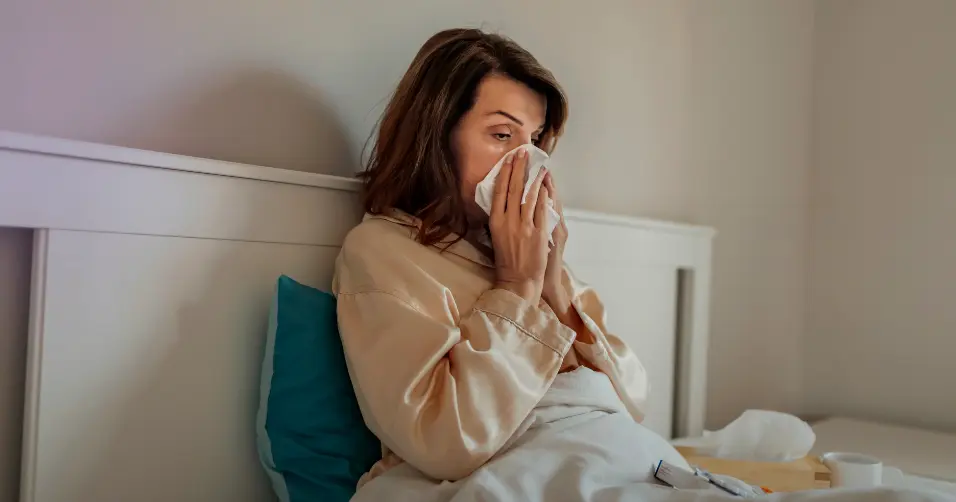
This article is educational and not intended to diagnose, treat, or suggest any specific intervention, and should not replace qualified medical advice.

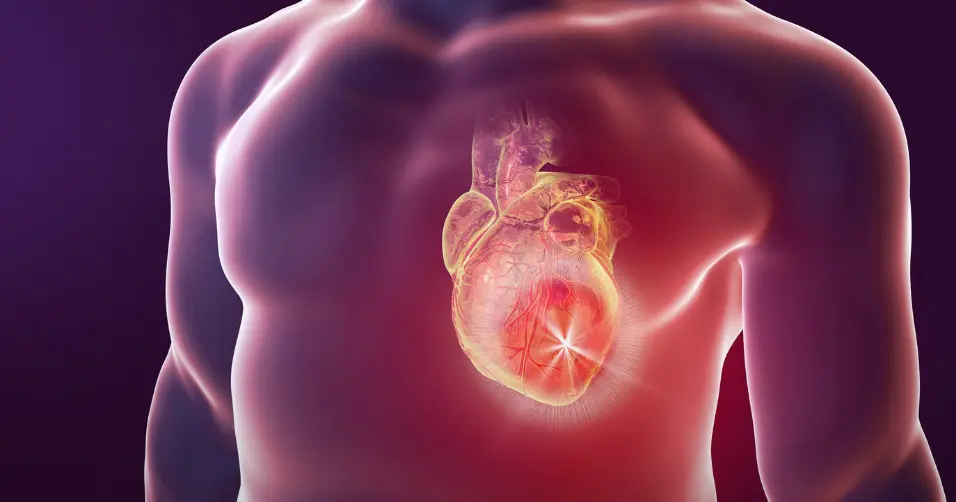
Immune System is the body's natural defense network that safeguards against pathogens and maintains overall health.

How to Optimize Immune System?

The immune system can be strengthened with good sleep, diverse nutrition, and moderate exercise.

To optimize the immune system, regular healthy habits are essential. The immune system protects the body from infections and needs support through balanced nutrition, exercise, and rest. A varied diet with vitamins and minerals strengthens defense functions. Moderate, consistent exercise boosts immune cell activity. Proper hydration, stress management, and good sleep further reinforce immune resilience.

  • Vitamin C, D, and zinc-rich foods support immune defense and reduce infection risk.

  • Moderate exercise improves circulation, helping immune cells move efficiently through the body.

  • Stress management reduces the release of hormones that suppress immune activity.

  • 7–9 hours of quality sleep strengthens immune memory and repair functions.

To optimize the immune system, regular healthy habits are essential. The immune system protects the body from infections and needs support through balanced nutrition, exercise, and rest. A varied diet with vitamins and minerals strengthens defense functions. Moderate, consistent exercise boosts immune cell activity. Proper hydration, stress management, and good sleep further reinforce immune resilience.

  • Vitamin C, D, and zinc-rich foods support immune defense and reduce infection risk.

  • Moderate exercise improves circulation, helping immune cells move efficiently through the body.

  • Stress management reduces the release of hormones that suppress immune activity.

  • 7–9 hours of quality sleep strengthens immune memory and repair functions.

What Is Immune System?

Immune System is the body’s defense network against infections and diseases.

The immune system is the body’s defense network that protects against infections and harmful substances. It includes white blood cells, antibodies, and physical barriers like skin. A strong immune system can recognize and destroy viruses, bacteria, and other invaders. Nutrition, sleep, stress, and exercise all influence its strength. When the immune system is weak, people are more prone to infections and illness.

  • Main parts: White blood cells and antibodies are central in fighting infections.

  • Defense layers: Barriers like skin and mucus stop many invaders before they enter the body.

  • Lifestyle role: Sleep, diet, and stress levels strongly affect immune strength.

  • Weakness risks: A weakened system increases susceptibility to infections and slower recovery.

The immune system is the body’s defense network that protects against infections and harmful substances. It includes white blood cells, antibodies, and physical barriers like skin. A strong immune system can recognize and destroy viruses, bacteria, and other invaders. Nutrition, sleep, stress, and exercise all influence its strength. When the immune system is weak, people are more prone to infections and illness.

  • Main parts: White blood cells and antibodies are central in fighting infections.

  • Defense layers: Barriers like skin and mucus stop many invaders before they enter the body.

  • Lifestyle role: Sleep, diet, and stress levels strongly affect immune strength.

  • Weakness risks: A weakened system increases susceptibility to infections and slower recovery.

How Does Immune System Impact Your Health?

The immune system impacts health by defending against infections and supporting recovery.

Immune system impacts health by defending against infections and supporting recovery. A strong immune system prevents frequent illness and helps heal injuries. Weak immunity increases risks of chronic disease, fatigue, and infections. Overactive immunity may cause allergies or autoimmune conditions. Balance is crucial for long-term resilience and well-being.

  • Strong immunity reduces frequency and severity of colds and flu.

  • Weakened immune response raises risks of infections and slower recovery.

  • Chronic stress or malnutrition harms immune defense, making the body vulnerable.

  • Overactive immune responses may attack healthy tissue, causing autoimmune diseases.

Immune system impacts health by defending against infections and supporting recovery. A strong immune system prevents frequent illness and helps heal injuries. Weak immunity increases risks of chronic disease, fatigue, and infections. Overactive immunity may cause allergies or autoimmune conditions. Balance is crucial for long-term resilience and well-being.

  • Strong immunity reduces frequency and severity of colds and flu.

  • Weakened immune response raises risks of infections and slower recovery.

  • Chronic stress or malnutrition harms immune defense, making the body vulnerable.

  • Overactive immune responses may attack healthy tissue, causing autoimmune diseases.

What We Often Get Wrong About Immune System?

Immune system is often assumed to only fight infection, yet it also repairs tissues and clears damaged cells.

A common misconception about the immune system is that stronger is always better. Overactive immunity can lead to allergies and autoimmune diseases. Some think supplements alone can “boost” immunity, when overall lifestyle is more important. Another myth is that being healthy means never getting sick, but mild illness is part of immune training. The goal is balance, not endless strengthening.

  • Too much immune activity can damage the body through autoimmunity.

  • Supplements have limited effects compared to sleep, stress control, and nutrition.

  • Occasional infections train and strengthen the immune system.

  • Balance, not excess, ensures long-term immune health and resilience.

A common misconception about the immune system is that stronger is always better. Overactive immunity can lead to allergies and autoimmune diseases. Some think supplements alone can “boost” immunity, when overall lifestyle is more important. Another myth is that being healthy means never getting sick, but mild illness is part of immune training. The goal is balance, not endless strengthening.

  • Too much immune activity can damage the body through autoimmunity.

  • Supplements have limited effects compared to sleep, stress control, and nutrition.

  • Occasional infections train and strengthen the immune system.

  • Balance, not excess, ensures long-term immune health and resilience.

Key Immune System Indicators You May Want to Track

Key immune system indicators are white blood cell count, infection frequency, and antibody response.

Key immune system indicators include frequency of illness, recovery speed, and overall energy. Long gaps between infections suggest strong defenses. Blood markers like white blood cell count can also show immune activity. Stress resilience and sleep quality influence immune effectiveness. Consistent monitoring of these gives a picture of immune strength.

  • Frequent colds or infections suggest weakened immunity.

  • Slow wound or illness recovery reflects reduced immune efficiency.

  • White blood cell count in blood tests gives direct immune system insight.

  • Stress and sleep quality strongly affect immune performance indicators.

Key immune system indicators include frequency of illness, recovery speed, and overall energy. Long gaps between infections suggest strong defenses. Blood markers like white blood cell count can also show immune activity. Stress resilience and sleep quality influence immune effectiveness. Consistent monitoring of these gives a picture of immune strength.

  • Frequent colds or infections suggest weakened immunity.

  • Slow wound or illness recovery reflects reduced immune efficiency.

  • White blood cell count in blood tests gives direct immune system insight.

  • Stress and sleep quality strongly affect immune performance indicators.

What Causes Changes in Immune System?

Changes in the immune system are caused by sleep, stress, nutrition, and infections.

Changes in the immune system are caused by age, nutrition, stress, and infections. With age, immune cells become less efficient, reducing defense. Malnutrition or vitamin deficiencies weaken immune response. Chronic stress suppresses immunity, while acute stress may temporarily boost it. Exposure to pathogens trains the immune system, improving memory and resilience.

  • Aging lowers efficiency of immune cells, slowing infection response.

  • Nutrient shortages weaken the body’s defense ability.

  • Chronic stress suppresses defense, while short-term stress can activate it.

  • Regular exposure to microbes strengthens immune memory for future defense.

Changes in the immune system are caused by age, nutrition, stress, and infections. With age, immune cells become less efficient, reducing defense. Malnutrition or vitamin deficiencies weaken immune response. Chronic stress suppresses immunity, while acute stress may temporarily boost it. Exposure to pathogens trains the immune system, improving memory and resilience.

  • Aging lowers efficiency of immune cells, slowing infection response.

  • Nutrient shortages weaken the body’s defense ability.

  • Chronic stress suppresses defense, while short-term stress can activate it.

  • Regular exposure to microbes strengthens immune memory for future defense.

Does Immune System Relate to Longevity?

The immune system relates to longevity by protecting against infections and cancer, while overactivation harms tissues.

Immune system health directly affects longevity. A strong, balanced immune system prevents infections and supports recovery throughout life. With age, immunity declines, raising risks of illness and cancer. Overactive immunity, however, shortens life by causing autoimmune diseases. Maintaining balance through lifestyle choices promotes resilience and longer lifespan.

  • Strong immunity prevents infections that reduce lifespan.

  • Declining immune efficiency in aging raises risks of disease and mortality.

  • Overactive immunity can shorten life by attacking the body itself.

  • Balanced lifestyle habits support immune function for healthy aging.

Immune system health directly affects longevity. A strong, balanced immune system prevents infections and supports recovery throughout life. With age, immunity declines, raising risks of illness and cancer. Overactive immunity, however, shortens life by causing autoimmune diseases. Maintaining balance through lifestyle choices promotes resilience and longer lifespan.

  • Strong immunity prevents infections that reduce lifespan.

  • Declining immune efficiency in aging raises risks of disease and mortality.

  • Overactive immunity can shorten life by attacking the body itself.

  • Balanced lifestyle habits support immune function for healthy aging.

What Can Go Wrong With Immune System?

With the immune system, what can go wrong is weakness against infections or overreaction causing autoimmunity.

What can go wrong with the immune system includes weakness, overactivity, and imbalance. Weak immunity causes frequent infections and slow recovery. Overactive immunity may trigger allergies or autoimmune conditions. Chronic stress and poor lifestyle choices disrupt immune balance. Both extremes harm long-term health and resilience.

  • Weak immunity increases frequency of illness and infection.

  • Overactivity causes harmful autoimmune reactions against healthy tissue.

  • Stress and malnutrition reduce immune system efficiency.

  • Imbalance shortens resilience and recovery capacity with age.

What can go wrong with the immune system includes weakness, overactivity, and imbalance. Weak immunity causes frequent infections and slow recovery. Overactive immunity may trigger allergies or autoimmune conditions. Chronic stress and poor lifestyle choices disrupt immune balance. Both extremes harm long-term health and resilience.

  • Weak immunity increases frequency of illness and infection.

  • Overactivity causes harmful autoimmune reactions against healthy tissue.

  • Stress and malnutrition reduce immune system efficiency.

  • Imbalance shortens resilience and recovery capacity with age.

How Does Immune System Vary With Age?

The immune system varies with age by weakening, a process called immunosenescence.

Immune system function varies strongly with age. Children develop immunity gradually through exposure. Adults generally have strong, balanced immune defenses. Older adults experience immunosenescence, a decline in immune function. This raises risks of infection and slower recovery in aging populations.

  • Children strengthen immunity through gradual exposure to pathogens.

  • Adults enjoy peak immune balance with proper lifestyle support.

  • Aging weakens defenses, making illness more severe.

  • Nutrition, sleep, and stress management preserve immunity across ages.

Immune system function varies strongly with age. Children develop immunity gradually through exposure. Adults generally have strong, balanced immune defenses. Older adults experience immunosenescence, a decline in immune function. This raises risks of infection and slower recovery in aging populations.

  • Children strengthen immunity through gradual exposure to pathogens.

  • Adults enjoy peak immune balance with proper lifestyle support.

  • Aging weakens defenses, making illness more severe.

  • Nutrition, sleep, and stress management preserve immunity across ages.

How Does Your Lifestyle Affect Immune System?

Lifestyle affects the immune system through sleep, nutrition, stress, and smoking.

Your lifestyle affects the immune system by supporting or weakening defenses. Balanced nutrition provides key vitamins and minerals. Regular exercise enhances circulation of immune cells. Stress and sleep deprivation lower immune strength. Healthy habits ensure resilience against illness.

  • Proper nutrition fuels immune cell production and defense.

  • Exercise boosts immune surveillance, reducing illness frequency.

  • Stress weakens immune responses, making infections more likely.

  • Sleep supports immune memory and repair, strengthening long-term health.

Your lifestyle affects the immune system by supporting or weakening defenses. Balanced nutrition provides key vitamins and minerals. Regular exercise enhances circulation of immune cells. Stress and sleep deprivation lower immune strength. Healthy habits ensure resilience against illness.

  • Proper nutrition fuels immune cell production and defense.

  • Exercise boosts immune surveillance, reducing illness frequency.

  • Stress weakens immune responses, making infections more likely.

  • Sleep supports immune memory and repair, strengthening long-term health.

How Does Nutrition Impact Immune System?

Nutrition impacts the immune system with vitamins A, C, D, zinc, and protein.

Nutrition impacts the immune system by fueling defense cells and repair processes. Vitamins C, D, and zinc strengthen immune activity. Protein supports production of antibodies and repair tissues. Poor diets lacking nutrients weaken resistance to infections. Hydration also plays a key role in supporting immune function.

  • Vitamin-rich foods increase resilience against infections.

  • Protein intake builds antibodies and supports healing.

  • Poor diet reduces immune strength, raising illness frequency.

  • Hydration maintains circulation of immune cells throughout the body.

Nutrition impacts the immune system by fueling defense cells and repair processes. Vitamins C, D, and zinc strengthen immune activity. Protein supports production of antibodies and repair tissues. Poor diets lacking nutrients weaken resistance to infections. Hydration also plays a key role in supporting immune function.

  • Vitamin-rich foods increase resilience against infections.

  • Protein intake builds antibodies and supports healing.

  • Poor diet reduces immune strength, raising illness frequency.

  • Hydration maintains circulation of immune cells throughout the body.

What Supplements May Aid Immune System?

Supplements that may aid the immune system are vitamin C, vitamin D, zinc, and probiotics.

Supplements that may aid the immune system include vitamin C, vitamin D, and zinc. Vitamin C supports immune cell activity and repair. Vitamin D enhances immune defense against respiratory infections. Zinc helps produce white blood cells. Probiotics may also strengthen gut-linked immunity.

  • Vitamin C improves immune cell defense and tissue healing.

  • Vitamin D lowers infection risk by regulating immune activity.

  • Zinc supports white blood cell growth and activity levels.

  • Probiotics boost gut health, improving immune resilience.

Supplements that may aid the immune system include vitamin C, vitamin D, and zinc. Vitamin C supports immune cell activity and repair. Vitamin D enhances immune defense against respiratory infections. Zinc helps produce white blood cells. Probiotics may also strengthen gut-linked immunity.

  • Vitamin C improves immune cell defense and tissue healing.

  • Vitamin D lowers infection risk by regulating immune activity.

  • Zinc supports white blood cell growth and activity levels.

  • Probiotics boost gut health, improving immune resilience.

Can Fasting Optimize Immune System?

Fasting can impact the immune system positively by promoting autophagy, but negatively if prolonged without nutrients.

Fasting may optimize the immune system when done moderately. Short fasts reduce inflammation and promote cellular repair. Extended fasting, however, can weaken immunity by lowering nutrient intake. Intermittent fasting supports immune balance when combined with nutrient-dense meals. The effect depends on fasting length and recovery diet.

  • Short fasting boosts cellular recycling, strengthening defenses.

  • Extended fasting lowers immune strength due to nutrient gaps.

  • Intermittent fasting balances inflammation and recovery well.

  • Proper refeeding ensures immunity is not compromised by fasting.

Fasting may optimize the immune system when done moderately. Short fasts reduce inflammation and promote cellular repair. Extended fasting, however, can weaken immunity by lowering nutrient intake. Intermittent fasting supports immune balance when combined with nutrient-dense meals. The effect depends on fasting length and recovery diet.

  • Short fasting boosts cellular recycling, strengthening defenses.

  • Extended fasting lowers immune strength due to nutrient gaps.

  • Intermittent fasting balances inflammation and recovery well.

  • Proper refeeding ensures immunity is not compromised by fasting.

How Your Workout Regimen Affects Immune System?

Your workout regimen affects the immune system by boosting it with moderate activity but lowering it with overtraining.

Your workout regimen affects the immune system depending on intensity and recovery. Moderate exercise strengthens immune surveillance and reduces illness risk. Excessive training without recovery suppresses immunity. Balanced workouts paired with rest maximize immune benefits. Nutrition and hydration during training also support defense functions.

  • Moderate exercise improves immune efficiency and lowers infections.

  • Overtraining reduces immune function, raising illness risk.

  • Rest and recovery restore immune defenses after intense training.

  • Hydration and nutrients protect immune system during heavy activity.

Your workout regimen affects the immune system depending on intensity and recovery. Moderate exercise strengthens immune surveillance and reduces illness risk. Excessive training without recovery suppresses immunity. Balanced workouts paired with rest maximize immune benefits. Nutrition and hydration during training also support defense functions.

  • Moderate exercise improves immune efficiency and lowers infections.

  • Overtraining reduces immune function, raising illness risk.

  • Rest and recovery restore immune defenses after intense training.

  • Hydration and nutrients protect immune system during heavy activity.

What's the Latest Research on Immune System?

Latest research on the immune system finds that moderate exercise boosts immunity while intense overtraining suppresses it.

The latest research on the immune system emphasizes the gut’s central role. Gut microbiome diversity is linked to stronger immunity. Sleep and circadian rhythm disruption weaken immune efficiency. Exercise is confirmed to boost immune resilience when moderate. Studies also focus on how aging immune decline can be slowed with lifestyle strategies.

  • Diverse gut microbiomes correlate with stronger immune defenses.

  • Sleep disruption reduces immune response and repair capacity.

  • Moderate exercise boosts surveillance, lowering illness rates.

  • Lifestyle-focused research shows ways to slow age-related immune decline.

The latest research on the immune system emphasizes the gut’s central role. Gut microbiome diversity is linked to stronger immunity. Sleep and circadian rhythm disruption weaken immune efficiency. Exercise is confirmed to boost immune resilience when moderate. Studies also focus on how aging immune decline can be slowed with lifestyle strategies.

  • Diverse gut microbiomes correlate with stronger immune defenses.

  • Sleep disruption reduces immune response and repair capacity.

  • Moderate exercise boosts surveillance, lowering illness rates.

  • Lifestyle-focused research shows ways to slow age-related immune decline.

How Does Immunity Relate to Betaine?

Immunity relates to betaine mainly through methylation meaning chemical donating processes though evidence is limited.

Immunity relates to betaine through its involvement in methylation and nutrient balance. These processes help maintain normal immune cell function. Betaine’s effects are supportive rather than targeted. It does not boost immunity but may help maintain stability. Healthy diet and sleep remain central.

  • Helps manage homocysteine which influences systemic stress levels.

  • Supports nutrient handling that immune cells rely on for repair.

  • Acts indirectly rather than stimulating immune activity.

  • Pairs with overall dietary quality for meaningful effect.


Immunity relates to betaine through its involvement in methylation and nutrient balance. These processes help maintain normal immune cell function. Betaine’s effects are supportive rather than targeted. It does not boost immunity but may help maintain stability. Healthy diet and sleep remain central.

  • Helps manage homocysteine which influences systemic stress levels.

  • Supports nutrient handling that immune cells rely on for repair.

  • Acts indirectly rather than stimulating immune activity.

  • Pairs with overall dietary quality for meaningful effect.


Medical Disclaimer: All content on this website is intended solely for informational and educational purposes and should not be interpreted as a substitute for professional medical advice, diagnosis, or treatment, nor as encouragement or promotion for or against any particular use, product, or activity. Results may vary and are not guaranteed. No doctor–patient relationship is created by your use of this content. Always consult a qualified healthcare provider, nutritionist, or other relevant expert before starting or changing any supplement, diet, exercise, or lifestyle program. This website can contain errors. Check important information. Read our full Disclaimer.

StatusTerms of ServicePrivacy PolicyDisclaimerAbout Myopedia.

©2025 Myopedia™. All rights reserved.

Medical Disclaimer: All content on this website is intended solely for informational and educational purposes and should not be interpreted as a substitute for professional medical advice, diagnosis, or treatment, nor as encouragement or promotion for or against any particular use, product, or activity. Results may vary and are not guaranteed. No doctor–patient relationship is created by your use of this content. Always consult a qualified healthcare provider, nutritionist, or other relevant expert before starting or changing any supplement, diet, exercise, or lifestyle program. This website can contain errors. Check important information. Read our full Disclaimer.

StatusTerms of ServicePrivacy PolicyDisclaimerAbout Myopedia.

©2025 Myopedia™. All rights reserved.

Medical Disclaimer: All content on this website is intended solely for informational and educational purposes and should not be interpreted as a substitute for professional medical advice, diagnosis, or treatment, nor as encouragement or promotion for or against any particular use, product, or activity. Results may vary and are not guaranteed. No doctor–patient relationship is created by your use of this content. Always consult a qualified healthcare provider, nutritionist, or other relevant expert before starting or changing any supplement, diet, exercise, or lifestyle program. This website can contain errors. Check important information. Read our full Disclaimer.

StatusTerms of ServicePrivacy PolicyDisclaimerAbout Myopedia.

©2025 Myopedia™. All rights reserved.