Betaine
A Comprehensive Guide to Betaine
Betaine (trimethylglycine) aids in homocysteine metabolism, liver function, and cellular hydration, with some evidence suggesting benefits for power output and body composition.
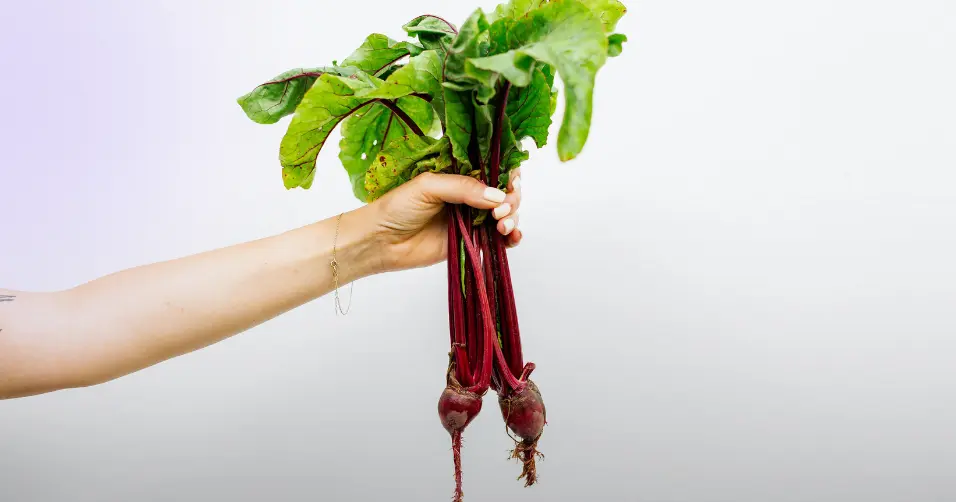
Betaine, also known as trimethylglycine, is a natural compound found in foods like beets and wheat, and it's also made in the body from choline.
It plays a role as a 'methyl donor,' which helps with important bodily functions like liver health and processing fats.
Research suggests Betaine may support heart health by helping lower homocysteine levels, and it also has anti-inflammatory properties.
Some studies indicate Betaine could help with body composition, potentially aiding in muscle gain and fat loss, though more human research is needed.
While generally safe, Betaine can sometimes cause mild stomach upset, and people with certain health conditions like heart or liver disease should talk to a doctor before taking supplements.
This article is educational and not intended to diagnose, treat, or suggest any specific intervention, and should not replace qualified medical advice.







Betaine: FACTS
Role | Methyl donor; hydration, liver, heart health |
Form & Classification | Trimethylglycine |
Typical Dosage & Intake | 1.5–3 g/day |
Cycling | No cycling needed |
Sources | Beets, spinach, supplements |
Safety & Interactions | Safe; may lower homocysteine |
Dosage information is general and may vary with product brand, quality or individual needs; verify accuracy on package and consult a qualified practitioner before use.
What Does Betaine Do?
Betaine helps muscle growth by donating methyl groups, chemical units needed for protein and creatine production.
Betaine impacts muscles by supporting strength, endurance, and protein synthesis. It works as a methyl donor, meaning it helps with chemical reactions important for muscle growth. Studies suggest it improves power output and lean mass over time. It may also help regulate fluid balance in cells, which supports performance. Though effects are not as strong as creatine, it provides a useful boost in muscle function.
Betaine enhances protein synthesis, helping muscle fibers grow stronger.
It improves hydration inside muscle cells, supporting endurance.
It may increase strength in compound lifts over several weeks of use.
It reduces fatigue by aiding energy production pathways.
What Is Betaine?
Betaine is a compound from beets that donates methyl groups, aiding liver function and muscle performance.
Betaine is a compound found in foods like beets and is studied for its role in supporting strength and body composition. It may enhance performance by helping cells maintain fluid balance and supporting methylation, a biochemical process important for metabolism. Research shows it can increase power output and endurance in some athletes. Its effectiveness varies, with some studies showing strong results and others showing little impact. It is generally safe when used in moderate amounts.
Betaine supports hydration at the cellular level, helping maintain performance in tough conditions.
It is involved in methylation, which influences muscle protein synthesis and energy metabolism.
Some studies suggest improvements in body composition, but results are inconsistent.
It appears to be safe for most individuals when taken within studied ranges.
Which Type of Betaine Is Best?
Betaine anhydrous is best because it is the purest form and delivers reliable dosing.
Betaine is most effective in the anhydrous form, which is the purified version used in studies. This type is stable, easy to dose, and commonly found in sports supplements. Natural food sources like beets contain betaine, but amounts are too small for performance effects. Anhydrous powder or capsules deliver consistent levels for strength and power benefits. This makes it the preferred form for muscle support.
Betaine anhydrous is the form most tested in exercise performance studies.
Beets provide betaine but require very large amounts to match supplement doses.
Powder form is easy to mix into shakes before workouts.
Capsules offer measured and convenient dosing.
How to Add Betaine to Your Diet?
Betaine can be added as powder mixed into water or as capsules with meals.
Betaine can be added through foods like beets, spinach, and whole grains, but amounts may be low. Most athletes rely on betaine anhydrous in powder or capsule form. It is often taken before training for strength and endurance support. Powders can be mixed into pre-workout drinks or water. Consistent daily use helps maintain muscle performance benefits.
Beets and spinach provide natural betaine but in small quantities.
Anhydrous supplements deliver reliable performance doses.
Pre-workout shakes are a common way to take betaine powder.
Daily intake is important for strength and power results.
What Are Key Ingredients of Betaine?
Betaine’s active ingredient is trimethylglycine, a compound that supports methylation and creatine synthesis.
Betaine supplements usually contain betaine anhydrous as the key ingredient. This is the purified version used in performance studies. Some pre-workouts mix it with creatine or amino acids. Natural color or flavor agents may be added to powders. The main active component is always betaine itself.
Betaine anhydrous is the standardized and studied form.
It is often blended with other ergogenic compounds in pre-workouts.
Flavoring agents make powder forms easier to drink.
The performance effects rely directly on betaine content.
Which Processes Does Betaine Affect?
Betaine affects creatine production, methylation processes, and hydration balance in muscle cells.
Betaine affects methylation, hydration, and protein synthesis processes. Methylation helps regulate gene activity and protein building. It also helps balance fluid in cells, improving endurance. In training, betaine supports muscle growth signals. These processes combine to boost power and recovery.
It provides methyl groups, supporting protein and DNA synthesis.
It regulates fluid balance in muscle cells, improving endurance.
It activates anabolic signaling for strength development.
It reduces fatigue by supporting energy pathways.
What Foods Contain Betaine?
Betaine is naturally present in beets, spinach, wheat bran, and shellfish.
Betaine occurs naturally in several plant foods. Beets are the richest known source, which is why the compound was first identified there. Spinach, quinoa, and wheat bran also contain betaine. Seafood like shrimp provides smaller amounts. These foods can raise intake without supplements.
Beets are the top natural source of betaine.
Spinach and quinoa contain steady amounts.
Wheat bran provides additional dietary betaine.
Shrimp and shellfish contribute minor levels.
Is Betaine Vegan?
Betaine is vegan-friendly when extracted from beets or spinach.
Betaine is vegan-friendly because it comes from plants, especially beets. Most supplements use betaine anhydrous from beetroot extraction. Capsule types may vary, so vegans should check labels. Powders remain fully plant-derived. Overall, betaine is naturally suitable for vegan diets.
Beets and spinach are plant-based sources of betaine.
Most commercial betaine is extracted from beetroot.
Capsule shells should be checked for vegan certification.
Powder supplements avoid capsule concerns entirely.
Will Betaine Break a Fast?
Betaine does not break a fast as it has negligible calories and no insulin effect.
Betaine itself is a calorie-free compound and does not break a fast. Supplements are usually extracted from plants but contain no significant energy. However, blends with sugars or added ingredients may affect fasting. Pure betaine anhydrous can be taken without concern. It is suitable for both fasting and feeding periods.
Pure betaine is calorie-free, making it fast-compatible.
Plant extracts do not carry enough calories to disrupt fasting.
Pre-workout blends with carbs may break fasts.
Always check labels to confirm no hidden sugars.
Breaking a fast here is strictly physiological (e.g., insulin effects). When we say a supplement ‘does not break a fast,’ we mean it has negligible calories in normal use and is unlikely to disrupt fasting metabolism. Certain traditions or religious rules may treat any intake as breaking a fast—please follow your tradition and health needs.
What's the Best Betaine?
High-quality betaine should be labeled as betaine anhydrous with clear purity testing.
Betaine should be in the anhydrous form for effectiveness. Check that it comes from natural plant sources like beet extract. Powders should be free from fillers or artificial flavors. High-quality capsules state exact dosage per serving. Verified purity is key for muscle performance benefits.
Betaine anhydrous is the clinically supported form.
Beet-derived sources are reliable and natural.
Avoid unnecessary blends that dilute dosage.
Third-party testing proves strength and cleanliness.
What’s the Optimal Dosage and Timing for Betaine?
Betaine is effective at 2.5–3 g daily, usually with pre-workout meals.
Betaine is usually taken at 2.5–6 grams daily. Most athletes split doses into pre-workout and daily maintenance servings. Taking before training supports power and endurance. Consistency matters for long-term adaptation. Food intake alone rarely provides this studied range.
2.5 g daily is the most common effective dose in studies.
Pre-workout timing supports immediate training effects.
Larger athletes may benefit from up to 6 g daily.
Food sources do not reach the needed levels for performance.
Dosage and timing information is generalized and may not be appropriate for all individuals; occasional inaccuracies may occur. Variations in supplement purity, formulation, or quality can also affect dosing relevance. Verify accuracy on package and consult a qualified practitioner before use.
What Are Common Mistakes When Taking Betaine?
A common mistake with betaine is not staying hydrated, which reduces its performance benefits.
Betaine mistakes include taking too little, below 2 g daily, which may not be effective. Some use it irregularly, expecting immediate results. Overdosing beyond 6 g may cause stomach upset. Another mistake is not checking for purity, as fillers lower effectiveness. Pairing it without proper hydration also reduces performance benefits.
Low doses under 2 g daily rarely deliver measurable strength benefits.
Irregular intake prevents the buildup needed for results.
Doses beyond 6 g may lead to digestive issues.
Low-quality blends dilute betaine content and reduce outcomes.
How Fast Does Betaine Work?
Betaine may improve workout performance within a week, though body composition changes take longer.
Betaine can show strength and endurance benefits within 1–2 weeks. Some studies report performance changes as early as 7 days. More consistent gains in muscle composition appear after 4–6 weeks. Results depend heavily on training intensity. It works moderately fast compared to many other natural compounds.
Performance benefits may appear in the first 1–2 weeks.
Strength gains are more reliable after a month of use.
Muscle composition shifts take 4–6 weeks of training support.
Training effort is necessary to see full benefits.
Results may vary between individuals, and no outcome is guaranteed. A tailored supplemntation plan is the best way to ensure the desired outcome.
Does Betaine Require a Cooldown?
Betaine can be used consistently, though some prefer cycling after 8–12 weeks.
Betaine does not require cooldowns when taken at recommended doses. Most studies use it safely for several weeks to months. Continuous use is acceptable, though cycling is sometimes practiced. Very high doses may cause stomach discomfort over time. Monitoring intake ensures safe long-term use.
No cooldown is needed at 2.5–6 g daily.
Research supports continuous use for months without issues.
Cycling is optional, not required for safety.
Excessive doses may cause digestive problems with long use.
The need to pause or cycle depends on individual factors such as goals, tolerance, and clinical context. No universal rule applies, and specialist review is recommended before making adjustments.
How Long Does Betaine HCL Stay In Your System?
Betaine HCL stays in the system for several hours, depending on meal size and stomach emptying rate.
Betaine HCL can remain active in the stomach for several hours after ingestion. The actual duration depends on food type and stomach emptying rate. Its acidity supports digestion until most food passes into the small intestine. The compound itself is then neutralized and excreted naturally. Effects fade as the stomach returns to its resting pH.
Typical digestive cycles last 2–4 hours, matching Betaine HCL’s active window.
Its impact ends once food moves into the intestine and stomach acid drops.
Long-term use should be cycled if normal acid production improves.
Monitoring digestive comfort helps determine if continued use is necessary.
Does Tolerance Develop for Betaine?
Betaine does not produce tolerance, though its performance effects may level off over time.
Betaine has no evidence of tolerance at studied doses. It continues to support methylation and hydration consistently. Some athletes notice performance plateaus, but this is training-related. Cycling is not required for effectiveness. Long-term intake remains stable at moderate doses.
No tolerance develops with 2.5–6 g daily use.
Performance plateaus are linked to training, not betaine adaptation.
Continuous intake supports metabolism steadily.
No cycling is necessary for consistent benefits.
Information on tolerance is generalized and may not reflect individual differences in metabolism, duration of use, or health status. Reactions can vary, and any adjustment should follow qualified practicioner's recommendations.
Is Betaine Safe?
Betaine, a nutrient involved in liver and heart function, is likely safe long term in moderate supplemental doses.
Betaine is considered safe long term at recommended doses. It is naturally found in foods like beets and grains, making supplementation low risk. Studies show it supports liver function and hydration. Very high doses may cause digestive upset, but no organ toxicity is reported. Safe daily use is supported when intake stays moderate.
Long-term use shows benefits for liver and heart health without harmful effects.
It is a natural nutrient already present in many diets, supporting its safety.
Excessive intake can cause stomach upset but not lasting damage.
Conservative dosing ensures safe use over many years.
Everyone’s biology and history are different. Unknown or underlying conditions can introduce unforeseen risks. Individualized professional advice is always recommended.
Can Betaine Be Stacked?
Betaine stacks with creatine for improved power output and muscle hydration.
Betaine is often stacked with creatine and pre-workouts for strength. It also pairs with protein to support lean mass. Beta-alanine is another common partner for endurance and power. Too many overlapping ergogenic compounds may upset digestion. Moderate stacks maximize performance safely.
Creatine and betaine together enhance power output.
Beta-alanine pairing supports both endurance and explosive energy.
Protein stacks help with muscle composition changes.
Balanced stacking avoids stomach discomfort from excess powder mixes.
Many supplements can interact in ways that enhance or alter their effects. However, stacking makes it difficult to monitor the impact of each component and increases the risk of oversupplementation or unintended interactions.
Do Betaine Effects Persist?
Betaine effects persist only with continuous intake.
Betaine effects persist only with daily intake. Strength and performance gains drop if supplementation stops. Methylation and hydration support are temporary processes. Muscle built during use remains if training continues. Ongoing intake is required to keep benefits active.
Strength support reduces when intake ends.
Hydration balance returns to baseline without supplementation.
Muscle gained during use can be maintained through training.
Daily use is necessary for performance benefits.
Results may vary between individuals, and no outcome is guaranteed. A tailored supplemntation plan is the best way to ensure the desired outcome.
What Are Alternatives to Betaine?
Betaine alternatives include creatine and choline, which support methylation processes.
Betaine alternatives include creatine and taurine, which support strength and hydration. Electrolytes also help maintain fluid balance during training. Protein ensures raw material for recovery. While not identical, these alternatives cover similar energy and endurance roles. Betaine’s unique methylation role is less replaceable but partly covered by choline-rich foods.
Creatine overlaps with betaine in boosting strength and power.
Taurine supports hydration and muscle endurance.
Electrolytes improve fluid balance during workouts.
Choline-rich foods cover some methylation processes like betaine.
There are often alternatives that better align with personal risk profiles, preferences, or resources; comparative review with a relevant certified consultant is advised.
Does Betaine Aid Longevity?
Betaine may support longevity through methylation processes important for DNA health.
Betaine may support longevity by aiding methylation, a process involved in DNA health. It also protects cells by regulating fluid balance. Some studies suggest benefits for liver health, which supports long-term wellness. However, direct lifespan studies are lacking. Betaine’s role is supportive, not proven longevity-enhancing.
Supports DNA methylation, linked to aging regulation.
Protects cell hydration and stress resilience.
Promotes liver health, which is important in aging.
No direct evidence proves lifespan extension.
How Does Betaine Compare with Similar Supplements?
Betaine compared with creatine supports methylation and hydration, while creatine directly fuels ATP.
Betaine compares closely with creatine in strength support but is less studied. Betaine aids methylation and hydration, while creatine boosts ATP directly. Compared to taurine, betaine plays a stronger role in muscle composition. Beta-alanine is better for endurance buffering than betaine. It is complementary rather than superior to these options.
Creatine provides stronger and more consistent power benefits.
Taurine helps hydration, but betaine adds composition effects.
Beta-alanine supports endurance better than betaine.
Betaine complements creatine rather than replacing it.
What Are Possible Side Effects of Betaine?
Betaine side effects may include mild stomach upset or a fishy body odor.
Betaine is safe in moderate doses but may cause stomach upset in high amounts. Doses above 6 g daily can trigger nausea or cramps. Rarely, body odor changes are reported due to methylation processes. Long-term safety is generally good at studied ranges. Side effects are dose-related.
Nausea and digestive discomfort occur above 6 g daily.
Some users notice mild changes in body odor.
Safe long-term within the 2.5–6 g research-backed range.
Overdosing increases gastrointestinal risks.
Responses differ among individuals. If adverse effects occur, discontinuation and professional evaluation are advised.
Who Should Avoid Betaine?
Betaine should be avoided by people with high cholesterol unless cleared by a healthcare provider.
Betaine should be avoided by people with kidney disease due to methylation effects. Those with low blood pressure should also use caution. Pregnant and breastfeeding women lack strong safety data. Children should not use concentrated betaine supplements. Adults in normal health tolerate it well.
Kidney patients may risk metabolic strain from betaine.
Low blood pressure may worsen with its circulation effects.
Pregnant and breastfeeding women lack human trial data.
Children are not recommended for betaine supplementation.
Individuals who may be at higher risk—including those with diabetes, eating disorders, pregnancy or breastfeeding, heavy training loads, health conditions, medication use, or prior adverse reactions—should seek tailored guidance before deciding supplementation or making major supplement or lifestyle changes.
What Is the Regulatory Status of Betaine?
Betaine is regulated as a dietary supplement and food additive in some regions.
Betaine is regulated as a dietary supplement ingredient and is recognized as safe in normal supplemental doses. It is not classified as a pharmaceutical product. Oversight focuses on labeling accuracy, dosage safety, and ensuring no contamination. It is not banned by sports anti-doping organizations. Regulators mainly monitor manufacturers’ claims about performance enhancement.
Betaine is sold as a legal supplement worldwide.
It must meet safety and labeling standards for dietary supplements.
Sports organizations do not restrict its use.
Oversight prevents misleading performance or strength claims.
Regulations differ by region and change over time. This overview is general; please check current rules where you live and, if relevant, your sport’s governing body.
What’s the History of Betaine?
Betaine history goes back to the 19th century when it was first extracted from sugar beets.
Betaine was first identified in the 19th century from sugar beets. It was originally studied for its role in methylation and liver health. In the late 20th century, it gained attention in animal feed for growth support. Human sports use expanded in the 2000s for strength and endurance. Its modern role bridges nutrition, health, and performance.
Discovered in sugar beets in the 1800s, giving it its name.
First studied for liver and metabolic health benefits.
Applied in agriculture to support animal growth performance.
Adopted in human sports supplements in the 21st century.
Are Betaine HCL And TMG Both Betaine?
Betaine HCL and TMG (trimethylglycine) are both forms of betaine, but betaine HCL aids digestion while TMG supports methylation, a chemical process important for metabolism.
Betaine HCL and TMG (trimethylglycine) are different forms of betaine with distinct functions. Betaine HCL is an acid form used to support stomach acid levels and digestion. TMG is a methyl donor that supports liver health and homocysteine metabolism. While they share a similar structure, their uses and effects differ. They should not be interchanged unless directed by a professional.
Betaine HCL combines betaine with hydrochloric acid for digestive support.
TMG contributes methyl groups to metabolic reactions supporting heart and liver health.
Both compounds exist naturally in foods like beets and spinach.
Choosing between them depends on whether the goal is digestion or metabolic balance.
How Long Does It Take For Betaine HCL To Work?
Betaine HCL usually works within 15–30 minutes after taking it before meals by increasing stomach acid for digestion.
Betaine HCL usually works within 10–30 minutes after consumption with a meal. It helps increase stomach acid for better protein and mineral digestion. Users often notice relief from bloating or fullness during digestion. Consistent use over several meals may further improve stomach acid balance. However, it should only be taken if low acid production is suspected.
Betaine HCL acts quickly because it releases hydrochloric acid upon contact with food.
Initial effects include improved digestion and reduced heaviness after meals.
It should always be taken with protein-containing foods to avoid discomfort.
Overuse may cause irritation if stomach acid levels are already normal.
Results may vary between individuals, and no outcome is guaranteed. A tailored supplemntation plan is the best way to ensure the desired outcome.
Should I Take Betaine HCL Before Or After Meals?
Betaine HCL should be taken immediately before or at the start of a protein-containing meal to support stomach acid production.
Betaine HCL should be taken immediately before or during meals containing protein. Taking it without food can cause stomach irritation or discomfort. Starting with a low dose is best to assess tolerance. If burning occurs, intake should be stopped or reduced. The supplement works best when food is present to buffer stomach acid release.
Consuming it with the first bites of food ensures proper acid activation.
It should not be taken on an empty stomach due to high acidity.
Gradual dose increases help find the minimal effective amount for digestion.
Use with caution if taking acid-reducing medications or with known ulcers.
What Is Betaine HCL?
Betaine HCL is a stomach acid supplement that helps digestion by lowering gastric pH (increasing acidity).
Betaine hydrochloride is a compound that supports digestion by increasing stomach acid levels, which helps break down proteins and absorb nutrients more effectively. It is often used by people with low stomach acid, a condition known as hypochlorhydria. Proper digestion is essential for preventing bloating, gas, and nutrient deficiencies. Studies suggest it may help with heartburn caused by too little acid rather than too much. However, users should consult a healthcare professional before taking betaine hydrochloride, especially if they use antacids or anti-inflammatory drugs.
Digestive aid: It improves the breakdown of food by raising stomach acidity, easing symptoms of indigestion and promoting nutrient absorption.
Nutrient absorption: Enhanced stomach acid levels help absorb key nutrients like iron, calcium, and vitamin B12 more efficiently.
Safety concerns: Long-term or high-dose use can irritate the stomach lining; it should not be combined with acid-reducing medicines.
Usage guidance: It is best taken with protein-rich meals and avoided on an empty stomach to reduce irritation.
Medical supervision: People with ulcers, reflux disease, or chronic gastritis should only use it under medical guidance.
Harald Ragnarok, Editor in Chief, Myopedia