Biohacking
IGF-1 – Insulin-like Growth Factor
IGF-1 (Insulin-like Growth Factor): Everything You Need to Know
IGF-1 (Insulin-like Growth Factor) is a hormone that works with growth hormone to promote muscle repair and growth, enhancing overall recovery and performance.
We cover emerging biohacking topics because our readers ask about them. This is not guidance to self-experiment. This article is educational and not intended to diagnose, treat, or suggest any specific intervention, and should not replace qualified medical advice.


We recognize growing interest in biohacking and experimental-stage substances. This article discusses an experimental method that may not be suitable for DIY use; any consideration belongs with qualified supervision.

Why Is IGF-1 Gaining Attention?
IGF-1 is gaining attention because it promotes growth and repair of tissues and declines with age, linking it to strength and recovery.
IGF-1 is gaining attention because of its powerful role in growth, repair, and anabolic signaling. It is central to muscle development, tissue regeneration, and age-related decline. In performance contexts, it is viewed as a potential way to accelerate recovery and enhance muscle growth. In longevity research, its dual role is debated, as high IGF-1 supports growth but may increase risks of certain diseases. The complexity of its role in health keeps it a focus of both scientific and public discussion.
It activates pathways strongly tied to muscle growth, making it appealing to athletes.
It is central in research on growth disorders and tissue healing.
Its involvement in aging adds both promise and caution, leading to wide debate.
IGF-1 is monitored in sports due to its performance-enhancing potential.
IGF-1 is gaining attention because of its powerful role in growth, repair, and anabolic signaling. It is central to muscle development, tissue regeneration, and age-related decline. In performance contexts, it is viewed as a potential way to accelerate recovery and enhance muscle growth. In longevity research, its dual role is debated, as high IGF-1 supports growth but may increase risks of certain diseases. The complexity of its role in health keeps it a focus of both scientific and public discussion.
It activates pathways strongly tied to muscle growth, making it appealing to athletes.
It is central in research on growth disorders and tissue healing.
Its involvement in aging adds both promise and caution, leading to wide debate.
IGF-1 is monitored in sports due to its performance-enhancing potential.
IGF-1: FACTS
Role | Cell growth, muscle repair, metabolic regulator |
Form & Classification | Peptide hormone |
Research Status | Studied in growth disorders, aging, recovery |
Sources | Endogenous production, synthetic hormone |
Risk Profile & Monitoring | May raise cancer risk if overused |
What Is IGF-1?
IGF-1 – Insulin-like Growth Factor is a hormone that promotes cell growth and repair, especially in muscles and bones.
IGF-1, or insulin-like growth factor 1, is a hormone similar to insulin that promotes cell growth and repair. It plays a major role in childhood development and continues to influence muscle and bone health in adults. Supplementation or therapy can increase growth but carries risks like cancer promotion if uncontrolled. Levels naturally decline with age, which has led to research on replacement strategies. It must be carefully regulated to avoid adverse effects.
IGF-1 is stimulated by growth hormone and mediates many of its effects.
It enhances protein synthesis, muscle growth, and bone strength.
Excess IGF-1 has been linked to higher cancer risks in some studies.
Therapeutic use is restricted to specific medical conditions.
IGF-1, or insulin-like growth factor 1, is a hormone similar to insulin that promotes cell growth and repair. It plays a major role in childhood development and continues to influence muscle and bone health in adults. Supplementation or therapy can increase growth but carries risks like cancer promotion if uncontrolled. Levels naturally decline with age, which has led to research on replacement strategies. It must be carefully regulated to avoid adverse effects.
IGF-1 is stimulated by growth hormone and mediates many of its effects.
It enhances protein synthesis, muscle growth, and bone strength.
Excess IGF-1 has been linked to higher cancer risks in some studies.
Therapeutic use is restricted to specific medical conditions.
What Does IGF-1 Do?
IGF-1 affects growth and repair by activating cell pathways that stimulate protein synthesis and tissue regeneration.
IGF-1 affects processes linked to growth, repair, and metabolism. It activates the mTOR pathway, which drives protein synthesis and cell growth. IGF-1 also stimulates glucose uptake into muscle cells, improving energy use. It plays a key role in tissue repair and regeneration after injury. Because it influences both growth and aging, its processes are central to longevity debates.
It stimulates mTOR signaling, leading to muscle growth and protein synthesis.
It enhances glucose uptake, supporting energy supply to muscles.
It promotes healing by stimulating tissue regeneration.
It supports bone development and density maintenance.
IGF-1 affects processes linked to growth, repair, and metabolism. It activates the mTOR pathway, which drives protein synthesis and cell growth. IGF-1 also stimulates glucose uptake into muscle cells, improving energy use. It plays a key role in tissue repair and regeneration after injury. Because it influences both growth and aging, its processes are central to longevity debates.
It stimulates mTOR signaling, leading to muscle growth and protein synthesis.
It enhances glucose uptake, supporting energy supply to muscles.
It promotes healing by stimulating tissue regeneration.
It supports bone development and density maintenance.
How Is IGF-1 Used in Biohacking?
IGF-1 is used in biohacking to enhance muscle growth, repair, and recovery, though safety concerns exist.
IGF-1 is used in biohacking for muscle growth, repair, and recovery. Some experimenters use it to accelerate gains from training. It is also explored in injury healing routines because of its tissue-regenerating effects. Its dual role in growth and aging makes it a controversial choice. Access and regulation limit its broader use outside experimental groups.
It is applied in cycles focused on hypertrophy and recovery.
Some biohackers explore it for joint and tendon healing acceleration.
It is sometimes paired with growth hormone secretagogues for synergy.
Its use is debated because of links to aging-related disease risks.
IGF-1 is used in biohacking for muscle growth, repair, and recovery. Some experimenters use it to accelerate gains from training. It is also explored in injury healing routines because of its tissue-regenerating effects. Its dual role in growth and aging makes it a controversial choice. Access and regulation limit its broader use outside experimental groups.
It is applied in cycles focused on hypertrophy and recovery.
Some biohackers explore it for joint and tendon healing acceleration.
It is sometimes paired with growth hormone secretagogues for synergy.
Its use is debated because of links to aging-related disease risks.
Descriptions of protocols are provided to explain research methods only. They are not instructions for personal use. Individuals should not adapt or perform study procedures outside approved research settings with qualified supervision.
How Is IGF-1 Used in Research Settings?
IGF-1 is used in research for growth, tissue regeneration, and age-related decline in strength.
IGF-1 is researched for its dual roles in growth and aging. It is studied in growth disorders and for recovery after injury. Research explores its use in muscle regeneration and tissue repair. It is also examined for its links to cancer risk and age-related disease. This makes it one of the most debated hormones in longevity studies.
It is trialed in children with growth hormone deficiencies.
Studies assess its ability to repair muscle and bone after injury.
It is linked to faster healing, making it relevant in sports medicine.
Longevity research studies both its benefits and cancer risk associations.
IGF-1 is researched for its dual roles in growth and aging. It is studied in growth disorders and for recovery after injury. Research explores its use in muscle regeneration and tissue repair. It is also examined for its links to cancer risk and age-related disease. This makes it one of the most debated hormones in longevity studies.
It is trialed in children with growth hormone deficiencies.
Studies assess its ability to repair muscle and bone after injury.
It is linked to faster healing, making it relevant in sports medicine.
Longevity research studies both its benefits and cancer risk associations.
How Fast Does IGF-1 Work?
IGF-1 promotes tissue repair and growth over days to weeks depending on dose and condition.
IGF-1 acts relatively quickly in promoting growth and repair. Muscle protein synthesis can increase within hours of higher IGF-1 activity. Users or patients may notice recovery improvements within weeks. Larger changes in muscle mass and healing need months. Timing varies depending on whether it is used clinically or experimentally.
Cellular growth signals activate almost immediately after IGF-1 rises.
Short-term recovery benefits appear within the first few weeks.
Muscle hypertrophy builds gradually across 2–3 months of use.
Long-term effects include sustained tissue and bone support.
IGF-1 acts relatively quickly in promoting growth and repair. Muscle protein synthesis can increase within hours of higher IGF-1 activity. Users or patients may notice recovery improvements within weeks. Larger changes in muscle mass and healing need months. Timing varies depending on whether it is used clinically or experimentally.
Cellular growth signals activate almost immediately after IGF-1 rises.
Short-term recovery benefits appear within the first few weeks.
Muscle hypertrophy builds gradually across 2–3 months of use.
Long-term effects include sustained tissue and bone support.
Is IGF-1 Safe?
IGF-1 risks include low blood sugar, abnormal cell growth, and increased cancer risk if misused.
IGF-1 carries risks of abnormal growth, insulin resistance, and potential cancer promotion. High levels may increase risk of certain tumors due to cell growth stimulation. Excess use can cause joint pain, swelling, and fluid retention. It may also disrupt natural hormone balance. Its role in both growth and aging makes risk management complex.
It may worsen insulin resistance, raising diabetes risk.
It stimulates growth in tissues, which could accelerate cancer cell activity.
Joint discomfort and swelling are common side effects at higher doses.
Hormonal imbalances may result from long-term external use.
IGF-1 carries risks of abnormal growth, insulin resistance, and potential cancer promotion. High levels may increase risk of certain tumors due to cell growth stimulation. Excess use can cause joint pain, swelling, and fluid retention. It may also disrupt natural hormone balance. Its role in both growth and aging makes risk management complex.
It may worsen insulin resistance, raising diabetes risk.
It stimulates growth in tissues, which could accelerate cancer cell activity.
Joint discomfort and swelling are common side effects at higher doses.
Hormonal imbalances may result from long-term external use.
Small or early studies can overlook important risks, including organ effects and drug–substance interactions. Product quality outside research supply chains is uncertain. Individuals should not conduct at-home trials; participation should occur only within approved research or clinical care.
What Is the Most Common Form of IGF-1?
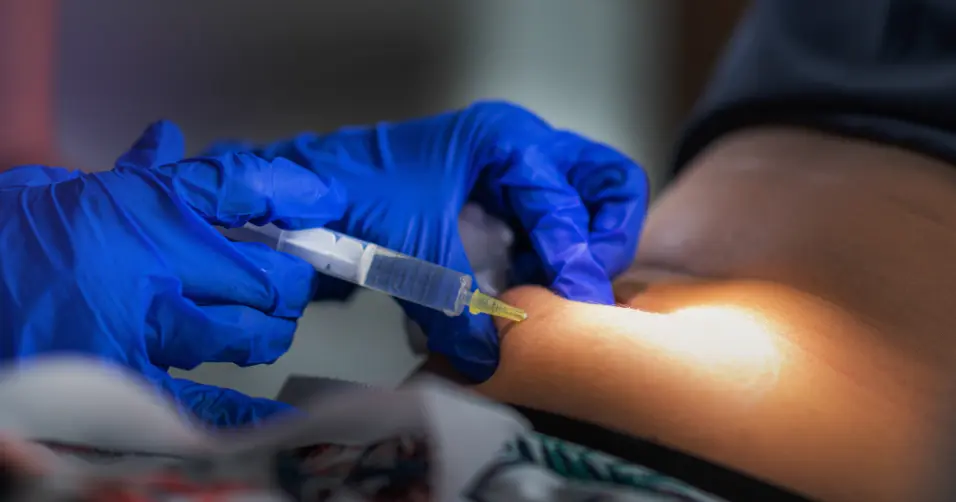
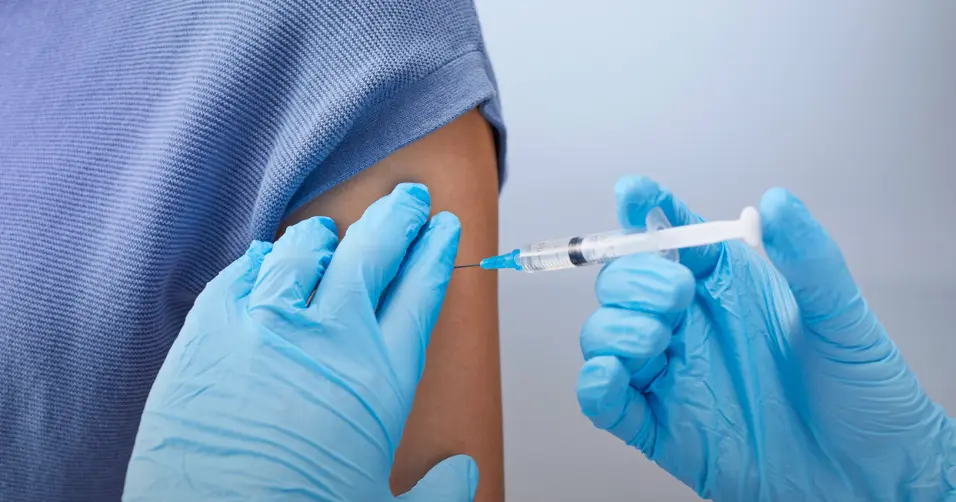
IGF-1 is most commonly delivered by subcutaneous injection.
The most common form of IGF-1 is injectable solution. It is delivered this way to bypass digestion and act directly on tissues. Research settings use injection to control precise dosing. Oral forms are not viable due to peptide breakdown in the stomach. Its clinical and experimental availability remains limited to injectable versions.
Injection ensures stability and effective absorption.
Controlled clinical protocols rely on injectable dosing.
Oral administration is not possible due to degradation.
Subcutaneous injection is the typical route in both trials and research.
The most common form of IGF-1 is injectable solution. It is delivered this way to bypass digestion and act directly on tissues. Research settings use injection to control precise dosing. Oral forms are not viable due to peptide breakdown in the stomach. Its clinical and experimental availability remains limited to injectable versions.
Injection ensures stability and effective absorption.
Controlled clinical protocols rely on injectable dosing.
Oral administration is not possible due to degradation.
Subcutaneous injection is the typical route in both trials and research.
What Are Key Ingredients of IGF-1?
IGF-1 key ingredient is the protein hormone insulin-like growth factor 1.
The key ingredient of IGF-1 is the protein hormone itself. It is a single-chain peptide with 70 amino acids. The molecule is naturally produced in the liver in response to growth hormone. Laboratory IGF-1 is synthesized or produced via recombinant technology. No other active ingredients are present in its therapeutic form.
It is a protein hormone with a defined amino acid sequence.
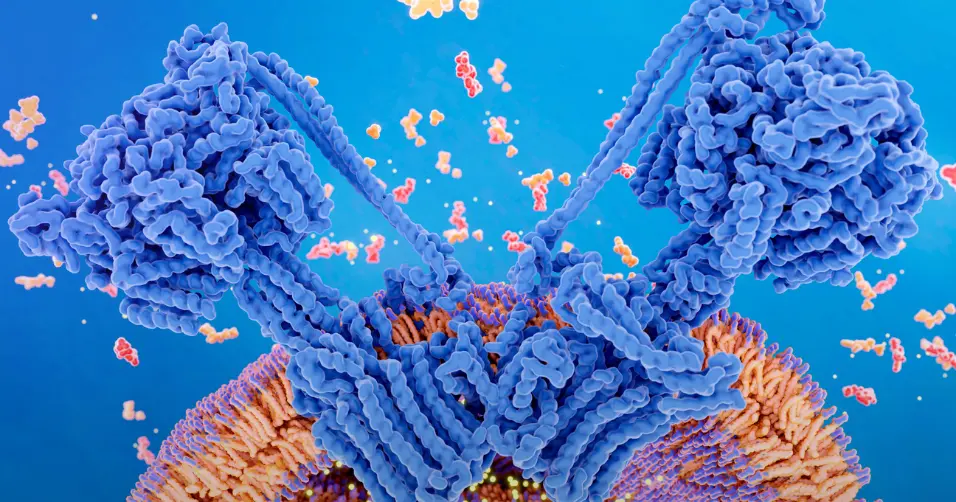
Its activity is mediated through binding to IGF-1 receptors.
Recombinant production ensures purity for research or medical use.
It does not rely on plant or mineral-based ingredients.
The key ingredient of IGF-1 is the protein hormone itself. It is a single-chain peptide with 70 amino acids. The molecule is naturally produced in the liver in response to growth hormone. Laboratory IGF-1 is synthesized or produced via recombinant technology. No other active ingredients are present in its therapeutic form.
It is a protein hormone with a defined amino acid sequence.
Its activity is mediated through binding to IGF-1 receptors.
Recombinant production ensures purity for research or medical use.
It does not rely on plant or mineral-based ingredients.
Is IGF-1 Naturally Available in Food?
IGF-1 is not found in food but is a hormone made in the body.
IGF-1 is not found in food but is produced in the body in response to growth hormone. Some animal-based foods like milk contain trace IGF-1, but amounts are very low. These levels are not enough to cause biological changes in humans. The body tightly regulates IGF-1 production internally. Thus, food cannot substitute for IGF-1 activity.
Milk and dairy may contain small amounts of IGF-1.
These levels are far below therapeutic or performance ranges.
Most IGF-1 comes from the body’s response to growth hormone.
Food has little direct influence on IGF-1 concentrations.
IGF-1 is not found in food but is produced in the body in response to growth hormone. Some animal-based foods like milk contain trace IGF-1, but amounts are very low. These levels are not enough to cause biological changes in humans. The body tightly regulates IGF-1 production internally. Thus, food cannot substitute for IGF-1 activity.
Milk and dairy may contain small amounts of IGF-1.
These levels are far below therapeutic or performance ranges.
Most IGF-1 comes from the body’s response to growth hormone.
Food has little direct influence on IGF-1 concentrations.
Does IGF-1 Impact Longevity?
IGF-1 impact on longevity is complex, with both low and high levels linked to health risks.
IGF-1 has a complex role in longevity, with both positive and negative effects. High IGF-1 supports tissue repair and muscle growth, which benefits aging health. However, excess IGF-1 is linked to higher cancer risk and reduced lifespan in some models. Low IGF-1 is associated with slower aging in certain species. Its role in human longevity remains debated and context-dependent.
It promotes growth and repair, supporting resilience in aging.
High levels are linked to shorter lifespan in some animal studies.
Low levels may extend life but reduce vitality and strength.
Balance appears more important than maximizing or minimizing IGF-1.
IGF-1 has a complex role in longevity, with both positive and negative effects. High IGF-1 supports tissue repair and muscle growth, which benefits aging health. However, excess IGF-1 is linked to higher cancer risk and reduced lifespan in some models. Low IGF-1 is associated with slower aging in certain species. Its role in human longevity remains debated and context-dependent.
It promotes growth and repair, supporting resilience in aging.
High levels are linked to shorter lifespan in some animal studies.
Low levels may extend life but reduce vitality and strength.
Balance appears more important than maximizing or minimizing IGF-1.
Does Tolerance Develop for IGF-1?
IGF-1 tolerance may develop as the body adjusts receptor sensitivity.
IGF-1 may show reduced effectiveness with prolonged external use. The body can downregulate its own hormone production in response. This creates a form of tolerance or resistance to supplementation. Chronic high levels may also reduce receptor sensitivity. Thus, long-term use risks blunting natural and supplemental effects.
External IGF-1 can suppress natural production from the liver.
Prolonged high levels may desensitize IGF-1 receptors.
Benefits such as growth and repair may diminish over months or years.
Medical protocols often limit duration to avoid adaptation.
IGF-1 may show reduced effectiveness with prolonged external use. The body can downregulate its own hormone production in response. This creates a form of tolerance or resistance to supplementation. Chronic high levels may also reduce receptor sensitivity. Thus, long-term use risks blunting natural and supplemental effects.
External IGF-1 can suppress natural production from the liver.
Prolonged high levels may desensitize IGF-1 receptors.
Benefits such as growth and repair may diminish over months or years.
Medical protocols often limit duration to avoid adaptation.
Short, controlled tests do not establish long-term safety or cumulative effects. This information is for context, not for ongoing personal use. Exposure to experimental substances should not occur outside clinically supervised tests.
Do IGF-1 Effects Persist?
IGF-1 effects on growth and repair do not persist once therapy stops.
IGF-1’s effects often persist as long as levels are elevated. Muscle repair and growth remain until hormone levels drop. Once supplementation stops, natural production determines persistence. Gains may remain if maintained with training. Risks like insulin resistance or swelling may also persist temporarily.
Muscle gains may last months if supported by training.
Recovery and repair benefits fade as IGF-1 declines.
Hormonal side effects may linger beyond cessation.
Long-term risks may persist even after stopping use.
IGF-1’s effects often persist as long as levels are elevated. Muscle repair and growth remain until hormone levels drop. Once supplementation stops, natural production determines persistence. Gains may remain if maintained with training. Risks like insulin resistance or swelling may also persist temporarily.
Muscle gains may last months if supported by training.
Recovery and repair benefits fade as IGF-1 declines.
Hormonal side effects may linger beyond cessation.
Long-term risks may persist even after stopping use.
Signals that look promising in a lab may not hold up in broader populations and may reveal risks later. This information is explanatory only and does not support self-directed use to “reproduce” results.
How Long Do IGF-1’s Side Effects and Traces Persist?
IGF-1 side effects, like low blood sugar, stop within hours, while systemic effects fade over days.
IGF-1 side effects can persist for weeks after stopping. Fluid retention and joint pain often fade within days to weeks. Hormonal imbalances and insulin resistance may take longer to normalize. Risks such as cancer promotion remain a long-term concern. IGF-1 does not leave chemical traces but its biological impact can persist.
Water retention and swelling resolve in days to weeks.
Insulin sensitivity may take weeks or months to recover.
Growth-related risks may persist long after use ends.
Hormonal balance takes time to stabilize post-cessation.
IGF-1 side effects can persist for weeks after stopping. Fluid retention and joint pain often fade within days to weeks. Hormonal imbalances and insulin resistance may take longer to normalize. Risks such as cancer promotion remain a long-term concern. IGF-1 does not leave chemical traces but its biological impact can persist.
Water retention and swelling resolve in days to weeks.
Insulin sensitivity may take weeks or months to recover.
Growth-related risks may persist long after use ends.
Hormonal balance takes time to stabilize post-cessation.
Early reports may miss rare, delayed, or interaction-related harms. This section explains study observations only and does not justify anyone trying the substance. Individuals should stop and seek care for concerning symptoms and should not self-experiment.
Is IGF-1 a Regulated Substance?
IGF-1 is a regulated prescription-only hormone.
IGF-1 is tightly regulated as a prescription drug in some countries. It is banned in all competitive sports due to strong performance-enhancing effects. Legal use is limited to certain medical conditions under supervision. Its risks of cancer and misuse drive strict regulation. Access without prescription is illegal in many regions.
It is classified as a controlled prescription-only hormone.
WADA bans IGF-1 in all athletic competitions.
It is only prescribed for specific growth-related medical conditions.
Unregulated sources carry high legal and safety risks.
IGF-1 is tightly regulated as a prescription drug in some countries. It is banned in all competitive sports due to strong performance-enhancing effects. Legal use is limited to certain medical conditions under supervision. Its risks of cancer and misuse drive strict regulation. Access without prescription is illegal in many regions.
It is classified as a controlled prescription-only hormone.
WADA bans IGF-1 in all athletic competitions.
It is only prescribed for specific growth-related medical conditions.
Unregulated sources carry high legal and safety risks.
Legal status, import rules, and anti-doping policies vary and change. Clinical study access does not imply personal use is permitted. Verify current rules with relevant authorities; do not proceed outside them.
When Was IGF-1 First Used?
IGF-1 was first described in the 1950s as “somatomedin C.”
IGF-1 was first identified in the 1950s as somatomedin, a growth factor influenced by growth hormone. It was isolated and characterized in the following decades. Medical use began in the late 20th century for growth disorders. It became studied in depth during the 1980s–1990s. Sports misuse started around the same time.
First identified in the 1950s during hormone research.
Originally called somatomedin before IGF-1 became the term.
Therapeutic use developed for growth disorders in the late 20th century.
Sports misuse emerged once injections became available.
IGF-1 was first identified in the 1950s as somatomedin, a growth factor influenced by growth hormone. It was isolated and characterized in the following decades. Medical use began in the late 20th century for growth disorders. It became studied in depth during the 1980s–1990s. Sports misuse started around the same time.
First identified in the 1950s during hormone research.
Originally called somatomedin before IGF-1 became the term.
Therapeutic use developed for growth disorders in the late 20th century.
Sports misuse emerged once injections became available.
What Additional Research Is Needed on IGF-1?
IGF-1 needs research on safe therapeutic ranges without raising cancer risks.
IGF-1 research should clarify its role in aging and disease risk. While it promotes repair, high levels are linked to cancer. Studies must find safe ranges for therapeutic use. More trials are needed in tissue regeneration and recovery. Its balance between benefits and risks remains unresolved.
Research must separate safe vs harmful IGF-1 ranges.
Cancer risk associations require deeper investigation.
Trials on controlled regeneration therapies are needed.
Its dual role in growth and aging must be clarified.
IGF-1 research should clarify its role in aging and disease risk. While it promotes repair, high levels are linked to cancer. Studies must find safe ranges for therapeutic use. More trials are needed in tissue regeneration and recovery. Its balance between benefits and risks remains unresolved.
Research must separate safe vs harmful IGF-1 ranges.
Cancer risk associations require deeper investigation.
Trials on controlled regeneration therapies are needed.
Its dual role in growth and aging must be clarified.
How Do Complex Carbs Differ from Fructose?
Complex carbs digest slowly and give steady energy, while fructose is a simple sugar digested quickly in the liver.
Complex carbs have long molecular chains, while fructose is a single simple sugar. Complex carbs break down slowly and provide steady energy. Fructose digests quickly but is mainly processed in the liver. Complex carbs support longer-lasting fuel, while fructose gives rapid sweetness without steady release. Both supply calories but differ in speed and pathways.
Structure: Complex carbs use long chains; fructose is single-unit.
Digestion rate: Complex carbs digest slowly; fructose digests fast.
Liver processing: Fructose mainly uses liver pathways; complex carbs do not.
Energy curve: Complex carbs offer steady energy; fructose peaks quickly.
Complex carbs have long molecular chains, while fructose is a single simple sugar. Complex carbs break down slowly and provide steady energy. Fructose digests quickly but is mainly processed in the liver. Complex carbs support longer-lasting fuel, while fructose gives rapid sweetness without steady release. Both supply calories but differ in speed and pathways.
Structure: Complex carbs use long chains; fructose is single-unit.
Digestion rate: Complex carbs digest slowly; fructose digests fast.
Liver processing: Fructose mainly uses liver pathways; complex carbs do not.
Energy curve: Complex carbs offer steady energy; fructose peaks quickly.
Does Fructose Affect Visceral Fat?
Excess fructose may promote visceral fat, the fat stored around internal organs, though results vary by study.
Fructose can contribute to overall calorie excess, which is linked with increases in visceral fat, the fat surrounding organs. Visceral fat is metabolically active and raises health risks when it expands. Fructose is processed mainly in the liver, where excess intake can shift energy toward fat creation. This effect depends heavily on total diet and energy balance. Moderate intake within balanced calories shows a different impact than chronic overconsumption.
Liver handling: Fructose funnels through the liver, which can convert surplus into fat.
Calorie surplus: Visceral fat grows mainly when calories exceed needs.
Individual factors: Activity, diet quality, and genetics change responses.
Metabolic context: Effects depend on whole-diet patterns, not fructose alone.
Fructose can contribute to overall calorie excess, which is linked with increases in visceral fat, the fat surrounding organs. Visceral fat is metabolically active and raises health risks when it expands. Fructose is processed mainly in the liver, where excess intake can shift energy toward fat creation. This effect depends heavily on total diet and energy balance. Moderate intake within balanced calories shows a different impact than chronic overconsumption.
Liver handling: Fructose funnels through the liver, which can convert surplus into fat.
Calorie surplus: Visceral fat grows mainly when calories exceed needs.
Individual factors: Activity, diet quality, and genetics change responses.
Metabolic context: Effects depend on whole-diet patterns, not fructose alone.
Does HMB Support Muscle Preservation?
HMB, a leucine metabolite, may help preserve muscle tissue during training or calorie restriction.
HMB supports muscle preservation by influencing pathways involved in protein breakdown. Studies show it may reduce muscle loss during periods of inactivity or intense training. It works by modulating enzymes tied to muscle turnover. Effects are usually modest but noticeable in certain conditions. It pairs well with balanced protein intake.
Breakdown control: HMB helps slow muscle-protein loss.
Training strain: Supports muscles under heavy load.
Inactive periods: May reduce loss during rest.
Protein synergy: Works best with adequate dietary protein.
HMB supports muscle preservation by influencing pathways involved in protein breakdown. Studies show it may reduce muscle loss during periods of inactivity or intense training. It works by modulating enzymes tied to muscle turnover. Effects are usually modest but noticeable in certain conditions. It pairs well with balanced protein intake.
Breakdown control: HMB helps slow muscle-protein loss.
Training strain: Supports muscles under heavy load.
Inactive periods: May reduce loss during rest.
Protein synergy: Works best with adequate dietary protein.
How Does IGF-1 Relate to Testosterone?
IGF-1 relates to testosterone through shared anabolic pathways that promote muscle and tissue growth.
IGF-1 is part of the growth hormone system and supports cell repair. Testosterone acts through androgen pathways. Both influence tissue growth but through different signals. IGF-1 supports recovery after load. Testosterone focuses on protein synthesis through separate receptors.
Separate pathways divide GH/IGF-1 from androgen signaling.
Repair focus connects IGF-1 to tissue remodeling.
Protein synthesis links testosterone to muscle building.
Synergy appears when both systems function normally.
Measurement difference uses distinct blood markers.
IGF-1 is part of the growth hormone system and supports cell repair. Testosterone acts through androgen pathways. Both influence tissue growth but through different signals. IGF-1 supports recovery after load. Testosterone focuses on protein synthesis through separate receptors.
Separate pathways divide GH/IGF-1 from androgen signaling.
Repair focus connects IGF-1 to tissue remodeling.
Protein synthesis links testosterone to muscle building.
Synergy appears when both systems function normally.
Measurement difference uses distinct blood markers.
Biohacking involves significant health risks, including potential disruption of normal body processes, interference with medications, and interactions with underlying medical conditions. The use of experimental substances—even when not currently banned or regulated—can have unpredictable and possibly long-term effects. Even where small human trials have reported encouraging short-term outcomes, the broader and long-term safety profiles often remain anecdotal or unverified. Myopedia recognizes the increasing attention toward biohacking and emerging longevity or performance technologies. These articles are intended to inform and encourage understanding of scientific developments, not to promote personal experimentation or unsupervised use.
Information about applications, case studies, or trial data is presented for educational purposes only, may contain inaccuracies or omissions, and should not be used to guide the use of any substance, method, or routine.
Medical Disclaimer: All content on this website is intended solely for informational and educational purposes and should not be interpreted as a substitute for professional medical advice, diagnosis, or treatment, nor as encouragement or promotion for or against any particular use, product, or activity. Results may vary and are not guaranteed. No doctor–patient relationship is created by your use of this content. Always consult a qualified healthcare provider, nutritionist, or other relevant expert before starting or changing any supplement, diet, exercise, or lifestyle program. This website can contain errors. Check important information. Read our full Disclaimer.
Status – Terms of Service – Privacy Policy – Disclaimer – About Myopedia.
©2025 Myopedia™. All rights reserved.
Medical Disclaimer: All content on this website is intended solely for informational and educational purposes and should not be interpreted as a substitute for professional medical advice, diagnosis, or treatment, nor as encouragement or promotion for or against any particular use, product, or activity. Results may vary and are not guaranteed. No doctor–patient relationship is created by your use of this content. Always consult a qualified healthcare provider, nutritionist, or other relevant expert before starting or changing any supplement, diet, exercise, or lifestyle program. This website can contain errors. Check important information. Read our full Disclaimer.
Status – Terms of Service – Privacy Policy – Disclaimer – About Myopedia.
©2025 Myopedia™. All rights reserved.
Medical Disclaimer: All content on this website is intended solely for informational and educational purposes and should not be interpreted as a substitute for professional medical advice, diagnosis, or treatment, nor as encouragement or promotion for or against any particular use, product, or activity. Results may vary and are not guaranteed. No doctor–patient relationship is created by your use of this content. Always consult a qualified healthcare provider, nutritionist, or other relevant expert before starting or changing any supplement, diet, exercise, or lifestyle program. This website can contain errors. Check important information. Read our full Disclaimer.
Status – Terms of Service – Privacy Policy – Disclaimer – About Myopedia.
©2025 Myopedia™. All rights reserved.