Body
Muscle Memory
Muscle Memory: What It Is and How It Works
Muscle Memory is the phenomenon where previous training adaptations allow for faster muscle regrowth and strength recovery after periods of inactivity.

This article is educational and not intended to diagnose, treat, or suggest any specific intervention, and should not replace qualified medical advice.
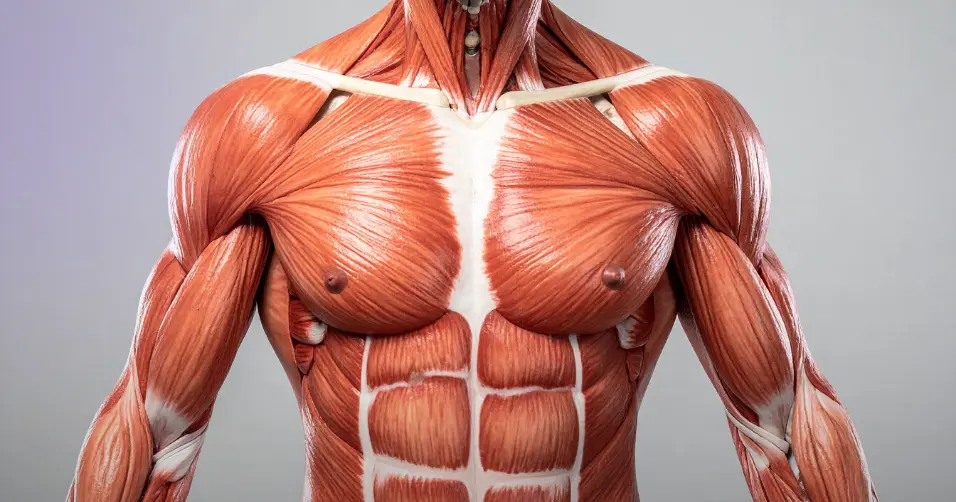


How to Optimize Muscle Memory?
Muscle memory can be strengthened by consistent practice and revisiting previously trained movements.
To manage muscle memory, regular activity and training variety are important. Muscle memory is the body’s ability to regain lost skill or strength faster after a break. While it helps recovery from inactivity, it still requires consistent practice to remain effective. Structured training cycles and progressive overload keep muscle memory active and sharp. Short breaks are manageable, but long-term inactivity should be avoided.
Repeating exercises consistently reinforces neural pathways for faster re-learning.
Even light workouts during breaks help maintain coordination and muscle activation.
Mixing skill work with strength training keeps both physical and cognitive aspects of muscle memory strong.
Tracking progress ensures that re-training remains gradual and avoids overuse injuries.
To manage muscle memory, regular activity and training variety are important. Muscle memory is the body’s ability to regain lost skill or strength faster after a break. While it helps recovery from inactivity, it still requires consistent practice to remain effective. Structured training cycles and progressive overload keep muscle memory active and sharp. Short breaks are manageable, but long-term inactivity should be avoided.
Repeating exercises consistently reinforces neural pathways for faster re-learning.
Even light workouts during breaks help maintain coordination and muscle activation.
Mixing skill work with strength training keeps both physical and cognitive aspects of muscle memory strong.
Tracking progress ensures that re-training remains gradual and avoids overuse injuries.
What Is Muscle Memory?
Muscle Memory is the ability of muscles to quickly regain size or skill after a break.
Muscle memory is the ability of muscles and nerves to “remember” a skill or strength level after a break. This happens because the nervous system and muscle cells retain changes from previous training. For example, someone who once trained regularly may regain strength or skill faster after returning. The phenomenon is linked to structural changes in muscle fibers, such as retaining extra nuclei. This makes relearning physical skills quicker than starting from scratch.
Faster retraining: Former athletes often recover lost strength or coordination faster than beginners.
Cell changes: Muscle fibers keep extra nuclei gained during training, allowing quicker growth later.
Skill recall: Complex movements like cycling or swimming return more easily due to nervous system memory.
Practical benefit: Long-term training investments pay off since progress is easier to regain after pauses.
Muscle memory is the ability of muscles and nerves to “remember” a skill or strength level after a break. This happens because the nervous system and muscle cells retain changes from previous training. For example, someone who once trained regularly may regain strength or skill faster after returning. The phenomenon is linked to structural changes in muscle fibers, such as retaining extra nuclei. This makes relearning physical skills quicker than starting from scratch.
Faster retraining: Former athletes often recover lost strength or coordination faster than beginners.
Cell changes: Muscle fibers keep extra nuclei gained during training, allowing quicker growth later.
Skill recall: Complex movements like cycling or swimming return more easily due to nervous system memory.
Practical benefit: Long-term training investments pay off since progress is easier to regain after pauses.
How Does Muscle Memory Impact Your Health?
Muscle memory affects health by helping regain lost skills and strength faster after inactivity.
Muscle memory impacts health by allowing the body to regain lost skills or strength quickly after inactivity. This reduces the negative effects of breaks due to illness, injury, or lifestyle changes. Faster re-learning of coordination and strength protects long-term physical ability. For aging populations, muscle memory helps maintain independence and daily function. However, relying too heavily on it without consistent training can lead to slower progress.
Muscle memory reduces recovery time after breaks from exercise or injury.
It helps maintain long-term mobility and strength as people age.
Enhanced skill retention supports performance in both sports and daily tasks.
Without regular training, gains may not fully return despite the advantage of memory.
Muscle memory impacts health by allowing the body to regain lost skills or strength quickly after inactivity. This reduces the negative effects of breaks due to illness, injury, or lifestyle changes. Faster re-learning of coordination and strength protects long-term physical ability. For aging populations, muscle memory helps maintain independence and daily function. However, relying too heavily on it without consistent training can lead to slower progress.
Muscle memory reduces recovery time after breaks from exercise or injury.
It helps maintain long-term mobility and strength as people age.
Enhanced skill retention supports performance in both sports and daily tasks.
Without regular training, gains may not fully return despite the advantage of memory.
What We Often Get Wrong About Muscle Memory?
Muscle memory is wrongly thought to be a myth, but nuclei in muscle cells remain after training and speed regrowth.
A common misconception about muscle memory is that it refers to the brain remembering movements. In reality, it is both neurological and cellular, involving retained muscle nuclei. Some believe muscle memory lasts forever, but long-term inactivity still causes significant decline. Others think it eliminates the need for training, when it only speeds up the return of strength and skill. Finally, people confuse it with learning new movements, when it mainly aids relearning.
Muscle nuclei gained from training persist longer than expected, helping quicker regrowth.
Even with memory, inactive muscles still lose size and function over time.
Some think muscle memory makes training unnecessary, but it only shortens recovery time.
It is often mistaken for learning movements, though it mainly helps restore previous abilities.
A common misconception about muscle memory is that it refers to the brain remembering movements. In reality, it is both neurological and cellular, involving retained muscle nuclei. Some believe muscle memory lasts forever, but long-term inactivity still causes significant decline. Others think it eliminates the need for training, when it only speeds up the return of strength and skill. Finally, people confuse it with learning new movements, when it mainly aids relearning.
Muscle nuclei gained from training persist longer than expected, helping quicker regrowth.
Even with memory, inactive muscles still lose size and function over time.
Some think muscle memory makes training unnecessary, but it only shortens recovery time.
It is often mistaken for learning movements, though it mainly helps restore previous abilities.
Key Muscle Memory Indicators You May Want to Track
Key muscle memory indicators include faster relearning of skills, quicker strength return, and smoother motor control.
Key muscle memory indicators include faster regain of lost strength, quicker return of skills, and easier coordination after breaks. Athletes often notice skills like lifting technique or complex movements returning quickly. Reduced soreness and faster adaptation after restarting training are also signs. Consistency over time strengthens these responses further. Tracking return speed after breaks helps assess muscle memory strength.
Quicker recovery of strength shows retained muscle nuclei from past training.
Complex skill return, like technique-based movements, reflects memory efficiency.
Less soreness after restarting training shows body adaptation through memory.
Shorter time needed to reach past performance marks stronger muscle memory.
Key muscle memory indicators include faster regain of lost strength, quicker return of skills, and easier coordination after breaks. Athletes often notice skills like lifting technique or complex movements returning quickly. Reduced soreness and faster adaptation after restarting training are also signs. Consistency over time strengthens these responses further. Tracking return speed after breaks helps assess muscle memory strength.
Quicker recovery of strength shows retained muscle nuclei from past training.
Complex skill return, like technique-based movements, reflects memory efficiency.
Less soreness after restarting training shows body adaptation through memory.
Shorter time needed to reach past performance marks stronger muscle memory.
What Causes Changes in Muscle Memory?
Changes in muscle memory are caused by training history, inactivity, and retraining efforts.
Changes in muscle memory are caused by training history, breaks, and return activity. Regular training strengthens long-term retention of skills and muscle nuclei. Inactivity causes loss of size and skill, but memory allows faster recovery. Reintroducing training reactivates dormant adaptations. Age can slow recovery speed, but memory still provides an advantage.
Past training creates lasting muscle nuclei, supporting quicker regrowth.
Breaks reduce function, but memory allows faster return when activity resumes.
Restarting training activates stored pathways and speeds progress.
Aging slows response, but memory still shortens retraining time.
Changes in muscle memory are caused by training history, breaks, and return activity. Regular training strengthens long-term retention of skills and muscle nuclei. Inactivity causes loss of size and skill, but memory allows faster recovery. Reintroducing training reactivates dormant adaptations. Age can slow recovery speed, but memory still provides an advantage.
Past training creates lasting muscle nuclei, supporting quicker regrowth.
Breaks reduce function, but memory allows faster return when activity resumes.
Restarting training activates stored pathways and speeds progress.
Aging slows response, but memory still shortens retraining time.
Does Muscle Memory Relate to Longevity?
Muscle memory relates to longevity by helping older adults regain lost strength faster after inactivity.
Muscle memory contributes to longevity by helping people regain strength and skills after inactivity. This reduces the long-term impact of illness or breaks in activity. It ensures faster recovery after setbacks, maintaining independence. For aging populations, it delays functional decline by easing re-learning. While not a substitute for training, it provides resilience against age-related losses.
Muscle memory speeds recovery after illness or inactivity, preserving function.
It helps older adults re-learn movement faster, protecting independence.
Stored muscle nuclei reduce the severity of long breaks in activity.
Faster retraining supports long-term mobility and healthy aging.
Muscle memory contributes to longevity by helping people regain strength and skills after inactivity. This reduces the long-term impact of illness or breaks in activity. It ensures faster recovery after setbacks, maintaining independence. For aging populations, it delays functional decline by easing re-learning. While not a substitute for training, it provides resilience against age-related losses.
Muscle memory speeds recovery after illness or inactivity, preserving function.
It helps older adults re-learn movement faster, protecting independence.
Stored muscle nuclei reduce the severity of long breaks in activity.
Faster retraining supports long-term mobility and healthy aging.
What Can Go Wrong With Muscle Memory?
With muscle memory, what can go wrong is slower regain of skills if inactivity is too long.
What can go wrong with muscle memory is limited recovery if breaks are too long. While memory helps regain skills, it cannot fully replace consistent training. Older adults may regain slower, despite the advantage of memory. Over-reliance on it can lead to underestimating training needs. Without reactivation, memory benefits fade over time.
Long inactivity reduces muscle nuclei function despite memory advantage.
Aging slows the re-learning process, even with stored memory.
Assuming memory replaces training leads to slower recovery after breaks.
Without stimulation, muscle memory weakens gradually over years.
What can go wrong with muscle memory is limited recovery if breaks are too long. While memory helps regain skills, it cannot fully replace consistent training. Older adults may regain slower, despite the advantage of memory. Over-reliance on it can lead to underestimating training needs. Without reactivation, memory benefits fade over time.
Long inactivity reduces muscle nuclei function despite memory advantage.
Aging slows the re-learning process, even with stored memory.
Assuming memory replaces training leads to slower recovery after breaks.
Without stimulation, muscle memory weakens gradually over years.
How Does Muscle Memory Vary With Age?
Muscle memory varies with age by remaining surprisingly strong, helping older adults regain skills faster.
Muscle memory varies with age, as retention remains but recovery speed changes. Young athletes regain strength and skills quickly after breaks. Adults also benefit, though progress may be slightly slower. Older adults still retain memory, but rebuilding lost mass takes longer. Training history greatly influences memory at every age.
Youth recover lost strength and skills at a very fast pace.
Adults regain performance steadily but may face plateaus.
Older adults rely on memory but take longer to rebuild tissue.
Past training provides an advantage for all age groups.
Muscle memory varies with age, as retention remains but recovery speed changes. Young athletes regain strength and skills quickly after breaks. Adults also benefit, though progress may be slightly slower. Older adults still retain memory, but rebuilding lost mass takes longer. Training history greatly influences memory at every age.
Youth recover lost strength and skills at a very fast pace.
Adults regain performance steadily but may face plateaus.
Older adults rely on memory but take longer to rebuild tissue.
Past training provides an advantage for all age groups.
How Does Your Lifestyle Affect Muscle Memory?
Lifestyle affects muscle memory by repetition, activity breaks, and retraining effort.
Your lifestyle affects muscle memory by supporting or limiting retention. Consistent practice strengthens memory for skills and strength. Long breaks or sedentary living weaken its impact. Poor nutrition and lack of activity reduce regaining speed. Active lifestyles preserve memory advantages longer.
Consistent exercise maintains strong muscle memory pathways.
Sedentary habits weaken recall of past strength or skills.
Nutrition and recovery improve how quickly memory reactivates.
Active routines help older adults retain muscle memory benefits.
Your lifestyle affects muscle memory by supporting or limiting retention. Consistent practice strengthens memory for skills and strength. Long breaks or sedentary living weaken its impact. Poor nutrition and lack of activity reduce regaining speed. Active lifestyles preserve memory advantages longer.
Consistent exercise maintains strong muscle memory pathways.
Sedentary habits weaken recall of past strength or skills.
Nutrition and recovery improve how quickly memory reactivates.
Active routines help older adults retain muscle memory benefits.
How Does Nutrition Impact Muscle Memory?
Nutrition impacts muscle memory by protein and consistent fuel for retraining.
Nutrition impacts muscle memory by fueling recovery and retention of muscle nuclei. Adequate protein supports rebuilding muscle faster after inactivity. Antioxidants and micronutrients reduce oxidative stress, preserving cells. Carbohydrates provide energy for consistent retraining. Poor nutrition weakens the speed of regaining past abilities.
Protein rebuilds muscle fibers quickly when retraining after a break.
Micronutrients protect muscle cells from stress and damage.
Carbohydrates supply energy for consistent practice sessions.
Nutrient gaps slow reactivation of stored muscle memory.
Nutrition impacts muscle memory by fueling recovery and retention of muscle nuclei. Adequate protein supports rebuilding muscle faster after inactivity. Antioxidants and micronutrients reduce oxidative stress, preserving cells. Carbohydrates provide energy for consistent retraining. Poor nutrition weakens the speed of regaining past abilities.
Protein rebuilds muscle fibers quickly when retraining after a break.
Micronutrients protect muscle cells from stress and damage.
Carbohydrates supply energy for consistent practice sessions.
Nutrient gaps slow reactivation of stored muscle memory.
What Supplements May Aid Muscle Memory?
Supplements that may aid muscle memory are creatine and protein, helping faster retraining.
Supplements that may aid muscle memory include protein powders, creatine, and omega-3s. Protein supports rebuilding muscle tissue after breaks. Creatine accelerates return of strength by boosting short-term energy. Omega-3s protect cells and may help with long-term retention. Antioxidants also reduce muscle stress during retraining.
Protein powders supply building blocks for rapid muscle regrowth.
Creatine helps restore strength more quickly after inactivity.
Omega-3s improve recovery and support muscle cell function.
Antioxidants reduce cellular stress that slows retraining progress.
Supplements that may aid muscle memory include protein powders, creatine, and omega-3s. Protein supports rebuilding muscle tissue after breaks. Creatine accelerates return of strength by boosting short-term energy. Omega-3s protect cells and may help with long-term retention. Antioxidants also reduce muscle stress during retraining.
Protein powders supply building blocks for rapid muscle regrowth.
Creatine helps restore strength more quickly after inactivity.
Omega-3s improve recovery and support muscle cell function.
Antioxidants reduce cellular stress that slows retraining progress.
Can Fasting Impact Muscle Memory?
Fasting can impact muscle memory by slowing retraining if protein intake is inadequate.
Fasting may impact muscle memory depending on duration and nutrition. Short fasts are unlikely to harm retention of skills or nuclei. Long fasts without protein intake slow regrowth of lost muscle. Proper refeeding after fasting helps preserve memory benefits. The balance between fasting and recovery nutrition decides the outcome.
Short fasts have little negative effect on re-learning skills.
Extended fasting without protein weakens muscle rebuilding speed.
Refeeding restores recovery and helps muscle memory activate.
Excess fasting may delay regaining past performance levels.
Fasting may impact muscle memory depending on duration and nutrition. Short fasts are unlikely to harm retention of skills or nuclei. Long fasts without protein intake slow regrowth of lost muscle. Proper refeeding after fasting helps preserve memory benefits. The balance between fasting and recovery nutrition decides the outcome.
Short fasts have little negative effect on re-learning skills.
Extended fasting without protein weakens muscle rebuilding speed.
Refeeding restores recovery and helps muscle memory activate.
Excess fasting may delay regaining past performance levels.
How Your Workout Regimen Affects Muscle Memory?
Your workout regimen affects muscle memory by reinforcing learned skills and easing retraining after breaks.
Your workout regimen affects muscle memory by reinforcing or reactivating learned skills. Consistency strengthens memory retention for strength and movement. Breaks in training slow progress, but memory speeds recovery. Complex movement practice enhances retention of technique. A mix of training intensities preserves memory benefits.
Regular practice builds long-term retention of motor skills.
Breaks activate stored memory, helping regain lost abilities faster.
Skill drills improve technical memory for complex movements.
Varied intensity keeps both strength and coordination sharp.
Your workout regimen affects muscle memory by reinforcing or reactivating learned skills. Consistency strengthens memory retention for strength and movement. Breaks in training slow progress, but memory speeds recovery. Complex movement practice enhances retention of technique. A mix of training intensities preserves memory benefits.
Regular practice builds long-term retention of motor skills.
Breaks activate stored memory, helping regain lost abilities faster.
Skill drills improve technical memory for complex movements.
Varied intensity keeps both strength and coordination sharp.
What's the Latest Research on Muscle Memory?
Latest research on muscle memory shows that muscle nuclei gained during training remain even after long breaks.
The latest research on muscle memory confirms that muscle nuclei persist even after atrophy. These retained nuclei allow faster regrowth when training resumes. Studies show that prior training history gives long-term advantages. Research also links satellite cell activation to memory strength. Animal models demonstrate nuclei retention for years, supporting human evidence.
Muscle nuclei remain after size loss, aiding regrowth.
Training history creates long-lasting cellular advantages.
Satellite cells are central to muscle memory activation.
Animal studies confirm long-term persistence of memory structures.
The latest research on muscle memory confirms that muscle nuclei persist even after atrophy. These retained nuclei allow faster regrowth when training resumes. Studies show that prior training history gives long-term advantages. Research also links satellite cell activation to memory strength. Animal models demonstrate nuclei retention for years, supporting human evidence.
Muscle nuclei remain after size loss, aiding regrowth.
Training history creates long-lasting cellular advantages.
Satellite cells are central to muscle memory activation.
Animal studies confirm long-term persistence of memory structures.
How Does Muscle Memory Relate to Neural Adaption?
Muscle memory relates to neural adaptation since both depend on repeated motor learning and signaling.
Muscle memory relates to neural adaptation because both help movements return faster after breaks. Neural adaptation strengthens communication between nerves and muscles. This makes skills come back quickly even when muscle size decreases. Together they improve coordination during retraining. Muscle memory includes structural and neural components working together.
Neural pathways store movement patterns for future reuse.
Faster activation helps muscles respond instantly to signals.
Technique preservation minimizes relearning time.
Motor efficiency supports regained performance.
Muscle memory relates to neural adaptation because both help movements return faster after breaks. Neural adaptation strengthens communication between nerves and muscles. This makes skills come back quickly even when muscle size decreases. Together they improve coordination during retraining. Muscle memory includes structural and neural components working together.
Neural pathways store movement patterns for future reuse.
Faster activation helps muscles respond instantly to signals.
Technique preservation minimizes relearning time.
Motor efficiency supports regained performance.
How Does Muscle Memory Affect Performance?
Muscle memory affects performance by enabling faster strength and skill regain after rest.
Muscle memory affects performance by helping strength and size return faster after breaks. Prior training leaves lasting structural changes. These changes shorten relearning time for movements. Performance rebounds more quickly than starting fresh. This supports long-term training progress.
Cellular retention keeps added nuclei in muscle fibers.
Faster rebuilding speeds recovery of past strength.
Movement recall improves coordination.
Training efficiency rises after layoffs.
Muscle memory affects performance by helping strength and size return faster after breaks. Prior training leaves lasting structural changes. These changes shorten relearning time for movements. Performance rebounds more quickly than starting fresh. This supports long-term training progress.
Cellular retention keeps added nuclei in muscle fibers.
Faster rebuilding speeds recovery of past strength.
Movement recall improves coordination.
Training efficiency rises after layoffs.
How Does Recovery Influence Muscle Memory?
Recovery influences muscle memory by aiding faster muscle reactivation.
Recovery influences muscle memory by allowing the nervous system to reinforce movement patterns. Muscle memory refers to long-term skill retention stored in neural pathways. Rest makes these pathways more stable after repeated training. Downtime helps the brain consolidate motor learning. Balanced recovery keeps technique precise in later sessions.
Neural consolidation forms stronger connections after rest. This makes movements easier to repeat.
Reduced fatigue keeps form cleaner in practice. Cleaner form reinforces memory more effectively.
Stable coordination develops when the body is not overstressed. Recovery keeps signals between muscles and nerves clear.
Brain plasticity improves when the body sleeps well. This supports long-term skill storage.
Recovery influences muscle memory by allowing the nervous system to reinforce movement patterns. Muscle memory refers to long-term skill retention stored in neural pathways. Rest makes these pathways more stable after repeated training. Downtime helps the brain consolidate motor learning. Balanced recovery keeps technique precise in later sessions.
Neural consolidation forms stronger connections after rest. This makes movements easier to repeat.
Reduced fatigue keeps form cleaner in practice. Cleaner form reinforces memory more effectively.
Stable coordination develops when the body is not overstressed. Recovery keeps signals between muscles and nerves clear.
Brain plasticity improves when the body sleeps well. This supports long-term skill storage.
How Does Muscle Memory Affect Plateaus?
Muscle memory affects plateaus by helping break stagnation through regained neuromuscular efficiency.
Muscle memory reduces the length of plateaus by speeding re-growth. Cells retain nuclei from prior training. These nuclei support faster rebuilding when training resumes or changes. Plateaus break more easily in trained individuals. Muscle memory helps maintain long-term progress.
Cell nuclei stay present after detraining.
Regrowth speed increases with past training.
Strength return happens faster.
Adaptation curve steepens after routine change.
Plateau duration shortens due to stored capability.
Muscle memory reduces the length of plateaus by speeding re-growth. Cells retain nuclei from prior training. These nuclei support faster rebuilding when training resumes or changes. Plateaus break more easily in trained individuals. Muscle memory helps maintain long-term progress.
Cell nuclei stay present after detraining.
Regrowth speed increases with past training.
Strength return happens faster.
Adaptation curve steepens after routine change.
Plateau duration shortens due to stored capability.
Medical Disclaimer: All content on this website is intended solely for informational and educational purposes and should not be interpreted as a substitute for professional medical advice, diagnosis, or treatment, nor as encouragement or promotion for or against any particular use, product, or activity. Results may vary and are not guaranteed. No doctor–patient relationship is created by your use of this content. Always consult a qualified healthcare provider, nutritionist, or other relevant expert before starting or changing any supplement, diet, exercise, or lifestyle program. This website can contain errors. Check important information. Read our full Disclaimer.
Status – Terms of Service – Privacy Policy – Disclaimer – About Myopedia.
©2025 Myopedia™. All rights reserved.
Medical Disclaimer: All content on this website is intended solely for informational and educational purposes and should not be interpreted as a substitute for professional medical advice, diagnosis, or treatment, nor as encouragement or promotion for or against any particular use, product, or activity. Results may vary and are not guaranteed. No doctor–patient relationship is created by your use of this content. Always consult a qualified healthcare provider, nutritionist, or other relevant expert before starting or changing any supplement, diet, exercise, or lifestyle program. This website can contain errors. Check important information. Read our full Disclaimer.
Status – Terms of Service – Privacy Policy – Disclaimer – About Myopedia.
©2025 Myopedia™. All rights reserved.
Medical Disclaimer: All content on this website is intended solely for informational and educational purposes and should not be interpreted as a substitute for professional medical advice, diagnosis, or treatment, nor as encouragement or promotion for or against any particular use, product, or activity. Results may vary and are not guaranteed. No doctor–patient relationship is created by your use of this content. Always consult a qualified healthcare provider, nutritionist, or other relevant expert before starting or changing any supplement, diet, exercise, or lifestyle program. This website can contain errors. Check important information. Read our full Disclaimer.
Status – Terms of Service – Privacy Policy – Disclaimer – About Myopedia.
©2025 Myopedia™. All rights reserved.