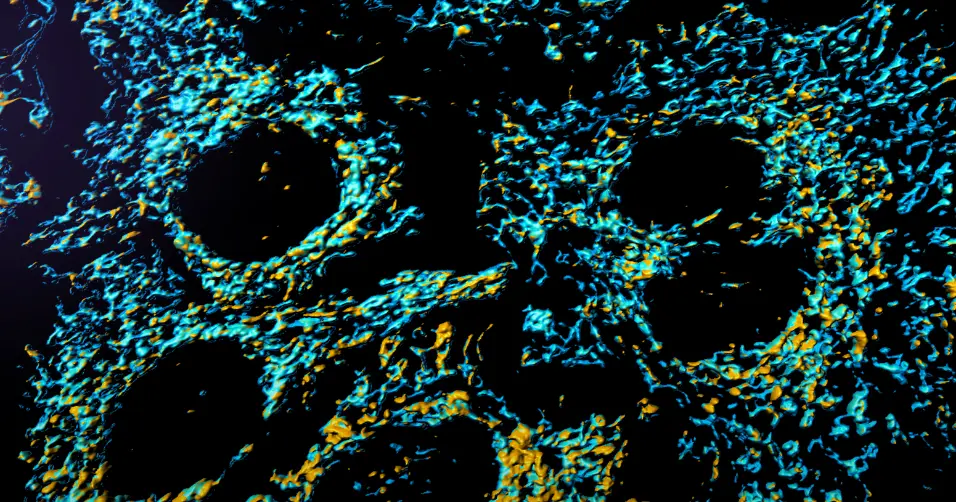
NADH is a coenzyme critical for cellular energy production, supporting mitochondrial function and overall metabolic health.

We cover emerging biohacking topics because our readers ask about them. This is not guidance to self-experiment. This article is educational and not intended to diagnose, treat, or suggest any specific intervention, and should not replace qualified medical advice.

NADH is a coenzyme that enhances cellular energy production and cognitive function.

We recognize growing interest in biohacking and experimental-stage substances. This article discusses an experimental method that may not be suitable for DIY use; any consideration belongs with qualified supervision.


Why Is NADH Gaining Attention?

NADH is gaining attention for its role in cellular energy production as it carries electrons in the mitochondria to generate ATP, the body’s main energy molecule.

NADH is gaining attention because it is a reduced form of NAD+, directly usable in cellular energy production. It appeals to those looking for immediate support for fatigue and mitochondrial health. Some studies connect it to improved mental clarity and physical stamina. It is also discussed in relation to conditions involving low energy, such as chronic fatigue. Its role as both a supplement and biochemical fuel keeps it relevant in performance and medical research circles.

  • It is directly linked to ATP production, the energy currency of the cell.

  • Interest is boosted by studies showing potential benefits for cognitive and physical performance.

  • It is often highlighted in chronic fatigue and neurodegenerative condition research.

  • Its natural occurrence in the body strengthens its reputation as a safe energy booster.

NADH is gaining attention because it is a reduced form of NAD+, directly usable in cellular energy production. It appeals to those looking for immediate support for fatigue and mitochondrial health. Some studies connect it to improved mental clarity and physical stamina. It is also discussed in relation to conditions involving low energy, such as chronic fatigue. Its role as both a supplement and biochemical fuel keeps it relevant in performance and medical research circles.

  • It is directly linked to ATP production, the energy currency of the cell.

  • Interest is boosted by studies showing potential benefits for cognitive and physical performance.

  • It is often highlighted in chronic fatigue and neurodegenerative condition research.

  • Its natural occurrence in the body strengthens its reputation as a safe energy booster.

NADH: FACTS

Role

Direct NADH supply; energy production

Form & Classification

Reduced form of NAD+

Typical Dosage & Intake

5–10 mg/day

Cycling

Not required

Sources

Supplements

Safety & Interactions

Safe; sometimes used in chronic fatigue

What Is NADH?

NADH is the reduced form of NAD+, carrying electrons in energy production inside mitochondria.

NADH is the reduced form of NAD+, directly involved in cellular energy production. It is sometimes used as a supplement for fatigue, especially in chronic conditions. Human evidence is limited but suggests modest benefits. It appears generally safe at moderate doses. Because it is less stable, formulations are often specialized to protect its activity.

  • NADH carries electrons in mitochondria, essential for ATP production.

  • It has been tested in small studies for chronic fatigue and Parkinson’s disease.

  • Oral absorption can be inconsistent, affecting results.

  • No major safety concerns have been found at standard doses.

NADH is the reduced form of NAD+, directly involved in cellular energy production. It is sometimes used as a supplement for fatigue, especially in chronic conditions. Human evidence is limited but suggests modest benefits. It appears generally safe at moderate doses. Because it is less stable, formulations are often specialized to protect its activity.

  • NADH carries electrons in mitochondria, essential for ATP production.

  • It has been tested in small studies for chronic fatigue and Parkinson’s disease.

  • Oral absorption can be inconsistent, affecting results.

  • No major safety concerns have been found at standard doses.

What Does NADH Do?

NADH affects energy production by donating electrons in the mitochondrial electron transport chain to make ATP.

NADH affects processes directly tied to cellular respiration and ATP production. It is the electron donor in the mitochondrial electron transport chain, which drives energy creation. This makes it crucial for tissues with high energy demand like the brain and muscles. NADH also supports neurotransmitter production, linking it to mood and cognition. Its central role in energy and signaling keeps it essential to many body systems.

  • It feeds electrons into the mitochondrial chain, directly creating ATP.

  • It powers energy-intensive processes like muscle contraction and brain activity.

  • It supports neurotransmitter synthesis, such as dopamine and serotonin.

  • It acts as an antioxidant by balancing oxidative stress within cells.

NADH affects processes directly tied to cellular respiration and ATP production. It is the electron donor in the mitochondrial electron transport chain, which drives energy creation. This makes it crucial for tissues with high energy demand like the brain and muscles. NADH also supports neurotransmitter production, linking it to mood and cognition. Its central role in energy and signaling keeps it essential to many body systems.

  • It feeds electrons into the mitochondrial chain, directly creating ATP.

  • It powers energy-intensive processes like muscle contraction and brain activity.

  • It supports neurotransmitter synthesis, such as dopamine and serotonin.

  • It acts as an antioxidant by balancing oxidative stress within cells.

How Is NADH Used in Biohacking?

NADH is used in biohacking for energy boosts and fatigue reduction since it directly fuels mitochondrial ATP production.

NADH is used in biohacking to quickly boost mental and physical energy. People take it for better focus, mood, and stamina, often in sublingual or oral form. It is used in chronic fatigue support protocols and cognitive enhancement routines. Some see it as a natural nootropic because of its effect on neurotransmitter production. It is also included in anti-aging stacks for mitochondrial health.

  • It is used before mental or physical tasks to improve alertness and endurance.

  • It supports focus by enhancing dopamine and serotonin pathways.

  • Some biohackers use it to counter jet lag or prolonged fatigue.

  • It is combined with other mitochondrial enhancers for broader effects.

NADH is used in biohacking to quickly boost mental and physical energy. People take it for better focus, mood, and stamina, often in sublingual or oral form. It is used in chronic fatigue support protocols and cognitive enhancement routines. Some see it as a natural nootropic because of its effect on neurotransmitter production. It is also included in anti-aging stacks for mitochondrial health.

  • It is used before mental or physical tasks to improve alertness and endurance.

  • It supports focus by enhancing dopamine and serotonin pathways.

  • Some biohackers use it to counter jet lag or prolonged fatigue.

  • It is combined with other mitochondrial enhancers for broader effects.

Descriptions of protocols are provided to explain research methods only. They are not instructions for personal use. Individuals should not adapt or perform study procedures outside approved research settings with qualified supervision.

Descriptions of protocols are provided to explain research methods only. They are not instructions for personal use. Individuals should not adapt or perform study procedures outside approved research settings with qualified supervision.

How Is NADH Used in Research Settings?

NADH is used in research to study fatigue, mitochondrial disorders, and neurodegenerative diseases.

NADH is studied for its role in energy metabolism and neurological conditions. Research tests its ability to improve chronic fatigue and Parkinson’s symptoms. Some trials measure cognitive effects and stamina in healthy people. Its function as an immediate energy donor is a central theme. Scientists also explore its antioxidant roles in reducing oxidative stress.

  • It is tested in fatigue-related disorders for boosting energy levels.

  • Studies examine its support in neurodegenerative disease management.

  • Trials look at mental clarity and performance in stressful conditions.

  • Biochemical research focuses on its role in mitochondrial energy pathways.

NADH is studied for its role in energy metabolism and neurological conditions. Research tests its ability to improve chronic fatigue and Parkinson’s symptoms. Some trials measure cognitive effects and stamina in healthy people. Its function as an immediate energy donor is a central theme. Scientists also explore its antioxidant roles in reducing oxidative stress.

  • It is tested in fatigue-related disorders for boosting energy levels.

  • Studies examine its support in neurodegenerative disease management.

  • Trials look at mental clarity and performance in stressful conditions.

  • Biochemical research focuses on its role in mitochondrial energy pathways.

How Fast Does NADH Work?

NADH acts quickly, often within hours, to boost cellular energy and reduce fatigue.

NADH works very quickly because it feeds directly into cellular energy production. Users sometimes notice energy and focus benefits within hours of taking it. Its effects on fatigue and cognition are often acute rather than long-term. However, for chronic conditions, benefits may take weeks to stabilize. The speed makes it attractive as a short-term energy booster.

  • It delivers electrons directly into mitochondrial energy chains within minutes.

  • Mental clarity and alertness may be felt the same day of dosing.

  • Fatigue-related improvements are often reported within the first week.

  • Chronic condition support requires weeks for sustained benefit.

NADH works very quickly because it feeds directly into cellular energy production. Users sometimes notice energy and focus benefits within hours of taking it. Its effects on fatigue and cognition are often acute rather than long-term. However, for chronic conditions, benefits may take weeks to stabilize. The speed makes it attractive as a short-term energy booster.

  • It delivers electrons directly into mitochondrial energy chains within minutes.

  • Mental clarity and alertness may be felt the same day of dosing.

  • Fatigue-related improvements are often reported within the first week.

  • Chronic condition support requires weeks for sustained benefit.

Is NADH Safe?

NADH risks include overstimulation, insomnia, and mild digestive upset.

NADH risks are generally mild but include overstimulation and digestive upset. Some report anxiety or restlessness when taking higher doses. It may interfere with sleep if taken late in the day. Safety in long-term, high-dose use is less studied. Most concerns are tied to its stimulating effects on energy systems.

  • Mild side effects include nausea or nervousness.

  • Excess use may cause insomnia due to energy stimulation.

  • Interactions with mood disorders are possible through neurotransmitter effects.

  • Long-term data is limited outside chronic fatigue trials.

NADH risks are generally mild but include overstimulation and digestive upset. Some report anxiety or restlessness when taking higher doses. It may interfere with sleep if taken late in the day. Safety in long-term, high-dose use is less studied. Most concerns are tied to its stimulating effects on energy systems.

  • Mild side effects include nausea or nervousness.

  • Excess use may cause insomnia due to energy stimulation.

  • Interactions with mood disorders are possible through neurotransmitter effects.

  • Long-term data is limited outside chronic fatigue trials.

Small or early studies can overlook important risks, including organ effects and drug–substance interactions. Product quality outside research supply chains is uncertain. Individuals should not conduct at-home trials; participation should occur only within approved research or clinical care.

Small or early studies can overlook important risks, including organ effects and drug–substance interactions. Product quality outside research supply chains is uncertain. Individuals should not conduct at-home trials; participation should occur only within approved research or clinical care.

What Is the Most Common Form of NADH?

NADH is most commonly taken orally as tablets.

The most common form of NADH is sublingual tablet. This delivery bypasses digestion, allowing faster entry into the bloodstream. Oral capsules are also used but have less predictable absorption. Sublingual forms are widely chosen for quick energy and cognitive effects. This makes them popular in both research and biohacking use.

  • Sublingual tablets provide faster and more reliable effects.

  • Capsules are available but less consistent in absorption.

  • Some clinical trials favor sublingual form for neurological conditions.

  • Convenience drives preference for tablets over powders or liquids.

The most common form of NADH is sublingual tablet. This delivery bypasses digestion, allowing faster entry into the bloodstream. Oral capsules are also used but have less predictable absorption. Sublingual forms are widely chosen for quick energy and cognitive effects. This makes them popular in both research and biohacking use.

  • Sublingual tablets provide faster and more reliable effects.

  • Capsules are available but less consistent in absorption.

  • Some clinical trials favor sublingual form for neurological conditions.

  • Convenience drives preference for tablets over powders or liquids.

What Are Key Ingredients of NADH?

NADH key ingredient is nicotinamide adenine dinucleotide in its reduced form.

The key ingredient of NADH is nicotinamide adenine dinucleotide in its reduced form. It carries extra electrons, making it an active participant in energy production. The molecule consists of two nucleotides, adenine and nicotinamide, linked through phosphate groups. In supplement form, it is stabilized to prevent rapid degradation. No additional compounds are required for its activity.

  • It is composed of adenine, ribose, phosphate, and nicotinamide units.

  • The reduced form allows it to donate electrons in mitochondria.

  • Stabilized forms are manufactured for shelf life and potency.

  • It represents the same molecule naturally found in human metabolism.

The key ingredient of NADH is nicotinamide adenine dinucleotide in its reduced form. It carries extra electrons, making it an active participant in energy production. The molecule consists of two nucleotides, adenine and nicotinamide, linked through phosphate groups. In supplement form, it is stabilized to prevent rapid degradation. No additional compounds are required for its activity.

  • It is composed of adenine, ribose, phosphate, and nicotinamide units.

  • The reduced form allows it to donate electrons in mitochondria.

  • Stabilized forms are manufactured for shelf life and potency.

  • It represents the same molecule naturally found in human metabolism.

Is NADH Naturally Available in Food?

NADH is not present in food but is formed naturally in all living cells.

NADH is present in some foods as part of natural metabolism. Animal products such as meat, poultry, and fish contain small amounts. However, dietary NADH is often broken down during digestion. Most of the body’s NADH is produced internally from nutrients. Food intake alone does not significantly raise NADH levels.

  • Meats and fish provide trace NADH through natural tissue metabolism.

  • Digestion limits direct absorption of NADH from food.

  • The body relies mostly on converting niacin and other precursors into NADH.

  • Supplementation bypasses the breakdown issue seen with diet.

NADH is present in some foods as part of natural metabolism. Animal products such as meat, poultry, and fish contain small amounts. However, dietary NADH is often broken down during digestion. Most of the body’s NADH is produced internally from nutrients. Food intake alone does not significantly raise NADH levels.

  • Meats and fish provide trace NADH through natural tissue metabolism.

  • Digestion limits direct absorption of NADH from food.

  • The body relies mostly on converting niacin and other precursors into NADH.

  • Supplementation bypasses the breakdown issue seen with diet.

Does NADH Impact Longevity?

NADH impact on longevity is unclear, as it mainly supports short-term energy production.

NADH may support longevity by improving cellular energy and reducing oxidative stress. Its role is less studied than NMN or NR in aging. By supporting mitochondrial function, it could reduce fatigue and age-related decline. However, no strong evidence links NADH to lifespan extension. Its benefits are likely more acute and supportive.

  • It provides direct fuel for mitochondrial energy production.

  • Antioxidant roles may protect cells from oxidative damage.

  • No direct animal or human studies link NADH to longer life.

  • Benefits are more related to vitality than extended lifespan.

NADH may support longevity by improving cellular energy and reducing oxidative stress. Its role is less studied than NMN or NR in aging. By supporting mitochondrial function, it could reduce fatigue and age-related decline. However, no strong evidence links NADH to lifespan extension. Its benefits are likely more acute and supportive.

  • It provides direct fuel for mitochondrial energy production.

  • Antioxidant roles may protect cells from oxidative damage.

  • No direct animal or human studies link NADH to longer life.

  • Benefits are more related to vitality than extended lifespan.

Does Tolerance Develop for NADH?

NADH tolerance is unlikely since it is a natural energy molecule.

NADH does not appear to cause tolerance in typical supplementation. Its energy effects may feel less noticeable if baseline fatigue improves. The body continues to use NADH in mitochondrial processes without adaptation. Long-term studies are limited, but no evidence suggests tolerance like with stimulants. Benefits seem tied to ongoing cellular demand rather than diminishing over time.

  • NADH integrates into natural energy cycles without desensitization.

  • Users may perceive less effect as the body stabilizes energy levels.

  • No tolerance has been documented in chronic fatigue trials.

  • Daily use appears sustainable without cycling.

NADH does not appear to cause tolerance in typical supplementation. Its energy effects may feel less noticeable if baseline fatigue improves. The body continues to use NADH in mitochondrial processes without adaptation. Long-term studies are limited, but no evidence suggests tolerance like with stimulants. Benefits seem tied to ongoing cellular demand rather than diminishing over time.

  • NADH integrates into natural energy cycles without desensitization.

  • Users may perceive less effect as the body stabilizes energy levels.

  • No tolerance has been documented in chronic fatigue trials.

  • Daily use appears sustainable without cycling.

Short, controlled tests do not establish long-term safety or cumulative effects. This information is for context, not for ongoing personal use. Exposure to experimental substances should not occur outside clinically supervised tests.

Short, controlled tests do not establish long-term safety or cumulative effects. This information is for context, not for ongoing personal use. Exposure to experimental substances should not occur outside clinically supervised tests.

Do NADH Effects Persist?

NADH effects do not persist, as energy support ends when intake stops.

NADH provides mostly acute effects that fade quickly once dosing stops. Mental clarity and energy improvements disappear within hours to days. It does not build reserves like precursors do. However, some users report cumulative support with long-term use. Persistence is weak compared to other NAD+ strategies.

  • Energy and alertness fade within hours after a dose.

  • No significant buildup occurs in tissues for lasting effects.

  • Ongoing use is needed for consistent benefits.

  • Chronic conditions may benefit longer from steady dosing.

NADH provides mostly acute effects that fade quickly once dosing stops. Mental clarity and energy improvements disappear within hours to days. It does not build reserves like precursors do. However, some users report cumulative support with long-term use. Persistence is weak compared to other NAD+ strategies.

  • Energy and alertness fade within hours after a dose.

  • No significant buildup occurs in tissues for lasting effects.

  • Ongoing use is needed for consistent benefits.

  • Chronic conditions may benefit longer from steady dosing.

Signals that look promising in a lab may not hold up in broader populations and may reveal risks later. This information is explanatory only and does not support self-directed use to “reproduce” results.

Signals that look promising in a lab may not hold up in broader populations and may reveal risks later. This information is explanatory only and does not support self-directed use to “reproduce” results.

How Long Do NADH’s Side Effects and Traces Persist?

NADH side effects, like insomnia, fade within 1–2 days.

NADH’s side effects, like nausea or restlessness, resolve within hours to days. It is rapidly used in energy metabolism and leaves no long-term traces. Effects on focus and energy vanish once levels normalize. It does not accumulate in tissues in dangerous amounts. Chronic use shows no evidence of lasting side effects.

  • Most side effects fade in less than 48 hours.

  • Energy effects vanish quickly once dosing stops.

  • No detectable buildup remains after cessation.

  • It integrates into natural metabolic cycles and clears rapidly.

NADH’s side effects, like nausea or restlessness, resolve within hours to days. It is rapidly used in energy metabolism and leaves no long-term traces. Effects on focus and energy vanish once levels normalize. It does not accumulate in tissues in dangerous amounts. Chronic use shows no evidence of lasting side effects.

  • Most side effects fade in less than 48 hours.

  • Energy effects vanish quickly once dosing stops.

  • No detectable buildup remains after cessation.

  • It integrates into natural metabolic cycles and clears rapidly.

Early reports may miss rare, delayed, or interaction-related harms. This section explains study observations only and does not justify anyone trying the substance. Individuals should stop and seek care for concerning symptoms and should not self-experiment.

Early reports may miss rare, delayed, or interaction-related harms. This section explains study observations only and does not justify anyone trying the substance. Individuals should stop and seek care for concerning symptoms and should not self-experiment.

Is NADH a Regulated Substance?

NADH is available as a dietary supplement with limited regulation.

NADH is regulated as a dietary supplement and is legally available in most regions. It is not prohibited in competitive sports. Safety oversight comes under standard supplement frameworks. It is recognized as safe for human use in studied doses. No major restrictions limit its availability.

  • It is sold openly as an energy and cognitive support supplement.

  • Sports authorities do not ban NADH use.

  • It is regulated as food or supplement, not a drug.

  • Authorities focus on quality assurance rather than restrictions.

NADH is regulated as a dietary supplement and is legally available in most regions. It is not prohibited in competitive sports. Safety oversight comes under standard supplement frameworks. It is recognized as safe for human use in studied doses. No major restrictions limit its availability.

  • It is sold openly as an energy and cognitive support supplement.

  • Sports authorities do not ban NADH use.

  • It is regulated as food or supplement, not a drug.

  • Authorities focus on quality assurance rather than restrictions.

Legal status, import rules, and anti-doping policies vary and change. Clinical study access does not imply personal use is permitted. Verify current rules with relevant authorities; do not proceed outside them.

Legal status, import rules, and anti-doping policies vary and change. Clinical study access does not imply personal use is permitted. Verify current rules with relevant authorities; do not proceed outside them.

When Was NADH First Used?

NADH was first discovered in the 1930s during studies of cellular respiration.

NADH was first used clinically in the 1990s for fatigue-related disorders. Its role in mitochondrial energy metabolism had been studied much earlier. Supplementation became popular in Europe as an energy and cognition aid. It has since been tested for chronic fatigue and Parkinson’s disease. Its long-standing biochemical role predates modern supplement use.

  • Its biochemical role was studied as early as the mid-20th century.

  • Clinical use for fatigue syndromes began in the 1990s.

  • It was marketed in Europe as a cognitive and energy support supplement.

  • Trials also tested it in neurodegenerative conditions.

NADH was first used clinically in the 1990s for fatigue-related disorders. Its role in mitochondrial energy metabolism had been studied much earlier. Supplementation became popular in Europe as an energy and cognition aid. It has since been tested for chronic fatigue and Parkinson’s disease. Its long-standing biochemical role predates modern supplement use.

  • Its biochemical role was studied as early as the mid-20th century.

  • Clinical use for fatigue syndromes began in the 1990s.

  • It was marketed in Europe as a cognitive and energy support supplement.

  • Trials also tested it in neurodegenerative conditions.

What Additional Research Is Needed on NADH?

NADH needs more evidence on chronic fatigue, brain disorders, and optimal dosing.

NADH research should focus on chronic use in fatigue and neurodegenerative conditions. Current data are small-scale and mixed in results. More trials are needed to confirm benefits in Parkinson’s and chronic fatigue syndrome. Mechanisms of mood and cognitive effects are not fully mapped. Standardization of dosage would improve consistency in outcomes.

  • Larger clinical trials in fatigue-related conditions are needed.

  • Evidence in neurodegenerative diseases is not yet conclusive.

  • Mechanistic pathways for cognitive benefits need clarity.

  • Consistent dosage guidelines are lacking in research.

NADH research should focus on chronic use in fatigue and neurodegenerative conditions. Current data are small-scale and mixed in results. More trials are needed to confirm benefits in Parkinson’s and chronic fatigue syndrome. Mechanisms of mood and cognitive effects are not fully mapped. Standardization of dosage would improve consistency in outcomes.

  • Larger clinical trials in fatigue-related conditions are needed.

  • Evidence in neurodegenerative diseases is not yet conclusive.

  • Mechanistic pathways for cognitive benefits need clarity.

  • Consistent dosage guidelines are lacking in research.

Does ACV Affect Glycogen?

ACV may support glycogen preservation by slowing glucose absorption.

ACV may affect glycogen indirectly by improving post-meal glucose patterns. When blood sugar rises more gently, glycogen storage may become more efficient. This depends heavily on the meal and activity level. ACV does not act directly on glycogen enzymes. Its role is through digestion and glucose handling.

  • Indirect action: Works through blood-sugar control.

  • Smoother rise: Better glucose curves support storage.

  • Meal timing: Effects shift with carb load.

  • No direct enzyme effect: Glycogen pathways stay unchanged.


ACV may affect glycogen indirectly by improving post-meal glucose patterns. When blood sugar rises more gently, glycogen storage may become more efficient. This depends heavily on the meal and activity level. ACV does not act directly on glycogen enzymes. Its role is through digestion and glucose handling.

  • Indirect action: Works through blood-sugar control.

  • Smoother rise: Better glucose curves support storage.

  • Meal timing: Effects shift with carb load.

  • No direct enzyme effect: Glycogen pathways stay unchanged.


Do Fatty Acids Support Heart Health?

Fatty acids support heart health by influencing cholesterol balance and reducing inflammation.

Fatty acids support heart health when they include unsaturated types that help maintain flexible vessels. These fats may improve cholesterol balance. They also support anti-inflammatory pathways. Fatty acid intake pairs well with plant-rich diets. Benefits depend heavily on type and portion.

  • Vessel flexibility: Unsaturated fats help maintain healthy arteries.

  • Cholesterol balance: Can shift LDL and HDL in favorable ways.

  • Inflammation: Some fatty acids reduce inflammatory markers.

  • Diet synergy: Works best in balanced meals.


Fatty acids support heart health when they include unsaturated types that help maintain flexible vessels. These fats may improve cholesterol balance. They also support anti-inflammatory pathways. Fatty acid intake pairs well with plant-rich diets. Benefits depend heavily on type and portion.

  • Vessel flexibility: Unsaturated fats help maintain healthy arteries.

  • Cholesterol balance: Can shift LDL and HDL in favorable ways.

  • Inflammation: Some fatty acids reduce inflammatory markers.

  • Diet synergy: Works best in balanced meals.


Biohacking involves significant health risks, including potential disruption of normal body processes, interference with medications, and interactions with underlying medical conditions. The use of experimental substances—even when not currently banned or regulated—can have unpredictable and possibly long-term effects. Even where small human trials have reported encouraging short-term outcomes, the broader and long-term safety profiles often remain anecdotal or unverified. Myopedia recognizes the increasing attention toward biohacking and emerging longevity or performance technologies. These articles are intended to inform and encourage understanding of scientific developments, not to promote personal experimentation or unsupervised use.
Information about applications, case studies, or trial data is presented for educational purposes only, may contain inaccuracies or omissions, and should not be used to guide the use of any substance, method, or routine.

Medical Disclaimer: All content on this website is intended solely for informational and educational purposes and should not be interpreted as a substitute for professional medical advice, diagnosis, or treatment, nor as encouragement or promotion for or against any particular use, product, or activity. Results may vary and are not guaranteed. No doctor–patient relationship is created by your use of this content. Always consult a qualified healthcare provider, nutritionist, or other relevant expert before starting or changing any supplement, diet, exercise, or lifestyle program. This website can contain errors. Check important information. Read our full Disclaimer.

StatusTerms of ServicePrivacy PolicyDisclaimerAbout Myopedia.

©2025 Myopedia™. All rights reserved.

Medical Disclaimer: All content on this website is intended solely for informational and educational purposes and should not be interpreted as a substitute for professional medical advice, diagnosis, or treatment, nor as encouragement or promotion for or against any particular use, product, or activity. Results may vary and are not guaranteed. No doctor–patient relationship is created by your use of this content. Always consult a qualified healthcare provider, nutritionist, or other relevant expert before starting or changing any supplement, diet, exercise, or lifestyle program. This website can contain errors. Check important information. Read our full Disclaimer.

StatusTerms of ServicePrivacy PolicyDisclaimerAbout Myopedia.

©2025 Myopedia™. All rights reserved.

Medical Disclaimer: All content on this website is intended solely for informational and educational purposes and should not be interpreted as a substitute for professional medical advice, diagnosis, or treatment, nor as encouragement or promotion for or against any particular use, product, or activity. Results may vary and are not guaranteed. No doctor–patient relationship is created by your use of this content. Always consult a qualified healthcare provider, nutritionist, or other relevant expert before starting or changing any supplement, diet, exercise, or lifestyle program. This website can contain errors. Check important information. Read our full Disclaimer.

StatusTerms of ServicePrivacy PolicyDisclaimerAbout Myopedia.

©2025 Myopedia™. All rights reserved.