Cellular Health
A Comprehensive Guide to Cellular Health
Cellular Health is the optimal functioning of cells, involving efficient energy production, repair mechanisms, and stress resistance, all of which contribute to overall wellness.
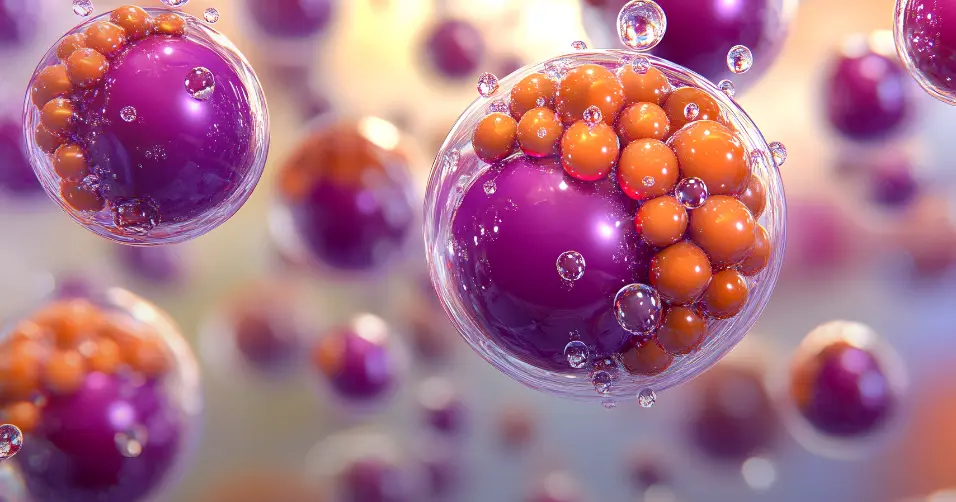
Cellular health is the bedrock of our overall well-being; every bodily function relies on it.
What we eat and drink directly impacts how well our cells work and stay intact.
Breathing properly, moving our bodies, managing stress, and getting good sleep all help our cells function better and repair themselves.
As we get older, our cells naturally start to slow down, but lifestyle choices can help slow this decline.
The outer layer of our cells, the membrane, is super important for protection and needs care.
This article is educational and not intended to diagnose, treat, or suggest any specific intervention, and should not replace qualified medical advice.





Understanding Cellular Health
Think of your body as a massive construction project, and cells are the individual bricks. If those bricks are weak, crumbling, or filled with gunk, the whole building is going to have problems, right? That’s pretty much what cellular health is all about. It’s about making sure each of those trillions of tiny cells in your body is doing its job properly.
What Constitutes Cellular Well-being?
So, what makes a cell happy and healthy? It's a few things. First, cells need to be able to make energy efficiently. They also need to be able to repair themselves when they get a little banged up, and they have to talk to each other effectively. When cells are functioning well, you feel good – you've got energy, your mind is clear, and you're less likely to get sick. It’s like having a well-oiled machine, but on a microscopic level.
The Role of Cells in Bodily Functions
Every single thing your body does, from breathing to digesting that sandwich you had for lunch, relies on cells. They're organized into tissues, and those tissues form organs, all working together. Cells are responsible for all the big jobs: creating energy, getting rid of waste, fixing damage, and sending messages. The nucleus inside each cell holds the instructions, like a tiny instruction manual, telling everything what to do. When cells are healthy, your immune system is strong, your metabolism works smoothly, and you generally feel pretty good. It’s the foundation for everything.
Consequences of Cellular Dysfunction
Now, what happens when those "bricks" start to fail? When cells get damaged or just can't keep up, things go wrong. This can happen for a bunch of reasons – maybe too much stress, not enough good food, or just the natural process of getting older. When cells are struggling, they can't repair themselves as well, they don't make enough energy, and their communication breaks down. This cellular breakdown is linked to a lot of the health problems we see, like feeling tired all the time, brain fog, and even more serious long-term issues. It’s like the foundation of your house starting to crack; eventually, the whole structure is affected.
Factors Influencing Cellular Vitality
Our cells are constantly working, and a lot of things can mess with their rhythm. Think of it like trying to keep a busy household running smoothly – if one thing is off, it can affect everything else. Several key elements play a big role in how well our cells do their jobs.
The Impact of Nutrition on Cells
What we eat directly fuels our cells. Foods packed with vitamins, minerals, and antioxidants act like the building blocks and protective shields for our cellular machinery. For example, a diet rich in fruits and vegetables provides compounds that help cells fend off damage. On the flip side, a diet heavy in processed foods, sugar, and unhealthy fats can create an environment that makes cells work harder and become more prone to issues. It's not just about getting enough calories; it's about the quality of those calories.
Hydration's Role in Cellular Integrity
Water is more than just a thirst quencher; it's vital for keeping cells functioning properly. Water helps transport nutrients into cells and waste products out. When we're not drinking enough, our cells can become dehydrated, which can slow down their processes and make them less efficient. Imagine a car engine running low on oil – it just doesn't run as well. Maintaining good hydration helps keep the cellular environment stable and supports all the chemical reactions happening inside.
Oxygenation for Energy Production
Cells need oxygen to create the energy that powers all our bodily functions. This process happens in specialized parts of the cell. When our bodies get enough oxygen, cells can efficiently convert nutrients into usable energy. Things like deep breathing exercises or regular physical activity can help improve oxygen delivery throughout the body, making sure our cells have what they need to keep us going. Without enough oxygen, cells struggle to produce energy, which can lead to fatigue and other problems.
Environmental Toxins and Cellular Strain
We're exposed to various environmental factors that can put a strain on our cells. Things like pollution, certain chemicals in products we use, and even prolonged exposure to UV radiation can introduce stress. These external factors can create what's called oxidative stress, which is like rust forming on metal – it damages cellular structures over time. Our bodies have natural defense mechanisms, but when the toxic load becomes too high, these defenses can be overwhelmed, impacting cellular health.
Supporting Your Cells Through Lifestyle
Making conscious choices about how we live day-to-day can really make a difference for our cells. It's not just about big, drastic changes; often, it's the small, consistent habits that add up.
Dietary Strategies for Cellular Support
What we eat directly fuels our cells and provides the building blocks they need. Think of it like giving your car the right kind of gas. Focusing on whole, unprocessed foods is key. This means loading up on fruits and vegetables, which are packed with antioxidants that help fight off damage. Healthy fats, found in things like avocados, nuts, and olive oil, are also super important for keeping cell membranes strong and flexible. On the flip side, too much processed food, sugar, and unhealthy fats can actually create stress for your cells, making them work harder and potentially leading to problems down the line. It's about balance, really.
The Importance of Regular Movement
Moving your body isn't just for your muscles or your heart; it impacts cells all over. When you exercise, your muscles help with your body's overall metabolism. Plus, after you finish, your body gets to work cleaning up things like damaged proteins and other waste that can build up. A sedentary lifestyle, on the other hand, can lead to cells not functioning as well as they should. Even just getting up and moving around for a few minutes every hour can help.
Here's a quick look at how different types of movement can help:
Cardio: Gets oxygen flowing everywhere, helping cells produce energy.
Strength Training: Builds muscle, which plays a role in metabolism and overall cellular function.
Flexibility/Mobility: Helps maintain range of motion, which can indirectly support cellular health by allowing for better nutrient delivery and waste removal.
Stress Management for Cellular Resilience
Chronic stress is a real drain on our bodies, and our cells feel it too. When you're constantly stressed, your body releases hormones that, over time, can cause wear and tear. Finding ways to calm your nervous system is really beneficial. This could be anything from spending time in nature, listening to music, practicing mindfulness, or even just taking a few deep breaths when you feel overwhelmed. Learning to manage stress helps your cells stay more resilient.
Optimizing Sleep for Cellular Repair
Sleep is when your body does a lot of its repair work, and that includes at the cellular level. During deep sleep, your cells can focus on fixing damage, clearing out waste products, and regenerating. Not getting enough quality sleep can really mess with these processes. Aiming for 7-9 hours of consistent, good-quality sleep each night gives your cells the time they need to recover and get ready for the next day.
How To Increase Mitochondria?
Mitochondria increase with endurance exercise, good sleep, and nutrients like coenzyme Q10 and alpha-lipoic acid.
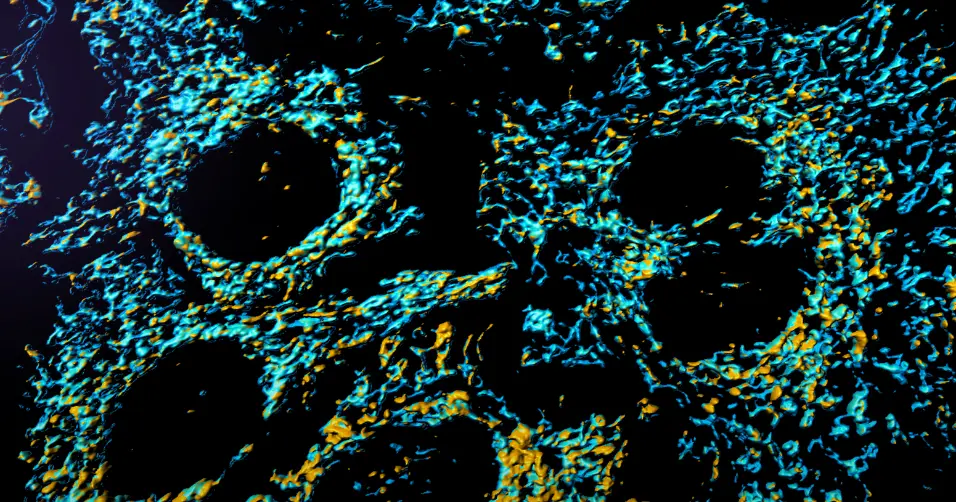
Improving cellular energy begins with understanding how to boost mitochondria, the power generators of cells. Mitochondrial health benefits from regular exercise, particularly aerobic and resistance training. Nutrients like coenzyme Q10, alpha-lipoic acid, and omega-3 fatty acids support their efficiency. Reducing oxidative stress through antioxidant-rich foods also enhances mitochondrial function. Together, these methods increase energy, endurance, and overall cellular performance.
Exercise impact: Endurance and interval training encourage cells to produce more mitochondria for energy efficiency.
Nutritional support: Include foods high in antioxidants and essential fatty acids to protect mitochondrial membranes.
Rest and recovery: Quality sleep allows mitochondria to repair and regenerate effectively.
Stress reduction: Limiting chronic stress lowers free radical production, supporting how to boost mitochondria naturally.
Supplement guidance: Consult professionals before using mitochondrial-supporting compounds for safety and dosage.
Understanding Cellular Health
Think of your body as a massive construction project, and cells are the individual bricks. If those bricks are weak, crumbling, or filled with gunk, the whole building is going to have problems, right? That’s pretty much what cellular health is all about. It’s about making sure each of those trillions of tiny cells in your body is doing its job properly.
What Constitutes Cellular Well-being?
So, what makes a cell happy and healthy? It's a few things. First, cells need to be able to make energy efficiently. They also need to be able to repair themselves when they get a little banged up, and they have to talk to each other effectively. When cells are functioning well, you feel good – you've got energy, your mind is clear, and you're less likely to get sick. It’s like having a well-oiled machine, but on a microscopic level.
The Role of Cells in Bodily Functions
Every single thing your body does, from breathing to digesting that sandwich you had for lunch, relies on cells. They're organized into tissues, and those tissues form organs, all working together. Cells are responsible for all the big jobs: creating energy, getting rid of waste, fixing damage, and sending messages. The nucleus inside each cell holds the instructions, like a tiny instruction manual, telling everything what to do. When cells are healthy, your immune system is strong, your metabolism works smoothly, and you generally feel pretty good. It’s the foundation for everything.
Consequences of Cellular Dysfunction
Now, what happens when those "bricks" start to fail? When cells get damaged or just can't keep up, things go wrong. This can happen for a bunch of reasons – maybe too much stress, not enough good food, or just the natural process of getting older. When cells are struggling, they can't repair themselves as well, they don't make enough energy, and their communication breaks down. This cellular breakdown is linked to a lot of the health problems we see, like feeling tired all the time, brain fog, and even more serious long-term issues. It’s like the foundation of your house starting to crack; eventually, the whole structure is affected.
Factors Influencing Cellular Vitality
Our cells are constantly working, and a lot of things can mess with their rhythm. Think of it like trying to keep a busy household running smoothly – if one thing is off, it can affect everything else. Several key elements play a big role in how well our cells do their jobs.
The Impact of Nutrition on Cells
What we eat directly fuels our cells. Foods packed with vitamins, minerals, and antioxidants act like the building blocks and protective shields for our cellular machinery. For example, a diet rich in fruits and vegetables provides compounds that help cells fend off damage. On the flip side, a diet heavy in processed foods, sugar, and unhealthy fats can create an environment that makes cells work harder and become more prone to issues. It's not just about getting enough calories; it's about the quality of those calories.
Hydration's Role in Cellular Integrity
Water is more than just a thirst quencher; it's vital for keeping cells functioning properly. Water helps transport nutrients into cells and waste products out. When we're not drinking enough, our cells can become dehydrated, which can slow down their processes and make them less efficient. Imagine a car engine running low on oil – it just doesn't run as well. Maintaining good hydration helps keep the cellular environment stable and supports all the chemical reactions happening inside.
Oxygenation for Energy Production
Cells need oxygen to create the energy that powers all our bodily functions. This process happens in specialized parts of the cell. When our bodies get enough oxygen, cells can efficiently convert nutrients into usable energy. Things like deep breathing exercises or regular physical activity can help improve oxygen delivery throughout the body, making sure our cells have what they need to keep us going. Without enough oxygen, cells struggle to produce energy, which can lead to fatigue and other problems.
Environmental Toxins and Cellular Strain
We're exposed to various environmental factors that can put a strain on our cells. Things like pollution, certain chemicals in products we use, and even prolonged exposure to UV radiation can introduce stress. These external factors can create what's called oxidative stress, which is like rust forming on metal – it damages cellular structures over time. Our bodies have natural defense mechanisms, but when the toxic load becomes too high, these defenses can be overwhelmed, impacting cellular health.
Supporting Your Cells Through Lifestyle
Making conscious choices about how we live day-to-day can really make a difference for our cells. It's not just about big, drastic changes; often, it's the small, consistent habits that add up.
Dietary Strategies for Cellular Support
What we eat directly fuels our cells and provides the building blocks they need. Think of it like giving your car the right kind of gas. Focusing on whole, unprocessed foods is key. This means loading up on fruits and vegetables, which are packed with antioxidants that help fight off damage. Healthy fats, found in things like avocados, nuts, and olive oil, are also super important for keeping cell membranes strong and flexible. On the flip side, too much processed food, sugar, and unhealthy fats can actually create stress for your cells, making them work harder and potentially leading to problems down the line. It's about balance, really.
The Importance of Regular Movement
Moving your body isn't just for your muscles or your heart; it impacts cells all over. When you exercise, your muscles help with your body's overall metabolism. Plus, after you finish, your body gets to work cleaning up things like damaged proteins and other waste that can build up. A sedentary lifestyle, on the other hand, can lead to cells not functioning as well as they should. Even just getting up and moving around for a few minutes every hour can help.
Here's a quick look at how different types of movement can help:
Cardio: Gets oxygen flowing everywhere, helping cells produce energy.
Strength Training: Builds muscle, which plays a role in metabolism and overall cellular function.
Flexibility/Mobility: Helps maintain range of motion, which can indirectly support cellular health by allowing for better nutrient delivery and waste removal.
Stress Management for Cellular Resilience
Chronic stress is a real drain on our bodies, and our cells feel it too. When you're constantly stressed, your body releases hormones that, over time, can cause wear and tear. Finding ways to calm your nervous system is really beneficial. This could be anything from spending time in nature, listening to music, practicing mindfulness, or even just taking a few deep breaths when you feel overwhelmed. Learning to manage stress helps your cells stay more resilient.
Optimizing Sleep for Cellular Repair
Sleep is when your body does a lot of its repair work, and that includes at the cellular level. During deep sleep, your cells can focus on fixing damage, clearing out waste products, and regenerating. Not getting enough quality sleep can really mess with these processes. Aiming for 7-9 hours of consistent, good-quality sleep each night gives your cells the time they need to recover and get ready for the next day.
Cellular Health and the Aging Process
As the years go by, our cells, the tiny workers that keep everything running, start to show their age. It's a natural part of life, but it means they don't quite perform at their peak anymore. Think of it like an old car; it might still run, but it's not as zippy or efficient as it once was.
How Aging Affects Cellular Function
With age, cells accumulate damage. This can happen from everyday wear and tear, environmental factors, and just the passage of time. This damage can slow down how well cells do their jobs, like making energy or repairing themselves. It's like tiny cracks forming in a building's foundation – over time, they can weaken the whole structure. This decline in cellular function is linked to many of the changes we associate with getting older.
Mitigating Age-Related Cellular Decline
While we can't stop time, we can certainly help our cells cope better. What we eat, how we move, and how we manage stress all play a big role. Giving our cells the right nutrients, keeping our bodies active, and finding ways to relax can make a real difference in how well they function as we age. It's about giving them the best support system possible.
The Link Between Cellular Health and Longevity
It turns out that keeping our cells healthy isn't just about feeling good today; it's also about living longer and healthier lives. When our cells are functioning well, even as we get older, our bodies are better equipped to handle challenges and resist disease. The better we take care of our cells throughout life, the more likely we are to enjoy more vibrant years. It's a direct connection between the microscopic world inside us and the quality of our lives over the long haul.
Enhancing Cellular Function
Making sure your cells are working their best is pretty important for feeling good overall. It's not just about avoiding sickness; it's about having energy and thinking clearly day-to-day. Luckily, there are practical things you can do.
Nutrient-Rich Foods for Cellular Repair
What you eat directly impacts your cells' ability to fix themselves and keep going. Think of food as the building blocks and repair crew for your cellular structures. A diet packed with colorful fruits and vegetables is a good start. These foods are loaded with vitamins, minerals, and antioxidants that help fight off damage and keep cellular processes running smoothly. For instance, berries are full of compounds that can help protect your cells from stress, and leafy greens provide essential nutrients for cell maintenance.
The Benefits of Deep Breathing Techniques
It might sound simple, but how you breathe really matters. Many of us tend to take shallow breaths, especially when we're stressed or busy. This doesn't get enough oxygen to all your cells. Focusing on deeper, more controlled breathing, like diaphragmatic breathing, can make a difference. It helps your body take in more oxygen, which is vital for cellular energy production. Aiming for about 6 to 10 slow breaths per minute can signal to your body that it's time to relax and function more efficiently.
Supplementation for Cellular Support
Sometimes, even with a good diet, it's hard to get everything your cells need. This is where supplements can come in, but it's best to talk to a health professional first. They can help figure out what might be missing. For example, some supplements are known to support the parts of the cell responsible for energy production, helping them work better. Others might help with cellular repair or protect cells from damage.
Cellular Rejuvenation Therapies
Beyond diet and lifestyle, there are more advanced approaches people are exploring. These therapies aim to directly support cell repair and potentially slow down aspects of aging at a cellular level. Some examples include treatments that use light or oxygen under specific conditions. Research is ongoing, but these methods show promise in helping cells function more youthfully and recover from damage. For instance, studies have looked into how therapies like hyperbaric oxygen can influence markers associated with cellular aging, suggesting a potential for cells to regain some youthful characteristics.
The Cell Membrane's Critical Role
Think of the cell membrane as the gatekeeper and the security system for every single cell in your body. It's not just a passive barrier; it's a dynamic, living structure that controls what gets in and what stays out. This outer layer is made up of a complex mix of fats, proteins, and carbohydrates, and its health directly impacts how well your cells can do their jobs.
Protecting the Cell's Outer Barrier
The membrane's primary job is to keep the cell's internal environment stable and separate from the outside world. It's like the walls of a house, but much smarter. This barrier prevents harmful substances from just waltzing in while making sure that essential nutrients, like oxygen and fuel, can get inside. It also has to manage the exit of waste products, so the cell doesn't get clogged up.
Maintaining Membrane Integrity
For the membrane to do its job effectively, it needs to be flexible yet strong. This is where fats, particularly phospholipids, come into play. These molecules form the basic structure, creating a fluid layer that can adapt. Proteins embedded within this layer act as channels, transporters, and communication points. Carbohydrates attached to the outer surface help cells recognize each other and can even play a role in immune responses. Maintaining a good balance of these components is key to a healthy cell.
Factors Affecting Cell Membrane Health
Several things can mess with the membrane's ability to function properly:
Diet: What you eat directly impacts the building blocks available for your membranes. Healthy fats, like those found in omega-3 and omega-6 fatty acids, are vital for flexibility. Too much sugar or processed foods can lead to inflammation and damage.
Age: As we get older, our cell membranes can become less efficient, making it harder for cells to communicate and transport materials.
Environmental Stressors: Things like pollution, certain chemicals, and even excessive sun exposure can damage the delicate structure of the membrane.
Cholesterol: While it gets a bad rap, cholesterol actually plays a role in stabilizing the membrane, preventing it from becoming too fluid. A balanced intake is important.
Keeping your cell membranes in good shape means supporting the very foundation of your body's health.
Wrapping It Up
So, we've talked a lot about cells – how they're basically the tiny building blocks of everything in our bodies. Keeping them happy and healthy really does make a big difference in how we feel day-to-day and in the long run. It’s not about some super complicated science experiment; it’s mostly about the everyday stuff. Eating well, drinking enough water, moving your body, and managing stress – these simple habits add up. Think of it like taking care of a garden; a little consistent attention goes a long way in helping everything grow and thrive. By focusing on our cellular health, we're really just investing in our own overall well-being and giving ourselves the best chance to feel good for years to come.
Cellular Health and the Aging Process
As the years go by, our cells, the tiny workers that keep everything running, start to show their age. It's a natural part of life, but it means they don't quite perform at their peak anymore. Think of it like an old car; it might still run, but it's not as zippy or efficient as it once was.
How Aging Affects Cellular Function
With age, cells accumulate damage. This can happen from everyday wear and tear, environmental factors, and just the passage of time. This damage can slow down how well cells do their jobs, like making energy or repairing themselves. It's like tiny cracks forming in a building's foundation – over time, they can weaken the whole structure. This decline in cellular function is linked to many of the changes we associate with getting older.
Mitigating Age-Related Cellular Decline
While we can't stop time, we can certainly help our cells cope better. What we eat, how we move, and how we manage stress all play a big role. Giving our cells the right nutrients, keeping our bodies active, and finding ways to relax can make a real difference in how well they function as we age. It's about giving them the best support system possible.
The Link Between Cellular Health and Longevity
It turns out that keeping our cells healthy isn't just about feeling good today; it's also about living longer and healthier lives. When our cells are functioning well, even as we get older, our bodies are better equipped to handle challenges and resist disease. The better we take care of our cells throughout life, the more likely we are to enjoy more vibrant years. It's a direct connection between the microscopic world inside us and the quality of our lives over the long haul.
Enhancing Cellular Function
Making sure your cells are working their best is pretty important for feeling good overall. It's not just about avoiding sickness; it's about having energy and thinking clearly day-to-day. Luckily, there are practical things you can do.
Nutrient-Rich Foods for Cellular Repair
What you eat directly impacts your cells' ability to fix themselves and keep going. Think of food as the building blocks and repair crew for your cellular structures. A diet packed with colorful fruits and vegetables is a good start. These foods are loaded with vitamins, minerals, and antioxidants that help fight off damage and keep cellular processes running smoothly. For instance, berries are full of compounds that can help protect your cells from stress, and leafy greens provide essential nutrients for cell maintenance.
The Benefits of Deep Breathing Techniques
It might sound simple, but how you breathe really matters. Many of us tend to take shallow breaths, especially when we're stressed or busy. This doesn't get enough oxygen to all your cells. Focusing on deeper, more controlled breathing, like diaphragmatic breathing, can make a difference. It helps your body take in more oxygen, which is vital for cellular energy production. Aiming for about 6 to 10 slow breaths per minute can signal to your body that it's time to relax and function more efficiently.
Supplementation for Cellular Support
Sometimes, even with a good diet, it's hard to get everything your cells need. This is where supplements can come in, but it's best to talk to a health professional first. They can help figure out what might be missing. For example, some supplements are known to support the parts of the cell responsible for energy production, helping them work better. Others might help with cellular repair or protect cells from damage.
Cellular Rejuvenation Therapies
Beyond diet and lifestyle, there are more advanced approaches people are exploring. These therapies aim to directly support cell repair and potentially slow down aspects of aging at a cellular level. Some examples include treatments that use light or oxygen under specific conditions. Research is ongoing, but these methods show promise in helping cells function more youthfully and recover from damage. For instance, studies have looked into how therapies like hyperbaric oxygen can influence markers associated with cellular aging, suggesting a potential for cells to regain some youthful characteristics.
The Cell Membrane's Critical Role
Think of the cell membrane as the gatekeeper and the security system for every single cell in your body. It's not just a passive barrier; it's a dynamic, living structure that controls what gets in and what stays out. This outer layer is made up of a complex mix of fats, proteins, and carbohydrates, and its health directly impacts how well your cells can do their jobs.
Protecting the Cell's Outer Barrier
The membrane's primary job is to keep the cell's internal environment stable and separate from the outside world. It's like the walls of a house, but much smarter. This barrier prevents harmful substances from just waltzing in while making sure that essential nutrients, like oxygen and fuel, can get inside. It also has to manage the exit of waste products, so the cell doesn't get clogged up.
Maintaining Membrane Integrity
For the membrane to do its job effectively, it needs to be flexible yet strong. This is where fats, particularly phospholipids, come into play. These molecules form the basic structure, creating a fluid layer that can adapt. Proteins embedded within this layer act as channels, transporters, and communication points. Carbohydrates attached to the outer surface help cells recognize each other and can even play a role in immune responses. Maintaining a good balance of these components is key to a healthy cell.
Factors Affecting Cell Membrane Health
Several things can mess with the membrane's ability to function properly:
Diet: What you eat directly impacts the building blocks available for your membranes. Healthy fats, like those found in omega-3 and omega-6 fatty acids, are vital for flexibility. Too much sugar or processed foods can lead to inflammation and damage.
Age: As we get older, our cell membranes can become less efficient, making it harder for cells to communicate and transport materials.
Environmental Stressors: Things like pollution, certain chemicals, and even excessive sun exposure can damage the delicate structure of the membrane.
Cholesterol: While it gets a bad rap, cholesterol actually plays a role in stabilizing the membrane, preventing it from becoming too fluid. A balanced intake is important.
Keeping your cell membranes in good shape means supporting the very foundation of your body's health.
Wrapping It Up
So, we've talked a lot about cells – how they're basically the tiny building blocks of everything in our bodies. Keeping them happy and healthy really does make a big difference in how we feel day-to-day and in the long run. It’s not about some super complicated science experiment; it’s mostly about the everyday stuff. Eating well, drinking enough water, moving your body, and managing stress – these simple habits add up. Think of it like taking care of a garden; a little consistent attention goes a long way in helping everything grow and thrive. By focusing on our cellular health, we're really just investing in our own overall well-being and giving ourselves the best chance to feel good for years to come.
How To Improve Cellular Health?
To improve cellular health, eat antioxidant-rich foods, stay hydrated, sleep well, and reduce oxidative stress caused by toxins or poor diet.
To improve cellular health, focus on nutrition, hydration, and minimizing oxidative stress. Eat foods rich in antioxidants like vitamins C and E to protect cell membranes. Omega-3 fatty acids support cell structure and communication. Regular exercise improves mitochondrial efficiency, the energy source of cells. Avoid smoking, excess alcohol, and sleep deprivation to preserve cell longevity.
Antioxidants reduce free radical damage responsible for cell aging.
Healthy fats stabilize cell membranes and enhance nutrient exchange.
Consistent hydration maintains electrolyte balance for cell function.
Balanced sleep and exercise promote efficient cellular repair processes.
Does Astaxanthin Protect Mitochondria?
Astaxanthin may protect mitochondria, the cell’s energy factories, through antioxidant activity that limits reactive oxygen damage.
Astaxanthin may help protect mitochondria by reducing oxidative stress, which is cell damage caused by unstable molecules called free radicals. Its structure allows it to sit across mitochondrial membranes. This positioning may help stabilize these membranes. The compound acts gently and does not replace normal mitochondrial support like sleep or nutrition. Evidence comes mostly from early research, so expectations should be modest.
May reduce mitochondrial oxidation by neutralizing free radicals; this can help maintain energy-producing function.
Can support membrane stability because its shape spans the membrane; this may reduce stress during energy production.
May help cells tolerate stress like exercise-related strain; effects appear mild but measurable.
Acts alongside basic habits such as balanced diet and rest; it cannot compensate for poor lifestyle choices.
Harald Ragnarok, Editor in Chief, Myopedia
Myopedia is your to-go source for simple, practical guide to getting stronger, leaner, and healthier for the long run—bringing together biohacking, longevity, and muscle growth in one place. It breaks down what to do and why it works, with straightforward training and nutrition basics plus clear explanations of supplements and newer health tools, so you can make better choices without getting lost in hype.
Medical Disclaimer: All content on this website is intended solely for informational and educational purposes and should not be interpreted as a substitute for professional medical advice, diagnosis, or treatment, nor as encouragement or promotion for or against any particular use, product, or activity. Results may vary and are not guaranteed. No doctor–patient relationship is created by your use of this content. Always consult a qualified healthcare provider, nutritionist, or other relevant expert before starting or changing any supplement, diet, exercise, or lifestyle program. This website can contain errors. Check important information. Read our full Disclaimer.
RSS – Status – Terms of Service – Privacy Policy – Disclaimer – About Myopedia.
©2025 Myopedia™. All rights reserved.
Myopedia is your to-go source for simple, practical guide to getting stronger, leaner, and healthier for the long run—bringing together biohacking, longevity, and muscle growth in one place. It breaks down what to do and why it works, with straightforward training and nutrition basics plus clear explanations of supplements and newer health tools, so you can make better choices without getting lost in hype.
Medical Disclaimer: All content on this website is intended solely for informational and educational purposes and should not be interpreted as a substitute for professional medical advice, diagnosis, or treatment, nor as encouragement or promotion for or against any particular use, product, or activity. Results may vary and are not guaranteed. No doctor–patient relationship is created by your use of this content. Always consult a qualified healthcare provider, nutritionist, or other relevant expert before starting or changing any supplement, diet, exercise, or lifestyle program. This website can contain errors. Check important information. Read our full Disclaimer.
RSS – Status – Terms of Service – Privacy Policy – Disclaimer – About Myopedia.
©2025 Myopedia™. All rights reserved.
Myopedia is your to-go source for simple, practical guide to getting stronger, leaner, and healthier for the long run—bringing together biohacking, longevity, and muscle growth in one place. It breaks down what to do and why it works, with straightforward training and nutrition basics plus clear explanations of supplements and newer health tools, so you can make better choices without getting lost in hype.
Medical Disclaimer: All content on this website is intended solely for informational and educational purposes and should not be interpreted as a substitute for professional medical advice, diagnosis, or treatment, nor as encouragement or promotion for or against any particular use, product, or activity. Results may vary and are not guaranteed. No doctor–patient relationship is created by your use of this content. Always consult a qualified healthcare provider, nutritionist, or other relevant expert before starting or changing any supplement, diet, exercise, or lifestyle program. This website can contain errors. Check important information. Read our full Disclaimer.
RSS – Status – Terms of Service – Privacy Policy – Disclaimer – About Myopedia.
©2025 Myopedia™. All rights reserved.