Biohacking

NMN – Nicotinamide Mononucleotide

A Beginner’s Guide to Nicotinamide Mononucleotide

NMN (Nicotinamide Mononucleotide) is a precursor to NAD+ that is essential for cellular energy production and has been studied for its role in promoting longevity.
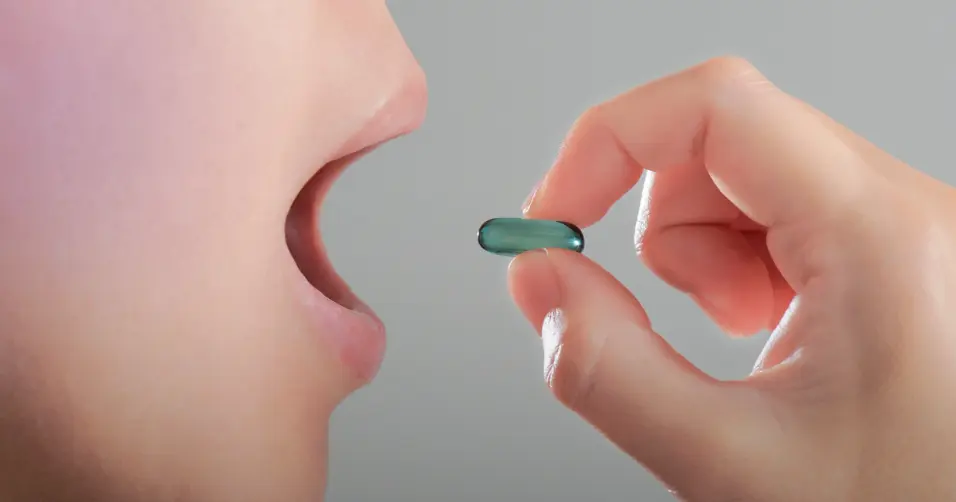
We cover emerging biohacking topics because our readers ask about them. This is not guidance to self-experiment. This article is educational and not intended to diagnose, treat, or suggest any specific intervention, and should not replace qualified medical advice.

NMN is a precursor to NAD+ that supports energy and cellular repair.

We recognize growing interest in biohacking and experimental-stage substances. This article discusses an experimental method that may not be suitable for DIY use; any consideration belongs with qualified supervision.


Why Is NMN Gaining Attention?

NMN is gaining attention because it is a precursor to NAD+, a molecule needed for energy metabolism and DNA repair, which declines with age.

NMN is gaining attention because it is a direct precursor to NAD+, a molecule essential for cellular energy and repair. As people explore ways to support healthy aging, NMN is promoted for its role in maintaining metabolic balance. Research has shown it may help with insulin sensitivity, vascular health, and energy levels. Interest surged after prominent researchers highlighted its potential in extending healthspan. Its rising availability as a supplement adds to its growing attention worldwide.

  • It directly influences NAD+ levels, which naturally decline with age.

  • Studies suggest benefits for mitochondrial function, making it popular in aging research.

  • Its potential in metabolic health makes it relevant for people at risk of lifestyle-related diseases.

  • The hype also comes from its association with well-known longevity scientists and publications.

NMN is gaining attention because it is a direct precursor to NAD+, a molecule essential for cellular energy and repair. As people explore ways to support healthy aging, NMN is promoted for its role in maintaining metabolic balance. Research has shown it may help with insulin sensitivity, vascular health, and energy levels. Interest surged after prominent researchers highlighted its potential in extending healthspan. Its rising availability as a supplement adds to its growing attention worldwide.

  • It directly influences NAD+ levels, which naturally decline with age.

  • Studies suggest benefits for mitochondrial function, making it popular in aging research.

  • Its potential in metabolic health makes it relevant for people at risk of lifestyle-related diseases.

  • The hype also comes from its association with well-known longevity scientists and publications.

NMN: FACTS

Role

NAD+ precursor; supports energy, longevity

Form & Classification

Vitamin B3 derivative

Typical Dosage & Intake

250–1000 mg/day

Cycling

Not required; long-term studied

Sources

Supplements only

Safety & Interactions

Safe; long-term effects under study

What Is NMN?

NMN – Nicotinamide Mononucleotide is a precursor molecule that helps make NAD+, a vital energy-carrying compound in cells.

NMN, or nicotinamide mononucleotide, is a molecule that serves as a direct precursor to NAD+, a compound essential for energy production and cellular repair. Supplementation aims to raise NAD+ levels, which decline with age. Early human studies show improvements in metabolism and muscle function. It is generally well tolerated, with mild side effects like nausea reported. Long-term safety data is still being collected.

  • NMN supports mitochondrial function by boosting NAD+ availability.

  • Animal studies show increased lifespan and better metabolic health.

  • Human trials are mostly short-term but show promising safety.

  • It is part of a growing field of NAD+ precursor research.

NMN, or nicotinamide mononucleotide, is a molecule that serves as a direct precursor to NAD+, a compound essential for energy production and cellular repair. Supplementation aims to raise NAD+ levels, which decline with age. Early human studies show improvements in metabolism and muscle function. It is generally well tolerated, with mild side effects like nausea reported. Long-term safety data is still being collected.

  • NMN supports mitochondrial function by boosting NAD+ availability.

  • Animal studies show increased lifespan and better metabolic health.

  • Human trials are mostly short-term but show promising safety.

  • It is part of a growing field of NAD+ precursor research.

What Does NMN Do?

NMN affects energy metabolism by increasing NAD+, a key molecule for mitochondrial ATP production and DNA repair.

NMN affects processes involved in energy metabolism, DNA repair, and cell survival. By boosting NAD+ levels, it enhances mitochondrial function, which is vital for producing ATP (cellular energy). It also supports enzymes called sirtuins, which regulate aging-related pathways. NMN influences insulin sensitivity and vascular function, linking it to metabolic health. Its effects reach across nearly all energy-demanding tissues, including brain, muscles, and heart.

  • It increases NAD+, a key molecule for cellular energy and repair.

  • It activates sirtuins, proteins that regulate longevity and stress resistance.

  • It supports vascular health by improving blood flow and endothelial function.

  • It improves glucose handling and insulin sensitivity, important for metabolic balance.

NMN affects processes involved in energy metabolism, DNA repair, and cell survival. By boosting NAD+ levels, it enhances mitochondrial function, which is vital for producing ATP (cellular energy). It also supports enzymes called sirtuins, which regulate aging-related pathways. NMN influences insulin sensitivity and vascular function, linking it to metabolic health. Its effects reach across nearly all energy-demanding tissues, including brain, muscles, and heart.

  • It increases NAD+, a key molecule for cellular energy and repair.

  • It activates sirtuins, proteins that regulate longevity and stress resistance.

  • It supports vascular health by improving blood flow and endothelial function.

  • It improves glucose handling and insulin sensitivity, important for metabolic balance.

How Is NMN Used in Biohacking?

NMN is used in biohacking to boost NAD+ and support energy, metabolism, and potentially longevity.

NMN is widely used in biohacking for anti-aging and energy optimization. People use it to restore NAD+ levels and support mitochondrial function. It is often taken daily as part of longevity protocols. Users report benefits like better energy, sharper cognition, and improved recovery. Its popularity comes from its perceived ability to slow age-related decline.

  • It is a central part of many longevity stacks focused on NAD+ boosting.

  • Some combine it with resveratrol to synergize with sirtuin activation.

  • Daily use is reported to help with sustained energy and metabolic balance.

  • It is favored because of strong backing from aging research studies.

NMN is widely used in biohacking for anti-aging and energy optimization. People use it to restore NAD+ levels and support mitochondrial function. It is often taken daily as part of longevity protocols. Users report benefits like better energy, sharper cognition, and improved recovery. Its popularity comes from its perceived ability to slow age-related decline.

  • It is a central part of many longevity stacks focused on NAD+ boosting.

  • Some combine it with resveratrol to synergize with sirtuin activation.

  • Daily use is reported to help with sustained energy and metabolic balance.

  • It is favored because of strong backing from aging research studies.

Descriptions of protocols are provided to explain research methods only. They are not instructions for personal use. Individuals should not adapt or perform study procedures outside approved research settings with qualified supervision.
Descriptions of protocols are provided to explain research methods only. They are not instructions for personal use. Individuals should not adapt or perform study procedures outside approved research settings with qualified supervision.

How Is NMN Used in Research Settings?

NMN is used in research to test effects on metabolism, aging, and cardiovascular function.

NMN is studied for its ability to raise NAD+ levels in humans and animals. Research explores its effects on aging, metabolism, and cardiovascular health. Trials investigate its safety in long-term supplementation. It is also being tested for benefits in insulin resistance and neurodegenerative diseases. These studies aim to confirm whether animal results apply to humans.

  • It is trialed for improving insulin sensitivity in people with prediabetes.

  • Research examines cardiovascular improvements such as blood flow.

  • Animal studies link it to better endurance and brain function.

  • Human trials focus on dosage, absorption, and safety over months of use.

NMN is studied for its ability to raise NAD+ levels in humans and animals. Research explores its effects on aging, metabolism, and cardiovascular health. Trials investigate its safety in long-term supplementation. It is also being tested for benefits in insulin resistance and neurodegenerative diseases. These studies aim to confirm whether animal results apply to humans.

  • It is trialed for improving insulin sensitivity in people with prediabetes.

  • Research examines cardiovascular improvements such as blood flow.

  • Animal studies link it to better endurance and brain function.

  • Human trials focus on dosage, absorption, and safety over months of use.

How Fast Does NMN Work?

NMN raises NAD+ levels within hours, though health effects may take weeks.

NMN can act within hours by raising NAD+ levels in blood. Animal studies show rapid improvements in metabolism soon after dosing. In humans, sustained benefits like energy and vascular health build over weeks. Early users report subtle boosts in energy and alertness within days. More significant changes in insulin sensitivity and endurance take longer.

  • NAD+ levels can rise within 1–2 hours after oral administration.

  • Short-term energy effects may appear in the first week of use.

  • Clinical trials report metabolic improvements after 6–12 weeks.

  • Full cardiovascular benefits require months of consistent use.

NMN can act within hours by raising NAD+ levels in blood. Animal studies show rapid improvements in metabolism soon after dosing. In humans, sustained benefits like energy and vascular health build over weeks. Early users report subtle boosts in energy and alertness within days. More significant changes in insulin sensitivity and endurance take longer.

  • NAD+ levels can rise within 1–2 hours after oral administration.

  • Short-term energy effects may appear in the first week of use.

  • Clinical trials report metabolic improvements after 6–12 weeks.

  • Full cardiovascular benefits require months of consistent use.

Is NMN Safe?

NMN risks appear low, with some users reporting mild digestive upset.

NMN is generally considered safe, but risks include digestive upset and unknown long-term effects. Some users report mild nausea, bloating, or headaches. The biggest concern is uncertainty about years-long supplementation. Overstimulation of NAD+-dependent pathways may have unintended outcomes. Safety studies so far suggest it is well tolerated in short- to mid-term use.

  • Short-term trials show mostly mild gastrointestinal side effects.

  • Long-term risks remain unknown due to limited follow-up data.

  • Interactions with chronic diseases are not fully studied.

  • High dosing could theoretically overstimulate cell growth pathways.

NMN is generally considered safe, but risks include digestive upset and unknown long-term effects. Some users report mild nausea, bloating, or headaches. The biggest concern is uncertainty about years-long supplementation. Overstimulation of NAD+-dependent pathways may have unintended outcomes. Safety studies so far suggest it is well tolerated in short- to mid-term use.

  • Short-term trials show mostly mild gastrointestinal side effects.

  • Long-term risks remain unknown due to limited follow-up data.

  • Interactions with chronic diseases are not fully studied.

  • High dosing could theoretically overstimulate cell growth pathways.

Small or early studies can overlook important risks, including organ effects and drug–substance interactions. Product quality outside research supply chains is uncertain. Individuals should not conduct at-home trials; participation should occur only within approved research or clinical care.

Small or early studies can overlook important risks, including organ effects and drug–substance interactions. Product quality outside research supply chains is uncertain. Individuals should not conduct at-home trials; participation should occur only within approved research or clinical care.

What Is the Most Common Form of NMN?

NMN is most commonly taken orally as capsules or powder.

The most common form of NMN is powder or capsule. Powder allows flexible dosing, while capsules are preferred for convenience. Sublingual forms have also gained popularity due to claims of faster absorption. Research typically uses oral forms because they are easy for participants. Capsules dominate in consumer biohacking practices.

  • Capsules are favored for consistent, simple daily intake.

  • Powder offers dose flexibility but is less convenient.

  • Sublingual versions are marketed for quicker uptake into the bloodstream.

  • Clinical research prefers capsules for standardization.

The most common form of NMN is powder or capsule. Powder allows flexible dosing, while capsules are preferred for convenience. Sublingual forms have also gained popularity due to claims of faster absorption. Research typically uses oral forms because they are easy for participants. Capsules dominate in consumer biohacking practices.

  • Capsules are favored for consistent, simple daily intake.

  • Powder offers dose flexibility but is less convenient.

  • Sublingual versions are marketed for quicker uptake into the bloodstream.

  • Clinical research prefers capsules for standardization.

What Are Key Ingredients of NMN?

NMN key ingredient is nicotinamide mononucleotide, a molecule made from vitamin B3.

The key ingredient of NMN is nicotinamide mononucleotide itself, a single biochemical molecule. It consists of a ribose sugar, a phosphate group, and nicotinamide. This structure directly converts into NAD+ inside cells. It does not need other active components for function. Purity and stability of NMN powder or capsules are central to its effectiveness.

  • It is a nucleotide containing nicotinamide, ribose, and phosphate.

  • The molecule is naturally found in small amounts in living organisms.

  • No additional co-factors are required for its NAD+ boosting role.

  • Supplement forms focus only on stable NMN without fillers in trials.

The key ingredient of NMN is nicotinamide mononucleotide itself, a single biochemical molecule. It consists of a ribose sugar, a phosphate group, and nicotinamide. This structure directly converts into NAD+ inside cells. It does not need other active components for function. Purity and stability of NMN powder or capsules are central to its effectiveness.

  • It is a nucleotide containing nicotinamide, ribose, and phosphate.

  • The molecule is naturally found in small amounts in living organisms.

  • No additional co-factors are required for its NAD+ boosting role.

  • Supplement forms focus only on stable NMN without fillers in trials.

Is NMN Naturally Available in Food?

NMN is found in small amounts in foods like broccoli, avocado, and cucumbers.

NMN is naturally available in small amounts in food. Sources include broccoli, avocado, edamame, and cucumbers. The levels are much lower than those used in supplementation. Eating such foods contributes to NAD+ metabolism modestly. Supplements provide far higher concentrations than diet alone.

  • Vegetables like broccoli and cabbage contain measurable NMN.

  • Fruits such as avocado provide small NMN amounts.

  • Edamame and other legumes also contain trace NMN.

  • Dietary intake is insufficient to match supplement doses.

NMN is naturally available in small amounts in food. Sources include broccoli, avocado, edamame, and cucumbers. The levels are much lower than those used in supplementation. Eating such foods contributes to NAD+ metabolism modestly. Supplements provide far higher concentrations than diet alone.

  • Vegetables like broccoli and cabbage contain measurable NMN.

  • Fruits such as avocado provide small NMN amounts.

  • Edamame and other legumes also contain trace NMN.

  • Dietary intake is insufficient to match supplement doses.

Does NMN Impact Longevity?

NMN may impact longevity by supporting NAD+-dependent processes linked to aging.

NMN is closely associated with longevity research because it restores NAD+ levels, which decline with age. Animal studies show improvements in lifespan and healthspan. Human data focus more on healthspan benefits such as metabolism and vascular health. It is not proven to extend human lifespan but is strongly linked to age-related resilience. Current evidence suggests it supports healthy aging rather than guaranteed longevity.

  • It boosts NAD+, a key factor in age-related cellular decline.

  • Animal studies link NMN to longer, healthier lifespans.

  • Human trials emphasize energy and metabolic health benefits.

  • Direct life extension in humans remains unproven.

NMN is closely associated with longevity research because it restores NAD+ levels, which decline with age. Animal studies show improvements in lifespan and healthspan. Human data focus more on healthspan benefits such as metabolism and vascular health. It is not proven to extend human lifespan but is strongly linked to age-related resilience. Current evidence suggests it supports healthy aging rather than guaranteed longevity.

  • It boosts NAD+, a key factor in age-related cellular decline.

  • Animal studies link NMN to longer, healthier lifespans.

  • Human trials emphasize energy and metabolic health benefits.

  • Direct life extension in humans remains unproven.

Does Tolerance Develop for NMN?

NMN tolerance is not observed in current short-term studies.

NMN does not show strong evidence of tolerance development. Studies suggest NAD+ levels can be consistently maintained with supplementation. Users generally report stable effects over long-term use. However, research on multi-year intake is still limited. It remains uncertain if subtle tolerance could develop after decades.

  • Human trials show stable NAD+ increases with daily dosing.

  • No evidence of reduced metabolic effects across months of use.

  • Long-term adaptation cannot be ruled out without longer studies.

  • Healthspan benefits appear consistent rather than diminishing.

NMN does not show strong evidence of tolerance development. Studies suggest NAD+ levels can be consistently maintained with supplementation. Users generally report stable effects over long-term use. However, research on multi-year intake is still limited. It remains uncertain if subtle tolerance could develop after decades.

  • Human trials show stable NAD+ increases with daily dosing.

  • No evidence of reduced metabolic effects across months of use.

  • Long-term adaptation cannot be ruled out without longer studies.

  • Healthspan benefits appear consistent rather than diminishing.

Short, controlled tests do not establish long-term safety or cumulative effects. This information is for context, not for ongoing personal use. Exposure to experimental substances should not occur outside clinically supervised tests.

Short, controlled tests do not establish long-term safety or cumulative effects. This information is for context, not for ongoing personal use. Exposure to experimental substances should not occur outside clinically supervised tests.

Do NMN Effects Persist?

NMN effects on NAD+ drop quickly after discontinuation.

NMN’s effects require ongoing use to sustain elevated NAD+ levels. Benefits like better energy and vascular function fade once supplementation stops. Some cellular repair may persist beyond immediate use. Animal studies show temporary healthspan improvements after withdrawal. In humans, effects usually diminish within weeks of stopping.

  • NAD+ levels return to baseline within days to weeks after stopping.

  • Short-term energy and alertness fade quickly.

  • Repair and resilience benefits may last slightly longer.

  • Continuous supplementation is needed for ongoing benefits.

NMN’s effects require ongoing use to sustain elevated NAD+ levels. Benefits like better energy and vascular function fade once supplementation stops. Some cellular repair may persist beyond immediate use. Animal studies show temporary healthspan improvements after withdrawal. In humans, effects usually diminish within weeks of stopping.

  • NAD+ levels return to baseline within days to weeks after stopping.

  • Short-term energy and alertness fade quickly.

  • Repair and resilience benefits may last slightly longer.

  • Continuous supplementation is needed for ongoing benefits.

Signals that look promising in a lab may not hold up in broader populations and may reveal risks later. This information is explanatory only and does not support self-directed use to “reproduce” results.

Signals that look promising in a lab may not hold up in broader populations and may reveal risks later. This information is explanatory only and does not support self-directed use to “reproduce” results.

How Long Do NMN’s Side Effects and Traces Persist?

NMN side effects, like mild digestive upset, resolve quickly within a day.

NMN side effects, when present, resolve quickly after stopping. Mild digestive upset or headaches fade within days. NAD+ levels drop back to baseline within 1–2 weeks. There are no long-term traces in the body. Its effects require continued supplementation for persistence.

  • Short-term side effects usually disappear within days.

  • NAD+ levels normalize within 1–2 weeks of stopping.

  • No evidence of permanent adverse traces exists.

  • Long-term risks remain unstudied due to lack of decades-long trials.

NMN side effects, when present, resolve quickly after stopping. Mild digestive upset or headaches fade within days. NAD+ levels drop back to baseline within 1–2 weeks. There are no long-term traces in the body. Its effects require continued supplementation for persistence.

  • Short-term side effects usually disappear within days.

  • NAD+ levels normalize within 1–2 weeks of stopping.

  • No evidence of permanent adverse traces exists.

  • Long-term risks remain unstudied due to lack of decades-long trials.

Early reports may miss rare, delayed, or interaction-related harms. This section explains study observations only and does not justify anyone trying the substance. Individuals should stop and seek care for concerning symptoms and should not self-experiment.

Early reports may miss rare, delayed, or interaction-related harms. This section explains study observations only and does not justify anyone trying the substance. Individuals should stop and seek care for concerning symptoms and should not self-experiment.

Is NMN a Regulated Substance?

NMN regulation varies, being sold as a supplement in some regions but under review in others.

NMN is not banned or restricted in most regions and is widely sold as a supplement. It is considered a dietary ingredient in many countries. Regulatory authorities monitor quality but have not prohibited it. Research is ongoing to confirm long-term safety. It is not banned in competitive sports.

  • It is available over the counter in most countries.

  • No major regulatory body has banned its sale.

  • It is not restricted in athletic competition.

  • Oversight focuses mainly on supplement labeling and purity.

NMN is not banned or restricted in most regions and is widely sold as a supplement. It is considered a dietary ingredient in many countries. Regulatory authorities monitor quality but have not prohibited it. Research is ongoing to confirm long-term safety. It is not banned in competitive sports.

  • It is available over the counter in most countries.

  • No major regulatory body has banned its sale.

  • It is not restricted in athletic competition.

  • Oversight focuses mainly on supplement labeling and purity.

Legal status, import rules, and anti-doping policies vary and change. Clinical study access does not imply personal use is permitted. Verify current rules with relevant authorities; do not proceed outside them.

Legal status, import rules, and anti-doping policies vary and change. Clinical study access does not imply personal use is permitted. Verify current rules with relevant authorities; do not proceed outside them.

When Was NMN First Used?

NMN was first described in the 1960s as part of NAD+ metabolism.

NMN was first used in scientific research in the mid-20th century as part of NAD+ metabolism studies. It gained attention in the 2010s for its role in longevity research. Early animal trials showed improved aging markers. Human use as a supplement began after 2015. Since then, it has become central in biohacking communities.

  • First identified as part of NAD+ metabolism pathways decades ago.

  • 2010s research revived interest for aging interventions.

  • Supplement use began in the mid-2010s.

  • It is now one of the most studied NAD+ precursors.

NMN was first used in scientific research in the mid-20th century as part of NAD+ metabolism studies. It gained attention in the 2010s for its role in longevity research. Early animal trials showed improved aging markers. Human use as a supplement began after 2015. Since then, it has become central in biohacking communities.

  • First identified as part of NAD+ metabolism pathways decades ago.

  • 2010s research revived interest for aging interventions.

  • Supplement use began in the mid-2010s.

  • It is now one of the most studied NAD+ precursors.

What Additional Research Is Needed on NMN?

NMN needs long-term trials on aging, cardiovascular health, and metabolic diseases.

NMN requires long-term human studies to confirm its safety and efficacy. Current research mostly covers weeks to months. Its role in specific diseases like diabetes or neurodegeneration is still under study. Optimal dosing strategies are not yet established. More work is needed on whether NMN extends lifespan in humans.

  • Multi-year human trials are needed to study aging impacts.

  • Disease-specific applications like Alzheimer’s require testing.

  • Best dosage and timing strategies are not yet clear.

  • Lifespan studies in humans remain absent.

NMN requires long-term human studies to confirm its safety and efficacy. Current research mostly covers weeks to months. Its role in specific diseases like diabetes or neurodegeneration is still under study. Optimal dosing strategies are not yet established. More work is needed on whether NMN extends lifespan in humans.

  • Multi-year human trials are needed to study aging impacts.

  • Disease-specific applications like Alzheimer’s require testing.

  • Best dosage and timing strategies are not yet clear.

  • Lifespan studies in humans remain absent.

Does NMN Have Synergies With Resveratrol?

NMN synergizes with resveratrol because both enhance NAD+ metabolism and activate similar longevity-related pathways.

The combination of nmn resveratrol has gained attention for potential longevity and metabolic health benefits. NMN (nicotinamide mononucleotide) boosts NAD levels, while resveratrol activates sirtuin proteins that use NAD. This synergy supports mitochondrial repair and improved cellular function. Early research shows possible benefits for energy, skin health, and cognitive function. While promising, human studies remain limited, and both should be used responsibly under guidance.

  • Biological link: NMN raises NAD, which resveratrol needs to activate anti-aging pathways effectively.

  • Energy metabolism: The nmn resveratrol duo enhances mitochondrial performance and oxidative balance.

  • Research stage: Most findings come from animal models, requiring more human data for confirmation.

  • Usage advice: Consistent low-dose use may be safer until further studies clarify effects.

  • Lifestyle pairing: Balanced nutrition, sleep, and exercise improve the synergy’s effectiveness.

The combination of nmn resveratrol has gained attention for potential longevity and metabolic health benefits. NMN (nicotinamide mononucleotide) boosts NAD levels, while resveratrol activates sirtuin proteins that use NAD. This synergy supports mitochondrial repair and improved cellular function. Early research shows possible benefits for energy, skin health, and cognitive function. While promising, human studies remain limited, and both should be used responsibly under guidance.

  • Biological link: NMN raises NAD, which resveratrol needs to activate anti-aging pathways effectively.

  • Energy metabolism: The nmn resveratrol duo enhances mitochondrial performance and oxidative balance.

  • Research stage: Most findings come from animal models, requiring more human data for confirmation.

  • Usage advice: Consistent low-dose use may be safer until further studies clarify effects.

  • Lifestyle pairing: Balanced nutrition, sleep, and exercise improve the synergy’s effectiveness.

How Does Cinnamon Relate to Glycogen?

Cinnamon may influence glycogen storage by improving insulin sensitivity in muscle cells.

Cinnamon relates to glycogen because some research shows improved glucose handling after meals. Better glucose control can support steadier glycogen restoration. Cinnamon’s compounds may influence insulin sensitivity. These effects are mild and context-dependent. It works best alongside balanced eating habits.

  • Glucose handling: Cinnamon may help manage sugar swings.

  • Insulin link: Better insulin response aids storage.

  • Mild effect: Benefits remain small.

  • Diet synergy: Works with overall meal quality.


Cinnamon relates to glycogen because some research shows improved glucose handling after meals. Better glucose control can support steadier glycogen restoration. Cinnamon’s compounds may influence insulin sensitivity. These effects are mild and context-dependent. It works best alongside balanced eating habits.

  • Glucose handling: Cinnamon may help manage sugar swings.

  • Insulin link: Better insulin response aids storage.

  • Mild effect: Benefits remain small.

  • Diet synergy: Works with overall meal quality.


How Do Trans Fats Affect Heart Health?

Trans fats harm heart health by raising LDL, the "bad" cholesterol, and promoting arterial inflammation.

Trans fats harm heart health by raising LDL and lowering HDL cholesterol. They also promote inflammation that affects vessel walls. Many regions restrict industrial trans fats for safety. Even small amounts can negatively influence heart markers. Avoiding them supports cardiovascular health.

  • Cholesterol shift: LDL rises and HDL falls.

  • Inflammatory effects: Increase vessel irritation.

  • Regulatory action: Many governments restrict use.

  • Risk reduction: Eliminating trans fats improves long-term heart markers.


Trans fats harm heart health by raising LDL and lowering HDL cholesterol. They also promote inflammation that affects vessel walls. Many regions restrict industrial trans fats for safety. Even small amounts can negatively influence heart markers. Avoiding them supports cardiovascular health.

  • Cholesterol shift: LDL rises and HDL falls.

  • Inflammatory effects: Increase vessel irritation.

  • Regulatory action: Many governments restrict use.

  • Risk reduction: Eliminating trans fats improves long-term heart markers.


How Does NMN Differ from NADH?

NMN differs from NADH as NMN is a precursor that raises NAD+, while NADH is its active reduced form.

NMN and NADH differ because NMN is a precursor to NAD+, while NADH is the reduced, energy-carrying form of NAD+. NMN supports the earlier stages of NAD+ production inside cells. NADH participates directly in energy transfer inside mitochondria, the cell’s power structures. Their functions belong to the same system but at different steps. This creates different roles in energy and cellular repair processes.

  • NMN feeds NAD+ synthesis, helping build the coenzyme used in metabolism.

  • NADH carries electrons for energy release in mitochondria.

  • Different positions in the pathway lead to different biological uses.

  • Cellular energy balance depends on both forms working in sequence.


NMN and NADH differ because NMN is a precursor to NAD+, while NADH is the reduced, energy-carrying form of NAD+. NMN supports the earlier stages of NAD+ production inside cells. NADH participates directly in energy transfer inside mitochondria, the cell’s power structures. Their functions belong to the same system but at different steps. This creates different roles in energy and cellular repair processes.

  • NMN feeds NAD+ synthesis, helping build the coenzyme used in metabolism.

  • NADH carries electrons for energy release in mitochondria.

  • Different positions in the pathway lead to different biological uses.

  • Cellular energy balance depends on both forms working in sequence.


Biohacking involves significant health risks, including potential disruption of normal body processes, interference with medications, and interactions with underlying medical conditions. The use of experimental substances—even when not currently banned or regulated—can have unpredictable and possibly long-term effects. Even where small human trials have reported encouraging short-term outcomes, the broader and long-term safety profiles often remain anecdotal or unverified. Myopedia recognizes the increasing attention toward biohacking and emerging longevity or performance technologies. These articles are intended to inform and encourage understanding of scientific developments, not to promote personal experimentation or unsupervised use.
Information about applications, case studies, or trial data is presented for educational purposes only, may contain inaccuracies or omissions, and should not be used to guide the use of any substance, method, or routine.

Medical Disclaimer: All content on this website is intended solely for informational and educational purposes and should not be interpreted as a substitute for professional medical advice, diagnosis, or treatment, nor as encouragement or promotion for or against any particular use, product, or activity. Results may vary and are not guaranteed. No doctor–patient relationship is created by your use of this content. Always consult a qualified healthcare provider, nutritionist, or other relevant expert before starting or changing any supplement, diet, exercise, or lifestyle program. This website can contain errors. Check important information. Read our full Disclaimer.

StatusTerms of ServicePrivacy PolicyDisclaimerAbout Myopedia.

©2025 Myopedia™. All rights reserved.

Medical Disclaimer: All content on this website is intended solely for informational and educational purposes and should not be interpreted as a substitute for professional medical advice, diagnosis, or treatment, nor as encouragement or promotion for or against any particular use, product, or activity. Results may vary and are not guaranteed. No doctor–patient relationship is created by your use of this content. Always consult a qualified healthcare provider, nutritionist, or other relevant expert before starting or changing any supplement, diet, exercise, or lifestyle program. This website can contain errors. Check important information. Read our full Disclaimer.

StatusTerms of ServicePrivacy PolicyDisclaimerAbout Myopedia.

©2025 Myopedia™. All rights reserved.

Medical Disclaimer: All content on this website is intended solely for informational and educational purposes and should not be interpreted as a substitute for professional medical advice, diagnosis, or treatment, nor as encouragement or promotion for or against any particular use, product, or activity. Results may vary and are not guaranteed. No doctor–patient relationship is created by your use of this content. Always consult a qualified healthcare provider, nutritionist, or other relevant expert before starting or changing any supplement, diet, exercise, or lifestyle program. This website can contain errors. Check important information. Read our full Disclaimer.

StatusTerms of ServicePrivacy PolicyDisclaimerAbout Myopedia.

©2025 Myopedia™. All rights reserved.