Nutrition

Phosphorus

A Comprehensive Guide to Phosphorus

Phosphorus works closely with calcium to strengthen bones and teeth while also playing a role in energy production via ATP and supporting kidney function. It’s plentiful in protein-rich foods like meat, dairy, and legumes, though kidney disease can disrupt its balance.

This article is educational and not intended to diagnose, treat, or suggest any specific intervention, and should not replace qualified medical advice.

Phosphorus is a mineral that supports bone health and energy metabolism.

Is Phosphorus Good for You?

Phosphorus is good for health as it supports bone strength and energy production in cells.

Phosphorus is usually good for health because it supports strong bones, teeth, and energy production. It is an essential mineral that helps balance acids in the body and plays a role in storing and using energy. However, too much phosphorus can be harmful, especially for people with kidney disease, as it can lead to calcium loss and weakened bones. Most people get enough phosphorus from their diet without needing supplements. Overall, phosphorus is beneficial when consumed in moderate amounts from natural food sources.

  • Bone health: Phosphorus works with calcium to strengthen bones and teeth, making it vital for skeletal structure.

  • Energy metabolism: It is a key part of ATP, the molecule that stores and transfers energy in cells.

  • Acid balance: Phosphorus helps maintain a stable acid-base balance, protecting organs from harmful pH shifts.

  • Kidney stress: Excess phosphorus can put strain on kidneys, especially in people with reduced kidney function.

Phosphorus is usually good for health because it supports strong bones, teeth, and energy production. It is an essential mineral that helps balance acids in the body and plays a role in storing and using energy. However, too much phosphorus can be harmful, especially for people with kidney disease, as it can lead to calcium loss and weakened bones. Most people get enough phosphorus from their diet without needing supplements. Overall, phosphorus is beneficial when consumed in moderate amounts from natural food sources.

  • Bone health: Phosphorus works with calcium to strengthen bones and teeth, making it vital for skeletal structure.

  • Energy metabolism: It is a key part of ATP, the molecule that stores and transfers energy in cells.

  • Acid balance: Phosphorus helps maintain a stable acid-base balance, protecting organs from harmful pH shifts.

  • Kidney stress: Excess phosphorus can put strain on kidneys, especially in people with reduced kidney function.

Phosphorus: FACTS

Dietary Role

Essential for bone, energy, cell repair.

Sources

Dairy, fish, meat, nuts, beans.

Nutrient Value

Supports ATP production, bone mineralization.

Safety & Interactions

High intake may strain kidneys; balance with calcium.

What Is Phosphorus?

Phosphorus is a mineral that forms bones and makes energy molecules like ATP.

Phosphorus is a mineral that plays a key role in building strong bones and teeth, alongside calcium. It is also important in how the body stores and uses energy, particularly through a molecule called ATP, which is the main energy currency of cells. Phosphorus is needed for making DNA and RNA, which carry genetic information. It also helps balance acids and bases in the body, keeping blood chemistry stable. Most people get enough phosphorus from foods like dairy, meat, nuts, and beans.

  • Bone health: Phosphorus works with calcium to maintain strong skeletal structure and prevent bone weakness.

  • Energy metabolism: ATP, which fuels almost all cellular activities, relies on phosphorus as part of its structure.

  • Genetic support: DNA and RNA, the body’s genetic material, both require phosphorus for their backbone structure.

  • pH balance: The mineral helps regulate acidity in the body, keeping blood chemistry stable and preventing harmful shifts.

Phosphorus is a mineral that plays a key role in building strong bones and teeth, alongside calcium. It is also important in how the body stores and uses energy, particularly through a molecule called ATP, which is the main energy currency of cells. Phosphorus is needed for making DNA and RNA, which carry genetic information. It also helps balance acids and bases in the body, keeping blood chemistry stable. Most people get enough phosphorus from foods like dairy, meat, nuts, and beans.

  • Bone health: Phosphorus works with calcium to maintain strong skeletal structure and prevent bone weakness.

  • Energy metabolism: ATP, which fuels almost all cellular activities, relies on phosphorus as part of its structure.

  • Genetic support: DNA and RNA, the body’s genetic material, both require phosphorus for their backbone structure.

  • pH balance: The mineral helps regulate acidity in the body, keeping blood chemistry stable and preventing harmful shifts.

How Does Phosphorus Affect Your Body?

Phosphorus builds bones and enables cells to store and release energy.

Phosphorus plays many important roles in the body. It helps form bones and teeth by working with calcium. It is also a part of DNA and RNA, the molecules that carry genetic information. In energy production, phosphorus is crucial for ATP, the body’s energy currency. Additionally, it helps maintain normal acid-base balance in the blood and tissues.

  • Bone structure: Phosphorus combines with calcium to build strong, dense bones and teeth.

  • Genetic material: It forms part of DNA and RNA, necessary for cell growth and repair.

  • Energy transfer: Phosphorus is essential for ATP, the molecule that provides energy for all cellular processes.

  • pH regulation: It acts as a buffer, keeping blood and body fluids at a healthy pH.

Phosphorus plays many important roles in the body. It helps form bones and teeth by working with calcium. It is also a part of DNA and RNA, the molecules that carry genetic information. In energy production, phosphorus is crucial for ATP, the body’s energy currency. Additionally, it helps maintain normal acid-base balance in the blood and tissues.

  • Bone structure: Phosphorus combines with calcium to build strong, dense bones and teeth.

  • Genetic material: It forms part of DNA and RNA, necessary for cell growth and repair.

  • Energy transfer: Phosphorus is essential for ATP, the molecule that provides energy for all cellular processes.

  • pH regulation: It acts as a buffer, keeping blood and body fluids at a healthy pH.

What Foods Contain Phosphorus?

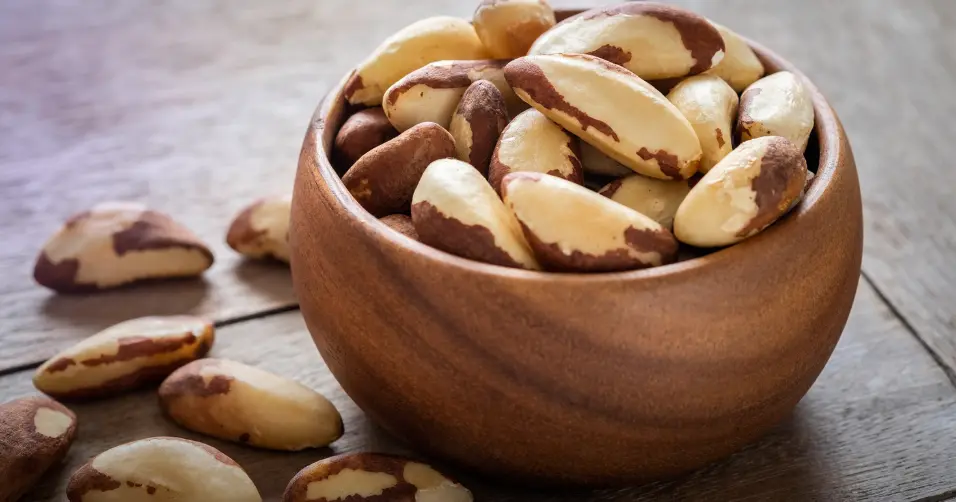
Phosphorus is found in dairy, fish, poultry, nuts, and beans.

Phosphorus is usually found in protein-rich foods such as meat, poultry, and fish. Dairy products like milk, yogurt, and cheese are also major sources. Plant-based foods including nuts, seeds, beans, and whole grains provide significant amounts too. Processed foods often contain added phosphorus as preservatives, increasing overall intake. A varied diet usually provides enough phosphorus without supplements.

  • Animal sources: Fish, chicken, and beef provide highly absorbable phosphorus.

  • Dairy products: Cheese, yogurt, and milk are excellent contributors.

  • Plant foods: Nuts, seeds, beans, and whole grains offer phosphorus but in a less absorbable form.

  • Processed foods: Many contain phosphate additives that can raise intake significantly.

Phosphorus is usually found in protein-rich foods such as meat, poultry, and fish. Dairy products like milk, yogurt, and cheese are also major sources. Plant-based foods including nuts, seeds, beans, and whole grains provide significant amounts too. Processed foods often contain added phosphorus as preservatives, increasing overall intake. A varied diet usually provides enough phosphorus without supplements.

  • Animal sources: Fish, chicken, and beef provide highly absorbable phosphorus.

  • Dairy products: Cheese, yogurt, and milk are excellent contributors.

  • Plant foods: Nuts, seeds, beans, and whole grains offer phosphorus but in a less absorbable form.

  • Processed foods: Many contain phosphate additives that can raise intake significantly.

What Are Good Alternatives for Phosphorus?

Phosphorus alternatives include calcium and magnesium for bone health.

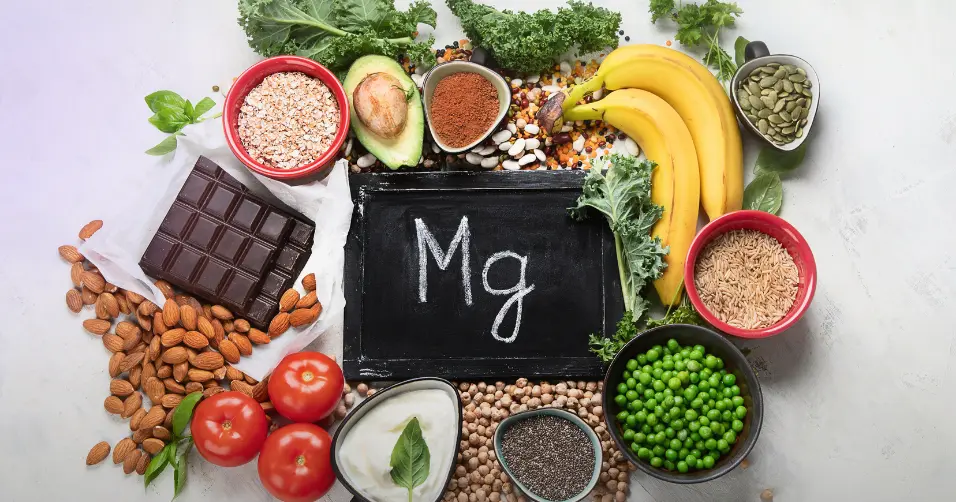
Good alternatives for phosphorus include foods rich in calcium and magnesium, since they also support bone and energy health. Calcium from dairy or fortified plant milks can provide similar bone-strengthening effects. Magnesium from nuts, seeds, and leafy greens supports metabolism and muscle function. Potassium-rich foods like bananas and beans also help balance fluids and nerve signals. A diet balanced in multiple minerals ensures similar benefits without relying only on phosphorus.

  • Calcium foods: Dairy, fortified milks, and leafy greens strengthen bones alongside phosphorus.

  • Magnesium sources: Nuts, seeds, and whole grains aid energy production and relaxation.

  • Potassium foods: Bananas, beans, and potatoes support fluid balance and heart health.

  • Balanced intake: Eating a wide variety of mineral-rich foods reduces dependency on one nutrient.

Good alternatives for phosphorus include foods rich in calcium and magnesium, since they also support bone and energy health. Calcium from dairy or fortified plant milks can provide similar bone-strengthening effects. Magnesium from nuts, seeds, and leafy greens supports metabolism and muscle function. Potassium-rich foods like bananas and beans also help balance fluids and nerve signals. A diet balanced in multiple minerals ensures similar benefits without relying only on phosphorus.

  • Calcium foods: Dairy, fortified milks, and leafy greens strengthen bones alongside phosphorus.

  • Magnesium sources: Nuts, seeds, and whole grains aid energy production and relaxation.

  • Potassium foods: Bananas, beans, and potatoes support fluid balance and heart health.

  • Balanced intake: Eating a wide variety of mineral-rich foods reduces dependency on one nutrient.

How Does Phosphorus Affect Longevity?

Phosphorus may aid longevity when balanced, though excess can harm kidneys and shorten lifespan.

Phosphorus has mixed effects on longevity. Adequate phosphorus intake supports strong bones, DNA repair, and energy metabolism, which are all important for healthy aging. However, chronic high intake, especially from processed foods with phosphate additives, has been linked to kidney damage and shortened lifespan. Studies suggest excess phosphorus can speed up aging-related changes in blood vessels and bones. Therefore, maintaining a balanced intake from whole foods may support longevity, while excess may reduce it.

  • Bone health: Proper phosphorus levels prevent fractures and frailty in older age.

  • Energy support: It fuels ATP, sustaining cellular function as we age.

  • Kidney stress: Excess phosphorus burdens kidneys, reducing long-term organ health.

  • Aging acceleration: High phosphorus intake is linked to vascular calcification and faster aging.

Phosphorus has mixed effects on longevity. Adequate phosphorus intake supports strong bones, DNA repair, and energy metabolism, which are all important for healthy aging. However, chronic high intake, especially from processed foods with phosphate additives, has been linked to kidney damage and shortened lifespan. Studies suggest excess phosphorus can speed up aging-related changes in blood vessels and bones. Therefore, maintaining a balanced intake from whole foods may support longevity, while excess may reduce it.

  • Bone health: Proper phosphorus levels prevent fractures and frailty in older age.

  • Energy support: It fuels ATP, sustaining cellular function as we age.

  • Kidney stress: Excess phosphorus burdens kidneys, reducing long-term organ health.

  • Aging acceleration: High phosphorus intake is linked to vascular calcification and faster aging.

Does Phosphorus Impact Your Workout Performance?

Phosphorus may benefit workouts by aiding cellular energy production through ATP, the body’s energy currency.

Phosphorus can impact workout performance positively by supporting energy production and muscle function. It helps form ATP, the main energy molecule used during exercise. Adequate phosphorus also aids oxygen delivery through red blood cells. Low phosphorus levels may cause muscle weakness and fatigue, reducing endurance. Balanced intake supports strength, stamina, and recovery.

  • Energy supply: Phosphorus forms ATP, critical for powering muscle contractions.

  • Oxygen transport: It helps red blood cells release oxygen more efficiently during exercise.

  • Muscle strength: Adequate levels reduce fatigue and support peak performance.

  • Endurance: Deficiency leads to weakness, slowing recovery after workouts.

Phosphorus can impact workout performance positively by supporting energy production and muscle function. It helps form ATP, the main energy molecule used during exercise. Adequate phosphorus also aids oxygen delivery through red blood cells. Low phosphorus levels may cause muscle weakness and fatigue, reducing endurance. Balanced intake supports strength, stamina, and recovery.

  • Energy supply: Phosphorus forms ATP, critical for powering muscle contractions.

  • Oxygen transport: It helps red blood cells release oxygen more efficiently during exercise.

  • Muscle strength: Adequate levels reduce fatigue and support peak performance.

  • Endurance: Deficiency leads to weakness, slowing recovery after workouts.

What's the Nutritional Value of Phosphorus?

Phosphorus is a mineral with no calories, vital for bones and energy metabolism.

Phosphorus itself is not a source of calories, but it is an essential mineral found in many foods. One serving of milk, cheese, or yogurt can provide around 200–300 mg of phosphorus. Meat, poultry, and fish often contain higher levels, sometimes over 300 mg per portion. Plant foods like beans, nuts, and seeds also contribute meaningful amounts. The recommended daily intake for adults is about 700 mg, which is usually met through a balanced diet.

  • No calories: Phosphorus is a mineral, not a source of energy.

  • Animal foods: Meat, fish, and dairy provide the most absorbable phosphorus.

  • Plant sources: Nuts, seeds, beans, and grains add phosphorus, though less absorbable.

  • Daily needs: Most people easily meet requirements through regular meals.

Phosphorus itself is not a source of calories, but it is an essential mineral found in many foods. One serving of milk, cheese, or yogurt can provide around 200–300 mg of phosphorus. Meat, poultry, and fish often contain higher levels, sometimes over 300 mg per portion. Plant foods like beans, nuts, and seeds also contribute meaningful amounts. The recommended daily intake for adults is about 700 mg, which is usually met through a balanced diet.

  • No calories: Phosphorus is a mineral, not a source of energy.

  • Animal foods: Meat, fish, and dairy provide the most absorbable phosphorus.

  • Plant sources: Nuts, seeds, beans, and grains add phosphorus, though less absorbable.

  • Daily needs: Most people easily meet requirements through regular meals.

Who Should Avoid Phosphorus?

Phosphorus should be avoided in high amounts by people with kidney disease, where excess harms bones and blood vessels.

People with kidney disease should avoid high phosphorus intake because their kidneys cannot remove excess phosphorus effectively. This can lead to bone weakness and heart problems. Individuals with severe calcium imbalances may also need to limit phosphorus. Since most people get enough from diet, supplements should be used carefully. For healthy people, food-based phosphorus is safe in normal amounts.

  • Kidney patients: Excess phosphorus builds up, harming bones and blood vessels.

  • Calcium imbalance: High phosphorus can worsen low calcium, weakening bones.

  • Supplement caution: Extra phosphorus is rarely needed unless prescribed.

  • General safety: Whole food sources pose little risk for healthy individuals.

People with kidney disease should avoid high phosphorus intake because their kidneys cannot remove excess phosphorus effectively. This can lead to bone weakness and heart problems. Individuals with severe calcium imbalances may also need to limit phosphorus. Since most people get enough from diet, supplements should be used carefully. For healthy people, food-based phosphorus is safe in normal amounts.

  • Kidney patients: Excess phosphorus builds up, harming bones and blood vessels.

  • Calcium imbalance: High phosphorus can worsen low calcium, weakening bones.

  • Supplement caution: Extra phosphorus is rarely needed unless prescribed.

  • General safety: Whole food sources pose little risk for healthy individuals.

Rapid changes in eating patterns may alter blood glucose, electrolytes, hydration, and physical performance. These shifts can lead to unintended results, especially with health conditions or medications. Make changes gradually where appropriate, and seek clinical monitoring if you have risk factors or concerning symptoms.

Rapid changes in eating patterns may alter blood glucose, electrolytes, hydration, and physical performance. These shifts can lead to unintended results, especially with health conditions or medications. Make changes gradually where appropriate, and seek clinical monitoring if you have risk factors or concerning symptoms.

What Are Intake Limits for Phosphorus?

Phosphorus intake should be 700 mg per day for adults, with kidney patients often needing lower amounts.

The intake limit for phosphorus is about 700 mg per day for adults, which most people meet through diet. The upper safe limit is around 4,000 mg daily, though people with kidney disease should consume less. Excess phosphorus can cause calcium loss and bone weakening. Processed foods with phosphate additives are the main source of excess intake. Whole foods rarely cause overdose.

  • Daily need: Adults require about 700 mg per day for normal function.

  • Upper limit: Around 4,000 mg daily is considered the safe maximum.

  • Kidney caution: Those with kidney issues should stay well below the upper limit.

  • Food sources: Whole foods are safe, but additives can lead to excess intake.

The intake limit for phosphorus is about 700 mg per day for adults, which most people meet through diet. The upper safe limit is around 4,000 mg daily, though people with kidney disease should consume less. Excess phosphorus can cause calcium loss and bone weakening. Processed foods with phosphate additives are the main source of excess intake. Whole foods rarely cause overdose.

  • Daily need: Adults require about 700 mg per day for normal function.

  • Upper limit: Around 4,000 mg daily is considered the safe maximum.

  • Kidney caution: Those with kidney issues should stay well below the upper limit.

  • Food sources: Whole foods are safe, but additives can lead to excess intake.

How Is Phosphorus Metabolized?

Phosphorus is absorbed in the intestine, enters the blood, and is stored mostly in bones and teeth.

Phosphorus is metabolized mainly in the small intestine, where it is absorbed into the bloodstream. The kidneys regulate blood phosphorus by excreting excess through urine. It combines with calcium to form bone tissue and with other compounds to produce ATP, the body’s main energy molecule. Hormones like parathyroid hormone help control phosphorus balance with calcium. Imbalance can stress kidneys and bones.

  • Absorption: Taken up in the small intestine and sent into circulation.

  • Kidney regulation: Excess phosphorus is removed through urine by the kidneys.

  • Bone formation: Joins calcium to form strong bones and teeth.

  • Energy metabolism: Used in ATP, which powers cellular activity.

Phosphorus is metabolized mainly in the small intestine, where it is absorbed into the bloodstream. The kidneys regulate blood phosphorus by excreting excess through urine. It combines with calcium to form bone tissue and with other compounds to produce ATP, the body’s main energy molecule. Hormones like parathyroid hormone help control phosphorus balance with calcium. Imbalance can stress kidneys and bones.

  • Absorption: Taken up in the small intestine and sent into circulation.

  • Kidney regulation: Excess phosphorus is removed through urine by the kidneys.

  • Bone formation: Joins calcium to form strong bones and teeth.

  • Energy metabolism: Used in ATP, which powers cellular activity.

How Does Phosphorus Relate to Minerals?

Phosphorus relates to minerals as it forms bone and cellular energy molecules like ATP.

Phosphorus is a mineral because it is an inorganic element the body uses to build tissues. It forms part of bones and teeth through a hard material called hydroxyapatite, which combines phosphorus and calcium. Cells also need phosphorus to make ATP, a molecule that stores energy. Most phosphorus in the body sits in bones, further linking it to mineral balance. The body maintains phosphorus levels through diet and kidney function.

  • Bone structure: Phosphorus strengthens the mineral network in bones. This gives rigidity and durability.

  • Energy use: ATP depends on phosphate groups, chemical units containing phosphorus. This supports cell energy flow.

  • Cell membranes: Phosphorus helps form phospholipids, the fats that build cell walls. These walls control what enters and leaves cells.


Phosphorus is a mineral because it is an inorganic element the body uses to build tissues. It forms part of bones and teeth through a hard material called hydroxyapatite, which combines phosphorus and calcium. Cells also need phosphorus to make ATP, a molecule that stores energy. Most phosphorus in the body sits in bones, further linking it to mineral balance. The body maintains phosphorus levels through diet and kidney function.

  • Bone structure: Phosphorus strengthens the mineral network in bones. This gives rigidity and durability.

  • Energy use: ATP depends on phosphate groups, chemical units containing phosphorus. This supports cell energy flow.

  • Cell membranes: Phosphorus helps form phospholipids, the fats that build cell walls. These walls control what enters and leaves cells.


Medical Disclaimer: All content on this website is intended solely for informational and educational purposes and should not be interpreted as a substitute for professional medical advice, diagnosis, or treatment, nor as encouragement or promotion for or against any particular use, product, or activity. Results may vary and are not guaranteed. No doctor–patient relationship is created by your use of this content. Always consult a qualified healthcare provider, nutritionist, or other relevant expert before starting or changing any supplement, diet, exercise, or lifestyle program. This website can contain errors. Check important information. Read our full Disclaimer.

StatusTerms of ServicePrivacy PolicyDisclaimerAbout Myopedia.

©2025 Myopedia™. All rights reserved.

Medical Disclaimer: All content on this website is intended solely for informational and educational purposes and should not be interpreted as a substitute for professional medical advice, diagnosis, or treatment, nor as encouragement or promotion for or against any particular use, product, or activity. Results may vary and are not guaranteed. No doctor–patient relationship is created by your use of this content. Always consult a qualified healthcare provider, nutritionist, or other relevant expert before starting or changing any supplement, diet, exercise, or lifestyle program. This website can contain errors. Check important information. Read our full Disclaimer.

StatusTerms of ServicePrivacy PolicyDisclaimerAbout Myopedia.

©2025 Myopedia™. All rights reserved.

Medical Disclaimer: All content on this website is intended solely for informational and educational purposes and should not be interpreted as a substitute for professional medical advice, diagnosis, or treatment, nor as encouragement or promotion for or against any particular use, product, or activity. Results may vary and are not guaranteed. No doctor–patient relationship is created by your use of this content. Always consult a qualified healthcare provider, nutritionist, or other relevant expert before starting or changing any supplement, diet, exercise, or lifestyle program. This website can contain errors. Check important information. Read our full Disclaimer.

StatusTerms of ServicePrivacy PolicyDisclaimerAbout Myopedia.

©2025 Myopedia™. All rights reserved.