Nutrition
Phytonutrients
First-Timer’s Guide to Phytonutrients
Phytonutrients is the natural compounds derived from plants that offer powerful antioxidant properties, aiding in reducing inflammation and supporting long-term cellular health for optimal performance.
This article is educational and not intended to diagnose, treat, or suggest any specific intervention, and should not replace qualified medical advice.
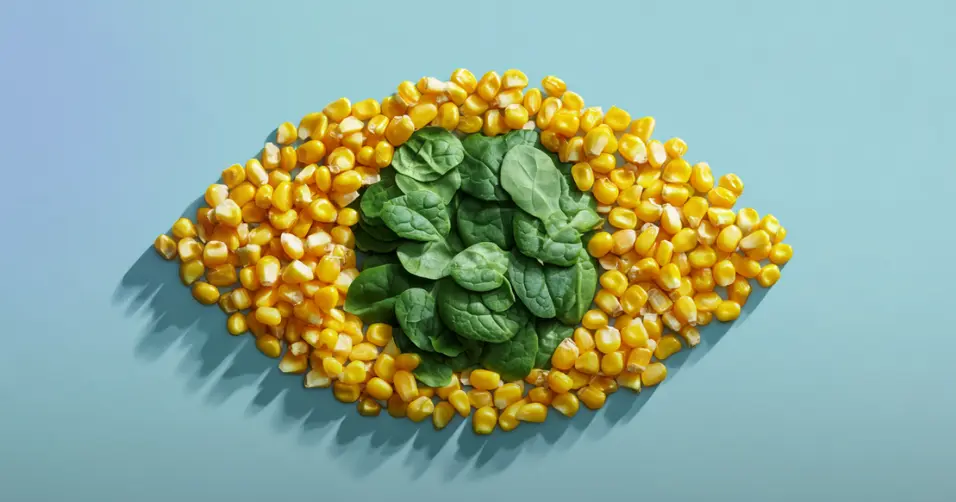


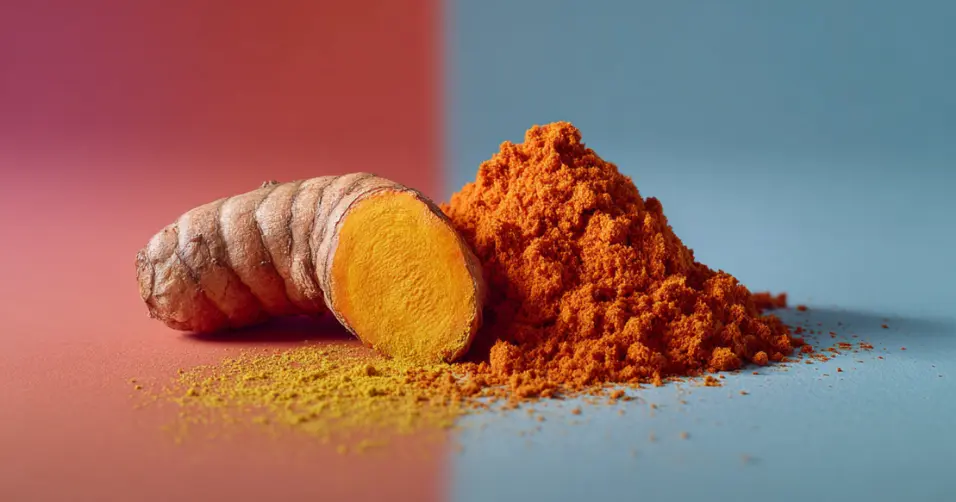
Are Phytonutrients Good for You?
Phytonutrients are good for health since they are plant compounds with anti-inflammatory and antioxidant effects.
Phytonutrients are usually good for health because they provide antioxidant and anti-inflammatory benefits. These plant compounds are not essential like vitamins, but they protect against chronic disease. They support immune function and may help prevent some cancers. They are safe when consumed from whole foods like fruits, vegetables, and legumes. Supplements are less studied and may not offer the same benefits.
They include compounds like flavonoids and carotenoids, which protect cells from oxidative stress.
They enhance enzyme activity that helps detoxify harmful substances.
They support healthy blood vessel function, lowering cardiovascular risk.
Overuse of isolated supplements can sometimes cause imbalance or reduced effectiveness.
Phytonutrients are usually good for health because they provide antioxidant and anti-inflammatory benefits. These plant compounds are not essential like vitamins, but they protect against chronic disease. They support immune function and may help prevent some cancers. They are safe when consumed from whole foods like fruits, vegetables, and legumes. Supplements are less studied and may not offer the same benefits.
They include compounds like flavonoids and carotenoids, which protect cells from oxidative stress.
They enhance enzyme activity that helps detoxify harmful substances.
They support healthy blood vessel function, lowering cardiovascular risk.
Overuse of isolated supplements can sometimes cause imbalance or reduced effectiveness.
Phytonutrients: FACTS
Dietary Role | Plant compounds; defend cells, reduce disease risk. |
Sources | Fruits, vegetables, tea, cocoa, herbs. |
Nutrient Value | Polyphenols, flavonoids, carotenoids; anti-inflammatory. |
Safety & Interactions | Safe in food; extracts may interact with meds. |
What Are Phytonutrients?
Phytonutrients are plant compounds with health-protective properties beyond basic nutrition.
Phytonutrients are natural compounds found in plants that support health and help reduce the risk of chronic diseases. They are not essential nutrients like vitamins or minerals, but they have protective effects on cells. These compounds often act as antioxidants, which means they help protect the body from damage caused by unstable molecules called free radicals. Phytonutrients can also support immune function, improve communication between cells, and influence hormone regulation. They are found in colorful fruits, vegetables, grains, legumes, nuts, and teas.
Antioxidant effects: Phytonutrients neutralize harmful free radicals, reducing stress on cells and lowering the risk of long-term conditions.
Immune support: Some phytonutrients enhance the body’s defense system, helping fight infections more effectively.
Hormone regulation: Certain compounds influence hormone balance, which can affect mood, metabolism, and overall health.
Food variety: Eating a wide range of colorful plant foods increases the diversity of phytonutrients consumed.
Phytonutrients are natural compounds found in plants that support health and help reduce the risk of chronic diseases. They are not essential nutrients like vitamins or minerals, but they have protective effects on cells. These compounds often act as antioxidants, which means they help protect the body from damage caused by unstable molecules called free radicals. Phytonutrients can also support immune function, improve communication between cells, and influence hormone regulation. They are found in colorful fruits, vegetables, grains, legumes, nuts, and teas.
Antioxidant effects: Phytonutrients neutralize harmful free radicals, reducing stress on cells and lowering the risk of long-term conditions.
Immune support: Some phytonutrients enhance the body’s defense system, helping fight infections more effectively.
Hormone regulation: Certain compounds influence hormone balance, which can affect mood, metabolism, and overall health.
Food variety: Eating a wide range of colorful plant foods increases the diversity of phytonutrients consumed.
How Do Phytonutrients Affect Your Body?
Phytonutrients help protect DNA from oxidative stress, which damages cells.
Phytonutrients work by protecting plants and offering similar benefits to humans when eaten. Many act as antioxidants, stopping cell damage from free radicals. Others reduce inflammation or help regulate hormone activity. Some phytonutrients improve detoxification in the liver. Together, they support long-term protection against chronic diseases.
They provide antioxidant effects, protecting cells from damage.
They reduce inflammation throughout the body.
Some regulate hormone balance for improved health.
They enhance detoxification processes in the liver.
Phytonutrients work by protecting plants and offering similar benefits to humans when eaten. Many act as antioxidants, stopping cell damage from free radicals. Others reduce inflammation or help regulate hormone activity. Some phytonutrients improve detoxification in the liver. Together, they support long-term protection against chronic diseases.
They provide antioxidant effects, protecting cells from damage.
They reduce inflammation throughout the body.
Some regulate hormone balance for improved health.
They enhance detoxification processes in the liver.
What Foods Contain Phytonutrients?
Phytonutrients are abundant in colorful fruits, vegetables, tea, and legumes.
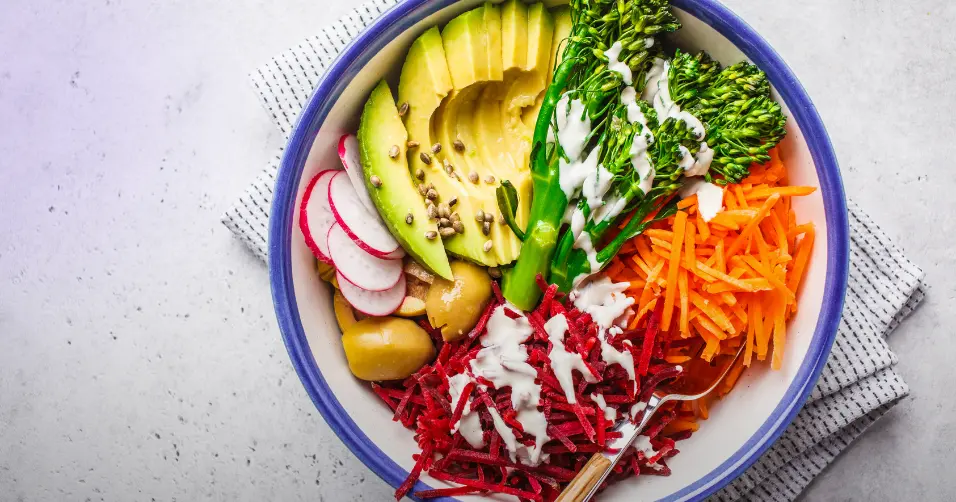
Phytonutrients are present in nearly all colorful plant foods. Fruits like berries, grapes, and citrus are rich in these compounds. Vegetables such as broccoli, carrots, and tomatoes provide different types. Whole grains and legumes also contain phytonutrients. Herbs, spices, and teas are concentrated sources as well.
Berries and grapes supply antioxidant phytonutrients.
Tomatoes and carrots provide protective compounds like carotenoids.
Leafy greens contain a wide range of plant nutrients.
Herbs and teas are potent sources of phytonutrients.
Phytonutrients are present in nearly all colorful plant foods. Fruits like berries, grapes, and citrus are rich in these compounds. Vegetables such as broccoli, carrots, and tomatoes provide different types. Whole grains and legumes also contain phytonutrients. Herbs, spices, and teas are concentrated sources as well.
Berries and grapes supply antioxidant phytonutrients.
Tomatoes and carrots provide protective compounds like carotenoids.
Leafy greens contain a wide range of plant nutrients.
Herbs and teas are potent sources of phytonutrients.
What Are Good Alternatives for Phytonutrients?
Phytonutrients alternatives are antioxidant vitamins like vitamin C and vitamin E.
Phytonutrient alternatives include vitamins, minerals, and antioxidants from different sources. Vitamin C from citrus fruits protects cells like many phytonutrients. Beta-carotene from carrots mimics antioxidant actions. Polyphenols in green tea act as substitutes for plant compounds. A mix of colorful fruits and vegetables covers most phytonutrient roles.
Citrus fruits provide vitamin C with antioxidant effects.
Carrots offer beta-carotene that supports vision and immunity.
Green tea delivers polyphenols similar to plant phytonutrients.
Mixed vegetables together mimic the diversity of phytonutrients.
Phytonutrient alternatives include vitamins, minerals, and antioxidants from different sources. Vitamin C from citrus fruits protects cells like many phytonutrients. Beta-carotene from carrots mimics antioxidant actions. Polyphenols in green tea act as substitutes for plant compounds. A mix of colorful fruits and vegetables covers most phytonutrient roles.
Citrus fruits provide vitamin C with antioxidant effects.
Carrots offer beta-carotene that supports vision and immunity.
Green tea delivers polyphenols similar to plant phytonutrients.
Mixed vegetables together mimic the diversity of phytonutrients.
How Do Phytonutrients Affect Longevity?
Phytonutrients may support longevity through antioxidant and anti-inflammatory actions on aging cells.
Phytonutrients may extend longevity by reducing chronic disease risks. Their antioxidant effects slow cellular aging. Anti-inflammatory actions protect against cancer, heart disease, and cognitive decline. Diets rich in colorful plant foods are consistently linked to longer lives. They complement essential nutrients in supporting healthy aging.
Antioxidants prevent DNA and cell damage from aging.
Anti-inflammatory compounds reduce disease burden over time.
Colorful plant foods correlate with longer lifespans.
Chronic disease prevention supports overall longevity.
Phytonutrients may extend longevity by reducing chronic disease risks. Their antioxidant effects slow cellular aging. Anti-inflammatory actions protect against cancer, heart disease, and cognitive decline. Diets rich in colorful plant foods are consistently linked to longer lives. They complement essential nutrients in supporting healthy aging.
Antioxidants prevent DNA and cell damage from aging.
Anti-inflammatory compounds reduce disease burden over time.
Colorful plant foods correlate with longer lifespans.
Chronic disease prevention supports overall longevity.
Do Phytonutrients Impact Your Workout Performance?
Phytonutrients may support workouts by easing inflammation and limiting muscle damage after exercise.
Phytonutrients indirectly support workout performance through recovery and protection. They reduce inflammation caused by intense training. Antioxidant effects limit oxidative stress in muscles. Some improve circulation, delivering oxygen more efficiently. These benefits aid long-term performance and resilience.
Inflammation reduction helps speed post-exercise healing.
Antioxidants protect muscles from free radical damage.
Circulation support delivers oxygen to working muscles.
Resilience improves with consistent phytonutrient intake.
Phytonutrients indirectly support workout performance through recovery and protection. They reduce inflammation caused by intense training. Antioxidant effects limit oxidative stress in muscles. Some improve circulation, delivering oxygen more efficiently. These benefits aid long-term performance and resilience.
Inflammation reduction helps speed post-exercise healing.
Antioxidants protect muscles from free radical damage.
Circulation support delivers oxygen to working muscles.
Resilience improves with consistent phytonutrient intake.
What's the Nutritional Value of Phytonutrients?
Phytonutrients contribute no calories but provide protective plant compounds like flavonoids and carotenoids.
Phytonutrients provide strong nutritional value despite not being essential like vitamins. They act as antioxidants, anti-inflammatory agents, and cellular protectors. Many help reduce disease risks when eaten regularly. Phytonutrient-rich foods often contain fiber, vitamins, and minerals as well. They make plant-based foods more protective for long-term health.
Antioxidant effects protect against cell damage.
Anti-inflammatory actions lower chronic disease risk.
Added nutrients come with phytonutrient-rich foods.
Protective role improves diet quality over time.
Phytonutrients provide strong nutritional value despite not being essential like vitamins. They act as antioxidants, anti-inflammatory agents, and cellular protectors. Many help reduce disease risks when eaten regularly. Phytonutrient-rich foods often contain fiber, vitamins, and minerals as well. They make plant-based foods more protective for long-term health.
Antioxidant effects protect against cell damage.
Anti-inflammatory actions lower chronic disease risk.
Added nutrients come with phytonutrient-rich foods.
Protective role improves diet quality over time.
Who Should Avoid Phytonutrients?
Phytonutrients are safe for most but may interact with medications, such as antioxidants reducing chemotherapy effects.
Phytonutrients are generally safe, but people with allergies must avoid certain sources. Those on chemotherapy or special medications should consult doctors due to possible interactions. Very concentrated supplements may cause stomach upset. People with kidney stones may react to certain plant compounds. Whole food phytonutrients are safe for most healthy adults.
Allergic individuals must avoid triggering fruits or vegetables.
Medication users should check for interactions with high doses.
Supplements may cause stomach issues in sensitive people.
Kidney stone patients should avoid oxalate-rich plant foods.
Phytonutrients are generally safe, but people with allergies must avoid certain sources. Those on chemotherapy or special medications should consult doctors due to possible interactions. Very concentrated supplements may cause stomach upset. People with kidney stones may react to certain plant compounds. Whole food phytonutrients are safe for most healthy adults.
Allergic individuals must avoid triggering fruits or vegetables.
Medication users should check for interactions with high doses.
Supplements may cause stomach issues in sensitive people.
Kidney stone patients should avoid oxalate-rich plant foods.
Rapid changes in eating patterns may alter blood glucose, electrolytes, hydration, and physical performance. These shifts can lead to unintended results, especially with health conditions or medications. Make changes gradually where appropriate, and seek clinical monitoring if you have risk factors or concerning symptoms.
What Are Intake Limits for Phytonutrients?
Phytonutrients have no official intake limit, as they are safe when consumed from fruits and vegetables.
Phytonutrients do not have official intake limits since they are not essential nutrients. Their safety is high when consumed through whole foods. Concentrated supplements, however, may need caution to avoid side effects. The best approach is to eat a variety of colorful plants daily. This ensures balanced intake without risk of overconsumption.
No fixed limit exists for phytonutrients.
Whole foods are safe even in high amounts.
Supplements may cause stomach upset in excess.
Variety ensures safe and effective nutrient coverage.
Phytonutrients do not have official intake limits since they are not essential nutrients. Their safety is high when consumed through whole foods. Concentrated supplements, however, may need caution to avoid side effects. The best approach is to eat a variety of colorful plants daily. This ensures balanced intake without risk of overconsumption.
No fixed limit exists for phytonutrients.
Whole foods are safe even in high amounts.
Supplements may cause stomach upset in excess.
Variety ensures safe and effective nutrient coverage.
How Are Phytonutrients Metabolized?
Phytonutrients are metabolized in the liver and intestines, often transformed into active compounds or excreted.
Phytonutrients are metabolized depending on their chemical type. Many are absorbed in the small intestine and circulated in the blood. The liver modifies them into forms the body can use or excrete. Some phytonutrients are broken down by gut bacteria before absorption. Their metabolism allows them to act as antioxidants or anti-inflammatory compounds.
Absorption occurs in the small intestine for many phytonutrients.
Liver enzymes process them into active or excreted forms.
Gut bacteria help break down plant compounds.
Circulation enables antioxidant and protective effects.
Phytonutrients are metabolized depending on their chemical type. Many are absorbed in the small intestine and circulated in the blood. The liver modifies them into forms the body can use or excrete. Some phytonutrients are broken down by gut bacteria before absorption. Their metabolism allows them to act as antioxidants or anti-inflammatory compounds.
Absorption occurs in the small intestine for many phytonutrients.
Liver enzymes process them into active or excreted forms.
Gut bacteria help break down plant compounds.
Circulation enables antioxidant and protective effects.
What Phytonutrient Benefits Does Astaxanthin Provide?
Astaxanthin offers antioxidant benefit meaning it helps limit oxidative stress which is cell-damaging oxygen reactions.
Astaxanthin offers phytonutrient benefits mainly by reducing oxidative stress. Its strong antioxidant activity comes from its unique molecular shape. It supports cell membranes by embedding across them. It may help with skin, eye, and muscle comfort under stress. Effects are modest and work best with consistent intake.
Protects lipids from oxidation which supports cell stability; this is its primary benefit.
Supports recovery after physical strain; cells may handle oxidative load more easily.
Helps maintain skin tone by reducing sun-related oxidative stress; effect is supportive, not protective like sunscreen.
Works as part of a varied diet rather than a standalone solution; combining with other carotenoids is common.
Astaxanthin offers phytonutrient benefits mainly by reducing oxidative stress. Its strong antioxidant activity comes from its unique molecular shape. It supports cell membranes by embedding across them. It may help with skin, eye, and muscle comfort under stress. Effects are modest and work best with consistent intake.
Protects lipids from oxidation which supports cell stability; this is its primary benefit.
Supports recovery after physical strain; cells may handle oxidative load more easily.
Helps maintain skin tone by reducing sun-related oxidative stress; effect is supportive, not protective like sunscreen.
Works as part of a varied diet rather than a standalone solution; combining with other carotenoids is common.
Does Cinnamon Support Metabolic Health?
Cinnamon supports metabolic health by improving insulin sensitivity and stabilizing blood sugar in mild cases.
Cinnamon is often discussed for its potential impact on metabolic markers like blood sugar, but findings are mixed. It contains natural plant compounds that may influence glucose handling. These effects are not consistent across studies. People mainly use it as a flavoring rather than a reliable metabolic tool. Dietary patterns play a larger role overall.
Contains polyphenols that may affect insulin signaling. Human results vary widely.
Used mainly as a spice, not a primary metabolic aid. Its impact is usually modest.
More effective when diet is balanced, as cinnamon cannot override poor eating habits. Context matters.
Cinnamon is often discussed for its potential impact on metabolic markers like blood sugar, but findings are mixed. It contains natural plant compounds that may influence glucose handling. These effects are not consistent across studies. People mainly use it as a flavoring rather than a reliable metabolic tool. Dietary patterns play a larger role overall.
Contains polyphenols that may affect insulin signaling. Human results vary widely.
Used mainly as a spice, not a primary metabolic aid. Its impact is usually modest.
More effective when diet is balanced, as cinnamon cannot override poor eating habits. Context matters.
How Do Phytonutrients Relate to Curcumin?
Phytonutrients are plant-derived compounds, and curcumin is one type with antioxidant and anti-inflammatory properties.
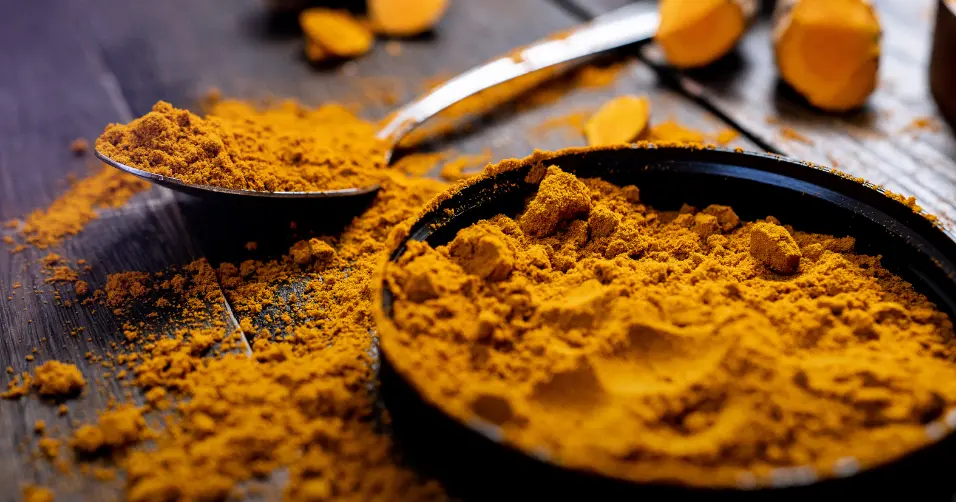
Phytonutrients relate to curcumin because curcumin itself is a phytonutrient, meaning a plant-based compound with biological activity. They often support antioxidant balance. Many phytonutrients work together in whole foods. Curcumin is one of the more studied examples. Its effects vary with form and dose.
Plant-based compounds often act in synergy in foods.
Antioxidant roles may overlap among different phytonutrients.
Digestive absorption varies widely between compounds.
Phytonutrients relate to curcumin because curcumin itself is a phytonutrient, meaning a plant-based compound with biological activity. They often support antioxidant balance. Many phytonutrients work together in whole foods. Curcumin is one of the more studied examples. Its effects vary with form and dose.
Plant-based compounds often act in synergy in foods.
Antioxidant roles may overlap among different phytonutrients.
Digestive absorption varies widely between compounds.
Does Epicatechin Support Cellular Health?
Epicatechin supports cellular health by improving mitochondrial, or cell energy center, function in studies.
Epicatechin may support cellular health through antioxidant activity. It helps neutralize unstable molecules that cause cell stress. This can protect tissues during exercise. Effects are gentle. Most data comes from plant polyphenol research.
Oxidative-stress reduction supports cell stability.
Vascular support may come from improved blood-flow markers.
Exercise recovery may feel smoother when cell stress is reduced.
Epicatechin may support cellular health through antioxidant activity. It helps neutralize unstable molecules that cause cell stress. This can protect tissues during exercise. Effects are gentle. Most data comes from plant polyphenol research.
Oxidative-stress reduction supports cell stability.
Vascular support may come from improved blood-flow markers.
Exercise recovery may feel smoother when cell stress is reduced.
Does GHK-Cu Support Skin Repair?
GHK-Cu supports skin repair by promoting collagen and blood vessel formation.
GHK-Cu supports skin repair by influencing collagen production and antioxidant responses. Collagen is the main structural protein giving skin firmness. Research shows GHK-Cu can activate genes tied to tissue remodeling. It may also help defend cells from oxidative stress. These features make it widely studied in cosmetic science.
Collagen pathways: GHK-Cu stimulates cells that rebuild skin structure.
Gene activity: It turns on repair-related genetic programs.
Antioxidant support: Helps counter oxidative stress in skin tissues.
Cosmetic interest: Commonly examined for topical applications.
GHK-Cu supports skin repair by influencing collagen production and antioxidant responses. Collagen is the main structural protein giving skin firmness. Research shows GHK-Cu can activate genes tied to tissue remodeling. It may also help defend cells from oxidative stress. These features make it widely studied in cosmetic science.
Collagen pathways: GHK-Cu stimulates cells that rebuild skin structure.
Gene activity: It turns on repair-related genetic programs.
Antioxidant support: Helps counter oxidative stress in skin tissues.
Cosmetic interest: Commonly examined for topical applications.
How Does Leptin Relate to Ghrelin?
Leptin, a satiety hormone, balances ghrelin by reducing appetite and signaling energy sufficiency.
Leptin and ghrelin act as opposing signals for appetite control. Ghrelin rises before meals to stimulate hunger, while leptin signals fullness from stored fat. Their balance helps regulate energy intake. When leptin is low, ghrelin often rises to prompt eating. This seesaw shapes meal timing and appetite strength.
Hunger vs. satiety: Ghrelin drives eating; leptin helps stop it.
Fat-store link: Higher fat stores raise leptin and reduce hunger.
Meal rhythm: Ghrelin pulses before meals; leptin works long term.
Energy regulation: The pair coordinates intake with energy needs.
Leptin and ghrelin act as opposing signals for appetite control. Ghrelin rises before meals to stimulate hunger, while leptin signals fullness from stored fat. Their balance helps regulate energy intake. When leptin is low, ghrelin often rises to prompt eating. This seesaw shapes meal timing and appetite strength.
Hunger vs. satiety: Ghrelin drives eating; leptin helps stop it.
Fat-store link: Higher fat stores raise leptin and reduce hunger.
Meal rhythm: Ghrelin pulses before meals; leptin works long term.
Energy regulation: The pair coordinates intake with energy needs.
Do Phytonutrients Support Liver Health?
Phytonutrients support liver health by reducing oxidative stress and inflammation.
Phytonutrients support liver health indirectly by offering antioxidant activity. These plant compounds help cells handle daily stress. A diet rich in colorful plants may support normal liver function. Their effects work slowly. Balance and variety matter most.
Provides antioxidant support to help manage cellular stress.
Improves overall diet quality which benefits liver comfort.
Works through whole-food patterns not single compounds.
Phytonutrients support liver health indirectly by offering antioxidant activity. These plant compounds help cells handle daily stress. A diet rich in colorful plants may support normal liver function. Their effects work slowly. Balance and variety matter most.
Provides antioxidant support to help manage cellular stress.
Improves overall diet quality which benefits liver comfort.
Works through whole-food patterns not single compounds.
How Do Phytonutrients Relate to Milk Thistle?
Phytonutrients relate to milk thistle through antioxidant compounds that protect liver cells.
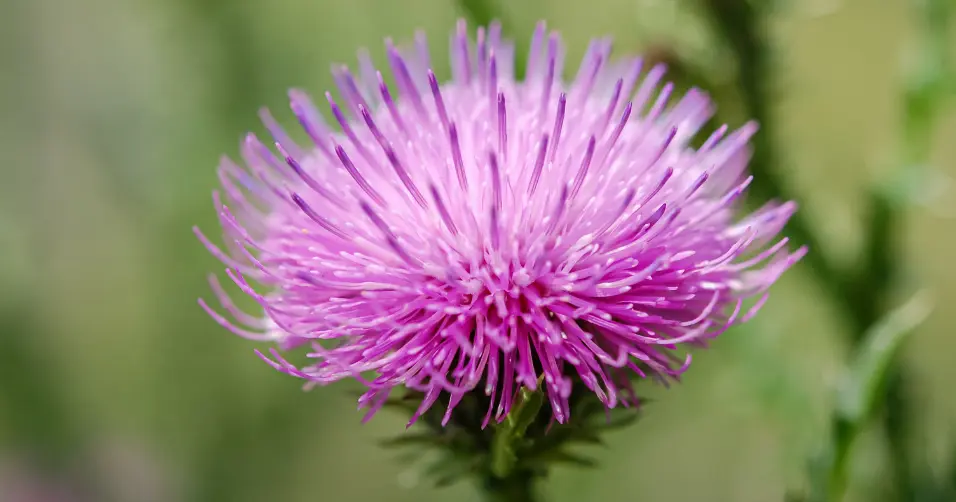
Phytonutrients relate to milk thistle because milk thistle contains plant-based compounds produced for plant defense. These compounds include various antioxidants. Phytonutrients are not vitamins but still contribute to plant-related health properties. Milk thistle’s active compounds fall under this category. Their roles depend on how the body processes plant chemicals.
Plant-derived compounds define phytonutrients. Milk thistle contains several groups.
Non-vitamin status places them outside essential nutrients. They still interact with body pathways.
Antioxidant activity is common among these compounds. Milk thistle shows similar patterns.
Phytonutrients relate to milk thistle because milk thistle contains plant-based compounds produced for plant defense. These compounds include various antioxidants. Phytonutrients are not vitamins but still contribute to plant-related health properties. Milk thistle’s active compounds fall under this category. Their roles depend on how the body processes plant chemicals.
Plant-derived compounds define phytonutrients. Milk thistle contains several groups.
Non-vitamin status places them outside essential nutrients. They still interact with body pathways.
Antioxidant activity is common among these compounds. Milk thistle shows similar patterns.
What Phytonutrient Effects Does Resveratrol Offer?
Resveratrol offers phytonutrient effects like anti-inflammatory and antioxidant protection.
Resveratrol offers phytonutrient effects tied to antioxidant and cell-protection activity. Phytonutrients are plant compounds that support general wellness. This compound interacts with pathways related to stress, inflammation, and metabolism. These pathways shape how cells respond to daily demands. Intake usually comes from whole foods.
Antioxidant role helps keep free radicals controlled. This supports cell stability.
Inflammation signals may shift toward balance. Balanced signals support comfort and function.
Metabolic pathways interact with resveratrol. These pathways help regulate energy use.
Whole-food delivery pairs with other phytonutrients. This offers layered benefits.
Resveratrol offers phytonutrient effects tied to antioxidant and cell-protection activity. Phytonutrients are plant compounds that support general wellness. This compound interacts with pathways related to stress, inflammation, and metabolism. These pathways shape how cells respond to daily demands. Intake usually comes from whole foods.
Antioxidant role helps keep free radicals controlled. This supports cell stability.
Inflammation signals may shift toward balance. Balanced signals support comfort and function.
Metabolic pathways interact with resveratrol. These pathways help regulate energy use.
Whole-food delivery pairs with other phytonutrients. This offers layered benefits.
How Do Phytonutrients Relate to Spirulina?
Phytonutrients relate to spirulina through antioxidant and anti-inflammatory compounds.
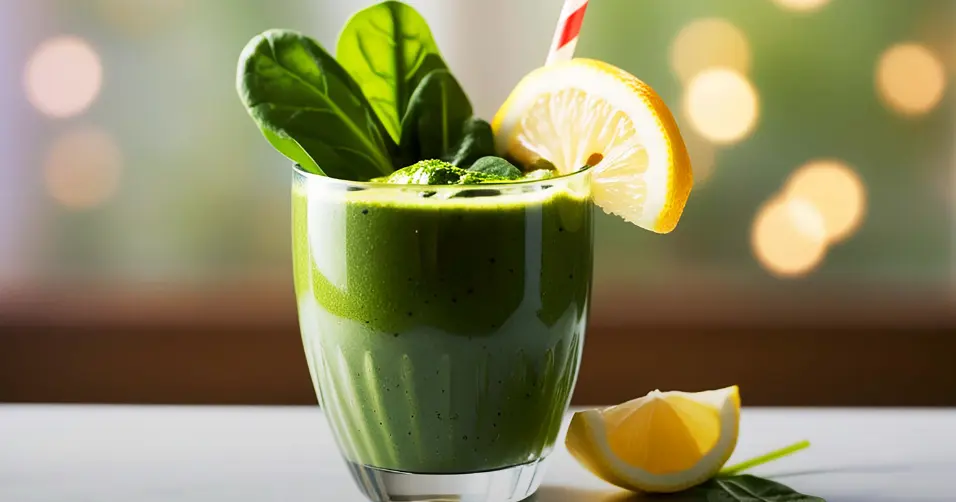
Phytonutrients relate to spirulina through their presence in its pigments and cell structures. Spirulina contains plant-like compounds despite being a microalgae. These compounds support antioxidant activity. They work alongside vitamins and minerals. Their combined effect supports cellular balance.
Pigment compounds function like phytonutrients. They help control oxidative stress.
Synergy appears when nutrients combine. Spirulina supports this layering.
Cellular balance improves with varied compounds. This shapes wellness.
Nutrient density makes spirulina efficient. Small amounts deliver many compounds.
Phytonutrients relate to spirulina through their presence in its pigments and cell structures. Spirulina contains plant-like compounds despite being a microalgae. These compounds support antioxidant activity. They work alongside vitamins and minerals. Their combined effect supports cellular balance.
Pigment compounds function like phytonutrients. They help control oxidative stress.
Synergy appears when nutrients combine. Spirulina supports this layering.
Cellular balance improves with varied compounds. This shapes wellness.
Nutrient density makes spirulina efficient. Small amounts deliver many compounds.
Medical Disclaimer: All content on this website is intended solely for informational and educational purposes and should not be interpreted as a substitute for professional medical advice, diagnosis, or treatment, nor as encouragement or promotion for or against any particular use, product, or activity. Results may vary and are not guaranteed. No doctor–patient relationship is created by your use of this content. Always consult a qualified healthcare provider, nutritionist, or other relevant expert before starting or changing any supplement, diet, exercise, or lifestyle program. This website can contain errors. Check important information. Read our full Disclaimer.
Status – Terms of Service – Privacy Policy – Disclaimer – About Myopedia.
©2025 Myopedia™. All rights reserved.
Medical Disclaimer: All content on this website is intended solely for informational and educational purposes and should not be interpreted as a substitute for professional medical advice, diagnosis, or treatment, nor as encouragement or promotion for or against any particular use, product, or activity. Results may vary and are not guaranteed. No doctor–patient relationship is created by your use of this content. Always consult a qualified healthcare provider, nutritionist, or other relevant expert before starting or changing any supplement, diet, exercise, or lifestyle program. This website can contain errors. Check important information. Read our full Disclaimer.
Status – Terms of Service – Privacy Policy – Disclaimer – About Myopedia.
©2025 Myopedia™. All rights reserved.
Medical Disclaimer: All content on this website is intended solely for informational and educational purposes and should not be interpreted as a substitute for professional medical advice, diagnosis, or treatment, nor as encouragement or promotion for or against any particular use, product, or activity. Results may vary and are not guaranteed. No doctor–patient relationship is created by your use of this content. Always consult a qualified healthcare provider, nutritionist, or other relevant expert before starting or changing any supplement, diet, exercise, or lifestyle program. This website can contain errors. Check important information. Read our full Disclaimer.
Status – Terms of Service – Privacy Policy – Disclaimer – About Myopedia.
©2025 Myopedia™. All rights reserved.