Body

Subcutaneous Fat

A Comprehensive Guide to Subcutaneous Fat

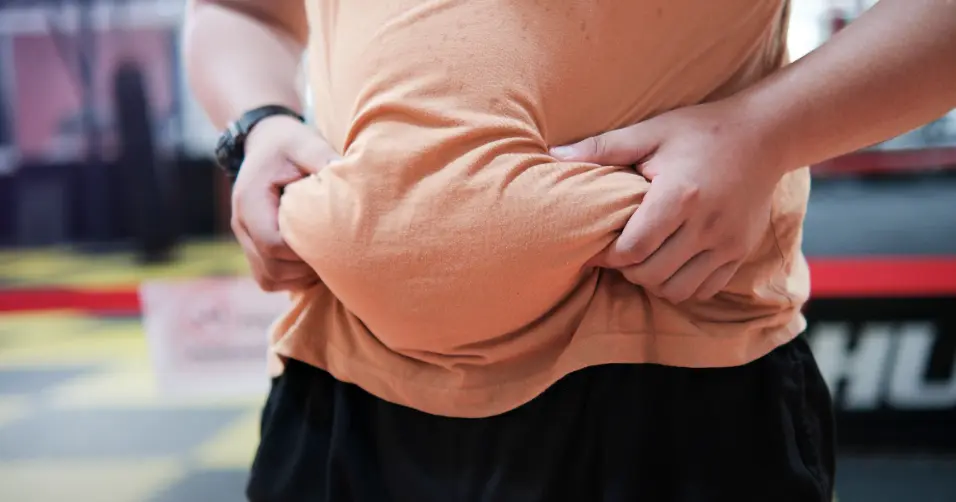
Subcutaneous Fat is the fat located just beneath the skin, contributing to insulation and energy storage while influencing overall body composition aesthetics.
This article is educational and not intended to diagnose, treat, or suggest any specific intervention, and should not replace qualified medical advice.
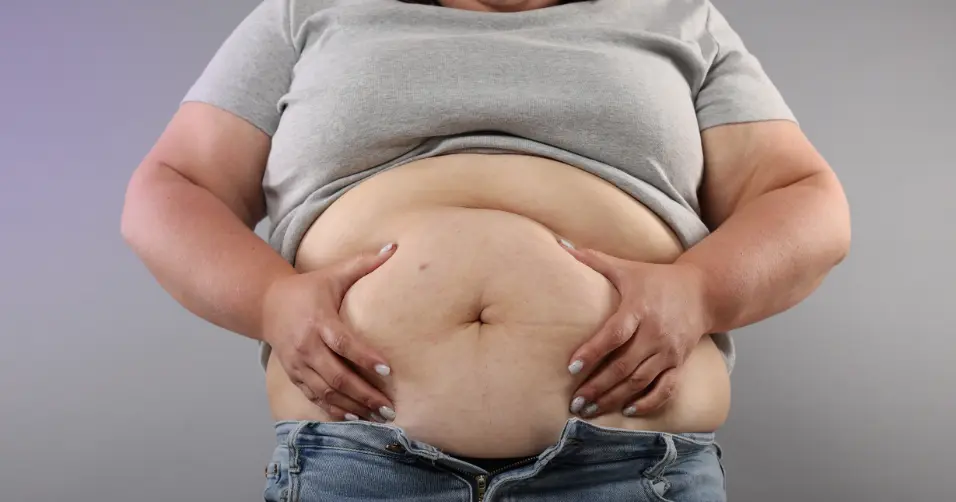

Subcutaneous fat is fat stored under the skin for insulation and energy.

How to Reduce Subcutaneous Fat?

To reduce subcutaneous fat, combine a calorie deficit with both aerobic and resistance exercise.

Reducing subcutaneous fat usually requires combining calorie control with physical activity. This fat lies just under the skin and is less risky than visceral fat but can still affect health in excess. A mix of cardio and resistance training supports fat loss while preserving muscle. Maintaining a moderate calorie deficit helps lower fat gradually. Adequate sleep and stress control also support fat reduction.

  • Cardio workouts directly burn stored fat, including subcutaneous fat under the skin.

  • Resistance training ensures weight loss comes from fat rather than muscle tissue.

  • Eating slightly fewer calories than expended promotes steady fat reduction without nutrient loss.

  • Stress management lowers cortisol, which otherwise encourages fat storage.

Reducing subcutaneous fat usually requires combining calorie control with physical activity. This fat lies just under the skin and is less risky than visceral fat but can still affect health in excess. A mix of cardio and resistance training supports fat loss while preserving muscle. Maintaining a moderate calorie deficit helps lower fat gradually. Adequate sleep and stress control also support fat reduction.

  • Cardio workouts directly burn stored fat, including subcutaneous fat under the skin.

  • Resistance training ensures weight loss comes from fat rather than muscle tissue.

  • Eating slightly fewer calories than expended promotes steady fat reduction without nutrient loss.

  • Stress management lowers cortisol, which otherwise encourages fat storage.

What Is Subcutaneous Fat?

Subcutaneous Fat is fat stored under the skin, less harmful than visceral fat.

Subcutaneous fat is the fat stored directly under the skin, making up the majority of body fat. It acts as insulation, protecting the body from temperature changes and minor impacts. Unlike visceral fat, it is less strongly linked to health risks but still affects overall body composition. Too much subcutaneous fat can increase risk of obesity-related conditions if combined with high visceral fat. It is measured by skinfold tests or imaging scans.

  • Location: Found beneath the skin in areas like the abdomen, thighs, and arms.

  • Protective role: Provides cushioning and thermal insulation for the body.

  • Health risk: Less dangerous than visceral fat but excess still contributes to obesity-related disease.

  • Measurement: Commonly estimated with calipers or body scans.

Subcutaneous fat is the fat stored directly under the skin, making up the majority of body fat. It acts as insulation, protecting the body from temperature changes and minor impacts. Unlike visceral fat, it is less strongly linked to health risks but still affects overall body composition. Too much subcutaneous fat can increase risk of obesity-related conditions if combined with high visceral fat. It is measured by skinfold tests or imaging scans.

  • Location: Found beneath the skin in areas like the abdomen, thighs, and arms.

  • Protective role: Provides cushioning and thermal insulation for the body.

  • Health risk: Less dangerous than visceral fat but excess still contributes to obesity-related disease.

  • Measurement: Commonly estimated with calipers or body scans.

How Does Subcutaneous Fat Impact Your Health?

Subcutaneous fat affects health by providing insulation and energy storage, but too much raises metabolic risks.

Subcutaneous fat affects health less than visceral fat but still has impacts. In small amounts, it cushions the body and protects against temperature swings. Excessive levels, however, can strain joints and contribute to obesity-related risks. It also affects appearance, which can influence mental health. Balancing subcutaneous fat supports overall wellbeing.

  • Too much subcutaneous fat increases joint load, raising injury or arthritis risk.

  • Moderate levels are protective, helping regulate body temperature and cushioning skin.

  • High amounts often accompany visceral fat, which raises metabolic health risks.

  • Excessive levels may affect body image and self-esteem, influencing mental health.

Subcutaneous fat affects health less than visceral fat but still has impacts. In small amounts, it cushions the body and protects against temperature swings. Excessive levels, however, can strain joints and contribute to obesity-related risks. It also affects appearance, which can influence mental health. Balancing subcutaneous fat supports overall wellbeing.

  • Too much subcutaneous fat increases joint load, raising injury or arthritis risk.

  • Moderate levels are protective, helping regulate body temperature and cushioning skin.

  • High amounts often accompany visceral fat, which raises metabolic health risks.

  • Excessive levels may affect body image and self-esteem, influencing mental health.

What We Often Get Wrong About Subcutaneous Fat?

Subcutaneous fat is often confused with visceral fat, though it lies under the skin and is less risky for health.

A common misconception about subcutaneous fat is that it is harmless. While less dangerous than visceral fat, excess still carries risks. Many assume only obese individuals have it, but people of all sizes store subcutaneous fat. Another myth is that localized fat can be reduced with spot exercises, which is not possible. Some also think removing subcutaneous fat through rapid diets is safe, but it can harm muscle and metabolism.

  • Excess subcutaneous fat can strain joints and contribute to overall obesity risks.

  • Thin-looking people may still carry higher levels under the skin.

  • Fat reduction happens across the body, not just in the trained area.

  • Crash diets lower both fat and muscle, weakening metabolism and long-term health.

A common misconception about subcutaneous fat is that it is harmless. While less dangerous than visceral fat, excess still carries risks. Many assume only obese individuals have it, but people of all sizes store subcutaneous fat. Another myth is that localized fat can be reduced with spot exercises, which is not possible. Some also think removing subcutaneous fat through rapid diets is safe, but it can harm muscle and metabolism.

  • Excess subcutaneous fat can strain joints and contribute to overall obesity risks.

  • Thin-looking people may still carry higher levels under the skin.

  • Fat reduction happens across the body, not just in the trained area.

  • Crash diets lower both fat and muscle, weakening metabolism and long-term health.

Key Subcutaneous Fat Indicators You May Want to Track

Key subcutaneous fat indicators are skinfold thickness, body fat percentage, and visual fat distribution.

Key subcutaneous fat indicators include skinfold thickness measured with calipers. Body fat percentage from scans or impedance devices also reflects levels. Waist and hip circumference provide indirect clues but cannot separate fat types. Visual appearance of body shape is a rough indicator. Tracking changes over weeks helps monitor fat reduction progress.

  • Skinfold testing measures fat just under the skin at specific body points.

  • Dual-energy X-ray absorptiometry (DXA) scans give detailed fat distribution.

  • Bioelectrical impedance devices provide quick estimates of body fat percentage.

  • Changes in clothing fit over time reflect reductions in subcutaneous fat.

Key subcutaneous fat indicators include skinfold thickness measured with calipers. Body fat percentage from scans or impedance devices also reflects levels. Waist and hip circumference provide indirect clues but cannot separate fat types. Visual appearance of body shape is a rough indicator. Tracking changes over weeks helps monitor fat reduction progress.

  • Skinfold testing measures fat just under the skin at specific body points.

  • Dual-energy X-ray absorptiometry (DXA) scans give detailed fat distribution.

  • Bioelectrical impedance devices provide quick estimates of body fat percentage.

  • Changes in clothing fit over time reflect reductions in subcutaneous fat.

What Causes Changes in Subcutaneous Fat?

Changes in subcutaneous fat are caused by calorie balance, hormonal shifts, and exercise habits.

Changes in subcutaneous fat happen gradually with diet and activity shifts. A calorie surplus promotes accumulation under the skin. Exercise and calorie deficit reduce levels over time. Hormonal balance, particularly insulin, influences storage. Genetics also play a role in where subcutaneous fat is deposited.

  • Excess calorie intake leads to storage of fat beneath the skin.

  • Cardio and resistance training reduce fat stores by burning energy.

  • Insulin levels influence how much fat is stored versus used for fuel.

  • Genetic patterns determine common areas of fat buildup, such as hips or thighs.

Changes in subcutaneous fat happen gradually with diet and activity shifts. A calorie surplus promotes accumulation under the skin. Exercise and calorie deficit reduce levels over time. Hormonal balance, particularly insulin, influences storage. Genetics also play a role in where subcutaneous fat is deposited.

  • Excess calorie intake leads to storage of fat beneath the skin.

  • Cardio and resistance training reduce fat stores by burning energy.

  • Insulin levels influence how much fat is stored versus used for fuel.

  • Genetic patterns determine common areas of fat buildup, such as hips or thighs.

Does Subcutaneous Fat Relate to Longevity?

Subcutaneous fat has mixed effects on longevity, offering energy reserves but harming health if in excess.

Subcutaneous fat has a weaker link to longevity compared with visceral fat. Excess amounts still contribute to obesity-related disease risks. Moderate levels may not affect lifespan significantly and provide some energy reserve. Too much can strain joints and reduce mobility, indirectly affecting aging. Managing subcutaneous fat supports better overall health outcomes.

  • Excess subcutaneous fat raises obesity risks that shorten lifespan.

  • Moderate levels act as energy storage without major harm to longevity.

  • Very high levels reduce mobility, indirectly affecting health span.

  • Balance between fat types is more important than subcutaneous fat alone.

Subcutaneous fat has a weaker link to longevity compared with visceral fat. Excess amounts still contribute to obesity-related disease risks. Moderate levels may not affect lifespan significantly and provide some energy reserve. Too much can strain joints and reduce mobility, indirectly affecting aging. Managing subcutaneous fat supports better overall health outcomes.

  • Excess subcutaneous fat raises obesity risks that shorten lifespan.

  • Moderate levels act as energy storage without major harm to longevity.

  • Very high levels reduce mobility, indirectly affecting health span.

  • Balance between fat types is more important than subcutaneous fat alone.

What Can Go Wrong With Subcutaneous Fat?

With subcutaneous fat, what can go wrong is excess that contributes to obesity-related diseases.

With subcutaneous fat, what can go wrong is excessive accumulation. While less dangerous than visceral fat, it still contributes to obesity. Too much puts extra strain on joints and mobility. Rapid reduction through crash diets harms muscle and metabolism. Ignoring it may also mask growing visceral fat underneath.

  • Excess fat under the skin increases joint pain and arthritis risk.

  • Obesity-related conditions like diabetes and hypertension worsen with excess fat.

  • Rapid fat loss often reduces lean muscle, weakening metabolism.

  • Subcutaneous fat buildup may hide more harmful visceral fat growth.

With subcutaneous fat, what can go wrong is excessive accumulation. While less dangerous than visceral fat, it still contributes to obesity. Too much puts extra strain on joints and mobility. Rapid reduction through crash diets harms muscle and metabolism. Ignoring it may also mask growing visceral fat underneath.

  • Excess fat under the skin increases joint pain and arthritis risk.

  • Obesity-related conditions like diabetes and hypertension worsen with excess fat.

  • Rapid fat loss often reduces lean muscle, weakening metabolism.

  • Subcutaneous fat buildup may hide more harmful visceral fat growth.

How Does Subcutaneous Fat Vary With Age?

Subcutaneous fat varies with age by redistributing, often shifting from limbs to abdomen.

Subcutaneous fat distribution changes with age. Younger people may store more evenly, while older adults often develop central fat. Hormonal changes in midlife shift storage toward the abdomen. Reduced activity makes it harder to shed excess fat. In seniors, skin thinning may make subcutaneous fat more visible.

  • Children and young adults distribute fat evenly across body regions.

  • Hormonal decline in midlife shifts storage to the waistline.

  • Older adults often show more abdominal fat even without major weight gain.

  • Skin thinning in seniors alters appearance of subcutaneous fat deposits.

Subcutaneous fat distribution changes with age. Younger people may store more evenly, while older adults often develop central fat. Hormonal changes in midlife shift storage toward the abdomen. Reduced activity makes it harder to shed excess fat. In seniors, skin thinning may make subcutaneous fat more visible.

  • Children and young adults distribute fat evenly across body regions.

  • Hormonal decline in midlife shifts storage to the waistline.

  • Older adults often show more abdominal fat even without major weight gain.

  • Skin thinning in seniors alters appearance of subcutaneous fat deposits.

How Does Your Lifestyle Affect Subcutaneous Fat?

Lifestyle affects subcutaneous fat through calorie balance, exercise habits, and sleep.

Your lifestyle affects subcutaneous fat by influencing calorie balance and activity. Sedentary living with excess calorie intake raises fat under the skin. Exercise and controlled eating reduce it gradually. Poor sleep and stress can increase fat storage. Active routines and mindful eating lower excess subcutaneous fat.

  • Inactive lifestyles promote fat buildup beneath the skin.

  • Regular cardio and resistance training reduce subcutaneous fat levels.

  • Stress hormones push the body toward more fat storage.

  • Healthy sleep patterns support balanced fat regulation.

Your lifestyle affects subcutaneous fat by influencing calorie balance and activity. Sedentary living with excess calorie intake raises fat under the skin. Exercise and controlled eating reduce it gradually. Poor sleep and stress can increase fat storage. Active routines and mindful eating lower excess subcutaneous fat.

  • Inactive lifestyles promote fat buildup beneath the skin.

  • Regular cardio and resistance training reduce subcutaneous fat levels.

  • Stress hormones push the body toward more fat storage.

  • Healthy sleep patterns support balanced fat regulation.

How Does Nutrition Impact Subcutaneous Fat?

Nutrition impacts subcutaneous fat by calorie intake and macronutrient composition.

Nutrition influences subcutaneous fat by controlling calorie intake. A surplus of calories increases fat storage under the skin. Diets with balanced protein and fiber reduce hunger and help fat loss. Crash diets may remove fat but also strip muscle, which is harmful. Steady, balanced eating reduces subcutaneous fat effectively.

  • Excess calorie intake is the main driver of subcutaneous fat gain.

  • Protein and fiber-rich meals promote fullness, lowering fat storage.

  • Crash diets reduce muscle, slowing metabolism and harming fat loss.

  • Gradual calorie control supports sustainable reduction of fat under skin.

Nutrition influences subcutaneous fat by controlling calorie intake. A surplus of calories increases fat storage under the skin. Diets with balanced protein and fiber reduce hunger and help fat loss. Crash diets may remove fat but also strip muscle, which is harmful. Steady, balanced eating reduces subcutaneous fat effectively.

  • Excess calorie intake is the main driver of subcutaneous fat gain.

  • Protein and fiber-rich meals promote fullness, lowering fat storage.

  • Crash diets reduce muscle, slowing metabolism and harming fat loss.

  • Gradual calorie control supports sustainable reduction of fat under skin.

What Supplements May Aid Subcutaneous Fat Reduction?

Supplements that may aid subcutaneous fat loss are green tea extract and caffeine, supporting fat oxidation.

Certain supplements may reduce subcutaneous fat slightly. Green tea extract increases fat oxidation. Protein powders help preserve muscle while losing fat. Conjugated linoleic acid (CLA) has shown mixed but possible fat-reduction effects. They work best when used with exercise and calorie control.

  • Green tea extract mildly raises daily calorie burn through thermogenesis.

  • Protein powders maintain lean mass, preventing fat regain during dieting.

  • CLA may shift fat metabolism, though results are inconsistent.

  • Supplements are supportive tools, not primary fat-loss drivers.

Certain supplements may reduce subcutaneous fat slightly. Green tea extract increases fat oxidation. Protein powders help preserve muscle while losing fat. Conjugated linoleic acid (CLA) has shown mixed but possible fat-reduction effects. They work best when used with exercise and calorie control.

  • Green tea extract mildly raises daily calorie burn through thermogenesis.

  • Protein powders maintain lean mass, preventing fat regain during dieting.

  • CLA may shift fat metabolism, though results are inconsistent.

  • Supplements are supportive tools, not primary fat-loss drivers.

Can Fasting Reduce Subcutaneous Fat?

Fasting can reduce subcutaneous fat by creating an energy deficit that draws on fat stores.

Fasting may help reduce subcutaneous fat. Calorie reduction during fasting forces the body to burn stored fat. Over time, this lowers fat under the skin. Crash-style fasting may also burn muscle, which is harmful. Consistent, moderate fasting reduces fat more sustainably.

  • Time-restricted eating lowers daily intake, promoting fat use for energy.

  • Stored fat under the skin is gradually reduced during prolonged calorie deficit.

  • Muscle loss can occur if fasting is extreme or lacks protein refeeding.

  • Moderate fasting paired with exercise supports steady subcutaneous fat loss.

Fasting may help reduce subcutaneous fat. Calorie reduction during fasting forces the body to burn stored fat. Over time, this lowers fat under the skin. Crash-style fasting may also burn muscle, which is harmful. Consistent, moderate fasting reduces fat more sustainably.

  • Time-restricted eating lowers daily intake, promoting fat use for energy.

  • Stored fat under the skin is gradually reduced during prolonged calorie deficit.

  • Muscle loss can occur if fasting is extreme or lacks protein refeeding.

  • Moderate fasting paired with exercise supports steady subcutaneous fat loss.

How Your Workout Regimen Affects Subcutaneous Fat?

Your workout regimen affects subcutaneous fat by reducing it with calorie-burning workouts.

Your workout regimen influences subcutaneous fat reduction. Cardio workouts burn calories to reduce fat stores under the skin. Resistance training preserves muscle, preventing rebound weight gain. High-intensity exercise accelerates fat burning compared to steady activity. No exercise leads to gradual fat accumulation.

  • Steady cardio promotes gradual subcutaneous fat loss.

  • Strength training prevents muscle loss while targeting fat stores.

  • Intervals burn more calories in less time, improving fat reduction efficiency.

  • Lack of training increases subcutaneous fat storage steadily.

Your workout regimen influences subcutaneous fat reduction. Cardio workouts burn calories to reduce fat stores under the skin. Resistance training preserves muscle, preventing rebound weight gain. High-intensity exercise accelerates fat burning compared to steady activity. No exercise leads to gradual fat accumulation.

  • Steady cardio promotes gradual subcutaneous fat loss.

  • Strength training prevents muscle loss while targeting fat stores.

  • Intervals burn more calories in less time, improving fat reduction efficiency.

  • Lack of training increases subcutaneous fat storage steadily.

What's the Latest Research on Subcutaneous Fat?

Latest research on subcutaneous fat indicates that exercise changes fat cell biology, making them release fat more easily.

The latest research on subcutaneous fat looks at distribution and health impact. While less harmful than visceral fat, excess subcutaneous fat is linked to mobility issues. Imaging studies show differences in how fat is stored by gender and genetics. Research suggests gradual fat loss is healthier than rapid reductions. Studies also examine how hormones regulate subcutaneous fat storage over time.

  • Excess subcutaneous fat strains joints and mobility, especially in aging adults.

  • Imaging reveals gender differences in fat storage patterns under the skin.

  • Gradual reduction preserves muscle better than crash dieting approaches.

  • Hormonal regulation explains why some people store more subcutaneous fat than others.

The latest research on subcutaneous fat looks at distribution and health impact. While less harmful than visceral fat, excess subcutaneous fat is linked to mobility issues. Imaging studies show differences in how fat is stored by gender and genetics. Research suggests gradual fat loss is healthier than rapid reductions. Studies also examine how hormones regulate subcutaneous fat storage over time.

  • Excess subcutaneous fat strains joints and mobility, especially in aging adults.

  • Imaging reveals gender differences in fat storage patterns under the skin.

  • Gradual reduction preserves muscle better than crash dieting approaches.

  • Hormonal regulation explains why some people store more subcutaneous fat than others.

Does Berberine Affect Subcutaneous Fat?

Berberine effect on subcutaneous fat meaning fat under the skin is not firmly proven.

Berberine may influence subcutaneous fat by helping regulate metabolic markers. Subcutaneous fat sits under the skin and responds to total calorie balance. Berberine’s effects on this layer are small and indirect. Lifestyle changes remain primary. It should not be expected to target this fat alone.

  • Supports glucose control which can influence how the body stores fat; effects are mild.

  • May impact appetite signals slightly; this can shift calorie intake.

  • Works only with sustained habit change since fat loss requires overall energy deficit.

  • Does not act as a spot reducer for any fat layer.


Berberine may influence subcutaneous fat by helping regulate metabolic markers. Subcutaneous fat sits under the skin and responds to total calorie balance. Berberine’s effects on this layer are small and indirect. Lifestyle changes remain primary. It should not be expected to target this fat alone.

  • Supports glucose control which can influence how the body stores fat; effects are mild.

  • May impact appetite signals slightly; this can shift calorie intake.

  • Works only with sustained habit change since fat loss requires overall energy deficit.

  • Does not act as a spot reducer for any fat layer.


How Does BMI Relate to Subcutaneous Fat?

BMI relates to subcutaneous fat poorly since BMI cannot separate fat types.

BMI relates to subcutaneous fat only loosely. Subcutaneous fat lies just under the skin and can vary widely among people with the same BMI. BMI cannot distinguish fat types or locations. Higher BMI often correlates with more fat but not always. Direct measurements give clearer understanding.

  • Cannot show distribution between belly fat and hip fat.

  • Muscle mass skews results making BMI less accurate.

  • Best as screening tool not diagnostic.

  • Pair with skinfold or waist metrics for accuracy.


BMI relates to subcutaneous fat only loosely. Subcutaneous fat lies just under the skin and can vary widely among people with the same BMI. BMI cannot distinguish fat types or locations. Higher BMI often correlates with more fat but not always. Direct measurements give clearer understanding.

  • Cannot show distribution between belly fat and hip fat.

  • Muscle mass skews results making BMI less accurate.

  • Best as screening tool not diagnostic.

  • Pair with skinfold or waist metrics for accuracy.


Does Caloric Surplus Increase Subcutaneous Fat?

Caloric surplus tends to raise subcutaneous fat, which is fat stored under the skin.

A caloric surplus increases subcutaneous fat when extra energy is stored under the skin. This layer changes body shape over time. Some areas store fat more quickly depending on genetics. Muscle training cannot fully prevent this. A moderate surplus slows the rate of storage.

  • Surplus storage naturally fills subcutaneous tissue. This is the body's safest storage area.

  • Genetic patterns shape where fat appears first. Hips, thighs, and abdomen are common sites.

  • Training density may improve muscle tone beneath the layer. This can alter appearance.

  • Smaller surpluses reduce the speed of fat gain. Tracking intake helps manage changes.


A caloric surplus increases subcutaneous fat when extra energy is stored under the skin. This layer changes body shape over time. Some areas store fat more quickly depending on genetics. Muscle training cannot fully prevent this. A moderate surplus slows the rate of storage.

  • Surplus storage naturally fills subcutaneous tissue. This is the body's safest storage area.

  • Genetic patterns shape where fat appears first. Hips, thighs, and abdomen are common sites.

  • Training density may improve muscle tone beneath the layer. This can alter appearance.

  • Smaller surpluses reduce the speed of fat gain. Tracking intake helps manage changes.


How Does Pyruvate Relate to Subcutaneous Fat?

Pyruvate relates to subcutaneous fat through its role in energy metabolism and fat oxidation.

Pyruvate relates to subcutaneous fat through studies examining its role in energy metabolism. Since pyruvate participates in cellular energy production, researchers examine whether supplemental amounts shift how the body uses stored fat. Some early studies explored its influence on body composition during calorie control. Results vary because fat regulation involves many hormones and pathways. Most effects appear modest in controlled settings.

  • Energy cycle link: Pyruvate feeds into the Krebs cycle, the cell’s main energy pathway.

  • Fat use question: Research looks at whether this shifts the energy source toward stored fat.

  • Body composition: Some trials tested changes during structured dieting.

  • Hormone influence: Fat loss depends on hormones like insulin and cortisol, which complicates study results.

  • Magnitude: Observed effects tend to be small.

Pyruvate relates to subcutaneous fat through studies examining its role in energy metabolism. Since pyruvate participates in cellular energy production, researchers examine whether supplemental amounts shift how the body uses stored fat. Some early studies explored its influence on body composition during calorie control. Results vary because fat regulation involves many hormones and pathways. Most effects appear modest in controlled settings.

  • Energy cycle link: Pyruvate feeds into the Krebs cycle, the cell’s main energy pathway.

  • Fat use question: Research looks at whether this shifts the energy source toward stored fat.

  • Body composition: Some trials tested changes during structured dieting.

  • Hormone influence: Fat loss depends on hormones like insulin and cortisol, which complicates study results.

  • Magnitude: Observed effects tend to be small.

Does Losing Weight Also Reduce Subcutaneous Fat?

Losing weight also reduces subcutaneous fat by using stored fat for energy.

Losing weight also reduces subcutaneous fat since the body pulls energy from stored fat layers. Subcutaneous fat is the layer under the skin. It decreases steadily during caloric deficit. Rate depends on diet, activity, and genetics. Many people notice reductions through body measurements.

  • Energy draw taps subcutaneous stores.

  • Caloric deficit drives predictable loss.

  • Exercise pairing preserves muscle while reducing fat.

  • Genetic factors influence fat distribution.

  • Measurement tools show gradual change.

Losing weight also reduces subcutaneous fat since the body pulls energy from stored fat layers. Subcutaneous fat is the layer under the skin. It decreases steadily during caloric deficit. Rate depends on diet, activity, and genetics. Many people notice reductions through body measurements.

  • Energy draw taps subcutaneous stores.

  • Caloric deficit drives predictable loss.

  • Exercise pairing preserves muscle while reducing fat.

  • Genetic factors influence fat distribution.

  • Measurement tools show gradual change.

Medical Disclaimer: All content on this website is intended solely for informational and educational purposes and should not be interpreted as a substitute for professional medical advice, diagnosis, or treatment, nor as encouragement or promotion for or against any particular use, product, or activity. Results may vary and are not guaranteed. No doctor–patient relationship is created by your use of this content. Always consult a qualified healthcare provider, nutritionist, or other relevant expert before starting or changing any supplement, diet, exercise, or lifestyle program. This website can contain errors. Check important information. Read our full Disclaimer.

StatusTerms of ServicePrivacy PolicyDisclaimerAbout Myopedia.

©2025 Myopedia™. All rights reserved.

Medical Disclaimer: All content on this website is intended solely for informational and educational purposes and should not be interpreted as a substitute for professional medical advice, diagnosis, or treatment, nor as encouragement or promotion for or against any particular use, product, or activity. Results may vary and are not guaranteed. No doctor–patient relationship is created by your use of this content. Always consult a qualified healthcare provider, nutritionist, or other relevant expert before starting or changing any supplement, diet, exercise, or lifestyle program. This website can contain errors. Check important information. Read our full Disclaimer.

StatusTerms of ServicePrivacy PolicyDisclaimerAbout Myopedia.

©2025 Myopedia™. All rights reserved.

Medical Disclaimer: All content on this website is intended solely for informational and educational purposes and should not be interpreted as a substitute for professional medical advice, diagnosis, or treatment, nor as encouragement or promotion for or against any particular use, product, or activity. Results may vary and are not guaranteed. No doctor–patient relationship is created by your use of this content. Always consult a qualified healthcare provider, nutritionist, or other relevant expert before starting or changing any supplement, diet, exercise, or lifestyle program. This website can contain errors. Check important information. Read our full Disclaimer.

StatusTerms of ServicePrivacy PolicyDisclaimerAbout Myopedia.

©2025 Myopedia™. All rights reserved.