Body
Visceral Fat
The Definitive Guide to Visceral Fat
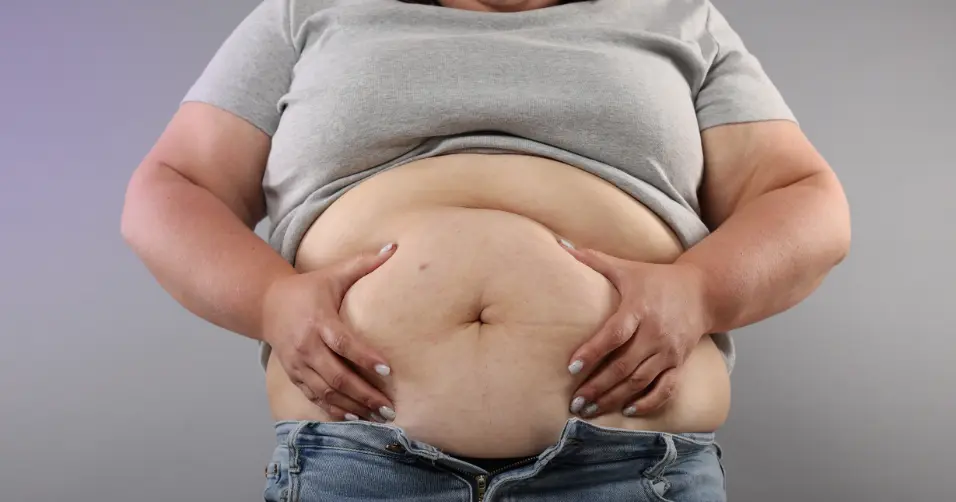
Visceral Fat is the fat stored around internal organs, which can adversely affect metabolic health and underscores the need for targeted exercise and diet.
This article is educational and not intended to diagnose, treat, or suggest any specific intervention, and should not replace qualified medical advice.


How to Reduce Visceral Fat?
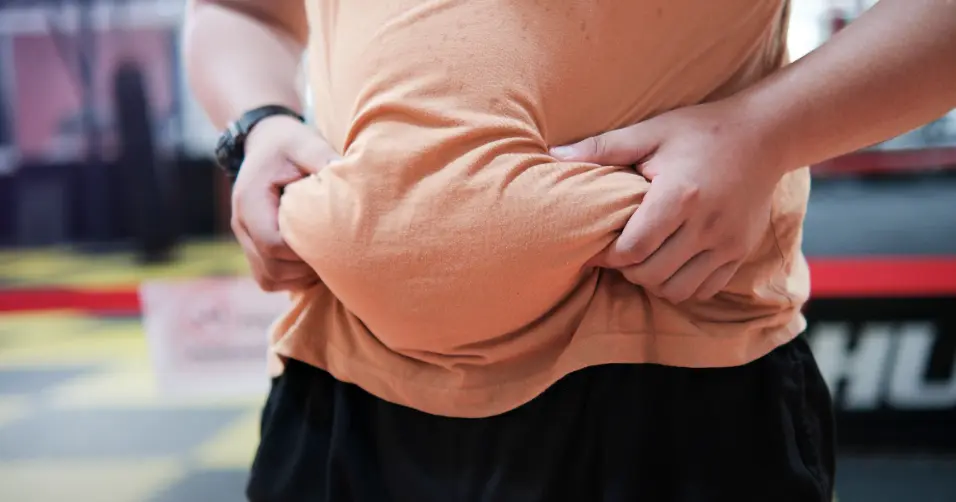
To reduce visceral fat, prioritize calorie control, regular aerobic activity, and stress management as it surrounds internal organs.
Reducing visceral fat requires a steady approach combining diet, activity, and sleep. This type of fat sits around organs and is linked to higher health risks, so lowering it improves overall wellbeing. Cutting down on excess sugar and processed foods helps stop fat storage. Regular aerobic exercise and strength training both reduce visceral fat effectively. Sleep and stress management also play major roles, since poor sleep or high stress raise fat-storing hormones.
Eating whole foods and fewer refined carbohydrates reduces insulin spikes that encourage visceral fat storage.
Cardio workouts like jogging or cycling directly burn calories and lower abdominal fat.
Strength training increases lean mass, which boosts daily energy use and fat reduction.
High stress raises cortisol, a hormone that can increase fat storage around the abdomen.
Reducing visceral fat requires a steady approach combining diet, activity, and sleep. This type of fat sits around organs and is linked to higher health risks, so lowering it improves overall wellbeing. Cutting down on excess sugar and processed foods helps stop fat storage. Regular aerobic exercise and strength training both reduce visceral fat effectively. Sleep and stress management also play major roles, since poor sleep or high stress raise fat-storing hormones.
Eating whole foods and fewer refined carbohydrates reduces insulin spikes that encourage visceral fat storage.
Cardio workouts like jogging or cycling directly burn calories and lower abdominal fat.
Strength training increases lean mass, which boosts daily energy use and fat reduction.
High stress raises cortisol, a hormone that can increase fat storage around the abdomen.
What Is Visceral Fat?
Visceral Fat is fat stored around organs inside the abdomen, linked to higher disease risk.
Visceral fat is fat stored deep inside the abdomen around organs such as the liver and intestines. Unlike subcutaneous fat, which sits under the skin, visceral fat is more harmful to health. High amounts are linked to heart disease, diabetes, and metabolic disorders. It often builds up due to poor diet, lack of exercise, and stress. Reducing it requires lifestyle changes like balanced eating, regular exercise, and stress management.
Health risks: Visceral fat increases inflammation, which raises risk of chronic disease.
Metabolic impact: Excess fat around organs disrupts hormone balance and insulin use.
Detection: Waist size and imaging scans are used to measure visceral fat levels.
Prevention: Exercise and diets rich in whole foods are effective in lowering visceral fat.
Visceral fat is fat stored deep inside the abdomen around organs such as the liver and intestines. Unlike subcutaneous fat, which sits under the skin, visceral fat is more harmful to health. High amounts are linked to heart disease, diabetes, and metabolic disorders. It often builds up due to poor diet, lack of exercise, and stress. Reducing it requires lifestyle changes like balanced eating, regular exercise, and stress management.
Health risks: Visceral fat increases inflammation, which raises risk of chronic disease.
Metabolic impact: Excess fat around organs disrupts hormone balance and insulin use.
Detection: Waist size and imaging scans are used to measure visceral fat levels.
Prevention: Exercise and diets rich in whole foods are effective in lowering visceral fat.
How Does Visceral Fat Impact Your Health?
Visceral fat harms health by raising risk of diabetes, heart disease, and inflammation since it surrounds vital organs.
Visceral fat directly affects health by raising risks of serious diseases. Unlike subcutaneous fat under the skin, visceral fat surrounds organs like the liver and heart. High levels are linked with insulin resistance, type 2 diabetes, and heart disease. It also promotes inflammation throughout the body, weakening immunity. Lowering visceral fat reduces many long-term health dangers.
Visceral fat disrupts insulin function, leading to unstable blood sugar and diabetes risk.
Fat around organs restricts their function, particularly the liver and heart.
It releases inflammatory substances that damage blood vessels and tissue over time.
High visceral fat increases chances of stroke and heart attack significantly.
Visceral fat directly affects health by raising risks of serious diseases. Unlike subcutaneous fat under the skin, visceral fat surrounds organs like the liver and heart. High levels are linked with insulin resistance, type 2 diabetes, and heart disease. It also promotes inflammation throughout the body, weakening immunity. Lowering visceral fat reduces many long-term health dangers.
Visceral fat disrupts insulin function, leading to unstable blood sugar and diabetes risk.
Fat around organs restricts their function, particularly the liver and heart.
It releases inflammatory substances that damage blood vessels and tissue over time.
High visceral fat increases chances of stroke and heart attack significantly.
What We Often Get Wrong About Visceral Fat?
Visceral fat is often confused with subcutaneous fat, yet it surrounds internal organs and is more harmful.
A common misconception about visceral fat is that it can be judged by appearance. Thin people can also have high levels of hidden visceral fat. Another myth is that abdominal exercises directly burn visceral fat, but only overall fat loss reduces it. Many believe visceral fat is the same as subcutaneous fat, yet it is more dangerous. It is also wrongly thought that losing weight quickly removes it first, when in fact it responds to consistent long-term habits.
Body shape alone does not reliably show visceral fat levels, making testing important.
Targeted exercises cannot remove visceral fat, as fat loss is systemic.
Visceral fat surrounds organs, unlike subcutaneous fat under the skin, making it riskier.
Gradual, steady fat loss is more effective than rapid diets for reducing visceral fat.
A common misconception about visceral fat is that it can be judged by appearance. Thin people can also have high levels of hidden visceral fat. Another myth is that abdominal exercises directly burn visceral fat, but only overall fat loss reduces it. Many believe visceral fat is the same as subcutaneous fat, yet it is more dangerous. It is also wrongly thought that losing weight quickly removes it first, when in fact it responds to consistent long-term habits.
Body shape alone does not reliably show visceral fat levels, making testing important.
Targeted exercises cannot remove visceral fat, as fat loss is systemic.
Visceral fat surrounds organs, unlike subcutaneous fat under the skin, making it riskier.
Gradual, steady fat loss is more effective than rapid diets for reducing visceral fat.
Key Visceral Fat Indicators You May Want to Track
Key visceral fat indicators are waist circumference, waist-to-hip ratio, and imaging tests like MRI or CT scans.
Key visceral fat indicators include waist circumference and waist-to-hip ratio. Imaging scans like MRI or CT provide the most accurate measurement but are not routine. Blood markers such as triglycerides and insulin resistance may hint at high visceral fat. Body mass index (BMI) alone is not a reliable indicator. Consistent abdominal growth despite stable weight can also be a warning sign.
A waist circumference over set thresholds (e.g., >94 cm for men, >80 cm for women) often signals higher visceral fat risk.
Waist-to-hip ratio above 0.9 in men or 0.85 in women indicates central fat storage.
High fasting glucose and lipid levels may reflect visceral fat–driven metabolic changes.
Stable overall weight with increasing waist size shows fat shifting toward the abdomen.
Key visceral fat indicators include waist circumference and waist-to-hip ratio. Imaging scans like MRI or CT provide the most accurate measurement but are not routine. Blood markers such as triglycerides and insulin resistance may hint at high visceral fat. Body mass index (BMI) alone is not a reliable indicator. Consistent abdominal growth despite stable weight can also be a warning sign.
A waist circumference over set thresholds (e.g., >94 cm for men, >80 cm for women) often signals higher visceral fat risk.
Waist-to-hip ratio above 0.9 in men or 0.85 in women indicates central fat storage.
High fasting glucose and lipid levels may reflect visceral fat–driven metabolic changes.
Stable overall weight with increasing waist size shows fat shifting toward the abdomen.
What Causes Changes in Visceral Fat?
Changes in visceral fat are caused by calorie balance, stress hormones, and physical inactivity.
Changes in visceral fat are mainly driven by diet, activity level, and hormones. High sugar and processed food intake promotes fat storage around organs. Sedentary behavior accelerates accumulation even without much weight gain. Stress hormones like cortisol encourage abdominal fat storage. Sleep loss further disrupts hormones, leading to higher visceral fat.
Excess refined carbohydrates and sugar intake cause insulin spikes, which increase fat storage.
Low physical activity prevents calorie burning, encouraging central fat buildup.
Chronic stress elevates cortisol, which directs fat storage to the abdominal area.
Inadequate sleep alters appetite hormones, indirectly promoting visceral fat gain.
Changes in visceral fat are mainly driven by diet, activity level, and hormones. High sugar and processed food intake promotes fat storage around organs. Sedentary behavior accelerates accumulation even without much weight gain. Stress hormones like cortisol encourage abdominal fat storage. Sleep loss further disrupts hormones, leading to higher visceral fat.
Excess refined carbohydrates and sugar intake cause insulin spikes, which increase fat storage.
Low physical activity prevents calorie burning, encouraging central fat buildup.
Chronic stress elevates cortisol, which directs fat storage to the abdominal area.
Inadequate sleep alters appetite hormones, indirectly promoting visceral fat gain.
Does Visceral Fat Relate to Longevity?
Visceral fat reduces longevity by driving inflammation, insulin resistance, and higher risk of chronic disease.
Visceral fat strongly reduces longevity when present in excess. It increases risk of diabetes, heart disease, and certain cancers. Chronic inflammation from visceral fat damages blood vessels and organs. Lowering it helps extend healthy lifespan by improving metabolic balance. People with low visceral fat generally show reduced long-term disease risk.
Visceral fat triggers inflammation that accelerates aging processes.
It raises risk of insulin resistance, which shortens lifespan through chronic disease.
Reducing visceral fat improves organ function and lowers mortality risk.
Long-term health studies consistently link low visceral fat with longer life.
Visceral fat strongly reduces longevity when present in excess. It increases risk of diabetes, heart disease, and certain cancers. Chronic inflammation from visceral fat damages blood vessels and organs. Lowering it helps extend healthy lifespan by improving metabolic balance. People with low visceral fat generally show reduced long-term disease risk.
Visceral fat triggers inflammation that accelerates aging processes.
It raises risk of insulin resistance, which shortens lifespan through chronic disease.
Reducing visceral fat improves organ function and lowers mortality risk.
Long-term health studies consistently link low visceral fat with longer life.
What Can Go Wrong With Visceral Fat?
With visceral fat, what can go wrong is organ pressure and increased inflammation.
With visceral fat, what can go wrong is that it often goes unnoticed until serious health issues arise. It silently damages organs and blood vessels. High visceral fat drives insulin resistance, leading to diabetes. It also increases heart disease and cancer risks. Without active management, it severely shortens both lifespan and quality of life.
Undetected buildup around organs reduces liver and pancreas function.
Chronic inflammation from visceral fat weakens immune defenses.
It contributes to arterial plaque buildup, raising heart attack and stroke risk.
Certain cancers are more common with prolonged high visceral fat levels.
With visceral fat, what can go wrong is that it often goes unnoticed until serious health issues arise. It silently damages organs and blood vessels. High visceral fat drives insulin resistance, leading to diabetes. It also increases heart disease and cancer risks. Without active management, it severely shortens both lifespan and quality of life.
Undetected buildup around organs reduces liver and pancreas function.
Chronic inflammation from visceral fat weakens immune defenses.
It contributes to arterial plaque buildup, raising heart attack and stroke risk.
Certain cancers are more common with prolonged high visceral fat levels.
How Does Visceral Fat Vary With Age?
Visceral fat varies with age as it tends to increase, especially after midlife, due to hormonal changes.
Visceral fat tends to increase with age, even if weight remains stable. Hormonal changes, such as lower estrogen or testosterone, encourage abdominal fat storage. Reduced activity in older adults worsens accumulation. Younger people generally have less visceral fat unless diet and lifestyle promote it. This shift is one reason metabolic diseases become more common with age.
Age-related hormonal decline drives fat storage in the abdominal cavity.
Reduced muscle and less activity make fat gain easier in middle and older age.
Even at normal weight, older adults may carry more hidden visceral fat.
Younger adults can still accumulate visceral fat through poor diet and inactivity.
Visceral fat tends to increase with age, even if weight remains stable. Hormonal changes, such as lower estrogen or testosterone, encourage abdominal fat storage. Reduced activity in older adults worsens accumulation. Younger people generally have less visceral fat unless diet and lifestyle promote it. This shift is one reason metabolic diseases become more common with age.
Age-related hormonal decline drives fat storage in the abdominal cavity.
Reduced muscle and less activity make fat gain easier in middle and older age.
Even at normal weight, older adults may carry more hidden visceral fat.
Younger adults can still accumulate visceral fat through poor diet and inactivity.
How Does Your Lifestyle Affect Visceral Fat?
Lifestyle affects visceral fat through diet quality, alcohol intake, and stress management.
Your lifestyle affects visceral fat directly. Diets high in sugar and processed foods promote storage around organs. Regular exercise reduces it, especially aerobic and strength training combined. Stressful lifestyles with little sleep raise cortisol, which drives fat toward the abdomen. Balanced nutrition, activity, and stress control lower visceral fat long-term.
Sugary drinks and processed food accelerate visceral fat storage.
Daily exercise burns energy and helps reduce central fat reserves.
Poor sleep and stress hormones shift fat toward abdominal organs.
Active, balanced lifestyles protect against visceral fat buildup.
Your lifestyle affects visceral fat directly. Diets high in sugar and processed foods promote storage around organs. Regular exercise reduces it, especially aerobic and strength training combined. Stressful lifestyles with little sleep raise cortisol, which drives fat toward the abdomen. Balanced nutrition, activity, and stress control lower visceral fat long-term.
Sugary drinks and processed food accelerate visceral fat storage.
Daily exercise burns energy and helps reduce central fat reserves.
Poor sleep and stress hormones shift fat toward abdominal organs.
Active, balanced lifestyles protect against visceral fat buildup.
How Does Nutrition Impact Visceral Fat?
Nutrition impacts visceral fat by calorie excess, added sugars, and unhealthy fats.
Nutrition drives changes in visceral fat. High sugar and refined carb diets promote fat storage around organs. Excess calories, regardless of source, increase visceral fat. Protein and fiber-rich foods reduce hunger and support fat loss. Long-term balanced eating reduces visceral fat and lowers disease risk.
Sugary drinks and snacks directly raise abdominal fat stores.
Excess calories beyond energy needs are stored as visceral fat.
High-protein meals increase satiety, reducing overeating.
Fiber slows digestion, keeping insulin stable and reducing fat storage.
Nutrition drives changes in visceral fat. High sugar and refined carb diets promote fat storage around organs. Excess calories, regardless of source, increase visceral fat. Protein and fiber-rich foods reduce hunger and support fat loss. Long-term balanced eating reduces visceral fat and lowers disease risk.
Sugary drinks and snacks directly raise abdominal fat stores.
Excess calories beyond energy needs are stored as visceral fat.
High-protein meals increase satiety, reducing overeating.
Fiber slows digestion, keeping insulin stable and reducing fat storage.
What Supplements May Aid Visceral Fat Reduction?
Supplements that may aid visceral fat reduction are green tea extract and soluble fiber, supporting metabolism and satiety.
Certain supplements may reduce visceral fat when combined with lifestyle changes. Green tea extract can slightly raise calorie burning. Omega-3 fatty acids help reduce inflammation linked to fat storage. Probiotics may improve gut balance, influencing fat metabolism. None replace diet and exercise but can support fat reduction efforts.
Green tea extract mildly boosts metabolism, aiding fat loss over time.
Omega-3s lower inflammation that worsens visceral fat accumulation.
Probiotics may improve gut health, which supports better weight regulation.
Supplements only enhance results when paired with diet and activity changes.
Certain supplements may reduce visceral fat when combined with lifestyle changes. Green tea extract can slightly raise calorie burning. Omega-3 fatty acids help reduce inflammation linked to fat storage. Probiotics may improve gut balance, influencing fat metabolism. None replace diet and exercise but can support fat reduction efforts.
Green tea extract mildly boosts metabolism, aiding fat loss over time.
Omega-3s lower inflammation that worsens visceral fat accumulation.
Probiotics may improve gut health, which supports better weight regulation.
Supplements only enhance results when paired with diet and activity changes.
Can Fasting Reduce Visceral Fat?
Fasting can reduce visceral fat by shifting energy use toward stored abdominal fat during calorie restriction.
Fasting often helps reduce visceral fat. It lowers insulin levels, encouraging fat breakdown around organs. Over time, fasting supports calorie reduction, aiding abdominal fat loss. Both intermittent fasting and time-restricted eating show positive effects. Results depend on overall diet quality and consistency.
Lower insulin during fasting promotes fat release from visceral stores.
Time-restricted eating reduces calorie intake without strict diets.
Clinical studies show intermittent fasting lowers abdominal fat more than regular dieting.
Balanced nutrition after fasting is needed to sustain visceral fat reduction.
Fasting often helps reduce visceral fat. It lowers insulin levels, encouraging fat breakdown around organs. Over time, fasting supports calorie reduction, aiding abdominal fat loss. Both intermittent fasting and time-restricted eating show positive effects. Results depend on overall diet quality and consistency.
Lower insulin during fasting promotes fat release from visceral stores.
Time-restricted eating reduces calorie intake without strict diets.
Clinical studies show intermittent fasting lowers abdominal fat more than regular dieting.
Balanced nutrition after fasting is needed to sustain visceral fat reduction.
How Your Workout Regimen Affects Visceral Fat?
Your workout regimen affects visceral fat by burning abdominal fat with regular aerobic and resistance exercise.
Your workout regimen influences visceral fat reduction significantly. Cardio training helps burn calories directly from fat stores. Strength training builds muscle, which raises daily energy use. High-intensity interval training is particularly effective for abdominal fat loss. Sedentary routines allow visceral fat to accumulate around organs.
Cardio promotes steady fat burning, reducing abdominal fat over time.
Strength workouts increase muscle, which helps lower visceral fat indirectly.
Intervals burn more calories in less time, targeting abdominal fat effectively.
Lack of movement quickly increases visceral fat storage.
Your workout regimen influences visceral fat reduction significantly. Cardio training helps burn calories directly from fat stores. Strength training builds muscle, which raises daily energy use. High-intensity interval training is particularly effective for abdominal fat loss. Sedentary routines allow visceral fat to accumulate around organs.
Cardio promotes steady fat burning, reducing abdominal fat over time.
Strength workouts increase muscle, which helps lower visceral fat indirectly.
Intervals burn more calories in less time, targeting abdominal fat effectively.
Lack of movement quickly increases visceral fat storage.
What's the Latest Research on Visceral Fat?
Latest research on visceral fat shows that sleep quality strongly predicts abdominal fat gain independent of diet.
The latest research on visceral fat shows its strong connection to inflammation and chronic disease. Studies confirm that even normal-weight individuals can carry dangerous levels of visceral fat. MRI and advanced imaging provide better measurement accuracy than waist size alone. Lifestyle interventions with diet and exercise remain the most effective strategy. Trials also suggest gut microbiome balance may influence visceral fat storage.
Inflammatory markers rise directly with visceral fat levels, linking it to chronic disease.
Research highlights hidden visceral fat risk in thin but inactive people.
Advanced imaging tools like MRI now allow precise tracking of visceral fat changes.
Gut health interventions are being tested as potential regulators of visceral fat accumulation.
The latest research on visceral fat shows its strong connection to inflammation and chronic disease. Studies confirm that even normal-weight individuals can carry dangerous levels of visceral fat. MRI and advanced imaging provide better measurement accuracy than waist size alone. Lifestyle interventions with diet and exercise remain the most effective strategy. Trials also suggest gut microbiome balance may influence visceral fat storage.
Inflammatory markers rise directly with visceral fat levels, linking it to chronic disease.
Research highlights hidden visceral fat risk in thin but inactive people.
Advanced imaging tools like MRI now allow precise tracking of visceral fat changes.
Gut health interventions are being tested as potential regulators of visceral fat accumulation.
How Does Visceral Fat Affect BMR?
Visceral fat, the fat stored around organs, lowers BMR by reducing lean muscle tissue and altering hormone balance.
Visceral fat affects BMR by adding metabolic activity, though not as strongly as muscle. Visceral fat lies deep around organs. It is more hormonally active than subcutaneous fat. This activity can raise BMR slightly. Still, muscle mass drives BMR more powerfully.
Visceral fat releases signals that influence metabolic processes.
Burns more calories than subcutaneous fat but far less than muscle.
High levels increase metabolic strain even if BMR rises a little.
Reducing visceral fat supports healthier metabolic balance.
Visceral fat affects BMR by adding metabolic activity, though not as strongly as muscle. Visceral fat lies deep around organs. It is more hormonally active than subcutaneous fat. This activity can raise BMR slightly. Still, muscle mass drives BMR more powerfully.
Visceral fat releases signals that influence metabolic processes.
Burns more calories than subcutaneous fat but far less than muscle.
High levels increase metabolic strain even if BMR rises a little.
Reducing visceral fat supports healthier metabolic balance.
How Does IGF-1 Promote Growth?
IGF-1 is a growth factor that promotes muscle and tissue growth by activating protein-building cell pathways.
IGF-1 promotes growth by activating receptors that trigger protein-building pathways in muscle and other tissues. These pathways include signals that increase cell division and protein assembly. IGF-1 also works with growth hormone to coordinate repair timing. Its activity depends on binding proteins that control availability. Research focuses on how this balance shapes normal growth rather than performance enhancement.
Receptor activation: IGF-1 turns on pathways that increase tissue building.
Protein synthesis: It boosts signals that assemble new proteins in muscle cells.
Growth hormone link: Works with growth hormone to regulate repair rhythms.
Binding proteins: IGF-binding proteins restrain or release its activity.
IGF-1 promotes growth by activating receptors that trigger protein-building pathways in muscle and other tissues. These pathways include signals that increase cell division and protein assembly. IGF-1 also works with growth hormone to coordinate repair timing. Its activity depends on binding proteins that control availability. Research focuses on how this balance shapes normal growth rather than performance enhancement.
Receptor activation: IGF-1 turns on pathways that increase tissue building.
Protein synthesis: It boosts signals that assemble new proteins in muscle cells.
Growth hormone link: Works with growth hormone to regulate repair rhythms.
Binding proteins: IGF-binding proteins restrain or release its activity.
How Does Visceral Fat Affect RMR?
Visceral fat affects RMR by increasing inflammation and altering metabolic hormone balance.
Visceral fat affects RMR through its influence on hormones and inflammation. Visceral fat sits around internal organs and is more metabolically active than subcutaneous fat. It can alter signals that regulate energy use. These signals may shift how the body burns calories. RMR changes depend on overall body composition.
Hormonal signals adjust energy use. These shifts affect daily burn.
Inflammatory activity can influence metabolic pathways. This may alter RMR slightly.
Lean mass balance still drives most RMR changes. Fat plays a smaller role.
Body composition determines final RMR effects. Each tissue type contributes differently.
Visceral fat affects RMR through its influence on hormones and inflammation. Visceral fat sits around internal organs and is more metabolically active than subcutaneous fat. It can alter signals that regulate energy use. These signals may shift how the body burns calories. RMR changes depend on overall body composition.
Hormonal signals adjust energy use. These shifts affect daily burn.
Inflammatory activity can influence metabolic pathways. This may alter RMR slightly.
Lean mass balance still drives most RMR changes. Fat plays a smaller role.
Body composition determines final RMR effects. Each tissue type contributes differently.
How Do Visceral Fat Differ from Subcutaneous Fat?
Visceral fat differs from subcutaneous fat by being stored around organs and posing higher health risk.
Visceral fat sits around organs, while subcutaneous fat sits under the skin. Visceral fat is more metabolically active and linked to higher health risks. Subcutaneous fat changes more predictably with diet and movement. Visceral fat responds quickly to caloric control and aerobic activity. Both types shift with weight changes but behave differently.
Location difference affects how each fat type influences hormones and inflammation.
Risk profile is higher for visceral fat due to its proximity to organs.
Loss pattern shows visceral fat often reducing faster early in weight changes.
Measurement methods use waist measures for visceral fat and skinfolds for subcutaneous.
Activity response highlights aerobic work as helpful for visceral fat specifically.
Visceral fat sits around organs, while subcutaneous fat sits under the skin. Visceral fat is more metabolically active and linked to higher health risks. Subcutaneous fat changes more predictably with diet and movement. Visceral fat responds quickly to caloric control and aerobic activity. Both types shift with weight changes but behave differently.
Location difference affects how each fat type influences hormones and inflammation.
Risk profile is higher for visceral fat due to its proximity to organs.
Loss pattern shows visceral fat often reducing faster early in weight changes.
Measurement methods use waist measures for visceral fat and skinfolds for subcutaneous.
Activity response highlights aerobic work as helpful for visceral fat specifically.
How Does Visceral Fat Affect TDEE?
Visceral fat affects TDEE by slightly raising energy use through inflammation-driven metabolic activity.
Visceral fat affects TDEE through hormonal activity and total body load. It is more metabolically active than subcutaneous fat. This activity can slightly raise resting burn. Higher visceral fat also increases energy use during movement due to added load. Reducing visceral fat often lowers inflammation, which can influence metabolic rate.
Hormone signals from visceral fat influence metabolism.
Resting burn rises slightly with more visceral fat.
Movement cost increases due to added central weight.
Inflammation changes influence metabolic efficiency.
Waist measures help track visceral fat trends.
Visceral fat affects TDEE through hormonal activity and total body load. It is more metabolically active than subcutaneous fat. This activity can slightly raise resting burn. Higher visceral fat also increases energy use during movement due to added load. Reducing visceral fat often lowers inflammation, which can influence metabolic rate.
Hormone signals from visceral fat influence metabolism.
Resting burn rises slightly with more visceral fat.
Movement cost increases due to added central weight.
Inflammation changes influence metabolic efficiency.
Waist measures help track visceral fat trends.
Do Trans Fats Worsen Visceral Fat?
Trans fats worsen visceral fat by promoting inflammation and metabolic dysfunction.
Trans fats can worsen visceral fat patterns by promoting inflammation. Visceral fat sits around organs and responds to inflammatory signals. Trans fats influence blood lipids and metabolic stress. These changes can shift fat storage toward the abdomen. Most dietary guidelines limit trans fats for this reason.
Inflammatory signals rise with trans fat intake.
Visceral storage becomes more likely under stress.
Lipid disruption adds metabolic strain.
Hormonal effects influence fat distribution.
Regulation discourages trans fat exposure.
Trans fats can worsen visceral fat patterns by promoting inflammation. Visceral fat sits around organs and responds to inflammatory signals. Trans fats influence blood lipids and metabolic stress. These changes can shift fat storage toward the abdomen. Most dietary guidelines limit trans fats for this reason.
Inflammatory signals rise with trans fat intake.
Visceral storage becomes more likely under stress.
Lipid disruption adds metabolic strain.
Hormonal effects influence fat distribution.
Regulation discourages trans fat exposure.
Does Weight Loss Reduce Visceral Fat?
Weight loss reduces visceral fat by improving insulin response and lipid metabolism.
Weight loss reduces visceral fat because this deep abdominal fat responds quickly to caloric deficit. Visceral fat is highly active and releases energy readily when intake drops. Aerobic activity accelerates its reduction. Early weight-loss stages show the largest shifts. Better sleep and stress control strengthen these effects.
Metabolic activity makes visceral fat burn faster.
Caloric deficit triggers steady reduction.
Aerobic exercise enhances central fat use.
Hormone balance improves as visceral fat falls.
Imaging scans confirm rapid changes.
Weight loss reduces visceral fat because this deep abdominal fat responds quickly to caloric deficit. Visceral fat is highly active and releases energy readily when intake drops. Aerobic activity accelerates its reduction. Early weight-loss stages show the largest shifts. Better sleep and stress control strengthen these effects.
Metabolic activity makes visceral fat burn faster.
Caloric deficit triggers steady reduction.
Aerobic exercise enhances central fat use.
Hormone balance improves as visceral fat falls.
Imaging scans confirm rapid changes.
Medical Disclaimer: All content on this website is intended solely for informational and educational purposes and should not be interpreted as a substitute for professional medical advice, diagnosis, or treatment, nor as encouragement or promotion for or against any particular use, product, or activity. Results may vary and are not guaranteed. No doctor–patient relationship is created by your use of this content. Always consult a qualified healthcare provider, nutritionist, or other relevant expert before starting or changing any supplement, diet, exercise, or lifestyle program. This website can contain errors. Check important information. Read our full Disclaimer.
Status – Terms of Service – Privacy Policy – Disclaimer – About Myopedia.
©2025 Myopedia™. All rights reserved.
Medical Disclaimer: All content on this website is intended solely for informational and educational purposes and should not be interpreted as a substitute for professional medical advice, diagnosis, or treatment, nor as encouragement or promotion for or against any particular use, product, or activity. Results may vary and are not guaranteed. No doctor–patient relationship is created by your use of this content. Always consult a qualified healthcare provider, nutritionist, or other relevant expert before starting or changing any supplement, diet, exercise, or lifestyle program. This website can contain errors. Check important information. Read our full Disclaimer.
Status – Terms of Service – Privacy Policy – Disclaimer – About Myopedia.
©2025 Myopedia™. All rights reserved.
Medical Disclaimer: All content on this website is intended solely for informational and educational purposes and should not be interpreted as a substitute for professional medical advice, diagnosis, or treatment, nor as encouragement or promotion for or against any particular use, product, or activity. Results may vary and are not guaranteed. No doctor–patient relationship is created by your use of this content. Always consult a qualified healthcare provider, nutritionist, or other relevant expert before starting or changing any supplement, diet, exercise, or lifestyle program. This website can contain errors. Check important information. Read our full Disclaimer.
Status – Terms of Service – Privacy Policy – Disclaimer – About Myopedia.
©2025 Myopedia™. All rights reserved.