Body

Body fat

Body Fat: What It Is and How It Works

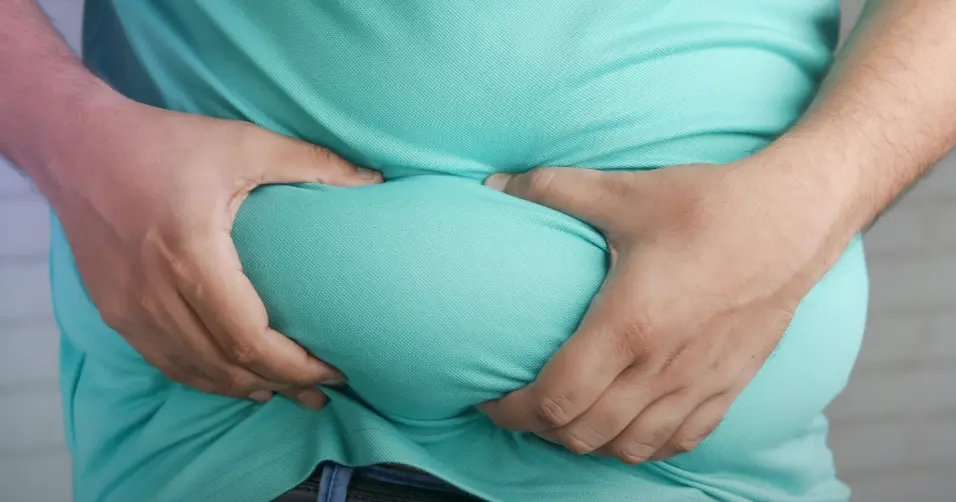
Body fat stores energy, insulates organs, and regulates hormones. Excess visceral fat increases chronic disease risk, while essential fat supports physiological functions.
This article is educational and not intended to diagnose, treat, or suggest any specific intervention, and should not replace qualified medical advice.

Body fat is stored energy that regulates hormones and insulation.

How to Reduce Body Fat?

Body fat can be reduced by combining calorie control, aerobic activity, and resistance training.

To reduce body fat, combining diet, movement, and rest works best. Creating a moderate calorie deficit encourages fat loss while preserving muscle. Regular strength and cardio training enhance fat burning. Good sleep lowers hunger hormones, making it easier to stay on track. Consistent habits over time matter more than quick fixes.

  • Balanced deficit: Cutting calories gradually prevents muscle breakdown and rebound weight gain.

  • Exercise mix: Both cardio and strength training together improve fat loss efficiency.

  • Hormone balance: Proper sleep and stress control reduce cravings tied to high cortisol.

  • Sustainable habits: Small, long-term changes keep body fat reduction lasting.

To reduce body fat, combining diet, movement, and rest works best. Creating a moderate calorie deficit encourages fat loss while preserving muscle. Regular strength and cardio training enhance fat burning. Good sleep lowers hunger hormones, making it easier to stay on track. Consistent habits over time matter more than quick fixes.

  • Balanced deficit: Cutting calories gradually prevents muscle breakdown and rebound weight gain.

  • Exercise mix: Both cardio and strength training together improve fat loss efficiency.

  • Hormone balance: Proper sleep and stress control reduce cravings tied to high cortisol.

  • Sustainable habits: Small, long-term changes keep body fat reduction lasting.

What Is Body Fat?

Body fat is stored energy in the form of fat tissue.

Body fat is the stored energy in the body, made from excess calories. It cushions organs, regulates temperature, and provides energy reserves. Too little body fat can harm hormones and health, while too much raises risk of chronic diseases. Body fat is usually measured as a percentage of total body weight. Healthy ranges depend on age, sex, and activity level.

  • Energy store: Provides backup fuel when intake is low.

  • Protection: Cushions organs and helps regulate body heat.

  • Risk factor: Excessive fat raises chances of heart disease and diabetes.

  • Measurement: Expressed as a percentage of body weight for health tracking.

Body fat is the stored energy in the body, made from excess calories. It cushions organs, regulates temperature, and provides energy reserves. Too little body fat can harm hormones and health, while too much raises risk of chronic diseases. Body fat is usually measured as a percentage of total body weight. Healthy ranges depend on age, sex, and activity level.

  • Energy store: Provides backup fuel when intake is low.

  • Protection: Cushions organs and helps regulate body heat.

  • Risk factor: Excessive fat raises chances of heart disease and diabetes.

  • Measurement: Expressed as a percentage of body weight for health tracking.

How Does Body Fat Impact Your Health?

Body fat affects health by storing energy, but excess raises risk of chronic diseases.

Body fat plays both protective and harmful roles in health. Moderate levels store energy and protect organs, while excess increases disease risk. High body fat is linked with heart disease, type 2 diabetes, and joint stress. Very low fat can weaken immunity and hormone function. Maintaining a balanced range supports long-term well-being.

  • Protective role: Essential body fat cushions organs and regulates temperature.

  • Excess fat: Raises risk of cardiovascular disease and insulin resistance.

  • Deficiency: Extremely low fat impairs hormone production and fertility.

  • Mobility: High fat levels strain joints and reduce physical function.

Body fat plays both protective and harmful roles in health. Moderate levels store energy and protect organs, while excess increases disease risk. High body fat is linked with heart disease, type 2 diabetes, and joint stress. Very low fat can weaken immunity and hormone function. Maintaining a balanced range supports long-term well-being.

  • Protective role: Essential body fat cushions organs and regulates temperature.

  • Excess fat: Raises risk of cardiovascular disease and insulin resistance.

  • Deficiency: Extremely low fat impairs hormone production and fertility.

  • Mobility: High fat levels strain joints and reduce physical function.

What We Often Get Wrong About Body Fat?

Body fat is often thought of only as storage, but it also produces hormones and supports cell function.

A common misconception about body fat is that all fat is harmful. In fact, essential fat is needed for hormone production, insulation, and protection of organs. Some think only visible fat matters, but visceral fat around organs is more dangerous. Others believe very low body fat is healthiest, yet this can harm immunity and fertility. Balance, not extremes, defines healthy fat levels.

  • Essential fat: Needed for survival and proper hormone function.

  • Visceral danger: Hidden fat inside the abdomen is riskier than subcutaneous fat under the skin.

  • Too little fat: Very low levels disrupt reproductive and immune systems.

  • Appearance trap: Visible leanness doesn’t always mean healthy internal fat levels.

A common misconception about body fat is that all fat is harmful. In fact, essential fat is needed for hormone production, insulation, and protection of organs. Some think only visible fat matters, but visceral fat around organs is more dangerous. Others believe very low body fat is healthiest, yet this can harm immunity and fertility. Balance, not extremes, defines healthy fat levels.

  • Essential fat: Needed for survival and proper hormone function.

  • Visceral danger: Hidden fat inside the abdomen is riskier than subcutaneous fat under the skin.

  • Too little fat: Very low levels disrupt reproductive and immune systems.

  • Appearance trap: Visible leanness doesn’t always mean healthy internal fat levels.

Key Body Fat Metrics You May Want to Track

Key body fat indicators are percentage measured by DEXA or calipers, waist size, and fat distribution.

Key body fat indicators include percentage, waist circumference, and fat distribution. Healthy ranges differ for men and women but generally lie between essential and moderate storage. Waist size reflects visceral fat, which is more risky than surface fat. Body composition scans offer detailed breakdowns of fat and muscle. Changes over time matter more than single measurements.

  • Body fat %: Tracks fat relative to lean tissue for a clear health picture.

  • Waist size: Large waist circumference signals higher metabolic risk.

  • Fat type: Visceral fat is more dangerous than subcutaneous fat.

  • Trend tracking: Monitoring over months shows true progress.

Key body fat indicators include percentage, waist circumference, and fat distribution. Healthy ranges differ for men and women but generally lie between essential and moderate storage. Waist size reflects visceral fat, which is more risky than surface fat. Body composition scans offer detailed breakdowns of fat and muscle. Changes over time matter more than single measurements.

  • Body fat %: Tracks fat relative to lean tissue for a clear health picture.

  • Waist size: Large waist circumference signals higher metabolic risk.

  • Fat type: Visceral fat is more dangerous than subcutaneous fat.

  • Trend tracking: Monitoring over months shows true progress.

What Causes Changes in Body Fat?

Changes in body fat are caused by energy balance, hormones, and activity levels.

Changes in body fat are caused by calorie balance, hormones, activity, and aging. A calorie surplus increases fat storage, while a deficit reduces it. Hormones like insulin and cortisol influence how fat is stored and released. Exercise, especially resistance and cardio training, shifts body composition. Aging often slows metabolism, making fat gain more likely.

  • Calorie balance: Eating more than you burn adds fat, less reduces it.

  • Hormonal role: Insulin and cortisol heavily affect fat storage.

  • Physical activity: Regular movement encourages fat burning and prevents accumulation.

  • Aging impact: Metabolic decline with age often increases body fat levels.

Changes in body fat are caused by calorie balance, hormones, activity, and aging. A calorie surplus increases fat storage, while a deficit reduces it. Hormones like insulin and cortisol influence how fat is stored and released. Exercise, especially resistance and cardio training, shifts body composition. Aging often slows metabolism, making fat gain more likely.

  • Calorie balance: Eating more than you burn adds fat, less reduces it.

  • Hormonal role: Insulin and cortisol heavily affect fat storage.

  • Physical activity: Regular movement encourages fat burning and prevents accumulation.

  • Aging impact: Metabolic decline with age often increases body fat levels.

Does Body Fat Relate to Longevity?

Body fat relates to longevity as moderate levels protect organs, but high levels increase chronic disease risk.

Body fat levels affect longevity both positively and negatively. Too much fat, especially visceral fat around organs, raises disease risks that shorten lifespan. Too little fat weakens hormones, fertility, and immune defenses. Moderate fat levels protect organs and provide reserve energy during illness. Longevity is supported by keeping fat in a healthy, balanced range.

  • Excess fat: Linked to heart disease, diabetes, and shorter lifespan.

  • Too little fat: Causes weakness in immunity and hormone balance.

  • Protective role: Moderate fat stores support survival during illness.

  • Visceral danger: Internal organ fat is most strongly tied to reduced longevity.

Body fat levels affect longevity both positively and negatively. Too much fat, especially visceral fat around organs, raises disease risks that shorten lifespan. Too little fat weakens hormones, fertility, and immune defenses. Moderate fat levels protect organs and provide reserve energy during illness. Longevity is supported by keeping fat in a healthy, balanced range.

  • Excess fat: Linked to heart disease, diabetes, and shorter lifespan.

  • Too little fat: Causes weakness in immunity and hormone balance.

  • Protective role: Moderate fat stores support survival during illness.

  • Visceral danger: Internal organ fat is most strongly tied to reduced longevity.

What Can Go Wrong With Body Fat?

With body fat, what can go wrong is obesity-related illness or too little fat impairing hormones.

With body fat, both too much and too little cause problems. Excess fat increases risks of diabetes, heart disease, and joint damage. Very low fat disrupts hormones, immunity, and reproductive health. Rapid fat gain or loss stresses the body further. Healthy ranges protect organs and keep metabolism balanced.

  • Excess storage: High fat levels raise chronic disease risks.

  • Too little fat: Leads to weak immunity and hormone imbalance.

  • Joint stress: Extra fat burdens knees, hips, and back.

  • Unstable shifts: Sudden fat changes strain metabolism and health.

With body fat, both too much and too little cause problems. Excess fat increases risks of diabetes, heart disease, and joint damage. Very low fat disrupts hormones, immunity, and reproductive health. Rapid fat gain or loss stresses the body further. Healthy ranges protect organs and keep metabolism balanced.

  • Excess storage: High fat levels raise chronic disease risks.

  • Too little fat: Leads to weak immunity and hormone imbalance.

  • Joint stress: Extra fat burdens knees, hips, and back.

  • Unstable shifts: Sudden fat changes strain metabolism and health.

How Does Body Fat Vary With Age?

Body fat varies with age by increasing in proportion, even if weight remains stable.

Body fat levels vary with age as metabolism and hormones shift. Children naturally carry lower fat until puberty increases storage, especially in girls. Adults often accumulate fat gradually, particularly around the abdomen. In older age, fat distribution changes, with more visceral fat and less muscle. These shifts raise health risks even without big changes in overall weight.

  • Childhood: Lower body fat is typical until puberty.

  • Puberty: Hormonal changes increase fat, especially in females.

  • Adulthood: Gradual fat accumulation is common with aging metabolism.

  • Older age: More visceral fat appears, raising disease risk.

Body fat levels vary with age as metabolism and hormones shift. Children naturally carry lower fat until puberty increases storage, especially in girls. Adults often accumulate fat gradually, particularly around the abdomen. In older age, fat distribution changes, with more visceral fat and less muscle. These shifts raise health risks even without big changes in overall weight.

  • Childhood: Lower body fat is typical until puberty.

  • Puberty: Hormonal changes increase fat, especially in females.

  • Adulthood: Gradual fat accumulation is common with aging metabolism.

  • Older age: More visceral fat appears, raising disease risk.

How Does Your Lifestyle Affect Body Fat?

Lifestyle affects body fat by calorie intake, physical activity, and stress.

Your lifestyle has a major impact on body fat. Sedentary routines promote gradual fat gain, while active living supports fat balance. Stress and poor sleep increase cravings and fat storage. Diet quality shapes whether fat is stored or burned effectively. Sustainable habits create long-term fat control, not temporary changes.

  • Activity: Daily movement keeps fat storage lower over time.

  • Stress/sleep: Poor recovery raises cortisol, encouraging fat gain.

  • Nutrition: Processed foods promote fat storage, while whole foods reduce it.

  • Consistency: Long-term habits determine lasting fat levels.

Your lifestyle has a major impact on body fat. Sedentary routines promote gradual fat gain, while active living supports fat balance. Stress and poor sleep increase cravings and fat storage. Diet quality shapes whether fat is stored or burned effectively. Sustainable habits create long-term fat control, not temporary changes.

  • Activity: Daily movement keeps fat storage lower over time.

  • Stress/sleep: Poor recovery raises cortisol, encouraging fat gain.

  • Nutrition: Processed foods promote fat storage, while whole foods reduce it.

  • Consistency: Long-term habits determine lasting fat levels.

How Does Nutrition Impact Body Fat?

Nutrition impacts body fat by calorie quality, processed food intake, and macronutrient ratios.

Nutrition greatly affects body fat through calorie balance and food type. Diets high in processed foods promote fat storage. Whole foods with protein, vegetables, and healthy fats help reduce fat. Sugary drinks and alcohol are major drivers of fat gain. Long-term fat balance comes from consistent, quality nutrition choices.

  • Processed foods: Increase fat gain through excess calories and poor satiety.

  • Whole meals: Support fat reduction and healthier composition.

  • Sugary drinks: Add calories quickly, leading to fat storage.

  • Consistency: Regular healthy eating stabilizes body fat levels.

Nutrition greatly affects body fat through calorie balance and food type. Diets high in processed foods promote fat storage. Whole foods with protein, vegetables, and healthy fats help reduce fat. Sugary drinks and alcohol are major drivers of fat gain. Long-term fat balance comes from consistent, quality nutrition choices.

  • Processed foods: Increase fat gain through excess calories and poor satiety.

  • Whole meals: Support fat reduction and healthier composition.

  • Sugary drinks: Add calories quickly, leading to fat storage.

  • Consistency: Regular healthy eating stabilizes body fat levels.

What Supplements May Aid Body Fat Reduction?

Supplements that may aid body fat reduction are green tea extract, caffeine, and soluble fiber.

To manage body fat, supplements can support metabolism and appetite control. Protein supplements increase satiety and preserve muscle during fat loss. Green tea extract is studied for mild fat oxidation support. Fiber supplements improve fullness and digestive health. These are best used alongside diet and activity adjustments.

  • Protein: Supports satiety and lean mass while reducing fat.

  • Green tea extract: May slightly increase fat-burning processes.

  • Fiber: Improves fullness and digestive function during fat loss.

  • Combination: Works best with calorie balance and exercise.

To manage body fat, supplements can support metabolism and appetite control. Protein supplements increase satiety and preserve muscle during fat loss. Green tea extract is studied for mild fat oxidation support. Fiber supplements improve fullness and digestive health. These are best used alongside diet and activity adjustments.

  • Protein: Supports satiety and lean mass while reducing fat.

  • Green tea extract: May slightly increase fat-burning processes.

  • Fiber: Improves fullness and digestive function during fat loss.

  • Combination: Works best with calorie balance and exercise.

Can Fasting Reduce Body Fat?

Fasting can reduce body fat by creating sustained energy deficit and fat use.

Fasting can reduce body fat by extending periods of fat use for energy. Intermittent fasting creates calorie deficits without strict tracking. It also improves insulin sensitivity, helping regulate fat storage. However, extreme fasting may lower metabolism and harm lean tissue. Safe fasting approaches emphasize moderate, repeatable cycles.

  • Fat use: Longer gaps between meals encourage fat breakdown.

  • Insulin role: Improved sensitivity reduces fat accumulation.

  • Deficit creation: Fasting often lowers intake naturally.

  • Excess fasting: Too long increases risk of muscle loss.

Fasting can reduce body fat by extending periods of fat use for energy. Intermittent fasting creates calorie deficits without strict tracking. It also improves insulin sensitivity, helping regulate fat storage. However, extreme fasting may lower metabolism and harm lean tissue. Safe fasting approaches emphasize moderate, repeatable cycles.

  • Fat use: Longer gaps between meals encourage fat breakdown.

  • Insulin role: Improved sensitivity reduces fat accumulation.

  • Deficit creation: Fasting often lowers intake naturally.

  • Excess fasting: Too long increases risk of muscle loss.

How Your Workout Regimen Affects Body Fat?

Your workout regimen affects body fat by reducing it when combined with proper diet.

Your workout regimen greatly impacts body fat. Strength training raises metabolism and helps preserve muscle, reducing fat percentage. Cardio sessions support calorie burn and fat oxidation. Sedentary routines, in contrast, promote gradual fat gain. Consistency in training ensures long-term fat reduction and balance.

  • Strength training: Increases metabolism, lowering fat levels.

  • Cardio exercise: Directly burns calories and fat stores.

  • Sedentary lifestyle: Promotes steady fat accumulation.

  • Consistency: Regular exercise keeps body fat controlled long-term.

Your workout regimen greatly impacts body fat. Strength training raises metabolism and helps preserve muscle, reducing fat percentage. Cardio sessions support calorie burn and fat oxidation. Sedentary routines, in contrast, promote gradual fat gain. Consistency in training ensures long-term fat reduction and balance.

  • Strength training: Increases metabolism, lowering fat levels.

  • Cardio exercise: Directly burns calories and fat stores.

  • Sedentary lifestyle: Promotes steady fat accumulation.

  • Consistency: Regular exercise keeps body fat controlled long-term.

What's the Latest Research on Body Fat?

Latest research on body fat suggests fat stored in the liver predicts disease risk more than total fat.

The latest research on body fat emphasizes distribution, not just total amount. Visceral fat around organs is now considered a stronger risk marker than BMI. Studies show that exercise and diet reduce visceral fat even without large weight changes. Genetics explain some fat storage patterns but lifestyle remains the main driver. Researchers stress waist measurements alongside weight for better health assessment.

  • Visceral risk: Internal fat is more harmful than surface fat.

  • Exercise studies: Activity reduces dangerous fat even without weight loss.

  • Genetic role: Some storage patterns are inherited but not absolute.

  • Better measures: Waist size and fat type give clearer health signals.

The latest research on body fat emphasizes distribution, not just total amount. Visceral fat around organs is now considered a stronger risk marker than BMI. Studies show that exercise and diet reduce visceral fat even without large weight changes. Genetics explain some fat storage patterns but lifestyle remains the main driver. Researchers stress waist measurements alongside weight for better health assessment.

  • Visceral risk: Internal fat is more harmful than surface fat.

  • Exercise studies: Activity reduces dangerous fat even without weight loss.

  • Genetic role: Some storage patterns are inherited but not absolute.

  • Better measures: Waist size and fat type give clearer health signals.

How Does BMI Relate to Body Fat?

BMI relates to body fat only indirectly since BMI does not measure fat percentage.

BMI relates to body fat only as an indirect estimate. It does not measure fat directly. High BMI can reflect fat mass, muscle mass, or both. It works best for population-level trends. Body fat percentage gives clearer insight.

  • Simple height–weight formula makes it easy to use but less precise.

  • Muscular people show high BMI despite low fat.

  • Low BMI can still hide high fat especially with low muscle.

  • Use with waist measures for better clarity.


BMI relates to body fat only as an indirect estimate. It does not measure fat directly. High BMI can reflect fat mass, muscle mass, or both. It works best for population-level trends. Body fat percentage gives clearer insight.

  • Simple height–weight formula makes it easy to use but less precise.

  • Muscular people show high BMI despite low fat.

  • Low BMI can still hide high fat especially with low muscle.

  • Use with waist measures for better clarity.


How Does Body Fat Affect BMR?

Body fat affects BMR since higher fat-free mass not fat tissue raises resting calorie use.

Body fat affects BMR because fat-free mass burns more calories than fat. BMR is your resting calorie burn. Higher muscle mass increases BMR. Higher fat mass raises BMR only slightly. Composition matters more than weight alone.

  • Muscle tissue is energy-demanding and drives metabolic rate.

  • Fat tissue has low energy demand contributing minimally to BMR.

  • Changing muscle mass shifts BMR more strongly.

  • Age and hormones also influence BMR alongside fat levels.


Body fat affects BMR because fat-free mass burns more calories than fat. BMR is your resting calorie burn. Higher muscle mass increases BMR. Higher fat mass raises BMR only slightly. Composition matters more than weight alone.

  • Muscle tissue is energy-demanding and drives metabolic rate.

  • Fat tissue has low energy demand contributing minimally to BMR.

  • Changing muscle mass shifts BMR more strongly.

  • Age and hormones also influence BMR alongside fat levels.


Does Caloric Deficit Reduce Body Fat?

Caloric deficit reduces body fat by forcing the body to use stored fat for energy.

A caloric deficit reduces body fat when the body uses stored energy. The rate depends on diet, activity, and genetics. Most people see gradual changes over weeks. Smaller deficits are easier to sustain. Rapid deficits may raise hunger or fatigue.

  • Stored fat release increases when intake stays below burn. This drives the main change.

  • Muscle retention benefits from higher protein and strength training. This shapes body composition.

  • Energy dips can occur at large deficits. Adjusting intake helps reduce this.

  • Consistency matters more than short bursts. Gentle deficits improve adherence.


A caloric deficit reduces body fat when the body uses stored energy. The rate depends on diet, activity, and genetics. Most people see gradual changes over weeks. Smaller deficits are easier to sustain. Rapid deficits may raise hunger or fatigue.

  • Stored fat release increases when intake stays below burn. This drives the main change.

  • Muscle retention benefits from higher protein and strength training. This shapes body composition.

  • Energy dips can occur at large deficits. Adjusting intake helps reduce this.

  • Consistency matters more than short bursts. Gentle deficits improve adherence.


How Does MSM Differ from Hyaluronic Acid?

MSM differs from hyaluronic acid by supporting collagen and reducing inflammation rather than hydration.

MSM differs from hyaluronic acid because MSM is a sulfur-containing compound studied for joint comfort, while hyaluronic acid is a water-binding molecule that lubricates joints. MSM may influence inflammation-related pathways. Hyaluronic acid focuses on hydration and cushioning. Their mechanisms do not overlap. They can complement each other in joint discussions.

  • Structure: MSM provides sulfur; hyaluronic acid binds water.

  • Joint action: MSM targets comfort; hyaluronic acid targets lubrication.

  • Chemical roles: Distinct pathways in tissue biology.

  • Complementary: Often discussed together for joint care.


MSM differs from hyaluronic acid because MSM is a sulfur-containing compound studied for joint comfort, while hyaluronic acid is a water-binding molecule that lubricates joints. MSM may influence inflammation-related pathways. Hyaluronic acid focuses on hydration and cushioning. Their mechanisms do not overlap. They can complement each other in joint discussions.

  • Structure: MSM provides sulfur; hyaluronic acid binds water.

  • Joint action: MSM targets comfort; hyaluronic acid targets lubrication.

  • Chemical roles: Distinct pathways in tissue biology.

  • Complementary: Often discussed together for joint care.


Does Protein Intake Affect Body Fat?

Protein intake affects body fat by preserving lean mass and improving metabolism during dieting.

Protein intake affects body fat by influencing satiety and the body’s energy use. Higher protein meals can help people feel full longer. This may reduce overeating. Protein also requires more energy to digest than many other nutrients. Its effect depends on total calorie balance.

  • Satiety impact helps control appetite.

  • Higher digestion cost slightly raises energy use.

  • Reduced overeating supports fat management.

  • Calorie balance remains the key factor.


Protein intake affects body fat by influencing satiety and the body’s energy use. Higher protein meals can help people feel full longer. This may reduce overeating. Protein also requires more energy to digest than many other nutrients. Its effect depends on total calorie balance.

  • Satiety impact helps control appetite.

  • Higher digestion cost slightly raises energy use.

  • Reduced overeating supports fat management.

  • Calorie balance remains the key factor.


How Does Body Fat Affect RMR?

Body fat affects RMR since more lean mass increases resting calorie burn compared to fat tissue.

Body fat affects RMR by influencing how much energy the body uses at rest. Higher fat-free mass, which includes muscle and organs, raises RMR more strongly. Body fat uses less energy compared to lean tissue. This creates differences in daily calorie burn. RMR shifts as body composition changes.

  • Lean mass impact is greater than fat mass. This drives most RMR changes.

  • Fat tissue uses less energy. This lowers total burn when fat percentage rises.

  • Metabolic activity depends on active tissues. Muscles raise RMR more.

  • Body composition shifts change daily energy needs. RMR adjusts accordingly.

Body fat affects RMR by influencing how much energy the body uses at rest. Higher fat-free mass, which includes muscle and organs, raises RMR more strongly. Body fat uses less energy compared to lean tissue. This creates differences in daily calorie burn. RMR shifts as body composition changes.

  • Lean mass impact is greater than fat mass. This drives most RMR changes.

  • Fat tissue uses less energy. This lowers total burn when fat percentage rises.

  • Metabolic activity depends on active tissues. Muscles raise RMR more.

  • Body composition shifts change daily energy needs. RMR adjusts accordingly.

How Does Body Fat Affect TDEE?

Body fat affects TDEE by lowering total calorie needs if lean mass decreases.

Body fat affects TDEE by adding weight that requires energy to move. Fat tissue burns fewer calories than muscle at rest. Higher fat mass increases TDEE mostly through movement cost. People with more fat may burn more during walking due to higher load. Body composition influences how much of TDEE comes from rest versus activity.

  • Movement demand rises with higher body weight.

  • Resting burn increases only slightly from fat mass.

  • Muscle ratio changes overall TDEE more strongly.

  • Activity choices influence daily burn differences.

  • Tracking tools help estimate TDEE shifts over time.

Body fat affects TDEE by adding weight that requires energy to move. Fat tissue burns fewer calories than muscle at rest. Higher fat mass increases TDEE mostly through movement cost. People with more fat may burn more during walking due to higher load. Body composition influences how much of TDEE comes from rest versus activity.

  • Movement demand rises with higher body weight.

  • Resting burn increases only slightly from fat mass.

  • Muscle ratio changes overall TDEE more strongly.

  • Activity choices influence daily burn differences.

  • Tracking tools help estimate TDEE shifts over time.

How Do Body Fat and Visceral Fat Differ?

Body fat and visceral fat differ as body fat includes all stored fat, while visceral is around organs.

Body fat and visceral fat differ by location and risk pattern. Body fat includes all stored fat in the body. Visceral fat sits deep around organs, influencing inflammation and metabolic markers. Subcutaneous fat sits under the skin with lower risk. Reducing visceral fat improves metabolic stability.

  • Location difference places visceral fat near organs.

  • Risk profile is higher for visceral fat.

  • Subcutaneous layer is safer and more visible.

  • Inflammation links tie to visceral storage.

  • Fat-loss focus often targets visceral first.

Body fat and visceral fat differ by location and risk pattern. Body fat includes all stored fat in the body. Visceral fat sits deep around organs, influencing inflammation and metabolic markers. Subcutaneous fat sits under the skin with lower risk. Reducing visceral fat improves metabolic stability.

  • Location difference places visceral fat near organs.

  • Risk profile is higher for visceral fat.

  • Subcutaneous layer is safer and more visible.

  • Inflammation links tie to visceral storage.

  • Fat-loss focus often targets visceral first.

Medical Disclaimer: All content on this website is intended solely for informational and educational purposes and should not be interpreted as a substitute for professional medical advice, diagnosis, or treatment, nor as encouragement or promotion for or against any particular use, product, or activity. Results may vary and are not guaranteed. No doctor–patient relationship is created by your use of this content. Always consult a qualified healthcare provider, nutritionist, or other relevant expert before starting or changing any supplement, diet, exercise, or lifestyle program. This website can contain errors. Check important information. Read our full Disclaimer.

StatusTerms of ServicePrivacy PolicyDisclaimerAbout Myopedia.

©2025 Myopedia™. All rights reserved.

Medical Disclaimer: All content on this website is intended solely for informational and educational purposes and should not be interpreted as a substitute for professional medical advice, diagnosis, or treatment, nor as encouragement or promotion for or against any particular use, product, or activity. Results may vary and are not guaranteed. No doctor–patient relationship is created by your use of this content. Always consult a qualified healthcare provider, nutritionist, or other relevant expert before starting or changing any supplement, diet, exercise, or lifestyle program. This website can contain errors. Check important information. Read our full Disclaimer.

StatusTerms of ServicePrivacy PolicyDisclaimerAbout Myopedia.

©2025 Myopedia™. All rights reserved.

Medical Disclaimer: All content on this website is intended solely for informational and educational purposes and should not be interpreted as a substitute for professional medical advice, diagnosis, or treatment, nor as encouragement or promotion for or against any particular use, product, or activity. Results may vary and are not guaranteed. No doctor–patient relationship is created by your use of this content. Always consult a qualified healthcare provider, nutritionist, or other relevant expert before starting or changing any supplement, diet, exercise, or lifestyle program. This website can contain errors. Check important information. Read our full Disclaimer.

StatusTerms of ServicePrivacy PolicyDisclaimerAbout Myopedia.

©2025 Myopedia™. All rights reserved.