Vitamin K
A Beginner’s Guide to Vitamin K
Vitamin K is critical for blood clotting, bone mineralization, and cardiovascular health, with K2 directing calcium to bones and away from arteries.
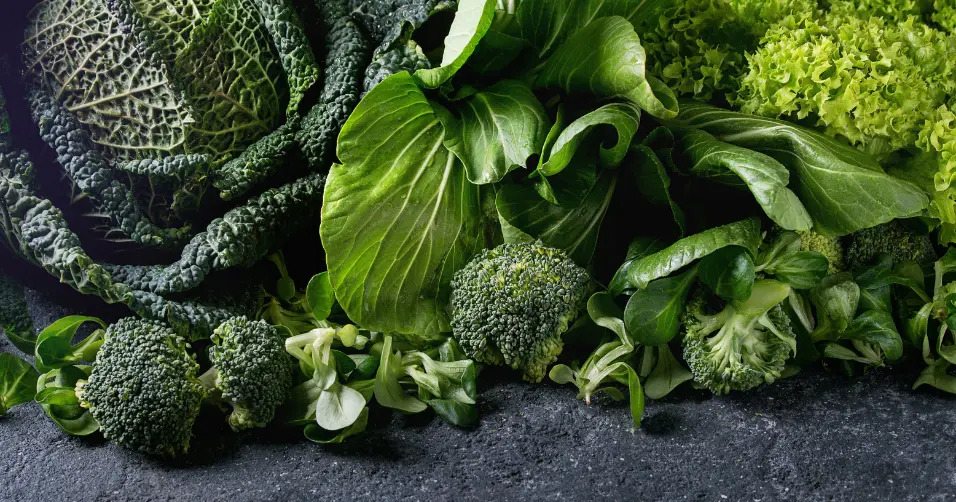
Vitamin K comes in two main forms, K1 and K2, and both are important for different bodily functions.
It's super important for your blood to clot properly, and Vitamin K is the star player in that process.
Beyond blood, Vitamin K also helps keep your bones strong, which can be a big deal as we get older.
You can get Vitamin K from leafy green veggies (that's K1) and also from things like cheese and eggs (that's K2).
While not super common, Vitamin K deficiency can happen, especially in newborns or if you're on certain medications.
This article is educational and not intended to diagnose, treat, or suggest any specific intervention, and should not replace qualified medical advice.









Vitamin K: FACTS
Role | Blood clotting, bone health, artery protection |
Form & Classification | Fat-soluble vitamin; K1 & K2 types |
Typical Dosage & Intake | 90–120 mcg/day |
Cycling | Not required; steady intake preferred |
Sources | Kale, spinach, natto, cheese |
Safety & Interactions | May interact with anticoagulant meds |
Dosage information is general and may vary with product brand, quality or individual needs; verify accuracy on package and consult a qualified practitioner before use.
What Does Vitamin K Do?
Vitamin K supports blood clotting and bone health by activating proteins that bind calcium.
Vitamin K supports normal blood clotting, preventing excessive bleeding after injuries. It also helps keep bones strong by guiding calcium into bones rather than arteries. Without it, bones may weaken and blood clotting may slow dangerously. Vitamin K has roles in heart health by reducing calcium buildup in blood vessels. It exists in two main forms, K1 from plants and K2 from fermented foods.
Vitamin K activates proteins that cause blood to clot, a vital survival function.
K2 helps bone density by directing minerals to bone tissue instead of soft tissue.
It supports healthy arteries by preventing calcium deposits that stiffen vessels.
Research shows it may improve insulin sensitivity, linking it to better metabolism.
What Is Vitamin K?
Vitamin K is a fat-soluble vitamin that helps blood clotting and bone strength.
Vitamin K is a fat-soluble vitamin best known for its role in blood clotting. It also supports bone health by helping proteins bind calcium properly. The vitamin is naturally found in leafy green vegetables, vegetable oils, and fermented foods. While deficiency is rare, it can cause excessive bleeding and weaker bones. Some medications, especially blood thinners, can interfere with vitamin K activity.
Blood clotting: Vitamin K activates proteins that stop bleeding after injury.
Bone strength: It improves calcium use in bones, lowering fracture risk.
Dietary sources: Kale, spinach, and fermented foods are rich in vitamin K.
Drug interaction: Blood-thinning medicines can be affected by vitamin K levels.
Which Vitamin K Type Is Best?
Vitamin K2 (menaquinone) is considered best for bone and heart health, compared to K1 which mainly supports clotting.
The best type of Vitamin K depends on the health goal. Vitamin K1, found in leafy greens, mainly supports blood clotting. Vitamin K2, found in fermented foods, is better for bone and heart health. Among K2 forms, MK-7 lasts longer in the body compared to MK-4. Therefore, for general health, MK-7 is often considered the most effective supplemental type.
Vitamin K1 is effective for supporting proper clotting after injury or surgery.
Vitamin K2 directs calcium into bones and prevents buildup in arteries.
MK-7 has a longer half-life, meaning fewer doses are needed for consistent levels.
MK-4 works quickly but requires more frequent intake to maintain benefits.
How to Add Vitamin K to Your Diet?
Vitamin K is best added through green vegetables like broccoli, kale, and spinach.
To add Vitamin K to your diet, include dark leafy greens like kale, spinach, and broccoli. Fermented foods such as natto are especially rich in Vitamin K2. Cooking vegetables lightly helps release Vitamin K without destroying it. Consuming them with fats like avocado or olive oil improves absorption. Supplements may be considered if diet lacks sufficient intake.
Leafy greens provide Vitamin K1, which supports blood clotting and bone health.
Natto and some cheeses are among the richest sources of Vitamin K2, aiding calcium placement in bones.
Cooking greens with olive oil enhances absorption of this fat-soluble vitamin.
Supplements can help people with restricted diets or absorption problems maintain healthy levels.
What Are Key Ingredients of Vitamin K?
Vitamin K supplements contain either phylloquinone (K1) from plants or menaquinone (K2) from fermented sources.
The key ingredients of Vitamin K supplements are either Vitamin K1 (phylloquinone) or Vitamin K2 (menaquinone). K2 is further available in MK-4 or MK-7 forms, with MK-7 being longer-lasting. Supplements often use an oil base, as Vitamin K is fat-soluble and needs fat for absorption. Stabilizers prevent degradation since Vitamin K can break down with light or heat. Some blends may also include Vitamin D to enhance bone and heart benefits.
Phylloquinone (K1) or menaquinone (K2) provides the primary active vitamin effect.
MK-7 is included in many supplements due to its longer stability in the body.
Oil carriers like olive or sunflower oil help dissolve the fat-soluble vitamin.
Stabilizers and opaque capsules protect Vitamin K from breaking down in storage.
Which Processes Does Vitamin K Affect?
Vitamin K affects blood clotting and bone mineralization processes.
Vitamin K affects blood clotting, bone health, and calcium distribution. It activates proteins that allow blood to clot when injuries occur. In bones, it directs calcium to strengthen the skeleton. In arteries, it prevents calcium from hardening blood vessels. These combined effects support cardiovascular stability and skeletal strength.
It activates clotting factors, ensuring wounds stop bleeding efficiently.
Vitamin K directs osteocalcin, a protein that helps bind calcium into bones.
It prevents calcification in arteries, lowering cardiovascular risks.
Vitamin K influences metabolic processes like insulin sensitivity, linking it to energy use.
What Foods Contain Vitamin K?
Vitamin K occurs naturally in leafy greens like spinach and kale.
Vitamin K is naturally found in leafy green vegetables such as spinach, kale, and collard greens. Broccoli and Brussels sprouts also contain high amounts. Fermented foods, particularly natto, are rich in Vitamin K2. Cheeses and eggs provide smaller amounts of K2. Regular intake of greens and fermented foods ensures adequate vitamin K.
Spinach and kale are leading plant sources of Vitamin K1 for blood clotting.
Broccoli and Brussels sprouts contribute additional amounts when eaten regularly.
Natto, a fermented soybean food, is the richest known source of Vitamin K2.
Certain cheeses and egg yolks provide smaller contributions of Vitamin K2.
Is Vitamin K Vegan?
Vitamin K is vegan-friendly when sourced from plants (K1) or fermented bacteria (K2).
Vitamin K is suitable for vegans, especially Vitamin K1, which is abundant in leafy green vegetables. Vitamin K2 is harder to get from plants but is present in fermented soy foods like natto. Some K2 supplements are derived from animal sources, but vegan options exist. Reading supplement labels helps ensure plant-based origin. A vegan diet with greens and natto can cover Vitamin K needs.
Spinach, kale, and broccoli provide vegan-friendly Vitamin K1.
Natto supplies Vitamin K2 naturally, making it an important vegan source.
Some supplements derive K2 from bacteria, offering vegan alternatives.
Animal-derived K2 exists, so careful selection of supplements is required.
Will Vitamin K Break a Fast?
Vitamin K will not break a fast as it is calorie-free.
Vitamin K itself does not break a fast because it contains no calories. However, most supplements use oil carriers that provide calories. These oils can disrupt strict fasting benefits like autophagy. Whole food sources, such as leafy greens, would naturally end a fast. For fasting routines, Vitamin K is best taken with meals.
Vitamin K in pure form is calorie-free but rarely taken alone.
Oil-based carriers in capsules provide measurable calories, ending fast.
Food sources like spinach and natto always break fasting state.
Meal-based supplementation ensures proper absorption and fasting alignment.
Breaking a fast here is strictly physiological (e.g., insulin effects). When we say a supplement ‘does not break a fast,’ we mean it has negligible calories in normal use and is unlikely to disrupt fasting metabolism. Certain traditions or religious rules may treat any intake as breaking a fast—please follow your tradition and health needs.
How to Pick the Best Vitamin K?
Vitamin K quality depends on whether it is labeled clearly as K1 or K2 and shows tested potency.
To pick high-quality Vitamin K, check for the type—MK-7 is more stable and longer-lasting than MK-4. Look for supplements that use plant or fermentation-based sources for vegan options. Since Vitamin K is fat-soluble, oil-based capsules are preferable for absorption. Verify that the product is stored in opaque bottles to prevent light damage. Independent testing adds assurance of safety and potency.
MK-7 provides longer-lasting effects, reducing the need for frequent doses.
Fermentation-based K2 sources ensure vegan suitability and natural quality.
Oil carriers like olive or sunflower oil improve absorption efficiency.
Dark packaging protects the vitamin from light-induced degradation.
What’s the Optimal Dosage and Timing for Vitamin K?
Vitamin K is usually taken at 90–120 mcg daily with fat-containing foods to improve uptake.
The optimal dosage and timing for Vitamin K is about 90–120 mcg daily for adults. Supplements are best taken with meals containing fat to aid absorption. MK-7 forms allow once-daily use due to their long half-life. For bone and heart support, consistent daily intake is important. Exceeding recommended levels is not advised without medical guidance.
Daily intake guidelines range from 90 mcg for women to 120 mcg for men.
Fat-containing meals enhance absorption of this fat-soluble vitamin.
MK-7 stays longer in the body, allowing for single daily dosing.
Long-term consistent intake is key for clotting and bone support.
Dosage and timing information is generalized and may not be appropriate for all individuals; occasional inaccuracies may occur. Variations in supplement purity, formulation, or quality can also affect dosing relevance. Verify accuracy on package and consult a qualified practitioner before use.
What Are Common Mistakes When Taking Vitamin K?
Vitamin K mistakes include combining high doses with blood-thinning drugs without medical advice.
Common mistakes with Vitamin K include ignoring the difference between K1 and K2, leading to incomplete benefits. Many people take it without fat, lowering absorption. Over-supplementing may interfere with blood-thinning medications. Some rely only on supplements without including greens or fermented foods in their diet. Skipping consistent intake reduces long-term benefits for bones and heart health.
Failing to distinguish K1 for clotting and K2 for bones can limit results.
Taking without fat decreases absorption since it is fat-soluble.
Ignoring medication interactions may increase risk of complications.
Inconsistent intake weakens support for skeletal and cardiovascular systems.
How Fast Does Vitamin K Work?
Vitamin K acts within hours to support blood clotting.
Vitamin K acts quickly for blood clotting, often within hours or days of intake. For bone and artery health, effects require months of steady use. It helps direct calcium gradually, improving density and reducing stiffness. People with deficiency may notice bruising or bleeding issues improve sooner. Long-term intake is needed for structural benefits.
Clotting effects can normalize within a few days of correcting deficiency.
Bone density changes require months of regular intake to appear.
Calcium regulation in arteries develops gradually over long-term use.
Visible effects vary depending on whether a deficiency existed beforehand.
Results may vary between individuals, and no outcome is guaranteed. A tailored supplemntation plan is the best way to ensure the desired outcome.
Does Vitamin K Require a Cooldown?
Vitamin K does not require cooldown and can be taken consistently at safe doses.
Vitamin K does not require cooldowns at normal dietary or supplement levels. It is fat-soluble but not known to build up dangerously in healthy people. Cycling may be considered only if very high supplemental doses are used. Consistent daily intake is recommended for bone and clotting support. Interruptions may reduce long-term benefits for skeletal and cardiovascular health.
Vitamin K is safe for continuous daily use at normal amounts.
High-dose use for extended periods may justify short breaks.
No dependency develops, so cycling is not generally required.
Stopping intake reduces steady calcium regulation benefits.
The need to pause or cycle depends on individual factors such as goals, tolerance, and clinical context. No universal rule applies, and specialist review is recommended before making adjustments.
Does Tolerance Develop for Vitamin K?
Vitamin K does not lead to tolerance buildup.
Vitamin K does not cause tolerance since it acts through enzyme activation. Its benefits remain stable with daily intake. Deficiency signs reappear if supplementation stops, showing ongoing need. Long-term consistent use maintains its effectiveness. No adaptation lowers its clotting or bone-related effects.
Vitamin K maintains clotting support without reduced response over time.
Stopping intake quickly lowers protective effects against bleeding.
Bone and artery benefits remain steady with continuous intake.
No tolerance development has been reported in long-term users.
Information on tolerance is generalized and may not reflect individual differences in metabolism, duration of use, or health status. Reactions can vary, and any adjustment should follow qualified practicioner's recommendations.
Can Vitamin K Be Stacked?
Vitamin K stacks well with vitamin D and calcium to support bone health.
Vitamin K stacks well with Vitamin D, as both regulate calcium placement. Magnesium also complements Vitamin K for bone strength. Pairing with Omega-3s may add cardiovascular protection. There are no harmful interactions with common nutrients. Together, these stacks improve bone and artery health.
Vitamin D and K ensure calcium goes into bones, not arteries.
Magnesium supports bone metabolism alongside Vitamin K activity.
Omega-3s enhance arterial flexibility when combined with Vitamin K.
These combinations are safe and effective for skeletal and heart health.
Many supplements can interact in ways that enhance or alter their effects. However, stacking makes it difficult to monitor the impact of each component and increases the risk of oversupplementation or unintended interactions.
Do Vitamin K Effects Persist?
Vitamin K effects on clotting stop within days if intake is too low.
Vitamin K effects persist only while intake continues. Blood clotting factors drop quickly if deficiency develops. Bone and artery benefits decline gradually without regular intake. Since storage is limited, effects do not last long after stopping. Consistent daily use maintains its protective role.
Clotting proteins weaken within days if Vitamin K levels fall.
Bone health support fades gradually without ongoing intake.
Limited storage means deficiency can develop relatively quickly.
Daily intake ensures continuous cardiovascular and skeletal protection.
Results may vary between individuals, and no outcome is guaranteed. A tailored supplemntation plan is the best way to ensure the desired outcome.
Does Vitamin K Aid Longevity?
Vitamin K may aid longevity through roles in bone health and preventing artery calcification.
Vitamin K aids longevity by regulating calcium placement in bones and arteries. This reduces risks of osteoporosis and heart disease. Its role in blood clotting prevents dangerous bleeding in aging. Research links higher intake with better survival in older populations. Continuous intake supports long-term skeletal and cardiovascular health.
Vitamin K guides calcium into bones, reducing fracture risk in old age.
It prevents arterial calcification, lowering cardiovascular mortality risk.
Clotting support reduces dangers from minor injuries in elderly people.
Studies associate consistent Vitamin K intake with longer survival.
What Are Alternatives to Vitamin K?
Vitamin K alternatives include leafy greens and fermented foods that supply K1 and K2.
Vitamin K alternatives include calcium and Vitamin D for bone health. Magnesium also supports skeletal integrity and complements calcium balance. Antioxidants like Vitamin E protect cardiovascular tissues, indirectly reducing risks of calcification. Leafy greens provide overlapping minerals and plant compounds. These nutrients help substitute some Vitamin K functions when intake is low.
Calcium and Vitamin D together build and maintain strong bones without Vitamin K.
Magnesium regulates calcium placement, overlapping with Vitamin K effects.
Vitamin E protects arteries from oxidative stress that can worsen calcification.
Leafy greens supply phytonutrients supporting skeletal and vascular health.
There are often alternatives that better align with personal risk profiles, preferences, or resources; comparative review with a relevant certified consultant is advised.
What Are Possible Vitamin K Side Effects?
Vitamin K side effects are uncommon but may interfere with blood-thinning medicines.
Vitamin K side effects are rare, but excessive amounts may interfere with blood-thinning medications. Some people may experience stomach upset when supplementing. Allergic reactions are extremely uncommon but possible. High doses without supervision are not recommended. Normal food intake does not cause harm.
Excess supplementation may reduce effectiveness of prescribed anticoagulants.
Digestive irritation like nausea can occur in sensitive users.
Rare allergic reactions may include rash or itching.
Dietary intake from greens is safe and rarely linked to side effects.
Responses differ among individuals. If adverse effects occur, discontinuation and professional evaluation are advised.
Who Should Avoid Vitamin K?
Vitamin K should be avoided by people taking blood-thinning medication unless approved by a doctor.
Vitamin K should be avoided in excess by people taking anticoagulant drugs. Those with clotting disorders should consult doctors before supplementing. People with liver disease may also need careful monitoring. Normal dietary intake is safe for almost everyone. Supplement use should always consider interactions with blood-thinning therapies.
Blood thinner users risk dangerous clotting if Vitamin K intake changes suddenly.
Clotting disorders require careful dosing adjustments with medical oversight.
Liver patients may need supervised intake to avoid imbalances.
Normal greens-based diet remains safe for nearly all healthy people.
Individuals who may be at higher risk—including those with diabetes, eating disorders, pregnancy or breastfeeding, heavy training loads, health conditions, medication use, or prior adverse reactions—should seek tailored guidance before deciding supplementation or making major supplement or lifestyle changes.
Is Vitamin K Available Over-the-Counter?
Vitamin K is available over-the-counter, mainly as K1 or K2 supplements.
Vitamin K is available over-the-counter in most countries as K1 or K2 supplements. It is also present in multivitamin and bone health blends. Some medical-grade high-dose versions may require a prescription. Typical doses are widely sold in pharmacies and online stores. Leafy greens and fermented foods provide natural OTC sources.
Vitamin K1 and K2 are sold OTC in capsules and multivitamin blends.
Bone health formulas often combine K2 with Vitamin D and calcium.
Prescription is needed only for certain high-dose therapeutic uses.
Normal dietary levels are freely available in everyday foods.
For over-the-counter availability we use generic US data. Product availability and status may vary by country and region.
What’s the History of Vitamin K?
Vitamin K was discovered in 1929 in relation to blood clotting.
Vitamin K was discovered in 1929 by a Danish scientist studying blood clotting in chickens. Its name comes from the German word “Koagulation.” By the 1930s, its critical role in blood clotting was confirmed. Later research linked Vitamin K to bone and cardiovascular health. Today, it is valued both as a nutrient and a therapy in clotting-related conditions.
In 1929, Vitamin K was identified as essential for normal blood clotting.
Its name reflects its link to coagulation studies in early research.
By the 1930s, deficiency was shown to cause dangerous bleeding disorders.
Modern research highlights roles in bone and artery calcium regulation.
Harald Ragnarok, Editor in Chief, Myopedia