Supplements

Vitamin E

A Comprehensive Guide to Vitamin E

Vitamin E is a powerful antioxidant that protects cells from damage and supports immune function and skin health.

This article is educational and not intended to diagnose, treat, or suggest any specific intervention, and should not replace qualified medical advice.

Vitamin E is an antioxidant that protects cells and supports skin health.

What Does Vitamin E Do?

Vitamin E is a fat-soluble antioxidant that protects cell membranes from damage caused by free radicals (unstable molecules).

Vitamin E is a strong antioxidant that protects cells from damage caused by free radicals. It supports skin health, making wounds heal faster and slowing signs of aging. Vitamin E also helps immune cells fight infections more effectively. Its role in heart health is studied since it may protect blood vessels from oxidative stress. As a fat-soluble vitamin, it needs dietary fat to be absorbed properly.

  • Vitamin E stabilizes cell membranes, keeping them strong against oxidative damage.

  • It helps widen blood vessels, reducing clot risks and supporting circulation.

  • This vitamin supports skin by reducing UV damage and promoting tissue repair.

  • It protects eye cells from degeneration, similar to other antioxidants like lutein.

Vitamin E is a strong antioxidant that protects cells from damage caused by free radicals. It supports skin health, making wounds heal faster and slowing signs of aging. Vitamin E also helps immune cells fight infections more effectively. Its role in heart health is studied since it may protect blood vessels from oxidative stress. As a fat-soluble vitamin, it needs dietary fat to be absorbed properly.

  • Vitamin E stabilizes cell membranes, keeping them strong against oxidative damage.

  • It helps widen blood vessels, reducing clot risks and supporting circulation.

  • This vitamin supports skin by reducing UV damage and promoting tissue repair.

  • It protects eye cells from degeneration, similar to other antioxidants like lutein.

Vitamin E: FACTS

Role

Antioxidant; protects cells, skin, immunity

Form & Classification

Fat-soluble vitamin; tocopherols, tocotrienols

Typical Dosage & Intake

15 mg/day

Cycling

No cycling needed

Sources

Nuts, seeds, spinach, oils

Safety & Interactions

Excess may increase bleeding risk

Dosage information is general and may vary with product brand, quality or individual needs; verify accuracy on package and consult a qualified practitioner before use.

Dosage information is general and may vary with product brand, quality or individual needs; verify accuracy on package and consult a qualified practitioner before use.

What Is Vitamin E?

Vitamin E is a fat-soluble antioxidant that protects cells from oxidative damage.

Vitamin E is a fat-soluble antioxidant that protects cell membranes from damage by free radicals. It supports immune function and helps maintain healthy skin and eyes. Natural sources include nuts, seeds, and vegetable oils. Deficiency is uncommon but may occur in people with fat absorption problems. Very high doses of vitamin E supplements can increase bleeding risk.

  • Antioxidant role: Vitamin E helps slow cell aging by reducing oxidative stress.

  • Immune support: It boosts the body's defense against infections.

  • Skin health: Vitamin E aids repair and reduces damage from UV exposure.

  • Supplement caution: Overuse can thin blood and cause health complications.

Vitamin E is a fat-soluble antioxidant that protects cell membranes from damage by free radicals. It supports immune function and helps maintain healthy skin and eyes. Natural sources include nuts, seeds, and vegetable oils. Deficiency is uncommon but may occur in people with fat absorption problems. Very high doses of vitamin E supplements can increase bleeding risk.

  • Antioxidant role: Vitamin E helps slow cell aging by reducing oxidative stress.

  • Immune support: It boosts the body's defense against infections.

  • Skin health: Vitamin E aids repair and reduces damage from UV exposure.

  • Supplement caution: Overuse can thin blood and cause health complications.

Which Vitamin E Type Is Best?

Vitamin E in the natural d-alpha-tocopherol form is better absorbed than synthetic versions.

The best type of Vitamin E is natural d-alpha-tocopherol, as it is absorbed better than synthetic forms. Mixed tocopherols, which include beta, gamma, and delta forms, may provide stronger antioxidant coverage. Some supplements also include tocotrienols, a related group that shows unique benefits for heart and brain health. Natural sources from oils and nuts generally provide a balanced mix. Choosing natural, mixed types is usually more beneficial than single synthetic forms.

  • Natural d-alpha-tocopherol matches the form the body prefers and absorbs most easily.

  • Mixed tocopherols offer broader protection by covering multiple antioxidant pathways.

  • Tocotrienols may improve cholesterol balance and protect nerves, adding extra benefits.

  • Synthetic vitamin E (dl-alpha-tocopherol) is less effective in the body compared to natural forms.

The best type of Vitamin E is natural d-alpha-tocopherol, as it is absorbed better than synthetic forms. Mixed tocopherols, which include beta, gamma, and delta forms, may provide stronger antioxidant coverage. Some supplements also include tocotrienols, a related group that shows unique benefits for heart and brain health. Natural sources from oils and nuts generally provide a balanced mix. Choosing natural, mixed types is usually more beneficial than single synthetic forms.

  • Natural d-alpha-tocopherol matches the form the body prefers and absorbs most easily.

  • Mixed tocopherols offer broader protection by covering multiple antioxidant pathways.

  • Tocotrienols may improve cholesterol balance and protect nerves, adding extra benefits.

  • Synthetic vitamin E (dl-alpha-tocopherol) is less effective in the body compared to natural forms.

How to Add Vitamin E to Your Diet?

Vitamin E can be included by eating nuts, seeds, and vegetable oils.

To add Vitamin E to your diet, eat nuts, seeds, and plant oils such as sunflower or olive oil. Green vegetables like spinach also contain modest amounts. Because Vitamin E is fat-soluble, consuming it with healthy fats improves absorption. Whole foods often provide mixed tocopherols, which are more beneficial than single forms. Supplements can be used if diet falls short, but food sources remain best.

  • Almonds, sunflower seeds, and hazelnuts are concentrated sources of vitamin E.

  • Vegetable oils such as sunflower or safflower oil provide large amounts of vitamin E per serving.

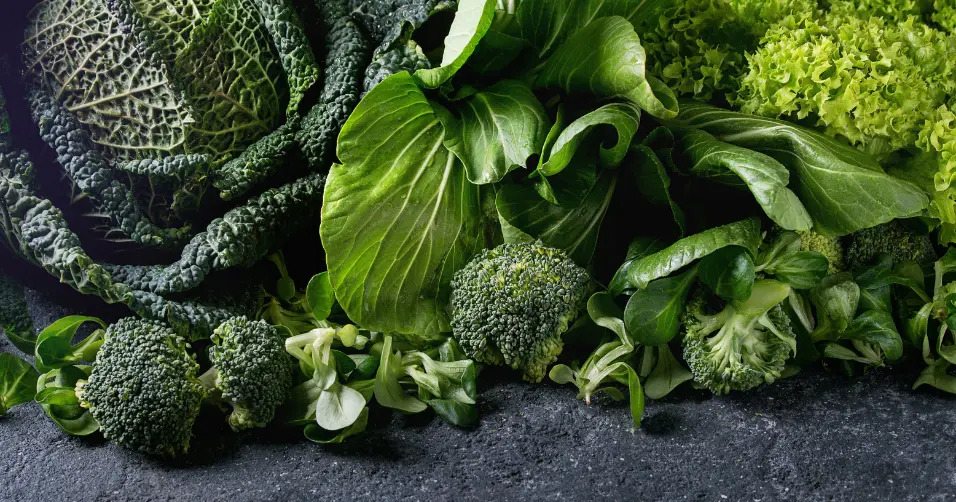
  • Green vegetables like spinach and broccoli add additional vitamin E to meals.

  • Combining these foods with dietary fats improves uptake and antioxidant protection.

To add Vitamin E to your diet, eat nuts, seeds, and plant oils such as sunflower or olive oil. Green vegetables like spinach also contain modest amounts. Because Vitamin E is fat-soluble, consuming it with healthy fats improves absorption. Whole foods often provide mixed tocopherols, which are more beneficial than single forms. Supplements can be used if diet falls short, but food sources remain best.

  • Almonds, sunflower seeds, and hazelnuts are concentrated sources of vitamin E.

  • Vegetable oils such as sunflower or safflower oil provide large amounts of vitamin E per serving.

  • Green vegetables like spinach and broccoli add additional vitamin E to meals.

  • Combining these foods with dietary fats improves uptake and antioxidant protection.

What Are Key Ingredients of Vitamin E?

Vitamin E products contain tocopherols or tocotrienols, which are natural antioxidant compounds.

The key ingredients of Vitamin E supplements are tocopherols, often in the form of d-alpha-tocopherol (natural) or dl-alpha-tocopherol (synthetic). Some products use mixed tocopherols to cover multiple antioxidant pathways. Tocotrienols may be added for extra benefits on heart and brain health. Since Vitamin E is fat-soluble, oil bases improve absorption. Additives like gelatin or cellulose are used to make capsules.

  • Alpha-tocopherol is the most common active ingredient, providing antioxidant effects.

  • Mixed tocopherols add diversity, covering gamma and delta forms as well.

  • Tocotrienols bring additional protective benefits for circulation and nerves.

  • Oil carriers such as soybean or sunflower oil enhance bioavailability.

The key ingredients of Vitamin E supplements are tocopherols, often in the form of d-alpha-tocopherol (natural) or dl-alpha-tocopherol (synthetic). Some products use mixed tocopherols to cover multiple antioxidant pathways. Tocotrienols may be added for extra benefits on heart and brain health. Since Vitamin E is fat-soluble, oil bases improve absorption. Additives like gelatin or cellulose are used to make capsules.

  • Alpha-tocopherol is the most common active ingredient, providing antioxidant effects.

  • Mixed tocopherols add diversity, covering gamma and delta forms as well.

  • Tocotrienols bring additional protective benefits for circulation and nerves.

  • Oil carriers such as soybean or sunflower oil enhance bioavailability.

Which Processes Does Vitamin E Affect?

Vitamin E influences antioxidant defense by protecting cell membranes from damage.

Vitamin E mainly affects antioxidant defense and cell stability. It prevents fats in cell membranes from breaking down due to free radicals. This helps protect skin, eyes, and the immune system. Vitamin E also influences blood vessel function by keeping circulation smooth. It works alongside Vitamin C for stronger antioxidant protection.

  • Vitamin E reduces oxidative damage in membranes, keeping cells intact and functional.

  • It improves circulation by widening blood vessels and lowering clot formation.

  • In the immune system, it enhances defense cell activity against infections.

  • Vitamin E slows eye degeneration by protecting delicate retinal tissue.

Vitamin E mainly affects antioxidant defense and cell stability. It prevents fats in cell membranes from breaking down due to free radicals. This helps protect skin, eyes, and the immune system. Vitamin E also influences blood vessel function by keeping circulation smooth. It works alongside Vitamin C for stronger antioxidant protection.

  • Vitamin E reduces oxidative damage in membranes, keeping cells intact and functional.

  • It improves circulation by widening blood vessels and lowering clot formation.

  • In the immune system, it enhances defense cell activity against infections.

  • Vitamin E slows eye degeneration by protecting delicate retinal tissue.

What Foods Contain Vitamin E?

Vitamin E is naturally found in sunflower seeds, almonds, and avocados.

Vitamin E is found naturally in nuts, seeds, and plant oils. Sunflower seeds, almonds, and hazelnuts are especially rich sources. Vegetable oils like sunflower, safflower, and wheat germ oil contain high concentrations. Leafy greens and avocados also provide smaller amounts. A diet with nuts and plant oils usually supplies adequate Vitamin E.

  • Sunflower seeds and almonds deliver some of the highest Vitamin E levels per serving.

  • Wheat germ oil is one of the richest natural sources of this antioxidant vitamin.

  • Leafy greens like spinach contribute additional Vitamin E in smaller amounts.

  • Avocados supply Vitamin E along with healthy fats for improved absorption.

Vitamin E is found naturally in nuts, seeds, and plant oils. Sunflower seeds, almonds, and hazelnuts are especially rich sources. Vegetable oils like sunflower, safflower, and wheat germ oil contain high concentrations. Leafy greens and avocados also provide smaller amounts. A diet with nuts and plant oils usually supplies adequate Vitamin E.

  • Sunflower seeds and almonds deliver some of the highest Vitamin E levels per serving.

  • Wheat germ oil is one of the richest natural sources of this antioxidant vitamin.

  • Leafy greens like spinach contribute additional Vitamin E in smaller amounts.

  • Avocados supply Vitamin E along with healthy fats for improved absorption.

Is Vitamin E Vegan?

Vitamin E is suitable for vegans as it is mostly derived from plant oils.

Vitamin E is suitable for vegans, as it naturally comes from plant oils, nuts, and seeds. Most supplements are plant-based and use oils like sunflower or safflower. Occasionally, capsules may use animal gelatin, which is not vegan. Choosing vegan-labeled softgels or powder forms avoids this issue. A plant-rich diet usually provides adequate Vitamin E without supplementation.

  • Sunflower seeds, almonds, and hazelnuts provide natural vegan sources of Vitamin E.

  • Plant oils such as sunflower and safflower oil are rich in Vitamin E.

  • Some supplement capsules use gelatin, which vegans should avoid.

  • Powder or vegan-certified softgels are suitable alternatives.

Vitamin E is suitable for vegans, as it naturally comes from plant oils, nuts, and seeds. Most supplements are plant-based and use oils like sunflower or safflower. Occasionally, capsules may use animal gelatin, which is not vegan. Choosing vegan-labeled softgels or powder forms avoids this issue. A plant-rich diet usually provides adequate Vitamin E without supplementation.

  • Sunflower seeds, almonds, and hazelnuts provide natural vegan sources of Vitamin E.

  • Plant oils such as sunflower and safflower oil are rich in Vitamin E.

  • Some supplement capsules use gelatin, which vegans should avoid.

  • Powder or vegan-certified softgels are suitable alternatives.

Will Vitamin E Break a Fast?

Vitamin E does not break a fast, but fat-soluble forms absorb better with food.

Vitamin E alone will not break a fast, but supplements usually contain oils for absorption. These oils add calories, breaking a strict fast. Natural food sources like nuts and seeds also break a fast. Water-based Vitamin E supplements are rare but may exist. Most people take Vitamin E with meals to maximize absorption.

  • Vitamin E is fat-soluble, so oil-based carriers with calories are almost always included.

  • Even small oil doses technically break fasting processes like autophagy.

  • Nuts and oils as food sources always provide calories, ending a fast.

  • Meal-time dosing ensures maximum benefit and avoids fasting concerns.

Vitamin E alone will not break a fast, but supplements usually contain oils for absorption. These oils add calories, breaking a strict fast. Natural food sources like nuts and seeds also break a fast. Water-based Vitamin E supplements are rare but may exist. Most people take Vitamin E with meals to maximize absorption.

  • Vitamin E is fat-soluble, so oil-based carriers with calories are almost always included.

  • Even small oil doses technically break fasting processes like autophagy.

  • Nuts and oils as food sources always provide calories, ending a fast.

  • Meal-time dosing ensures maximum benefit and avoids fasting concerns.

Breaking a fast here is strictly physiological (e.g., insulin effects). When we say a supplement ‘does not break a fast,’ we mean it has negligible calories in normal use and is unlikely to disrupt fasting metabolism. Certain traditions or religious rules may treat any intake as breaking a fast—please follow your tradition and health needs.

Breaking a fast here is strictly physiological (e.g., insulin effects). When we say a supplement ‘does not break a fast,’ we mean it has negligible calories in normal use and is unlikely to disrupt fasting metabolism. Certain traditions or religious rules may treat any intake as breaking a fast—please follow your tradition and health needs.

How to Pick the Best Vitamin E?

Vitamin E quality is better when derived from natural sources and labeled as d-alpha-tocopherol.

When buying Vitamin E, choose natural d-alpha-tocopherol instead of synthetic dl-alpha-tocopherol. Mixed tocopherol or tocotrienol blends provide broader antioxidant coverage. Look for products stored in oil-based softgels with minimal additives. Independent certification ensures that the potency matches the label. Proper packaging should keep the supplement stable against oxidation.

  • Natural d-alpha-tocopherol matches the form preferred by the body.

  • Mixed tocopherols and tocotrienols provide comprehensive antioxidant protection.

  • Oil-based capsules help dissolve and absorb this fat-soluble vitamin.

  • Third-party lab checks verify potency and confirm label accuracy.

When buying Vitamin E, choose natural d-alpha-tocopherol instead of synthetic dl-alpha-tocopherol. Mixed tocopherol or tocotrienol blends provide broader antioxidant coverage. Look for products stored in oil-based softgels with minimal additives. Independent certification ensures that the potency matches the label. Proper packaging should keep the supplement stable against oxidation.

  • Natural d-alpha-tocopherol matches the form preferred by the body.

  • Mixed tocopherols and tocotrienols provide comprehensive antioxidant protection.

  • Oil-based capsules help dissolve and absorb this fat-soluble vitamin.

  • Third-party lab checks verify potency and confirm label accuracy.

What’s the Optimal Dosage and Timing for Vitamin E?

Vitamin E is typically taken at 100–200 IU daily with food that contains fat.

The optimal dosage and timing for Vitamin E is 15 mg (22 IU) daily for adults. Supplements should be taken with food containing fat for best absorption. Dividing doses is unnecessary since Vitamin E is fat-soluble and stored in tissues. High doses above 400 IU per day may increase health risks, so conservative intake is safest. Food sources remain the best long-term option for maintaining levels.

  • Standard daily needs are around 15 mg, which can often be met by diet.

  • Taking supplements with fatty meals improves absorption significantly.

  • Excessive intake above safe limits may interfere with blood clotting.

  • Vitamin E accumulates in fat tissues, so consistent moderate use is sufficient.

The optimal dosage and timing for Vitamin E is 15 mg (22 IU) daily for adults. Supplements should be taken with food containing fat for best absorption. Dividing doses is unnecessary since Vitamin E is fat-soluble and stored in tissues. High doses above 400 IU per day may increase health risks, so conservative intake is safest. Food sources remain the best long-term option for maintaining levels.

  • Standard daily needs are around 15 mg, which can often be met by diet.

  • Taking supplements with fatty meals improves absorption significantly.

  • Excessive intake above safe limits may interfere with blood clotting.

  • Vitamin E accumulates in fat tissues, so consistent moderate use is sufficient.

Dosage and timing information is generalized and may not be appropriate for all individuals; occasional inaccuracies may occur. Variations in supplement purity, formulation, or quality can also affect dosing relevance. Verify accuracy on package and consult a qualified practitioner before use.

Dosage and timing information is generalized and may not be appropriate for all individuals; occasional inaccuracies may occur. Variations in supplement purity, formulation, or quality can also affect dosing relevance. Verify accuracy on package and consult a qualified practitioner before use.

What Are Common Mistakes When Taking Vitamin E?

Vitamin E mistakes include taking very high doses, which may increase bleeding risk.

Common mistakes with Vitamin E include choosing synthetic instead of natural forms, which absorb less effectively. Many people take high doses that may increase bleeding risk. Using supplements without fat-containing meals lowers absorption. Relying only on pills without including nuts, seeds, and oils in the diet reduces overall antioxidant intake. Storing supplements poorly may also degrade potency.

  • Choosing dl-alpha-tocopherol instead of natural d-alpha-tocopherol reduces efficiency.

  • Excessive intake above safe limits raises bleeding risk by thinning blood.

  • Taking without dietary fat lowers absorption of this fat-soluble vitamin.

  • Poor storage, such as exposure to light or heat, reduces supplement quality.

Common mistakes with Vitamin E include choosing synthetic instead of natural forms, which absorb less effectively. Many people take high doses that may increase bleeding risk. Using supplements without fat-containing meals lowers absorption. Relying only on pills without including nuts, seeds, and oils in the diet reduces overall antioxidant intake. Storing supplements poorly may also degrade potency.

  • Choosing dl-alpha-tocopherol instead of natural d-alpha-tocopherol reduces efficiency.

  • Excessive intake above safe limits raises bleeding risk by thinning blood.

  • Taking without dietary fat lowers absorption of this fat-soluble vitamin.

  • Poor storage, such as exposure to light or heat, reduces supplement quality.

How Fast Does Vitamin E Work?

Vitamin E works over weeks to protect cells from oxidative stress.

Vitamin E usually takes weeks to show antioxidant and skin benefits. Improvements in dryness or wound healing may appear sooner. Eye and heart protection require long-term intake over months or years. Deficiency correction is faster, but added benefits build slowly. Consistency is important for sustained results.

  • Skin moisture and healing may improve within 2–4 weeks of use.

  • Antioxidant effects strengthen gradually with steady intake.

  • Protection for eyes and circulation requires months of supplementation.

  • Results differ between deficiency correction and preventive use.

Vitamin E usually takes weeks to show antioxidant and skin benefits. Improvements in dryness or wound healing may appear sooner. Eye and heart protection require long-term intake over months or years. Deficiency correction is faster, but added benefits build slowly. Consistency is important for sustained results.

  • Skin moisture and healing may improve within 2–4 weeks of use.

  • Antioxidant effects strengthen gradually with steady intake.

  • Protection for eyes and circulation requires months of supplementation.

  • Results differ between deficiency correction and preventive use.

Results may vary between individuals, and no outcome is guaranteed. A tailored supplemntation plan is the best way to ensure the desired outcome.

Results may vary between individuals, and no outcome is guaranteed. A tailored supplemntation plan is the best way to ensure the desired outcome.

Does Vitamin E Require a Cooldown?

Vitamin E may need breaks if taken in high doses, due to bleeding risk.

Vitamin E may require cooldowns if taken in high doses above 400 IU daily, as excess can affect clotting. Normal amounts from food or supplements are safe long-term. Cycling may be used if large doses are taken for therapeutic purposes. Continuous moderate intake supports antioxidant defense safely. Monitoring intake prevents overuse complications.

  • Moderate dietary amounts are safe for consistent long-term use.

  • Excessive supplementation may need breaks to avoid bleeding risks.

  • Cycling helps limit potential buildup from prolonged high doses.

  • Food sources rarely require any form of cycling or cooldown.

Vitamin E may require cooldowns if taken in high doses above 400 IU daily, as excess can affect clotting. Normal amounts from food or supplements are safe long-term. Cycling may be used if large doses are taken for therapeutic purposes. Continuous moderate intake supports antioxidant defense safely. Monitoring intake prevents overuse complications.

  • Moderate dietary amounts are safe for consistent long-term use.

  • Excessive supplementation may need breaks to avoid bleeding risks.

  • Cycling helps limit potential buildup from prolonged high doses.

  • Food sources rarely require any form of cycling or cooldown.

The need to pause or cycle depends on individual factors such as goals, tolerance, and clinical context. No universal rule applies, and specialist review is recommended before making adjustments.

The need to pause or cycle depends on individual factors such as goals, tolerance, and clinical context. No universal rule applies, and specialist review is recommended before making adjustments.

Does Tolerance Develop for Vitamin E?

Vitamin E does not show tolerance but excess can cause health risks.

Vitamin E does not cause tolerance when taken at safe levels. Its antioxidant action continues as long as intake is steady. Excessive doses may cause side effects but not reduced effectiveness. Continuous intake from diet or supplements maintains benefits. Stopping use reduces antioxidant protection quickly.

  • Antioxidant activity does not weaken with regular moderate intake.

  • Over-supplementation risks harm but not tolerance.

  • Dietary sources like nuts and oils provide steady effects without adaptation.

  • Missing intake lowers cell protection, showing no tolerance buildup.

Vitamin E does not cause tolerance when taken at safe levels. Its antioxidant action continues as long as intake is steady. Excessive doses may cause side effects but not reduced effectiveness. Continuous intake from diet or supplements maintains benefits. Stopping use reduces antioxidant protection quickly.

  • Antioxidant activity does not weaken with regular moderate intake.

  • Over-supplementation risks harm but not tolerance.

  • Dietary sources like nuts and oils provide steady effects without adaptation.

  • Missing intake lowers cell protection, showing no tolerance buildup.

Information on tolerance is generalized and may not reflect individual differences in metabolism, duration of use, or health status. Reactions can vary, and any adjustment should follow qualified practicioner's recommendations.

Information on tolerance is generalized and may not reflect individual differences in metabolism, duration of use, or health status. Reactions can vary, and any adjustment should follow qualified practicioner's recommendations.

Can Vitamin E Be Stacked?

Vitamin E can be stacked with vitamin C, as they work together as antioxidants.

Vitamin E stacks well with Vitamin C, which helps recycle it for longer antioxidant activity. Selenium also complements Vitamin E in defending cells. Omega-3 fatty acids pair with Vitamin E for circulation and brain protection. Care must be taken with high-dose stacking to avoid bleeding risks. Balanced use ensures safety and effectiveness.

  • Vitamin C regenerates Vitamin E, boosting its antioxidant lifespan.

  • Selenium enhances cellular protection when stacked with Vitamin E.

  • Omega-3s and Vitamin E protect cardiovascular and neurological tissues together.

  • High-dose combinations require caution due to clotting concerns.

Vitamin E stacks well with Vitamin C, which helps recycle it for longer antioxidant activity. Selenium also complements Vitamin E in defending cells. Omega-3 fatty acids pair with Vitamin E for circulation and brain protection. Care must be taken with high-dose stacking to avoid bleeding risks. Balanced use ensures safety and effectiveness.

  • Vitamin C regenerates Vitamin E, boosting its antioxidant lifespan.

  • Selenium enhances cellular protection when stacked with Vitamin E.

  • Omega-3s and Vitamin E protect cardiovascular and neurological tissues together.

  • High-dose combinations require caution due to clotting concerns.

Many supplements can interact in ways that enhance or alter their effects. However, stacking makes it difficult to monitor the impact of each component and increases the risk of oversupplementation or unintended interactions.

Many supplements can interact in ways that enhance or alter their effects. However, stacking makes it difficult to monitor the impact of each component and increases the risk of oversupplementation or unintended interactions.

Do Vitamin E Effects Persist?

Vitamin E protection declines gradually if intake stops.

Vitamin E effects persist for weeks due to storage in fat tissues. Antioxidant protection gradually decreases if intake stops. Benefits for skin and circulation fade over time. Long-term absence increases risk of oxidative stress. Continuous intake maintains steady protection.

  • Stored Vitamin E keeps working for weeks after supplementation ends.

  • Antioxidant activity slowly declines without new intake.

  • Skin and immune benefits weaken gradually in deficiency.

  • Dietary intake from oils and nuts maintains ongoing effects.

Vitamin E effects persist for weeks due to storage in fat tissues. Antioxidant protection gradually decreases if intake stops. Benefits for skin and circulation fade over time. Long-term absence increases risk of oxidative stress. Continuous intake maintains steady protection.

  • Stored Vitamin E keeps working for weeks after supplementation ends.

  • Antioxidant activity slowly declines without new intake.

  • Skin and immune benefits weaken gradually in deficiency.

  • Dietary intake from oils and nuts maintains ongoing effects.

Results may vary between individuals, and no outcome is guaranteed. A tailored supplemntation plan is the best way to ensure the desired outcome.

Results may vary between individuals, and no outcome is guaranteed. A tailored supplemntation plan is the best way to ensure the desired outcome.

Does Vitamin E Aid Longevity?

Vitamin E may support longevity by protecting cells from free radical damage.

Vitamin E supports longevity through its antioxidant protection. It reduces damage to fats in cell membranes, slowing aging processes. Some studies suggest lower risks of chronic disease with adequate Vitamin E. However, very high doses may harm rather than help. Balanced intake from foods like nuts and oils best supports healthy aging.

  • Vitamin E neutralizes free radicals, reducing age-related cellular stress.

  • It helps preserve skin, eye, and immune health into later years.

  • Adequate but not excessive intake supports cardiovascular protection.

  • Over-supplementation increases risks, reducing longevity benefits.

Vitamin E supports longevity through its antioxidant protection. It reduces damage to fats in cell membranes, slowing aging processes. Some studies suggest lower risks of chronic disease with adequate Vitamin E. However, very high doses may harm rather than help. Balanced intake from foods like nuts and oils best supports healthy aging.

  • Vitamin E neutralizes free radicals, reducing age-related cellular stress.

  • It helps preserve skin, eye, and immune health into later years.

  • Adequate but not excessive intake supports cardiovascular protection.

  • Over-supplementation increases risks, reducing longevity benefits.

What Are Alternatives to Vitamin E?

Vitamin E alternatives include nuts, seeds, and vegetable oils.

Vitamin E alternatives include Vitamin C, which regenerates antioxidants and protects cells. Selenium acts as a strong antioxidant mineral in enzyme systems. Coenzyme Q10 supports cardiovascular and mitochondrial health similarly. Polyphenols from foods like green tea and berries also protect cells. These options can help compensate for low Vitamin E intake.

  • Vitamin C regenerates antioxidants and pairs well with E but can partly substitute it.

  • Selenium is part of antioxidant enzymes, helping defend cell membranes.

  • Coenzyme Q10 supports cardiovascular health much like Vitamin E.

  • Polyphenols from plants reduce oxidative damage across tissues.

Vitamin E alternatives include Vitamin C, which regenerates antioxidants and protects cells. Selenium acts as a strong antioxidant mineral in enzyme systems. Coenzyme Q10 supports cardiovascular and mitochondrial health similarly. Polyphenols from foods like green tea and berries also protect cells. These options can help compensate for low Vitamin E intake.

  • Vitamin C regenerates antioxidants and pairs well with E but can partly substitute it.

  • Selenium is part of antioxidant enzymes, helping defend cell membranes.

  • Coenzyme Q10 supports cardiovascular health much like Vitamin E.

  • Polyphenols from plants reduce oxidative damage across tissues.

There are often alternatives that better align with personal risk profiles, preferences, or resources; comparative review with a relevant certified consultant is advised.

There are often alternatives that better align with personal risk profiles, preferences, or resources; comparative review with a relevant certified consultant is advised.

What Are Possible Vitamin E Side Effects?

Vitamin E side effects at high doses include increased bleeding risk.

Vitamin E side effects appear mainly at high supplemental doses. These may increase bleeding risks by thinning blood. Some people experience nausea, diarrhea, or weakness. Long-term excess can also raise risks of certain health problems. Moderate intake from food is very safe.

  • High doses above 400 IU daily may raise risk of bleeding disorders.

  • Digestive discomfort like nausea and diarrhea may occur.

  • Weakness or fatigue may appear with overuse.

  • Food-based Vitamin E rarely causes side effects.

Vitamin E side effects appear mainly at high supplemental doses. These may increase bleeding risks by thinning blood. Some people experience nausea, diarrhea, or weakness. Long-term excess can also raise risks of certain health problems. Moderate intake from food is very safe.

  • High doses above 400 IU daily may raise risk of bleeding disorders.

  • Digestive discomfort like nausea and diarrhea may occur.

  • Weakness or fatigue may appear with overuse.

  • Food-based Vitamin E rarely causes side effects.

Responses differ among individuals. If adverse effects occur, discontinuation and professional evaluation are advised.

Responses differ among individuals. If adverse effects occur, discontinuation and professional evaluation are advised.

Who Should Avoid Vitamin E?

Vitamin E should be avoided in high doses by people with bleeding disorders.

Vitamin E should be avoided in high doses by people with bleeding disorders. Those on anticoagulant medications may have increased bleeding risk. Individuals with Vitamin K deficiency should be cautious, as E worsens clotting problems. High doses are not advised for people with heart disease risk. Food sources are safe, but concentrated supplements require caution.

  • Bleeding disorders may be aggravated by excess Vitamin E intake.

  • Blood thinner users risk enhanced bleeding from high-dose Vitamin E.

  • Vitamin K deficiency makes clotting issues worse when Vitamin E is taken in excess.

  • Food-based intake remains safe for most healthy people.

Vitamin E should be avoided in high doses by people with bleeding disorders. Those on anticoagulant medications may have increased bleeding risk. Individuals with Vitamin K deficiency should be cautious, as E worsens clotting problems. High doses are not advised for people with heart disease risk. Food sources are safe, but concentrated supplements require caution.

  • Bleeding disorders may be aggravated by excess Vitamin E intake.

  • Blood thinner users risk enhanced bleeding from high-dose Vitamin E.

  • Vitamin K deficiency makes clotting issues worse when Vitamin E is taken in excess.

  • Food-based intake remains safe for most healthy people.

Individuals who may be at higher risk—including those with diabetes, eating disorders, pregnancy or breastfeeding, heavy training loads, health conditions, medication use, or prior adverse reactions—should seek tailored guidance before deciding supplementation or making major supplement or lifestyle changes.

Individuals who may be at higher risk—including those with diabetes, eating disorders, pregnancy or breastfeeding, heavy training loads, health conditions, medication use, or prior adverse reactions—should seek tailored guidance before deciding supplementation or making major supplement or lifestyle changes.

Is Vitamin E Available Over-the-Counter?

Vitamin E is sold over-the-counter in natural and synthetic forms.

Vitamin E is sold over-the-counter as capsules, oils, or part of multivitamins. Both natural and synthetic forms are accessible without prescription. It is also found in topical products like creams and oils. High-dose medical use is sometimes restricted, but dietary supplements are not. Everyday intake comes from nuts and oils available in foods.

  • Vitamin E capsules and oils are OTC for general wellness use.

  • Topical creams with Vitamin E are widely available in cosmetic sections.

  • Multivitamins commonly include Vitamin E at safe levels OTC.

  • Prescription may apply only for therapeutic high-dose situations.

Vitamin E is sold over-the-counter as capsules, oils, or part of multivitamins. Both natural and synthetic forms are accessible without prescription. It is also found in topical products like creams and oils. High-dose medical use is sometimes restricted, but dietary supplements are not. Everyday intake comes from nuts and oils available in foods.

  • Vitamin E capsules and oils are OTC for general wellness use.

  • Topical creams with Vitamin E are widely available in cosmetic sections.

  • Multivitamins commonly include Vitamin E at safe levels OTC.

  • Prescription may apply only for therapeutic high-dose situations.

For over-the-counter availability we use generic US data. Product availability and status may vary by country and region.

For over-the-counter availability we use generic US data. Product availability and status may vary by country and region.

What’s the History of Vitamin E?

Vitamin E was discovered in 1922 as a fertility factor in rats.

Vitamin E was discovered in 1922 during fertility studies in rats. It was found essential for reproduction, leading to its name “tocopherol,” meaning “to bear offspring.” By the 1930s, its antioxidant properties were explored. Later decades linked it to cardiovascular and skin health. Today, it is widely studied for protective effects across body systems.

  • Discovered in 1922, Vitamin E was first tied to fertility and reproduction.

  • Its name “tocopherol” reflects its role in supporting offspring survival.

  • Antioxidant properties were confirmed in mid-20th century studies.

  • It is now used in both dietary supplements and skincare products.

Vitamin E was discovered in 1922 during fertility studies in rats. It was found essential for reproduction, leading to its name “tocopherol,” meaning “to bear offspring.” By the 1930s, its antioxidant properties were explored. Later decades linked it to cardiovascular and skin health. Today, it is widely studied for protective effects across body systems.

  • Discovered in 1922, Vitamin E was first tied to fertility and reproduction.

  • Its name “tocopherol” reflects its role in supporting offspring survival.

  • Antioxidant properties were confirmed in mid-20th century studies.

  • It is now used in both dietary supplements and skincare products.

How Does Vitamin E Relate to Micronutrients?

Vitamin E relates to micronutrients as a fat-soluble antioxidant protecting cell membranes.

Vitamin E relates to micronutrients because it is a fat-soluble vitamin needed in modest quantities. It helps protect cell membranes from everyday wear. The body stores some of it in fatty tissues. Its functions rely on small but steady intake. This aligns with micronutrient characteristics.

  • Fat-soluble nature means slow turnover. The body keeps a reserve.

  • Cell protection role supports overall stability. It shields fats in cell walls.

  • Modest requirements define it as a micronutrient. Only limited daily amounts are needed.


Vitamin E relates to micronutrients because it is a fat-soluble vitamin needed in modest quantities. It helps protect cell membranes from everyday wear. The body stores some of it in fatty tissues. Its functions rely on small but steady intake. This aligns with micronutrient characteristics.

  • Fat-soluble nature means slow turnover. The body keeps a reserve.

  • Cell protection role supports overall stability. It shields fats in cell walls.

  • Modest requirements define it as a micronutrient. Only limited daily amounts are needed.


How Does Vitamin E Differ from Riboflavin?

Vitamin E differs from riboflavin as it’s fat-soluble and antioxidant, while riboflavin supports energy metabolism.

Vitamin E differs from riboflavin through its antioxidant role rather than energy metabolism. Vitamin E interacts with cell membranes and helps protect them from oxidative stress. Riboflavin supports enzyme activity linked to energy production. Their food sources also differ. Each supplement addresses separate nutritional concerns.

  • Function contrast pits antioxidant activity against metabolic activity. This shapes their effects.

  • Cell membrane support comes from vitamin E. Riboflavin supports enzyme function.

  • Nutrient category differs since vitamin E is a fat-soluble vitamin. Riboflavin is water-soluble.

  • Dietary roles separate preventive functions from metabolic functions. Each fills different gaps.

Vitamin E differs from riboflavin through its antioxidant role rather than energy metabolism. Vitamin E interacts with cell membranes and helps protect them from oxidative stress. Riboflavin supports enzyme activity linked to energy production. Their food sources also differ. Each supplement addresses separate nutritional concerns.

  • Function contrast pits antioxidant activity against metabolic activity. This shapes their effects.

  • Cell membrane support comes from vitamin E. Riboflavin supports enzyme function.

  • Nutrient category differs since vitamin E is a fat-soluble vitamin. Riboflavin is water-soluble.

  • Dietary roles separate preventive functions from metabolic functions. Each fills different gaps.

How Does Vitamin E Differ from Vitamin D?

Vitamin E differs from Vitamin D as it protects membranes, while Vitamin D regulates calcium and bone metabolism.

Vitamin E differs from vitamin D through function and chemical form. Vitamin E works mainly as a fat-soluble antioxidant that protects cell membranes. Vitamin D acts like a hormone that regulates calcium and immune pathways. Their dietary sources vary widely. Their roles do not overlap.

  • Antioxidant role belongs to vitamin E only.

  • Hormone-like signaling defines vitamin D.

  • Calcium control ties to vitamin D exclusively.

  • Membrane protection ties to vitamin E.

  • Food and sunlight differences separate their sources.

Vitamin E differs from vitamin D through function and chemical form. Vitamin E works mainly as a fat-soluble antioxidant that protects cell membranes. Vitamin D acts like a hormone that regulates calcium and immune pathways. Their dietary sources vary widely. Their roles do not overlap.

  • Antioxidant role belongs to vitamin E only.

  • Hormone-like signaling defines vitamin D.

  • Calcium control ties to vitamin D exclusively.

  • Membrane protection ties to vitamin E.

  • Food and sunlight differences separate their sources.

How Does Vitamin E Differ from Vitamin K?

Vitamin E differs from Vitamin K as E acts as antioxidant, while K activates clotting proteins.

Vitamin E differs from vitamin K by targeting antioxidant protection rather than clotting. Vitamin K activates proteins that guide clotting and bone processes. Vitamin E stabilizes membranes in fat-rich tissues. Their structures and roles diverge clearly. Both remain fat-soluble but act in separate pathways.

  • Clotting activity belongs to vitamin K only.

  • Membrane protection belongs to vitamin E.

  • Bone support links to vitamin K.

  • Antioxidant function links to vitamin E.

  • Shared solubility does not equal shared roles.

Vitamin E differs from vitamin K by targeting antioxidant protection rather than clotting. Vitamin K activates proteins that guide clotting and bone processes. Vitamin E stabilizes membranes in fat-rich tissues. Their structures and roles diverge clearly. Both remain fat-soluble but act in separate pathways.

  • Clotting activity belongs to vitamin K only.

  • Membrane protection belongs to vitamin E.

  • Bone support links to vitamin K.

  • Antioxidant function links to vitamin E.

  • Shared solubility does not equal shared roles.

Does Vitamin E Fit into Vitamins?

Vitamin E fits into vitamins as a fat-soluble compound protecting lipids from oxidation.

Vitamin E fits into vitamins because it is an essential fat-soluble nutrient. It protects cell membranes from oxidative stress. The body cannot make enough on its own. It belongs to the broader vitamin group due to its essential roles. Food sources maintain adequate levels.

  • Essential status defines it as a vitamin.

  • Membrane protection is its primary role.

  • Fat-soluble nature shapes absorption.

  • Diet dependence confirms vitamin category.

  • Small required amounts match micronutrient rules.

Vitamin E fits into vitamins because it is an essential fat-soluble nutrient. It protects cell membranes from oxidative stress. The body cannot make enough on its own. It belongs to the broader vitamin group due to its essential roles. Food sources maintain adequate levels.

  • Essential status defines it as a vitamin.

  • Membrane protection is its primary role.

  • Fat-soluble nature shapes absorption.

  • Diet dependence confirms vitamin category.

  • Small required amounts match micronutrient rules.

Medical Disclaimer: All content on this website is intended solely for informational and educational purposes and should not be interpreted as a substitute for professional medical advice, diagnosis, or treatment, nor as encouragement or promotion for or against any particular use, product, or activity. Results may vary and are not guaranteed. No doctor–patient relationship is created by your use of this content. Always consult a qualified healthcare provider, nutritionist, or other relevant expert before starting or changing any supplement, diet, exercise, or lifestyle program. This website can contain errors. Check important information. Read our full Disclaimer.

StatusTerms of ServicePrivacy PolicyDisclaimerAbout Myopedia.

©2025 Myopedia™. All rights reserved.

Medical Disclaimer: All content on this website is intended solely for informational and educational purposes and should not be interpreted as a substitute for professional medical advice, diagnosis, or treatment, nor as encouragement or promotion for or against any particular use, product, or activity. Results may vary and are not guaranteed. No doctor–patient relationship is created by your use of this content. Always consult a qualified healthcare provider, nutritionist, or other relevant expert before starting or changing any supplement, diet, exercise, or lifestyle program. This website can contain errors. Check important information. Read our full Disclaimer.

StatusTerms of ServicePrivacy PolicyDisclaimerAbout Myopedia.

©2025 Myopedia™. All rights reserved.

Medical Disclaimer: All content on this website is intended solely for informational and educational purposes and should not be interpreted as a substitute for professional medical advice, diagnosis, or treatment, nor as encouragement or promotion for or against any particular use, product, or activity. Results may vary and are not guaranteed. No doctor–patient relationship is created by your use of this content. Always consult a qualified healthcare provider, nutritionist, or other relevant expert before starting or changing any supplement, diet, exercise, or lifestyle program. This website can contain errors. Check important information. Read our full Disclaimer.

StatusTerms of ServicePrivacy PolicyDisclaimerAbout Myopedia.

©2025 Myopedia™. All rights reserved.