Weed and Muscle Growth
The Effects of Cannabis on Strength and Performance
So, you're hitting the gym, trying to pack on some serious muscle, and you're wondering about weed.

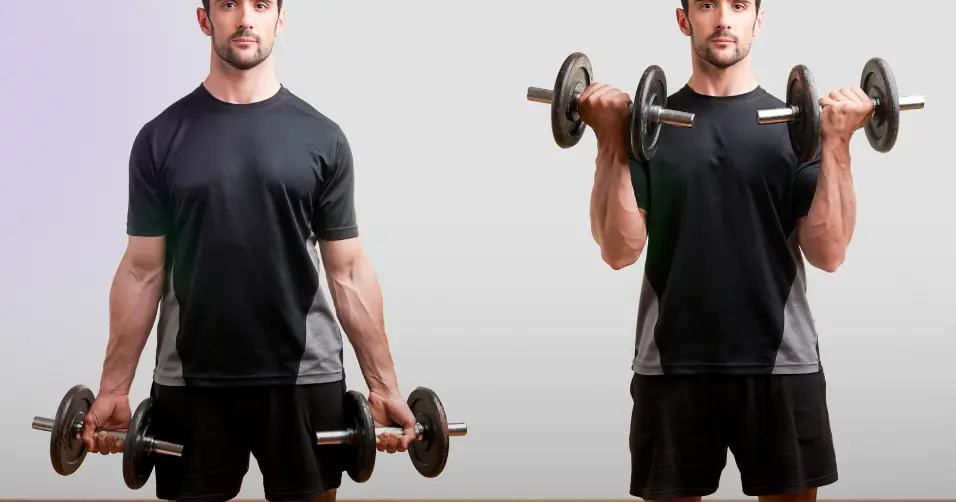


So, you're hitting the gym, trying to pack on some serious muscle, and you're wondering about weed.
Does it help? Does it hurt? It's a question a lot of people have. We all know someone who swears by it, and others who say it's a total no-go. Let's break down what the deal is with Weed and Muscle Growth, looking at how it might affect your workouts, your recovery, and your overall gains. It's not as simple as just lighting up and expecting miracles, but there might be some interesting angles to consider.
Understanding Weed and Muscle Growth
Cannabis's Unlikely Direct Impact on Muscle Mass
So, does lighting up actually help you build bigger muscles? The short answer is probably not directly. There isn't much solid science showing that cannabis itself makes your muscles grow larger. Think of it this way: cannabis isn't a magic potion that instantly adds size to your biceps. Building muscle is a complex process involving training, nutrition, and rest. While cannabis might play a supporting role in some of these areas, it's not the main driver of muscle hypertrophy. The plant's effects are more indirect, influencing factors that can contribute to muscle growth, rather than causing it outright.
The Role of Cannabinoids in the Body
Cannabis contains a bunch of compounds called cannabinoids, with THC and CBD being the most talked about. These guys interact with your body's own endocannabinoid system (ECS). This system is like a master regulator, helping to keep things like your mood, appetite, pain signals, and even hormone levels in balance. When you consume cannabis, these cannabinoids can influence how your ECS functions. For example, THC is known for its psychoactive effects, but it also seems to tickle the parts of your brain that control hunger. CBD, on the other hand, is often linked to feelings of calm and may help with inflammation. Understanding these interactions is key to figuring out how cannabis might fit into a fitness routine.
Here's a quick look at how some cannabinoids might affect your body:
THC: Known for its psychoactive effects, it can also stimulate appetite and potentially influence mood and pain perception.
CBD: Generally non-psychoactive, it's often associated with reducing inflammation, easing pain, and promoting relaxation.
Other Cannabinoids: The plant has over 100 others, and researchers are still exploring their unique effects on the body.
Potential Benefits for Weightlifters
While cannabis might not be a direct muscle builder, some weightlifters find it helpful in other ways. For starters, it can help manage that post-workout soreness that sometimes makes you dread your next session. Some people also report that cannabis helps them focus better during their workouts, making them feel more motivated and present. And let's not forget appetite; if you're trying to bulk up, eating enough calories can be a challenge, and cannabis can sometimes make food more appealing. It's not about replacing hard work, but rather finding ways to support the process.
Here are a few ways weightlifters might find cannabis beneficial:
Pain Management: Can help take the edge off aches and pains, both before and after training.
Motivation and Focus: Some users report feeling more dialed-in and driven during their workouts.
Appetite Stimulation: Useful for individuals looking to increase their caloric intake for muscle gain.
Improved Recovery: May contribute to a sense of relaxation, aiding in the recovery process.
Cannabis and the Appetite for Gains
When you're trying to pack on muscle, eating enough calories is a big deal. It's often called 'bulking,' and it means you need to consume more energy than your body burns. This is where cannabis can sometimes lend a hand, particularly through its effects on appetite.
THC's Effect on Hunger
The main psychoactive compound in cannabis, THC, is well-known for its ability to increase appetite. It interacts with your body's endocannabinoid system, which plays a role in regulating hunger signals. For some individuals, this can lead to a noticeable increase in their desire to eat, making it easier to consume the extra calories needed for muscle growth.
Supporting Caloric Intake for Bulking
If you struggle to eat enough throughout the day, the appetite-stimulating effects of cannabis might be beneficial. It can help make food more appealing and increase your overall desire to eat, which is pretty important when you're aiming for a caloric surplus. Think of it as a tool to help you meet your macro targets without feeling overly stuffed or forcing down meals.
Managing Appetite-Related Side Effects
While increased appetite can be a plus for bulking, it's not without its potential downsides. High-THC strains, in particular, can sometimes lead to side effects like dizziness, anxiety, or a rapid heartbeat. These could potentially interfere with your workouts or general well-being. It's wise to be mindful of how cannabis affects you personally. Starting with a low dose and choosing a consumption method that suits you can help minimize these unwanted effects. Some people find that consuming cannabis later in the evening, after their workouts and main meals, helps them manage these issues better, preventing constant snacking throughout the night.
Navigating Risks and Side Effects
While cannabis might offer some interesting angles for fitness enthusiasts, it's not all smooth sailing. We've got to talk about the potential downsides, because ignoring them would be pretty irresponsible. It's important to be aware of how cannabis can affect your body and mind, especially when you're pushing yourself physically.
Potential Impairment During Workouts
Ever feel a bit too relaxed after using cannabis? That's a common effect, and it can definitely mess with your workout. Things like coordination and reaction time can take a hit. Imagine trying to lift heavy weights or perform complex movements when your balance is a little off. It's not just about feeling clumsy; it can actually increase your risk of injury. Some studies suggest that exercise can even increase the amount of THC in your system, potentially amplifying these effects. So, if you're planning on hitting the gym or going for a run, you might want to consider when you consume cannabis.
Cardiovascular and Respiratory Concerns
This is a big one, especially for anyone with pre-existing heart conditions. Cannabis can affect your heart rate and blood pressure. For some, it might cause a temporary increase in heart rate, which could be problematic if you're already dealing with cardiovascular issues. Smoking cannabis, in particular, can also irritate your lungs. While the long-term effects are still being studied, it's generally not a great idea to combine smoking with intense physical activity that relies on good lung function. Think about it: you're trying to build endurance, but you're also potentially compromising your respiratory system.
Managing Dizziness and Anxiety
Some people experience dizziness or even anxiety after using cannabis, especially with higher doses or certain strains. This can be really unpleasant and, frankly, counterproductive to a good workout. Feeling dizzy during a squat or anxious before a big lift isn't ideal. It can also make it harder to focus on your form and technique. If you find yourself feeling this way, it's a clear sign that you need to adjust your dosage or perhaps try a different product. It's all about finding what works for you without causing unwanted side effects. Here are a few things to keep in mind:
Start Low and Go Slow: Especially if you're new to cannabis, begin with a very small amount. You can always take more later if needed.
Know Your Product: Different strains and consumption methods have different effects. Edibles, for example, take longer to kick in and can last much longer than inhaled cannabis.
Listen to Your Body: Pay attention to how you feel. If you're experiencing negative side effects, it's time to stop or reduce your intake.
Consider the Timing: Think about when you're using cannabis in relation to your workouts. Using it for recovery might be different than using it right before a training session.
Cannabis for Recovery and Focus
After a tough workout, your body needs time to mend. Some folks turn to cannabis, hoping it can help with that whole recovery process. It's not just about feeling good, either; there's a thought that it might actually speed things up.
Does Weed Affect Muscle Growth?
Yes, weed may reduce muscle growth indirectly by lowering motivation, recovery quality, and testosterone.
Weed may affect muscle growth indirectly through sleep and hormone changes. Occasional use may not harm results, but frequent use can lower motivation or appetite. THC influences testosterone and recovery cycles slightly. Consistent heavy use may slow training adaptation. Balanced lifestyle and moderation minimize potential impact.
Short-term relaxation may aid stress reduction after workouts.
Overuse interferes with focus and energy consistency during training.
Reduced REM sleep can limit growth hormone release overnight.
Stopping before workouts avoids coordination or intensity decline.
Understanding Weed and Muscle Growth
Cannabis's Unlikely Direct Impact on Muscle Mass
So, does lighting up actually help you build bigger muscles? The short answer is probably not directly. There isn't much solid science showing that cannabis itself makes your muscles grow larger. Think of it this way: cannabis isn't a magic potion that instantly adds size to your biceps. Building muscle is a complex process involving training, nutrition, and rest. While cannabis might play a supporting role in some of these areas, it's not the main driver of muscle hypertrophy. The plant's effects are more indirect, influencing factors that can contribute to muscle growth, rather than causing it outright.
The Role of Cannabinoids in the Body
Cannabis contains a bunch of compounds called cannabinoids, with THC and CBD being the most talked about. These guys interact with your body's own endocannabinoid system (ECS). This system is like a master regulator, helping to keep things like your mood, appetite, pain signals, and even hormone levels in balance. When you consume cannabis, these cannabinoids can influence how your ECS functions. For example, THC is known for its psychoactive effects, but it also seems to tickle the parts of your brain that control hunger. CBD, on the other hand, is often linked to feelings of calm and may help with inflammation. Understanding these interactions is key to figuring out how cannabis might fit into a fitness routine.
Here's a quick look at how some cannabinoids might affect your body:
THC: Known for its psychoactive effects, it can also stimulate appetite and potentially influence mood and pain perception.
CBD: Generally non-psychoactive, it's often associated with reducing inflammation, easing pain, and promoting relaxation.
Other Cannabinoids: The plant has over 100 others, and researchers are still exploring their unique effects on the body.
Potential Benefits for Weightlifters
While cannabis might not be a direct muscle builder, some weightlifters find it helpful in other ways. For starters, it can help manage that post-workout soreness that sometimes makes you dread your next session. Some people also report that cannabis helps them focus better during their workouts, making them feel more motivated and present. And let's not forget appetite; if you're trying to bulk up, eating enough calories can be a challenge, and cannabis can sometimes make food more appealing. It's not about replacing hard work, but rather finding ways to support the process.
Here are a few ways weightlifters might find cannabis beneficial:
Pain Management: Can help take the edge off aches and pains, both before and after training.
Motivation and Focus: Some users report feeling more dialed-in and driven during their workouts.
Appetite Stimulation: Useful for individuals looking to increase their caloric intake for muscle gain.
Improved Recovery: May contribute to a sense of relaxation, aiding in the recovery process.
Cannabis and the Appetite for Gains
When you're trying to pack on muscle, eating enough calories is a big deal. It's often called 'bulking,' and it means you need to consume more energy than your body burns. This is where cannabis can sometimes lend a hand, particularly through its effects on appetite.
THC's Effect on Hunger
The main psychoactive compound in cannabis, THC, is well-known for its ability to increase appetite. It interacts with your body's endocannabinoid system, which plays a role in regulating hunger signals. For some individuals, this can lead to a noticeable increase in their desire to eat, making it easier to consume the extra calories needed for muscle growth.
Supporting Caloric Intake for Bulking
If you struggle to eat enough throughout the day, the appetite-stimulating effects of cannabis might be beneficial. It can help make food more appealing and increase your overall desire to eat, which is pretty important when you're aiming for a caloric surplus. Think of it as a tool to help you meet your macro targets without feeling overly stuffed or forcing down meals.
Managing Appetite-Related Side Effects
While increased appetite can be a plus for bulking, it's not without its potential downsides. High-THC strains, in particular, can sometimes lead to side effects like dizziness, anxiety, or a rapid heartbeat. These could potentially interfere with your workouts or general well-being. It's wise to be mindful of how cannabis affects you personally. Starting with a low dose and choosing a consumption method that suits you can help minimize these unwanted effects. Some people find that consuming cannabis later in the evening, after their workouts and main meals, helps them manage these issues better, preventing constant snacking throughout the night.
Navigating Risks and Side Effects
While cannabis might offer some interesting angles for fitness enthusiasts, it's not all smooth sailing. We've got to talk about the potential downsides, because ignoring them would be pretty irresponsible. It's important to be aware of how cannabis can affect your body and mind, especially when you're pushing yourself physically.
Potential Impairment During Workouts
Ever feel a bit too relaxed after using cannabis? That's a common effect, and it can definitely mess with your workout. Things like coordination and reaction time can take a hit. Imagine trying to lift heavy weights or perform complex movements when your balance is a little off. It's not just about feeling clumsy; it can actually increase your risk of injury. Some studies suggest that exercise can even increase the amount of THC in your system, potentially amplifying these effects. So, if you're planning on hitting the gym or going for a run, you might want to consider when you consume cannabis.
Cardiovascular and Respiratory Concerns
This is a big one, especially for anyone with pre-existing heart conditions. Cannabis can affect your heart rate and blood pressure. For some, it might cause a temporary increase in heart rate, which could be problematic if you're already dealing with cardiovascular issues. Smoking cannabis, in particular, can also irritate your lungs. While the long-term effects are still being studied, it's generally not a great idea to combine smoking with intense physical activity that relies on good lung function. Think about it: you're trying to build endurance, but you're also potentially compromising your respiratory system.
Managing Dizziness and Anxiety
Some people experience dizziness or even anxiety after using cannabis, especially with higher doses or certain strains. This can be really unpleasant and, frankly, counterproductive to a good workout. Feeling dizzy during a squat or anxious before a big lift isn't ideal. It can also make it harder to focus on your form and technique. If you find yourself feeling this way, it's a clear sign that you need to adjust your dosage or perhaps try a different product. It's all about finding what works for you without causing unwanted side effects. Here are a few things to keep in mind:
Start Low and Go Slow: Especially if you're new to cannabis, begin with a very small amount. You can always take more later if needed.
Know Your Product: Different strains and consumption methods have different effects. Edibles, for example, take longer to kick in and can last much longer than inhaled cannabis.
Listen to Your Body: Pay attention to how you feel. If you're experiencing negative side effects, it's time to stop or reduce your intake.
Consider the Timing: Think about when you're using cannabis in relation to your workouts. Using it for recovery might be different than using it right before a training session.
Cannabis for Recovery and Focus
After a tough workout, your body needs time to mend. Some folks turn to cannabis, hoping it can help with that whole recovery process. It's not just about feeling good, either; there's a thought that it might actually speed things up.
Easing Pain and Soreness
Delayed Onset Muscle Soreness, or DOMS, is that achy feeling you get a day or two after hitting the gym hard. It's basically your muscles telling you they've been through something. Cannabis, particularly compounds like CBD, is being looked at for its potential to dial down that discomfort. It's thought that these compounds might interact with the body's own systems that manage pain signals. The idea is that by reducing the perception of pain, you might feel ready to get back to training sooner.
Enhancing Focus and Motivation
Sometimes, the hardest part of working out is just getting started, or staying focused when you're in the zone. Some users report that certain cannabis strains or consumption methods can help clear their head, making it easier to concentrate on their lifts or their form. It's a bit of a balancing act, though, as too much can have the opposite effect, making you feel sluggish or distracted. It's about finding that sweet spot where you feel dialed in, not spaced out.
Improving Sleep Quality
Sleep is when your body does most of its repair work. If you're not sleeping well, your recovery is going to suffer, no matter how hard you train. Many people find that cannabis helps them fall asleep faster and stay asleep longer. This deeper, more restful sleep could be a big win for muscle repair and overall recovery. It's not just about passing out; it's about getting that quality shut-eye that your body craves after a demanding session.
Optimizing Cannabis Use for Fitness
So, you're thinking about incorporating cannabis into your fitness routine, huh? It's not as simple as just lighting up before your workout. To get the most out of it, and to avoid any potential downsides, you've got to be smart about it. This means thinking about how you consume it, how much you use, and even which strains you pick.
Choosing the Right Consumption Method
How you take cannabis really matters. Different methods hit you differently and last for varying amounts of time. This is super important when you're trying to time it with your workouts or recovery.
Inhalation (Smoking/Vaping): This is the fastest way to feel effects, usually within minutes. It's good if you want quick relief or a short-lived boost. However, the effects can be intense and short-lived, and smoking isn't great for your lungs.
Edibles: These take a while to kick in, sometimes an hour or more, but the effects are much longer-lasting and often more intense. They're not ideal if you need immediate results, but can be good for sustained recovery or sleep.
Tinctures: These are liquid extracts you put under your tongue. They're absorbed quickly, usually within 15-30 minutes, and offer a more controlled experience than edibles. They can be a good middle ground.
Topicals: Creams and balms infused with cannabis are applied directly to the skin. They're great for localized pain relief, like sore muscles, without any psychoactive effects.
Dosage Strategies for Beginners
Starting out with cannabis for fitness can be tricky. The key is to start low and go slow. You don't want to overdo it and end up feeling groggy or anxious when you should be focused or recovering.
Start with a very low dose: If you're new to cannabis or new to using it for fitness, begin with the smallest possible amount. For edibles, this might be 2.5-5mg of THC. For vaping, just a small puff or two.
Wait and observe: Give the cannabis time to work. For edibles, this means waiting at least an hour, sometimes two. For inhalation, wait 15-20 minutes.
Adjust gradually: If you don't feel the desired effect, wait a bit longer and then consider taking a small additional dose. It's much easier to add more than to deal with too much.
Keep a log: Jot down what you took, how much, when, and what effects you felt. This helps you learn what works best for your body and your goals.
Strain Selection Guidance
Not all cannabis strains are created equal, and the strain you choose can significantly impact your experience. Generally, strains are categorized by their dominant cannabinoid profile and terpene content, which influence their effects.
For Focus and Motivation (Pre-Workout): Look for strains that are higher in terpenes like limonene and pinene. These are often associated with uplifting and energizing effects. Sativa-dominant hybrids are frequently recommended, but individual reactions can vary.
For Relaxation and Recovery (Post-Workout): Strains with higher levels of myrcene and caryophyllene are often favored. These terpenes are linked to calming and anti-inflammatory properties. Indica-dominant strains or those with a balanced CBD to THC ratio might be suitable.
For Pain Relief: CBD-dominant strains or products with a higher CBD content are often preferred for managing soreness without significant psychoactive effects. Topicals with CBD are also a great option for targeted relief.
Remember, personal experience is key, and what works for one person might not work for another. It's all about experimenting responsibly to find your sweet spot.
The Science Behind Cannabis and Performance
Testosterone Levels and Cannabis Use
So, what's the deal with cannabis and testosterone? It's a question a lot of guys in the gym are curious about, and honestly, the science is a bit of a mixed bag. Some older studies, like those from the 70s and 80s, suggested that regular cannabis use might lower testosterone levels. This was a big concern for anyone focused on building muscle, since testosterone plays a pretty key role in that whole process. However, a lot of those studies had some serious limitations. They often used different methods of consumption, different doses, and sometimes looked at people who were using cannabis very heavily. Plus, the way they measured testosterone wasn't always super precise by today's standards.
More recent reviews and analyses of the existing data are a bit more nuanced. They point out that the evidence isn't really conclusive. It's possible that occasional or moderate use might not have a significant impact on testosterone for most people. But, if you're a heavy, daily user, there might still be a connection. It's also tricky because other lifestyle factors, like diet, sleep, and stress, all influence testosterone too. So, isolating cannabis as the sole culprit is tough. More high-quality research, specifically looking at athletes and different usage patterns, is definitely needed to get a clearer picture.
Endurance vs. Power Output
When we talk about how cannabis might affect athletic performance, it's not a one-size-fits-all situation. The impact seems to differ depending on the type of activity. For endurance activities, like long-distance running or cycling, the research is pretty sparse and often contradictory. Some older studies hinted that cannabis could actually make endurance worse, maybe by affecting how your body handles oxygen or by making you feel more tired. Others found no real difference. It's hard to say for sure because things like motivation and perceived exertion can change, and cannabis can mess with those.
On the flip side, for power-based activities, like sprinting or lifting heavy weights for a few reps, the effects are also unclear. Some people report feeling more focused or less inhibited, which could theoretically help with a short burst of effort. But, cannabis can also impair coordination and reaction time, which are pretty important for explosive movements. The consensus right now is that there's not enough solid evidence to say cannabis is a performance enhancer for either endurance or power sports. In fact, many studies lean towards it being detrimental, or at best, having no effect.
Long-Term Effects on Athleticism
Thinking about the long haul, the picture of cannabis and athletic performance gets even fuzzier. Most of the scientific studies we have are pretty old, and they don't really capture what modern athletes might experience. We're talking about different strains, much higher THC levels now, and various ways of consuming it, from edibles to vaping. The research just hasn't kept up.
What we do know is that chronic, heavy cannabis use can have broader health implications. This includes potential effects on the cardiovascular and respiratory systems, which are obviously pretty important for any athlete. There's also the question of cognitive function and motor skills over time. While some people might feel sharper in the short term, the long-term impact on things like decision-making, reaction time, and coordination isn't well understood, especially in the context of consistent athletic training. Ultimately, the long-term effects of regular cannabis use on an athlete's overall physical capabilities and health are still largely a mystery that needs a lot more investigation.
So, What's the Verdict on Weed and Muscle Growth?
Alright, so we've looked at a bunch of stuff about weed and hitting the gym. The big takeaway? It's not like smoking a joint is going to magically build you bigger muscles. Most of the science points to it not really boosting strength or growth directly. But, it seems like for some people, it can help with the stuff around working out. Think chilling out after a tough session, maybe feeling a bit more motivated, or even just enjoying the workout more. And yeah, if you're trying to bulk up, that munchie effect could be a plus. Just remember, too much THC can mess with your focus and make you feel dizzy, which isn't great for lifting heavy things. So, if you're thinking about it, go easy, maybe try different ways to consume it besides smoking, and always listen to your body. It's not a magic bullet, but for some, it might just be a helpful tool in their fitness toolbox.
Easing Pain and Soreness
Delayed Onset Muscle Soreness, or DOMS, is that achy feeling you get a day or two after hitting the gym hard. It's basically your muscles telling you they've been through something. Cannabis, particularly compounds like CBD, is being looked at for its potential to dial down that discomfort. It's thought that these compounds might interact with the body's own systems that manage pain signals. The idea is that by reducing the perception of pain, you might feel ready to get back to training sooner.
Enhancing Focus and Motivation
Sometimes, the hardest part of working out is just getting started, or staying focused when you're in the zone. Some users report that certain cannabis strains or consumption methods can help clear their head, making it easier to concentrate on their lifts or their form. It's a bit of a balancing act, though, as too much can have the opposite effect, making you feel sluggish or distracted. It's about finding that sweet spot where you feel dialed in, not spaced out.
Improving Sleep Quality
Sleep is when your body does most of its repair work. If you're not sleeping well, your recovery is going to suffer, no matter how hard you train. Many people find that cannabis helps them fall asleep faster and stay asleep longer. This deeper, more restful sleep could be a big win for muscle repair and overall recovery. It's not just about passing out; it's about getting that quality shut-eye that your body craves after a demanding session.
Optimizing Cannabis Use for Fitness
So, you're thinking about incorporating cannabis into your fitness routine, huh? It's not as simple as just lighting up before your workout. To get the most out of it, and to avoid any potential downsides, you've got to be smart about it. This means thinking about how you consume it, how much you use, and even which strains you pick.
Choosing the Right Consumption Method
How you take cannabis really matters. Different methods hit you differently and last for varying amounts of time. This is super important when you're trying to time it with your workouts or recovery.
Inhalation (Smoking/Vaping): This is the fastest way to feel effects, usually within minutes. It's good if you want quick relief or a short-lived boost. However, the effects can be intense and short-lived, and smoking isn't great for your lungs.
Edibles: These take a while to kick in, sometimes an hour or more, but the effects are much longer-lasting and often more intense. They're not ideal if you need immediate results, but can be good for sustained recovery or sleep.
Tinctures: These are liquid extracts you put under your tongue. They're absorbed quickly, usually within 15-30 minutes, and offer a more controlled experience than edibles. They can be a good middle ground.
Topicals: Creams and balms infused with cannabis are applied directly to the skin. They're great for localized pain relief, like sore muscles, without any psychoactive effects.
Dosage Strategies for Beginners
Starting out with cannabis for fitness can be tricky. The key is to start low and go slow. You don't want to overdo it and end up feeling groggy or anxious when you should be focused or recovering.
Start with a very low dose: If you're new to cannabis or new to using it for fitness, begin with the smallest possible amount. For edibles, this might be 2.5-5mg of THC. For vaping, just a small puff or two.
Wait and observe: Give the cannabis time to work. For edibles, this means waiting at least an hour, sometimes two. For inhalation, wait 15-20 minutes.
Adjust gradually: If you don't feel the desired effect, wait a bit longer and then consider taking a small additional dose. It's much easier to add more than to deal with too much.
Keep a log: Jot down what you took, how much, when, and what effects you felt. This helps you learn what works best for your body and your goals.
Strain Selection Guidance
Not all cannabis strains are created equal, and the strain you choose can significantly impact your experience. Generally, strains are categorized by their dominant cannabinoid profile and terpene content, which influence their effects.
For Focus and Motivation (Pre-Workout): Look for strains that are higher in terpenes like limonene and pinene. These are often associated with uplifting and energizing effects. Sativa-dominant hybrids are frequently recommended, but individual reactions can vary.
For Relaxation and Recovery (Post-Workout): Strains with higher levels of myrcene and caryophyllene are often favored. These terpenes are linked to calming and anti-inflammatory properties. Indica-dominant strains or those with a balanced CBD to THC ratio might be suitable.
For Pain Relief: CBD-dominant strains or products with a higher CBD content are often preferred for managing soreness without significant psychoactive effects. Topicals with CBD are also a great option for targeted relief.
Remember, personal experience is key, and what works for one person might not work for another. It's all about experimenting responsibly to find your sweet spot.
The Science Behind Cannabis and Performance
Testosterone Levels and Cannabis Use
So, what's the deal with cannabis and testosterone? It's a question a lot of guys in the gym are curious about, and honestly, the science is a bit of a mixed bag. Some older studies, like those from the 70s and 80s, suggested that regular cannabis use might lower testosterone levels. This was a big concern for anyone focused on building muscle, since testosterone plays a pretty key role in that whole process. However, a lot of those studies had some serious limitations. They often used different methods of consumption, different doses, and sometimes looked at people who were using cannabis very heavily. Plus, the way they measured testosterone wasn't always super precise by today's standards.
More recent reviews and analyses of the existing data are a bit more nuanced. They point out that the evidence isn't really conclusive. It's possible that occasional or moderate use might not have a significant impact on testosterone for most people. But, if you're a heavy, daily user, there might still be a connection. It's also tricky because other lifestyle factors, like diet, sleep, and stress, all influence testosterone too. So, isolating cannabis as the sole culprit is tough. More high-quality research, specifically looking at athletes and different usage patterns, is definitely needed to get a clearer picture.
Endurance vs. Power Output
When we talk about how cannabis might affect athletic performance, it's not a one-size-fits-all situation. The impact seems to differ depending on the type of activity. For endurance activities, like long-distance running or cycling, the research is pretty sparse and often contradictory. Some older studies hinted that cannabis could actually make endurance worse, maybe by affecting how your body handles oxygen or by making you feel more tired. Others found no real difference. It's hard to say for sure because things like motivation and perceived exertion can change, and cannabis can mess with those.
On the flip side, for power-based activities, like sprinting or lifting heavy weights for a few reps, the effects are also unclear. Some people report feeling more focused or less inhibited, which could theoretically help with a short burst of effort. But, cannabis can also impair coordination and reaction time, which are pretty important for explosive movements. The consensus right now is that there's not enough solid evidence to say cannabis is a performance enhancer for either endurance or power sports. In fact, many studies lean towards it being detrimental, or at best, having no effect.
Long-Term Effects on Athleticism
Thinking about the long haul, the picture of cannabis and athletic performance gets even fuzzier. Most of the scientific studies we have are pretty old, and they don't really capture what modern athletes might experience. We're talking about different strains, much higher THC levels now, and various ways of consuming it, from edibles to vaping. The research just hasn't kept up.
What we do know is that chronic, heavy cannabis use can have broader health implications. This includes potential effects on the cardiovascular and respiratory systems, which are obviously pretty important for any athlete. There's also the question of cognitive function and motor skills over time. While some people might feel sharper in the short term, the long-term impact on things like decision-making, reaction time, and coordination isn't well understood, especially in the context of consistent athletic training. Ultimately, the long-term effects of regular cannabis use on an athlete's overall physical capabilities and health are still largely a mystery that needs a lot more investigation.
So, What's the Verdict on Weed and Muscle Growth?
Alright, so we've looked at a bunch of stuff about weed and hitting the gym. The big takeaway? It's not like smoking a joint is going to magically build you bigger muscles. Most of the science points to it not really boosting strength or growth directly. But, it seems like for some people, it can help with the stuff around working out. Think chilling out after a tough session, maybe feeling a bit more motivated, or even just enjoying the workout more. And yeah, if you're trying to bulk up, that munchie effect could be a plus. Just remember, too much THC can mess with your focus and make you feel dizzy, which isn't great for lifting heavy things. So, if you're thinking about it, go easy, maybe try different ways to consume it besides smoking, and always listen to your body. It's not a magic bullet, but for some, it might just be a helpful tool in their fitness toolbox.
What Do Cannabinoids Do To Your Body?
Cannabinoids interact with the endocannabinoid system to affect mood, pain, and inflammation.
Cannabinoids interact with the body’s endocannabinoid system, regulating mood, pain, and inflammation. They can help with stress reduction and post-exercise recovery for some users. However, overuse affects memory, focus, and hormonal balance. Cannabinoids influence metabolism and may alter appetite. Controlled, minimal use offers relaxation benefits without impairing athletic performance.
Cannabinoids bind to brain and immune receptors affecting pain and recovery.
They can reduce inflammation but may impair focus if overused.
Regular consumption alters hunger signals and energy metabolism.
Moderate, situational use prevents performance and cognitive drawbacks.
Harald Ragnarok, Editor in Chief, Myopedia
Myopedia is your to-go source for simple, practical guide to getting stronger, leaner, and healthier for the long run—bringing together biohacking, longevity, and muscle growth in one place. It breaks down what to do and why it works, with straightforward training and nutrition basics plus clear explanations of supplements and newer health tools, so you can make better choices without getting lost in hype.
Medical Disclaimer: All content on this website is intended solely for informational and educational purposes and should not be interpreted as a substitute for professional medical advice, diagnosis, or treatment, nor as encouragement or promotion for or against any particular use, product, or activity. Results may vary and are not guaranteed. No doctor–patient relationship is created by your use of this content. Always consult a qualified healthcare provider, nutritionist, or other relevant expert before starting or changing any supplement, diet, exercise, or lifestyle program. This website can contain errors. Check important information. Read our full Disclaimer.
RSS – Status – Terms of Service – Privacy Policy – Disclaimer – About Myopedia.
©2025 Myopedia™. All rights reserved.
Myopedia is your to-go source for simple, practical guide to getting stronger, leaner, and healthier for the long run—bringing together biohacking, longevity, and muscle growth in one place. It breaks down what to do and why it works, with straightforward training and nutrition basics plus clear explanations of supplements and newer health tools, so you can make better choices without getting lost in hype.
Medical Disclaimer: All content on this website is intended solely for informational and educational purposes and should not be interpreted as a substitute for professional medical advice, diagnosis, or treatment, nor as encouragement or promotion for or against any particular use, product, or activity. Results may vary and are not guaranteed. No doctor–patient relationship is created by your use of this content. Always consult a qualified healthcare provider, nutritionist, or other relevant expert before starting or changing any supplement, diet, exercise, or lifestyle program. This website can contain errors. Check important information. Read our full Disclaimer.
RSS – Status – Terms of Service – Privacy Policy – Disclaimer – About Myopedia.
©2025 Myopedia™. All rights reserved.
Myopedia is your to-go source for simple, practical guide to getting stronger, leaner, and healthier for the long run—bringing together biohacking, longevity, and muscle growth in one place. It breaks down what to do and why it works, with straightforward training and nutrition basics plus clear explanations of supplements and newer health tools, so you can make better choices without getting lost in hype.
Medical Disclaimer: All content on this website is intended solely for informational and educational purposes and should not be interpreted as a substitute for professional medical advice, diagnosis, or treatment, nor as encouragement or promotion for or against any particular use, product, or activity. Results may vary and are not guaranteed. No doctor–patient relationship is created by your use of this content. Always consult a qualified healthcare provider, nutritionist, or other relevant expert before starting or changing any supplement, diet, exercise, or lifestyle program. This website can contain errors. Check important information. Read our full Disclaimer.
RSS – Status – Terms of Service – Privacy Policy – Disclaimer – About Myopedia.
©2025 Myopedia™. All rights reserved.