Longevity
What Is High Flavanol Dark Chocolate and Is It Good for You?
Why This Type of Chocolate Might Be Surprisingly Healthy
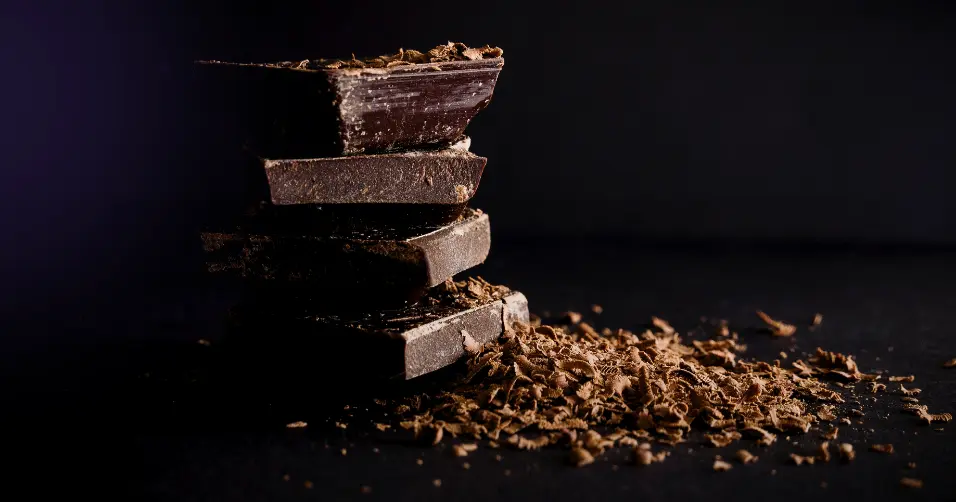
High-flavanol dark chocolate – dark chocolate isn’t just indulgence: high-flavanol varieties may support health and fitness when used in the right way.


So, you've probably heard that dark chocolate is good for you, right?
It's a delicious treat, but what exactly makes it healthy? We're talking about something called high flavanol dark chocolate. It's a bit different from your average candy bar. This article breaks down what high flavanol dark chocolate is, why it's special, and how you can enjoy it as part of a healthy lifestyle. Let's get into it.
Key Takeaways
High flavanol dark chocolate comes from cocoa beans that are processed minimally to keep more of the natural flavanols, which are antioxidants.
These flavanols are linked to potential health benefits, including better heart health, improved skin protection from the sun, and enhanced brain function.
When choosing dark chocolate, look for a high cacao percentage (70% or more) and check the ingredient list to avoid too much added sugar or fillers.
While dark chocolate has benefits, it's still a calorie-dense food, so moderation is key. A serving of 1-2 ounces is generally recommended.
Enjoying dark chocolate can also positively impact your mood, thanks to compounds that may help reduce stress hormones and provide a sense of satisfaction.
This article is educational and not intended to diagnose, treat, or suggest any specific intervention, and should not replace qualified medical advice.
Key Takeaways
Understanding High Flavanol Dark Chocolate
What Are Flavanols in Cocoa?
So, what exactly are these "flavanols" everyone's talking about? Basically, they're a type of plant compound, specifically a flavonoid, that you find naturally in cocoa beans. Think of them as little helpers that also give cocoa its distinct taste. Cocoa is actually one of the richest sources of these compounds, even more so than things like berries or tea. They're a type of antioxidant, which is a good thing for your body.
Defining High Flavanol Cocoa
When we talk about "high flavanol cocoa," we're referring to cocoa products that have been processed in a way that keeps as many of those beneficial flavanols intact as possible. Regular chocolate making often involves roasting and sometimes alkalizing (like Dutch processing) the beans, which can really cut down on the flavanol content. High flavanol cocoa, on the other hand, is made with minimal processing. This means it retains a more concentrated amount of these natural compounds, offering a richer nutritional profile compared to your average chocolate bar.
The Role of Processing Methods
Processing is a big deal when it comes to flavanols. The less the cocoa beans are messed with, the more flavanols you'll find. Methods like alkalizing, which is done to reduce bitterness and darken the color, can significantly reduce flavanol levels. Even simple roasting, while it develops flavor, can also impact the flavanol count. So, when you're looking for chocolate that's high in these compounds, you'll want to pay attention to how it's made. Brands that focus on minimal processing, often using methods like drying and gentle fermentation, are usually your best bet for keeping those flavanols around. It's all about preserving that natural goodness from the bean.
Potential Health Benefits of High Flavanol Dark Chocolate
So, what's the big deal about high flavanol dark chocolate? Turns out, those little flavanols packed into cocoa beans might be doing more than just making chocolate taste good. They're actually linked to some pretty interesting health perks.
Supporting Cardiovascular Health
One of the most talked-about benefits is how it might help your heart. The flavanols in dark chocolate are thought to help with circulation. They can encourage the production of nitric oxide, a compound that helps relax your blood vessels. This can lead to better blood flow and may contribute to overall heart wellness. Some studies suggest that regular consumption could play a role in keeping your cardiovascular system running smoothly.
Improving Skin Health and Sun Protection
Believe it or not, your skin might thank you for enjoying some dark chocolate. The antioxidants found in high-flavanol cocoa could help protect your skin. They might improve blood flow to the skin's surface, which can contribute to better hydration and a more resilient complexion. Some research even indicates that consuming it might increase your skin's defense against UV damage, though it's definitely not a replacement for sunscreen!
Enhancing Brain Function and Cognition
Need a little mental boost? Dark chocolate might offer that too. Studies suggest that flavanols can increase blood flow to the brain. This could translate to improvements in things like attention, memory, and verbal learning, especially in younger adults. For older individuals, there's also some early research pointing to potential benefits in maintaining cognitive function and possibly reducing the risk of cognitive decline. Plus, dark chocolate contains natural stimulants like caffeine and theobromine, which can give your brain a short-term lift.
Nutritional Profile of Dark Chocolate
So, what exactly are you getting when you bite into a piece of dark chocolate? It's more than just a sweet treat, that's for sure. Dark chocolate, especially the kind with a higher cacao percentage, packs a pretty good nutritional punch.
Key Nutrients and Minerals
Dark chocolate is a good source of several important minerals that our bodies need to function. Think of it as a little bonus on top of the flavor.
Iron: Important for carrying oxygen in your blood.
Magnesium: Plays a role in muscle and nerve function, and helps keep blood sugar and blood pressure normal.
Copper: Helps your body make red blood cells and keeps nerve cells healthy.
Manganese: Involved in bone formation and metabolism.
Potassium, Phosphorus, Zinc, and Selenium are also present in smaller amounts.
A 1-ounce serving of dark chocolate (around 70-85% cacao) can provide a decent amount of these minerals. For example, it might offer a good chunk of your daily iron and magnesium needs.
Fatty Acid Composition
The fats in dark chocolate are mostly made up of oleic acid, stearic acid, and palmitic acid. Oleic acid is a heart-healthy fat, also found in olive oil. Stearic acid is interesting because it seems to have a neutral effect on cholesterol levels. Palmitic acid can raise cholesterol, but it's usually only a small part of the total fat content in dark chocolate, so its impact is often minimal.
Antioxidant Properties and Their Impact
This is where dark chocolate really shines. It's loaded with organic compounds that act as antioxidants. These include polyphenols, epicatechin, and catechin. Antioxidants are like tiny bodyguards that help fight off unstable molecules called free radicals. When free radicals build up, they can cause something called oxidative stress, which is linked to various health issues over time. The antioxidants in dark chocolate may help protect your cells from damage and could play a role in keeping your heart healthy and your brain functioning well.
Choosing the Right High Flavanol Dark Chocolate
What Are Flavanols?
Flavanols are natural plant antioxidants found in cocoa, tea, and certain fruits that improve circulation.
Flavanols are natural plant compounds belonging to the flavonoid family, known for their antioxidant and anti-inflammatory properties. They support heart health by improving blood flow and reducing oxidative stress. Flavanols are found in foods like cocoa, tea, apples, and berries. Regular intake promotes vascular function and cellular protection. They also contribute to brain health and overall metabolic balance.
Flavanols help protect cells from free radical damage and inflammation.
They improve circulation and blood vessel flexibility through nitric oxide stimulation.
Common sources include cocoa, green tea, and fruits like grapes and apples.
Consistent intake supports cardiovascular and cognitive performance.
Flavanols are natural plant compounds belonging to the flavonoid family, known for their antioxidant and anti-inflammatory properties. They support heart health by improving blood flow and reducing oxidative stress. Flavanols are found in foods like cocoa, tea, apples, and berries. Regular intake promotes vascular function and cellular protection. They also contribute to brain health and overall metabolic balance.
Flavanols help protect cells from free radical damage and inflammation.
They improve circulation and blood vessel flexibility through nitric oxide stimulation.
Common sources include cocoa, green tea, and fruits like grapes and apples.
Consistent intake supports cardiovascular and cognitive performance.
Understanding High Flavanol Dark Chocolate
What Are Flavanols in Cocoa?
So, what exactly are these "flavanols" everyone's talking about? Basically, they're a type of plant compound, specifically a flavonoid, that you find naturally in cocoa beans. Think of them as little helpers that also give cocoa its distinct taste. Cocoa is actually one of the richest sources of these compounds, even more so than things like berries or tea. They're a type of antioxidant, which is a good thing for your body.
Defining High Flavanol Cocoa
When we talk about "high flavanol cocoa," we're referring to cocoa products that have been processed in a way that keeps as many of those beneficial flavanols intact as possible. Regular chocolate making often involves roasting and sometimes alkalizing (like Dutch processing) the beans, which can really cut down on the flavanol content. High flavanol cocoa, on the other hand, is made with minimal processing. This means it retains a more concentrated amount of these natural compounds, offering a richer nutritional profile compared to your average chocolate bar.
The Role of Processing Methods
Processing is a big deal when it comes to flavanols. The less the cocoa beans are messed with, the more flavanols you'll find. Methods like alkalizing, which is done to reduce bitterness and darken the color, can significantly reduce flavanol levels. Even simple roasting, while it develops flavor, can also impact the flavanol count. So, when you're looking for chocolate that's high in these compounds, you'll want to pay attention to how it's made. Brands that focus on minimal processing, often using methods like drying and gentle fermentation, are usually your best bet for keeping those flavanols around. It's all about preserving that natural goodness from the bean.
Potential Health Benefits of High Flavanol Dark Chocolate
So, what's the big deal about high flavanol dark chocolate? Turns out, those little flavanols packed into cocoa beans might be doing more than just making chocolate taste good. They're actually linked to some pretty interesting health perks.
Supporting Cardiovascular Health
One of the most talked-about benefits is how it might help your heart. The flavanols in dark chocolate are thought to help with circulation. They can encourage the production of nitric oxide, a compound that helps relax your blood vessels. This can lead to better blood flow and may contribute to overall heart wellness. Some studies suggest that regular consumption could play a role in keeping your cardiovascular system running smoothly.
Improving Skin Health and Sun Protection
Believe it or not, your skin might thank you for enjoying some dark chocolate. The antioxidants found in high-flavanol cocoa could help protect your skin. They might improve blood flow to the skin's surface, which can contribute to better hydration and a more resilient complexion. Some research even indicates that consuming it might increase your skin's defense against UV damage, though it's definitely not a replacement for sunscreen!
Enhancing Brain Function and Cognition
Need a little mental boost? Dark chocolate might offer that too. Studies suggest that flavanols can increase blood flow to the brain. This could translate to improvements in things like attention, memory, and verbal learning, especially in younger adults. For older individuals, there's also some early research pointing to potential benefits in maintaining cognitive function and possibly reducing the risk of cognitive decline. Plus, dark chocolate contains natural stimulants like caffeine and theobromine, which can give your brain a short-term lift.
Nutritional Profile of Dark Chocolate
So, what exactly are you getting when you bite into a piece of dark chocolate? It's more than just a sweet treat, that's for sure. Dark chocolate, especially the kind with a higher cacao percentage, packs a pretty good nutritional punch.
Key Nutrients and Minerals
Dark chocolate is a good source of several important minerals that our bodies need to function. Think of it as a little bonus on top of the flavor.
Iron: Important for carrying oxygen in your blood.
Magnesium: Plays a role in muscle and nerve function, and helps keep blood sugar and blood pressure normal.
Copper: Helps your body make red blood cells and keeps nerve cells healthy.
Manganese: Involved in bone formation and metabolism.
Potassium, Phosphorus, Zinc, and Selenium are also present in smaller amounts.
A 1-ounce serving of dark chocolate (around 70-85% cacao) can provide a decent amount of these minerals. For example, it might offer a good chunk of your daily iron and magnesium needs.
Fatty Acid Composition
The fats in dark chocolate are mostly made up of oleic acid, stearic acid, and palmitic acid. Oleic acid is a heart-healthy fat, also found in olive oil. Stearic acid is interesting because it seems to have a neutral effect on cholesterol levels. Palmitic acid can raise cholesterol, but it's usually only a small part of the total fat content in dark chocolate, so its impact is often minimal.
Antioxidant Properties and Their Impact
This is where dark chocolate really shines. It's loaded with organic compounds that act as antioxidants. These include polyphenols, epicatechin, and catechin. Antioxidants are like tiny bodyguards that help fight off unstable molecules called free radicals. When free radicals build up, they can cause something called oxidative stress, which is linked to various health issues over time. The antioxidants in dark chocolate may help protect your cells from damage and could play a role in keeping your heart healthy and your brain functioning well.
Choosing the Right High Flavanol Dark Chocolate
Key Takeaways
So, you're ready to dive into the world of high flavanol dark chocolate, but where do you even start? It can feel a bit like a treasure hunt with all the options out there. Don't worry, it's not as complicated as it seems. A few key things can help you pick a bar that's actually going to give you those good flavanols.
Importance of Cacao Percentage
This is probably the most straightforward indicator. Think of it like this: the higher the percentage of cacao, the more of the actual cocoa bean is in your chocolate. And guess what? That's where the flavanols hang out. You'll want to aim for chocolate that's at least 70% cacao. Honestly, going even higher, like 75% or 80%, is usually better if you're looking for the most flavanols. It does mean the chocolate will taste a bit more bitter, which might take some getting used to if you're coming from milk chocolate, but it's worth it for the benefits.
70% or higher is a good starting point.
Higher percentages generally mean more flavanols and less added sugar.
It might taste more intense, but you can adjust over time.
Reading Ingredient Labels
This is where you become a detective. You want to see cocoa or cacao as the very first ingredient. That tells you it's the main component. Then, take a peek at the sugar content. Ideally, you want a chocolate with minimal added sugar. Some brands list sugar content per serving, and aiming for less than 8 grams per serving is a good rule of thumb. Also, watch out for a long list of ingredients you can't pronounce. Things like artificial flavors or excessive fillers aren't what you're looking for when you want the good stuff from the cocoa bean.
Understanding Processing and Additives
How the chocolate is made really matters. The less processed the cocoa beans are, the more flavanols they tend to keep. Some brands are really good about using minimal processing methods, like avoiding harsh alkalization (often called 'Dutching'), which can strip away those beneficial compounds. Look for terms that suggest a more natural approach. Also, be mindful of additives. While some are fine, you generally want to avoid chocolates loaded with extra fats, emulsifiers, or artificial sweeteners if your goal is to get the most natural benefits from the cocoa.
Look for minimal processing – this helps retain flavanols.
Avoid 'Dutch-processed' or alkalized cocoa if possible.
Check for unnecessary additives like artificial flavors or excessive fillers.
Incorporating Dark Chocolate Into Your Diet
So, you've learned about the potential perks of high flavanol dark chocolate, and now you're probably wondering how to actually enjoy it without going overboard. It's definitely a treat, but like most good things, moderation is key. Think of it as a little luxury rather than a daily staple.
Recommended Serving Sizes
It's easy to get carried away with a delicious bar, but sticking to a sensible portion is important. Health experts generally suggest around 1 to 2 ounces (about 30 to 60 grams) of dark chocolate per day. That might sound like a lot, but remember, an ounce is roughly three small squares from a standard bar. It's more about savoring a small amount than mindlessly munching.
Ways to Enjoy Dark Chocolate
There are plenty of ways to make dark chocolate a delightful part of your routine:
Straight Up: The simplest way is to enjoy a square or two on its own. This lets you really appreciate the complex flavors, especially if you're going for a higher cacao percentage.
In Beverages: Melt a small amount into your morning coffee or hot water for a rich, satisfying drink. You can also add unsweetened cocoa powder to smoothies.
With Fruit: Pair a few squares with fresh berries or a slice of apple. The fruit's natural sweetness can complement the chocolate's bitterness.
In Baking: Use high-quality dark chocolate chips or chopped chocolate in your favorite recipes for cookies, brownies, or muffins. Just be mindful of the added sugar in the recipe itself.
Moderation and Potential Risks
While dark chocolate offers benefits, it's still a calorie-dense food. Overconsumption can lead to unwanted weight gain and might negate some of the positive effects. Also, keep an eye on the caffeine content, especially if you're sensitive; higher cacao percentages mean more caffeine. Some studies have also raised concerns about heavy metals like cadmium and lead in certain brands, so choosing reputable brands and checking labels is a good idea. Ultimately, enjoying dark chocolate in moderation allows you to reap its potential rewards without the downsides.
Dark Chocolate's Impact on Mood and Well-being
Ever notice how a little square of dark chocolate can just make your day a bit brighter? It turns out there's some science behind that feeling. It's not just your imagination; dark chocolate can actually have a positive effect on how you feel.
The Science Behind Mood Enhancement
So, what's going on here? Well, dark chocolate contains compounds that can interact with your brain chemistry. One of the main players is something called phenylethylamine (PEA). It's a chemical that your brain also makes when you're feeling happy or excited, like when you're falling in love. Eating dark chocolate can give your brain a little boost of PEA, which might contribute to those feelings of pleasure and contentment. Plus, the flavanols we talked about earlier? They're not just good for your heart; they can also help improve blood flow to the brain, which is linked to better cognitive function and, yes, a better mood.
Reducing Stress Hormones
Life can be stressful, right? Dark chocolate might offer a little help there too. Studies have shown that consuming dark chocolate can actually help lower levels of cortisol, which is often called the
So, What's the Takeaway?
Alright, so we've talked a lot about high flavanol dark chocolate. It's basically chocolate that's been handled gently so it keeps more of those good-for-you flavanols. These little compounds are antioxidants, and they might do some nice things for your heart and even your brain. But, and this is a big but, it's still chocolate. That means it has calories and often sugar. So, while enjoying a square or two of good quality dark chocolate (think 70% cacao or higher) can be a tasty way to get some potential benefits, it's not a magic health food. Moderation is definitely the name of the game here. Don't go overboard, but feel free to enjoy that rich flavor knowing it might be doing a little something extra for you.
So, you're ready to dive into the world of high flavanol dark chocolate, but where do you even start? It can feel a bit like a treasure hunt with all the options out there. Don't worry, it's not as complicated as it seems. A few key things can help you pick a bar that's actually going to give you those good flavanols.
Importance of Cacao Percentage
This is probably the most straightforward indicator. Think of it like this: the higher the percentage of cacao, the more of the actual cocoa bean is in your chocolate. And guess what? That's where the flavanols hang out. You'll want to aim for chocolate that's at least 70% cacao. Honestly, going even higher, like 75% or 80%, is usually better if you're looking for the most flavanols. It does mean the chocolate will taste a bit more bitter, which might take some getting used to if you're coming from milk chocolate, but it's worth it for the benefits.
70% or higher is a good starting point.
Higher percentages generally mean more flavanols and less added sugar.
It might taste more intense, but you can adjust over time.
Reading Ingredient Labels
This is where you become a detective. You want to see cocoa or cacao as the very first ingredient. That tells you it's the main component. Then, take a peek at the sugar content. Ideally, you want a chocolate with minimal added sugar. Some brands list sugar content per serving, and aiming for less than 8 grams per serving is a good rule of thumb. Also, watch out for a long list of ingredients you can't pronounce. Things like artificial flavors or excessive fillers aren't what you're looking for when you want the good stuff from the cocoa bean.
Understanding Processing and Additives
How the chocolate is made really matters. The less processed the cocoa beans are, the more flavanols they tend to keep. Some brands are really good about using minimal processing methods, like avoiding harsh alkalization (often called 'Dutching'), which can strip away those beneficial compounds. Look for terms that suggest a more natural approach. Also, be mindful of additives. While some are fine, you generally want to avoid chocolates loaded with extra fats, emulsifiers, or artificial sweeteners if your goal is to get the most natural benefits from the cocoa.
Look for minimal processing – this helps retain flavanols.
Avoid 'Dutch-processed' or alkalized cocoa if possible.
Check for unnecessary additives like artificial flavors or excessive fillers.
Incorporating Dark Chocolate Into Your Diet
So, you've learned about the potential perks of high flavanol dark chocolate, and now you're probably wondering how to actually enjoy it without going overboard. It's definitely a treat, but like most good things, moderation is key. Think of it as a little luxury rather than a daily staple.
Recommended Serving Sizes
It's easy to get carried away with a delicious bar, but sticking to a sensible portion is important. Health experts generally suggest around 1 to 2 ounces (about 30 to 60 grams) of dark chocolate per day. That might sound like a lot, but remember, an ounce is roughly three small squares from a standard bar. It's more about savoring a small amount than mindlessly munching.
Ways to Enjoy Dark Chocolate
There are plenty of ways to make dark chocolate a delightful part of your routine:
Straight Up: The simplest way is to enjoy a square or two on its own. This lets you really appreciate the complex flavors, especially if you're going for a higher cacao percentage.
In Beverages: Melt a small amount into your morning coffee or hot water for a rich, satisfying drink. You can also add unsweetened cocoa powder to smoothies.
With Fruit: Pair a few squares with fresh berries or a slice of apple. The fruit's natural sweetness can complement the chocolate's bitterness.
In Baking: Use high-quality dark chocolate chips or chopped chocolate in your favorite recipes for cookies, brownies, or muffins. Just be mindful of the added sugar in the recipe itself.
Moderation and Potential Risks
While dark chocolate offers benefits, it's still a calorie-dense food. Overconsumption can lead to unwanted weight gain and might negate some of the positive effects. Also, keep an eye on the caffeine content, especially if you're sensitive; higher cacao percentages mean more caffeine. Some studies have also raised concerns about heavy metals like cadmium and lead in certain brands, so choosing reputable brands and checking labels is a good idea. Ultimately, enjoying dark chocolate in moderation allows you to reap its potential rewards without the downsides.
Dark Chocolate's Impact on Mood and Well-being
Ever notice how a little square of dark chocolate can just make your day a bit brighter? It turns out there's some science behind that feeling. It's not just your imagination; dark chocolate can actually have a positive effect on how you feel.
The Science Behind Mood Enhancement
So, what's going on here? Well, dark chocolate contains compounds that can interact with your brain chemistry. One of the main players is something called phenylethylamine (PEA). It's a chemical that your brain also makes when you're feeling happy or excited, like when you're falling in love. Eating dark chocolate can give your brain a little boost of PEA, which might contribute to those feelings of pleasure and contentment. Plus, the flavanols we talked about earlier? They're not just good for your heart; they can also help improve blood flow to the brain, which is linked to better cognitive function and, yes, a better mood.
Reducing Stress Hormones
Life can be stressful, right? Dark chocolate might offer a little help there too. Studies have shown that consuming dark chocolate can actually help lower levels of cortisol, which is often called the
So, What's the Takeaway?
Alright, so we've talked a lot about high flavanol dark chocolate. It's basically chocolate that's been handled gently so it keeps more of those good-for-you flavanols. These little compounds are antioxidants, and they might do some nice things for your heart and even your brain. But, and this is a big but, it's still chocolate. That means it has calories and often sugar. So, while enjoying a square or two of good quality dark chocolate (think 70% cacao or higher) can be a tasty way to get some potential benefits, it's not a magic health food. Moderation is definitely the name of the game here. Don't go overboard, but feel free to enjoy that rich flavor knowing it might be doing a little something extra for you.
Is Chocolate A Good Source Of Flavanols?
Yes, chocolate, especially dark chocolate, is a good source of flavanols like epicatechin.
Chocolate, especially dark varieties, is a good source of flavanols that support circulation. These plant compounds improve blood flow and antioxidant defenses. The benefits depend on cocoa content and portion control. High-cocoa chocolate offers cardiovascular and cognitive benefits. Excess sugar or fat can cancel positive effects.
Flavanols enhance nitric oxide levels promoting vascular health.
Dark chocolate above 70% cocoa provides the most concentration.
Moderation prevents calorie excess from added sugars.
Combining with fruits or nuts adds fiber and micronutrient variety.
Chocolate, especially dark varieties, is a good source of flavanols that support circulation. These plant compounds improve blood flow and antioxidant defenses. The benefits depend on cocoa content and portion control. High-cocoa chocolate offers cardiovascular and cognitive benefits. Excess sugar or fat can cancel positive effects.
Flavanols enhance nitric oxide levels promoting vascular health.
Dark chocolate above 70% cocoa provides the most concentration.
Moderation prevents calorie excess from added sugars.
Combining with fruits or nuts adds fiber and micronutrient variety.
Is High Flavanol Dark Chocolate Healthy?
Yes, high-flavanol dark chocolate is healthy in moderation for heart and brain health.
High-flavanol dark chocolate is healthy when consumed in small amounts. It supports heart health and cognitive function through improved circulation. Antioxidant effects reduce oxidative stress from exercise. Limiting portion to 20–30 grams daily prevents calorie surplus. Unsweetened or lightly sweetened types offer the best balance.
Cocoa polyphenols improve blood vessel elasticity and oxygen delivery.
Combining with balanced diet enhances protective antioxidant effects.
Overconsumption may add sugar and fat offsetting benefits.
Stored properly in cool conditions preserves nutrient potency.
High-flavanol dark chocolate is healthy when consumed in small amounts. It supports heart health and cognitive function through improved circulation. Antioxidant effects reduce oxidative stress from exercise. Limiting portion to 20–30 grams daily prevents calorie surplus. Unsweetened or lightly sweetened types offer the best balance.
Cocoa polyphenols improve blood vessel elasticity and oxygen delivery.
Combining with balanced diet enhances protective antioxidant effects.
Overconsumption may add sugar and fat offsetting benefits.
Stored properly in cool conditions preserves nutrient potency.
What Is High Flavanol In Cocoa?
High flavanol in cocoa powder means it contains larger amounts of plant compounds called flavanols, which have antioxidant and heart-protective properties. These compounds help improve blood vessel flexibility and circulation. Cocoa processed with minimal heat retains more flavanols than heavily processed versions. Regular but moderate consumption may enhance brain function and cardiovascular health. To maximize benefits, choose natural or non-alkalized cocoa powders.
Flavanols promote nitric oxide production, improving blood flow and oxygen delivery.
Processing method directly impacts flavanol content—less heat equals higher potency.
Antioxidant effects protect cells from oxidative damage and inflammation.
Daily moderation avoids excess sugar or calorie intake often found in cocoa-based products.
High flavanol in cocoa powder means it contains larger amounts of plant compounds called flavanols, which have antioxidant and heart-protective properties. These compounds help improve blood vessel flexibility and circulation. Cocoa processed with minimal heat retains more flavanols than heavily processed versions. Regular but moderate consumption may enhance brain function and cardiovascular health. To maximize benefits, choose natural or non-alkalized cocoa powders.
Flavanols promote nitric oxide production, improving blood flow and oxygen delivery.
Processing method directly impacts flavanol content—less heat equals higher potency.
Antioxidant effects protect cells from oxidative damage and inflammation.
Daily moderation avoids excess sugar or calorie intake often found in cocoa-based products.
Dark Chocolate With Most Flavanols
Dark chocolate with 70%–85% cocoa has the most flavanols and antioxidant benefits.
The dark chocolates with the most flavanols are those made with high cocoa content (85–95%) and minimal processing. Brands that use raw or cold-pressed cacao retain more antioxidants. Unsweetened baking chocolate also contains concentrated flavanols. Choose varieties labeled “high-cocoa” or “minimally processed.” These options deliver maximum nutritional benefits without added sugars.
Higher cocoa percentages correlate directly with increased flavanol levels.
Low-temperature processing preserves natural antioxidant potency.
Unsweetened or lightly sweetened bars maintain purity and nutrient density.
Certified high-flavanol cocoa ensures superior cardiovascular benefits.
The dark chocolates with the most flavanols are those made with high cocoa content (85–95%) and minimal processing. Brands that use raw or cold-pressed cacao retain more antioxidants. Unsweetened baking chocolate also contains concentrated flavanols. Choose varieties labeled “high-cocoa” or “minimally processed.” These options deliver maximum nutritional benefits without added sugars.
Higher cocoa percentages correlate directly with increased flavanol levels.
Low-temperature processing preserves natural antioxidant potency.
Unsweetened or lightly sweetened bars maintain purity and nutrient density.
Certified high-flavanol cocoa ensures superior cardiovascular benefits.
This article was last updated on Jan 11, 2026 by the
Harald Ragnarok, Editor in Chief, Myopedia
Myopedia is your to-go source for simple, practical guide to getting stronger, leaner, and healthier for the long run—bringing together biohacking, longevity, and muscle growth in one place. It breaks down what to do and why it works, with straightforward training and nutrition basics plus clear explanations of supplements and newer health tools, so you can make better choices without getting lost in hype.
Medical Disclaimer: All content on this website is intended solely for informational and educational purposes and should not be interpreted as a substitute for professional medical advice, diagnosis, or treatment, nor as encouragement or promotion for or against any particular use, product, or activity. Results may vary and are not guaranteed. No doctor–patient relationship is created by your use of this content. Always consult a qualified healthcare provider, nutritionist, or other relevant expert before starting or changing any supplement, diet, exercise, or lifestyle program. This website can contain errors. Check important information. Read our full Disclaimer.
RSS – Status – Terms of Service – Privacy Policy – Disclaimer – About Myopedia.
©2025 Myopedia™. All rights reserved.
Myopedia is your to-go source for simple, practical guide to getting stronger, leaner, and healthier for the long run—bringing together biohacking, longevity, and muscle growth in one place. It breaks down what to do and why it works, with straightforward training and nutrition basics plus clear explanations of supplements and newer health tools, so you can make better choices without getting lost in hype.
Medical Disclaimer: All content on this website is intended solely for informational and educational purposes and should not be interpreted as a substitute for professional medical advice, diagnosis, or treatment, nor as encouragement or promotion for or against any particular use, product, or activity. Results may vary and are not guaranteed. No doctor–patient relationship is created by your use of this content. Always consult a qualified healthcare provider, nutritionist, or other relevant expert before starting or changing any supplement, diet, exercise, or lifestyle program. This website can contain errors. Check important information. Read our full Disclaimer.
RSS – Status – Terms of Service – Privacy Policy – Disclaimer – About Myopedia.
©2025 Myopedia™. All rights reserved.
Myopedia is your to-go source for simple, practical guide to getting stronger, leaner, and healthier for the long run—bringing together biohacking, longevity, and muscle growth in one place. It breaks down what to do and why it works, with straightforward training and nutrition basics plus clear explanations of supplements and newer health tools, so you can make better choices without getting lost in hype.
Medical Disclaimer: All content on this website is intended solely for informational and educational purposes and should not be interpreted as a substitute for professional medical advice, diagnosis, or treatment, nor as encouragement or promotion for or against any particular use, product, or activity. Results may vary and are not guaranteed. No doctor–patient relationship is created by your use of this content. Always consult a qualified healthcare provider, nutritionist, or other relevant expert before starting or changing any supplement, diet, exercise, or lifestyle program. This website can contain errors. Check important information. Read our full Disclaimer.
RSS – Status – Terms of Service – Privacy Policy – Disclaimer – About Myopedia.
©2025 Myopedia™. All rights reserved.