10 Best High-Protein Meat Dishes for Muscle Growth
Protein-Rich Meat Dishes to Power Your Workouts
Building muscle isn't just about hitting the gym hard; what you eat afterward plays a massive role.

Whey Protein
Top Lactose-Free Protein Options for Sensitive Stomachs

Soy Protein

Rice Protein

Plant-Based Protein

Pea Protein

Leucine

Lactose-Free Protein

Is Milk Good for Muscle Growth

Is a Protein Shake a Good Breakfast
How to Get 100 Grams of Protein a Day

How Long Does Protein Powder Last

How Is Protein Powder Made
High-Protein Vegan Meals That Boost Muscle and Energy

High-Protein Chicken Recipes for Muscle Building

Gluten-Free Protein

Does Protein Keep You Awake

Cheap and Easy High-Protein Meals for Busy Days

Casein Protein

Can Protein Make You Poop More?
Best Vegetarian Protein Sources

10 Best Seafood Protein Sources to Add to Your Diet
10 Best High-Protein Vegetarian Foods for Every Meal

10 Best High-Protein Vegan Foods for Plant-Based Diets
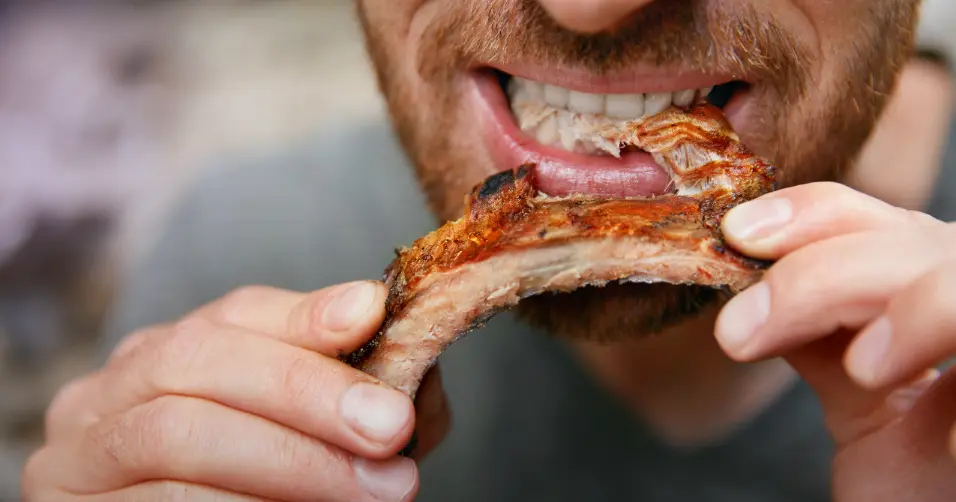
10 Best High-Protein Meat Dishes for Muscle Growth

10 Best High-Protein Chicken Dishes You’ll Crave

10 Best Cheeses High in Protein for Healthy Diets

8 Healthy High-Protein Dinners You’ll Want Every Night

2-Minute Protein Mug Cake Recipe
Building muscle isn't just about hitting the gym hard; what you eat afterward plays a massive role.
Protein is the building block for muscle repair and growth, and meat is a fantastic source. If you're looking to boost your gains, choosing the right High-Protein Meat Dishes can make a big difference. We've put together a list of ten great options that are not only packed with protein but are also delicious and satisfying, helping you refuel and recover effectively after your workouts.
10 High Protein Meat Dishes We Love
High-protein meat dishes are excellent for muscle repair, satiety, and overall nutrition. These meals combine lean meats with vegetables or grains to deliver balanced macronutrients and essential amino acids. Cooking styles such as grilling, roasting, or pan-searing help retain protein while minimizing fat. Each dish below offers a satisfying taste with strong nutritional value for a protein-focused diet. They are easy to prepare and suitable for daily or post-exercise meals.
Grilled Steak with Asparagus: A nutrient-dense meal providing complete protein and iron, paired with fiber-rich vegetables.
Roast Beef with Sweet Potatoes: Slow-roasted lean beef with complex carbs for lasting energy and recovery.
Lamb Chops with Mint Sauce: Tender lamb rich in high-quality protein and zinc, enhanced by a fresh mint flavor.
Pork Tenderloin with Roasted Vegetables: A lean pork cut offering high protein and low fat when oven-roasted with seasonal vegetables.
Beef Stir-Fry with Peppers: A quick, high-protein option that combines iron-rich beef with antioxidants from colorful peppers.
Turkey Meatballs in Tomato Sauce: Lean turkey provides a lighter protein source, complemented by lycopene from tomatoes.
Venison Steak with Mushrooms: A wild, lean red meat that is high in protein and low in cholesterol.
Pulled Pork Lettuce Wraps: A flavorful protein-packed option that replaces bread with crisp lettuce for fewer carbs.
Beef Chili with Beans: Combines beef and beans for a mix of animal and plant protein with fiber for digestion.
Grilled Lamb Kebabs: Protein-rich skewers with a smoky flavor, ideal for outdoor grilling and balanced nutrition.
How Much Protein In A Burger?
A typical burger patty contains around 20–25 grams of protein depending on size and meat type.
A burger patty typically contains 20–25 grams of protein depending on size and meat type. Lean beef or chicken burgers offer more protein and less fat than processed ones. Homemade versions allow better control over calorie and nutrient balance. Pairing with whole-grain buns and vegetables creates a more balanced meal. Portion control is important for maintaining a healthy diet.
Protein content varies with patty size and meat leanness.
Freshly prepared burgers provide higher nutritional value than fast-food options.
Adding fiber-rich sides offsets calorie density from fats.
Cooking method—grilling or baking—affects total nutrient retention.
How Much Protein In A Hot Dog?
A hot dog usually provides 5–7 grams of protein per serving.
A hot dog contains around 5–7 grams of protein per serving. While it provides some protein, it’s also high in sodium and saturated fat. Processed meat additives make it less ideal as a regular protein source. Occasional consumption is fine within a balanced diet. Lean alternatives or homemade versions are healthier choices.
Hot dogs supply moderate protein but often excess salt and preservatives.
Choosing poultry or plant-based versions lowers fat and additive content.
Frequent use should be limited due to processing and sodium levels.
Pair with whole grains and vegetables for more balanced nutrition.
Harald Ragnarok, Editor in Chief, Myopedia