10 Best High-Protein Vegan Foods for Plant-Based Diets
Plant-Based Protein Foods That Maximize Performance
Thinking about eating more plants but worried about getting enough protein?
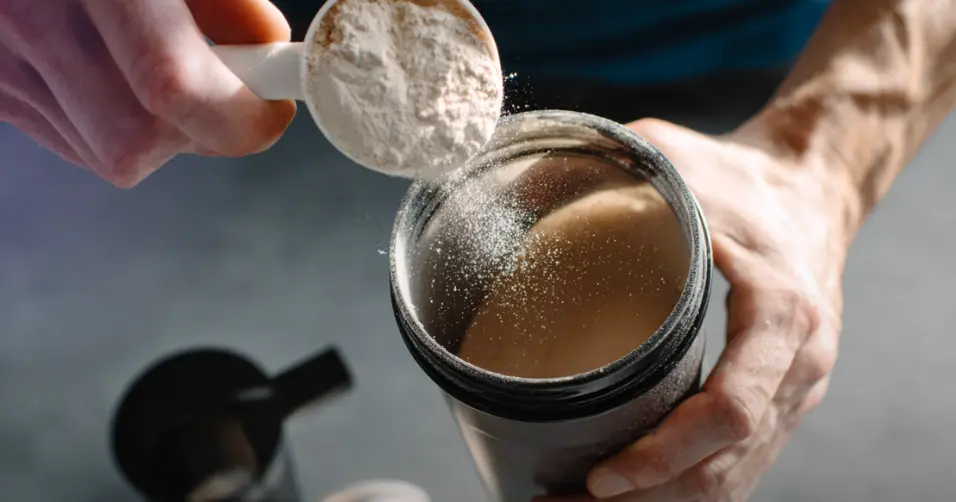
Whey Protein
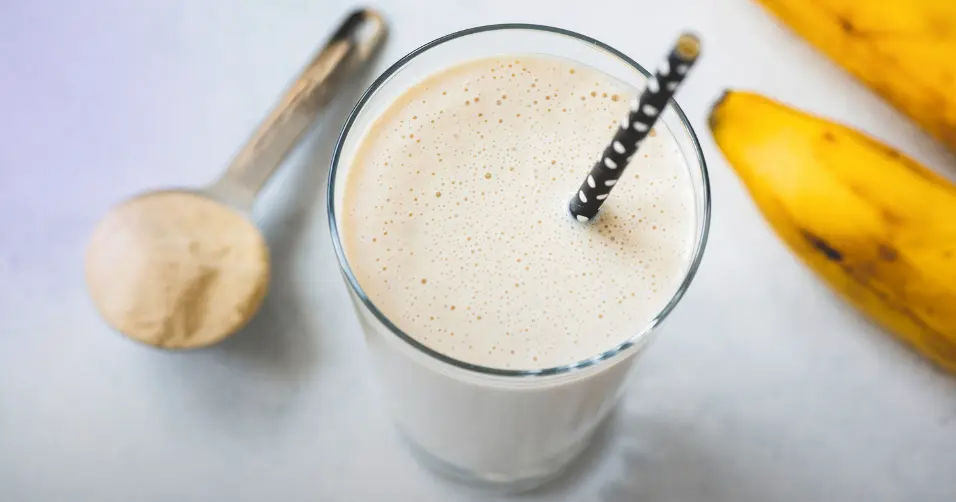
Top Lactose-Free Protein Options for Sensitive Stomachs

Soy Protein
Rice Protein
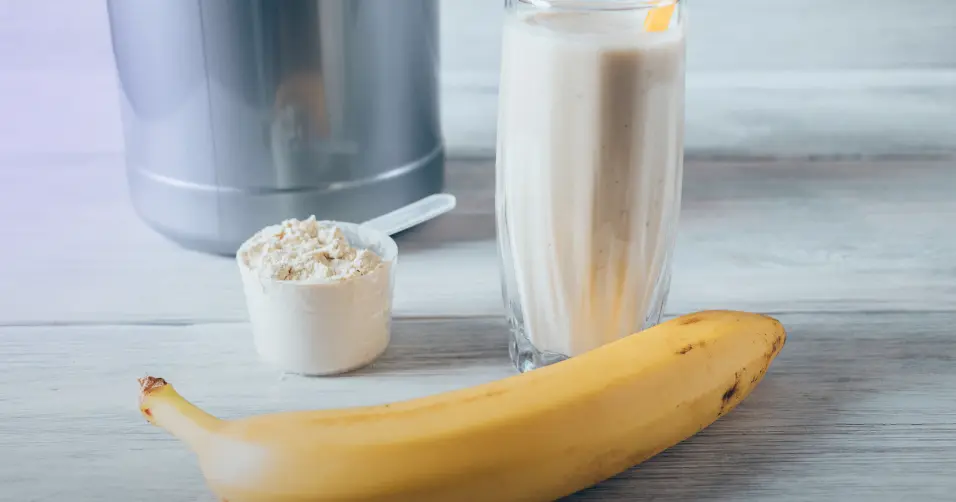
Plant-Based Protein
Pea Protein
Leucine
Lactose-Free Protein

Is Milk Good for Muscle Growth

Is a Protein Shake a Good Breakfast
How to Get 100 Grams of Protein a Day
How Long Does Protein Powder Last

How Is Protein Powder Made
High-Protein Vegan Meals That Boost Muscle and Energy

High-Protein Chicken Recipes for Muscle Building

Gluten-Free Protein

Does Protein Keep You Awake

Cheap and Easy High-Protein Meals for Busy Days

Casein Protein

Can Protein Make You Poop More?
Best Vegetarian Protein Sources
10 Best Seafood Protein Sources to Add to Your Diet
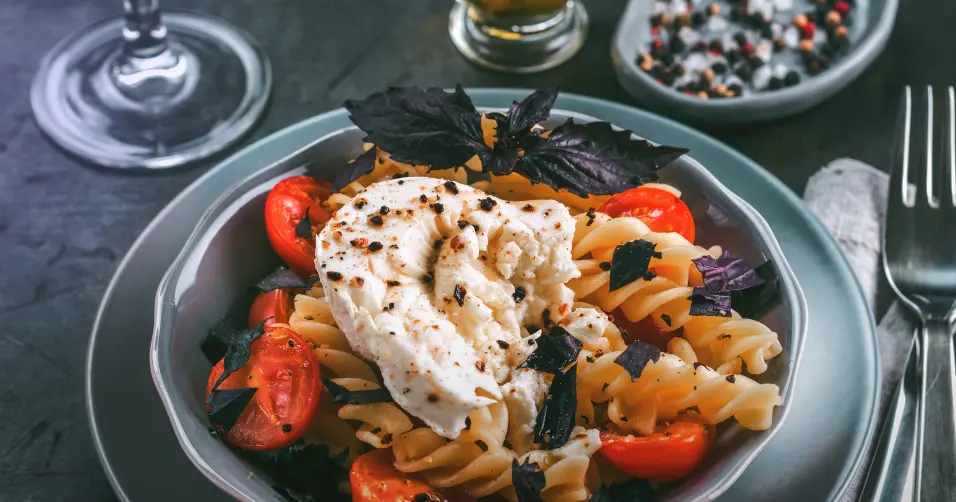
10 Best High-Protein Vegetarian Foods for Every Meal

10 Best High-Protein Vegan Foods for Plant-Based Diets

10 Best High-Protein Meat Dishes for Muscle Growth

10 Best High-Protein Chicken Dishes You’ll Crave
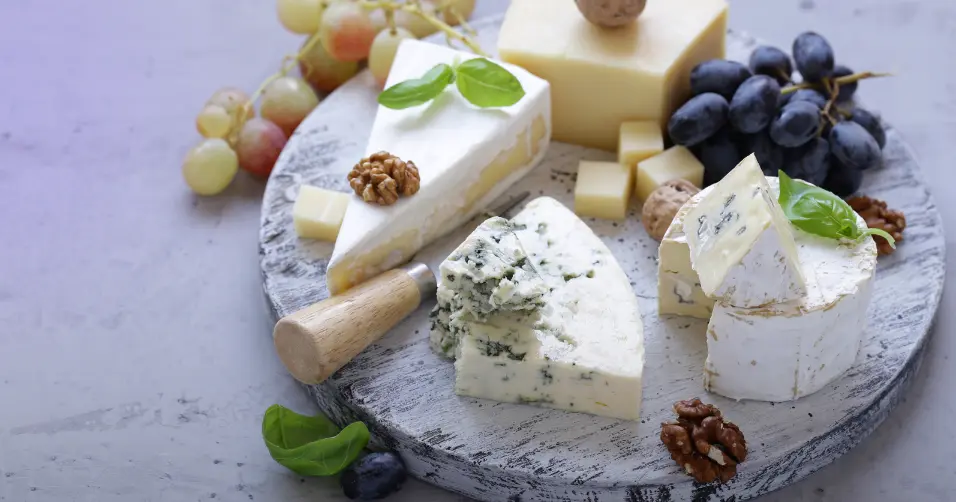
10 Best Cheeses High in Protein for Healthy Diets

8 Healthy High-Protein Dinners You’ll Want Every Night
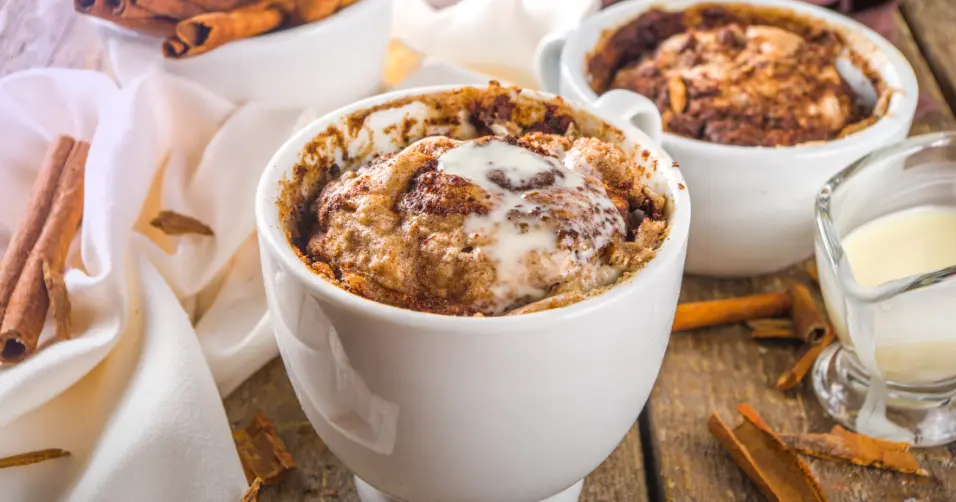
2-Minute Protein Mug Cake Recipe
Thinking about eating more plants but worried about getting enough protein?
It's a common question, honestly. People often associate protein with meat and dairy, but guess what? The plant kingdom is packed with protein powerhouses! Whether you're fully vegan or just trying to cut back on animal products, knowing these High-Protein Vegan Foods can make a big difference in feeling satisfied and fueled. Let's check out some of the best options out there.
Seitan
Often called "wheat meat," seitan is a fantastic protein option for anyone following a plant-based diet. It's made from wheat gluten, which is the main protein found in wheat. This gives seitan a really satisfying, chewy texture that can be quite similar to meat when cooked. Because it's so protein-dense, it's a popular choice for people looking to increase their protein intake without relying on soy products.
Seitan is pretty versatile in the kitchen. You can grill it, bake it, stir-fry it, or even use it in stews. Its neutral flavor means it picks up marinades and spices really well, making it adaptable to all sorts of cuisines. Just be mindful if you have celiac disease or a gluten sensitivity, as seitan is made from wheat gluten and isn't suitable for those individuals.
Here's a quick look at its protein content:
Food Item | Protein per 100g (approx.) |
|---|---|
Seitan | 25g |
Beyond protein, seitan also offers some selenium and a bit of iron and calcium, adding to its nutritional profile.
Tofu
Tofu, also known as bean curd, is a staple in many plant-based kitchens, and for good reason. It’s made from soybeans, which are a complete protein source, meaning they give you all the essential amino acids your body needs. You can find tofu in a few different textures, from silken to extra-firm, and this really affects how you can use it. Silken tofu is great for blending into smoothies or creamy sauces, while firmer varieties hold their shape better for things like stir-fries or baking.
It's incredibly versatile and can absorb flavors really well. Whether you're marinating it, crumbling it for a scramble, or pressing it to get it nice and crispy, tofu is a reliable way to add protein to your meals. A typical 100-gram serving can offer around 16.5 grams of protein, plus it brings some iron and calcium to the table.
Here's a quick look at how different types of tofu can be used:
Silken Tofu: Perfect for desserts, dressings, and smooth sauces.
Soft Tofu: Good for soups and dishes where you want a delicate texture.
Medium Tofu: Works well in stir-fries and scrambles.
Firm/Extra-Firm Tofu: Ideal for baking, grilling, and pan-frying as it holds its shape.
When you're shopping, always check the nutrition label because the protein content can vary a bit between brands and firmness levels.
Tempeh
Tempeh is a fermented soybean product that's a bit different from tofu. It's made by cooking soybeans and then letting them ferment with a starter culture, which binds them together into a firm cake. This fermentation process gives tempeh a firmer texture and a nuttier, earthier flavor compared to tofu. It's pretty versatile, too. You can crumble it, slice it, or cube it for all sorts of dishes.
One of the cool things about tempeh is that it's a complete protein, meaning it has all the essential amino acids your body needs. A typical 100-gram serving can pack around 20 grams of protein, which is quite a bit! Plus, because it's fermented, some people find it easier to digest than other soy products. It also contains probiotics, which are good for your gut health, and it's a source of minerals like magnesium and phosphorus.
Here's a quick look at what you might find in a serving:
Nutrient | Amount per 100g (approx.) |
|---|---|
Protein | 20g |
Fiber | 9g |
Magnesium | 83mg |
Phosphorus | 265mg |
Because of its firm texture, tempeh holds up well when you cook it. It's great for grilling, baking, or pan-frying. You can marinate it to soak up different flavors, making it a solid choice for stir-fries, sandwiches, or even as a meat substitute in your favorite recipes. Just remember to check the labels, as the exact nutritional content can vary a bit between brands.
Edamame
Edamame are basically young soybeans, and they're a really easy way to get some extra protein into your vegan meals. You can find them in the grocery store either still in their pods or already shelled, which is super convenient. They have a mild, slightly sweet taste and a satisfying texture.
A one-cup serving of shelled edamame packs over 18 grams of protein, which is pretty impressive for a vegetable. But it's not just about the protein; edamame also brings a good amount of fiber to the table, which is great for keeping things moving smoothly in your digestive system. Plus, they're a source of folate, vitamin K, and iron.
Here's a quick look at what you get in about a cup (155g) of shelled edamame:
Protein: Over 18g
Fiber: Around 8g
Folate: A good portion of your daily needs
Vitamin K: Also contributes significantly to your daily intake
Iron: Helps with energy levels
They're really versatile too. You can boil or steam them and eat them right out of the pod as a snack, toss the shelled beans into salads, add them to stir-fries, or even blend them into dips. They just sort of fit into a lot of different dishes without overpowering other flavors.
Lentils
Lentils are these tiny, disc-shaped legumes that are seriously underrated, in my opinion. They come in a bunch of colors – brown, green, red, and even black – and each kind cooks up a little differently, but they all bring a good amount of protein to the table. A single cup of cooked lentils can give you around 18 grams of protein, which is pretty substantial for a plant-based food. Plus, they're loaded with fiber, which is great for keeping your digestive system happy and feeling full longer.
What's cool about lentils is how versatile they are. You can throw them into soups and stews to make them heartier, mash them up for veggie burgers, or even add them to salads for a bit of substance. They have a mild, earthy flavor that doesn't overpower other ingredients, making them a real team player in the kitchen.
Beyond the protein and fiber, lentils also offer up important minerals like iron and folate. They're a staple food for a reason, showing up in cuisines all over the world. Seriously, if you're looking for an affordable and filling protein source, you can't go wrong with lentils. They're just good, honest food that happens to be really good for you.
Chickpeas
Chickpeas, also known as garbanzo beans, are a really versatile legume that shows up in a lot of different cuisines. They're not just tasty, though; they also bring a good amount of protein to the table, making them a solid choice for anyone eating plant-based. You can find them canned, which is super convenient for quick meals, or dried if you have a bit more time.
A single cup of cooked chickpeas offers about 15 grams of protein, plus a good dose of fiber. This combination is great for keeping you feeling full and satisfied. They're also loaded with other good stuff like iron, folate, and manganese.
What's cool about chickpeas is how many ways you can use them. They're the star of hummus, obviously, but you can also toss them into salads, add them to curries, roast them up for a crunchy snack, or even blend them into veggie burgers. Their mild flavor means they can pretty much go with anything.
10 Best High-Protein Vegan Foods
High-protein vegan foods offer complete or near-complete amino acid profiles derived entirely from plants. They support muscle recovery, energy balance, and long-term heart health while avoiding animal products. Combining different plant proteins helps achieve full nutritional coverage comparable to animal-based protein sources. These foods are versatile, easy to prepare, and suitable for diverse diets. The following list includes the best vegan options rich in protein and essential nutrients.
Lentils: Provide high protein, iron, and fiber, supporting muscle repair and stable energy levels.
Chickpeas: Excellent for stews, curries, or hummus, offering both protein and complex carbohydrates.
Tofu: Made from soybeans, it’s a complete protein that works well in stir-fries or grilled dishes.
Tempeh: Fermented soy with a dense protein structure and natural probiotics for gut health.
Edamame: Young soybeans rich in plant-based protein and fiber, perfect as snacks or salad additions.
Quinoa: A complete protein grain that is gluten-free and ideal for bowls, sides, or breakfast meals.
Seitan: Made from wheat gluten, it has a chewy texture and one of the highest protein counts among vegan foods.
Hemp Seeds: Contain all essential amino acids, plus omega fats for heart and joint health.
Black Beans: A staple legume providing plant protein, fiber, and slow-digesting carbohydrates.
Chia Seeds: Small but protein-rich seeds offering fiber and omega-3 fats, great for smoothies or puddings.
Seitan
Often called "wheat meat," seitan is a fantastic protein option for anyone following a plant-based diet. It's made from wheat gluten, which is the main protein found in wheat. This gives seitan a really satisfying, chewy texture that can be quite similar to meat when cooked. Because it's so protein-dense, it's a popular choice for people looking to increase their protein intake without relying on soy products.
Seitan is pretty versatile in the kitchen. You can grill it, bake it, stir-fry it, or even use it in stews. Its neutral flavor means it picks up marinades and spices really well, making it adaptable to all sorts of cuisines. Just be mindful if you have celiac disease or a gluten sensitivity, as seitan is made from wheat gluten and isn't suitable for those individuals.
Here's a quick look at its protein content:
Food Item | Protein per 100g (approx.) |
|---|---|
Seitan | 25g |
Beyond protein, seitan also offers some selenium and a bit of iron and calcium, adding to its nutritional profile.
Tofu
Tofu, also known as bean curd, is a staple in many plant-based kitchens, and for good reason. It’s made from soybeans, which are a complete protein source, meaning they give you all the essential amino acids your body needs. You can find tofu in a few different textures, from silken to extra-firm, and this really affects how you can use it. Silken tofu is great for blending into smoothies or creamy sauces, while firmer varieties hold their shape better for things like stir-fries or baking.
It's incredibly versatile and can absorb flavors really well. Whether you're marinating it, crumbling it for a scramble, or pressing it to get it nice and crispy, tofu is a reliable way to add protein to your meals. A typical 100-gram serving can offer around 16.5 grams of protein, plus it brings some iron and calcium to the table.
Here's a quick look at how different types of tofu can be used:
Silken Tofu: Perfect for desserts, dressings, and smooth sauces.
Soft Tofu: Good for soups and dishes where you want a delicate texture.
Medium Tofu: Works well in stir-fries and scrambles.
Firm/Extra-Firm Tofu: Ideal for baking, grilling, and pan-frying as it holds its shape.
When you're shopping, always check the nutrition label because the protein content can vary a bit between brands and firmness levels.
Tempeh
Tempeh is a fermented soybean product that's a bit different from tofu. It's made by cooking soybeans and then letting them ferment with a starter culture, which binds them together into a firm cake. This fermentation process gives tempeh a firmer texture and a nuttier, earthier flavor compared to tofu. It's pretty versatile, too. You can crumble it, slice it, or cube it for all sorts of dishes.
One of the cool things about tempeh is that it's a complete protein, meaning it has all the essential amino acids your body needs. A typical 100-gram serving can pack around 20 grams of protein, which is quite a bit! Plus, because it's fermented, some people find it easier to digest than other soy products. It also contains probiotics, which are good for your gut health, and it's a source of minerals like magnesium and phosphorus.
Here's a quick look at what you might find in a serving:
Nutrient | Amount per 100g (approx.) |
|---|---|
Protein | 20g |
Fiber | 9g |
Magnesium | 83mg |
Phosphorus | 265mg |
Because of its firm texture, tempeh holds up well when you cook it. It's great for grilling, baking, or pan-frying. You can marinate it to soak up different flavors, making it a solid choice for stir-fries, sandwiches, or even as a meat substitute in your favorite recipes. Just remember to check the labels, as the exact nutritional content can vary a bit between brands.
Edamame
Edamame are basically young soybeans, and they're a really easy way to get some extra protein into your vegan meals. You can find them in the grocery store either still in their pods or already shelled, which is super convenient. They have a mild, slightly sweet taste and a satisfying texture.
A one-cup serving of shelled edamame packs over 18 grams of protein, which is pretty impressive for a vegetable. But it's not just about the protein; edamame also brings a good amount of fiber to the table, which is great for keeping things moving smoothly in your digestive system. Plus, they're a source of folate, vitamin K, and iron.
Here's a quick look at what you get in about a cup (155g) of shelled edamame:
Protein: Over 18g
Fiber: Around 8g
Folate: A good portion of your daily needs
Vitamin K: Also contributes significantly to your daily intake
Iron: Helps with energy levels
They're really versatile too. You can boil or steam them and eat them right out of the pod as a snack, toss the shelled beans into salads, add them to stir-fries, or even blend them into dips. They just sort of fit into a lot of different dishes without overpowering other flavors.
Lentils
Lentils are these tiny, disc-shaped legumes that are seriously underrated, in my opinion. They come in a bunch of colors – brown, green, red, and even black – and each kind cooks up a little differently, but they all bring a good amount of protein to the table. A single cup of cooked lentils can give you around 18 grams of protein, which is pretty substantial for a plant-based food. Plus, they're loaded with fiber, which is great for keeping your digestive system happy and feeling full longer.
What's cool about lentils is how versatile they are. You can throw them into soups and stews to make them heartier, mash them up for veggie burgers, or even add them to salads for a bit of substance. They have a mild, earthy flavor that doesn't overpower other ingredients, making them a real team player in the kitchen.
Beyond the protein and fiber, lentils also offer up important minerals like iron and folate. They're a staple food for a reason, showing up in cuisines all over the world. Seriously, if you're looking for an affordable and filling protein source, you can't go wrong with lentils. They're just good, honest food that happens to be really good for you.
Chickpeas
Chickpeas, also known as garbanzo beans, are a really versatile legume that shows up in a lot of different cuisines. They're not just tasty, though; they also bring a good amount of protein to the table, making them a solid choice for anyone eating plant-based. You can find them canned, which is super convenient for quick meals, or dried if you have a bit more time.
A single cup of cooked chickpeas offers about 15 grams of protein, plus a good dose of fiber. This combination is great for keeping you feeling full and satisfied. They're also loaded with other good stuff like iron, folate, and manganese.
What's cool about chickpeas is how many ways you can use them. They're the star of hummus, obviously, but you can also toss them into salads, add them to curries, roast them up for a crunchy snack, or even blend them into veggie burgers. Their mild flavor means they can pretty much go with anything.
Here's a quick look at what you get in about a cup (around 164 grams) of cooked chickpeas:
Nutrient | Amount |
|---|---|
Protein | ~15 g |
Fiber | ~12 g |
Folate | ~20% DV |
Iron | ~10% DV |
Manganese | ~30% DV |
So yeah, don't sleep on chickpeas. They're an easy and affordable way to boost your protein intake and add some serious flavor and texture to your meals.
Hemp Seeds
You might know hemp seeds by another name: hemp hearts. They come from the same plant as cannabis, but don't worry, they contain only trace amounts of THC, so they won't get you high. The FDA says they're totally fine to eat.
These little seeds are pretty impressive when it comes to protein. Just three tablespoons (about 30 grams) can give you over 9 grams of protein. Plus, they pack in healthy fats, which are good for you. You can toss them on salads, blend them into smoothies, or even mix them into homemade granola bars for an extra boost.
Here's a quick look at what you get in a typical serving:
Nutrient | Amount (per 3 tbsp / 30g) |
|---|---|
Protein | > 9g |
Healthy Fats | Significant amount |
Magnesium | Good source |
Iron | Good source |
Calcium | Good source |
Zinc | Good source |
Omega-3 Fatty Acids | Present |
Omega-6 Fatty Acids | Present |
What's really neat about hemp seeds is their fatty acid profile. They have omega-3 and omega-6 in a ratio that's considered pretty ideal for our bodies. Some research even suggests these fats might help with inflammation and ease symptoms of things like menopause or certain skin issues. They're also a source of minerals like magnesium and iron, which are important for energy and other bodily functions. So, while they might be small, hemp seeds pack a good punch for a plant-based diet.
Pumpkin Seeds
You know, those little green seeds you sometimes find inside a pumpkin? They're called pepitas, and they're actually pretty great for you, especially if you're trying to get more protein on a vegan diet. A typical serving, about an ounce or 28 grams, packs in around 8 grams of protein. That's not too shabby for a snack!
Beyond the protein, pumpkin seeds also bring a good amount of magnesium to the table, which is something a lot of people don't get enough of. They're also a source of healthy fats and fiber, which is always a win. You can eat them raw, or if you prefer them roasted, they make a fantastic crunchy addition to all sorts of dishes.
Think about tossing them into your morning oatmeal, mixing them into a trail mix for an afternoon pick-me-up, or sprinkling them over a salad to give it some extra texture and nutrition. Some places even sell pumpkin seed butter, which is another way to get these benefits.
Here's a quick look at what you get in about an ounce (28g) of pumpkin seeds:
Protein: ~8g
Magnesium: A good source
Fiber: Present
Healthy Fats: Included
They're a simple, versatile food that can easily fit into your plant-based eating plan.
Peanuts
Peanuts are a pretty common snack, and for good reason. They're not just tasty, but they also pack a good amount of protein, making them a solid choice for anyone looking to boost their plant-based protein intake. You get about 25.8 grams of protein per 100 grams of peanuts, which is quite substantial.
Now, while peanuts are a good source of protein, they do tend to be a bit low in a couple of essential amino acids, specifically lysine and methionine. This is pretty typical for legumes. However, when you're eating a varied vegan diet, this usually isn't a big deal. Your body can get what it needs from other foods throughout the day. The protein in peanuts is also quite digestible, meaning your body can actually use it pretty well, similar to how it uses protein from animal sources.
Peanut butter is a super convenient way to get your peanut protein fix. Just be mindful of what you're buying. Look for brands that are just 100% peanuts, with no added oils, salt, or sugar. A single tablespoon of smooth peanut butter can give you a little over 3 grams of protein, which is handy for a quick snack or adding to a meal.
Here's a quick look at what you get:
Protein: Around 25.8g per 100g
Digestibility: Good, similar to animal protein
Key Nutrients: Also provide healthy fats and some vitamins and minerals.
So, whether you're snacking on them raw, roasted, or spread on toast, peanuts are a reliable and tasty way to contribute to your daily protein goals on a vegan diet.
Nutritional Yeast
You might have seen this stuff around, usually in a yellow flake or powder form. It's basically an inactive yeast, and it's a pretty popular ingredient in vegan cooking, especially if you're going for that cheesy flavor without the dairy. It's made from a deactivated strain of Saccharomyces cerevisiae, the same yeast used in baking and brewing.
Nutritional yeast is a complete protein source, which is a big deal for plant-based eaters. A half-ounce serving, which is about 16 grams, packs in 8 grams of protein. That's not too shabby for something that tastes like cheese!
Beyond the protein, it's also loaded with a bunch of B vitamins. These are super important for helping your body turn food into energy and for making red blood cells. Many versions are also fortified with vitamin B12, which can be tricky to get enough of on a vegan diet. You'll also find minerals like zinc, magnesium, and copper in there.
Here's a quick look at what you can expect from a typical half-ounce (16g) serving:
Nutrient | Amount |
|---|---|
Protein | 8g |
Fiber | 3g |
B Vitamins | Varies (often fortified) |
Minerals (Zinc, Magnesium, Copper) | Varies |
It's really versatile too. You can sprinkle it on popcorn, mix it into sauces, add it to tofu scrambles, or use it in vegan cheese recipes. It adds a savory, umami flavor that can really liven up a dish.
Wrapping It Up
So, there you have it! Going vegan doesn't mean you have to skimp on protein. We've looked at a bunch of really good plant-based foods that pack a protein punch, from hearty lentils and beans to versatile tofu and tempeh, and even some surprising veggies. It just goes to show that with a little planning and by mixing up your choices, you can totally meet your protein needs while enjoying all sorts of delicious meals. It’s all about making smart swaps and keeping things interesting on your plate. Happy eating!
Here's a quick look at what you get in about a cup (around 164 grams) of cooked chickpeas:
Nutrient | Amount |
|---|---|
Protein | ~15 g |
Fiber | ~12 g |
Folate | ~20% DV |
Iron | ~10% DV |
Manganese | ~30% DV |
So yeah, don't sleep on chickpeas. They're an easy and affordable way to boost your protein intake and add some serious flavor and texture to your meals.
Hemp Seeds
You might know hemp seeds by another name: hemp hearts. They come from the same plant as cannabis, but don't worry, they contain only trace amounts of THC, so they won't get you high. The FDA says they're totally fine to eat.
These little seeds are pretty impressive when it comes to protein. Just three tablespoons (about 30 grams) can give you over 9 grams of protein. Plus, they pack in healthy fats, which are good for you. You can toss them on salads, blend them into smoothies, or even mix them into homemade granola bars for an extra boost.
Here's a quick look at what you get in a typical serving:
Nutrient | Amount (per 3 tbsp / 30g) |
|---|---|
Protein | > 9g |
Healthy Fats | Significant amount |
Magnesium | Good source |
Iron | Good source |
Calcium | Good source |
Zinc | Good source |
Omega-3 Fatty Acids | Present |
Omega-6 Fatty Acids | Present |
What's really neat about hemp seeds is their fatty acid profile. They have omega-3 and omega-6 in a ratio that's considered pretty ideal for our bodies. Some research even suggests these fats might help with inflammation and ease symptoms of things like menopause or certain skin issues. They're also a source of minerals like magnesium and iron, which are important for energy and other bodily functions. So, while they might be small, hemp seeds pack a good punch for a plant-based diet.
Pumpkin Seeds
You know, those little green seeds you sometimes find inside a pumpkin? They're called pepitas, and they're actually pretty great for you, especially if you're trying to get more protein on a vegan diet. A typical serving, about an ounce or 28 grams, packs in around 8 grams of protein. That's not too shabby for a snack!
Beyond the protein, pumpkin seeds also bring a good amount of magnesium to the table, which is something a lot of people don't get enough of. They're also a source of healthy fats and fiber, which is always a win. You can eat them raw, or if you prefer them roasted, they make a fantastic crunchy addition to all sorts of dishes.
Think about tossing them into your morning oatmeal, mixing them into a trail mix for an afternoon pick-me-up, or sprinkling them over a salad to give it some extra texture and nutrition. Some places even sell pumpkin seed butter, which is another way to get these benefits.
Here's a quick look at what you get in about an ounce (28g) of pumpkin seeds:
Protein: ~8g
Magnesium: A good source
Fiber: Present
Healthy Fats: Included
They're a simple, versatile food that can easily fit into your plant-based eating plan.
Peanuts
Peanuts are a pretty common snack, and for good reason. They're not just tasty, but they also pack a good amount of protein, making them a solid choice for anyone looking to boost their plant-based protein intake. You get about 25.8 grams of protein per 100 grams of peanuts, which is quite substantial.
Now, while peanuts are a good source of protein, they do tend to be a bit low in a couple of essential amino acids, specifically lysine and methionine. This is pretty typical for legumes. However, when you're eating a varied vegan diet, this usually isn't a big deal. Your body can get what it needs from other foods throughout the day. The protein in peanuts is also quite digestible, meaning your body can actually use it pretty well, similar to how it uses protein from animal sources.
Peanut butter is a super convenient way to get your peanut protein fix. Just be mindful of what you're buying. Look for brands that are just 100% peanuts, with no added oils, salt, or sugar. A single tablespoon of smooth peanut butter can give you a little over 3 grams of protein, which is handy for a quick snack or adding to a meal.
Here's a quick look at what you get:
Protein: Around 25.8g per 100g
Digestibility: Good, similar to animal protein
Key Nutrients: Also provide healthy fats and some vitamins and minerals.
So, whether you're snacking on them raw, roasted, or spread on toast, peanuts are a reliable and tasty way to contribute to your daily protein goals on a vegan diet.
Nutritional Yeast
You might have seen this stuff around, usually in a yellow flake or powder form. It's basically an inactive yeast, and it's a pretty popular ingredient in vegan cooking, especially if you're going for that cheesy flavor without the dairy. It's made from a deactivated strain of Saccharomyces cerevisiae, the same yeast used in baking and brewing.
Nutritional yeast is a complete protein source, which is a big deal for plant-based eaters. A half-ounce serving, which is about 16 grams, packs in 8 grams of protein. That's not too shabby for something that tastes like cheese!
Beyond the protein, it's also loaded with a bunch of B vitamins. These are super important for helping your body turn food into energy and for making red blood cells. Many versions are also fortified with vitamin B12, which can be tricky to get enough of on a vegan diet. You'll also find minerals like zinc, magnesium, and copper in there.
Here's a quick look at what you can expect from a typical half-ounce (16g) serving:
Nutrient | Amount |
|---|---|
Protein | 8g |
Fiber | 3g |
B Vitamins | Varies (often fortified) |
Minerals (Zinc, Magnesium, Copper) | Varies |
It's really versatile too. You can sprinkle it on popcorn, mix it into sauces, add it to tofu scrambles, or use it in vegan cheese recipes. It adds a savory, umami flavor that can really liven up a dish.
Wrapping It Up
So, there you have it! Going vegan doesn't mean you have to skimp on protein. We've looked at a bunch of really good plant-based foods that pack a protein punch, from hearty lentils and beans to versatile tofu and tempeh, and even some surprising veggies. It just goes to show that with a little planning and by mixing up your choices, you can totally meet your protein needs while enjoying all sorts of delicious meals. It’s all about making smart swaps and keeping things interesting on your plate. Happy eating!
How Much Protein In One Tablespoon Of Peanut Butter?
One tablespoon of peanut butter has about 3–4 grams of protein.
One tablespoon of peanut butter contains about 3–4 grams of protein. It’s a plant-based source rich in healthy fats and calories. While not a complete protein, it contributes to overall intake when paired with other foods. It’s best used as part of balanced meals rather than a primary protein source. Choose natural versions without added sugar for maximum nutrition.
Peanut butter provides sustained energy through monounsaturated fats.
Combining with grains or legumes improves its amino acid completeness.
Excessive portions add unnecessary calories despite moderate protein content.
Natural and unsweetened varieties are best for healthy meal plans.
Harald Ragnarok, Editor in Chief, Myopedia
Myopedia is your to-go source for simple, practical guide to getting stronger, leaner, and healthier for the long run—bringing together biohacking, longevity, and muscle growth in one place. It breaks down what to do and why it works, with straightforward training and nutrition basics plus clear explanations of supplements and newer health tools, so you can make better choices without getting lost in hype.
Medical Disclaimer: All content on this website is intended solely for informational and educational purposes and should not be interpreted as a substitute for professional medical advice, diagnosis, or treatment, nor as encouragement or promotion for or against any particular use, product, or activity. Results may vary and are not guaranteed. No doctor–patient relationship is created by your use of this content. Always consult a qualified healthcare provider, nutritionist, or other relevant expert before starting or changing any supplement, diet, exercise, or lifestyle program. This website can contain errors. Check important information. Read our full Disclaimer.
RSS – Status – Terms of Service – Privacy Policy – Disclaimer – About Myopedia.
©2025 Myopedia™. All rights reserved.
Myopedia is your to-go source for simple, practical guide to getting stronger, leaner, and healthier for the long run—bringing together biohacking, longevity, and muscle growth in one place. It breaks down what to do and why it works, with straightforward training and nutrition basics plus clear explanations of supplements and newer health tools, so you can make better choices without getting lost in hype.
Medical Disclaimer: All content on this website is intended solely for informational and educational purposes and should not be interpreted as a substitute for professional medical advice, diagnosis, or treatment, nor as encouragement or promotion for or against any particular use, product, or activity. Results may vary and are not guaranteed. No doctor–patient relationship is created by your use of this content. Always consult a qualified healthcare provider, nutritionist, or other relevant expert before starting or changing any supplement, diet, exercise, or lifestyle program. This website can contain errors. Check important information. Read our full Disclaimer.
RSS – Status – Terms of Service – Privacy Policy – Disclaimer – About Myopedia.
©2025 Myopedia™. All rights reserved.
Myopedia is your to-go source for simple, practical guide to getting stronger, leaner, and healthier for the long run—bringing together biohacking, longevity, and muscle growth in one place. It breaks down what to do and why it works, with straightforward training and nutrition basics plus clear explanations of supplements and newer health tools, so you can make better choices without getting lost in hype.
Medical Disclaimer: All content on this website is intended solely for informational and educational purposes and should not be interpreted as a substitute for professional medical advice, diagnosis, or treatment, nor as encouragement or promotion for or against any particular use, product, or activity. Results may vary and are not guaranteed. No doctor–patient relationship is created by your use of this content. Always consult a qualified healthcare provider, nutritionist, or other relevant expert before starting or changing any supplement, diet, exercise, or lifestyle program. This website can contain errors. Check important information. Read our full Disclaimer.
RSS – Status – Terms of Service – Privacy Policy – Disclaimer – About Myopedia.
©2025 Myopedia™. All rights reserved.