10 Best High-Protein Vegetarian Foods for Every Meal
Vegetarian-Friendly High-Protein Picks for Every Meal
Thinking about cutting back on meat or just looking for some new ideas for your meals?
Whey Protein
Top Lactose-Free Protein Options for Sensitive Stomachs

Soy Protein
Rice Protein
Plant-Based Protein
Pea Protein

Leucine

Lactose-Free Protein

Is Milk Good for Muscle Growth

Is a Protein Shake a Good Breakfast
How to Get 100 Grams of Protein a Day
How Long Does Protein Powder Last

How Is Protein Powder Made
High-Protein Vegan Meals That Boost Muscle and Energy

High-Protein Chicken Recipes for Muscle Building

Gluten-Free Protein

Does Protein Keep You Awake

Cheap and Easy High-Protein Meals for Busy Days

Casein Protein

Can Protein Make You Poop More?
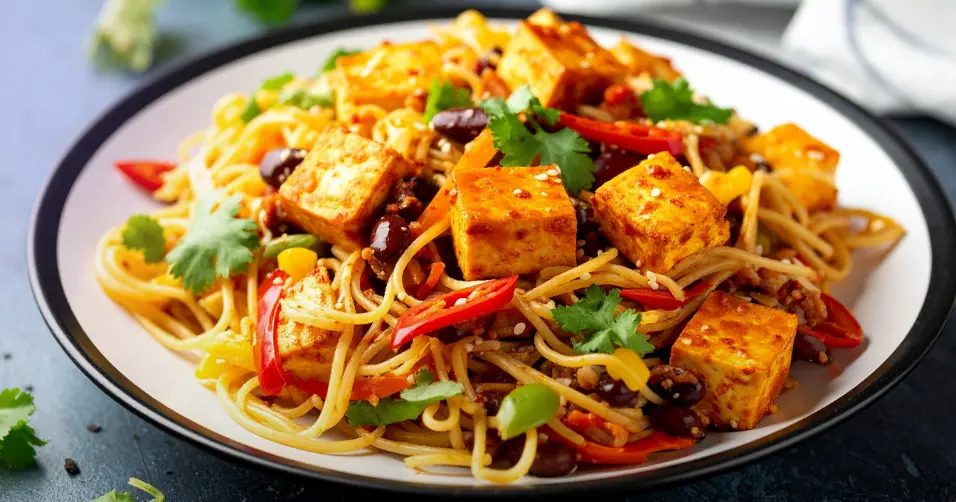
Best Vegetarian Protein Sources
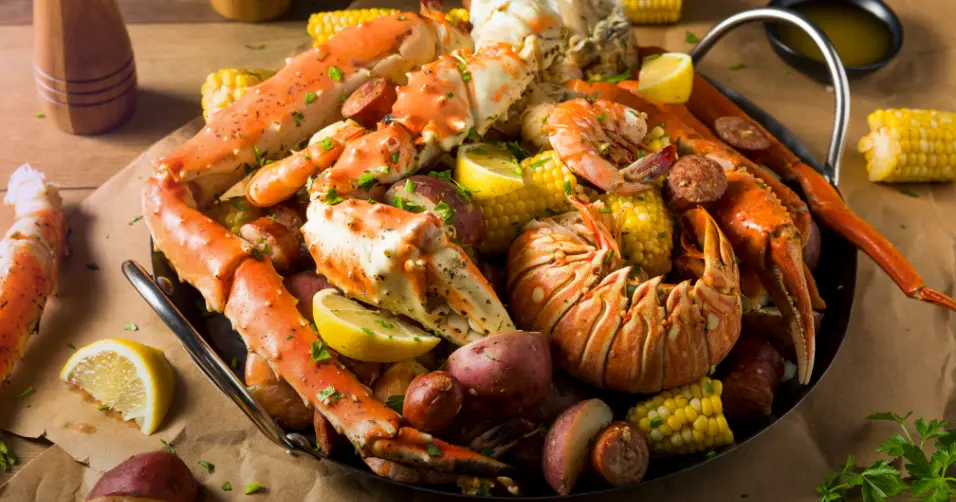
10 Best Seafood Protein Sources to Add to Your Diet
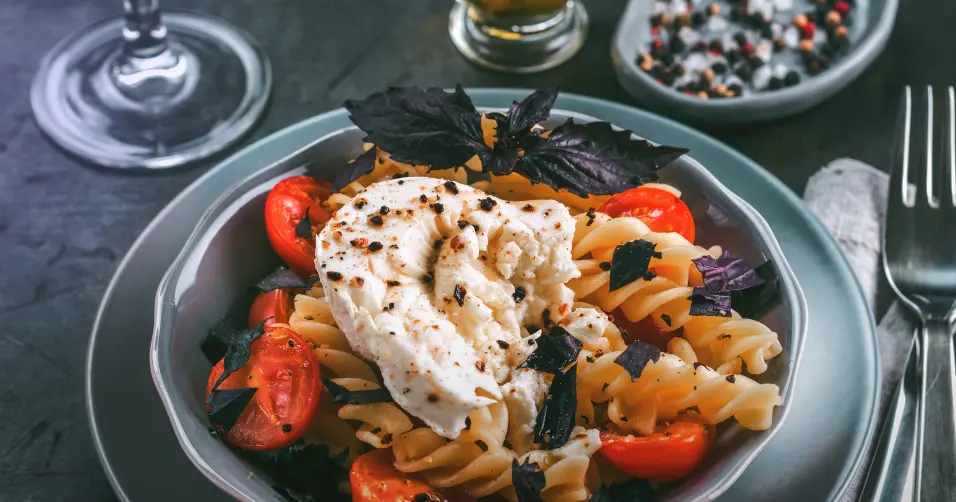
10 Best High-Protein Vegetarian Foods for Every Meal

10 Best High-Protein Vegan Foods for Plant-Based Diets

10 Best High-Protein Meat Dishes for Muscle Growth

10 Best High-Protein Chicken Dishes You’ll Crave
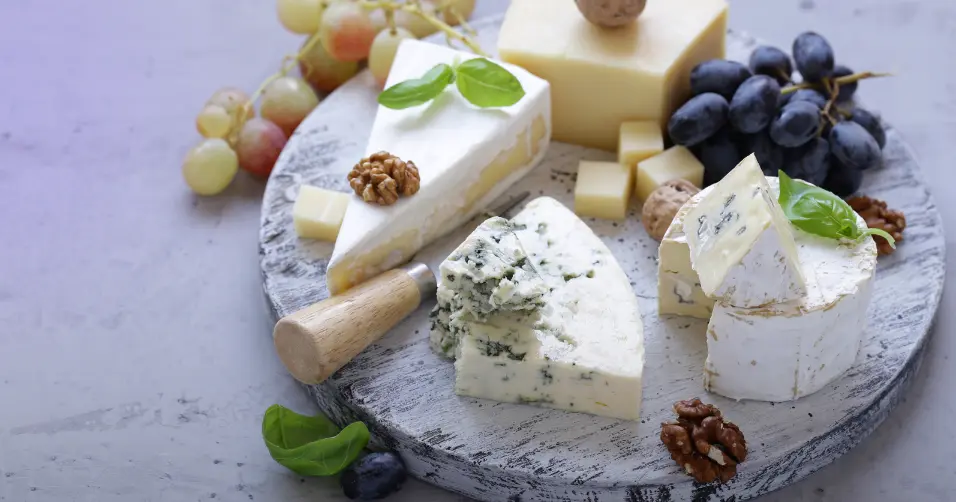
10 Best Cheeses High in Protein for Healthy Diets

8 Healthy High-Protein Dinners You’ll Want Every Night
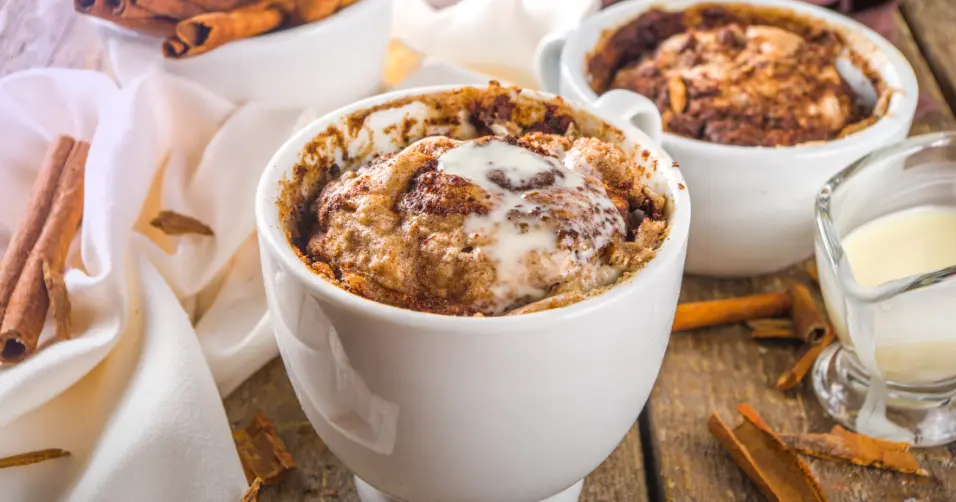
2-Minute Protein Mug Cake Recipe
Thinking about cutting back on meat or just looking for some new ideas for your meals?
You're in the right spot. It's easier than you might think to get plenty of protein without meat. There are so many tasty options out there, and they can be just as filling and good for you. This article is all about showing you some of the best high-protein vegetarian foods that can fit into any meal of your day.
1. Lentils
Lentils are a true staple, showing up in kitchens all over the world for good reason. They're small but mighty when it comes to protein. A single cooked cup can pack around 18 grams of the stuff, which is pretty impressive.
But it's not just about the protein. Lentils are also loaded with fiber. This is great for keeping things moving smoothly in your digestive system and can even help feed those good bacteria in your gut. Plus, eating lentils regularly might help lower your chances of heart disease and diabetes. They also come with a good dose of folate, manganese, iron, and other helpful plant compounds.
Here's a quick look at what you get:
Protein: Around 18g per cooked cup.
Fiber: A significant amount, contributing to digestive health.
Micronutrients: Good source of folate, manganese, and iron.
They're incredibly versatile too. You can toss them into soups, stews, salads, or even make them into veggie burgers. They cook relatively quickly, especially the red lentil varieties, making them a convenient option for busy weeknights.
2. Chickpeas
Chickpeas, also known as garbanzo beans, are incredibly versatile and a fantastic addition to any vegetarian diet. They're not just for hummus, though that's a great way to enjoy them! You can roast them for a crunchy snack, toss them into salads, add them to curries, or even blend them into veggie burgers. A cooked cup of chickpeas offers around 15 grams of protein, which is pretty solid. Plus, they come with a good dose of fiber, which helps keep you feeling full and supports your digestive system. They also bring along important minerals like folate and iron. These little legumes are a true staple for anyone looking to boost their protein intake without meat.
Here's a quick look at what a cup of cooked chickpeas provides:
Protein: ~15 grams
Fiber: ~12 grams
Key Nutrients: Folate, Iron, Manganese, Phosphorus
They're a great way to add substance and protein to meals, whether you're making a hearty stew or a light salad. Their mild flavor means they can pretty much go with anything you're cooking.
3. Kidney Beans
Kidney beans, often recognized by their distinctive kidney shape and deep red color, are a staple in many vegetarian kitchens. They're not just for that comforting bowl of rajma chawal; these legumes offer a solid amount of protein, typically around 15 grams per cooked cup. That's a good chunk of your daily protein needs right there.
Beyond protein, kidney beans bring a lot to the table. They are a good source of complex carbohydrates, which give you sustained energy, and they're loaded with fiber. This fiber is great for keeping your digestive system running smoothly and can help you feel full longer. Plus, they contain important minerals like iron, folate, and potassium.
Incorporating kidney beans into your meals is pretty straightforward.
Here are a few ideas:
Soups and Stews: They add body and protein to hearty vegetable soups or chili.
Salads: Toss them into a mixed green salad for a protein boost and some texture.
Dips and Spreads: Mash them up with spices for a flavorful dip, similar to refried beans.
While kidney beans are fantastic, remember they don't contain all the essential amino acids on their own. To make them a complete protein source, it's a good idea to pair them with grains like rice or quinoa. This combination ensures your body gets everything it needs.
4. Tofu
Tofu, often seen as a vegetarian's answer to cheese, is actually made from soybeans. It's super versatile and can be prepared in so many ways. Think about it: you can bake it, fry it, scramble it, or even blend it into creamy sauces. A typical half-cup serving usually packs around 10 grams of protein, which is pretty decent.
One thing to know about tofu is that it holds a lot of water. To get the best texture and flavor, especially if you're frying or baking it, you'll want to press out as much water as you can. This step really makes a difference. It also means tofu is a blank canvas for flavors; it soaks up marinades and spices like a sponge. So, don't be shy with the seasonings!
Here's a quick look at its protein content:
Type of Tofu | Protein per 100g (approx.) |
|---|---|
Silken | 5-8g |
Soft | 8-10g |
Medium | 10-12g |
Firm | 12-14g |
Extra-Firm | 14-16g |
If pressing tofu sounds like too much work, don't worry. You can find pre-pressed or even pre-seasoned and cooked versions in many grocery stores. These are great for quick meals, like tossing some into a stir-fry or adding it to a soup. It's a simple way to boost the protein in your meal without a lot of fuss.
5. Tempeh
Tempeh is a fermented soybean product that comes in a firm, block form. It's made by combining soybeans with a starter culture, which causes them to bind together. This fermentation process gives tempeh a firmer texture and a nuttier, more earthy flavor compared to tofu. It's also easier to digest for some people because the fermentation breaks down some of the complex carbohydrates.
A 100-gram serving of tempeh typically offers around 19 grams of protein, making it a substantial addition to any vegetarian meal. Because it's so dense, it holds up well to various cooking methods. You can crumble it for tacos or pasta sauces, slice it for sandwiches, or cube it for stir-fries and curries. It really soaks up marinades, so don't be shy with the seasonings!
Here's a quick look at its protein content:
Food Item | Serving Size | Protein (grams) |
|---|---|---|
Tempeh | 100 grams | ~19 |
Tempeh | 1 cup (cubed) | ~31 |
10 Delicious, High-Protein Vegetarian Meals
High-protein vegetarian foods provide essential amino acids and nutrients without using animal meat. These foods are ideal for maintaining muscle mass, supporting metabolism, and promoting overall health. Many plant-based proteins come from legumes, grains, nuts, and soy products that are easy to include in daily meals. When combined properly, they can deliver complete protein similar to animal sources. The list below highlights versatile, nutrient-rich vegetarian options suitable for any diet plan.
Lentils: Packed with protein and fiber, they support digestion and muscle recovery when used in soups or salads.
Chickpeas: A rich source of protein and complex carbs, great for curries, hummus, or roasted snacks.
Tofu: Made from soybeans, it offers complete protein and adapts easily to savory or spicy dishes.
Tempeh: A fermented soy product with higher protein density and probiotics for gut health.
Quinoa: A gluten-free grain containing all nine essential amino acids, ideal as a base for salads or bowls.
Greek Yogurt: High in protein and calcium, supporting muscle repair and bone health when eaten plain or with fruit.
Edamame: Immature soybeans that are rich in plant protein and fiber, ideal for snacking or side dishes.
Cottage Cheese: A dairy-based protein source that is low in fat and versatile in both savory and sweet meals.
Seitan: A wheat gluten product known for its meat-like texture and very high protein content.
Black Beans: A strong source of plant protein, fiber, and iron, often used in soups, burritos, and salads.
1. Lentils
Lentils are a true staple, showing up in kitchens all over the world for good reason. They're small but mighty when it comes to protein. A single cooked cup can pack around 18 grams of the stuff, which is pretty impressive.
But it's not just about the protein. Lentils are also loaded with fiber. This is great for keeping things moving smoothly in your digestive system and can even help feed those good bacteria in your gut. Plus, eating lentils regularly might help lower your chances of heart disease and diabetes. They also come with a good dose of folate, manganese, iron, and other helpful plant compounds.
Here's a quick look at what you get:
Protein: Around 18g per cooked cup.
Fiber: A significant amount, contributing to digestive health.
Micronutrients: Good source of folate, manganese, and iron.
They're incredibly versatile too. You can toss them into soups, stews, salads, or even make them into veggie burgers. They cook relatively quickly, especially the red lentil varieties, making them a convenient option for busy weeknights.
2. Chickpeas
Chickpeas, also known as garbanzo beans, are incredibly versatile and a fantastic addition to any vegetarian diet. They're not just for hummus, though that's a great way to enjoy them! You can roast them for a crunchy snack, toss them into salads, add them to curries, or even blend them into veggie burgers. A cooked cup of chickpeas offers around 15 grams of protein, which is pretty solid. Plus, they come with a good dose of fiber, which helps keep you feeling full and supports your digestive system. They also bring along important minerals like folate and iron. These little legumes are a true staple for anyone looking to boost their protein intake without meat.
Here's a quick look at what a cup of cooked chickpeas provides:
Protein: ~15 grams
Fiber: ~12 grams
Key Nutrients: Folate, Iron, Manganese, Phosphorus
They're a great way to add substance and protein to meals, whether you're making a hearty stew or a light salad. Their mild flavor means they can pretty much go with anything you're cooking.
3. Kidney Beans
Kidney beans, often recognized by their distinctive kidney shape and deep red color, are a staple in many vegetarian kitchens. They're not just for that comforting bowl of rajma chawal; these legumes offer a solid amount of protein, typically around 15 grams per cooked cup. That's a good chunk of your daily protein needs right there.
Beyond protein, kidney beans bring a lot to the table. They are a good source of complex carbohydrates, which give you sustained energy, and they're loaded with fiber. This fiber is great for keeping your digestive system running smoothly and can help you feel full longer. Plus, they contain important minerals like iron, folate, and potassium.
Incorporating kidney beans into your meals is pretty straightforward.
Here are a few ideas:
Soups and Stews: They add body and protein to hearty vegetable soups or chili.
Salads: Toss them into a mixed green salad for a protein boost and some texture.
Dips and Spreads: Mash them up with spices for a flavorful dip, similar to refried beans.
While kidney beans are fantastic, remember they don't contain all the essential amino acids on their own. To make them a complete protein source, it's a good idea to pair them with grains like rice or quinoa. This combination ensures your body gets everything it needs.
4. Tofu
Tofu, often seen as a vegetarian's answer to cheese, is actually made from soybeans. It's super versatile and can be prepared in so many ways. Think about it: you can bake it, fry it, scramble it, or even blend it into creamy sauces. A typical half-cup serving usually packs around 10 grams of protein, which is pretty decent.
One thing to know about tofu is that it holds a lot of water. To get the best texture and flavor, especially if you're frying or baking it, you'll want to press out as much water as you can. This step really makes a difference. It also means tofu is a blank canvas for flavors; it soaks up marinades and spices like a sponge. So, don't be shy with the seasonings!
Here's a quick look at its protein content:
Type of Tofu | Protein per 100g (approx.) |
|---|---|
Silken | 5-8g |
Soft | 8-10g |
Medium | 10-12g |
Firm | 12-14g |
Extra-Firm | 14-16g |
If pressing tofu sounds like too much work, don't worry. You can find pre-pressed or even pre-seasoned and cooked versions in many grocery stores. These are great for quick meals, like tossing some into a stir-fry or adding it to a soup. It's a simple way to boost the protein in your meal without a lot of fuss.
5. Tempeh
Tempeh is a fermented soybean product that comes in a firm, block form. It's made by combining soybeans with a starter culture, which causes them to bind together. This fermentation process gives tempeh a firmer texture and a nuttier, more earthy flavor compared to tofu. It's also easier to digest for some people because the fermentation breaks down some of the complex carbohydrates.
A 100-gram serving of tempeh typically offers around 19 grams of protein, making it a substantial addition to any vegetarian meal. Because it's so dense, it holds up well to various cooking methods. You can crumble it for tacos or pasta sauces, slice it for sandwiches, or cube it for stir-fries and curries. It really soaks up marinades, so don't be shy with the seasonings!
Here's a quick look at its protein content:
Food Item | Serving Size | Protein (grams) |
|---|---|---|
Tempeh | 100 grams | ~19 |
Tempeh | 1 cup (cubed) | ~31 |
Tempeh is also a good source of probiotics, which are beneficial for gut health, and it contains minerals like iron and calcium. It's a versatile ingredient that can really add some satisfying texture and protein to your plate.
6. Paneer
Paneer, that delightful Indian cheese, is a fantastic addition to any vegetarian diet looking for a protein boost. It's a fresh, non-aged cheese made by curdling milk with a food-grade acid like lemon juice or vinegar, then pressing the curds into a firm block. This process results in a food that's not only versatile in the kitchen but also packed with protein.
A typical 100-gram serving of paneer can offer around 18 grams of protein. It's a complete protein source, meaning it contains all the essential amino acids your body needs. However, it's worth noting that paneer is also quite high in fat, so it's best enjoyed in moderation as part of a balanced meal. Think of it as a treat that contributes significantly to your daily protein intake.
Paneer is incredibly adaptable. You can cube it and add it to curries, grill it for skewers, scramble it for a breakfast dish (paneer bhurji), or even enjoy it fried as a snack. Its mild flavor makes it a great canvas for spices and sauces, allowing it to soak up all the deliciousness of your cooking. When planning your meals, consider pairing paneer with plenty of vegetables and whole grains to create a well-rounded and satisfying dish.
7. Seitan
Often called "wheat meat," seitan is a fantastic option for vegetarians and vegans looking for a high-protein food that has a satisfyingly chewy, meat-like texture. It’s made from wheat gluten, which is the main protein found in wheat. Because of this, it's not suitable for anyone with celiac disease or gluten sensitivity.
Seitan really shines when it comes to protein content. A 100-gram serving can pack around 21 to 25 grams of protein, making it one of the most protein-dense plant-based foods available. It's also a good source of selenium and provides smaller amounts of iron and calcium.
What makes seitan so versatile is its ability to absorb flavors. You can marinate it, season it, and cook it in countless ways. It works wonderfully in dishes where you'd typically use meat, like stir-fries, "steaks," "ribs," or even in hearty stews. Just remember that while it's high in protein, it doesn't contain all the essential amino acids on its own, so pairing it with other protein sources throughout the day is a good idea for a well-rounded diet.
Here's a quick look at its nutritional profile:
Nutrient | Amount per 100g (approx.) |
|---|---|
Protein | 21-25g |
Selenium | Varies |
Iron | Small amounts |
Calcium | Small amounts |
8. Soybeans
Soybeans are pretty amazing, and they're the source of a few other vegetarian staples you'll find on this list. They're a complete protein, meaning they give you all the essential amino acids your body needs. You can eat them in a few different forms, each with its own benefits.
Edamame: These are young soybeans, often served steamed in their pods. They're a good source of folate, vitamin K, and fiber, which is great for keeping your digestive system running smoothly.
Tofu: Made from soybean curds, tofu is super versatile. It takes on the flavor of whatever you cook it with, making it a go-to for stir-fries, scrambles, and even desserts.
Tempeh: This is fermented soybeans, giving it a firmer texture and a slightly nutty flavor compared to tofu. It also contains probiotics, which are good for your gut, plus B vitamins and minerals like magnesium.
Here's a quick look at the protein content:
Food Item | Serving Size | Protein (g) |
|---|---|---|
Edamame | 1 cup | 17 |
Tofu | 1/2 cup | 10 |
Tempeh | 1 cup | 31 |
So, whether you're steaming them, pressing them, or fermenting them, soybeans are a solid choice for boosting your protein intake.
9. Black-Eyed Peas
Black-eyed peas, also known as Lobia, are a really versatile legume that often gets overlooked. They're not just for that classic Southern dish, though that's a great way to enjoy them! These little guys are pretty easy to cook and digest, which is a big plus when you're trying to get more protein into your diet without feeling weighed down. A cooked cup can give you around 13 grams of protein, which is a solid amount to help you feel full and satisfied.
They're also a good source of fiber, which is always a win for your digestive system. Plus, they bring along some iron and folate to the party. You can toss them into salads, add them to soups, or even mash them up for a dip. They have a mild flavor that doesn't overpower other ingredients, making them a great addition to all sorts of meals.
Nutrient | Amount per cooked cup |
|---|---|
Protein | ~13g |
Fiber | ~11g |
Iron | ~20% DV |
Folate | ~80% DV |
10. Quinoa
Quinoa is a bit of a unique one in the plant-based world. It's technically a seed, not a grain, but we cook and eat it just like one. It's a complete protein source, meaning it has all nine essential amino acids your body needs, which is pretty rare for plant foods.
Think of it as a super versatile base for meals. A cooked cup usually gives you about 8 grams of protein. It's also packed with fiber, iron, magnesium, and other good stuff.
Here's how you can easily add it to your diet:
Breakfast: Cook it up like oatmeal with some cinnamon, nuts, and a few dried fruits. It’s a warm and filling start to the day.
Lunch/Dinner: Use it instead of rice in salads, stir-fries, or as a side dish. It works well in grain bowls too.
Snacks: Leftover quinoa can be sprinkled over salads or sautéed greens for a little extra substance.
Its mild, slightly nutty flavor means it doesn't overpower other ingredients, making it a great go-to for boosting the protein content of pretty much any meal.
Wrapping It Up
So, there you have it! Eating vegetarian doesn't mean you have to skimp on protein. We've gone through a bunch of tasty options, from classic lentils and beans to versatile tofu and tempeh. The main takeaway is that variety is your best friend. Mixing and matching these foods throughout your day will help you get all the good stuff your body needs. It’s not that hard to make these protein-packed choices a regular part of your meals, whether you're grabbing a quick bite or cooking up a storm. Your body will thank you for it!
Tempeh is also a good source of probiotics, which are beneficial for gut health, and it contains minerals like iron and calcium. It's a versatile ingredient that can really add some satisfying texture and protein to your plate.
6. Paneer
Paneer, that delightful Indian cheese, is a fantastic addition to any vegetarian diet looking for a protein boost. It's a fresh, non-aged cheese made by curdling milk with a food-grade acid like lemon juice or vinegar, then pressing the curds into a firm block. This process results in a food that's not only versatile in the kitchen but also packed with protein.
A typical 100-gram serving of paneer can offer around 18 grams of protein. It's a complete protein source, meaning it contains all the essential amino acids your body needs. However, it's worth noting that paneer is also quite high in fat, so it's best enjoyed in moderation as part of a balanced meal. Think of it as a treat that contributes significantly to your daily protein intake.
Paneer is incredibly adaptable. You can cube it and add it to curries, grill it for skewers, scramble it for a breakfast dish (paneer bhurji), or even enjoy it fried as a snack. Its mild flavor makes it a great canvas for spices and sauces, allowing it to soak up all the deliciousness of your cooking. When planning your meals, consider pairing paneer with plenty of vegetables and whole grains to create a well-rounded and satisfying dish.
7. Seitan
Often called "wheat meat," seitan is a fantastic option for vegetarians and vegans looking for a high-protein food that has a satisfyingly chewy, meat-like texture. It’s made from wheat gluten, which is the main protein found in wheat. Because of this, it's not suitable for anyone with celiac disease or gluten sensitivity.
Seitan really shines when it comes to protein content. A 100-gram serving can pack around 21 to 25 grams of protein, making it one of the most protein-dense plant-based foods available. It's also a good source of selenium and provides smaller amounts of iron and calcium.
What makes seitan so versatile is its ability to absorb flavors. You can marinate it, season it, and cook it in countless ways. It works wonderfully in dishes where you'd typically use meat, like stir-fries, "steaks," "ribs," or even in hearty stews. Just remember that while it's high in protein, it doesn't contain all the essential amino acids on its own, so pairing it with other protein sources throughout the day is a good idea for a well-rounded diet.
Here's a quick look at its nutritional profile:
Nutrient | Amount per 100g (approx.) |
|---|---|
Protein | 21-25g |
Selenium | Varies |
Iron | Small amounts |
Calcium | Small amounts |
8. Soybeans
Soybeans are pretty amazing, and they're the source of a few other vegetarian staples you'll find on this list. They're a complete protein, meaning they give you all the essential amino acids your body needs. You can eat them in a few different forms, each with its own benefits.
Edamame: These are young soybeans, often served steamed in their pods. They're a good source of folate, vitamin K, and fiber, which is great for keeping your digestive system running smoothly.
Tofu: Made from soybean curds, tofu is super versatile. It takes on the flavor of whatever you cook it with, making it a go-to for stir-fries, scrambles, and even desserts.
Tempeh: This is fermented soybeans, giving it a firmer texture and a slightly nutty flavor compared to tofu. It also contains probiotics, which are good for your gut, plus B vitamins and minerals like magnesium.
Here's a quick look at the protein content:
Food Item | Serving Size | Protein (g) |
|---|---|---|
Edamame | 1 cup | 17 |
Tofu | 1/2 cup | 10 |
Tempeh | 1 cup | 31 |
So, whether you're steaming them, pressing them, or fermenting them, soybeans are a solid choice for boosting your protein intake.
9. Black-Eyed Peas
Black-eyed peas, also known as Lobia, are a really versatile legume that often gets overlooked. They're not just for that classic Southern dish, though that's a great way to enjoy them! These little guys are pretty easy to cook and digest, which is a big plus when you're trying to get more protein into your diet without feeling weighed down. A cooked cup can give you around 13 grams of protein, which is a solid amount to help you feel full and satisfied.
They're also a good source of fiber, which is always a win for your digestive system. Plus, they bring along some iron and folate to the party. You can toss them into salads, add them to soups, or even mash them up for a dip. They have a mild flavor that doesn't overpower other ingredients, making them a great addition to all sorts of meals.
Nutrient | Amount per cooked cup |
|---|---|
Protein | ~13g |
Fiber | ~11g |
Iron | ~20% DV |
Folate | ~80% DV |
10. Quinoa
Quinoa is a bit of a unique one in the plant-based world. It's technically a seed, not a grain, but we cook and eat it just like one. It's a complete protein source, meaning it has all nine essential amino acids your body needs, which is pretty rare for plant foods.
Think of it as a super versatile base for meals. A cooked cup usually gives you about 8 grams of protein. It's also packed with fiber, iron, magnesium, and other good stuff.
Here's how you can easily add it to your diet:
Breakfast: Cook it up like oatmeal with some cinnamon, nuts, and a few dried fruits. It’s a warm and filling start to the day.
Lunch/Dinner: Use it instead of rice in salads, stir-fries, or as a side dish. It works well in grain bowls too.
Snacks: Leftover quinoa can be sprinkled over salads or sautéed greens for a little extra substance.
Its mild, slightly nutty flavor means it doesn't overpower other ingredients, making it a great go-to for boosting the protein content of pretty much any meal.
Wrapping It Up
So, there you have it! Eating vegetarian doesn't mean you have to skimp on protein. We've gone through a bunch of tasty options, from classic lentils and beans to versatile tofu and tempeh. The main takeaway is that variety is your best friend. Mixing and matching these foods throughout your day will help you get all the good stuff your body needs. It’s not that hard to make these protein-packed choices a regular part of your meals, whether you're grabbing a quick bite or cooking up a storm. Your body will thank you for it!
Harald Ragnarok, Editor in Chief, Myopedia
Myopedia is your to-go source for simple, practical guide to getting stronger, leaner, and healthier for the long run—bringing together biohacking, longevity, and muscle growth in one place. It breaks down what to do and why it works, with straightforward training and nutrition basics plus clear explanations of supplements and newer health tools, so you can make better choices without getting lost in hype.
Medical Disclaimer: All content on this website is intended solely for informational and educational purposes and should not be interpreted as a substitute for professional medical advice, diagnosis, or treatment, nor as encouragement or promotion for or against any particular use, product, or activity. Results may vary and are not guaranteed. No doctor–patient relationship is created by your use of this content. Always consult a qualified healthcare provider, nutritionist, or other relevant expert before starting or changing any supplement, diet, exercise, or lifestyle program. This website can contain errors. Check important information. Read our full Disclaimer.
RSS – Status – Terms of Service – Privacy Policy – Disclaimer – About Myopedia.
©2025 Myopedia™. All rights reserved.
Myopedia is your to-go source for simple, practical guide to getting stronger, leaner, and healthier for the long run—bringing together biohacking, longevity, and muscle growth in one place. It breaks down what to do and why it works, with straightforward training and nutrition basics plus clear explanations of supplements and newer health tools, so you can make better choices without getting lost in hype.
Medical Disclaimer: All content on this website is intended solely for informational and educational purposes and should not be interpreted as a substitute for professional medical advice, diagnosis, or treatment, nor as encouragement or promotion for or against any particular use, product, or activity. Results may vary and are not guaranteed. No doctor–patient relationship is created by your use of this content. Always consult a qualified healthcare provider, nutritionist, or other relevant expert before starting or changing any supplement, diet, exercise, or lifestyle program. This website can contain errors. Check important information. Read our full Disclaimer.
RSS – Status – Terms of Service – Privacy Policy – Disclaimer – About Myopedia.
©2025 Myopedia™. All rights reserved.
Myopedia is your to-go source for simple, practical guide to getting stronger, leaner, and healthier for the long run—bringing together biohacking, longevity, and muscle growth in one place. It breaks down what to do and why it works, with straightforward training and nutrition basics plus clear explanations of supplements and newer health tools, so you can make better choices without getting lost in hype.
Medical Disclaimer: All content on this website is intended solely for informational and educational purposes and should not be interpreted as a substitute for professional medical advice, diagnosis, or treatment, nor as encouragement or promotion for or against any particular use, product, or activity. Results may vary and are not guaranteed. No doctor–patient relationship is created by your use of this content. Always consult a qualified healthcare provider, nutritionist, or other relevant expert before starting or changing any supplement, diet, exercise, or lifestyle program. This website can contain errors. Check important information. Read our full Disclaimer.
RSS – Status – Terms of Service – Privacy Policy – Disclaimer – About Myopedia.
©2025 Myopedia™. All rights reserved.