Body

Autophagy

Autophagy: What It Is and How It Works

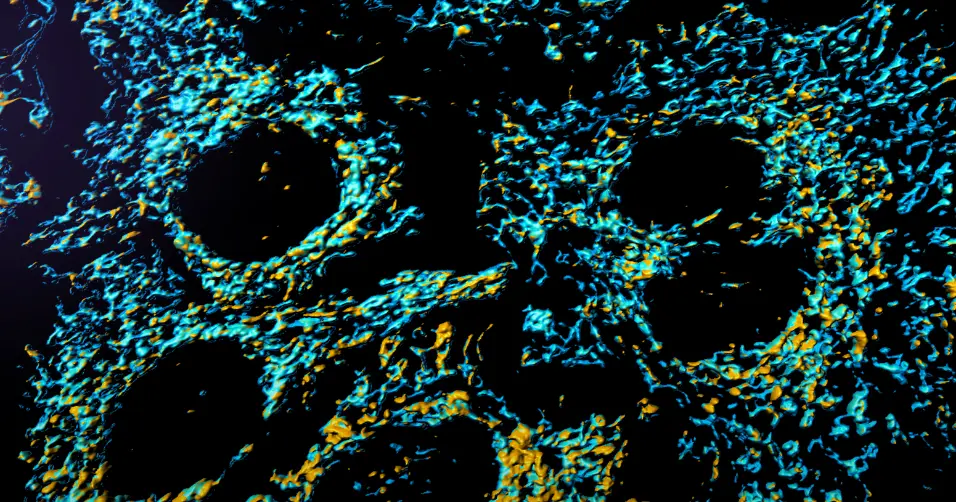
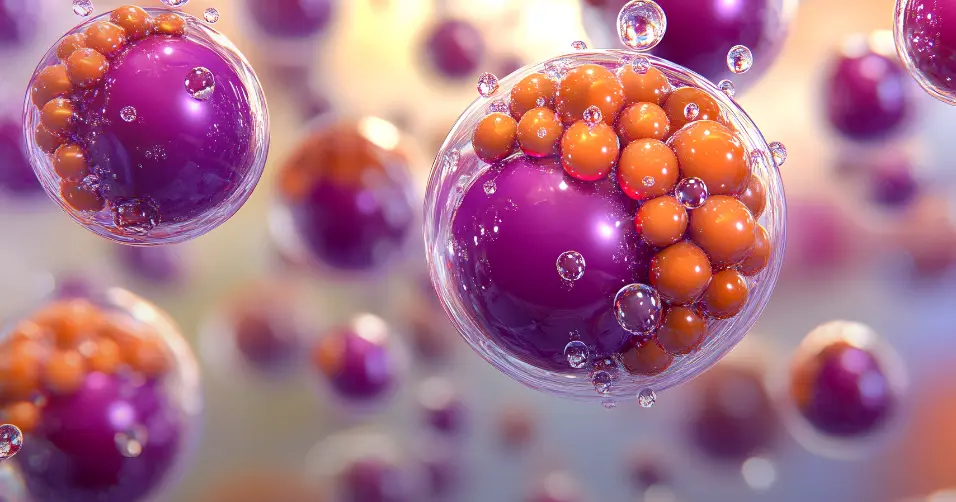
Autophagy is the cellular process of breaking down and recycling damaged components, promoting cellular renewal and longevity.

This article is educational and not intended to diagnose, treat, or suggest any specific intervention, and should not replace qualified medical advice.


Autophagy is the body’s process of cleaning out damaged cells for renewal.

How to Optimize Autophagy?

Autophagy, the process of cellular cleanup, can be promoted through fasting and exercise.

To optimize autophagy, lifestyle choices such as fasting, exercise, and sleep are central. Intermittent fasting and calorie restriction stimulate this cellular cleanup process. Exercise adds stress that encourages cells to recycle damaged parts. Sleep also provides long, uninterrupted periods for autophagy activity. A diet rich in unprocessed foods with limited excess energy supports ongoing cellular repair.

  • Fasting: Periods without food trigger autophagy by forcing cells to recycle internal resources.

  • Exercise: Both endurance and strength training stimulate autophagy in muscles and organs.

  • Sleep: Deep rest enhances autophagy by giving cells uninterrupted time for repair.

  • Balanced diet: Avoiding constant overeating prevents autophagy suppression caused by excess energy.

To optimize autophagy, lifestyle choices such as fasting, exercise, and sleep are central. Intermittent fasting and calorie restriction stimulate this cellular cleanup process. Exercise adds stress that encourages cells to recycle damaged parts. Sleep also provides long, uninterrupted periods for autophagy activity. A diet rich in unprocessed foods with limited excess energy supports ongoing cellular repair.

  • Fasting: Periods without food trigger autophagy by forcing cells to recycle internal resources.

  • Exercise: Both endurance and strength training stimulate autophagy in muscles and organs.

  • Sleep: Deep rest enhances autophagy by giving cells uninterrupted time for repair.

  • Balanced diet: Avoiding constant overeating prevents autophagy suppression caused by excess energy.

How Does Autophagy Impact Your Health?

Autophagy impacts health by cleaning damaged cells and reducing risk of disease.

Autophagy influences health by clearing damaged cells and recycling cellular components. This process protects against aging, inflammation, and some diseases. Enhanced autophagy is linked with better brain health and longer cell function. Poor autophagy may contribute to buildup of damaged proteins, raising disease risk. Supporting it through lifestyle promotes resilience at the cellular level.

  • Anti-aging: Autophagy delays cell damage buildup, supporting healthy longevity.

  • Neuroprotection: Helps clear protein clumps tied to memory disorders.

  • Metabolic health: Improves insulin sensitivity and energy efficiency in cells.

  • Disease defense: Removes damaged parts that might otherwise lead to illness.

Autophagy influences health by clearing damaged cells and recycling cellular components. This process protects against aging, inflammation, and some diseases. Enhanced autophagy is linked with better brain health and longer cell function. Poor autophagy may contribute to buildup of damaged proteins, raising disease risk. Supporting it through lifestyle promotes resilience at the cellular level.

  • Anti-aging: Autophagy delays cell damage buildup, supporting healthy longevity.

  • Neuroprotection: Helps clear protein clumps tied to memory disorders.

  • Metabolic health: Improves insulin sensitivity and energy efficiency in cells.

  • Disease defense: Removes damaged parts that might otherwise lead to illness.

What We Often Get Wrong About Autophagy?

Autophagy is often wrongly seen as harmful cell breakdown, but it is a recycling process that clears damaged parts and supports cell health.

A common misconception about autophagy is that it only happens during fasting. In reality, it occurs at low levels daily and is influenced by exercise and sleep as well. Some think more fasting always equals more autophagy, but extreme fasting may also harm muscle and organs. Others confuse it with weight loss, though it is a repair process, not a fat-burning one. The body uses autophagy for cellular cleaning, not just dieting.

  • Always active: Autophagy runs at background levels, not just when fasting.

  • Exercise trigger: Physical activity stimulates it in muscles and organs too.

  • Not weight loss: Its main role is cell repair, not fat burning.

  • Moderation key: Too much fasting may hurt health despite autophagy benefits.

A common misconception about autophagy is that it only happens during fasting. In reality, it occurs at low levels daily and is influenced by exercise and sleep as well. Some think more fasting always equals more autophagy, but extreme fasting may also harm muscle and organs. Others confuse it with weight loss, though it is a repair process, not a fat-burning one. The body uses autophagy for cellular cleaning, not just dieting.

  • Always active: Autophagy runs at background levels, not just when fasting.

  • Exercise trigger: Physical activity stimulates it in muscles and organs too.

  • Not weight loss: Its main role is cell repair, not fat burning.

  • Moderation key: Too much fasting may hurt health despite autophagy benefits.

Key Autophagy Indicators You May Want to Track

Key autophagy indicators are cellular markers like LC3 proteins, improved metabolic health, and reduced damaged cell buildup.

Key autophagy indicators are indirect since the process is not easily measured in daily life. Research uses blood markers and tissue samples, but in practice, fasting duration and exercise act as signals. Improved insulin sensitivity and reduced inflammation may reflect active autophagy. Longevity studies track disease risk reduction linked to autophagy activation. Lifestyle markers, not direct tests, are the main guides.

  • Fasting periods: Longer stretches without food typically activate autophagy.

  • Exercise stimulus: Regular training encourages autophagy in muscle cells.

  • Metabolic health: Better insulin response suggests cellular repair activity.

  • Inflammation markers: Lower inflammation may indicate effective autophagy.

Key autophagy indicators are indirect since the process is not easily measured in daily life. Research uses blood markers and tissue samples, but in practice, fasting duration and exercise act as signals. Improved insulin sensitivity and reduced inflammation may reflect active autophagy. Longevity studies track disease risk reduction linked to autophagy activation. Lifestyle markers, not direct tests, are the main guides.

  • Fasting periods: Longer stretches without food typically activate autophagy.

  • Exercise stimulus: Regular training encourages autophagy in muscle cells.

  • Metabolic health: Better insulin response suggests cellular repair activity.

  • Inflammation markers: Lower inflammation may indicate effective autophagy.

What Causes Changes in Autophagy?

Changes in autophagy are caused by fasting, exercise, and nutrient availability.

Changes in autophagy are caused by fasting, exercise, nutrition, and stress. Going without food for extended periods triggers cells to recycle damaged parts. Exercise stimulates autophagy in muscles and organs as part of recovery. Diets high in constant energy and processed foods suppress autophagy. Chronic stress and poor sleep reduce the body’s ability to maintain effective cellular repair.

  • Fasting effect: Time without food activates autophagy as cells recycle energy sources.

  • Exercise trigger: Training boosts autophagy in muscle tissue and heart.

  • Diet quality: Constant overeating dampens autophagy activity.

  • Sleep stress: Poor rest or stress limits cellular recycling efficiency.

Changes in autophagy are caused by fasting, exercise, nutrition, and stress. Going without food for extended periods triggers cells to recycle damaged parts. Exercise stimulates autophagy in muscles and organs as part of recovery. Diets high in constant energy and processed foods suppress autophagy. Chronic stress and poor sleep reduce the body’s ability to maintain effective cellular repair.

  • Fasting effect: Time without food activates autophagy as cells recycle energy sources.

  • Exercise trigger: Training boosts autophagy in muscle tissue and heart.

  • Diet quality: Constant overeating dampens autophagy activity.

  • Sleep stress: Poor rest or stress limits cellular recycling efficiency.

Does Autophagy Relate to Longevity?

Autophagy relates strongly to longevity by recycling damaged cells and reducing age-related diseases.

Autophagy is strongly tied to longevity since it clears damaged cell parts. Efficient autophagy reduces buildup of toxic proteins and supports healthy aging. It lowers inflammation and improves resilience against disease. Reduced autophagy with age contributes to degenerative conditions. Supporting it with fasting, exercise, and sleep may extend lifespan quality.

  • Cell repair: Autophagy recycles broken cell parts, slowing aging.

  • Brain protection: Helps clear proteins linked to memory decline.

  • Inflammation control: Active autophagy lowers chronic inflammation, aiding longevity.

  • Aging decline: Less autophagy over time contributes to age-related disease.

Autophagy is strongly tied to longevity since it clears damaged cell parts. Efficient autophagy reduces buildup of toxic proteins and supports healthy aging. It lowers inflammation and improves resilience against disease. Reduced autophagy with age contributes to degenerative conditions. Supporting it with fasting, exercise, and sleep may extend lifespan quality.

  • Cell repair: Autophagy recycles broken cell parts, slowing aging.

  • Brain protection: Helps clear proteins linked to memory decline.

  • Inflammation control: Active autophagy lowers chronic inflammation, aiding longevity.

  • Aging decline: Less autophagy over time contributes to age-related disease.

What Can Go Wrong With Autophagy?

With autophagy, what can go wrong is impairment leading to buildup of damaged cells and faster aging.

With autophagy, problems occur when the process is either weak or excessive. Low autophagy leads to buildup of damaged proteins and higher disease risk. Excessive autophagy can harm muscle or organs, especially with prolonged fasting. Aging naturally reduces autophagy efficiency, slowing cellular cleanup. Balance is key for long-term health.

  • Too little: Damaged proteins accumulate, raising risk of degenerative disease.

  • Too much: Excessive recycling can harm healthy tissues.

  • Aging decline: Reduced autophagy makes cells more vulnerable with age.

  • Fasting risk: Extreme fasting may over-activate autophagy, damaging muscle.

With autophagy, problems occur when the process is either weak or excessive. Low autophagy leads to buildup of damaged proteins and higher disease risk. Excessive autophagy can harm muscle or organs, especially with prolonged fasting. Aging naturally reduces autophagy efficiency, slowing cellular cleanup. Balance is key for long-term health.

  • Too little: Damaged proteins accumulate, raising risk of degenerative disease.

  • Too much: Excessive recycling can harm healthy tissues.

  • Aging decline: Reduced autophagy makes cells more vulnerable with age.

  • Fasting risk: Extreme fasting may over-activate autophagy, damaging muscle.

How Does Autophagy Vary With Age?

Autophagy varies with age as the process slows, reducing cellular cleanup efficiency.

Autophagy varies with age, generally declining over time. In youth, autophagy is highly active, supporting growth and repair. Adults maintain moderate levels depending on lifestyle and stress. Aging reduces efficiency, leading to buildup of damaged proteins. This decline contributes to age-related diseases and slower recovery.

  • Younger years: High autophagy keeps cells clean and functional.

  • Adulthood: Moderate activity continues but depends on habits like diet and exercise.

  • Aging: Autophagy slows, allowing more cell damage to accumulate.

  • Disease risk: Reduced autophagy contributes to degenerative disorders in old age.

Autophagy varies with age, generally declining over time. In youth, autophagy is highly active, supporting growth and repair. Adults maintain moderate levels depending on lifestyle and stress. Aging reduces efficiency, leading to buildup of damaged proteins. This decline contributes to age-related diseases and slower recovery.

  • Younger years: High autophagy keeps cells clean and functional.

  • Adulthood: Moderate activity continues but depends on habits like diet and exercise.

  • Aging: Autophagy slows, allowing more cell damage to accumulate.

  • Disease risk: Reduced autophagy contributes to degenerative disorders in old age.

How Does Your Lifestyle Affect Autophagy?

Lifestyle affects autophagy through fasting, diet composition, and exercise.

Your lifestyle influences autophagy through diet, exercise, and recovery. Fasting or time-restricted eating encourages more cellular cleanup. Regular training adds another trigger for autophagy in muscle and organs. Poor sleep or constant overeating suppress the process. Balanced habits keep autophagy working steadily for repair and resilience.

  • Fasting practices: Time gaps between meals stimulate autophagy activity.

  • Exercise: Both cardio and strength training encourage cell recycling.

  • Sleep quality: Deep rest strengthens natural autophagy cycles.

  • Overeating: Constant surplus energy blocks autophagy from activating fully.

Your lifestyle influences autophagy through diet, exercise, and recovery. Fasting or time-restricted eating encourages more cellular cleanup. Regular training adds another trigger for autophagy in muscle and organs. Poor sleep or constant overeating suppress the process. Balanced habits keep autophagy working steadily for repair and resilience.

  • Fasting practices: Time gaps between meals stimulate autophagy activity.

  • Exercise: Both cardio and strength training encourage cell recycling.

  • Sleep quality: Deep rest strengthens natural autophagy cycles.

  • Overeating: Constant surplus energy blocks autophagy from activating fully.

How Does Nutrition Impact Autophagy?

Nutrition impacts autophagy by fasting, low protein periods, and nutrient timing.

Nutrition influences autophagy by regulating energy balance and nutrient intake. Constant overeating suppresses autophagy, while fasting or reduced calories stimulate it. Certain nutrients like polyphenols from plants may encourage cellular repair. Diets high in sugar and processed foods slow down the process. Balanced, nutrient-rich eating keeps autophagy functioning better.

  • Overeating: Suppresses cellular recycling and repair processes.

  • Fasting: Stimulates autophagy by limiting outside energy sources.

  • Plant compounds: Polyphenols may boost autophagy activity.

  • Poor diets: High sugar and fat slow down repair efficiency.

Nutrition influences autophagy by regulating energy balance and nutrient intake. Constant overeating suppresses autophagy, while fasting or reduced calories stimulate it. Certain nutrients like polyphenols from plants may encourage cellular repair. Diets high in sugar and processed foods slow down the process. Balanced, nutrient-rich eating keeps autophagy functioning better.

  • Overeating: Suppresses cellular recycling and repair processes.

  • Fasting: Stimulates autophagy by limiting outside energy sources.

  • Plant compounds: Polyphenols may boost autophagy activity.

  • Poor diets: High sugar and fat slow down repair efficiency.

What Supplements May Aid Autophagy?

Supplements that may aid autophagy are spermidine and fasting-mimicking nutrients, though research is still developing.

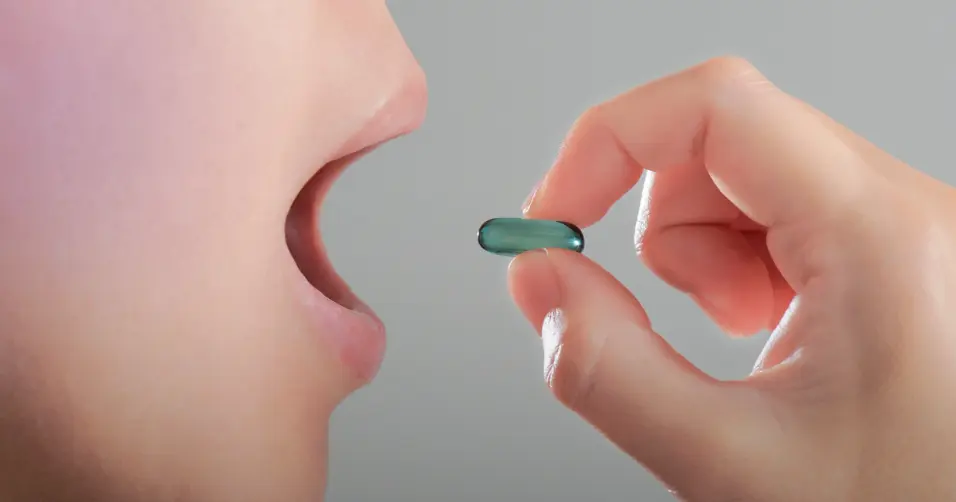
For autophagy, supplements can modestly encourage cellular repair. Resveratrol and quercetin, plant compounds, are studied for their autophagy effects. Spermidine, found naturally in some foods, shows potential for boosting the process. Green tea compounds may also support cellular recycling. Research is still developing, so lifestyle factors remain primary drivers.

  • Resveratrol: Plant compound with evidence for activating autophagy pathways.

  • Quercetin: Supports stress response and autophagy in studies.

  • Spermidine: Natural nutrient linked to better cellular recycling.

  • Green tea extract: Provides compounds that may enhance autophagy.

For autophagy, supplements can modestly encourage cellular repair. Resveratrol and quercetin, plant compounds, are studied for their autophagy effects. Spermidine, found naturally in some foods, shows potential for boosting the process. Green tea compounds may also support cellular recycling. Research is still developing, so lifestyle factors remain primary drivers.

  • Resveratrol: Plant compound with evidence for activating autophagy pathways.

  • Quercetin: Supports stress response and autophagy in studies.

  • Spermidine: Natural nutrient linked to better cellular recycling.

  • Green tea extract: Provides compounds that may enhance autophagy.

Can Fasting Optimize Autophagy?

Fasting can optimize autophagy by triggering cellular repair during nutrient deprivation.

Fasting can optimize autophagy by triggering cellular repair when food is absent. Intermittent fasting is a known activator of this process. Longer fasts may increase autophagy but also carry muscle risks. Exercise and fasting together enhance autophagy effects. Safe fasting cycles balance benefits without damaging healthy tissue.

  • Cell repair: Fasting activates recycling of damaged components.

  • Intermittent fasting: Regular cycles support steady autophagy.

  • Long fast caution: Too much fasting risks muscle breakdown.

  • Exercise synergy: Training during fasting enhances repair signals.

Fasting can optimize autophagy by triggering cellular repair when food is absent. Intermittent fasting is a known activator of this process. Longer fasts may increase autophagy but also carry muscle risks. Exercise and fasting together enhance autophagy effects. Safe fasting cycles balance benefits without damaging healthy tissue.

  • Cell repair: Fasting activates recycling of damaged components.

  • Intermittent fasting: Regular cycles support steady autophagy.

  • Long fast caution: Too much fasting risks muscle breakdown.

  • Exercise synergy: Training during fasting enhances repair signals.

How Your Workout Regimen Affects Autophagy?

Your workout regimen affects autophagy by stimulating cellular cleanup during and after workouts.

Your workout regimen strongly influences autophagy. Exercise triggers autophagy in muscle and organ tissues as part of recovery. Endurance and strength training both encourage this cellular cleanup. Overtraining, however, can increase stress and blunt benefits. Regular, moderate exercise is a reliable way to support autophagy.

  • Exercise trigger: Training activates repair processes in cells.

  • Endurance role: Cardio boosts autophagy in heart and muscle.

  • Strength role: Weight training also promotes recycling in tissues.

  • Overload risk: Too much training raises stress, reducing benefits.

Your workout regimen strongly influences autophagy. Exercise triggers autophagy in muscle and organ tissues as part of recovery. Endurance and strength training both encourage this cellular cleanup. Overtraining, however, can increase stress and blunt benefits. Regular, moderate exercise is a reliable way to support autophagy.

  • Exercise trigger: Training activates repair processes in cells.

  • Endurance role: Cardio boosts autophagy in heart and muscle.

  • Strength role: Weight training also promotes recycling in tissues.

  • Overload risk: Too much training raises stress, reducing benefits.

What's the Latest Research on Autophagy?

Latest research on autophagy indicates that fasting triggers cleanup, but exercise can activate it even without fasting.

The latest research on autophagy highlights its role in aging and disease prevention. Animal studies show enhanced autophagy extends lifespan by clearing damaged proteins. Human trials are exploring fasting, exercise, and plant compounds as triggers. Researchers caution that excessive fasting may harm rather than help. The focus is on safe ways to stimulate steady cellular repair.

  • Aging link: Autophagy supports longevity by reducing cell damage.

  • Animal studies: Enhanced recycling extends lifespan in lab models.

  • Human trials: Fasting and exercise are main research tools.

  • Safety note: Over-fasting may harm tissues despite autophagy benefits.

The latest research on autophagy highlights its role in aging and disease prevention. Animal studies show enhanced autophagy extends lifespan by clearing damaged proteins. Human trials are exploring fasting, exercise, and plant compounds as triggers. Researchers caution that excessive fasting may harm rather than help. The focus is on safe ways to stimulate steady cellular repair.

  • Aging link: Autophagy supports longevity by reducing cell damage.

  • Animal studies: Enhanced recycling extends lifespan in lab models.

  • Human trials: Fasting and exercise are main research tools.

  • Safety note: Over-fasting may harm tissues despite autophagy benefits.

Does AKG Affect Autophagy?

AKG is a metabolic molecule that may influence autophagy, the cell’s recycling process, but human evidence is limited.

AKG may affect autophagy by interacting with energy-sensing pathways in cells. Autophagy is the process where cells recycle old parts. Some studies link AKG to signals connected with cellular cleanup. Effects can vary by tissue and age. More research is ongoing in this area.

  • Energy pathway effects may influence autophagy triggers. This includes signals cells use to judge nutrient levels.

  • Recycling support may help cells clear waste more efficiently. This keeps internal structures healthier.

  • Metabolic balance may help maintain normal cell function. Balanced metabolism supports cleanup cycles.

AKG may affect autophagy by interacting with energy-sensing pathways in cells. Autophagy is the process where cells recycle old parts. Some studies link AKG to signals connected with cellular cleanup. Effects can vary by tissue and age. More research is ongoing in this area.

  • Energy pathway effects may influence autophagy triggers. This includes signals cells use to judge nutrient levels.

  • Recycling support may help cells clear waste more efficiently. This keeps internal structures healthier.

  • Metabolic balance may help maintain normal cell function. Balanced metabolism supports cleanup cycles.

What Role Does Curcumin Play in Autophagy?

Curcumin may influence autophagy, the cell’s self-cleaning process, by mildly activating energy-sensing pathways in studies.

Curcumin may influence autophagy, the cell cleanup process, by supporting signals that help cells recycle waste. It is studied for its effect on pathways linked to cell stress. The compound appears to work gently and indirectly. Its impact can vary with dose and form. Human evidence remains early, so effects may be modest.

  • Autophagy support is linked to cell survival during stress; curcumin may nudge related pathways without strong force.

  • Oxidative stress reduction may help cells maintain balance, which indirectly supports cleanup processes.

  • Cell signaling effects include actions on proteins that guide recycling steps, though findings differ by study.


Curcumin may influence autophagy, the cell cleanup process, by supporting signals that help cells recycle waste. It is studied for its effect on pathways linked to cell stress. The compound appears to work gently and indirectly. Its impact can vary with dose and form. Human evidence remains early, so effects may be modest.

  • Autophagy support is linked to cell survival during stress; curcumin may nudge related pathways without strong force.

  • Oxidative stress reduction may help cells maintain balance, which indirectly supports cleanup processes.

  • Cell signaling effects include actions on proteins that guide recycling steps, though findings differ by study.


Do Minerals Support Hydration?

Minerals support hydration by maintaining osmotic, or fluid, balance across cells.

Minerals support hydration by helping manage fluid movement inside and outside cells. Sodium drives water absorption, while potassium maintains cellular balance. Magnesium and calcium assist in muscle and nerve activity tied to hydration cues. Without minerals, water cannot distribute properly. They form the core of electrolyte function.

  • Fluid control: Minerals regulate water shifts.

  • Cell stability: Potassium keeps cells hydrated correctly.

  • Muscle benefits: Reduce cramping during fluid loss.

  • Electrolyte base: Essential for hydration performance.


Minerals support hydration by helping manage fluid movement inside and outside cells. Sodium drives water absorption, while potassium maintains cellular balance. Magnesium and calcium assist in muscle and nerve activity tied to hydration cues. Without minerals, water cannot distribute properly. They form the core of electrolyte function.

  • Fluid control: Minerals regulate water shifts.

  • Cell stability: Potassium keeps cells hydrated correctly.

  • Muscle benefits: Reduce cramping during fluid loss.

  • Electrolyte base: Essential for hydration performance.


Does Iodine Support Thyroid Function?

Iodine supports thyroid function by forming hormones that control metabolism.

Iodine supports thyroid function by enabling the body to produce thyroid hormones. These hormones regulate energy use and temperature control. Without enough iodine, hormone production slows. Adequate levels keep metabolism steady. Intake needs vary by age and health.

  • Hormone building: Iodine forms the base of thyroid hormones.

  • Energy control: Hormones affect metabolic speed.

  • Deficiency issues: Low iodine impairs hormone output.

  • Balance: Proper intake maintains stable thyroid function.


Iodine supports thyroid function by enabling the body to produce thyroid hormones. These hormones regulate energy use and temperature control. Without enough iodine, hormone production slows. Adequate levels keep metabolism steady. Intake needs vary by age and health.

  • Hormone building: Iodine forms the base of thyroid hormones.

  • Energy control: Hormones affect metabolic speed.

  • Deficiency issues: Low iodine impairs hormone output.

  • Balance: Proper intake maintains stable thyroid function.


Does Resveratrol Enhance Autophagy?

Resveratrol enhances autophagy by activating cell cleanup pathways.

Resveratrol shows activity in pathways connected to autophagy. Autophagy is a cell process that clears damaged components. Restored balance in these pathways helps maintain cell housekeeping. Resveratrol interacts with stress-response proteins that influence this process. Effects depend on overall health habits.

  • Cell-cleaning signals interact with resveratrol. These signals support natural renewal.

  • Stress-response proteins help regulate autophagy timing. Resveratrol touches these proteins.

  • Energy pathway links tie into cell recycling. These links support balanced cell metabolism.

  • Whole-food context matters since diet variety influences outcomes. Mixed diets offer broader support.

Resveratrol shows activity in pathways connected to autophagy. Autophagy is a cell process that clears damaged components. Restored balance in these pathways helps maintain cell housekeeping. Resveratrol interacts with stress-response proteins that influence this process. Effects depend on overall health habits.

  • Cell-cleaning signals interact with resveratrol. These signals support natural renewal.

  • Stress-response proteins help regulate autophagy timing. Resveratrol touches these proteins.

  • Energy pathway links tie into cell recycling. These links support balanced cell metabolism.

  • Whole-food context matters since diet variety influences outcomes. Mixed diets offer broader support.

Medical Disclaimer: All content on this website is intended solely for informational and educational purposes and should not be interpreted as a substitute for professional medical advice, diagnosis, or treatment, nor as encouragement or promotion for or against any particular use, product, or activity. Results may vary and are not guaranteed. No doctor–patient relationship is created by your use of this content. Always consult a qualified healthcare provider, nutritionist, or other relevant expert before starting or changing any supplement, diet, exercise, or lifestyle program. This website can contain errors. Check important information. Read our full Disclaimer.

StatusTerms of ServicePrivacy PolicyDisclaimerAbout Myopedia.

©2025 Myopedia™. All rights reserved.

Medical Disclaimer: All content on this website is intended solely for informational and educational purposes and should not be interpreted as a substitute for professional medical advice, diagnosis, or treatment, nor as encouragement or promotion for or against any particular use, product, or activity. Results may vary and are not guaranteed. No doctor–patient relationship is created by your use of this content. Always consult a qualified healthcare provider, nutritionist, or other relevant expert before starting or changing any supplement, diet, exercise, or lifestyle program. This website can contain errors. Check important information. Read our full Disclaimer.

StatusTerms of ServicePrivacy PolicyDisclaimerAbout Myopedia.

©2025 Myopedia™. All rights reserved.

Medical Disclaimer: All content on this website is intended solely for informational and educational purposes and should not be interpreted as a substitute for professional medical advice, diagnosis, or treatment, nor as encouragement or promotion for or against any particular use, product, or activity. Results may vary and are not guaranteed. No doctor–patient relationship is created by your use of this content. Always consult a qualified healthcare provider, nutritionist, or other relevant expert before starting or changing any supplement, diet, exercise, or lifestyle program. This website can contain errors. Check important information. Read our full Disclaimer.

StatusTerms of ServicePrivacy PolicyDisclaimerAbout Myopedia.

©2025 Myopedia™. All rights reserved.