Supplements
Resveratrol
Your Complete Guide to Resveratrol
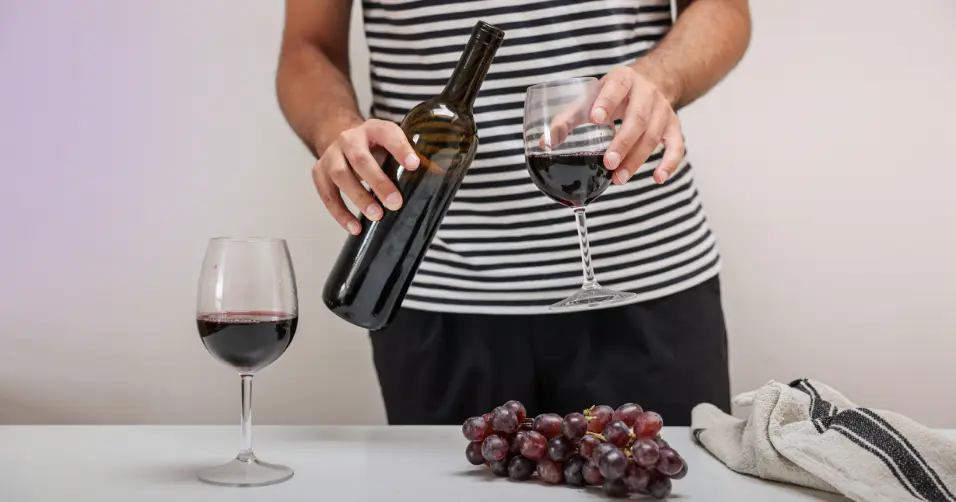
Resveratrol, a polyphenol in red wine, grapes, and berries, exhibits anti-inflammatory and antioxidant effects linked to cardiovascular protection and potential longevity benefits. Research indicates it activates genes associated with aging, and could promote longevity, but human studies are still limited.
This article is educational and not intended to diagnose, treat, or suggest any specific intervention, and should not replace qualified medical advice.
What Does Resveratrol Do?
Resveratrol may support longevity by activating sirtuins, proteins that regulate DNA repair and energy balance.
Resveratrol may aid longevity by supporting healthy cell function and reducing oxidative stress, which is damage caused by unstable molecules. It is often studied for its ability to activate sirtuins, proteins linked with lifespan extension in animal studies. Resveratrol may also improve blood vessel flexibility, helping circulation and heart health. Its anti-inflammatory effects could lower long-term risk of age-related conditions. However, evidence in humans is still limited compared to animal research.
Activates sirtuins: These are proteins that help with DNA repair and energy balance, processes tied to longer life in lab studies.
Supports vascular health: Improves blood flow by making blood vessels more elastic, which reduces strain on the heart.
Reduces inflammation: Chronic inflammation speeds up aging; resveratrol may lower related chemical signals.
Protects cells: Neutralizes free radicals, unstable molecules that damage DNA and proteins over time.
Resveratrol may aid longevity by supporting healthy cell function and reducing oxidative stress, which is damage caused by unstable molecules. It is often studied for its ability to activate sirtuins, proteins linked with lifespan extension in animal studies. Resveratrol may also improve blood vessel flexibility, helping circulation and heart health. Its anti-inflammatory effects could lower long-term risk of age-related conditions. However, evidence in humans is still limited compared to animal research.
Activates sirtuins: These are proteins that help with DNA repair and energy balance, processes tied to longer life in lab studies.
Supports vascular health: Improves blood flow by making blood vessels more elastic, which reduces strain on the heart.
Reduces inflammation: Chronic inflammation speeds up aging; resveratrol may lower related chemical signals.
Protects cells: Neutralizes free radicals, unstable molecules that damage DNA and proteins over time.
Resveratrol: FACTS
Role | Antioxidant polyphenol; heart, brain, longevity |
Form & Classification | Stilbene compound |
Typical Dosage & Intake | 100–500 mg/day in studies |
Cycling | Not required |
Sources | Red grapes, wine, supplements |
Safety & Interactions | Safe; high doses may cause GI upset |
Dosage information is general and may vary with product brand, quality or individual needs; verify accuracy on package and consult a qualified practitioner before use.
What Is Resveratrol?
Resveratrol is a plant polyphenol with antioxidant effects and potential influence on aging-related pathways.
Resveratrol is a natural compound found in foods such as grapes and peanuts. It has been studied for its potential anti-aging, heart health, and metabolic benefits. It works by activating pathways linked to longevity and stress resistance, such as sirtuins. While generally well tolerated, high doses can cause digestive upset. Its overall effects in humans are still under study, with many trials ongoing.
Resveratrol has antioxidant and anti-inflammatory properties.
Animal studies link it to longer lifespan, but human results are mixed.
Supplemental doses vary widely, from a few milligrams to several hundred.
It may interact with blood-thinning medications due to mild anticoagulant effects.
Resveratrol is a natural compound found in foods such as grapes and peanuts. It has been studied for its potential anti-aging, heart health, and metabolic benefits. It works by activating pathways linked to longevity and stress resistance, such as sirtuins. While generally well tolerated, high doses can cause digestive upset. Its overall effects in humans are still under study, with many trials ongoing.
Resveratrol has antioxidant and anti-inflammatory properties.
Animal studies link it to longer lifespan, but human results are mixed.
Supplemental doses vary widely, from a few milligrams to several hundred.
It may interact with blood-thinning medications due to mild anticoagulant effects.
Which Processes Does Resveratrol Affect?
Resveratrol mainly affects sirtuin pathways, mitochondrial function, and inflammation control.
Resveratrol affects several processes linked with aging, particularly those tied to energy metabolism and cell survival. It influences the sirtuin pathway, which is involved in DNA repair and stress resistance. Resveratrol also impacts inflammation by downregulating NF-κB, a protein complex that drives inflammatory responses. Another effect is improved mitochondrial function, which boosts cell energy and reduces decline. It also plays a role in glucose metabolism, supporting stable blood sugar control.
Sirtuin activation: Enhances DNA repair and resilience to stress, processes tied to healthy aging.
Inflammation control: Reduces NF-κB activity, lowering chronic inflammation that accelerates aging.
Mitochondrial function: Improves efficiency of energy production in cells.
Glucose regulation: Supports insulin sensitivity and stable blood sugar levels.
Resveratrol affects several processes linked with aging, particularly those tied to energy metabolism and cell survival. It influences the sirtuin pathway, which is involved in DNA repair and stress resistance. Resveratrol also impacts inflammation by downregulating NF-κB, a protein complex that drives inflammatory responses. Another effect is improved mitochondrial function, which boosts cell energy and reduces decline. It also plays a role in glucose metabolism, supporting stable blood sugar control.
Sirtuin activation: Enhances DNA repair and resilience to stress, processes tied to healthy aging.
Inflammation control: Reduces NF-κB activity, lowering chronic inflammation that accelerates aging.
Mitochondrial function: Improves efficiency of energy production in cells.
Glucose regulation: Supports insulin sensitivity and stable blood sugar levels.
How To Pick The Best Resveratrol Supplement
Choose resveratrol supplements with high purity trans-resveratrol and third-party quality testing.
To pick the best resveratrol supplement, choose one containing trans-resveratrol, the most bioactive form. Look for purity levels above 95% and third-party testing for quality. Capsules with piperine or liposomal delivery improve absorption. Avoid blends with unclear ingredient amounts. Consistent daily use enhances antioxidant and longevity benefits.
Trans-resveratrol offers superior bioavailability compared to other forms.
Third-party certification confirms purity and absence of contaminants.
Liposomal and piperine-enriched formulas enhance cellular absorption.
Transparent dosing ensures effective and reproducible results.
To pick the best resveratrol supplement, choose one containing trans-resveratrol, the most bioactive form. Look for purity levels above 95% and third-party testing for quality. Capsules with piperine or liposomal delivery improve absorption. Avoid blends with unclear ingredient amounts. Consistent daily use enhances antioxidant and longevity benefits.
Trans-resveratrol offers superior bioavailability compared to other forms.
Third-party certification confirms purity and absence of contaminants.
Liposomal and piperine-enriched formulas enhance cellular absorption.
Transparent dosing ensures effective and reproducible results.
What Are Key Ingredients of Resveratrol?
Resveratrol key ingredients are polyphenolic compounds, which are plant-based molecules with antioxidant effects.
Key ingredients of resveratrol supplements usually include trans-resveratrol as the main active compound. Some formulations may combine it with natural plant extracts that stabilize or improve absorption. To enhance bioavailability, ingredients like lipids or micronized particles may be added. Occasionally, resveratrol is paired with antioxidants such as quercetin to boost effects. The most important part is ensuring that trans-resveratrol is the primary active component.
Trans-resveratrol: The active form responsible for antioxidant and longevity effects.
Plant extracts: Sometimes included to support absorption and stability.
Lipid carriers: Improve uptake since resveratrol is fat-soluble.
Supporting antioxidants: Compounds like quercetin may enhance synergy and protection.
Key ingredients of resveratrol supplements usually include trans-resveratrol as the main active compound. Some formulations may combine it with natural plant extracts that stabilize or improve absorption. To enhance bioavailability, ingredients like lipids or micronized particles may be added. Occasionally, resveratrol is paired with antioxidants such as quercetin to boost effects. The most important part is ensuring that trans-resveratrol is the primary active component.
Trans-resveratrol: The active form responsible for antioxidant and longevity effects.
Plant extracts: Sometimes included to support absorption and stability.
Lipid carriers: Improve uptake since resveratrol is fat-soluble.
Supporting antioxidants: Compounds like quercetin may enhance synergy and protection.
How to Add Resveratrol to Your Diet?
Resveratrol can be added to the diet through supplements or by eating grapes, berries, and peanuts.
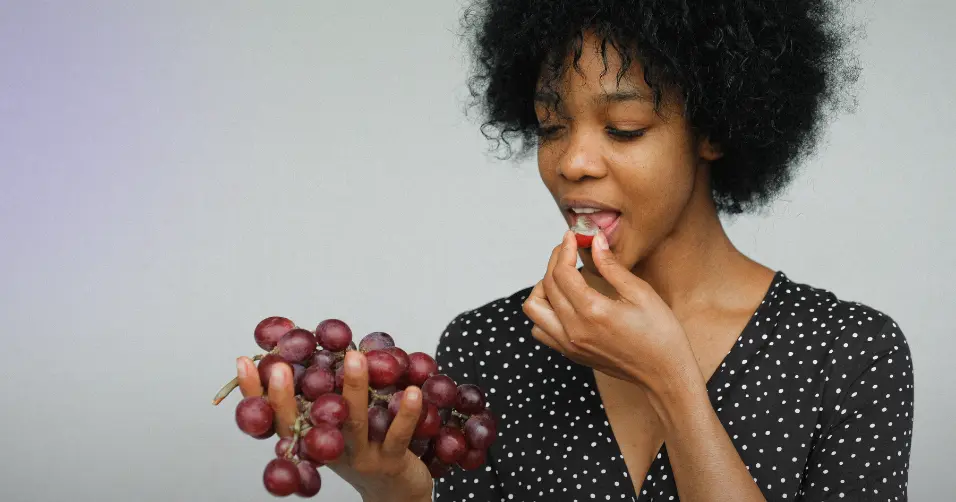
You can add resveratrol to your diet through supplements or naturally from certain plant-based foods. Grapes, especially their skins, are one of the richest natural sources. Red wine also contains resveratrol, though alcohol is not a recommended daily source. Some berries and peanuts also provide small amounts. For consistent intake, supplements are often used because natural food sources have low concentrations.
Grapes and skins: Natural plant source with higher resveratrol levels.
Red wine: Contains resveratrol but alcohol limits its usefulness for daily intake.
Berries: Blueberries and mulberries provide smaller amounts.
Supplements: Offer more reliable and higher doses than food sources.
You can add resveratrol to your diet through supplements or naturally from certain plant-based foods. Grapes, especially their skins, are one of the richest natural sources. Red wine also contains resveratrol, though alcohol is not a recommended daily source. Some berries and peanuts also provide small amounts. For consistent intake, supplements are often used because natural food sources have low concentrations.
Grapes and skins: Natural plant source with higher resveratrol levels.
Red wine: Contains resveratrol but alcohol limits its usefulness for daily intake.
Berries: Blueberries and mulberries provide smaller amounts.
Supplements: Offer more reliable and higher doses than food sources.
What Are Resveratrol Rich Foods?
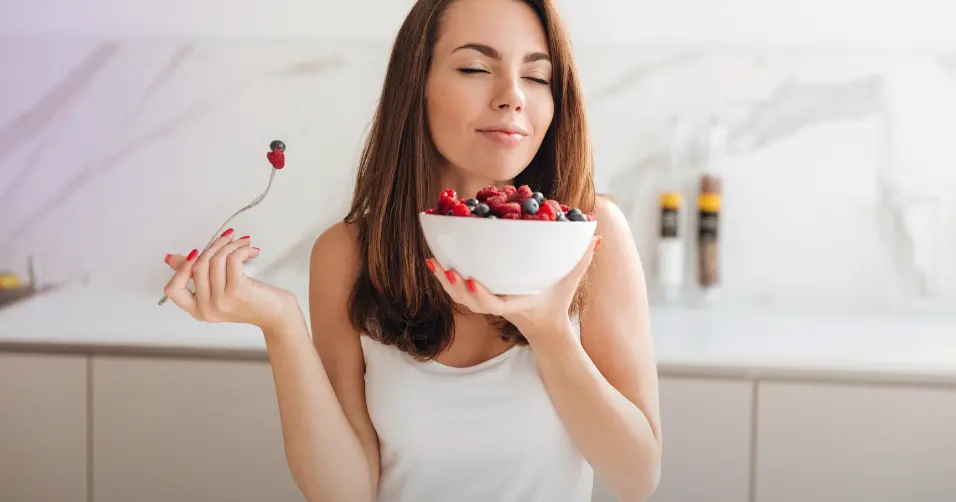
Resveratrol is naturally found in grapes, blueberries, raspberries, peanuts, and red wine.
Resveratrol is naturally found in certain plant foods, though the amounts are generally low. The richest natural sources are red and purple grape skins. Other good sources include blueberries, mulberries, and cranberries. Peanuts also contain small amounts. Fermented products like red wine have resveratrol, but alcohol is not recommended as a health source.
Grapes: Especially in the skin, a major source of natural resveratrol.
Berries: Blueberries, mulberries, and cranberries provide smaller amounts.
Peanuts: Contain modest levels of resveratrol.
Red wine: Contains resveratrol but not a recommended health source due to alcohol.
Resveratrol is naturally found in certain plant foods, though the amounts are generally low. The richest natural sources are red and purple grape skins. Other good sources include blueberries, mulberries, and cranberries. Peanuts also contain small amounts. Fermented products like red wine have resveratrol, but alcohol is not recommended as a health source.
Grapes: Especially in the skin, a major source of natural resveratrol.
Berries: Blueberries, mulberries, and cranberries provide smaller amounts.
Peanuts: Contain modest levels of resveratrol.
Red wine: Contains resveratrol but not a recommended health source due to alcohol.
Is Resveratrol Vegan?
Resveratrol is suitable for vegans because it is sourced from plants like grapes and berries.
Resveratrol is suitable for vegans because it is sourced from plants such as grapes and berries. Most supplements use synthetic or plant-extracted forms, which do not involve animal products. However, capsule ingredients should be checked, as some may use gelatin. Vegan-friendly formulations typically use plant-based capsules. Overall, resveratrol itself is naturally vegan.
Plant origin: Derived from grapes, berries, and other plants.
Supplement forms: Usually synthetic or plant-extracted, making them vegan-friendly.
Capsule concern: Some may contain gelatin, so label checks are needed.
Vegan alternatives: Plant-based capsules are widely available.
Resveratrol is suitable for vegans because it is sourced from plants such as grapes and berries. Most supplements use synthetic or plant-extracted forms, which do not involve animal products. However, capsule ingredients should be checked, as some may use gelatin. Vegan-friendly formulations typically use plant-based capsules. Overall, resveratrol itself is naturally vegan.
Plant origin: Derived from grapes, berries, and other plants.
Supplement forms: Usually synthetic or plant-extracted, making them vegan-friendly.
Capsule concern: Some may contain gelatin, so label checks are needed.
Vegan alternatives: Plant-based capsules are widely available.
Will Resveratrol Break a Fast?
Resveratrol does not break a fast because it has no calories in supplement form.
Resveratrol will not generally break a fast if taken in pure supplement form without added sugars or calories. Since it is often encapsulated, the main concern is the capsule material or fillers, which may contain small amounts of calories. Pure powder or capsules with minimal additives are safest for fasting. Its fat-soluble nature means it is usually taken with food, which may end a strict fast. However, on its own, it is considered fasting-friendly.
Low calorie: Pure resveratrol has no significant energy value.
Capsule concern: Some may include fillers or gelatin with minor calories.
Food pairing: Usually taken with fat-containing food for better absorption.
Fasting impact: Minimal if taken alone, but food needed for best uptake breaks fast.
Resveratrol will not generally break a fast if taken in pure supplement form without added sugars or calories. Since it is often encapsulated, the main concern is the capsule material or fillers, which may contain small amounts of calories. Pure powder or capsules with minimal additives are safest for fasting. Its fat-soluble nature means it is usually taken with food, which may end a strict fast. However, on its own, it is considered fasting-friendly.
Low calorie: Pure resveratrol has no significant energy value.
Capsule concern: Some may include fillers or gelatin with minor calories.
Food pairing: Usually taken with fat-containing food for better absorption.
Fasting impact: Minimal if taken alone, but food needed for best uptake breaks fast.
Breaking a fast here is strictly physiological (e.g., insulin effects). When we say a supplement ‘does not break a fast,’ we mean it has negligible calories in normal use and is unlikely to disrupt fasting metabolism. Certain traditions or religious rules may treat any intake as breaking a fast—please follow your tradition and health needs.
What's the Best Resveratrol?
Resveratrol high-quality forms are standardized for trans-resveratrol content and tested for purity against contaminants.
High-quality resveratrol is best chosen by looking for supplements that contain pure trans-resveratrol, the active form. Purity above 98% ensures minimal contamination and consistent potency. Since resveratrol is sensitive to light and oxygen, packaging in dark, airtight containers is important. Products that avoid unnecessary fillers or additives are generally better. Checking for third-party testing provides added assurance of quality.
Trans-resveratrol: The most active and studied form for health benefits.
High purity: Reduces contaminants and ensures effectiveness.
Protective packaging: Dark, sealed containers prevent degradation.
Third-party testing: Confirms potency and safety independently.
High-quality resveratrol is best chosen by looking for supplements that contain pure trans-resveratrol, the active form. Purity above 98% ensures minimal contamination and consistent potency. Since resveratrol is sensitive to light and oxygen, packaging in dark, airtight containers is important. Products that avoid unnecessary fillers or additives are generally better. Checking for third-party testing provides added assurance of quality.
Trans-resveratrol: The most active and studied form for health benefits.
High purity: Reduces contaminants and ensures effectiveness.
Protective packaging: Dark, sealed containers prevent degradation.
Third-party testing: Confirms potency and safety independently.
Best Time To Take Resveratrol
Resveratrol is usually taken at 100–500 mg daily with meals, as food improves absorption.
The optimal dosage and timing of resveratrol are not firmly established, but most studies use between 100–500 mg per day. Taking it with a meal that contains fat may improve absorption since it is fat-soluble. Timing is flexible, but consistency matters more than exact hours. Higher doses above 1 g daily have been studied, but long-term safety is less clear. A conservative approach is to start at the lower end and adjust if tolerated.
Common range: 100–500 mg daily is most often studied for health effects.
With meals: Fat-containing food improves absorption of resveratrol.
Flexible timing: Morning or evening is acceptable if taken consistently.
Conservative use: Lower doses are safer for long-term intake.
The optimal dosage and timing of resveratrol are not firmly established, but most studies use between 100–500 mg per day. Taking it with a meal that contains fat may improve absorption since it is fat-soluble. Timing is flexible, but consistency matters more than exact hours. Higher doses above 1 g daily have been studied, but long-term safety is less clear. A conservative approach is to start at the lower end and adjust if tolerated.
Common range: 100–500 mg daily is most often studied for health effects.
With meals: Fat-containing food improves absorption of resveratrol.
Flexible timing: Morning or evening is acceptable if taken consistently.
Conservative use: Lower doses are safer for long-term intake.
Dosage and timing information is generalized and may not be appropriate for all individuals; occasional inaccuracies may occur. Variations in supplement purity, formulation, or quality can also affect dosing relevance. Verify accuracy on package and consult a qualified practitioner before use.
What Are Common Mistakes When Taking Resveratrol?
Resveratrol mistake is taking it without food, which reduces absorption.
Common mistakes with resveratrol include taking very high doses without evidence of extra benefit. Some people take it on an empty stomach, which reduces absorption since it is fat-soluble. Another error is assuming it replaces healthy lifestyle choices like diet and exercise. Using unstable or low-quality forms can also reduce effectiveness. Finally, not checking capsule ingredients may expose users to unwanted fillers.
Overdosing: High amounts above studied ranges may not provide added benefits.
Empty stomach use: Reduces absorption compared to taking with fat-containing meals.
Lifestyle neglect: Supplements cannot replace healthy habits.
Poor quality: Unstable forms may degrade before absorption.
Common mistakes with resveratrol include taking very high doses without evidence of extra benefit. Some people take it on an empty stomach, which reduces absorption since it is fat-soluble. Another error is assuming it replaces healthy lifestyle choices like diet and exercise. Using unstable or low-quality forms can also reduce effectiveness. Finally, not checking capsule ingredients may expose users to unwanted fillers.
Overdosing: High amounts above studied ranges may not provide added benefits.
Empty stomach use: Reduces absorption compared to taking with fat-containing meals.
Lifestyle neglect: Supplements cannot replace healthy habits.
Poor quality: Unstable forms may degrade before absorption.
How Fast Does Resveratrol Work?
Resveratrol may take weeks to months to show effects on inflammation and metabolic health.
Resveratrol may take several weeks to show noticeable effects, especially in terms of energy and inflammation reduction. Cellular-level benefits, like DNA protection, are harder to feel directly and may take months. Some people report improved circulation and skin health within a few weeks. Since absorption is limited, consistent daily use is important. Human studies suggest benefits build gradually rather than immediately.
Weeks for effects: Circulation and skin support may appear in a few weeks.
Months for deep changes: Cellular protection and DNA support take longer.
Gradual onset: Benefits build up slowly with consistent intake.
No instant results: Immediate changes are uncommon with resveratrol.
Resveratrol may take several weeks to show noticeable effects, especially in terms of energy and inflammation reduction. Cellular-level benefits, like DNA protection, are harder to feel directly and may take months. Some people report improved circulation and skin health within a few weeks. Since absorption is limited, consistent daily use is important. Human studies suggest benefits build gradually rather than immediately.
Weeks for effects: Circulation and skin support may appear in a few weeks.
Months for deep changes: Cellular protection and DNA support take longer.
Gradual onset: Benefits build up slowly with consistent intake.
No instant results: Immediate changes are uncommon with resveratrol.
Results may vary between individuals, and no outcome is guaranteed. A tailored supplemntation plan is the best way to ensure the desired outcome.
Does Resveratrol Require a Cooldown?
Resveratrol may need a cooldown because long-term safety beyond about one year is not well studied.
Resveratrol does not require a formal cooldown, but long-term continuous use has not been fully studied. Some experts recommend taking breaks after a few months to reduce the chance of adaptation. Human trials have mainly lasted weeks to months, not years. Cycling use may also help reduce tolerance or unknown risks. A cautious approach is periodic evaluation and possible pauses every few months.
No strict need: No proven requirement for cycling, but long-term data is limited.
Trial length: Human studies usually last only weeks to months.
Cycling option: Taking breaks may prevent adaptation and allow evaluation.
Conservative use: Periodic pauses add safety when data is incomplete.
Resveratrol does not require a formal cooldown, but long-term continuous use has not been fully studied. Some experts recommend taking breaks after a few months to reduce the chance of adaptation. Human trials have mainly lasted weeks to months, not years. Cycling use may also help reduce tolerance or unknown risks. A cautious approach is periodic evaluation and possible pauses every few months.
No strict need: No proven requirement for cycling, but long-term data is limited.
Trial length: Human studies usually last only weeks to months.
Cycling option: Taking breaks may prevent adaptation and allow evaluation.
Conservative use: Periodic pauses add safety when data is incomplete.
The need to pause or cycle depends on individual factors such as goals, tolerance, and clinical context. No universal rule applies, and specialist review is recommended before making adjustments.
Does Tolerance Develop for Resveratrol?
Resveratrol tolerance has not been clearly observed, though body adaptation over time cannot be excluded.
Resveratrol does not seem to cause tolerance, as its effects come from influencing cell pathways rather than stimulating receptors. Human studies show consistent outcomes over weeks to months of use. However, since long-term trials are lacking, the possibility of reduced impact over years is not ruled out. Some users may feel less noticeable benefits simply due to slow cellular changes. Overall, tolerance is unlikely but unproven for very long-term use.
No receptor tolerance: Works through pathways like sirtuins, not fast-adapting systems.
Stable effects: Clinical trials show benefits remain over study periods.
Long-term unknown: Few multi-year studies confirm sustained impact.
User perception: Benefits may feel less obvious with slow biological effects.
Resveratrol does not seem to cause tolerance, as its effects come from influencing cell pathways rather than stimulating receptors. Human studies show consistent outcomes over weeks to months of use. However, since long-term trials are lacking, the possibility of reduced impact over years is not ruled out. Some users may feel less noticeable benefits simply due to slow cellular changes. Overall, tolerance is unlikely but unproven for very long-term use.
No receptor tolerance: Works through pathways like sirtuins, not fast-adapting systems.
Stable effects: Clinical trials show benefits remain over study periods.
Long-term unknown: Few multi-year studies confirm sustained impact.
User perception: Benefits may feel less obvious with slow biological effects.
Information on tolerance is generalized and may not reflect individual differences in metabolism, duration of use, or health status. Reactions can vary, and any adjustment should follow qualified practicioner's recommendations.
Can Resveratrol Be Stacked?
Resveratrol can be stacked with quercetin, which helps improve its absorption and synergistic antioxidant effects.
Resveratrol can be stacked with other supplements that support antioxidant defense and metabolic health. It is often combined with quercetin, which may enhance absorption and provide additional protective effects. Pairing it with omega-3 fatty acids may support cardiovascular benefits. Some research also explores its use with curcumin for anti-inflammatory synergy. However, stacking should remain moderate since combining too many antioxidants may reduce the body’s natural stress response.
Quercetin: Enhances resveratrol uptake and adds antioxidant support.
Omega-3s: Complement cardiovascular and anti-inflammatory effects.
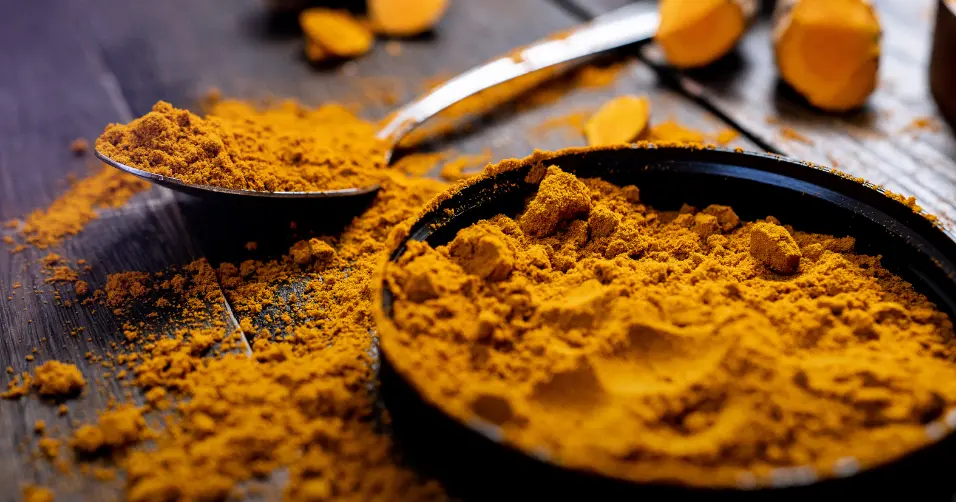
Curcumin: May provide additional anti-inflammatory and cellular protection.
Moderate stacking: Overuse of antioxidants can blunt natural adaptive processes.
Resveratrol can be stacked with other supplements that support antioxidant defense and metabolic health. It is often combined with quercetin, which may enhance absorption and provide additional protective effects. Pairing it with omega-3 fatty acids may support cardiovascular benefits. Some research also explores its use with curcumin for anti-inflammatory synergy. However, stacking should remain moderate since combining too many antioxidants may reduce the body’s natural stress response.
Quercetin: Enhances resveratrol uptake and adds antioxidant support.
Omega-3s: Complement cardiovascular and anti-inflammatory effects.
Curcumin: May provide additional anti-inflammatory and cellular protection.
Moderate stacking: Overuse of antioxidants can blunt natural adaptive processes.
Many supplements can interact in ways that enhance or alter their effects. However, stacking makes it difficult to monitor the impact of each component and increases the risk of oversupplementation or unintended interactions.
Do Resveratrol Effects Persist?
Resveratrol effects may persist for a short period after stopping, but decline once intake ends.
Resveratrol’s effects may persist for some time after stopping, particularly in reducing inflammation and protecting DNA. However, since it does not build permanent stores in the body, benefits gradually decline once intake stops. Vascular and antioxidant improvements may fade within weeks. Long-term protective effects likely require consistent supplementation. Thus, persistence is partial and time-limited.
Short persistence: Benefits fade within weeks if supplementation stops.
No storage: Body does not retain resveratrol long-term.
Cell protection: Some DNA repair benefits may linger briefly.
Consistency needed: Ongoing intake maintains full effects.
Resveratrol’s effects may persist for some time after stopping, particularly in reducing inflammation and protecting DNA. However, since it does not build permanent stores in the body, benefits gradually decline once intake stops. Vascular and antioxidant improvements may fade within weeks. Long-term protective effects likely require consistent supplementation. Thus, persistence is partial and time-limited.
Short persistence: Benefits fade within weeks if supplementation stops.
No storage: Body does not retain resveratrol long-term.
Cell protection: Some DNA repair benefits may linger briefly.
Consistency needed: Ongoing intake maintains full effects.
Results may vary between individuals, and no outcome is guaranteed. A tailored supplemntation plan is the best way to ensure the desired outcome.
What Are Alternatives to Resveratrol?
Resveratrol alternatives include pterostilbene, a related compound with similar antioxidant and sirtuin-activating effects.
Alternatives to resveratrol include other plant-based polyphenols that support longevity pathways. Quercetin is one option, known for antioxidant and anti-inflammatory effects. Pterostilbene, a compound similar to resveratrol, may offer better absorption. Curcumin from turmeric is another alternative, with strong evidence for reducing inflammation. These compounds share overlapping but not identical benefits with resveratrol.
Quercetin: Plant flavonoid with anti-inflammatory and antioxidant properties.
Pterostilbene: Similar to resveratrol but more bioavailable.
Curcumin: Supports anti-inflammatory pathways and cell protection.
Complementary use: Alternatives may be used alone or in combination.
Alternatives to resveratrol include other plant-based polyphenols that support longevity pathways. Quercetin is one option, known for antioxidant and anti-inflammatory effects. Pterostilbene, a compound similar to resveratrol, may offer better absorption. Curcumin from turmeric is another alternative, with strong evidence for reducing inflammation. These compounds share overlapping but not identical benefits with resveratrol.
Quercetin: Plant flavonoid with anti-inflammatory and antioxidant properties.
Pterostilbene: Similar to resveratrol but more bioavailable.
Curcumin: Supports anti-inflammatory pathways and cell protection.
Complementary use: Alternatives may be used alone or in combination.
There are often alternatives that better align with personal risk profiles, preferences, or resources; comparative review with a relevant certified consultant is advised.
How Does Resveratrol Compare with Similar Supplements?
Resveratrol compares with pterostilbene, which is more bioavailable but less studied in humans.
Resveratrol compares with similar supplements like pterostilbene and quercetin, which also act as plant antioxidants. Pterostilbene is chemically related and often more bioavailable, but resveratrol is more widely studied. Quercetin has stronger anti-inflammatory actions but less impact on sirtuins. Curcumin also overlaps, though it mainly targets inflammation rather than longevity pathways. Overall, resveratrol is most studied for sirtuin activation, while others offer complementary benefits.
Pterostilbene: Similar to resveratrol but better absorbed.
Quercetin: Strong anti-inflammatory but weaker on longevity proteins.
Curcumin: Mainly anti-inflammatory, less studied for lifespan effects.
Distinct role: Resveratrol stands out for sirtuin activation research.
Resveratrol compares with similar supplements like pterostilbene and quercetin, which also act as plant antioxidants. Pterostilbene is chemically related and often more bioavailable, but resveratrol is more widely studied. Quercetin has stronger anti-inflammatory actions but less impact on sirtuins. Curcumin also overlaps, though it mainly targets inflammation rather than longevity pathways. Overall, resveratrol is most studied for sirtuin activation, while others offer complementary benefits.
Pterostilbene: Similar to resveratrol but better absorbed.
Quercetin: Strong anti-inflammatory but weaker on longevity proteins.
Curcumin: Mainly anti-inflammatory, less studied for lifespan effects.
Distinct role: Resveratrol stands out for sirtuin activation research.
What Are the Main Resveratrol Side Effects?
Resveratrol side effects may include stomach upset, diarrhea, or changes in liver enzymes at high doses.
Resveratrol side effects are generally mild, with digestive issues like diarrhea or stomach upset most common at higher doses. Some people report headaches or dizziness. Rarely, it may interact with blood-thinning medications, increasing bleeding risk. Very high doses may affect liver enzymes, though this is uncommon. Overall, moderate intake is usually well tolerated.
Digestive upset: Diarrhea, cramps, or nausea at high doses.
Headaches: Occasionally reported with supplementation.
Drug interaction: May increase bleeding risk with blood thinners.
Liver enzymes: Very high intakes could affect liver metabolism.
Resveratrol side effects are generally mild, with digestive issues like diarrhea or stomach upset most common at higher doses. Some people report headaches or dizziness. Rarely, it may interact with blood-thinning medications, increasing bleeding risk. Very high doses may affect liver enzymes, though this is uncommon. Overall, moderate intake is usually well tolerated.
Digestive upset: Diarrhea, cramps, or nausea at high doses.
Headaches: Occasionally reported with supplementation.
Drug interaction: May increase bleeding risk with blood thinners.
Liver enzymes: Very high intakes could affect liver metabolism.
Responses differ among individuals. If adverse effects occur, discontinuation and professional evaluation are advised.
Who Should Avoid Resveratrol?
Resveratrol should be avoided by people with bleeding disorders or those taking blood thinners, as it may reduce clotting.
Resveratrol should be avoided by people taking blood-thinning medication, since it may increase bleeding risk. Those with liver disorders should also be cautious because very high doses may affect liver enzymes. Pregnant and breastfeeding women should avoid it due to lack of safety data. People with low blood pressure may need caution, as resveratrol may lower it further. Medical supervision is advised for anyone with chronic conditions.
Blood thinners: Interaction risk leading to excess bleeding.
Liver disorders: High doses could worsen enzyme imbalances.
Pregnancy/breastfeeding: Not enough data for safe use.
Low blood pressure: May intensify hypotension effects.
Resveratrol should be avoided by people taking blood-thinning medication, since it may increase bleeding risk. Those with liver disorders should also be cautious because very high doses may affect liver enzymes. Pregnant and breastfeeding women should avoid it due to lack of safety data. People with low blood pressure may need caution, as resveratrol may lower it further. Medical supervision is advised for anyone with chronic conditions.
Blood thinners: Interaction risk leading to excess bleeding.
Liver disorders: High doses could worsen enzyme imbalances.
Pregnancy/breastfeeding: Not enough data for safe use.
Low blood pressure: May intensify hypotension effects.
Individuals who may be at higher risk—including those with diabetes, eating disorders, pregnancy or breastfeeding, heavy training loads, health conditions, medication use, or prior adverse reactions—should seek tailored guidance before deciding supplementation or making major supplement or lifestyle changes.
Is Resveratrol Available Over-the-Counter?
Resveratrol is available over-the-counter as a dietary supplement in most countries.
Resveratrol is available over-the-counter as a dietary supplement in most countries. It is sold without prescription in capsules, powders, or combined antioxidant formulas. Regulations are generally lenient since it is considered a plant-derived compound. However, the quality and purity can vary greatly between products. Consumers should look for third-party testing for safety assurance.
OTC status: Widely available without prescription.
Forms: Capsules, powders, and blends with other antioxidants.
Light regulation: Treated as a dietary supplement in most regions.
Quality concern: Product purity can differ, so verification is important.
Resveratrol is available over-the-counter as a dietary supplement in most countries. It is sold without prescription in capsules, powders, or combined antioxidant formulas. Regulations are generally lenient since it is considered a plant-derived compound. However, the quality and purity can vary greatly between products. Consumers should look for third-party testing for safety assurance.
OTC status: Widely available without prescription.
Forms: Capsules, powders, and blends with other antioxidants.
Light regulation: Treated as a dietary supplement in most regions.
Quality concern: Product purity can differ, so verification is important.
For over-the-counter availability we use generic US data. Product availability and status may vary by country and region.
What’s the History of Resveratrol?
Resveratrol history traces back to its discovery in 1939 and later research linking it to the “French Paradox” of red wine and heart health.
Resveratrol’s history goes back to its discovery in 1939 from the roots of a medicinal plant. It gained major attention in the 1990s with the “French Paradox,” the observation that red wine drinkers had lower heart disease rates despite high-fat diets. This led researchers to study resveratrol in grapes and wine. Early studies in yeast, worms, and mice suggested possible lifespan extension. Since then, it has been widely researched as a potential anti-aging compound.
Discovery: Identified in 1939 in a plant root extract.
French Paradox: Linked red wine to heart health in the 1990s.
Animal studies: Showed lifespan extension in several species.
Human focus: Research shifted to cardiovascular and aging benefits.
Resveratrol’s history goes back to its discovery in 1939 from the roots of a medicinal plant. It gained major attention in the 1990s with the “French Paradox,” the observation that red wine drinkers had lower heart disease rates despite high-fat diets. This led researchers to study resveratrol in grapes and wine. Early studies in yeast, worms, and mice suggested possible lifespan extension. Since then, it has been widely researched as a potential anti-aging compound.
Discovery: Identified in 1939 in a plant root extract.
French Paradox: Linked red wine to heart health in the 1990s.
Animal studies: Showed lifespan extension in several species.
Human focus: Research shifted to cardiovascular and aging benefits.
How Does NAD+ And Resveratrol Work Together?
NAD+ and resveratrol work together by enhancing cellular energy and activating sirtuins, proteins that promote longevity.
NAD+ and resveratrol work together to promote cellular energy and longevity. Resveratrol activates sirtuin enzymes, while NAD+ fuels their activity. This synergy improves mitochondrial health and metabolic efficiency. Combined, they support energy production, recovery, and healthy aging. Many supplements pair them to maximize anti-aging and endurance benefits.
Resveratrol triggers sirtuins that depend on NAD+ for full activation.
Enhanced mitochondrial activity increases energy and cellular repair.
The combination improves resilience to oxidative and metabolic stress.
Used together, they amplify longevity-related cellular processes.
NAD+ and resveratrol work together to promote cellular energy and longevity. Resveratrol activates sirtuin enzymes, while NAD+ fuels their activity. This synergy improves mitochondrial health and metabolic efficiency. Combined, they support energy production, recovery, and healthy aging. Many supplements pair them to maximize anti-aging and endurance benefits.
Resveratrol triggers sirtuins that depend on NAD+ for full activation.
Enhanced mitochondrial activity increases energy and cellular repair.
The combination improves resilience to oxidative and metabolic stress.
Used together, they amplify longevity-related cellular processes.
Many supplements can interact in ways that enhance or alter their effects. However, stacking makes it difficult to monitor the impact of each component and increases the risk of oversupplementation or unintended interactions.
What Is Resveratrol Serum Used For?
Resveratrol serum is used topically to protect skin from aging and oxidative stress.
Resveratrol serum is used topically for anti-aging and skin protection. It helps combat oxidative stress, reducing wrinkles and fine lines. The serum supports collagen production and shields skin from UV damage. Its antioxidant properties improve tone and elasticity. Regular use enhances skin texture and resilience over time.
Resveratrol neutralizes free radicals that accelerate visible aging.
Topical application supports hydration and smoother complexion.
It works best in combination with sunscreen and moisturizers.
Consistency is key for long-term improvements in skin firmness.
Resveratrol serum is used topically for anti-aging and skin protection. It helps combat oxidative stress, reducing wrinkles and fine lines. The serum supports collagen production and shields skin from UV damage. Its antioxidant properties improve tone and elasticity. Regular use enhances skin texture and resilience over time.
Resveratrol neutralizes free radicals that accelerate visible aging.
Topical application supports hydration and smoother complexion.
It works best in combination with sunscreen and moisturizers.
Consistency is key for long-term improvements in skin firmness.
Trans-Resveratrol Vs Resveratrol
Trans-resveratrol is the biologically active form of resveratrol with higher absorption and antioxidant potency.
Trans-resveratrol is the biologically active form of resveratrol with superior absorption. Regular resveratrol supplements may include inactive isomers with less effect. Trans-resveratrol interacts directly with sirtuin pathways for cell repair. It’s the preferred form in clinical studies for metabolic and longevity benefits. Choosing this version ensures higher potency per dose.
Trans-resveratrol provides the strongest activation of cellular protection enzymes.
It’s more stable and effective than cis-resveratrol in the body.
Research consistently supports trans-resveratrol for antioxidant efficiency.
High-purity forms deliver measurable health benefits with smaller doses.
Trans-resveratrol is the biologically active form of resveratrol with superior absorption. Regular resveratrol supplements may include inactive isomers with less effect. Trans-resveratrol interacts directly with sirtuin pathways for cell repair. It’s the preferred form in clinical studies for metabolic and longevity benefits. Choosing this version ensures higher potency per dose.
Trans-resveratrol provides the strongest activation of cellular protection enzymes.
It’s more stable and effective than cis-resveratrol in the body.
Research consistently supports trans-resveratrol for antioxidant efficiency.
High-purity forms deliver measurable health benefits with smaller doses.
What Are Trans-Resveratrol Benefits?
Trans-resveratrol benefits include anti-aging, improved heart health, and cellular protection against oxidative stress.
Trans-resveratrol benefits include improved circulation, anti-inflammatory effects, and cellular longevity support. It enhances mitochondrial efficiency and protects DNA from oxidative damage. The compound also supports brain and heart health through vascular function. Consistent intake contributes to healthy aging and metabolic stability. It’s one of the most researched plant-based antioxidants for vitality.
Improves blood vessel function by stimulating nitric oxide production.
Protects brain cells and reduces oxidative stress linked to aging.
Supports healthy lipid balance and cardiovascular function.
Promotes cellular repair via sirtuin and antioxidant pathways.
Trans-resveratrol benefits include improved circulation, anti-inflammatory effects, and cellular longevity support. It enhances mitochondrial efficiency and protects DNA from oxidative damage. The compound also supports brain and heart health through vascular function. Consistent intake contributes to healthy aging and metabolic stability. It’s one of the most researched plant-based antioxidants for vitality.
Improves blood vessel function by stimulating nitric oxide production.
Protects brain cells and reduces oxidative stress linked to aging.
Supports healthy lipid balance and cardiovascular function.
Promotes cellular repair via sirtuin and antioxidant pathways.
What Is Liposomal Resveratrol?
Liposomal resveratrol is resveratrol enclosed in fat-based particles to improve absorption and stability.
Liposomal resveratrol uses lipid-encapsulated technology to improve absorption. The liposomes protect resveratrol from digestive breakdown and deliver it efficiently to cells. This increases bioavailability and potency compared to standard capsules. It provides stronger antioxidant effects at lower doses. Liquid liposomal forms are often absorbed faster than tablets.
Liposomal delivery shields resveratrol from early degradation in the gut.
Improved absorption enhances cellular defense and metabolic function.
Liquid forms offer convenient dosing and faster bloodstream entry.
Higher efficiency allows lower dosages for similar health outcomes.
Liposomal resveratrol uses lipid-encapsulated technology to improve absorption. The liposomes protect resveratrol from digestive breakdown and deliver it efficiently to cells. This increases bioavailability and potency compared to standard capsules. It provides stronger antioxidant effects at lower doses. Liquid liposomal forms are often absorbed faster than tablets.
Liposomal delivery shields resveratrol from early degradation in the gut.
Improved absorption enhances cellular defense and metabolic function.
Liquid forms offer convenient dosing and faster bloodstream entry.
Higher efficiency allows lower dosages for similar health outcomes.
Resveratrol Vs Grape Seed Extract
Resveratrol and grape seed extract both contain antioxidants, but resveratrol targets longevity while grape seed supports circulation.
Resveratrol vs grape seed extract differ mainly in their active compounds. Resveratrol is a stilbene antioxidant targeting cellular repair and longevity. Grape seed extract contains proanthocyanidins that support vascular and skin health. Both reduce oxidative stress but act through separate mechanisms. Combining them offers broader antioxidant protection and circulation benefits.
Resveratrol activates sirtuin enzymes linked to aging defense pathways.
Grape seed extract strengthens capillaries and reduces inflammation.
They complement each other for heart and tissue health enhancement.
Using both supports systemic antioxidant defense more effectively.
Resveratrol vs grape seed extract differ mainly in their active compounds. Resveratrol is a stilbene antioxidant targeting cellular repair and longevity. Grape seed extract contains proanthocyanidins that support vascular and skin health. Both reduce oxidative stress but act through separate mechanisms. Combining them offers broader antioxidant protection and circulation benefits.
Resveratrol activates sirtuin enzymes linked to aging defense pathways.
Grape seed extract strengthens capillaries and reduces inflammation.
They complement each other for heart and tissue health enhancement.
Using both supports systemic antioxidant defense more effectively.
What Is Resveratrol Face Serum Used For?
Resveratrol face serum is used to protect skin from oxidative stress and reduce visible aging signs through antioxidant effects.
Resveratrol serum benefits include antioxidant protection and support for healthy, youthful-looking skin. It neutralizes free radicals that contribute to aging and helps strengthen the skin’s barrier. Regular use can reduce redness, improve elasticity, and enhance hydration. Some formulas also target uneven tone and environmental damage. Consistent application alongside sunscreen enhances visible results over time.
Antioxidant defense: Protects skin from pollution and UV-induced oxidative stress.
Barrier repair: Strengthens natural defenses to retain moisture and smooth texture.
Anti-aging: Stimulates collagen for firmer, more resilient skin with resveratrol serum benefits.
Brightening effect: Reduces dullness and supports even tone with continued use.
Daily use: Ideal for morning or night routines to maintain consistent skin protection.
Resveratrol serum benefits include antioxidant protection and support for healthy, youthful-looking skin. It neutralizes free radicals that contribute to aging and helps strengthen the skin’s barrier. Regular use can reduce redness, improve elasticity, and enhance hydration. Some formulas also target uneven tone and environmental damage. Consistent application alongside sunscreen enhances visible results over time.
Antioxidant defense: Protects skin from pollution and UV-induced oxidative stress.
Barrier repair: Strengthens natural defenses to retain moisture and smooth texture.
Anti-aging: Stimulates collagen for firmer, more resilient skin with resveratrol serum benefits.
Brightening effect: Reduces dullness and supports even tone with continued use.
Daily use: Ideal for morning or night routines to maintain consistent skin protection.
What Is Grape Skin Extract Resveratrol?
Grape skin extract resveratrol refers to resveratrol derived from red grape skins used for antioxidant supplements.
Grape skin extract resveratrol refers to resveratrol naturally derived from grape skins. It offers the same antioxidant and anti-aging benefits as pure trans-resveratrol. Grape skin adds additional polyphenols that support vascular and metabolic health. It’s a natural plant-based source of resveratrol in many supplements. This form is well-absorbed and suitable for daily wellness support.
Natural grape skin extraction preserves complementary polyphenols and antioxidants.
Plant-sourced resveratrol supports heart and cellular longevity functions.
Bioavailability is improved when combined with healthy dietary fats.
It provides both antioxidant and circulatory health benefits naturally.
Grape skin extract resveratrol refers to resveratrol naturally derived from grape skins. It offers the same antioxidant and anti-aging benefits as pure trans-resveratrol. Grape skin adds additional polyphenols that support vascular and metabolic health. It’s a natural plant-based source of resveratrol in many supplements. This form is well-absorbed and suitable for daily wellness support.
Natural grape skin extraction preserves complementary polyphenols and antioxidants.
Plant-sourced resveratrol supports heart and cellular longevity functions.
Bioavailability is improved when combined with healthy dietary fats.
It provides both antioxidant and circulatory health benefits naturally.
How Much Resveratrol In Blueberries?
Blueberries contain about 1–2 milligrams of resveratrol per 100 grams, depending on variety and ripeness.
Blueberries are considered one of the notable resveratrol foods, though their content is lower compared to grapes. On average, blueberries provide around 0.3–2 mg of resveratrol per kilogram, depending on variety and origin. Despite lower levels, they offer other antioxidants like anthocyanins that complement resveratrol’s effects. Regular consumption contributes to heart and skin health. Including multiple fruit sources ensures stronger overall antioxidant protection.
Concentration: Blueberries contain modest resveratrol levels compared to red grapes and peanuts.
Nutrient synergy: Other antioxidants enhance the total benefit of these resveratrol foods.
Freshness factor: Fresh, organic berries may retain more active compounds.
Diet inclusion: Best consumed raw or lightly blended to preserve nutrients.
Complementary foods: Pairing with other resveratrol sources increases total intake.
Blueberries are considered one of the notable resveratrol foods, though their content is lower compared to grapes. On average, blueberries provide around 0.3–2 mg of resveratrol per kilogram, depending on variety and origin. Despite lower levels, they offer other antioxidants like anthocyanins that complement resveratrol’s effects. Regular consumption contributes to heart and skin health. Including multiple fruit sources ensures stronger overall antioxidant protection.
Concentration: Blueberries contain modest resveratrol levels compared to red grapes and peanuts.
Nutrient synergy: Other antioxidants enhance the total benefit of these resveratrol foods.
Freshness factor: Fresh, organic berries may retain more active compounds.
Diet inclusion: Best consumed raw or lightly blended to preserve nutrients.
Complementary foods: Pairing with other resveratrol sources increases total intake.
Dosage and timing information is generalized and may not be appropriate for all individuals; occasional inaccuracies may occur. Variations in supplement purity, formulation, or quality can also affect dosing relevance. Verify accuracy on package and consult a qualified practitioner before use.
Is Resveratrol Good For Skin?
Resveratrol benefits skin by supporting collagen and protecting against free radicals that accelerate aging.
Using resveratrol for skin care offers multiple benefits, thanks to its powerful antioxidant and anti-inflammatory properties. It helps reduce fine lines, improves skin firmness, and defends against environmental stress. Resveratrol supports collagen production, promoting smoother texture and tone. It also soothes irritation and enhances the effectiveness of sunscreen. Long-term use helps maintain youthful, resilient skin.
Anti-aging support: Reduces visible wrinkles and fine lines through collagen protection.
Skin defense: Shields from pollution and UV damage as part of daily skin care routines.
Even tone: Brightens dull or uneven skin with consistent application.
Moisture retention: Strengthens the barrier to prevent dryness and irritation.
Routine pairing: Works well with vitamin C or hyaluronic acid serums for added effect.
Using resveratrol for skin care offers multiple benefits, thanks to its powerful antioxidant and anti-inflammatory properties. It helps reduce fine lines, improves skin firmness, and defends against environmental stress. Resveratrol supports collagen production, promoting smoother texture and tone. It also soothes irritation and enhances the effectiveness of sunscreen. Long-term use helps maintain youthful, resilient skin.
Anti-aging support: Reduces visible wrinkles and fine lines through collagen protection.
Skin defense: Shields from pollution and UV damage as part of daily skin care routines.
Even tone: Brightens dull or uneven skin with consistent application.
Moisture retention: Strengthens the barrier to prevent dryness and irritation.
Routine pairing: Works well with vitamin C or hyaluronic acid serums for added effect.
How Does Resveratrol Relate to Liver Health?
Resveratrol relates to liver health by supporting detoxification and reducing oxidative damage.
Resveratrol relates to liver health because it has been studied for antioxidant effects. Some research shows it may help support normal liver markers. Effects appear modest. It is often taken for general wellness rather than targeted impact. Diet and activity remain primary factors.
Offers antioxidant properties that may help cells manage stress.
Shows mild support in some liver-related studies.
Not a replacement for diet or lifestyle changes.
Resveratrol relates to liver health because it has been studied for antioxidant effects. Some research shows it may help support normal liver markers. Effects appear modest. It is often taken for general wellness rather than targeted impact. Diet and activity remain primary factors.
Offers antioxidant properties that may help cells manage stress.
Shows mild support in some liver-related studies.
Not a replacement for diet or lifestyle changes.
How Does Resveratrol Differ from Milk Thistle?
Resveratrol differs from milk thistle as it targets oxidative stress broadly, while milk thistle focuses on liver protection.
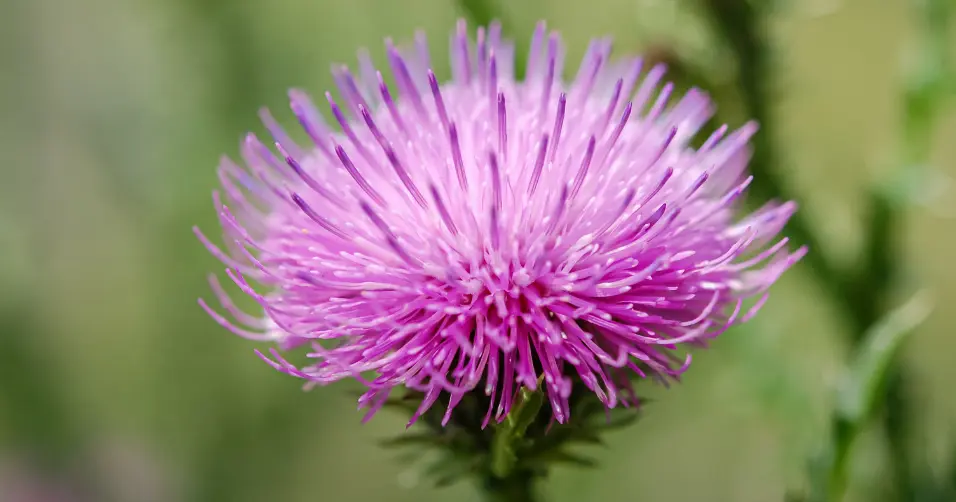
Resveratrol differs from milk thistle because it is a single plant compound, while milk thistle is a whole herb with multiple active components. Resveratrol comes mainly from grape skins. Milk thistle contains a mix called silymarin. Their plant sources and uses vary. Their chemical families differ widely.
Single vs. mixed compounds marks the main distinction. Resveratrol is one molecule; milk thistle is many.
Different plant origins highlight their variety. Grapes vs. thistle plants.
Chemical structure differences guide different pathways. Each interacts with cells uniquely.
Resveratrol differs from milk thistle because it is a single plant compound, while milk thistle is a whole herb with multiple active components. Resveratrol comes mainly from grape skins. Milk thistle contains a mix called silymarin. Their plant sources and uses vary. Their chemical families differ widely.
Single vs. mixed compounds marks the main distinction. Resveratrol is one molecule; milk thistle is many.
Different plant origins highlight their variety. Grapes vs. thistle plants.
Chemical structure differences guide different pathways. Each interacts with cells uniquely.
How Does Resveratrol Relate to Phytonutrients?
Resveratrol relates to phytonutrients as a plant compound that supports cellular repair and heart health.
Resveratrol relates to phytonutrients because it is a natural plant compound studied for cell-protective properties. It belongs to the polyphenol family, which includes many antioxidant-type molecules. Research explores its role in normal cellular responses. Its presence in certain plants highlights phytonutrient variety. It functions as one example of plant-based compounds.
Polyphenol grouping defines its chemical family.
Cell-support interest drives research.
Plant origin connects it to phytonutrients.
Diverse roles illustrate phytonutrient range.
Resveratrol relates to phytonutrients because it is a natural plant compound studied for cell-protective properties. It belongs to the polyphenol family, which includes many antioxidant-type molecules. Research explores its role in normal cellular responses. Its presence in certain plants highlights phytonutrient variety. It functions as one example of plant-based compounds.
Polyphenol grouping defines its chemical family.
Cell-support interest drives research.
Plant origin connects it to phytonutrients.
Diverse roles illustrate phytonutrient range.
How Does Resveratrol Differ from Spirulina?
Resveratrol differs from spirulina as it’s a plant polyphenol, while spirulina is a nutrient-dense algae.
Resveratrol differs from spirulina through its identity as a specific polyphenol. It appears in foods like grapes and peanuts. Spirulina is a nutrient-rich microalgae with pigments, proteins, and minerals. Resveratrol focuses on antioxidant and stress-response pathways. Spirulina offers a broader nutrient package.
Single compound vs whole food separates resveratrol from spirulina. Spirulina contains many nutrients.
Source difference places resveratrol in plants. Spirulina grows in water environments.
Pathway roles differ through polyphenol vs pigment activity. Each supports cells differently.
Diet use varies since resveratrol is targeted. Spirulina is used for broad nutrition.
Resveratrol differs from spirulina through its identity as a specific polyphenol. It appears in foods like grapes and peanuts. Spirulina is a nutrient-rich microalgae with pigments, proteins, and minerals. Resveratrol focuses on antioxidant and stress-response pathways. Spirulina offers a broader nutrient package.
Single compound vs whole food separates resveratrol from spirulina. Spirulina contains many nutrients.
Source difference places resveratrol in plants. Spirulina grows in water environments.
Pathway roles differ through polyphenol vs pigment activity. Each supports cells differently.
Diet use varies since resveratrol is targeted. Spirulina is used for broad nutrition.
Medical Disclaimer: All content on this website is intended solely for informational and educational purposes and should not be interpreted as a substitute for professional medical advice, diagnosis, or treatment, nor as encouragement or promotion for or against any particular use, product, or activity. Results may vary and are not guaranteed. No doctor–patient relationship is created by your use of this content. Always consult a qualified healthcare provider, nutritionist, or other relevant expert before starting or changing any supplement, diet, exercise, or lifestyle program. This website can contain errors. Check important information. Read our full Disclaimer.
Status – Terms of Service – Privacy Policy – Disclaimer – About Myopedia.
©2025 Myopedia™. All rights reserved.
Medical Disclaimer: All content on this website is intended solely for informational and educational purposes and should not be interpreted as a substitute for professional medical advice, diagnosis, or treatment, nor as encouragement or promotion for or against any particular use, product, or activity. Results may vary and are not guaranteed. No doctor–patient relationship is created by your use of this content. Always consult a qualified healthcare provider, nutritionist, or other relevant expert before starting or changing any supplement, diet, exercise, or lifestyle program. This website can contain errors. Check important information. Read our full Disclaimer.
Status – Terms of Service – Privacy Policy – Disclaimer – About Myopedia.
©2025 Myopedia™. All rights reserved.
Medical Disclaimer: All content on this website is intended solely for informational and educational purposes and should not be interpreted as a substitute for professional medical advice, diagnosis, or treatment, nor as encouragement or promotion for or against any particular use, product, or activity. Results may vary and are not guaranteed. No doctor–patient relationship is created by your use of this content. Always consult a qualified healthcare provider, nutritionist, or other relevant expert before starting or changing any supplement, diet, exercise, or lifestyle program. This website can contain errors. Check important information. Read our full Disclaimer.
Status – Terms of Service – Privacy Policy – Disclaimer – About Myopedia.
©2025 Myopedia™. All rights reserved.