Curcumin
A Comprehensive Guide to Curcumin
Curcumin, the active compound in turmeric, modulates inflammatory pathways and oxidative stress, though its bioavailability is low without enhancers like black pepper.
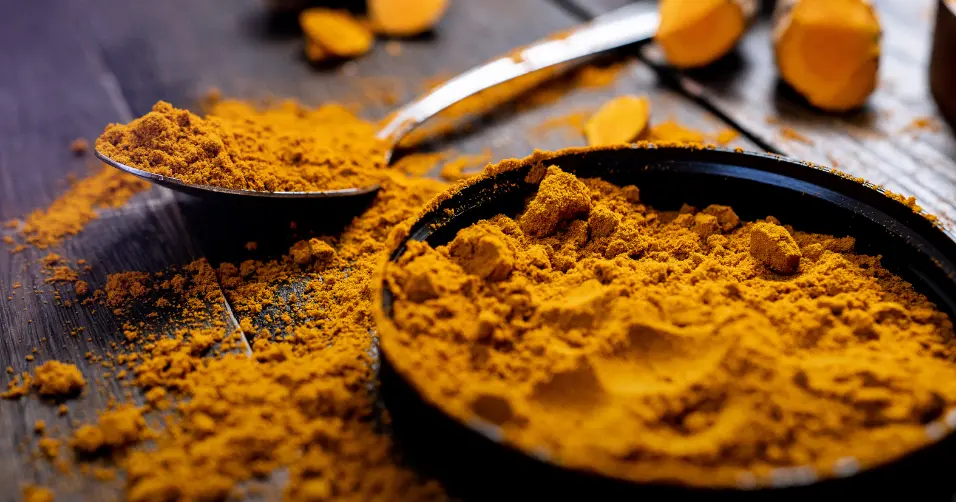
Curcumin, found in turmeric, is used globally in various products and has a generally safe profile, with many forms available like capsules and powders.
Its main health perks come from fighting inflammation and acting as an antioxidant, influencing cell signals.
A big hurdle with curcumin is that your body doesn't absorb it well on its own, but adding things like piperine from black pepper can really help.
Curcumin shows promise for issues like joint pain, metabolic health, and eye conditions, and may even help healthy people with things like stress markers and exercise recovery.
New ways to take curcumin, like in nanoparticles or combined with other ingredients, are being developed to make it easier for your body to use.
This article is educational and not intended to diagnose, treat, or suggest any specific intervention, and should not replace qualified medical advice.







Curcumin: FACTS
Role | Anti-inflammatory; antioxidant; joint, brain health |
Form & Classification | Curcuminoid polyphenol |
Typical Dosage & Intake | 500–2000 mg/day extract |
Cycling | No cycling needed |
Sources | Turmeric root, supplements |
Safety & Interactions | Safe; may thin blood |
Dosage information is general and may vary with product brand, quality or individual needs; verify accuracy on package and consult a qualified practitioner before use.
What Does Curcumin Do?
Curcumin is the main active compound in turmeric with anti-inflammatory and antioxidant effects.
Curcumin is the active compound in turmeric that gives it a bright yellow color and strong health properties. It is widely studied for its anti-inflammatory and antioxidant effects. People often use it to ease joint pain, muscle soreness, or general body stiffness. Curcumin may also support brain health by protecting cells from stress. Its absorption is usually low, but pairing with black pepper can improve its effectiveness.
Curcumin helps lower inflammation, making it useful for joint and muscle support.
It protects body cells against oxidative stress that comes from daily wear.
Some studies suggest it may help memory by reducing brain inflammation.
It works best when taken with piperine from black pepper, which boosts absorption.
What Is Curcumin?
Curcumin is the main active compound in turmeric with anti-inflammatory effects.
Curcumin is the main active compound in turmeric, a spice used in cooking and medicine. It has strong antioxidant and anti-inflammatory properties. Research suggests curcumin may support joint health, brain function, and heart health. However, it is poorly absorbed by the body unless combined with other compounds like piperine from black pepper. Supplements are commonly used to increase intake beyond dietary amounts.
Anti-inflammatory: Curcumin reduces swelling and discomfort in tissues.
Antioxidant: Protects cells from free radical damage.
Health benefits: Linked to better joint, heart, and brain function in studies.
Absorption issue: Needs enhancers like piperine for better effectiveness.
Which Curcumin Type Is Best?
Curcumin with bioavailability enhancers like piperine is considered the most effective.
The best type of curcumin is one combined with absorption boosters like piperine or delivered in specialized formulations such as liposomal or phytosome forms. Standard curcumin is poorly absorbed, so enhanced versions are far more effective. Phytosome forms attach curcumin to phospholipids, improving bioavailability. Liposomal delivery also helps it stay stable in the body longer. The most effective type depends on whether the focus is general wellness or targeted inflammation support.
Curcumin with piperine boosts absorption by slowing its breakdown in the liver.
Phytosome forms significantly increase absorption by binding to phospholipids.
Liposomal curcumin enhances stability and tissue delivery for longer-lasting effects.
Standard powders are cost-effective but require higher doses for noticeable results.
How to Add Curcumin to Your Diet?
Curcumin is typically consumed via turmeric spice or standardized supplements.
Adding curcumin to your diet can be done with turmeric spice or concentrated supplements. Cooking with turmeric adds small amounts, but its curcumin content is relatively low. Supplements in capsule or powder form provide higher doses for stronger benefits. Combining turmeric with black pepper increases curcumin absorption significantly. Cooking oils or teas infused with turmeric can also provide gentle daily support.
Turmeric spice is a simple way to add curcumin, though in modest amounts.
Capsules and powders offer therapeutic levels for joint or brain support.
Black pepper enhances curcumin absorption by slowing its breakdown in the body.
Golden milk or turmeric tea is a soothing daily option for light curcumin intake.
What Are Key Ingredients of Curcumin?
Curcumin supplements contain concentrated curcumin extract often combined with piperine.
The key ingredient of curcumin supplements is the yellow pigment curcumin extracted from turmeric root. Because curcumin is poorly absorbed, many formulas include black pepper extract to boost its bioavailability. Some versions use phytosome or liposomal delivery systems for even better absorption. Blends may also add ginger or other anti-inflammatory herbs. The goal is to maximize the antioxidant and anti-inflammatory effects of curcumin.
Curcumin is the main active compound providing anti-inflammatory and antioxidant properties.
Piperine from black pepper enhances absorption and bioavailability.
Phytosome or liposomal technology delivers curcumin more efficiently to body tissues.
Supporting herbs like ginger may amplify anti-inflammatory effects.
Which Processes Does Curcumin Affect?
Curcumin affects inflammation control and antioxidant pathways.
Curcumin affects inflammation, oxidative stress, and cell health. It blocks certain pathways that trigger chronic inflammation, easing joint and muscle pain. It also neutralizes free radicals, reducing cell damage. Curcumin influences brain signaling, supporting memory and mood. Long-term, it may protect against degenerative conditions linked with inflammation.
It reduces inflammatory pathways, lowering stiffness and soreness.
It fights oxidative stress, protecting cells from daily damage.
It supports brain function by easing inflammation and improving signaling.
It influences genes linked to chronic illness, potentially slowing disease progression.
What Foods Contain Curcumin?
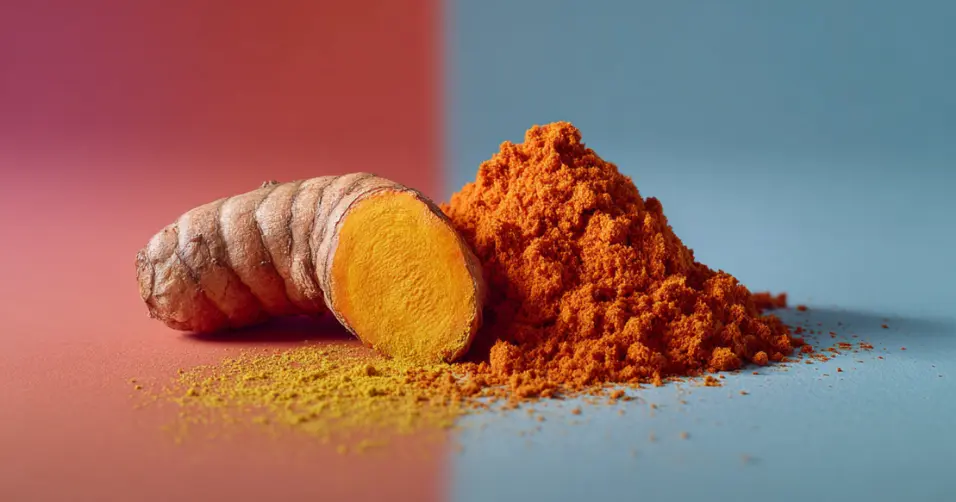
Curcumin is naturally found in turmeric root.
Curcumin is naturally found in turmeric root. Turmeric is widely used as a spice in curries, teas, and golden milk. The curcumin content in raw turmeric is relatively low, but steady use still provides benefits. Fresh turmeric root or dried powder both contain curcumin. Cooking with turmeric adds small but consistent amounts to meals.
Turmeric root is the only natural source of curcumin in the diet.
Dried turmeric powder used in curries supplies regular small amounts.
Golden milk and turmeric teas provide mild daily intake of curcumin.
Fresh turmeric root contains more active compounds than dried spice.
Is Curcumin Vegan?
Curcumin is vegan since it is extracted from turmeric root.
Curcumin is vegan, as it is extracted from turmeric root. The spice and its active compounds come directly from plants. The only concern is capsule composition, which may use gelatin. Vegan-friendly curcumin is available in vegetable capsules or powders. Cooking with turmeric is always vegan-friendly.
Curcumin is plant-based and suitable for vegan diets.
Capsule forms may use gelatin unless labeled vegan or plant-based.
Powdered turmeric or curcumin extracts are vegan and widely available.
Turmeric spice in cooking is always vegan and a natural source of curcumin.
Will Curcumin Break a Fast?
Curcumin does not break a fast since it has no calories in extract form.
Curcumin typically does not break a fast when consumed in capsule or powder form. It has very low or negligible calories. However, curcumin is often combined with oils for better absorption, which can add calories. For strict fasting, a powder or capsule without oils is best. Cooking with turmeric should be reserved for meals, not fasting windows.
Pure curcumin capsules or powders contain minimal calories, fasting-safe.
Formulas with oils add calories and may break fasting.
Turmeric used in cooking contains calories and should be eaten with meals.
For fasting compatibility, choose curcumin without added fats.
Breaking a fast here is strictly physiological (e.g., insulin effects). When we say a supplement ‘does not break a fast,’ we mean it has negligible calories in normal use and is unlikely to disrupt fasting metabolism. Certain traditions or religious rules may treat any intake as breaking a fast—please follow your tradition and health needs.
How to Pick the Best Curcumin?
Curcumin should be picked standardized to high curcuminoid content with absorption enhancers.
To choose high-quality curcumin, select products that include absorption enhancers such as piperine or use liposomal/phytosome delivery. Look for standardized curcumin extract with a clear percentage of active compounds. Ensure the product is free from artificial colors and excessive fillers. Certificates of analysis confirm purity and potency. Curcumin in dark, airtight containers stays fresher longer.
Piperine or advanced delivery systems greatly improve absorption and results.
Standardized extracts guarantee effective curcumin levels per dose.
Minimal additives keep the formula clean and easier to digest.
Certificates of analysis ensure tested safety and strength.
What’s the Optimal Dosage and Timing for Curcumin?
Curcumin is commonly taken at 500–1000 mg daily, with bioavailability enhancers.
The optimal dosage of curcumin is usually 500–1,000 mg daily of standardized extract. It should be taken with black pepper extract (piperine) or fat for best absorption. Dividing the dosage into two servings improves stability in the body. Larger amounts should only be used under medical guidance. Timing with meals reduces the chance of stomach discomfort.
500–1,000 mg daily is effective for reducing inflammation and supporting health.
Curcumin absorbs best when paired with piperine or fatty foods.
Splitting doses maintains more steady levels in the body.
Meal-time use lowers the risk of digestive irritation.
Dosage and timing information is generalized and may not be appropriate for all individuals; occasional inaccuracies may occur. Variations in supplement purity, formulation, or quality can also affect dosing relevance. Verify accuracy on package and consult a qualified practitioner before use.
What Are Common Mistakes When Taking Curcumin?
Curcumin mistakes include taking raw turmeric expecting strong effects, since absorption is poor.
With curcumin, a mistake is using plain turmeric and expecting strong results, since absorption is low. Forgetting to take it with black pepper or fat reduces effectiveness. Overdosing can cause nausea or diarrhea. Many expect results overnight, but benefits build with steady use. Some rely only on supplements and neglect dietary anti-inflammatory habits.
Plain turmeric contains too little curcumin for therapeutic effects.
Not combining with piperine or fat lowers absorption significantly.
Excessive intake causes digestive upset instead of added benefits.
Expecting immediate relief overlooks that curcumin works gradually.
How Fast Does Curcumin Work?
Curcumin effects on inflammation may show within weeks.
Curcumin usually requires steady use for at least 2–4 weeks to notice benefits. Some people feel reduced soreness or joint pain sooner, within days. Anti-inflammatory effects build gradually with consistent intake. Brain or mood benefits take longer, often months. Immediate effects are rare unless combined with strong absorption enhancers.
Joint pain and soreness relief may start within a few days for sensitive users.
Anti-inflammatory benefits typically take 2–4 weeks to show.
Cognitive or mood effects build slowly over months of use.
Absorption enhancers make results appear faster and stronger.
Results may vary between individuals, and no outcome is guaranteed. A tailored supplemntation plan is the best way to ensure the desired outcome.
Does Curcumin Require a Cooldown?
Curcumin may require cooldown after months of use, since long-term safety in high doses is less studied.
Curcumin may benefit from periodic cooldowns since very long-term supplementation is not fully studied. Short-term use is well tolerated and effective. Cycling after several months of steady intake is a conservative approach. Food-based turmeric can be used consistently without concern. Cooldowns help monitor if benefits are still needed after use.
Short-term trials support safety, but data on lifelong daily use is limited.
Cycling after months of use avoids unknown long-term risks.
Food turmeric provides safe ongoing intake even during supplement breaks.
Pauses help assess whether curcumin is still beneficial or needed.
The need to pause or cycle depends on individual factors such as goals, tolerance, and clinical context. No universal rule applies, and specialist review is recommended before making adjustments.
Does Tolerance Develop for Curcumin?
Curcumin may show reduced perceived effect with continuous high dosing.
Curcumin does not show strong evidence of tolerance. Its anti-inflammatory effects remain steady with consistent use. However, very high doses may lose effectiveness as the body adapts to absorption. Cycling can be used to maintain responsiveness in long-term users. Food turmeric remains effective without tolerance concerns.
Consistent curcumin intake maintains stable anti-inflammatory benefits.
High doses may face reduced absorption over time.
Cycling may improve responsiveness in long-term supplement users.
Turmeric spice in meals is effective lifelong without tolerance issues.
Information on tolerance is generalized and may not reflect individual differences in metabolism, duration of use, or health status. Reactions can vary, and any adjustment should follow qualified practicioner's recommendations.
Can Curcumin Be Stacked?
Curcumin stacks with omega-3 for anti-inflammatory support.
Curcumin stacks well with omega-3s for inflammation and joint health. Piperine is often added to curcumin to enhance absorption. Combining it with collagen supports joint and skin repair. Curcumin also pairs with resveratrol for antioxidant and cell protection. Care is needed to avoid overloading with multiple anti-inflammatory supplements at once.
Omega-3s and curcumin together reduce inflammation more effectively.
Piperine is a proven booster of curcumin absorption in stacks.
Collagen and curcumin support stronger joints and skin repair together.
Resveratrol plus curcumin strengthens antioxidant and anti-aging defenses.
Many supplements can interact in ways that enhance or alter their effects. However, stacking makes it difficult to monitor the impact of each component and increases the risk of oversupplementation or unintended interactions.
Do Curcumin Effects Persist?
Curcumin effects fade within days to weeks if intake stops.
Curcumin effects may persist for a short period after stopping. Anti-inflammatory benefits fade within days to weeks. Its antioxidant protection is not long-lasting without intake. Long-term joint or brain health support requires consistent supplementation. Food turmeric provides a more gentle but continuous benefit if eaten regularly.
Inflammation reduction fades within weeks after discontinuation.
Oxidative stress protection declines quickly without curcumin.
Chronic joint or brain support requires ongoing supplementation.
Daily food turmeric can extend mild long-term effects naturally.
Results may vary between individuals, and no outcome is guaranteed. A tailored supplemntation plan is the best way to ensure the desired outcome.
Does Curcumin Aid Longevity?
Curcumin may support longevity by reducing inflammation and oxidative stress.
Curcumin may aid longevity by lowering inflammation and oxidative stress. It influences pathways linked to aging, such as reducing chronic inflammation. Long-term use supports brain, joint, and cardiovascular health. Animal studies show lifespan benefits, but human proof is limited. Daily turmeric use contributes to healthy aging rather than directly extending life.
Anti-inflammatory effects protect against age-related joint and brain decline.
Oxidative stress reduction lowers risks of chronic diseases.
It may support memory, slowing cognitive decline in older adults.
Animal research shows longevity benefits, but human data is early.
What Are Alternatives to Curcumin?
Curcumin alternatives include ginger and boswellia for inflammation.
Alternatives to curcumin include other anti-inflammatory and antioxidant compounds. Ginger offers similar joint and digestive support. Resveratrol from grapes supports cardiovascular and cell health. Omega-3 fatty acids reduce systemic inflammation. A diet rich in colorful fruits and vegetables provides broad antioxidant coverage.
Ginger offers anti-inflammatory support and eases digestion.
Resveratrol protects heart health and supports longevity.
Omega-3 fatty acids complement curcumin for joint and brain benefits.
Fruits and vegetables provide diverse antioxidants for long-term cell health.
There are often alternatives that better align with personal risk profiles, preferences, or resources; comparative review with a relevant certified consultant is advised.
What Are Possible Curcumin Side Effects?
Curcumin side effects include nausea, diarrhea, and blood thinning at high doses.
Curcumin side effects are uncommon but may include stomach upset, nausea, or diarrhea. High doses can thin the blood and interact with medications. Some people report dizziness or mild headaches. Supplements with black pepper extract may irritate the stomach more. In rare cases, gallbladder issues may worsen with curcumin use.
Digestive upset like nausea and diarrhea is the most frequent effect.
Blood-thinning effects may interfere with surgery or medications.
Dizziness and headaches have been noted in some users.
Gallbladder discomfort may worsen with high intakes.
Responses differ among individuals. If adverse effects occur, discontinuation and professional evaluation are advised.
Who Should Avoid Curcumin?
Curcumin should be avoided by people with gallbladder disease or on blood thinners.
Curcumin should be avoided by people with gallstones or bile duct obstruction. Those taking blood thinners may experience increased bleeding risk. People with stomach ulcers may find curcumin irritating in high doses. Pregnant women should be cautious with concentrated supplements. Culinary turmeric remains safe for most people.
Gallstone sufferers risk worsened pain or blockage from curcumin use.
Blood thinner users face higher bleeding risk when combining it with curcumin.
High-dose curcumin may irritate ulcers or sensitive stomachs.
Pregnant women should avoid concentrated supplements, though spice use is safe.
Individuals who may be at higher risk—including those with diabetes, eating disorders, pregnancy or breastfeeding, heavy training loads, health conditions, medication use, or prior adverse reactions—should seek tailored guidance before deciding supplementation or making major supplement or lifestyle changes.
Is Curcumin Available Over-the-Counter?
Curcumin is available over-the-counter in standardized extract capsules.
Curcumin is available over-the-counter worldwide as capsules, powders, or teas. It is often blended with piperine for better absorption. Turmeric, its food source, is sold freely in spice sections. No prescription is needed for curcumin supplements. The main differences between products are dosage strength and formulation.
Curcumin capsules and powders are widely sold as dietary supplements.
Turmeric spice is available everywhere as a culinary source of curcumin.
No prescription restrictions apply in most regions.
Formulations vary, with some including absorption enhancers like piperine.
For over-the-counter availability we use generic US data. Product availability and status may vary by country and region.
What’s the History of Curcumin?
Curcumin was identified in 1815 as the main compound in turmeric.
The history of curcumin goes back thousands of years to turmeric use in India. Turmeric was used in Ayurveda for digestion, skin, and inflammation. Curcumin was isolated as the active compound in the 19th century. By the late 20th century, scientific studies highlighted its antioxidant and anti-inflammatory effects. Today it is one of the most researched natural compounds worldwide.
Turmeric used for millennia in Ayurveda and traditional medicine.
Curcumin isolated from turmeric in the 19th century.
20th-century research revealed antioxidant and anti-inflammatory properties.
Currently one of the most studied plant-based compounds globally.
Is Turmeric a Good Source of Curcumin?
Turmeric is a natural source of curcumin, its main bioactive compound.
Turmeric is a good source of curcumin but contains only small amounts. Curcumin is one of its active pigments. The spice provides flavor along with gentle antioxidant support. Concentrated extracts hold higher levels. Whole turmeric remains useful for daily cooking.
Natural pigment gives turmeric its color.
Low concentration limits curcumin amount.
Culinary use provides steady intake.
Extract forms contain more curcumin.
Antioxidant support stays mild in whole spice.
Harald Ragnarok, Editor in Chief, Myopedia