Body
Lean body mass
Lean Body Mass: What It Is and How It Works
Lean body mass includes muscles, bones, and organs, reflecting metabolic rate and physical strength. Preserving it during weight loss prevents metabolic slowdown.

This article is educational and not intended to diagnose, treat, or suggest any specific intervention, and should not replace qualified medical advice.



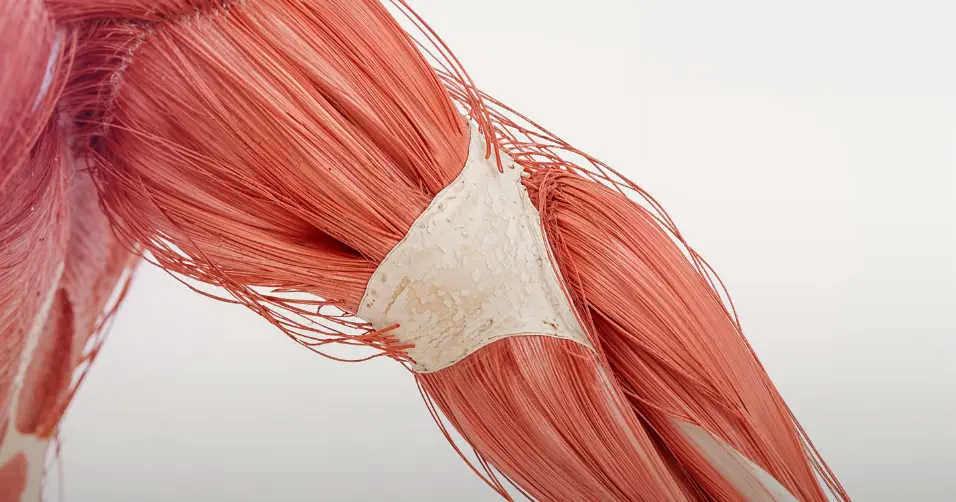
How to Optimize Lean Body Mass?
Lean body mass can be preserved with strength training and adequate protein intake.
To optimize lean body mass, combining resistance training with proper nutrition is most effective. Lean body mass includes muscle, bone, and other non-fat tissues. Protein-rich diets and strength workouts help preserve and build muscle. Adequate sleep and rest periods enhance recovery and anabolic hormone release. Consistency is crucial, since lean mass changes gradually over time.
Strength training at least 2–3 times per week supports gradual muscle growth.
Protein intake throughout the day enhances tissue repair and maintenance.
Recovery practices like stretching and sleep promote sustainable lean mass gains.
Balanced energy intake ensures the body has enough fuel to support lean tissue growth.
To optimize lean body mass, combining resistance training with proper nutrition is most effective. Lean body mass includes muscle, bone, and other non-fat tissues. Protein-rich diets and strength workouts help preserve and build muscle. Adequate sleep and rest periods enhance recovery and anabolic hormone release. Consistency is crucial, since lean mass changes gradually over time.
Strength training at least 2–3 times per week supports gradual muscle growth.
Protein intake throughout the day enhances tissue repair and maintenance.
Recovery practices like stretching and sleep promote sustainable lean mass gains.
Balanced energy intake ensures the body has enough fuel to support lean tissue growth.
What Is Lean Body Mass?
Lean body mass is body weight minus fat, including muscle, bone, and organs.
Lean body mass refers to everything in the body except fat, including muscles, bones, water, and organs. It is a key measure in fitness and health because it reflects strength and metabolic activity. Higher lean mass generally means a stronger metabolism and better physical performance. Tracking lean body mass can help guide training and nutrition strategies. Maintaining or increasing lean mass is especially important with aging, as muscle tends to decline.
Composition: Lean mass includes muscles, organs, bones, and fluids but excludes fat.
Metabolism link: More lean mass means the body burns more calories at rest.
Fitness role: Strength and endurance depend heavily on healthy lean tissue.
Aging effect: Preserving lean mass helps prevent weakness and frailty in older adults.
Lean body mass refers to everything in the body except fat, including muscles, bones, water, and organs. It is a key measure in fitness and health because it reflects strength and metabolic activity. Higher lean mass generally means a stronger metabolism and better physical performance. Tracking lean body mass can help guide training and nutrition strategies. Maintaining or increasing lean mass is especially important with aging, as muscle tends to decline.
Composition: Lean mass includes muscles, organs, bones, and fluids but excludes fat.
Metabolism link: More lean mass means the body burns more calories at rest.
Fitness role: Strength and endurance depend heavily on healthy lean tissue.
Aging effect: Preserving lean mass helps prevent weakness and frailty in older adults.
How Does Lean Body Mass Impact Your Health?
Lean body mass benefits health by supporting strength, metabolism, and organ function.
Lean body mass impacts health by supporting strength, mobility, and metabolic rate. Higher lean mass means more energy is burned at rest, helping weight management. Strong muscles protect bones and joints from injury. Maintaining lean body mass reduces frailty with aging. Without enough lean mass, overall physical and metabolic health declines.
Lean body mass improves mobility, reducing fall and injury risk.
Higher lean mass supports metabolic health by burning more calories.
It protects bones by reducing stress during movement.
Loss of lean body mass increases weakness and chronic disease risks.
Lean body mass impacts health by supporting strength, mobility, and metabolic rate. Higher lean mass means more energy is burned at rest, helping weight management. Strong muscles protect bones and joints from injury. Maintaining lean body mass reduces frailty with aging. Without enough lean mass, overall physical and metabolic health declines.
Lean body mass improves mobility, reducing fall and injury risk.
Higher lean mass supports metabolic health by burning more calories.
It protects bones by reducing stress during movement.
Loss of lean body mass increases weakness and chronic disease risks.
What We Often Get Wrong About Lean Body Mass?
Lean body mass is often mistaken as only muscle, but it includes bones, organs, and water too.
A common misconception about lean body mass is that it only refers to muscle. It actually includes bone, organs, and connective tissue as well. Some assume only bodybuilders need to focus on lean mass, but it is vital for everyone’s health. Another myth is that lean body mass is fixed, when lifestyle changes can increase or decrease it. Tracking only weight without considering lean mass can give a misleading picture of health.
Lean body mass is more than muscle, including multiple vital tissues.
Every person benefits from maintaining lean mass, not just athletes.
Exercise, diet, and age all change lean mass over time.
Weight alone does not reveal body composition or health status accurately.
A common misconception about lean body mass is that it only refers to muscle. It actually includes bone, organs, and connective tissue as well. Some assume only bodybuilders need to focus on lean mass, but it is vital for everyone’s health. Another myth is that lean body mass is fixed, when lifestyle changes can increase or decrease it. Tracking only weight without considering lean mass can give a misleading picture of health.
Lean body mass is more than muscle, including multiple vital tissues.
Every person benefits from maintaining lean mass, not just athletes.
Exercise, diet, and age all change lean mass over time.
Weight alone does not reveal body composition or health status accurately.
Key Lean Body Mass Metrics You May Want to Track
Key lean body mass metrics are dual-energy X-ray (DEXA) scans, bioelectrical impedance, and muscle strength tests.
Key lean body mass indicators include muscle size, strength performance, and body composition scans. Maintaining or increasing lean mass reflects effective training and nutrition. Grip strength and mobility tests also provide insight into functional lean mass. Stable or growing lean tissue supports long-term health. Tracking both size and function gives the clearest picture.
Body composition scans measure lean versus fat tissue directly.
Strength tests show practical performance linked to lean mass.
Grip strength is a quick indicator of functional muscle health.
Mobility and movement efficiency confirm quality of lean mass maintenance.
Key lean body mass indicators include muscle size, strength performance, and body composition scans. Maintaining or increasing lean mass reflects effective training and nutrition. Grip strength and mobility tests also provide insight into functional lean mass. Stable or growing lean tissue supports long-term health. Tracking both size and function gives the clearest picture.
Body composition scans measure lean versus fat tissue directly.
Strength tests show practical performance linked to lean mass.
Grip strength is a quick indicator of functional muscle health.
Mobility and movement efficiency confirm quality of lean mass maintenance.
What Causes Changes in Lean Body Mass?
Changes in lean body mass are caused by strength training, diet, and aging.
Changes in lean body mass are caused by training, diet, and aging. Strength training builds and preserves lean tissue. Adequate protein supports repair and growth. Without exercise, lean mass declines steadily with age. Illness or long inactivity accelerates the loss further.
Resistance exercise increases lean tissue and slows age-related decline.
Protein intake provides material for lean tissue repair.
Aging reduces natural hormone support for maintaining lean mass.
Inactivity or illness speeds up lean tissue loss.
Changes in lean body mass are caused by training, diet, and aging. Strength training builds and preserves lean tissue. Adequate protein supports repair and growth. Without exercise, lean mass declines steadily with age. Illness or long inactivity accelerates the loss further.
Resistance exercise increases lean tissue and slows age-related decline.
Protein intake provides material for lean tissue repair.
Aging reduces natural hormone support for maintaining lean mass.
Inactivity or illness speeds up lean tissue loss.
Does Lean Body Mass Relate to Longevity?
Lean body mass supports longevity by preserving strength, metabolism, and organ protection.
Lean body mass is strongly linked to longevity because it preserves strength, mobility, and metabolic health. More lean mass reduces frailty, which is a predictor of early mortality. It improves energy use, lowering risks of obesity and chronic illness. Higher lean tissue also protects against bone fractures in older age. Preserving lean mass is one of the most effective ways to extend healthy lifespan.
Lean mass maintains independence by supporting strength and daily activity.
It boosts metabolism, lowering risk of chronic disease.
Loss of lean mass increases frailty, reducing lifespan potential.
Strength training and protein intake protect lean mass into old age.
Lean body mass is strongly linked to longevity because it preserves strength, mobility, and metabolic health. More lean mass reduces frailty, which is a predictor of early mortality. It improves energy use, lowering risks of obesity and chronic illness. Higher lean tissue also protects against bone fractures in older age. Preserving lean mass is one of the most effective ways to extend healthy lifespan.
Lean mass maintains independence by supporting strength and daily activity.
It boosts metabolism, lowering risk of chronic disease.
Loss of lean mass increases frailty, reducing lifespan potential.
Strength training and protein intake protect lean mass into old age.
What Can Go Wrong With Lean Body Mass?
With lean body mass, what can go wrong is loss that reduces strength and slows metabolism.
What can go wrong with lean body mass is decline into frailty and weakness. Loss of lean tissue lowers metabolism, raising chronic disease risk. Reduced strength limits independence in older age. Illness and inactivity speed up decline further. Without preservation, lean mass loss shortens healthspan significantly.
Frailty from low lean mass increases fall and injury risk.
Reduced metabolism raises chances of obesity and diabetes.
Weakness lowers ability to perform basic daily activities.
Rapid decline during illness reduces recovery potential.
What can go wrong with lean body mass is decline into frailty and weakness. Loss of lean tissue lowers metabolism, raising chronic disease risk. Reduced strength limits independence in older age. Illness and inactivity speed up decline further. Without preservation, lean mass loss shortens healthspan significantly.
Frailty from low lean mass increases fall and injury risk.
Reduced metabolism raises chances of obesity and diabetes.
Weakness lowers ability to perform basic daily activities.
Rapid decline during illness reduces recovery potential.
How Does Lean Body Mass Vary With Age?
Lean body mass varies with age by gradually decreasing unless preserved through strength training.
Lean body mass varies with age as growth, stability, and decline occur. Youth gain lean tissue quickly with growth and activity. Adults maintain lean mass if they train and eat well. Older adults lose lean mass more rapidly without intervention. Preservation strategies are critical for aging populations.
Youth naturally build lean mass during development years.
Adults stabilize lean tissue through regular strength training.
Aging accelerates lean mass loss, leading to frailty.
Resistance exercise and protein slow decline into old age.
Lean body mass varies with age as growth, stability, and decline occur. Youth gain lean tissue quickly with growth and activity. Adults maintain lean mass if they train and eat well. Older adults lose lean mass more rapidly without intervention. Preservation strategies are critical for aging populations.
Youth naturally build lean mass during development years.
Adults stabilize lean tissue through regular strength training.
Aging accelerates lean mass loss, leading to frailty.
Resistance exercise and protein slow decline into old age.
How Does Your Lifestyle Affect Lean Body Mass?
Lifestyle affects lean body mass by diet quality, training, and avoiding inactivity.
Your lifestyle shapes lean body mass through exercise, diet, and rest. Consistent strength training preserves or increases lean mass. Poor diet with low protein leads to tissue loss. Inactivity speeds decline, especially with age. Lifestyle balance helps sustain lean tissue across decades.
Strength workouts build and protect lean mass effectively.
Protein intake supports growth and repair of lean tissue.
Inactivity accelerates decline, especially in older adults.
Good recovery habits preserve muscle and bone strength.
Your lifestyle shapes lean body mass through exercise, diet, and rest. Consistent strength training preserves or increases lean mass. Poor diet with low protein leads to tissue loss. Inactivity speeds decline, especially with age. Lifestyle balance helps sustain lean tissue across decades.
Strength workouts build and protect lean mass effectively.
Protein intake supports growth and repair of lean tissue.
Inactivity accelerates decline, especially in older adults.
Good recovery habits preserve muscle and bone strength.
How Does Nutrition Impact Lean Body Mass?
Nutrition impacts lean body mass by high protein, amino acids, and sufficient calories.
Nutrition impacts lean body mass by providing materials for muscle, bone, and organ maintenance. Protein intake directly supports muscle preservation. Calcium and vitamin D strengthen bones within lean tissue. Overall calorie balance determines whether lean mass is maintained or lost. Without proper nutrition, lean body mass declines steadily.
Protein-rich diets preserve and grow muscle within lean mass.
Calcium and vitamin D protect bone structure against age-related decline.
Balanced calorie intake sustains lean tissue without loss.
Poor nutrition accelerates frailty and lean tissue breakdown.
Nutrition impacts lean body mass by providing materials for muscle, bone, and organ maintenance. Protein intake directly supports muscle preservation. Calcium and vitamin D strengthen bones within lean tissue. Overall calorie balance determines whether lean mass is maintained or lost. Without proper nutrition, lean body mass declines steadily.
Protein-rich diets preserve and grow muscle within lean mass.
Calcium and vitamin D protect bone structure against age-related decline.
Balanced calorie intake sustains lean tissue without loss.
Poor nutrition accelerates frailty and lean tissue breakdown.
What Supplements May Aid Lean Body Mass?
Supplements that may aid lean body mass are whey protein, creatine, and HMB (beta-hydroxy beta-methylbutyrate).
Supplements that may aid lean body mass include protein, creatine, and vitamin D. Protein supports tissue growth and repair daily. Creatine helps increase training output, preserving lean tissue. Vitamin D enhances bone strength and muscle interaction. Omega-3s may also protect lean mass by reducing inflammation.
Protein supplementation ensures enough building blocks for lean tissue.
Creatine increases workout quality, preserving lean tissue gains.
Vitamin D strengthens skeletal support for muscle attachment.
Omega-3s protect tissue by reducing chronic inflammation.
Supplements that may aid lean body mass include protein, creatine, and vitamin D. Protein supports tissue growth and repair daily. Creatine helps increase training output, preserving lean tissue. Vitamin D enhances bone strength and muscle interaction. Omega-3s may also protect lean mass by reducing inflammation.
Protein supplementation ensures enough building blocks for lean tissue.
Creatine increases workout quality, preserving lean tissue gains.
Vitamin D strengthens skeletal support for muscle attachment.
Omega-3s protect tissue by reducing chronic inflammation.
Can Fasting Optimize Lean Body Mass?
Fasting can reduce lean body mass if protein and resistance training are not prioritized.
Fasting may reduce lean body mass if not paired with proper protein intake. Short fasts with balanced refeeding usually preserve lean tissue. Long fasting increases muscle breakdown for energy. Combining fasting with resistance training helps maintain lean mass. Planning is essential to prevent tissue loss during fasting.
Short-term fasting does not significantly reduce lean mass when refeeding is adequate.
Extended fasting breaks down muscle proteins for energy needs.
Resistance training during fasting reduces lean mass loss risk.
Protein-rich meals after fasting rebuild and protect lean tissue.
Fasting may reduce lean body mass if not paired with proper protein intake. Short fasts with balanced refeeding usually preserve lean tissue. Long fasting increases muscle breakdown for energy. Combining fasting with resistance training helps maintain lean mass. Planning is essential to prevent tissue loss during fasting.
Short-term fasting does not significantly reduce lean mass when refeeding is adequate.
Extended fasting breaks down muscle proteins for energy needs.
Resistance training during fasting reduces lean mass loss risk.
Protein-rich meals after fasting rebuild and protect lean tissue.
How Your Workout Regimen Affects Lean Body Mass?
Your workout regimen affects lean body mass by building and preserving muscle tissue.
Your workout regimen affects lean body mass preservation and growth. Strength training increases lean tissue directly. Cardio helps maintain lower fat while protecting muscle when balanced. Inactivity reduces lean mass over time. Structured programs optimize both growth and maintenance.
Resistance training grows lean tissue mass steadily.
Cardio supports fat control while preserving lean tissue if moderate.
Inactivity quickly reduces lean mass and function.
Balanced regimens build and protect lean tissue across ages.
Your workout regimen affects lean body mass preservation and growth. Strength training increases lean tissue directly. Cardio helps maintain lower fat while protecting muscle when balanced. Inactivity reduces lean mass over time. Structured programs optimize both growth and maintenance.
Resistance training grows lean tissue mass steadily.
Cardio supports fat control while preserving lean tissue if moderate.
Inactivity quickly reduces lean mass and function.
Balanced regimens build and protect lean tissue across ages.
What's the Latest Research on Lean Body Mass?
Latest research on lean body mass shows that higher protein intake preserves muscle during calorie restriction.
The latest research on lean body mass highlights its strong link to healthspan. Studies confirm that higher lean mass lowers frailty risk. Protein timing and distribution are central to preserving lean tissue. Resistance training remains the most effective strategy across ages. Emerging work looks at hormones and genetics in lean mass preservation.
High lean mass levels protect against disability and frailty.
Protein intake timing improves long-term tissue preservation.
Strength training maintains lean tissue in all life stages.
Genetic research explains differences in lean mass maintenance.
The latest research on lean body mass highlights its strong link to healthspan. Studies confirm that higher lean mass lowers frailty risk. Protein timing and distribution are central to preserving lean tissue. Resistance training remains the most effective strategy across ages. Emerging work looks at hormones and genetics in lean mass preservation.
High lean mass levels protect against disability and frailty.
Protein intake timing improves long-term tissue preservation.
Strength training maintains lean tissue in all life stages.
Genetic research explains differences in lean mass maintenance.
Does Bulking Alter Lean Mass?
Bulking increases lean mass when excess calories and resistance training stimulate muscle growth.
Bulking alters lean mass by providing extra energy for muscle growth. With enough protein and resistance training, more of the surplus becomes muscle. Some fat gain usually occurs. Slow bulks help keep fat lower. Training intensity determines most of the lean gains.
Extra calories fuel repair allowing more muscle synthesis.
Strength training directs surplus toward muscle, not fat.
Rapid bulks tend to add more fat than muscle.
Lean mass grows best with steady, moderate surplus.
Bulking alters lean mass by providing extra energy for muscle growth. With enough protein and resistance training, more of the surplus becomes muscle. Some fat gain usually occurs. Slow bulks help keep fat lower. Training intensity determines most of the lean gains.
Extra calories fuel repair allowing more muscle synthesis.
Strength training directs surplus toward muscle, not fat.
Rapid bulks tend to add more fat than muscle.
Lean mass grows best with steady, moderate surplus.
Does Lean Mass Support Growth?
Lean mass supports growth by maintaining protein turnover and metabolic health.
Lean mass supports growth because it reflects active tissue that responds to training. More lean mass increases metabolic rate, making nutrient use more efficient. Stronger muscles allow heavier training loads, which encourage further growth. A solid lean-mass base helps stabilize joints and improve movement control. This foundation supports long-term progress.
Metabolic support: Lean mass burns more energy at rest. This helps manage body composition.
Training capacity: Larger lean mass allows higher workload. More workload stimulates further growth.
Movement quality: Stable lean mass improves technique. Better technique improves results.
Lean mass supports growth because it reflects active tissue that responds to training. More lean mass increases metabolic rate, making nutrient use more efficient. Stronger muscles allow heavier training loads, which encourage further growth. A solid lean-mass base helps stabilize joints and improve movement control. This foundation supports long-term progress.
Metabolic support: Lean mass burns more energy at rest. This helps manage body composition.
Training capacity: Larger lean mass allows higher workload. More workload stimulates further growth.
Movement quality: Stable lean mass improves technique. Better technique improves results.
Does Lean Mass Enable Hypertrophy?
Lean mass enables hypertrophy by improving recovery and protein synthesis efficiency.
Lean mass supports hypertrophy by giving the body a healthier baseline of tissue to maintain and expand. Higher lean mass often means better hormonal environment for rebuilding. Muscles with more contractile tissue adapt faster to training stress. This foundation helps training create stronger growth signals. Over time, lean mass and hypertrophy reinforce each other.
More contractile proteins let muscles handle heavier loads, which triggers further growth.
Better nutrient use improves repair, as active tissue uses nutrients efficiently.
Stronger neural drive boosts muscle activation, improving training response.
Lower fat mass reduces metabolic strain and supports muscle recovery.
Lean mass supports hypertrophy by giving the body a healthier baseline of tissue to maintain and expand. Higher lean mass often means better hormonal environment for rebuilding. Muscles with more contractile tissue adapt faster to training stress. This foundation helps training create stronger growth signals. Over time, lean mass and hypertrophy reinforce each other.
More contractile proteins let muscles handle heavier loads, which triggers further growth.
Better nutrient use improves repair, as active tissue uses nutrients efficiently.
Stronger neural drive boosts muscle activation, improving training response.
Lower fat mass reduces metabolic strain and supports muscle recovery.
Does Sarcopenia Reduce Lean Mass?
Sarcopenia reduces lean mass through progressive muscle loss.
Sarcopenia reduces lean mass by decreasing both muscle size and quality. Lean mass includes muscle, organs, and other fat-free tissues. Sarcopenia mainly affects muscle fibers. This lowers overall physical capacity. It also shifts body composition toward higher fat percentage.
Muscle fiber loss reduces strength. Fewer fibers shrink total lean mass.
Lower activity often follows. Less activity accelerates loss.
Metabolic changes occur as lean tissue shrinks. This lowers daily energy use.
Functional decline makes daily tasks harder. This reinforces the cycle.
Sarcopenia reduces lean mass by decreasing both muscle size and quality. Lean mass includes muscle, organs, and other fat-free tissues. Sarcopenia mainly affects muscle fibers. This lowers overall physical capacity. It also shifts body composition toward higher fat percentage.
Muscle fiber loss reduces strength. Fewer fibers shrink total lean mass.
Lower activity often follows. Less activity accelerates loss.
Metabolic changes occur as lean tissue shrinks. This lowers daily energy use.
Functional decline makes daily tasks harder. This reinforces the cycle.
Medical Disclaimer: All content on this website is intended solely for informational and educational purposes and should not be interpreted as a substitute for professional medical advice, diagnosis, or treatment, nor as encouragement or promotion for or against any particular use, product, or activity. Results may vary and are not guaranteed. No doctor–patient relationship is created by your use of this content. Always consult a qualified healthcare provider, nutritionist, or other relevant expert before starting or changing any supplement, diet, exercise, or lifestyle program. This website can contain errors. Check important information. Read our full Disclaimer.
Status – Terms of Service – Privacy Policy – Disclaimer – About Myopedia.
©2025 Myopedia™. All rights reserved.
Medical Disclaimer: All content on this website is intended solely for informational and educational purposes and should not be interpreted as a substitute for professional medical advice, diagnosis, or treatment, nor as encouragement or promotion for or against any particular use, product, or activity. Results may vary and are not guaranteed. No doctor–patient relationship is created by your use of this content. Always consult a qualified healthcare provider, nutritionist, or other relevant expert before starting or changing any supplement, diet, exercise, or lifestyle program. This website can contain errors. Check important information. Read our full Disclaimer.
Status – Terms of Service – Privacy Policy – Disclaimer – About Myopedia.
©2025 Myopedia™. All rights reserved.
Medical Disclaimer: All content on this website is intended solely for informational and educational purposes and should not be interpreted as a substitute for professional medical advice, diagnosis, or treatment, nor as encouragement or promotion for or against any particular use, product, or activity. Results may vary and are not guaranteed. No doctor–patient relationship is created by your use of this content. Always consult a qualified healthcare provider, nutritionist, or other relevant expert before starting or changing any supplement, diet, exercise, or lifestyle program. This website can contain errors. Check important information. Read our full Disclaimer.
Status – Terms of Service – Privacy Policy – Disclaimer – About Myopedia.
©2025 Myopedia™. All rights reserved.