Muscle Growth

Bodybuilding

Your Complete Guide to Bodybuilding

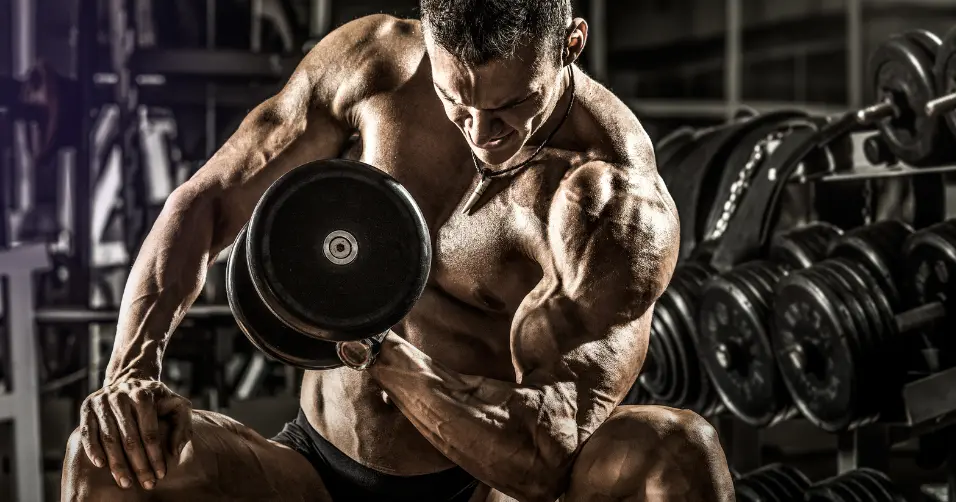
Bodybuilding focuses on maximizing muscle hypertrophy and symmetry through structured resistance training, precise nutrition, and supplementation, often for competition or aesthetics.
This article is educational and not intended to diagnose, treat, or suggest any specific intervention, and should not replace qualified medical advice.

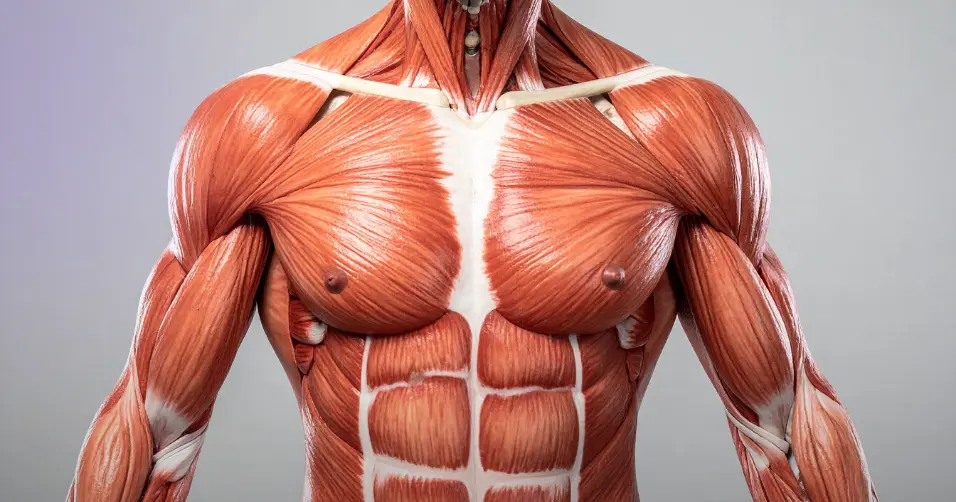
Bodybuilding is the practice of building muscle through training and nutrition.

What Is Bodybuilding?

Bodybuilding is structured training and nutrition aimed at maximizing muscle size and definition.

Bodybuilding is a sport and lifestyle focused on developing muscle size, strength, and definition. It combines resistance training with strict nutrition plans and recovery routines. Training programs often include bulking and cutting cycles. Competitors are judged on muscle size, symmetry, and conditioning. Outside competition, many practice bodybuilding for health, strength, and appearance.

  • Training focus: Resistance workouts drive muscle growth and definition.

  • Diet role: Careful nutrition supports muscle gain and fat loss cycles.

  • Competition: Judged on size, balance, and presentation of muscles.

  • Lifestyle: Many adopt bodybuilding for personal fitness, not just contests.

Bodybuilding is a sport and lifestyle focused on developing muscle size, strength, and definition. It combines resistance training with strict nutrition plans and recovery routines. Training programs often include bulking and cutting cycles. Competitors are judged on muscle size, symmetry, and conditioning. Outside competition, many practice bodybuilding for health, strength, and appearance.

  • Training focus: Resistance workouts drive muscle growth and definition.

  • Diet role: Careful nutrition supports muscle gain and fat loss cycles.

  • Competition: Judged on size, balance, and presentation of muscles.

  • Lifestyle: Many adopt bodybuilding for personal fitness, not just contests.

What Is Bodybuilding?

Bodybuilding is a type of strength training focused on increasing muscle size and definition through resistance exercise and nutrition.

Bodybuilding is the practice of developing muscle size and strength through resistance training and nutrition. It focuses on both muscle hypertrophy and physical symmetry. Participants follow structured workout programs and specific dietary plans to increase lean mass. Competitive bodybuilding involves showcasing muscle definition and balance on stage. For general fitness, it helps improve strength, posture, and overall health.

  • Resistance training stimulates muscle fibers to grow through progressive overload.

  • Diet plays a key role, balancing protein, carbohydrates, and fats for recovery.

  • Bodybuilding can be recreational or competitive depending on individual goals.

  • It improves metabolic rate and reduces risk of muscle loss with age.

Bodybuilding is the practice of developing muscle size and strength through resistance training and nutrition. It focuses on both muscle hypertrophy and physical symmetry. Participants follow structured workout programs and specific dietary plans to increase lean mass. Competitive bodybuilding involves showcasing muscle definition and balance on stage. For general fitness, it helps improve strength, posture, and overall health.

  • Resistance training stimulates muscle fibers to grow through progressive overload.

  • Diet plays a key role, balancing protein, carbohydrates, and fats for recovery.

  • Bodybuilding can be recreational or competitive depending on individual goals.

  • It improves metabolic rate and reduces risk of muscle loss with age.

When Did Bodybuilding Start?

Bodybuilding began in the late 19th century, with organized competitions popularized by Eugen Sandow in the 1890s.

Bodybuilding started in the late 19th century as a form of physical display and strength training. Early promoters developed exhibitions combining fitness and aesthetic appeal. It evolved into formal competitions in the early 20th century, gaining global popularity. Modern bodybuilding emphasizes proportion, muscle definition, and overall presentation. Over time, it expanded into categories such as classic, natural, and fitness divisions.

  • Early physical culture pioneers introduced bodybuilding through public demonstrations.

  • The sport formalized into competitions showcasing physique and symmetry.

  • Global recognition led to the formation of organized bodybuilding federations.

  • Today, it combines science-based training, diet, and performance strategy for athletes.

Bodybuilding started in the late 19th century as a form of physical display and strength training. Early promoters developed exhibitions combining fitness and aesthetic appeal. It evolved into formal competitions in the early 20th century, gaining global popularity. Modern bodybuilding emphasizes proportion, muscle definition, and overall presentation. Over time, it expanded into categories such as classic, natural, and fitness divisions.

  • Early physical culture pioneers introduced bodybuilding through public demonstrations.

  • The sport formalized into competitions showcasing physique and symmetry.

  • Global recognition led to the formation of organized bodybuilding federations.

  • Today, it combines science-based training, diet, and performance strategy for athletes.

Is Bodybuilding A Sport?

Bodybuilding is a sport focused on developing muscle size, proportion, and definition through resistance training and diet.

Bodybuilding is considered a competitive discipline focused on muscle size, symmetry, and definition, but it is not officially recognized as an olympic sport. Unlike traditional sports that measure speed, strength, or endurance, bodybuilding is judged subjectively on appearance during staged competitions. Athletes spend months training with resistance exercises, strict diets, and posing practice. While it demands athletic commitment, it lacks a standardized scoring system used in Olympic categories. Despite global popularity, bodybuilding remains outside the Olympic framework due to its emphasis on aesthetics over measurable performance.

  • Judging criteria: Competitors are evaluated on muscular proportion, symmetry, and conditioning rather than physical performance or skill.

  • Training intensity: Preparation involves rigorous strength training, controlled diet cycles, and precise hydration management.

  • Olympic exclusion: The subjective nature of judging and aesthetic focus prevent it from meeting Olympic sport standards.

  • Alternative recognition: It is often classified as a performance art or fitness discipline rather than a competitive sport by global committees.

  • Public interest: Bodybuilding contests attract large audiences, inspiring fitness trends even without olympic sport status.

Bodybuilding is considered a competitive discipline focused on muscle size, symmetry, and definition, but it is not officially recognized as an olympic sport. Unlike traditional sports that measure speed, strength, or endurance, bodybuilding is judged subjectively on appearance during staged competitions. Athletes spend months training with resistance exercises, strict diets, and posing practice. While it demands athletic commitment, it lacks a standardized scoring system used in Olympic categories. Despite global popularity, bodybuilding remains outside the Olympic framework due to its emphasis on aesthetics over measurable performance.

  • Judging criteria: Competitors are evaluated on muscular proportion, symmetry, and conditioning rather than physical performance or skill.

  • Training intensity: Preparation involves rigorous strength training, controlled diet cycles, and precise hydration management.

  • Olympic exclusion: The subjective nature of judging and aesthetic focus prevent it from meeting Olympic sport standards.

  • Alternative recognition: It is often classified as a performance art or fitness discipline rather than a competitive sport by global committees.

  • Public interest: Bodybuilding contests attract large audiences, inspiring fitness trends even without olympic sport status.

Why Do People Love Bodybuilding?

People love bodybuilding because it improves physical appearance, boosts strength, and provides a sense of discipline and accomplishment.

People love bodybuilding because it transforms both the body and mind. It offers a sense of discipline, progress, and control over physical appearance. The visible results from consistent training provide motivation and pride. Beyond aesthetics, many enjoy the mental clarity and confidence gained from structure and self-improvement. It also builds a supportive community of people with similar fitness goals.

  • Regular progress and visible muscle growth create a strong sense of accomplishment.

  • The structure of training and nutrition brings routine and purpose to daily life.

  • Bodybuilding reduces stress through endorphin release during workouts.

  • Sharing results and advice connects enthusiasts socially and emotionally.

People love bodybuilding because it transforms both the body and mind. It offers a sense of discipline, progress, and control over physical appearance. The visible results from consistent training provide motivation and pride. Beyond aesthetics, many enjoy the mental clarity and confidence gained from structure and self-improvement. It also builds a supportive community of people with similar fitness goals.

  • Regular progress and visible muscle growth create a strong sense of accomplishment.

  • The structure of training and nutrition brings routine and purpose to daily life.

  • Bodybuilding reduces stress through endorphin release during workouts.

  • Sharing results and advice connects enthusiasts socially and emotionally.

What Are Bodybuilding Benefits?

Bodybuilding benefits include increased muscle mass, stronger bones, improved metabolism, and better mental focus.

Bodybuilding benefits extend beyond muscle size—it enhances health, discipline, and confidence. Strength training improves bone density, posture, and joint stability. Consistent workouts boost metabolism and support long-term weight control. Mentally, it teaches patience and goal-setting, improving focus in other areas of life. With proper nutrition, it supports overall body composition and energy balance.

  • Muscle development helps protect against age-related strength loss and injury.

  • Regular training lowers the risk of metabolic conditions through improved insulin sensitivity.

  • Bodybuilding nutrition supports organ function and balanced hormone levels.

  • Goal-driven progress promotes mental toughness and resilience.

Bodybuilding benefits extend beyond muscle size—it enhances health, discipline, and confidence. Strength training improves bone density, posture, and joint stability. Consistent workouts boost metabolism and support long-term weight control. Mentally, it teaches patience and goal-setting, improving focus in other areas of life. With proper nutrition, it supports overall body composition and energy balance.

  • Muscle development helps protect against age-related strength loss and injury.

  • Regular training lowers the risk of metabolic conditions through improved insulin sensitivity.

  • Bodybuilding nutrition supports organ function and balanced hormone levels.

  • Goal-driven progress promotes mental toughness and resilience.

Does Bodybuilding Build Confidence?

Yes, bodybuilding can build confidence by improving body image and giving a sense of achievement from progress.

Bodybuilding often builds confidence because it provides visible results through consistent effort. As individuals see their physical appearance improve, they usually feel stronger mentally as well. Discipline in training and nutrition often translates to better self-control and self-esteem. Many people also gain social confidence due to compliments or recognition of their dedication. However, confidence growth depends on maintaining realistic goals and healthy self-image.

  • Progress tracking helps individuals appreciate effort rather than perfection, boosting self-worth.

  • Regular exercise increases serotonin and dopamine, chemicals that improve mood and confidence.

  • Community support in gyms or competitions fosters belonging and encouragement.

  • Balanced training avoids overemphasis on appearance, preventing body image issues.

Bodybuilding often builds confidence because it provides visible results through consistent effort. As individuals see their physical appearance improve, they usually feel stronger mentally as well. Discipline in training and nutrition often translates to better self-control and self-esteem. Many people also gain social confidence due to compliments or recognition of their dedication. However, confidence growth depends on maintaining realistic goals and healthy self-image.

  • Progress tracking helps individuals appreciate effort rather than perfection, boosting self-worth.

  • Regular exercise increases serotonin and dopamine, chemicals that improve mood and confidence.

  • Community support in gyms or competitions fosters belonging and encouragement.

  • Balanced training avoids overemphasis on appearance, preventing body image issues.

How To Start Bodybuilding

To start bodybuilding, begin with weight training 3–4 times a week, eat enough protein, and follow a structured workout plan.

To start bodybuilding, begin with a structured resistance training plan and balanced nutrition. Focus on mastering exercise form before lifting heavy weights. Ensure your diet includes sufficient protein, complex carbohydrates, and healthy fats. Rest and recovery are equally important for muscle growth. Over time, tracking workouts and meals helps measure progress and refine goals.

  • Start with 3–4 strength sessions weekly focusing on major muscle groups.

  • Learn proper technique to prevent injuries and maximize muscle engagement.

  • Gradually increase weights or repetitions to stimulate growth.

  • Combine resistance training with adequate sleep and hydration for recovery.

To start bodybuilding, begin with a structured resistance training plan and balanced nutrition. Focus on mastering exercise form before lifting heavy weights. Ensure your diet includes sufficient protein, complex carbohydrates, and healthy fats. Rest and recovery are equally important for muscle growth. Over time, tracking workouts and meals helps measure progress and refine goals.

  • Start with 3–4 strength sessions weekly focusing on major muscle groups.

  • Learn proper technique to prevent injuries and maximize muscle engagement.

  • Gradually increase weights or repetitions to stimulate growth.

  • Combine resistance training with adequate sleep and hydration for recovery.

How Can I Become A Bodybuilder

You can become a bodybuilder by consistently training, following a high-protein diet, tracking progress, and gradually increasing workout intensity.

To become a bodybuilder, commit to consistent training, nutrition, and recovery routines. Set clear goals—whether for personal fitness or competition. Follow a progressive resistance training plan and monitor calorie intake. Learn about macronutrients to balance muscle gain and fat control. Building a physique takes patience, consistency, and lifestyle adaptation over time.

  • Begin with a coach or structured plan to understand training cycles and form.

  • Track food intake to ensure adequate protein and energy for muscle repair.

  • Competing requires mastering posing, presentation, and stage readiness.

  • Recovery and sleep are essential to prevent overtraining and burnout.

To become a bodybuilder, commit to consistent training, nutrition, and recovery routines. Set clear goals—whether for personal fitness or competition. Follow a progressive resistance training plan and monitor calorie intake. Learn about macronutrients to balance muscle gain and fat control. Building a physique takes patience, consistency, and lifestyle adaptation over time.

  • Begin with a coach or structured plan to understand training cycles and form.

  • Track food intake to ensure adequate protein and energy for muscle repair.

  • Competing requires mastering posing, presentation, and stage readiness.

  • Recovery and sleep are essential to prevent overtraining and burnout.

Is It Hard To Be A Bodybuilder?

Yes, being a bodybuilder is hard because it requires strict training, disciplined eating, and patience for long-term results.

Being a bodybuilder can be challenging due to strict diet, consistent training, and mental discipline. It requires precise control over calorie intake, macronutrients, and rest. Fatigue, soreness, and occasional injuries can occur, making recovery critical. Many find it difficult to maintain motivation during long muscle-building or cutting phases. Success often depends on patience and structured planning over years, not weeks.

  • Meal timing and preparation are time-consuming and must match workout intensity.

  • Sleep and hydration management are vital for recovery and muscle growth.

  • Mental fatigue can result from constant focus on goals and body composition.

  • Balancing personal life and training schedule can create stress without good planning.

Being a bodybuilder can be challenging due to strict diet, consistent training, and mental discipline. It requires precise control over calorie intake, macronutrients, and rest. Fatigue, soreness, and occasional injuries can occur, making recovery critical. Many find it difficult to maintain motivation during long muscle-building or cutting phases. Success often depends on patience and structured planning over years, not weeks.

  • Meal timing and preparation are time-consuming and must match workout intensity.

  • Sleep and hydration management are vital for recovery and muscle growth.

  • Mental fatigue can result from constant focus on goals and body composition.

  • Balancing personal life and training schedule can create stress without good planning.

Is Bulking Part Of Bodybuilding Regimen?

Yes, bulking is a common part of bodybuilding where calorie intake is increased to build muscle mass.

Bulking is a key part of bodybuilding focused on increasing muscle size through calorie surplus. It involves eating more calories than burned, paired with resistance training. The goal is to gain lean muscle, though some fat gain may occur. After bulking, bodybuilders often transition to cutting to reduce fat while preserving muscle. Proper nutrient balance ensures muscle gain instead of excessive fat accumulation.

  • High-protein intake supports muscle repair during calorie surplus.

  • Carbohydrates provide energy for intense lifting sessions.

  • Gradual bulking reduces unwanted fat gain compared to rapid calorie increases.

  • Monitoring weight weekly helps adjust intake for optimal muscle growth.

Bulking is a key part of bodybuilding focused on increasing muscle size through calorie surplus. It involves eating more calories than burned, paired with resistance training. The goal is to gain lean muscle, though some fat gain may occur. After bulking, bodybuilders often transition to cutting to reduce fat while preserving muscle. Proper nutrient balance ensures muscle gain instead of excessive fat accumulation.

  • High-protein intake supports muscle repair during calorie surplus.

  • Carbohydrates provide energy for intense lifting sessions.

  • Gradual bulking reduces unwanted fat gain compared to rapid calorie increases.

  • Monitoring weight weekly helps adjust intake for optimal muscle growth.

What Do Bodybuilders Eat?

Bodybuilders eat high-protein, moderate-carb, and low-fat foods such as chicken, rice, eggs, oats, and vegetables.

Bodybuilders eat high-protein, nutrient-rich foods to support muscle growth and recovery. Meals are structured around lean proteins, complex carbohydrates, and healthy fats. Frequent eating ensures a steady nutrient supply throughout the day. Fiber and micronutrients from fruits and vegetables balance digestion and health. Hydration and precise meal timing optimize performance and recovery.

  • Common protein sources include eggs, fish, poultry, and plant proteins.

  • Carbohydrates like rice and oats replenish glycogen for energy.

  • Healthy fats from nuts and oils support hormone production and joint health.

  • Meal prep helps maintain portion control and consistency.

Bodybuilders eat high-protein, nutrient-rich foods to support muscle growth and recovery. Meals are structured around lean proteins, complex carbohydrates, and healthy fats. Frequent eating ensures a steady nutrient supply throughout the day. Fiber and micronutrients from fruits and vegetables balance digestion and health. Hydration and precise meal timing optimize performance and recovery.

  • Common protein sources include eggs, fish, poultry, and plant proteins.

  • Carbohydrates like rice and oats replenish glycogen for energy.

  • Healthy fats from nuts and oils support hormone production and joint health.

  • Meal prep helps maintain portion control and consistency.

Why Do Bodybuilders Eat Rice?

Bodybuilders eat rice because it provides easy-to-digest carbohydrates for energy and helps replenish muscle glycogen, which stores energy.

Bodybuilders eat rice because it provides clean, digestible carbohydrates for energy and recovery. White rice is often preferred for quick glycogen replenishment after workouts. Brown rice offers fiber and slower digestion for sustained energy. It pairs easily with protein sources like chicken or fish for balanced meals. Its simplicity and versatility make it a staple in muscle-building diets.

  • Rice helps restore glycogen, the main energy source for muscle performance.

  • It’s low in fat and easy to portion for precise calorie control.

  • Different rice types allow flexibility for pre- and post-workout meals.

  • Its mild taste supports large, frequent meals without digestive discomfort.

Bodybuilders eat rice because it provides clean, digestible carbohydrates for energy and recovery. White rice is often preferred for quick glycogen replenishment after workouts. Brown rice offers fiber and slower digestion for sustained energy. It pairs easily with protein sources like chicken or fish for balanced meals. Its simplicity and versatility make it a staple in muscle-building diets.

  • Rice helps restore glycogen, the main energy source for muscle performance.

  • It’s low in fat and easy to portion for precise calorie control.

  • Different rice types allow flexibility for pre- and post-workout meals.

  • Its mild taste supports large, frequent meals without digestive discomfort.

Do Bodybuilders Drink Alcohol?

Most bodybuilders avoid alcohol since it slows muscle recovery and can interfere with protein synthesis, the process of building new muscle.

Most bodybuilders limit or avoid alcohol due to its negative effects on recovery and hormone balance. Alcohol can slow protein synthesis, dehydrate the body, and disrupt sleep quality. It also adds empty calories that can interfere with physique goals. Moderate use on rest days may be tolerated, but frequent drinking hinders progress. Serious athletes usually avoid it during cutting or competition preparation.

  • Alcohol lowers testosterone and impairs muscle repair processes.

  • Dehydration from alcohol reduces workout endurance and recovery efficiency.

  • Even small amounts can disrupt deep sleep, crucial for muscle growth.

  • Eliminating alcohol improves nutrient absorption and training focus.

Most bodybuilders limit or avoid alcohol due to its negative effects on recovery and hormone balance. Alcohol can slow protein synthesis, dehydrate the body, and disrupt sleep quality. It also adds empty calories that can interfere with physique goals. Moderate use on rest days may be tolerated, but frequent drinking hinders progress. Serious athletes usually avoid it during cutting or competition preparation.

  • Alcohol lowers testosterone and impairs muscle repair processes.

  • Dehydration from alcohol reduces workout endurance and recovery efficiency.

  • Even small amounts can disrupt deep sleep, crucial for muscle growth.

  • Eliminating alcohol improves nutrient absorption and training focus.

Why Do Bodybuilders Tan?

Bodybuilders tan to highlight muscle definition under bright stage lights by increasing contrast and visibility of muscle lines.

Bodybuilders tan to highlight muscle definition and symmetry during competitions. Tanned skin enhances contrast under bright stage lights, emphasizing muscle lines. It helps create a more balanced and aesthetic appearance. Even non-competitive bodybuilders may tan for improved visual tone. Proper tanning also reduces the washed-out look under lighting conditions.

  • Stage lighting can make pale skin appear flat, hiding muscle details.

  • Tanning visually enhances muscle separation and depth on camera or stage.

  • Competition tans are applied evenly to avoid uneven color under lighting.

  • Outside of shows, light tanning can enhance everyday definition visually.

Bodybuilders tan to highlight muscle definition and symmetry during competitions. Tanned skin enhances contrast under bright stage lights, emphasizing muscle lines. It helps create a more balanced and aesthetic appearance. Even non-competitive bodybuilders may tan for improved visual tone. Proper tanning also reduces the washed-out look under lighting conditions.

  • Stage lighting can make pale skin appear flat, hiding muscle details.

  • Tanning visually enhances muscle separation and depth on camera or stage.

  • Competition tans are applied evenly to avoid uneven color under lighting.

  • Outside of shows, light tanning can enhance everyday definition visually.

Do Bodybuilders Do Cardio?

Yes, bodybuilders often do cardio to support heart health and control fat levels while maintaining muscle mass.

Many bodybuilders include cardio in their training routine, though the amount and type depend on their goals and the phase of their training. During cutting phases, they often increase cardio to help reduce body fat while preserving muscle. In the bulking phase, cardio is usually limited but not completely removed to maintain heart health and endurance. Most prefer moderate-intensity sessions like brisk walking or cycling, as high-intensity cardio may interfere with muscle recovery. The balance between resistance training and cardio is carefully managed to support both muscle growth and metabolic health.

  • Bodybuilders often adjust cardio frequency based on body composition goals, using more cardio to achieve a leaner physique before competitions.

  • Moderate, steady-state cardio helps improve cardiovascular health without significantly impacting muscle mass or strength gains.

  • High-intensity interval training (HIIT) can be used sparingly, offering fat-burning benefits but potentially increasing fatigue if overdone.

  • Cardio also helps improve nutrient delivery and recovery by enhancing circulation and oxygen flow to muscles.

  • Most professionals perform cardio sessions separate from weight training to minimize interference with muscle-building processes.

Many bodybuilders include cardio in their training routine, though the amount and type depend on their goals and the phase of their training. During cutting phases, they often increase cardio to help reduce body fat while preserving muscle. In the bulking phase, cardio is usually limited but not completely removed to maintain heart health and endurance. Most prefer moderate-intensity sessions like brisk walking or cycling, as high-intensity cardio may interfere with muscle recovery. The balance between resistance training and cardio is carefully managed to support both muscle growth and metabolic health.

  • Bodybuilders often adjust cardio frequency based on body composition goals, using more cardio to achieve a leaner physique before competitions.

  • Moderate, steady-state cardio helps improve cardiovascular health without significantly impacting muscle mass or strength gains.

  • High-intensity interval training (HIIT) can be used sparingly, offering fat-burning benefits but potentially increasing fatigue if overdone.

  • Cardio also helps improve nutrient delivery and recovery by enhancing circulation and oxygen flow to muscles.

  • Most professionals perform cardio sessions separate from weight training to minimize interference with muscle-building processes.

Is Bodybuilding Healthy?

Bodybuilding can be healthy when done with balanced nutrition and rest, but excessive strain or supplement use may cause issues.

Bodybuilding can be healthy when done with balance, but extreme practices can create risks, raising questions like is bodybuilding good for you. Regular strength training improves muscle mass, bone density, and metabolic health. However, excessive dieting, dehydration, or performance-enhancing drugs can harm the heart, liver, and hormonal balance. Natural bodybuilding that emphasizes proper nutrition, recovery, and realistic goals supports long-term wellness. The key to safe progress lies in moderation, consistency, and avoiding short-term extremes for aesthetic gains.

  • Physical benefits: Moderate bodybuilding enhances posture, strength, and body composition, reducing risks of age-related muscle loss.

  • Mental benefits: Training promotes confidence, discipline, and mood stability through regular endorphin release.

  • Health risks: Overtraining, restricted diets, or supplement misuse can lead to fatigue, joint strain, and nutrient deficiencies.

  • Hormonal balance: Extreme caloric restriction or overuse of stimulants can disrupt natural hormone levels over time.

  • Sustainable approach: A balanced plan focused on health and recovery ensures bodybuilding remains genuinely good for you.

Bodybuilding can be healthy when done with balance, but extreme practices can create risks, raising questions like is bodybuilding good for you. Regular strength training improves muscle mass, bone density, and metabolic health. However, excessive dieting, dehydration, or performance-enhancing drugs can harm the heart, liver, and hormonal balance. Natural bodybuilding that emphasizes proper nutrition, recovery, and realistic goals supports long-term wellness. The key to safe progress lies in moderation, consistency, and avoiding short-term extremes for aesthetic gains.

  • Physical benefits: Moderate bodybuilding enhances posture, strength, and body composition, reducing risks of age-related muscle loss.

  • Mental benefits: Training promotes confidence, discipline, and mood stability through regular endorphin release.

  • Health risks: Overtraining, restricted diets, or supplement misuse can lead to fatigue, joint strain, and nutrient deficiencies.

  • Hormonal balance: Extreme caloric restriction or overuse of stimulants can disrupt natural hormone levels over time.

  • Sustainable approach: A balanced plan focused on health and recovery ensures bodybuilding remains genuinely good for you.

Do BCAAs Support Bodybuilding?

BCAAs are branched-chain amino acids used as building blocks for muscle and can support bodybuilding if protein intake is low.

BCAAs may support bodybuilding mainly by providing building blocks for muscle protein. They contain leucine, isoleucine, and valine, which feed muscle repair. The main driver of progress remains total protein intake and training. BCAAs alone offer limited benefits if protein intake is already high. They work best as part of an overall nutrition routine.

  • Leucine triggers muscle signaling through the mTOR pathway, which supports growth; the effect is modest.

  • Can reduce perceived fatigue during long sessions; this may help maintain training volume.

  • Do not replace full protein because they lack many essential amino acids; complete protein sources remain superior.

  • Timing matters little compared with total daily intake; consistency is more important.


BCAAs may support bodybuilding mainly by providing building blocks for muscle protein. They contain leucine, isoleucine, and valine, which feed muscle repair. The main driver of progress remains total protein intake and training. BCAAs alone offer limited benefits if protein intake is already high. They work best as part of an overall nutrition routine.

  • Leucine triggers muscle signaling through the mTOR pathway, which supports growth; the effect is modest.

  • Can reduce perceived fatigue during long sessions; this may help maintain training volume.

  • Do not replace full protein because they lack many essential amino acids; complete protein sources remain superior.

  • Timing matters little compared with total daily intake; consistency is more important.


How Is Casein Used in Bodybuilding?

Casein, a slow-digesting milk protein, is used in bodybuilding for steady amino acid release during fasting or sleep.

Casein is used in bodybuilding as a slow-digesting protein. It thickens in the stomach, releasing amino acids over several hours. This steady release may help maintain muscle protein availability. Some athletes use it before bed for prolonged coverage. It complements faster proteins taken after workouts.

  • Slow digestion supports overnight needs because amino acids drip into the bloodstream gradually.

  • Casein is rich in essential amino acids which the body cannot make itself.

  • Texture creates a gel slowing gastric emptying.

  • Often paired with faster proteins to cover both immediate and extended recovery phases.


Casein is used in bodybuilding as a slow-digesting protein. It thickens in the stomach, releasing amino acids over several hours. This steady release may help maintain muscle protein availability. Some athletes use it before bed for prolonged coverage. It complements faster proteins taken after workouts.

  • Slow digestion supports overnight needs because amino acids drip into the bloodstream gradually.

  • Casein is rich in essential amino acids which the body cannot make itself.

  • Texture creates a gel slowing gastric emptying.

  • Often paired with faster proteins to cover both immediate and extended recovery phases.


Does Ecdysterone Help Bodybuilding?

Ecdysterone may support bodybuilding through indirect stimulation of protein-building pathways, though data remain limited.

Ecdysterone may help bodybuilding by supporting muscle signaling tied to growth, though effects appear modest. Some trials show strength changes. Results vary across training programs. It is not considered a replacement for training or nutrition. Evidence remains specific to certain study conditions.

  • Strength outcomes show small improvements in some research groups.

  • Training synergy may occur when combined with progressive overload.

  • Recovery signals may shift slightly toward growth pathways.


Ecdysterone may help bodybuilding by supporting muscle signaling tied to growth, though effects appear modest. Some trials show strength changes. Results vary across training programs. It is not considered a replacement for training or nutrition. Evidence remains specific to certain study conditions.

  • Strength outcomes show small improvements in some research groups.

  • Training synergy may occur when combined with progressive overload.

  • Recovery signals may shift slightly toward growth pathways.


Does MSM Support Joint Health?

MSM supports joint health by reducing inflammation and promoting collagen formation.

MSM is a sulfur-containing compound that may help general joint comfort. It may support normal inflammatory balance, which can influence stiffness. Some people report easier movement when used consistently for several weeks. It is generally used with a conservative dose because long-term data are limited. Hydration often improves tolerance.

  • Supports connective tissue because sulfur is needed for collagen links; this may help joint feel.

  • May ease normal inflammation in active people; effects tend to stay moderate.

  • Often paired with mild movement since circulation helps joint nutrition; light stretching may help.

  • Shows gradual benefits over weeks; sudden changes are uncommon.

MSM is a sulfur-containing compound that may help general joint comfort. It may support normal inflammatory balance, which can influence stiffness. Some people report easier movement when used consistently for several weeks. It is generally used with a conservative dose because long-term data are limited. Hydration often improves tolerance.

  • Supports connective tissue because sulfur is needed for collagen links; this may help joint feel.

  • May ease normal inflammation in active people; effects tend to stay moderate.

  • Often paired with mild movement since circulation helps joint nutrition; light stretching may help.

  • Shows gradual benefits over weeks; sudden changes are uncommon.

How Does Keto Compare to Fasting?

Keto compares to fasting as both promote fat burning, but keto allows continuous food intake.

Keto and fasting change metabolism differently but can overlap. Fasting pauses intake completely, pushing stronger shifts in fat use. Keto allows food but limits carbs to force a milder version of fat-burning. Many combine them for deeper ketosis. Hunger patterns differ between the two.

  • Fasting creates rapid ketone rise while keto builds slower; timing shapes effects.

  • Fasting lowers insulin sharply while keto moderates it; intensity differs.

  • Energy swings vary since keto provides calories during restriction.

Keto and fasting change metabolism differently but can overlap. Fasting pauses intake completely, pushing stronger shifts in fat use. Keto allows food but limits carbs to force a milder version of fat-burning. Many combine them for deeper ketosis. Hunger patterns differ between the two.

  • Fasting creates rapid ketone rise while keto builds slower; timing shapes effects.

  • Fasting lowers insulin sharply while keto moderates it; intensity differs.

  • Energy swings vary since keto provides calories during restriction.

Does Muscle Memory Support Bodybuilding?

Muscle memory supports bodybuilding by allowing faster regain of lost muscle.

Muscle memory supports bodybuilding by helping muscles regain size more quickly after time off. Past training leaves lasting structural changes. The body restores previous strength faster than building from zero. This improves long-term progress and reduces frustration during breaks. Muscle memory is a key advantage in long training careers.

  • More nuclei stay in muscle fibers, speeding future rebuilding.

  • Neural patterns return quickly, improving coordination.

  • Stored technique helps resume training with better form.

  • Faster recovery boosts confidence during re-training.


Muscle memory supports bodybuilding by helping muscles regain size more quickly after time off. Past training leaves lasting structural changes. The body restores previous strength faster than building from zero. This improves long-term progress and reduces frustration during breaks. Muscle memory is a key advantage in long training careers.

  • More nuclei stay in muscle fibers, speeding future rebuilding.

  • Neural patterns return quickly, improving coordination.

  • Stored technique helps resume training with better form.

  • Faster recovery boosts confidence during re-training.


How Does Overtraining Affect Bodybuilding?

Overtraining affects bodybuilding by increasing fatigue, lowering strength, and hindering recovery.

Overtraining affects bodybuilding by limiting recovery and slowing progress. The body cannot rebuild muscle effectively when stress stays too high. Performance drops even as effort increases. Fatigue accumulates and reduces training quality. Long-term progress stalls until rest improves recovery.

  • Recovery deficit weakens muscle rebuilding.

  • Performance decline lowers training output.

  • Chronic fatigue reduces lift quality.

  • Extended rest is needed to restore progress.


Overtraining affects bodybuilding by limiting recovery and slowing progress. The body cannot rebuild muscle effectively when stress stays too high. Performance drops even as effort increases. Fatigue accumulates and reduces training quality. Long-term progress stalls until rest improves recovery.

  • Recovery deficit weakens muscle rebuilding.

  • Performance decline lowers training output.

  • Chronic fatigue reduces lift quality.

  • Extended rest is needed to restore progress.


Does Phosphatidic Acid Aid Muscle Gain?

Phosphatidic acid may aid muscle gain by activating mTOR, a key protein synthesis pathway.

Phosphatidic acid is discussed in muscle-gain contexts because it appears in pathways linked with muscle signaling. It plays a structural role in cell membranes. Research explores its involvement in pathways related to growth signals. Its impact varies widely among individuals. Findings remain focused on mechanism rather than outcome claims.

  • Structural lipid role helps define its function.

  • Signaling interest comes from pathway involvement.

  • Individual variability influences response.

  • Mechanistic focus guides most studies.


Phosphatidic acid is discussed in muscle-gain contexts because it appears in pathways linked with muscle signaling. It plays a structural role in cell membranes. Research explores its involvement in pathways related to growth signals. Its impact varies widely among individuals. Findings remain focused on mechanism rather than outcome claims.

  • Structural lipid role helps define its function.

  • Signaling interest comes from pathway involvement.

  • Individual variability influences response.

  • Mechanistic focus guides most studies.


How Does Nutrition Support Bodybuilding?

Nutrition supports bodybuilding by providing protein, energy, and micronutrients for muscle repair.

Nutrition supports bodybuilding by supplying the fuel and building blocks needed for training and recovery. Protein helps repair muscle tissue. Carbohydrates provide energy for intense workouts. Fats support hormone balance involved in repair. Balanced intake improves long-term progress.

  • Repair nutrients restore tissue after training.

  • Energy supply keeps intensity high.

  • Healthy fats support normal hormonal patterns.

  • Sustained nutrition improves consistent gains.


Nutrition supports bodybuilding by supplying the fuel and building blocks needed for training and recovery. Protein helps repair muscle tissue. Carbohydrates provide energy for intense workouts. Fats support hormone balance involved in repair. Balanced intake improves long-term progress.

  • Repair nutrients restore tissue after training.

  • Energy supply keeps intensity high.

  • Healthy fats support normal hormonal patterns.

  • Sustained nutrition improves consistent gains.


Does Protein Support Bodybuilding?

Protein supports bodybuilding by providing building blocks for muscle growth.

Protein supports bodybuilding by helping repair and rebuild muscle after training. Workouts create small muscle tears that protein helps restore. This rebuilding makes muscles stronger over time. Protein also supports recovery and training consistency. Both factors improve long-term progress.

  • Repair function restores muscle fibers.

  • Growth support improves strength potential.

  • Recovery boost helps maintain training frequency.

  • Nutrient availability shapes adaptation rate.


Protein supports bodybuilding by helping repair and rebuild muscle after training. Workouts create small muscle tears that protein helps restore. This rebuilding makes muscles stronger over time. Protein also supports recovery and training consistency. Both factors improve long-term progress.

  • Repair function restores muscle fibers.

  • Growth support improves strength potential.

  • Recovery boost helps maintain training frequency.

  • Nutrient availability shapes adaptation rate.


How Do Plateaus Affect Bodybuilding?

Plateaus affect bodybuilding by halting strength or muscle gains despite continued training.

Plateaus slow bodybuilding progress by reducing strength or muscle gains. They occur when the body adapts to repeated training. Muscles stop responding without new stimulus. Progress becomes less predictable. This stage often signals the need to adjust workload.

  • Adaptation point limits further gains.

  • Training signals weaken after long repetition of routines.

  • Strength stalls appear over weeks.

  • Muscle growth slows as stimulus fades.

  • Program change helps restart progress.

Plateaus slow bodybuilding progress by reducing strength or muscle gains. They occur when the body adapts to repeated training. Muscles stop responding without new stimulus. Progress becomes less predictable. This stage often signals the need to adjust workload.

  • Adaptation point limits further gains.

  • Training signals weaken after long repetition of routines.

  • Strength stalls appear over weeks.

  • Muscle growth slows as stimulus fades.

  • Program change helps restart progress.

Does Turkesterone Aid Bodybuilding?

Turkesterone may aid bodybuilding by supporting protein synthesis and muscle adaptation.

Turkesterone is studied for bodybuilding interest due to its plant-based structure. Effects remain uncertain and vary across tests. Research focuses on performance markers rather than strong anabolic outcomes. Muscle gain changes stay modest. Training style influences most results.

  • Plant origin gives non-hormonal structure.

  • Strength markers form key study outcomes.

  • Body composition changes show mixed patterns.

  • Exercise programs strongly influence results.

  • Safety notes track digestion and tolerance.

Turkesterone is studied for bodybuilding interest due to its plant-based structure. Effects remain uncertain and vary across tests. Research focuses on performance markers rather than strong anabolic outcomes. Muscle gain changes stay modest. Training style influences most results.

  • Plant origin gives non-hormonal structure.

  • Strength markers form key study outcomes.

  • Body composition changes show mixed patterns.

  • Exercise programs strongly influence results.

  • Safety notes track digestion and tolerance.

Medical Disclaimer: All content on this website is intended solely for informational and educational purposes and should not be interpreted as a substitute for professional medical advice, diagnosis, or treatment, nor as encouragement or promotion for or against any particular use, product, or activity. Results may vary and are not guaranteed. No doctor–patient relationship is created by your use of this content. Always consult a qualified healthcare provider, nutritionist, or other relevant expert before starting or changing any supplement, diet, exercise, or lifestyle program. This website can contain errors. Check important information. Read our full Disclaimer.

StatusTerms of ServicePrivacy PolicyDisclaimerAbout Myopedia.

©2025 Myopedia™. All rights reserved.

Medical Disclaimer: All content on this website is intended solely for informational and educational purposes and should not be interpreted as a substitute for professional medical advice, diagnosis, or treatment, nor as encouragement or promotion for or against any particular use, product, or activity. Results may vary and are not guaranteed. No doctor–patient relationship is created by your use of this content. Always consult a qualified healthcare provider, nutritionist, or other relevant expert before starting or changing any supplement, diet, exercise, or lifestyle program. This website can contain errors. Check important information. Read our full Disclaimer.

StatusTerms of ServicePrivacy PolicyDisclaimerAbout Myopedia.

©2025 Myopedia™. All rights reserved.

Medical Disclaimer: All content on this website is intended solely for informational and educational purposes and should not be interpreted as a substitute for professional medical advice, diagnosis, or treatment, nor as encouragement or promotion for or against any particular use, product, or activity. Results may vary and are not guaranteed. No doctor–patient relationship is created by your use of this content. Always consult a qualified healthcare provider, nutritionist, or other relevant expert before starting or changing any supplement, diet, exercise, or lifestyle program. This website can contain errors. Check important information. Read our full Disclaimer.

StatusTerms of ServicePrivacy PolicyDisclaimerAbout Myopedia.

©2025 Myopedia™. All rights reserved.