Supplements
Rhodiola Rosea
A Comprehensive Guide to Rhodiola Rosea
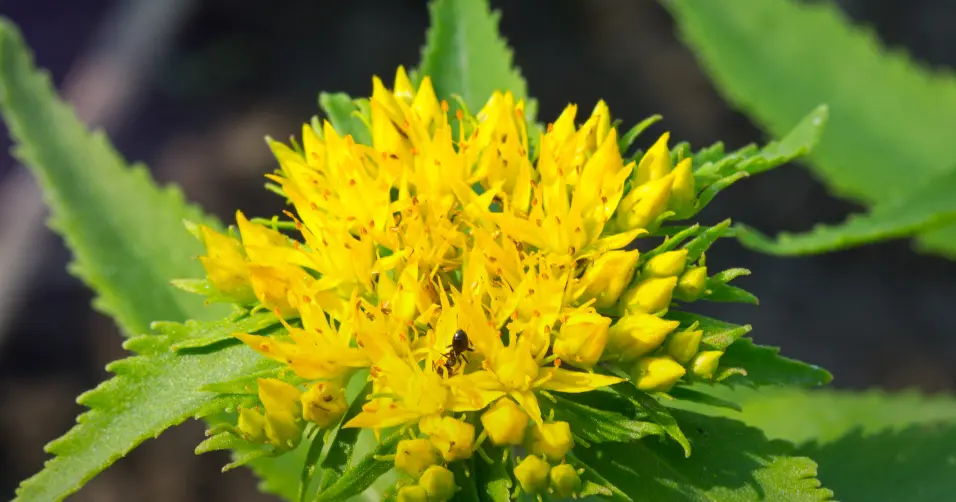
Rhodiola rosea, an adaptogenic herb, may combat mental fatigue, enhance physical stamina, and improve stress resilience by regulating cortisol and boosting serotonin levels. It’s also linked to improved cognitive function and mood stabilization, though effects can vary based on dosage and individual response.
This article is educational and not intended to diagnose, treat, or suggest any specific intervention, and should not replace qualified medical advice.



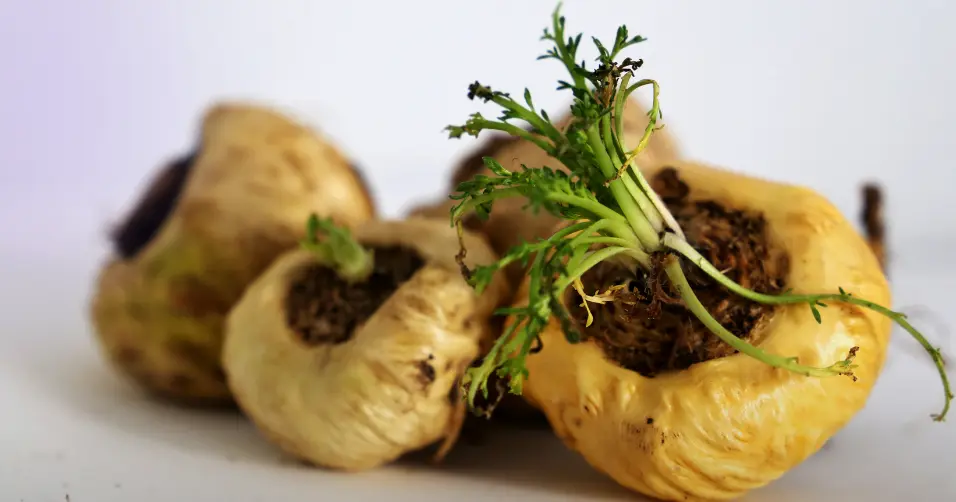
What Does Rhodiola Rosea Do?
Rhodiola Rosea is an adaptogenic herb that may help the body cope with stress and reduce fatigue.
Rhodiola Rosea is an adaptogenic herb known for helping the body resist physical and mental stress. It may improve energy, endurance, and focus by balancing stress hormones like cortisol. Studies suggest it supports mood stability and reduces fatigue during demanding tasks. Some evidence points to benefits in cognitive performance, particularly under stress or sleep loss. Rhodiola is often used to enhance resilience during challenging periods.
Balances cortisol levels, supporting stress adaptation and reducing burnout.
Enhances endurance and stamina by improving oxygen utilization in cells.
Supports cognitive performance, including memory and focus, during fatigue.
May improve mood by influencing neurotransmitters like serotonin and dopamine.
Rhodiola Rosea is an adaptogenic herb known for helping the body resist physical and mental stress. It may improve energy, endurance, and focus by balancing stress hormones like cortisol. Studies suggest it supports mood stability and reduces fatigue during demanding tasks. Some evidence points to benefits in cognitive performance, particularly under stress or sleep loss. Rhodiola is often used to enhance resilience during challenging periods.
Balances cortisol levels, supporting stress adaptation and reducing burnout.
Enhances endurance and stamina by improving oxygen utilization in cells.
Supports cognitive performance, including memory and focus, during fatigue.
May improve mood by influencing neurotransmitters like serotonin and dopamine.
Rhodiola Rosea: FACTS
Role | Adaptogen; reduces fatigue, supports endurance & mood |
Form & Classification | Herbal extract from Rhodiola rosea root |
Typical Dosage & Intake | 200–600 mg/day |
Cycling | Often cycled to maintain effect |
Sources | Capsules, standardized extracts |
Safety & Interactions | Generally safe; may affect mood meds |
Dosage information is general and may vary with product brand, quality or individual needs; verify accuracy on package and consult a qualified practitioner before use.
What Is Rhodiola Rosea?
Rhodiola Rosea is an adaptogenic herb that may reduce fatigue and stress.
Rhodiola rosea is an adaptogenic herb traditionally used to reduce fatigue and stress. It is thought to help balance stress hormones and improve mental focus. Some studies suggest it may support endurance and reduce feelings of burnout. While it shows promise, more research is needed for long-term safety and effectiveness. It is generally well-tolerated, but effects can vary by individual.
Stress relief: Rhodiola helps regulate stress response, easing mental fatigue.
Performance: May improve endurance and reduce exhaustion during exercise.
Mental clarity: Some evidence suggests better concentration and memory.
Safety: Short-term use appears safe, but long-term research is limited.
Rhodiola rosea is an adaptogenic herb traditionally used to reduce fatigue and stress. It is thought to help balance stress hormones and improve mental focus. Some studies suggest it may support endurance and reduce feelings of burnout. While it shows promise, more research is needed for long-term safety and effectiveness. It is generally well-tolerated, but effects can vary by individual.
Stress relief: Rhodiola helps regulate stress response, easing mental fatigue.
Performance: May improve endurance and reduce exhaustion during exercise.
Mental clarity: Some evidence suggests better concentration and memory.
Safety: Short-term use appears safe, but long-term research is limited.
Which Rhodiola Rosea Type Is Best?
Rhodiola Rosea standardized to rosavins and salidroside is considered the most effective.
The best type of Rhodiola Rosea is standardized extract with known levels of rosavins and salidroside, the main active compounds. A common ratio is 3% rosavins and 1% salidroside, shown effective in research. Capsule or tablet forms are more reliable than teas, which may vary in potency. Quality extracts are sourced from regions where the plant grows naturally, such as cold, high-altitude areas. Purity testing is key to avoid adulteration with other herbs.
Standardized extracts ensure consistent levels of rosavins and salidroside for effectiveness.
Capsules deliver precise dosages, unlike teas or raw root, which vary in strength.
Cold-climate sources provide naturally potent plants with higher active compound levels.
Third-party testing reduces risk of adulteration or contamination.
The best type of Rhodiola Rosea is standardized extract with known levels of rosavins and salidroside, the main active compounds. A common ratio is 3% rosavins and 1% salidroside, shown effective in research. Capsule or tablet forms are more reliable than teas, which may vary in potency. Quality extracts are sourced from regions where the plant grows naturally, such as cold, high-altitude areas. Purity testing is key to avoid adulteration with other herbs.
Standardized extracts ensure consistent levels of rosavins and salidroside for effectiveness.
Capsules deliver precise dosages, unlike teas or raw root, which vary in strength.
Cold-climate sources provide naturally potent plants with higher active compound levels.
Third-party testing reduces risk of adulteration or contamination.
How to Add Rhodiola Rosea to Your Diet?
Rhodiola Rosea is typically consumed as a capsule, tea, or extract.
You can add Rhodiola Rosea to your diet mainly through standardized capsules or tablets. Teas and tinctures are also available but may have less consistent strength. It is often taken in the morning to support energy and reduce fatigue during the day. Avoid taking it late in the evening to prevent sleep disturbances. Consistency matters more than large amounts for adaptogens like rhodiola.
Capsules provide accurate dosing and reliable active compound levels.
Tinctures offer flexibility in adjusting dose but may vary in potency.
Morning use aligns with natural energy rhythms and prevents insomnia.
Daily intake builds gradual stress resilience without overstimulation.
You can add Rhodiola Rosea to your diet mainly through standardized capsules or tablets. Teas and tinctures are also available but may have less consistent strength. It is often taken in the morning to support energy and reduce fatigue during the day. Avoid taking it late in the evening to prevent sleep disturbances. Consistency matters more than large amounts for adaptogens like rhodiola.
Capsules provide accurate dosing and reliable active compound levels.
Tinctures offer flexibility in adjusting dose but may vary in potency.
Morning use aligns with natural energy rhythms and prevents insomnia.
Daily intake builds gradual stress resilience without overstimulation.
What Are Key Ingredients of Rhodiola Rosea?
Rhodiola Rosea supplements contain standardized root extracts with rosavins and salidroside.
The key ingredients of Rhodiola Rosea extracts are rosavins and salidroside. These compounds are responsible for its adaptogenic effects, helping the body resist stress. Rosavins are unique to rhodiola and linked to mood and energy benefits. Salidroside has antioxidant and neuroprotective properties. The concentration of these compounds determines supplement quality.
Rosavins are specific compounds that regulate stress response and energy balance.
Salidroside provides antioxidant support and may protect brain cells under stress.
Standardized extracts contain consistent ratios for reliable effects.
Other plant polyphenols may add secondary support for resilience.
The key ingredients of Rhodiola Rosea extracts are rosavins and salidroside. These compounds are responsible for its adaptogenic effects, helping the body resist stress. Rosavins are unique to rhodiola and linked to mood and energy benefits. Salidroside has antioxidant and neuroprotective properties. The concentration of these compounds determines supplement quality.
Rosavins are specific compounds that regulate stress response and energy balance.
Salidroside provides antioxidant support and may protect brain cells under stress.
Standardized extracts contain consistent ratios for reliable effects.
Other plant polyphenols may add secondary support for resilience.
Which Processes Does Rhodiola Rosea Affect?
Rhodiola Rosea affects stress response pathways and energy metabolism.
Rhodiola Rosea affects processes tied to stress regulation, energy balance, and mental performance. It modulates cortisol, the main stress hormone, to prevent burnout. Rhodiola also enhances oxygen use in cells, improving endurance. It influences neurotransmitter balance, which supports mood and focus. Its adaptogenic effects improve resilience under physical or mental strain.
Regulates cortisol secretion, supporting stress resistance.
Improves oxygen efficiency in energy-producing pathways.
Supports neurotransmitter function, enhancing cognitive clarity.
Boosts resilience in demanding physical and mental conditions.
Rhodiola Rosea affects processes tied to stress regulation, energy balance, and mental performance. It modulates cortisol, the main stress hormone, to prevent burnout. Rhodiola also enhances oxygen use in cells, improving endurance. It influences neurotransmitter balance, which supports mood and focus. Its adaptogenic effects improve resilience under physical or mental strain.
Regulates cortisol secretion, supporting stress resistance.
Improves oxygen efficiency in energy-producing pathways.
Supports neurotransmitter function, enhancing cognitive clarity.
Boosts resilience in demanding physical and mental conditions.
What Foods Contain Rhodiola Rosea?
Rhodiola Rosea is naturally found in the roots of the Rhodiola plant growing in cold climates.
Rhodiola Rosea is not naturally found in common foods. It is a wild herb that grows in cold, high-altitude regions such as Siberia and Scandinavia. Traditionally, it was brewed as tea by local populations. It is harvested and used directly as an herbal preparation. Everyday diets do not contain rhodiola naturally.
Rhodiola grows naturally in mountainous, arctic-like regions.
Traditionally consumed as teas or tinctures, not regular foods.
It is gathered from the wild rather than cultivated widely.
Modern use comes from concentrated extracts rather than food sources.
Rhodiola Rosea is not naturally found in common foods. It is a wild herb that grows in cold, high-altitude regions such as Siberia and Scandinavia. Traditionally, it was brewed as tea by local populations. It is harvested and used directly as an herbal preparation. Everyday diets do not contain rhodiola naturally.
Rhodiola grows naturally in mountainous, arctic-like regions.
Traditionally consumed as teas or tinctures, not regular foods.
It is gathered from the wild rather than cultivated widely.
Modern use comes from concentrated extracts rather than food sources.
Is Rhodiola Rosea Vegan?
Rhodiola Rosea is vegan as it comes from a plant root.
Rhodiola Rosea is suitable for vegans since it is a plant-based adaptogen. The supplement is derived from the root of the rhodiola herb. It contains no animal-based compounds. Capsules may vary in composition, so vegans should ensure plant-based casings are used. Its natural root extract is inherently vegan.
Rhodiola root extract is entirely plant-derived.
It contains only phytochemicals like rosavins and salidroside.
Gelatin capsules should be avoided in favor of vegan casings.
Powder or tincture forms are vegan-friendly when pure.
Rhodiola Rosea is suitable for vegans since it is a plant-based adaptogen. The supplement is derived from the root of the rhodiola herb. It contains no animal-based compounds. Capsules may vary in composition, so vegans should ensure plant-based casings are used. Its natural root extract is inherently vegan.
Rhodiola root extract is entirely plant-derived.
It contains only phytochemicals like rosavins and salidroside.
Gelatin capsules should be avoided in favor of vegan casings.
Powder or tincture forms are vegan-friendly when pure.
Will Rhodiola Rosea Break a Fast?
Rhodiola Rosea will not break a fast because extracts have negligible calories.
Rhodiola Rosea will not break a fast since it is an herbal extract with negligible calories. Most supplements are in capsule or tincture form without added sugars. It does not interfere with blood sugar or insulin activity. For those fasting for autophagy, it is unlikely to disrupt the process. Taking rhodiola during fasting may even support energy and stress adaptation.
Rhodiola extract contributes almost no calories, safe during fasting.
It does not disturb insulin or glucose regulation.
Tinctures should be checked to avoid alcohol or sweeteners.
May help reduce stress and fatigue while fasting.
Rhodiola Rosea will not break a fast since it is an herbal extract with negligible calories. Most supplements are in capsule or tincture form without added sugars. It does not interfere with blood sugar or insulin activity. For those fasting for autophagy, it is unlikely to disrupt the process. Taking rhodiola during fasting may even support energy and stress adaptation.
Rhodiola extract contributes almost no calories, safe during fasting.
It does not disturb insulin or glucose regulation.
Tinctures should be checked to avoid alcohol or sweeteners.
May help reduce stress and fatigue while fasting.
Breaking a fast here is strictly physiological (e.g., insulin effects). When we say a supplement ‘does not break a fast,’ we mean it has negligible calories in normal use and is unlikely to disrupt fasting metabolism. Certain traditions or religious rules may treat any intake as breaking a fast—please follow your tradition and health needs.
How to Pick the Best Rhodiola Rosea?
Rhodiola Rosea quality is best when standardized to rosavins and salidroside content.
To pick high-quality Rhodiola Rosea, choose standardized extracts with 3% rosavins and 1% salidroside. Verify that the product has been tested for purity and contaminants. Ensure the rhodiola is sourced from cold, high-altitude regions where the plant is naturally potent. Capsules or tablets with consistent dosing are preferable. Avoid blends that do not specify extract ratios.
Standardized extracts guarantee effective levels of active compounds.
Third-party purity testing rules out adulteration with other herbs.
Cold-climate sources produce stronger, more active rhodiola roots.
Capsules provide reliable and repeatable dosing for daily use.
To pick high-quality Rhodiola Rosea, choose standardized extracts with 3% rosavins and 1% salidroside. Verify that the product has been tested for purity and contaminants. Ensure the rhodiola is sourced from cold, high-altitude regions where the plant is naturally potent. Capsules or tablets with consistent dosing are preferable. Avoid blends that do not specify extract ratios.
Standardized extracts guarantee effective levels of active compounds.
Third-party purity testing rules out adulteration with other herbs.
Cold-climate sources produce stronger, more active rhodiola roots.
Capsules provide reliable and repeatable dosing for daily use.
What’s the Optimal Dosage and Timing for Rhodiola Rosea?
Rhodiola Rosea is usually taken at 200–400 mg daily, best in the morning to avoid sleep issues.
The optimal dosage and timing for Rhodiola Rosea is typically 200–400 mg of standardized extract per day. It should be taken in the morning or early afternoon to avoid interfering with sleep. Standardized extracts with 3% rosavins and 1% salidroside are most effective. Starting at a lower dose helps test tolerance. Consistency is key for adaptogenic benefits.
Effective daily dose is usually 200–400 mg of standardized extract.
Morning or midday timing prevents possible sleep disruption.
Extracts with 3% rosavins and 1% salidroside are evidence-based.
Begin at lower doses to assess individual response.
The optimal dosage and timing for Rhodiola Rosea is typically 200–400 mg of standardized extract per day. It should be taken in the morning or early afternoon to avoid interfering with sleep. Standardized extracts with 3% rosavins and 1% salidroside are most effective. Starting at a lower dose helps test tolerance. Consistency is key for adaptogenic benefits.
Effective daily dose is usually 200–400 mg of standardized extract.
Morning or midday timing prevents possible sleep disruption.
Extracts with 3% rosavins and 1% salidroside are evidence-based.
Begin at lower doses to assess individual response.
Dosage and timing information is generalized and may not be appropriate for all individuals; occasional inaccuracies may occur. Variations in supplement purity, formulation, or quality can also affect dosing relevance. Verify accuracy on package and consult a qualified practitioner before use.
What Are Common Mistakes When Taking Rhodiola Rosea?
Rhodiola Rosea mistakes include taking it late in the day, which may disturb sleep.
Common mistakes when taking Rhodiola Rosea include using non-standardized extracts, which may be ineffective. Taking it late in the day may interfere with sleep. Some people expect immediate results, though adaptogens work gradually. Overdosing can cause jitteriness or irritability. Inconsistent use reduces its adaptogenic benefits.
Non-standardized extracts may lack rosavins and salidroside, lowering effectiveness.
Evening intake can disrupt normal sleep cycles.
Expecting instant effects overlooks adaptogens’ slow-building nature.
High doses may overstimulate instead of reducing stress.
Common mistakes when taking Rhodiola Rosea include using non-standardized extracts, which may be ineffective. Taking it late in the day may interfere with sleep. Some people expect immediate results, though adaptogens work gradually. Overdosing can cause jitteriness or irritability. Inconsistent use reduces its adaptogenic benefits.
Non-standardized extracts may lack rosavins and salidroside, lowering effectiveness.
Evening intake can disrupt normal sleep cycles.
Expecting instant effects overlooks adaptogens’ slow-building nature.
High doses may overstimulate instead of reducing stress.
How Fast Does Rhodiola Rosea Work?
Rhodiola Rosea works within days to reduce fatigue and stress.
Rhodiola Rosea often works within hours to reduce fatigue and improve alertness. Stress resilience benefits may take 2–4 weeks of consistent use. Mood and cognitive improvements typically appear after a month. Adaptogenic effects require regular intake to build up. Results may vary depending on extract strength and individual response.
Immediate alertness and reduced fatigue may appear within hours.
Stress adaptation benefits build within 2–4 weeks.
Cognitive and mood effects develop after about a month.
Extract potency influences how fast effects are noticeable.
Rhodiola Rosea often works within hours to reduce fatigue and improve alertness. Stress resilience benefits may take 2–4 weeks of consistent use. Mood and cognitive improvements typically appear after a month. Adaptogenic effects require regular intake to build up. Results may vary depending on extract strength and individual response.
Immediate alertness and reduced fatigue may appear within hours.
Stress adaptation benefits build within 2–4 weeks.
Cognitive and mood effects develop after about a month.
Extract potency influences how fast effects are noticeable.
Results may vary between individuals, and no outcome is guaranteed. A tailored supplemntation plan is the best way to ensure the desired outcome.
Does Rhodiola Rosea Require a Cooldown?
Rhodiola Rosea may require cooldown after months of use to prevent reduced effect.
Rhodiola Rosea is often cycled because adaptogens can lose effectiveness with constant use. A common approach is to use it for 6–12 weeks, then pause for 2–4 weeks. This helps prevent tolerance and maintains potency. Cycling also reduces the chance of overstimulation. Cooldowns align with traditional adaptogen practices.
Adaptogens like rhodiola may lose strength if taken continuously.
6–12 weeks of use followed by a break preserves effectiveness.
Cooldowns prevent overstimulation of stress-response systems.
Breaks help the body reset and maintain sensitivity.
Rhodiola Rosea is often cycled because adaptogens can lose effectiveness with constant use. A common approach is to use it for 6–12 weeks, then pause for 2–4 weeks. This helps prevent tolerance and maintains potency. Cycling also reduces the chance of overstimulation. Cooldowns align with traditional adaptogen practices.
Adaptogens like rhodiola may lose strength if taken continuously.
6–12 weeks of use followed by a break preserves effectiveness.
Cooldowns prevent overstimulation of stress-response systems.
Breaks help the body reset and maintain sensitivity.
The need to pause or cycle depends on individual factors such as goals, tolerance, and clinical context. No universal rule applies, and specialist review is recommended before making adjustments.
Does Tolerance Develop for Rhodiola Rosea?
Rhodiola Rosea may lose effectiveness if used continuously without breaks.
Rhodiola Rosea may show reduced effects with continuous daily use, a form of tolerance seen in adaptogens. Cycling helps maintain responsiveness. Some users report diminished stress and energy benefits after long periods. Short breaks restore sensitivity. This aligns with traditional adaptogen practices.
Continuous daily use may lessen rhodiola’s effects.
Cycling restores sensitivity and prevents reduced responsiveness.
Perceived tolerance appears as weaker stress or mood support over time.
Cooldowns every few months keep benefits strong.
Rhodiola Rosea may show reduced effects with continuous daily use, a form of tolerance seen in adaptogens. Cycling helps maintain responsiveness. Some users report diminished stress and energy benefits after long periods. Short breaks restore sensitivity. This aligns with traditional adaptogen practices.
Continuous daily use may lessen rhodiola’s effects.
Cycling restores sensitivity and prevents reduced responsiveness.
Perceived tolerance appears as weaker stress or mood support over time.
Cooldowns every few months keep benefits strong.
Information on tolerance is generalized and may not reflect individual differences in metabolism, duration of use, or health status. Reactions can vary, and any adjustment should follow qualified practicioner's recommendations.
Can Rhodiola Rosea Be Stacked?
Rhodiola Rosea can be stacked with ashwagandha as complementary adaptogens.
Rhodiola Rosea stacks effectively with ashwagandha for stress balance. It can also be paired with ginseng for endurance, though cycling is recommended. Rhodiola combines with omega-3s for mood and cognitive health. Co-use with caffeine enhances alertness but should be used cautiously. Adaptogen stacks should always include rest periods.
Ashwagandha + rhodiola balance stress hormones and resilience.
Ginseng + rhodiola boost stamina but need cycling to avoid fatigue.
Rhodiola and omega-3s improve mood and brain health synergistically.
Caffeine + rhodiola enhance focus but may overstimulate sensitive users.
Rhodiola Rosea stacks effectively with ashwagandha for stress balance. It can also be paired with ginseng for endurance, though cycling is recommended. Rhodiola combines with omega-3s for mood and cognitive health. Co-use with caffeine enhances alertness but should be used cautiously. Adaptogen stacks should always include rest periods.
Ashwagandha + rhodiola balance stress hormones and resilience.
Ginseng + rhodiola boost stamina but need cycling to avoid fatigue.
Rhodiola and omega-3s improve mood and brain health synergistically.
Caffeine + rhodiola enhance focus but may overstimulate sensitive users.
Many supplements can interact in ways that enhance or alter their effects. However, stacking makes it difficult to monitor the impact of each component and increases the risk of oversupplementation or unintended interactions.
Do Rhodiola Rosea Effects Persist?
Rhodiola Rosea effects fade within days of stopping use.
Rhodiola Rosea effects persist for a short period after stopping. Stress resilience and energy improvements last days to weeks. Without continued use, adaptogenic benefits fade. It does not create lasting body changes beyond short-term adaptation. Cycling allows benefits to return quickly when resumed.
Stress balance may linger briefly after stopping intake.
Energy and mood effects fade within weeks.
Adaptogenic effects do not persist long-term without use.
Restarting use restores benefits relatively quickly.
Rhodiola Rosea effects persist for a short period after stopping. Stress resilience and energy improvements last days to weeks. Without continued use, adaptogenic benefits fade. It does not create lasting body changes beyond short-term adaptation. Cycling allows benefits to return quickly when resumed.
Stress balance may linger briefly after stopping intake.
Energy and mood effects fade within weeks.
Adaptogenic effects do not persist long-term without use.
Restarting use restores benefits relatively quickly.
Results may vary between individuals, and no outcome is guaranteed. A tailored supplemntation plan is the best way to ensure the desired outcome.
Does Rhodiola Rosea Aid Longevity?
Rhodiola Rosea may support longevity by helping the body resist stress.
Rhodiola Rosea may promote longevity through stress resilience and energy balance. By regulating cortisol, it reduces chronic stress damage linked to aging. Rhodiola also supports mitochondrial function, improving endurance. Its antioxidant properties protect cells from age-related damage. Though not lifespan-proven, it supports healthier aging.
Balances cortisol, reducing harmful chronic stress effects.
Enhances mitochondrial efficiency, supporting vitality over time.
Provides antioxidants that protect against age-related decline.
Improves resilience, an important factor in long-term health.
Rhodiola Rosea may promote longevity through stress resilience and energy balance. By regulating cortisol, it reduces chronic stress damage linked to aging. Rhodiola also supports mitochondrial function, improving endurance. Its antioxidant properties protect cells from age-related damage. Though not lifespan-proven, it supports healthier aging.
Balances cortisol, reducing harmful chronic stress effects.
Enhances mitochondrial efficiency, supporting vitality over time.
Provides antioxidants that protect against age-related decline.
Improves resilience, an important factor in long-term health.
What Are Alternatives to Rhodiola Rosea?
Rhodiola Rosea alternatives include ashwagandha and ginseng as adaptogens.
Rhodiola Rosea alternatives include ashwagandha and ginseng for adaptogenic stress support. Eleuthero is another adaptogen with similar endurance-enhancing properties. L-theanine can substitute for stress balance with calming effects. These alternatives support resilience but with different active compounds. They serve as functional substitutes depending on needs.
Ashwagandha improves resilience and recovery under stress.
Ginseng provides stamina and cognitive support as an adaptogen.
Eleuthero enhances endurance and immune resilience.
L-theanine reduces stress while promoting calm alertness.
Rhodiola Rosea alternatives include ashwagandha and ginseng for adaptogenic stress support. Eleuthero is another adaptogen with similar endurance-enhancing properties. L-theanine can substitute for stress balance with calming effects. These alternatives support resilience but with different active compounds. They serve as functional substitutes depending on needs.
Ashwagandha improves resilience and recovery under stress.
Ginseng provides stamina and cognitive support as an adaptogen.
Eleuthero enhances endurance and immune resilience.
L-theanine reduces stress while promoting calm alertness.
There are often alternatives that better align with personal risk profiles, preferences, or resources; comparative review with a relevant certified consultant is advised.
What Are Possible Rhodiola Rosea Side Effects?
Rhodiola Rosea side effects may include irritability and trouble sleeping.
Rhodiola Rosea side effects may include jitteriness, dry mouth, or insomnia if taken late in the day. High doses can cause irritability or restlessness. Rarely, it may cause headaches or dizziness. Sensitive individuals may find it overstimulating. Side effects are usually mild and dose-dependent.
Insomnia may occur if rhodiola is taken too close to bedtime.
Jitteriness or restlessness happens at higher doses.
Dry mouth and headaches are occasionally reported.
Dizziness is rare but possible in sensitive users.
Rhodiola Rosea side effects may include jitteriness, dry mouth, or insomnia if taken late in the day. High doses can cause irritability or restlessness. Rarely, it may cause headaches or dizziness. Sensitive individuals may find it overstimulating. Side effects are usually mild and dose-dependent.
Insomnia may occur if rhodiola is taken too close to bedtime.
Jitteriness or restlessness happens at higher doses.
Dry mouth and headaches are occasionally reported.
Dizziness is rare but possible in sensitive users.
Responses differ among individuals. If adverse effects occur, discontinuation and professional evaluation are advised.
Who Should Avoid Rhodiola Rosea?
Rhodiola Rosea should be avoided by people with bipolar disorder due to mood effects.
Rhodiola Rosea should be avoided by people with bipolar disorder, as it may trigger mood swings. Those with uncontrolled high blood pressure should also be cautious. Pregnant and breastfeeding women should not use it due to limited research. People sensitive to stimulants may experience overstimulation. Medical advice is recommended for psychiatric conditions.
Bipolar disorder patients risk worsened mood instability.
High blood pressure may rise further with rhodiola intake.
Pregnant and breastfeeding women lack safety data for rhodiola.
Stimulant-sensitive individuals may feel jittery or restless.
Rhodiola Rosea should be avoided by people with bipolar disorder, as it may trigger mood swings. Those with uncontrolled high blood pressure should also be cautious. Pregnant and breastfeeding women should not use it due to limited research. People sensitive to stimulants may experience overstimulation. Medical advice is recommended for psychiatric conditions.
Bipolar disorder patients risk worsened mood instability.
High blood pressure may rise further with rhodiola intake.
Pregnant and breastfeeding women lack safety data for rhodiola.
Stimulant-sensitive individuals may feel jittery or restless.
Individuals who may be at higher risk—including those with diabetes, eating disorders, pregnancy or breastfeeding, heavy training loads, health conditions, medication use, or prior adverse reactions—should seek tailored guidance before deciding supplementation or making major supplement or lifestyle changes.
Is Rhodiola Rosea Available Over-the-Counter?
Rhodiola Rosea is sold over-the-counter in standardized herbal extracts.
Rhodiola Rosea is available over-the-counter as capsules, extracts, or teas. It is marketed as an herbal adaptogen in most countries. Regulations are light, with no prescription needed. Widely sold in health food stores and online. Quality depends on standardization of active compounds.
Capsules, teas, and extracts are common OTC formats.
No prescription is necessary for rhodiola use.
Available globally through herbal supplement outlets.
Standardized extracts provide more reliable OTC quality.
Rhodiola Rosea is available over-the-counter as capsules, extracts, or teas. It is marketed as an herbal adaptogen in most countries. Regulations are light, with no prescription needed. Widely sold in health food stores and online. Quality depends on standardization of active compounds.
Capsules, teas, and extracts are common OTC formats.
No prescription is necessary for rhodiola use.
Available globally through herbal supplement outlets.
Standardized extracts provide more reliable OTC quality.
For over-the-counter availability we use generic US data. Product availability and status may vary by country and region.
What’s the History of Rhodiola Rosea?
Rhodiola Rosea has been used in traditional Siberian and Scandinavian medicine for endurance.
Rhodiola Rosea has a history of use in traditional medicine across Russia, Scandinavia, and Asia. Ancient cultures used it to increase endurance and reduce fatigue. It was valued by Vikings and Siberian peoples for resilience. Scientific studies on rhodiola’s adaptogenic effects began in the mid-20th century. Today, it is marketed worldwide as a natural stress-support herb.
Used traditionally in Siberia and Scandinavia for strength and vitality.
Associated with Viking endurance and survival in harsh climates.
20th-century studies explored its adaptogenic compounds.
Now sold as extracts standardized for rosavins and salidroside.
Rhodiola Rosea has a history of use in traditional medicine across Russia, Scandinavia, and Asia. Ancient cultures used it to increase endurance and reduce fatigue. It was valued by Vikings and Siberian peoples for resilience. Scientific studies on rhodiola’s adaptogenic effects began in the mid-20th century. Today, it is marketed worldwide as a natural stress-support herb.
Used traditionally in Siberia and Scandinavia for strength and vitality.
Associated with Viking endurance and survival in harsh climates.
20th-century studies explored its adaptogenic compounds.
Now sold as extracts standardized for rosavins and salidroside.
How Does Rhodiola Relate to Circadian Rhythms?
Rhodiola relates to circadian rhythms by helping the body adapt to stress and reduce fatigue during sleep disruption.
Rhodiola may support stress resilience and energy regulation. Some people use it in the morning because it can feel mildly stimulating. This can help maintain a healthy daytime rhythm. Its effects on circadian biology are indirect. Evening use is less common.
Supports stress pathways that shape daytime alertness. This can stabilize energy output.
Mildly activating, which suits early-day timing. This helps avoid sleep disruption.
Not a direct clock regulator, but may influence daily patterns. Consistency matters.
Rhodiola may support stress resilience and energy regulation. Some people use it in the morning because it can feel mildly stimulating. This can help maintain a healthy daytime rhythm. Its effects on circadian biology are indirect. Evening use is less common.
Supports stress pathways that shape daytime alertness. This can stabilize energy output.
Mildly activating, which suits early-day timing. This helps avoid sleep disruption.
Not a direct clock regulator, but may influence daily patterns. Consistency matters.
What Is GHK-Cu Studied for?
GHK-Cu is studied for wound healing, anti-inflammatory, and tissue remodeling properties.
GHK-Cu is studied for its roles in tissue repair, skin rejuvenation, and copper-mediated enzyme activity. It draws attention for its influence on collagen and wound-related genes. Research includes anti-inflammatory and antioxidant pathways. Its copper-binding ability helps regulate enzyme reactions important for tissue upkeep. Most studies focus on topical or lab models.
Skin focus: Many studies target firmness and texture.
Gene modulation: It activates numerous repair-associated genes.
Copper chemistry: Copper enables essential enzymatic reactions.
Lab emphasis: Most evidence comes from cell and animal models.
GHK-Cu is studied for its roles in tissue repair, skin rejuvenation, and copper-mediated enzyme activity. It draws attention for its influence on collagen and wound-related genes. Research includes anti-inflammatory and antioxidant pathways. Its copper-binding ability helps regulate enzyme reactions important for tissue upkeep. Most studies focus on topical or lab models.
Skin focus: Many studies target firmness and texture.
Gene modulation: It activates numerous repair-associated genes.
Copper chemistry: Copper enables essential enzymatic reactions.
Lab emphasis: Most evidence comes from cell and animal models.
How Does Tryptophan Relate to Ghrelin?
Tryptophan, an amino acid, affects serotonin pathways that can indirectly modulate ghrelin and appetite.
Tryptophan relates to ghrelin because it supports serotonin production, and serotonin influences appetite signals. Serotonin can reduce hunger, which indirectly shifts ghrelin patterns. Tryptophan-rich foods may nudge appetite rhythms by affecting serotonin tone. Ghrelin still follows meal timing and energy needs primarily. The connection is indirect but part of the appetite network.
Serotonin link: Tryptophan builds serotonin, which dampens hunger.
Ghrelin rhythm: Serotonin shifts may alter pre-meal ghrelin patterns.
Nutrition effect: Protein intake changes tryptophan availability.
Indirect pathway: Influence comes through serotonin, not direct ghrelin action.
Tryptophan relates to ghrelin because it supports serotonin production, and serotonin influences appetite signals. Serotonin can reduce hunger, which indirectly shifts ghrelin patterns. Tryptophan-rich foods may nudge appetite rhythms by affecting serotonin tone. Ghrelin still follows meal timing and energy needs primarily. The connection is indirect but part of the appetite network.
Serotonin link: Tryptophan builds serotonin, which dampens hunger.
Ghrelin rhythm: Serotonin shifts may alter pre-meal ghrelin patterns.
Nutrition effect: Protein intake changes tryptophan availability.
Indirect pathway: Influence comes through serotonin, not direct ghrelin action.
How Do Rhodiola and Melatonin Differ?
Rhodiola and melatonin differ since Rhodiola boosts stress resilience, while melatonin promotes sleep.
Rhodiola and melatonin differ mainly in purpose and biological action. Rhodiola is a plant extract used for stress resilience, while melatonin manages sleep timing. Rhodiola interacts with stress-related chemical pathways, while melatonin works on the internal clock. One leans toward daytime support and the other nighttime regulation. Their timing of use usually differs completely.
Rhodiola supports stress handling through neurotransmitter balance. Melatonin guides sleep signals.
Opposite time use sets them apart. Rhodiola is used earlier; melatonin later.
Different systems means different outcomes. One acts on stress pathways, the other on circadian rhythm.
Rhodiola and melatonin differ mainly in purpose and biological action. Rhodiola is a plant extract used for stress resilience, while melatonin manages sleep timing. Rhodiola interacts with stress-related chemical pathways, while melatonin works on the internal clock. One leans toward daytime support and the other nighttime regulation. Their timing of use usually differs completely.
Rhodiola supports stress handling through neurotransmitter balance. Melatonin guides sleep signals.
Opposite time use sets them apart. Rhodiola is used earlier; melatonin later.
Different systems means different outcomes. One acts on stress pathways, the other on circadian rhythm.
Medical Disclaimer: All content on this website is intended solely for informational and educational purposes and should not be interpreted as a substitute for professional medical advice, diagnosis, or treatment, nor as encouragement or promotion for or against any particular use, product, or activity. Results may vary and are not guaranteed. No doctor–patient relationship is created by your use of this content. Always consult a qualified healthcare provider, nutritionist, or other relevant expert before starting or changing any supplement, diet, exercise, or lifestyle program. This website can contain errors. Check important information. Read our full Disclaimer.
Status – Terms of Service – Privacy Policy – Disclaimer – About Myopedia.
©2025 Myopedia™. All rights reserved.
Medical Disclaimer: All content on this website is intended solely for informational and educational purposes and should not be interpreted as a substitute for professional medical advice, diagnosis, or treatment, nor as encouragement or promotion for or against any particular use, product, or activity. Results may vary and are not guaranteed. No doctor–patient relationship is created by your use of this content. Always consult a qualified healthcare provider, nutritionist, or other relevant expert before starting or changing any supplement, diet, exercise, or lifestyle program. This website can contain errors. Check important information. Read our full Disclaimer.
Status – Terms of Service – Privacy Policy – Disclaimer – About Myopedia.
©2025 Myopedia™. All rights reserved.
Medical Disclaimer: All content on this website is intended solely for informational and educational purposes and should not be interpreted as a substitute for professional medical advice, diagnosis, or treatment, nor as encouragement or promotion for or against any particular use, product, or activity. Results may vary and are not guaranteed. No doctor–patient relationship is created by your use of this content. Always consult a qualified healthcare provider, nutritionist, or other relevant expert before starting or changing any supplement, diet, exercise, or lifestyle program. This website can contain errors. Check important information. Read our full Disclaimer.
Status – Terms of Service – Privacy Policy – Disclaimer – About Myopedia.
©2025 Myopedia™. All rights reserved.