Copper
A Comprehensive Guide to Copper
Copper aids in iron metabolism, neurotransmitter synthesis, and connective tissue formation, with deficiencies risking anemia, bone abnormalities, and impaired immune response.

Copper is a metal with the symbol Cu and atomic number 29. It's known for being soft, easy to bend, and great at conducting heat and electricity. Pure copper has a reddish-orange color when it's fresh.
Humans have used copper for thousands of years, making it one of the first metals worked. It was key to the Bronze Age when mixed with tin to create bronze.
You'll find copper used a lot in electrical wiring, plumbing, and even in electronics because it's such a good conductor and resists corrosion.
Copper forms alloys like bronze and brass, which have been used for ages in tools, weapons, and art, and are still used today in various applications.
Copper has health benefits; it's a nutrient our bodies need for things like oxygen use, and it also has natural germ-killing properties that are being used more and more.
This article is educational and not intended to diagnose, treat, or suggest any specific intervention, and should not replace qualified medical advice.





Copper: FACTS
Role | Essential mineral; redox balance, enzymes |
Form & Classification | Trace mineral; copper ions |
Typical Dosage & Intake | 0.9 mg/day |
Cycling | Not required |
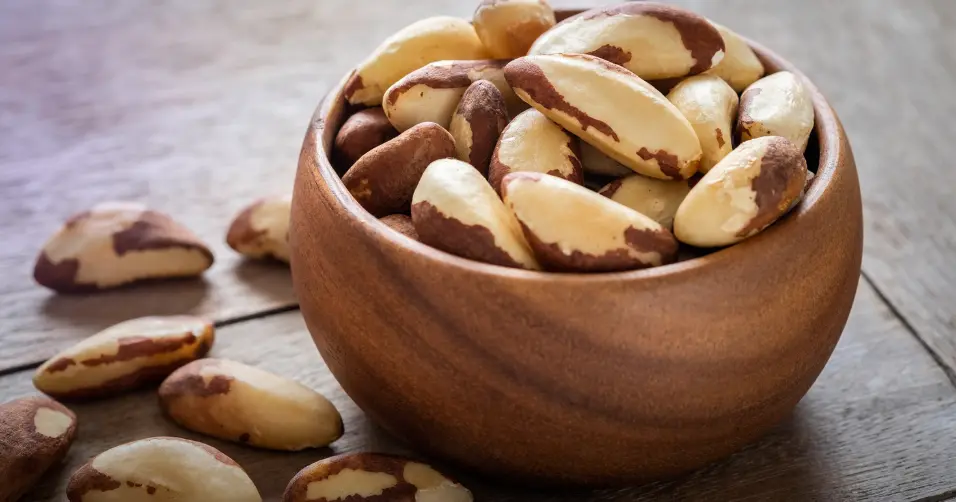
Sources | Shellfish, nuts, seeds |
Safety & Interactions | Excess toxic; balance with zinc |
Dosage information is general and may vary with product brand, quality or individual needs; verify accuracy on package and consult a qualified practitioner before use.
What Does Copper Do?
Copper is a trace mineral that helps make red blood cells and supports energy production.
Copper is a trace mineral needed for energy production, iron absorption, and forming connective tissues. It also helps the body make melanin, which gives color to skin and hair. The mineral plays a role in supporting the immune system and maintaining strong blood vessels. Deficiency is rare but can cause fatigue, anemia, or brittle bones. The body requires only small amounts, but balance is key since too much can be harmful.
Copper is involved in making red blood cells by supporting iron metabolism.
It helps enzymes produce collagen and elastin for healthy skin and blood vessels.
The mineral supports brain and nerve function through neurotransmitter activity.
Both deficiency and excess can cause weakness, low immunity, or organ strain.
What Is Copper?
Copper is a trace mineral important for blood, nerves, and connective tissue.
Copper is a trace mineral important for making red blood cells, energy production, and immune defense. It also helps form collagen, which supports skin, blood vessels, and connective tissues. The body only needs small amounts, but deficiency can cause anemia and weak bones. Too much copper, however, can damage the liver and nervous system. Sources include nuts, seeds, shellfish, and whole grains.
Blood role: Copper supports red blood cell production and iron use.
Collagen support: Needed for connective tissue, skin, and vessel strength.
Deficiency risks: Can cause anemia, weak bones, and immune problems.
Food sources: Found in nuts, seeds, shellfish, and grains.
Which Copper Type Is Best?
Copper in copper bisglycinate form is well absorbed and gentle on the stomach.
The best type of copper supplement is usually in chelated form, such as copper gluconate or copper bisglycinate, which improves absorption and reduces stomach irritation. These forms are more bioavailable than inorganic ones like copper oxide. People generally only need copper supplementation if their diet lacks it or if they have specific medical needs. Copper should be balanced with zinc intake, since the two minerals compete in the body. The safest type is the one provided in carefully measured, low doses.
Copper gluconate and bisglycinate are absorbed efficiently and are gentle on the stomach.
Inorganic forms like copper oxide are less bioavailable and less effective.
Copper and zinc should be balanced, as too much of one reduces absorption of the other.
Small, regulated doses prevent the risk of copper buildup in tissues.
How to Add Copper to Your Diet?
Copper can be added with shellfish, nuts, seeds, and whole grains.
You can add copper to your diet mainly through food, as it is present in nuts, seeds, shellfish, and whole grains. Most people get enough copper naturally without supplements. For those with deficiency risk, low-dose copper supplements may be considered. Cooking in copper cookware can also slightly increase intake. Since excess copper can be harmful, balance and moderation are important.
Nuts, seeds, and shellfish provide some of the richest natural sources of copper.
Whole grains and legumes contribute steady amounts for daily needs.
Supplements should only be used in small doses, since too much copper is toxic.
Cooking in copper pots can raise intake but should not be relied on as the main source.
What Are Key Ingredients of Copper?
Copper supplements contain copper gluconate, copper sulfate, or copper bisglycinate.
The key ingredients of copper supplements are trace mineral salts or chelated forms such as copper gluconate or bisglycinate. Chelated forms are easier to absorb and gentler on digestion. Some supplements pair copper with zinc, since both minerals need balance in the body. Copper may also be combined with other trace minerals in multivitamin formulas. The goal is to provide safe, small amounts to support daily needs.
Copper gluconate or bisglycinate are bioavailable forms suitable for supplementation.
Balanced formulations often include zinc to prevent mineral competition.
Trace mineral complexes combine copper with manganese or selenium for broad support.
Careful dosing ensures that copper remains within safe, effective limits.
Which Processes Does Copper Affect?
Copper influences red blood cell formation and energy production.
Copper affects blood health, energy production, and tissue strength. It helps enzymes use iron to make hemoglobin for red blood cells. Copper also supports collagen production, keeping skin, vessels, and bones strong. In the nervous system, it influences neurotransmitters for communication. Both deficiency and excess disturb vital body processes.
It enables iron use in making hemoglobin, preventing anemia.
It supports collagen and elastin formation for skin and blood vessel health.
It helps enzymes produce cellular energy in mitochondria.
It regulates neurotransmitters, affecting brain and nerve function.
What Foods Contain Copper?
Copper is naturally found in shellfish, nuts, seeds, and whole grains.
Copper is naturally found in a range of plant and animal foods. Nuts, seeds, and legumes provide rich amounts. Shellfish, especially oysters, are among the best animal sources. Whole grains also contribute moderate levels. Dark chocolate is another surprising source of dietary copper.
Nuts and seeds like cashews and sunflower seeds are high in copper.
Legumes such as beans and lentils supply steady amounts of copper.
Shellfish, especially oysters, are among the richest natural sources.
Whole grains and dark chocolate provide additional copper in smaller amounts.
Is Copper Vegan?
Copper is vegan since it is a mineral, not animal-derived.
Copper is a mineral and naturally vegan. It is present in plant foods like nuts, seeds, legumes, and whole grains. Copper supplements are usually vegan but may come in gelatin capsules. Vegan-friendly powders or vegetable capsules are easy to find. Whole foods remain the safest vegan source of copper.
Copper itself is mineral-based and always vegan.
Plant foods like beans, nuts, and seeds provide natural vegan copper.
Some capsule coatings may use gelatin, which vegans must avoid.
Powder or vegetable capsules are safe vegan supplement options.
Will Copper Break a Fast?
Copper is a mineral and does not break a fast.
Copper does not break a fast since it is a mineral with no calories. Supplements usually come in tablets or capsules with simple fillers. As long as no sugars or oils are included, they are fasting-safe. It can be taken any time, including during fasting hours. This makes it an easy nutrient to include in a fasting plan.
Copper itself is calorie-free and fasting-compatible.
Most supplements are in tablets or capsules without caloric ingredients.
Sweetened or gummy forms would break fasting.
It is safe to take copper during fasting without disrupting benefits.
Breaking a fast here is strictly physiological (e.g., insulin effects). When we say a supplement ‘does not break a fast,’ we mean it has negligible calories in normal use and is unlikely to disrupt fasting metabolism. Certain traditions or religious rules may treat any intake as breaking a fast—please follow your tradition and health needs.
How to Pick the Best Copper?
Copper quality is ensured by choosing chelated forms like bisglycinate with lab verification.
For copper, select supplements in chelated forms like gluconate or bisglycinate for better absorption. Avoid products that combine copper with very high zinc, as this may reduce absorption. Look for low-dose supplements since copper is required only in small amounts. Ensure the label provides exact dosage and serving size. Quality brands provide purity testing for heavy metals.
Chelated forms are easier to absorb and gentler on the stomach.
Balanced mineral blends prevent competition between copper and zinc.
Low-dose formulations avoid risks of excess copper buildup.
Third-party testing rules out contamination from unsafe sources.
What’s the Optimal Dosage and Timing for Copper?
Copper is usually taken at 0.9–2 mg daily, often included in multivitamins.
For copper, the recommended intake is very small, around 900 mcg daily for adults. Supplementation is usually unnecessary unless deficiency is diagnosed. When used, doses should remain under 2 mg daily unless supervised. It can be taken with or without food, though meals may reduce stomach irritation. Excess intake can be toxic, so conservative dosing is safest.
900 mcg daily meets the average adult requirement for copper.
Supplements are usually only needed for diagnosed deficiency.
Doses over 2 mg daily increase risk of toxicity without medical supervision.
Taking with food reduces the chance of mild stomach upset.
Dosage and timing information is generalized and may not be appropriate for all individuals; occasional inaccuracies may occur. Variations in supplement purity, formulation, or quality can also affect dosing relevance. Verify accuracy on package and consult a qualified practitioner before use.
What Are Common Mistakes When Taking Copper?
Copper mistakes include taking it without balancing with zinc, risking imbalance.
For copper, mistakes include taking supplements without confirmed deficiency. Overuse can lead to toxicity, harming the liver and brain. Some ignore the need to balance copper with zinc, leading to imbalances. Using untested supplements risks contamination with heavy metals. People often overlook that most diets already provide enough copper naturally.
Supplementing without need raises the risk of copper overload and toxicity.
Excess copper without enough zinc disrupts mineral balance in the body.
Untested products may contain unsafe contaminants.
Dietary intake from nuts, seeds, and grains usually meets daily needs.
How Fast Does Copper Work?
Copper effects on red blood cell production appear in weeks.
Copper takes time to correct deficiency, usually weeks to months. Energy levels and anemia improve gradually as red blood cells regenerate. Skin and connective tissue support may take months to notice. Supplemental copper without deficiency may show no obvious short-term effects. Regular monitoring ensures safe and effective results.
Correction of anemia-related fatigue requires several weeks of steady intake.
Connective tissue and skin improvements may take months.
Benefits are slower to appear unless deficiency was significant.
Monitoring copper levels ensures safe and gradual progress.
Results may vary between individuals, and no outcome is guaranteed. A tailored supplemntation plan is the best way to ensure the desired outcome.
Does Copper Require a Cooldown?
Copper requires cooldown if taken long term without balancing with zinc.
Copper does not require cooldowns if consumed in safe daily amounts. The body needs only small amounts, and excess can be harmful. Supplementation should only continue as long as deficiency is present. Once corrected, it is best to stop or switch to dietary intake. Continuous high-dose use should be avoided.
Daily small amounts are necessary for normal body functions.
Cooldowns are unnecessary, but excess use increases toxicity risk.
Supplementation should be stopped when deficiency is resolved.
Food sources provide safe long-term copper intake.
The need to pause or cycle depends on individual factors such as goals, tolerance, and clinical context. No universal rule applies, and specialist review is recommended before making adjustments.
Does Tolerance Develop for Copper?
Copper does not cause tolerance but can accumulate in excess.
Copper does not cause tolerance since it is a trace mineral. The body needs small amounts daily for health. Excess intake can be toxic but does not reduce effectiveness. Once deficiency is corrected, supplementation should be stopped. Long-term dietary intake remains stable without tolerance.
Copper remains effective as long as daily needs are met.
No tolerance develops, but toxicity is a risk with high intake.
Supplementation should be limited to correcting deficiencies.
Food intake ensures steady safe levels without cycling.
Information on tolerance is generalized and may not reflect individual differences in metabolism, duration of use, or health status. Reactions can vary, and any adjustment should follow qualified practicioner's recommendations.
Can Copper Be Stacked?
Copper should be stacked with zinc to maintain mineral balance.
Copper stacks naturally with zinc in balanced formulas. They must be carefully balanced since excess of one lowers absorption of the other. It also works with iron to support red blood cell production. Vitamin C may be included to improve mineral uptake. Stacking is safe only when dosages are conservative.
Copper and zinc balance each other, preventing mineral imbalances.
Iron and copper together help build healthy red blood cells.
Vitamin C aids absorption of copper and iron in stacks.
Proper ratios are essential to avoid competitive absorption problems.
Many supplements can interact in ways that enhance or alter their effects. However, stacking makes it difficult to monitor the impact of each component and increases the risk of oversupplementation or unintended interactions.
Do Copper Effects Persist?
Copper effects persist for weeks but deficiency may return if not consumed.
Copper effects persist as long as body stores remain sufficient. Since it is a mineral, benefits last until levels are depleted. Stopping supplementation after deficiency correction may not cause immediate problems. However, low intake over time leads to gradual decline in energy and tissue health. Food intake prevents deficiencies from returning.
Copper stores keep the body stable for some time after stopping supplements.
Benefits like energy and tissue repair last until levels decline.
Deficiency symptoms return only with prolonged low intake.
Food sources ensure lasting copper balance without supplementation.
Results may vary between individuals, and no outcome is guaranteed. A tailored supplemntation plan is the best way to ensure the desired outcome.
Does Copper Aid Longevity?
Copper may support longevity in balance, but excess shortens lifespan.
Copper contributes indirectly to longevity through energy production and blood health. Deficiency shortens life by causing anemia and tissue weakness. Balanced intake supports collagen and vascular strength, vital for aging well. However, excess copper may cause oxidative stress and organ damage. Safe, moderate levels are important for healthy lifespan support.
Normal copper intake maintains energy and red blood cell production.
It supports connective tissue strength for healthy aging.
Deficiency weakens immunity and blood health, shortening lifespan.
Excess copper is harmful, reducing rather than extending longevity.
What Are Alternatives to Copper?
Copper alternatives include nuts, seeds, and shellfish.
Alternatives to Copper include focusing on copper-rich foods instead of supplements. Nuts, seeds, legumes, and whole grains provide steady amounts. If supplementation is needed, trace mineral blends may replace standalone copper. Zinc and iron intake should be balanced with copper for best results. Most people meet needs naturally through a varied diet.
Nuts and seeds are rich copper food sources for daily needs.
Whole grains and legumes contribute steady copper intake.
Trace mineral blends ensure balance across multiple nutrients.
Balancing zinc and iron with copper prevents absorption problems.
There are often alternatives that better align with personal risk profiles, preferences, or resources; comparative review with a relevant certified consultant is advised.
What Are Possible Copper Side Effects?
Copper side effects at high doses include nausea, vomiting, and liver damage.
Copper side effects occur mainly from excess intake. Too much copper may cause nausea, vomiting, or stomach cramps. Chronic overuse leads to liver damage or neurological problems. Imbalances with zinc may also result from supplementation. Food sources rarely cause side effects compared to supplements.
Stomach upset and vomiting can happen from high supplemental copper.
Long-term overuse may damage the liver and brain tissue.
Zinc deficiency may develop if copper intake is too high.
Food copper intake rarely causes toxicity due to natural balance.
Responses differ among individuals. If adverse effects occur, discontinuation and professional evaluation are advised.
Who Should Avoid Copper?
Copper should be avoided by people with Wilson’s disease.
Copper should be avoided by people with Wilson’s disease, a condition causing copper buildup. Those with liver problems may also need to avoid excess copper. People already meeting their copper needs through diet should not take extra supplements. High supplemental copper is unsafe for children unless prescribed. Natural food intake rarely poses risks.
Wilson’s disease patients must avoid copper due to storage problems in the body.
Liver disease patients risk toxicity if copper is supplemented.
Most healthy diets already supply enough copper without extra pills.
Children should not take copper unless specifically prescribed.
Individuals who may be at higher risk—including those with diabetes, eating disorders, pregnancy or breastfeeding, heavy training loads, health conditions, medication use, or prior adverse reactions—should seek tailored guidance before deciding supplementation or making major supplement or lifestyle changes.
Is Copper Available Over-the-Counter?
Copper is sold over-the-counter as capsules or part of multivitamins.
Copper is available over-the-counter as part of multivitamins or standalone supplements. It is sold in low doses due to toxicity risk at high levels. Prescription copper may be used for medically diagnosed deficiencies. Most people rely on diet rather than supplements. General access is unrestricted in small amounts.
Low-dose copper tablets are sold in supplement aisles without prescription.
It is commonly included in trace mineral complexes.
Prescription-only forms exist for treating diagnosed copper deficiency.
Access is safe for the public at regulated supplement levels.
For over-the-counter availability we use generic US data. Product availability and status may vary by country and region.
What’s the History of Copper?
Copper has been used since ancient times and recognized as essential in the 1920s.
Copper has a history of use dating back to ancient civilizations. Egyptians and Greeks recognized copper-rich foods as health-supportive. In the 19th century, copper’s role in blood and energy production was discovered. By the 20th century, it became recognized as an essential trace mineral. Today, it is included in multivitamins and studied for metabolic functions.
Ancient cultures valued copper in both diet and medicine.
19th-century research linked copper to blood and energy production.
20th century established copper as an essential nutrient.
Modern supplementation ensures balanced intake as part of multivitamins.
Harald Ragnarok, Editor in Chief, Myopedia