Supplements
Digestive Enzymes
A Comprehensive Guide to Digestive Enzymes
Digestive enzymes, including amylase, protease, and lipase, break down carbs, proteins, and fats into absorbable nutrients, aiding individuals with deficiencies or conditions like pancreatitis. Supplements may help with bloating and nutrient malabsorption but are generally unnecessary for those with a balanced diet.
This article is educational and not intended to diagnose, treat, or suggest any specific intervention, and should not replace qualified medical advice.


What Do Digestive Enzymes Do?
Digestive Enzymes are proteins that break down food into nutrients the body can absorb.
Digestive enzymes help the body break down food into smaller pieces that can be absorbed for energy. They target proteins, fats, and carbohydrates separately, improving nutrient uptake. Some people use them to ease bloating or discomfort after meals. The body produces enzymes naturally, but supplementation can support those with deficiencies. Better digestion often leads to improved energy and comfort after eating.
Amylase breaks down carbohydrates into sugars that are easier to absorb.
Lipase helps digest fats, preventing greasy stools and discomfort.
Protease processes proteins into amino acids for muscle and tissue repair.
Supplemental enzymes are often used by people with pancreatic or gut issues.
Digestive enzymes help the body break down food into smaller pieces that can be absorbed for energy. They target proteins, fats, and carbohydrates separately, improving nutrient uptake. Some people use them to ease bloating or discomfort after meals. The body produces enzymes naturally, but supplementation can support those with deficiencies. Better digestion often leads to improved energy and comfort after eating.
Amylase breaks down carbohydrates into sugars that are easier to absorb.
Lipase helps digest fats, preventing greasy stools and discomfort.
Protease processes proteins into amino acids for muscle and tissue repair.
Supplemental enzymes are often used by people with pancreatic or gut issues.
Digestive Enzymes: FACTS
Role | Aids digestion; breaks down carbs, fats, proteins |
Form & Classification | Enzyme blends (amylase, protease, lipase) |
Typical Dosage & Intake | Per meal with supplements |
Cycling | Not required |
Sources | Papaya, pineapple, supplements |
Safety & Interactions | Safe; rare allergies |
Dosage information is general and may vary with product brand, quality or individual needs; verify accuracy on package and consult a qualified practitioner before use.
What Are Digestive Enzymes?
Digestive Enzymes are proteins that break down food into absorbable nutrients.
Digestive enzymes are proteins that help break down food into smaller nutrients the body can absorb. Different enzymes target carbs, fats, or proteins; for example, amylase breaks down starch, lipase digests fat, and protease works on protein. The body naturally makes these enzymes in saliva, the stomach, and the pancreas. Supplements may help people with enzyme deficiencies or digestive problems. For most people, a healthy digestive system produces enough on its own.
Function: Enzymes speed up the breakdown of large food molecules into nutrients.
Types: Each enzyme is specialized for carbohydrates, fats, or proteins.
Natural production: Saliva, stomach, and pancreas provide digestive enzymes daily.
Supplement role: Can help with digestion issues but not needed by everyone.
Digestive enzymes are proteins that help break down food into smaller nutrients the body can absorb. Different enzymes target carbs, fats, or proteins; for example, amylase breaks down starch, lipase digests fat, and protease works on protein. The body naturally makes these enzymes in saliva, the stomach, and the pancreas. Supplements may help people with enzyme deficiencies or digestive problems. For most people, a healthy digestive system produces enough on its own.
Function: Enzymes speed up the breakdown of large food molecules into nutrients.
Types: Each enzyme is specialized for carbohydrates, fats, or proteins.
Natural production: Saliva, stomach, and pancreas provide digestive enzymes daily.
Supplement role: Can help with digestion issues but not needed by everyone.
Which Digestive Enzyme Type Is Best?
Digestive Enzymes with a blend of protease, amylase, and lipase cover protein, carb, and fat digestion best.
The best type of digestive enzymes is a broad-spectrum blend that covers proteins, fats, and carbohydrates. Enzyme mixes with amylase, protease, and lipase provide complete digestive support. Some blends include lactase for people with lactose intolerance or cellulase for breaking down plant fibers. Capsules with delayed release help enzymes survive stomach acid and work in the intestine. The right choice depends on personal digestive issues and dietary habits.
Broad-spectrum blends ensure balanced breakdown of most major food groups.
Lactase-enriched formulas help people with dairy sensitivity digest milk products comfortably.
Cellulase-containing enzymes support plant-heavy diets by breaking down fiber.
Delayed-release capsules protect enzymes until they reach the small intestine.
The best type of digestive enzymes is a broad-spectrum blend that covers proteins, fats, and carbohydrates. Enzyme mixes with amylase, protease, and lipase provide complete digestive support. Some blends include lactase for people with lactose intolerance or cellulase for breaking down plant fibers. Capsules with delayed release help enzymes survive stomach acid and work in the intestine. The right choice depends on personal digestive issues and dietary habits.
Broad-spectrum blends ensure balanced breakdown of most major food groups.
Lactase-enriched formulas help people with dairy sensitivity digest milk products comfortably.
Cellulase-containing enzymes support plant-heavy diets by breaking down fiber.
Delayed-release capsules protect enzymes until they reach the small intestine.
How to Add Digestive Enzymes to Your Diet?
Digestive Enzymes can be added through fermented foods or taken as supplements.
You can add digestive enzymes to your diet through supplements or enzyme-rich foods. Supplements usually come in capsules with specific blends for proteins, fats, or carbs. Foods like pineapple and papaya naturally provide enzymes such as bromelain and papain. Fermented foods like sauerkraut and yogurt also support digestion with both enzymes and probiotics. Choosing the right source depends on whether you want general digestive help or targeted support.
Pineapple provides bromelain, an enzyme that helps break down proteins in meals.
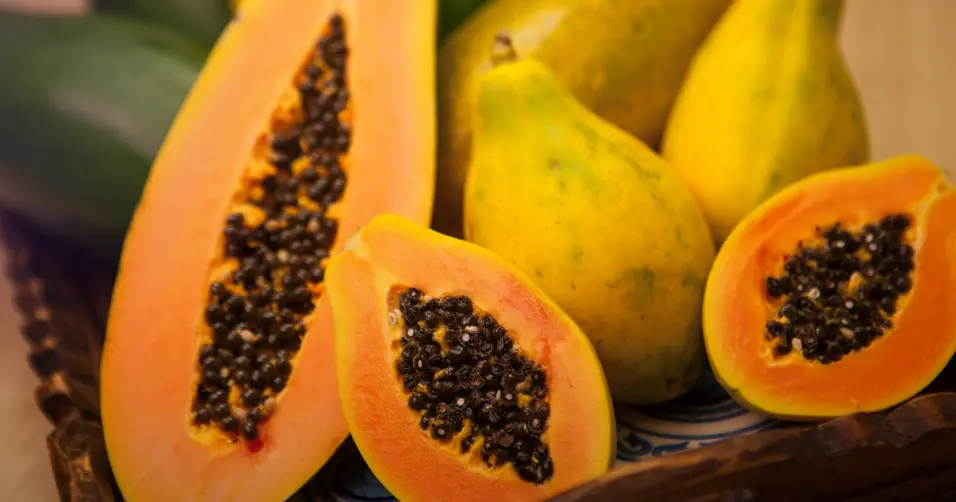
Papaya contains papain, which supports protein digestion and reduces bloating.
Fermented foods improve gut function with both enzymes and healthy bacteria.
Capsule supplements allow precise dosing for people with enzyme deficiencies.
You can add digestive enzymes to your diet through supplements or enzyme-rich foods. Supplements usually come in capsules with specific blends for proteins, fats, or carbs. Foods like pineapple and papaya naturally provide enzymes such as bromelain and papain. Fermented foods like sauerkraut and yogurt also support digestion with both enzymes and probiotics. Choosing the right source depends on whether you want general digestive help or targeted support.
Pineapple provides bromelain, an enzyme that helps break down proteins in meals.
Papaya contains papain, which supports protein digestion and reduces bloating.
Fermented foods improve gut function with both enzymes and healthy bacteria.
Capsule supplements allow precise dosing for people with enzyme deficiencies.
What Are Key Ingredients of Digestive Enzymes?
Digestive Enzyme supplements contain protease, amylase, lipase, and sometimes lactase.
The key ingredients of digestive enzyme supplements are enzyme blends targeting different food groups. These usually include amylase (for carbs), lipase (for fats), and protease (for proteins). Lactase may be included for those with lactose intolerance, and cellulase for breaking down plant fibers. Some blends add herbs like ginger or peppermint for extra digestive support. These combinations improve nutrient absorption and reduce discomfort after eating.
Amylase breaks starches into simple sugars for quick energy release.
Lipase digests fats into fatty acids and glycerol for absorption.
Protease cuts proteins into amino acids for muscle and tissue repair.
Lactase and cellulase provide targeted help for dairy and plant-heavy diets.
The key ingredients of digestive enzyme supplements are enzyme blends targeting different food groups. These usually include amylase (for carbs), lipase (for fats), and protease (for proteins). Lactase may be included for those with lactose intolerance, and cellulase for breaking down plant fibers. Some blends add herbs like ginger or peppermint for extra digestive support. These combinations improve nutrient absorption and reduce discomfort after eating.
Amylase breaks starches into simple sugars for quick energy release.
Lipase digests fats into fatty acids and glycerol for absorption.
Protease cuts proteins into amino acids for muscle and tissue repair.
Lactase and cellulase provide targeted help for dairy and plant-heavy diets.
Which Processes Do Digestive Enzymes Affect?
Digestive Enzymes influence breakdown of food into absorbable nutrients.
Digestive enzymes affect how the body breaks down and absorbs nutrients. They split large food molecules into smaller ones the body can use. Proteases target proteins, lipases break fats, and amylases digest carbohydrates. This ensures energy and nutrients are available for body repair and function. Without enough enzymes, bloating, discomfort, and nutrient loss may occur.
They break proteins into amino acids for tissue growth and repair.
They digest fats into fatty acids, supplying energy and supporting hormones.
They convert starches into simple sugars for quick energy.
They improve absorption efficiency, reducing digestive discomfort.
Digestive enzymes affect how the body breaks down and absorbs nutrients. They split large food molecules into smaller ones the body can use. Proteases target proteins, lipases break fats, and amylases digest carbohydrates. This ensures energy and nutrients are available for body repair and function. Without enough enzymes, bloating, discomfort, and nutrient loss may occur.
They break proteins into amino acids for tissue growth and repair.
They digest fats into fatty acids, supplying energy and supporting hormones.
They convert starches into simple sugars for quick energy.
They improve absorption efficiency, reducing digestive discomfort.
What Foods Contain Digestive Enzymes?
Digestive Enzymes occur naturally in pineapple (bromelain), papaya (papain), and fermented foods.
Digestive enzymes are found in both animal and plant foods. Pineapple contains bromelain, a protein-digesting enzyme. Papaya provides papain, another enzyme that breaks down proteins. Fermented foods like sauerkraut, kimchi, and yogurt contain natural enzymes that support digestion. Sprouts and raw fruits also contain small amounts of enzymes before cooking destroys them.
Pineapple supplies bromelain, helpful for protein digestion and anti-inflammatory support.
Papaya offers papain, which eases protein breakdown and bloating.
Sauerkraut and kimchi naturally provide enzymes through fermentation.
Sprouts and raw fruits contain enzymes, though heat reduces them during cooking.
Digestive enzymes are found in both animal and plant foods. Pineapple contains bromelain, a protein-digesting enzyme. Papaya provides papain, another enzyme that breaks down proteins. Fermented foods like sauerkraut, kimchi, and yogurt contain natural enzymes that support digestion. Sprouts and raw fruits also contain small amounts of enzymes before cooking destroys them.
Pineapple supplies bromelain, helpful for protein digestion and anti-inflammatory support.
Papaya offers papain, which eases protein breakdown and bloating.
Sauerkraut and kimchi naturally provide enzymes through fermentation.
Sprouts and raw fruits contain enzymes, though heat reduces them during cooking.
Is Digestive Enzymes Vegan?
Digestive Enzymes are vegan when sourced from plants or fungi, not animal pancreas.
Digestive enzymes can be vegan or non-vegan depending on their source. Plant-based enzymes from papaya, pineapple, or fungi are vegan. Animal-based enzymes like pancreatin are not vegan. Vegans should look for supplements labeled as plant-derived. Natural foods like papaya and pineapple offer enzyme support for vegans.
Plant-derived enzymes such as bromelain and papain are vegan-friendly.
Pancreatin and other animal enzymes are not suitable for vegans.
Fungal enzymes are common vegan sources used in supplements.
Fruits like papaya and pineapple provide natural vegan enzyme intake.
Digestive enzymes can be vegan or non-vegan depending on their source. Plant-based enzymes from papaya, pineapple, or fungi are vegan. Animal-based enzymes like pancreatin are not vegan. Vegans should look for supplements labeled as plant-derived. Natural foods like papaya and pineapple offer enzyme support for vegans.
Plant-derived enzymes such as bromelain and papain are vegan-friendly.
Pancreatin and other animal enzymes are not suitable for vegans.
Fungal enzymes are common vegan sources used in supplements.
Fruits like papaya and pineapple provide natural vegan enzyme intake.
Will Digestive Enzymes Break a Fast?
Digestive Enzymes do not break a fast as they contain no usable calories.
Digestive enzymes may break a fast because they stimulate digestion even without significant calories. Enzymes themselves are proteins, which the body may partially use. Most enzyme supplements are designed to work with food intake. Taking them during fasting is unnecessary and may reduce fasting benefits. For best results, enzymes should be taken with meals.
Enzymes trigger digestive activity, signaling the body to process food.
They contain trace protein, which may end strict fasting benefits.
They are most effective when paired with meals, not during fasting.
Taking them while fasting provides little added benefit.
Digestive enzymes may break a fast because they stimulate digestion even without significant calories. Enzymes themselves are proteins, which the body may partially use. Most enzyme supplements are designed to work with food intake. Taking them during fasting is unnecessary and may reduce fasting benefits. For best results, enzymes should be taken with meals.
Enzymes trigger digestive activity, signaling the body to process food.
They contain trace protein, which may end strict fasting benefits.
They are most effective when paired with meals, not during fasting.
Taking them while fasting provides little added benefit.
Breaking a fast here is strictly physiological (e.g., insulin effects). When we say a supplement ‘does not break a fast,’ we mean it has negligible calories in normal use and is unlikely to disrupt fasting metabolism. Certain traditions or religious rules may treat any intake as breaking a fast—please follow your tradition and health needs.
How to Pick the Best Digestive Enzymes?
Digestive Enzymes should be chosen with clear labeling of enzyme activity units.
For digestive enzymes, look for broad-spectrum blends covering proteins, fats, and carbs. Choose plant-based enzymes for vegan suitability unless otherwise required. Delayed-release capsules protect enzymes from stomach acid for better activity. Avoid products with artificial sweeteners or unnecessary fillers. Verified testing ensures potency and shelf stability.
Broad-spectrum blends include amylase, lipase, and protease for full digestion support.
Plant-derived enzymes like bromelain and papain suit vegan diets.
Delayed-release capsules allow enzymes to survive stomach acid.
Third-party testing ensures potency and activity remain stable.
For digestive enzymes, look for broad-spectrum blends covering proteins, fats, and carbs. Choose plant-based enzymes for vegan suitability unless otherwise required. Delayed-release capsules protect enzymes from stomach acid for better activity. Avoid products with artificial sweeteners or unnecessary fillers. Verified testing ensures potency and shelf stability.
Broad-spectrum blends include amylase, lipase, and protease for full digestion support.
Plant-derived enzymes like bromelain and papain suit vegan diets.
Delayed-release capsules allow enzymes to survive stomach acid.
Third-party testing ensures potency and activity remain stable.
What’s the Optimal Dosage and Timing for Digestive Enzymes?
Digestive Enzymes are usually taken at the beginning of meals to help with digestion.
For digestive enzymes, dosage depends on the type of enzyme blend. General use involves 1–2 capsules with meals containing protein, fat, or carbs. They are not needed with very light or liquid meals. Timing should be right before or during the first bites of food. Higher doses may be used under supervision for people with enzyme deficiencies.
1–2 capsules with meals improve digestion of proteins, fats, and carbs.
They should be taken at the start of eating for best activity.
They are unnecessary for snacks or very small meals.
Supervised higher dosing is used in medical cases like pancreatic insufficiency.
For digestive enzymes, dosage depends on the type of enzyme blend. General use involves 1–2 capsules with meals containing protein, fat, or carbs. They are not needed with very light or liquid meals. Timing should be right before or during the first bites of food. Higher doses may be used under supervision for people with enzyme deficiencies.
1–2 capsules with meals improve digestion of proteins, fats, and carbs.
They should be taken at the start of eating for best activity.
They are unnecessary for snacks or very small meals.
Supervised higher dosing is used in medical cases like pancreatic insufficiency.
Dosage and timing information is generalized and may not be appropriate for all individuals; occasional inaccuracies may occur. Variations in supplement purity, formulation, or quality can also affect dosing relevance. Verify accuracy on package and consult a qualified practitioner before use.
What Are Common Mistakes When Taking Digestive Enzymes?
Digestive Enzymes mistakes include using them when not needed, which can reduce natural enzyme activity.
For digestive enzymes, common mistakes include taking them without meals, making them ineffective. Some people use them when they do not actually need them, leading to wasted use. Very high doses can irritate the stomach or intestines. Many ignore the importance of enzyme type, using general blends for specific issues. Skipping medical guidance when digestive issues persist is another mistake.
Taking enzymes without food prevents them from acting on nutrients.
Using enzymes without deficiency leads to unnecessary supplementation.
Excessive use may irritate the digestive tract instead of improving it.
Wrong enzyme blends do not target the specific foods causing discomfort.
For digestive enzymes, common mistakes include taking them without meals, making them ineffective. Some people use them when they do not actually need them, leading to wasted use. Very high doses can irritate the stomach or intestines. Many ignore the importance of enzyme type, using general blends for specific issues. Skipping medical guidance when digestive issues persist is another mistake.
Taking enzymes without food prevents them from acting on nutrients.
Using enzymes without deficiency leads to unnecessary supplementation.
Excessive use may irritate the digestive tract instead of improving it.
Wrong enzyme blends do not target the specific foods causing discomfort.
How Fast Do Digestive Enzymes Work?
Digestive Enzymes work immediately with the meal they are taken.
Digestive enzymes work almost immediately during meals. Relief from bloating or heaviness can occur the same day. Benefits are tied to meal timing, so missing doses reduces effectiveness. Long-term use supports better nutrient absorption over weeks. They are one of the fastest-acting supplements for digestion.
Enzymes act directly on food during digestion, showing effects within hours.
Bloating and discomfort relief can happen the same day of use.
They require use at every meal for continued benefits.
Improved nutrient absorption shows long-term results in weeks.
Digestive enzymes work almost immediately during meals. Relief from bloating or heaviness can occur the same day. Benefits are tied to meal timing, so missing doses reduces effectiveness. Long-term use supports better nutrient absorption over weeks. They are one of the fastest-acting supplements for digestion.
Enzymes act directly on food during digestion, showing effects within hours.
Bloating and discomfort relief can happen the same day of use.
They require use at every meal for continued benefits.
Improved nutrient absorption shows long-term results in weeks.
Results may vary between individuals, and no outcome is guaranteed. A tailored supplemntation plan is the best way to ensure the desired outcome.
Do Digestive Enzymes Require a Cooldown?
Digestive Enzymes may require cooldown to prevent reducing the body’s natural enzyme production.
Digestive enzymes may require cooldowns if used at high doses or for long periods. Over-reliance can reduce the body’s natural enzyme production in some cases. For mild digestive issues, occasional use is often sufficient. People with diagnosed deficiencies may need ongoing intake but under medical guidance. Cycling is wise when enzymes are taken for general wellness rather than necessity.
Long-term high-dose use risks reducing natural enzyme activity.
Cooldowns prevent unnecessary dependence on supplements.
Occasional use during heavy meals avoids overuse while still helping digestion.
Medical conditions may require continuous use, but only under supervision.
Digestive enzymes may require cooldowns if used at high doses or for long periods. Over-reliance can reduce the body’s natural enzyme production in some cases. For mild digestive issues, occasional use is often sufficient. People with diagnosed deficiencies may need ongoing intake but under medical guidance. Cycling is wise when enzymes are taken for general wellness rather than necessity.
Long-term high-dose use risks reducing natural enzyme activity.
Cooldowns prevent unnecessary dependence on supplements.
Occasional use during heavy meals avoids overuse while still helping digestion.
Medical conditions may require continuous use, but only under supervision.
The need to pause or cycle depends on individual factors such as goals, tolerance, and clinical context. No universal rule applies, and specialist review is recommended before making adjustments.
Does Tolerance Develop for Digestive Enzymes?
Digestive Enzymes may reduce natural enzyme production if overused.
Digestive enzymes do not typically cause tolerance in the same way as drugs. However, long-term use may reduce the body’s own enzyme production. This creates reliance rather than tolerance. For most healthy people, enzymes should be used occasionally or when medically needed. Natural food sources do not carry this risk.
Supplements may lower natural enzyme output if overused.
Reliance can develop rather than reduced effectiveness.
Healthy people benefit more from occasional than continuous use.
Foods like pineapple and papaya provide safe natural enzymes.
Digestive enzymes do not typically cause tolerance in the same way as drugs. However, long-term use may reduce the body’s own enzyme production. This creates reliance rather than tolerance. For most healthy people, enzymes should be used occasionally or when medically needed. Natural food sources do not carry this risk.
Supplements may lower natural enzyme output if overused.
Reliance can develop rather than reduced effectiveness.
Healthy people benefit more from occasional than continuous use.
Foods like pineapple and papaya provide safe natural enzymes.
Information on tolerance is generalized and may not reflect individual differences in metabolism, duration of use, or health status. Reactions can vary, and any adjustment should follow qualified practicioner's recommendations.
Can Digestive Enzymes Be Stacked?
Digestive Enzymes can be stacked with probiotics for gut support.
Digestive enzymes are often stacked with probiotics for full digestive support. Probiotics restore gut bacteria while enzymes help break down food. They may also be paired with fiber supplements for better bowel function. Some blends include herbal bitters for enhanced enzyme activity. Stacking should be done at mealtimes for best results.
Enzymes and probiotics complement each other for digestion and gut balance.
Adding fiber supports healthy bowel movements and nutrient absorption.
Herbal bitters can stimulate natural enzyme release with supplementation.
Stacks work best when taken at meals with varied food groups.
Digestive enzymes are often stacked with probiotics for full digestive support. Probiotics restore gut bacteria while enzymes help break down food. They may also be paired with fiber supplements for better bowel function. Some blends include herbal bitters for enhanced enzyme activity. Stacking should be done at mealtimes for best results.
Enzymes and probiotics complement each other for digestion and gut balance.
Adding fiber supports healthy bowel movements and nutrient absorption.
Herbal bitters can stimulate natural enzyme release with supplementation.
Stacks work best when taken at meals with varied food groups.
Many supplements can interact in ways that enhance or alter their effects. However, stacking makes it difficult to monitor the impact of each component and increases the risk of oversupplementation or unintended interactions.
Do Digestive Enzyme Effects Persist?
Digestive Enzyme effects end with the meal they are taken with.
Digestive enzymes effects do not persist beyond meals where they are taken. Relief from bloating or indigestion is only present during supplementation. Stopping results in a return of symptoms if deficiency is present. Enzyme-rich foods may extend benefits slightly. Continuous use at meals is needed for lasting digestive help.
Effects are meal-specific and stop once supplementation ends.
Digestive relief disappears if natural enzyme deficiency remains.
Enzyme-rich foods provide mild, ongoing support when eaten regularly.
Consistent use at meals is required for persistent benefits.
Digestive enzymes effects do not persist beyond meals where they are taken. Relief from bloating or indigestion is only present during supplementation. Stopping results in a return of symptoms if deficiency is present. Enzyme-rich foods may extend benefits slightly. Continuous use at meals is needed for lasting digestive help.
Effects are meal-specific and stop once supplementation ends.
Digestive relief disappears if natural enzyme deficiency remains.
Enzyme-rich foods provide mild, ongoing support when eaten regularly.
Consistent use at meals is required for persistent benefits.
Results may vary between individuals, and no outcome is guaranteed. A tailored supplemntation plan is the best way to ensure the desired outcome.
Do Digestive Enzymes Aid Longevity?
Digestive Enzymes do not extend longevity but help nutrient absorption in aging.
Digestive enzymes support healthy aging by improving nutrient absorption. Better digestion ensures the body gets enough vitamins and minerals for long-term repair. In deficiencies, supplementation prevents malnutrition-related decline. However, they are not directly tied to lifespan extension in healthy people. Natural enzyme-rich foods provide lifelong support safely.
Improved digestion preserves energy and strength in older age.
Enzyme supplementation prevents nutrient gaps in people with deficiencies.
Healthy absorption reduces risks of weakness and immune decline.
No direct evidence connects enzymes to longer lifespan in healthy adults.
Digestive enzymes support healthy aging by improving nutrient absorption. Better digestion ensures the body gets enough vitamins and minerals for long-term repair. In deficiencies, supplementation prevents malnutrition-related decline. However, they are not directly tied to lifespan extension in healthy people. Natural enzyme-rich foods provide lifelong support safely.
Improved digestion preserves energy and strength in older age.
Enzyme supplementation prevents nutrient gaps in people with deficiencies.
Healthy absorption reduces risks of weakness and immune decline.
No direct evidence connects enzymes to longer lifespan in healthy adults.
What Are Alternatives to Digestive Enzymes?
Digestive Enzyme alternatives include pineapple (bromelain) and papaya (papain).
Alternatives to digestive enzymes include enzyme-rich foods and digestive practices. Pineapple and papaya naturally provide proteolytic enzymes. Fermented foods like sauerkraut and kimchi add enzymes and probiotics. Probiotics alone improve digestion by balancing gut bacteria. Chewing food thoroughly and mindful eating also improve enzyme effectiveness naturally.
Pineapple offers bromelain for protein digestion.
Papaya provides papain, easing bloating and protein breakdown.
Fermented foods deliver both enzymes and healthy bacteria.
Mindful chewing improves natural digestive enzyme release in the mouth.
Alternatives to digestive enzymes include enzyme-rich foods and digestive practices. Pineapple and papaya naturally provide proteolytic enzymes. Fermented foods like sauerkraut and kimchi add enzymes and probiotics. Probiotics alone improve digestion by balancing gut bacteria. Chewing food thoroughly and mindful eating also improve enzyme effectiveness naturally.
Pineapple offers bromelain for protein digestion.
Papaya provides papain, easing bloating and protein breakdown.
Fermented foods deliver both enzymes and healthy bacteria.
Mindful chewing improves natural digestive enzyme release in the mouth.
There are often alternatives that better align with personal risk profiles, preferences, or resources; comparative review with a relevant certified consultant is advised.
What Are Possible Digestive Enzyme Side Effects?
Digestive Enzyme side effects may include nausea, cramps, or diarrhea.
Digestive enzymes side effects usually involve the digestive tract. High doses may cause nausea, cramping, or diarrhea. Some people experience mouth irritation when enzymes are taken without food. Rare allergic reactions are possible from animal-derived enzymes. Long-term overuse may reduce natural enzyme production.
Stomach upset and diarrhea can result from high supplement use.
Mouth irritation occurs if tablets are chewed instead of swallowed.
Allergic reactions are possible to animal-based enzyme sources.
Continuous overuse risks lowering natural enzyme activity.
Digestive enzymes side effects usually involve the digestive tract. High doses may cause nausea, cramping, or diarrhea. Some people experience mouth irritation when enzymes are taken without food. Rare allergic reactions are possible from animal-derived enzymes. Long-term overuse may reduce natural enzyme production.
Stomach upset and diarrhea can result from high supplement use.
Mouth irritation occurs if tablets are chewed instead of swallowed.
Allergic reactions are possible to animal-based enzyme sources.
Continuous overuse risks lowering natural enzyme activity.
Responses differ among individuals. If adverse effects occur, discontinuation and professional evaluation are advised.
Who Should Avoid Digestive Enzymes?
Digestive Enzymes should be avoided by people with pancreatitis.
Digestive enzymes should be avoided by people with allergies to animal-based sources. Those without enzyme deficiencies may not need supplementation. People with ulcers or gut irritation may find enzymes worsen symptoms. Children should only use them under medical supervision. For healthy people, occasional use is safe but daily reliance may not be necessary.
Animal-derived enzymes can cause allergic reactions in sensitive users.
People with ulcers may experience irritation from enzyme supplements.
Children should only use enzymes under a doctor’s care.
Healthy adults do not need long-term daily supplementation.
Digestive enzymes should be avoided by people with allergies to animal-based sources. Those without enzyme deficiencies may not need supplementation. People with ulcers or gut irritation may find enzymes worsen symptoms. Children should only use them under medical supervision. For healthy people, occasional use is safe but daily reliance may not be necessary.
Animal-derived enzymes can cause allergic reactions in sensitive users.
People with ulcers may experience irritation from enzyme supplements.
Children should only use enzymes under a doctor’s care.
Healthy adults do not need long-term daily supplementation.
Individuals who may be at higher risk—including those with diabetes, eating disorders, pregnancy or breastfeeding, heavy training loads, health conditions, medication use, or prior adverse reactions—should seek tailored guidance before deciding supplementation or making major supplement or lifestyle changes.
Are Digestive Enzymes Available Over-the-Counter?
Digestive Enzymes are sold over-the-counter in capsules and blends.
Digestive enzymes are widely available over-the-counter. They are sold in capsule, chewable, and powder forms. Specialized blends target proteins, fats, or carbohydrates. Stronger medical formulations exist but are prescribed only for serious deficiencies. Everyday versions are safe for general purchase.
Capsules and chewables are common over-the-counter enzyme forms.
Different blends address specific digestive needs without prescription.
Medical-strength enzymes require prescription in diagnosed cases.
Food-based enzyme sources like papaya are freely available.
Digestive enzymes are widely available over-the-counter. They are sold in capsule, chewable, and powder forms. Specialized blends target proteins, fats, or carbohydrates. Stronger medical formulations exist but are prescribed only for serious deficiencies. Everyday versions are safe for general purchase.
Capsules and chewables are common over-the-counter enzyme forms.
Different blends address specific digestive needs without prescription.
Medical-strength enzymes require prescription in diagnosed cases.
Food-based enzyme sources like papaya are freely available.
For over-the-counter availability we use generic US data. Product availability and status may vary by country and region.
What’s the History of Digestive Enzymes?
Digestive Enzymes were first described in the 1800s with the discovery of pepsin.
Digestive enzymes have been known since the 19th century when scientists first identified amylase and protease. Their role in breaking down food was established in early physiology research. By the mid-20th century, enzyme therapy was introduced for pancreatic disorders. Over time, supplemental enzymes became available for general digestive support. Today they are both medical treatments and wellness supplements.
Discovered in the 1800s as natural food-digesting compounds.
Studied extensively in early physiology and nutrition science.
Mid-20th century saw medical use for pancreatic conditions.
Now widely available for both medical and everyday digestive aid.
Digestive enzymes have been known since the 19th century when scientists first identified amylase and protease. Their role in breaking down food was established in early physiology research. By the mid-20th century, enzyme therapy was introduced for pancreatic disorders. Over time, supplemental enzymes became available for general digestive support. Today they are both medical treatments and wellness supplements.
Discovered in the 1800s as natural food-digesting compounds.
Studied extensively in early physiology and nutrition science.
Mid-20th century saw medical use for pancreatic conditions.
Now widely available for both medical and everyday digestive aid.
How Do Ginseng and Ginkgo Differ?
Ginseng boosts energy metabolism, while Ginkgo mainly supports circulation and brain function.
Ginseng and ginkgo differ mainly in how they act on the body’s systems. Ginseng is an adaptogen studied for supporting energy balance and stress tolerance. Ginkgo focuses on blood flow and antioxidant activity. Their origins also differ, with ginseng coming from a root and ginkgo from leaves. They are used for different wellness goals.
Stress vs. circulation: Ginseng targets stress pathways; ginkgo targets vascular ones.
Plant part: Ginseng uses roots; ginkgo uses leaves.
Energy vs. cognition: Ginseng studied for vitality; ginkgo for brain support.
Biological targets: Distinct biochemical pathways with little overlap.
Ginseng and ginkgo differ mainly in how they act on the body’s systems. Ginseng is an adaptogen studied for supporting energy balance and stress tolerance. Ginkgo focuses on blood flow and antioxidant activity. Their origins also differ, with ginseng coming from a root and ginkgo from leaves. They are used for different wellness goals.
Stress vs. circulation: Ginseng targets stress pathways; ginkgo targets vascular ones.
Plant part: Ginseng uses roots; ginkgo uses leaves.
Energy vs. cognition: Ginseng studied for vitality; ginkgo for brain support.
Biological targets: Distinct biochemical pathways with little overlap.
How Do Simple Carbs Affect Glycogen?
Simple carbs quickly refill glycogen after exercise due to fast digestion.
Simple carbs affect glycogen by entering the bloodstream rapidly and providing quick fuel. Muscles and the liver use this glucose to restore glycogen quickly after depletion. This makes simple carbs useful immediately after intense exercise. Their fast digestion can also cause sugar swings if eaten alone. Combining them with protein often improves balance.
Rapid absorption: Simple carbs refill glycogen faster than complex ones.
Post-workout use: Ideal when stores are low and enzymes are active.
Sugar swings: Quick spikes can be followed by drops.
Pairing benefits: Protein slows absorption and supports recovery.
Simple carbs affect glycogen by entering the bloodstream rapidly and providing quick fuel. Muscles and the liver use this glucose to restore glycogen quickly after depletion. This makes simple carbs useful immediately after intense exercise. Their fast digestion can also cause sugar swings if eaten alone. Combining them with protein often improves balance.
Rapid absorption: Simple carbs refill glycogen faster than complex ones.
Post-workout use: Ideal when stores are low and enzymes are active.
Sugar swings: Quick spikes can be followed by drops.
Pairing benefits: Protein slows absorption and supports recovery.
Does L-Arginine Improve Blood Flow?
L-Arginine improves blood flow by stimulating nitric oxide synthesis in vessel linings.
L-arginine may support blood flow by widening vessels. This effect comes from nitric oxide production. People often feel mild warmth after taking it. It works better when the digestive system absorbs it well. Variability is high.
Relaxes vessel walls through NO signaling.
Absorption limits reduce consistency.
Hydration enhances response during exercise.
L-arginine may support blood flow by widening vessels. This effect comes from nitric oxide production. People often feel mild warmth after taking it. It works better when the digestive system absorbs it well. Variability is high.
Relaxes vessel walls through NO signaling.
Absorption limits reduce consistency.
Hydration enhances response during exercise.
How Do Enzymes Relate to Prebiotics?
Enzymes relate to prebiotics as both improve digestion and nutrient absorption.
Enzymes relate to prebiotics because prebiotics help feed the beneficial bacteria that produce digestive enzymes. These enzymes improve nutrient breakdown. Prebiotics create a healthier digestive environment. This supports smoother digestion overall. The relationship is indirect but helpful.
Bacterial feeding improves enzyme output.
Digestive balance enhances nutrient processing.
Better absorption supports overall health.
Gut ecosystem relies on prebiotic input.
Enzymes relate to prebiotics because prebiotics help feed the beneficial bacteria that produce digestive enzymes. These enzymes improve nutrient breakdown. Prebiotics create a healthier digestive environment. This supports smoother digestion overall. The relationship is indirect but helpful.
Bacterial feeding improves enzyme output.
Digestive balance enhances nutrient processing.
Better absorption supports overall health.
Gut ecosystem relies on prebiotic input.
How Do Enzymes Relate to Probiotics?
Enzymes relate to probiotics by helping break down food for bacterial fermentation.
Enzymes relate to probiotics because healthy gut bacteria can help produce or support enzymes involved in digestion. These enzymes help break down nutrients more efficiently. Probiotics strengthen the gut environment where enzymes operate. Strong microbial activity supports smoother digestion. The relationship is indirect but complementary.
Bacterial activity boosts enzyme output.
Improved digestion results from a balanced microbiome.
Nutrient breakdown becomes more efficient.
Gut support enhances enzyme action.
Enzymes relate to probiotics because healthy gut bacteria can help produce or support enzymes involved in digestion. These enzymes help break down nutrients more efficiently. Probiotics strengthen the gut environment where enzymes operate. Strong microbial activity supports smoother digestion. The relationship is indirect but complementary.
Bacterial activity boosts enzyme output.
Improved digestion results from a balanced microbiome.
Nutrient breakdown becomes more efficient.
Gut support enhances enzyme action.
Medical Disclaimer: All content on this website is intended solely for informational and educational purposes and should not be interpreted as a substitute for professional medical advice, diagnosis, or treatment, nor as encouragement or promotion for or against any particular use, product, or activity. Results may vary and are not guaranteed. No doctor–patient relationship is created by your use of this content. Always consult a qualified healthcare provider, nutritionist, or other relevant expert before starting or changing any supplement, diet, exercise, or lifestyle program. This website can contain errors. Check important information. Read our full Disclaimer.
Status – Terms of Service – Privacy Policy – Disclaimer – About Myopedia.
©2025 Myopedia™. All rights reserved.
Medical Disclaimer: All content on this website is intended solely for informational and educational purposes and should not be interpreted as a substitute for professional medical advice, diagnosis, or treatment, nor as encouragement or promotion for or against any particular use, product, or activity. Results may vary and are not guaranteed. No doctor–patient relationship is created by your use of this content. Always consult a qualified healthcare provider, nutritionist, or other relevant expert before starting or changing any supplement, diet, exercise, or lifestyle program. This website can contain errors. Check important information. Read our full Disclaimer.
Status – Terms of Service – Privacy Policy – Disclaimer – About Myopedia.
©2025 Myopedia™. All rights reserved.
Medical Disclaimer: All content on this website is intended solely for informational and educational purposes and should not be interpreted as a substitute for professional medical advice, diagnosis, or treatment, nor as encouragement or promotion for or against any particular use, product, or activity. Results may vary and are not guaranteed. No doctor–patient relationship is created by your use of this content. Always consult a qualified healthcare provider, nutritionist, or other relevant expert before starting or changing any supplement, diet, exercise, or lifestyle program. This website can contain errors. Check important information. Read our full Disclaimer.
Status – Terms of Service – Privacy Policy – Disclaimer – About Myopedia.
©2025 Myopedia™. All rights reserved.