Dairy-Free Diets
The Definitive Guide to Dairy-Free Diets
Dairy-Free Diets is a nutritional strategy that eliminates dairy products, catering to those with lactose intolerance or dairy sensitivities, while focusing on alternative nutrient sources for muscle recovery and longevity.
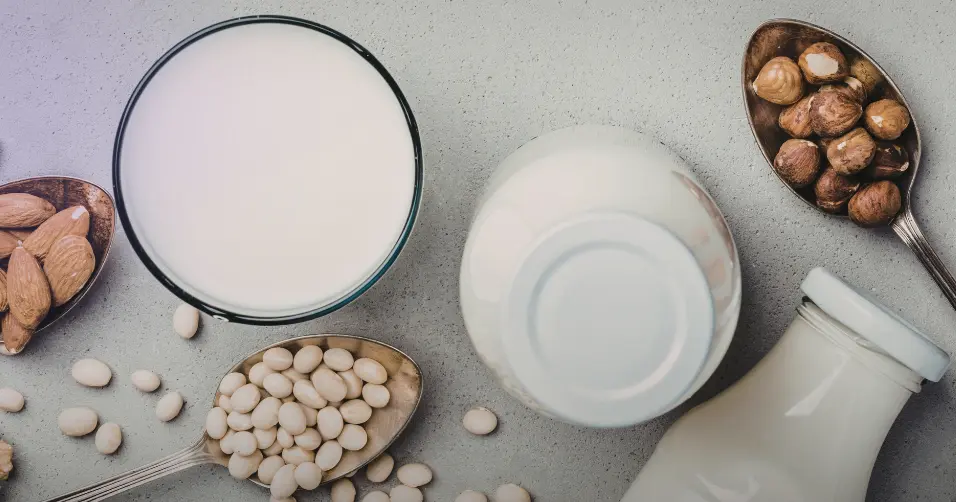
A dairy-free diet means cutting out all milk from animals and products made from it. This is different from lactose-free, which might still contain milk but has had the sugar removed.
You might choose a dairy-free diet for health reasons like allergies or intolerances, or for personal or ethical choices, such as following a vegan lifestyle.
When avoiding dairy, pay close attention to food labels. Terms like "dairy-free" and "non-dairy" can be tricky, and sometimes these products might still contain milk derivatives.
Dairy is a good source of calcium and vitamin D, so it's important to find other foods that provide these nutrients, like fortified plant milks, leafy greens, or certain fish.
Switching to Dairy-Free Diets requires planning, especially when eating out. Always ask about ingredients and consider talking to a doctor or dietitian to ensure you're meeting all your nutritional needs.
This article is educational and not intended to diagnose, treat, or suggest any specific intervention, and should not replace qualified medical advice.







Dairy-Free Diets: FACTS
Core Idea | Excludes all dairy products. |
Typical Regimen | Plant-based alternatives for milk, cheese, yogurt. |
Common Foods | Almond milk, coconut yogurt, soy cheese. |
Physiological Effects | Reduced lactose issues, lower saturated fat. |
Benefits | Digestive relief, anti-inflammatory for some. |
Risks | Low calcium, vitamin D, iodine if not supplemented. |
Will a Dairy-Free Diet Help You Lose Weight?
Dairy-free diets may support weight loss if they cut out high-calorie dairy foods, but the effect depends on replacement choices.
Dairy-free diets work by cutting out milk, cheese, yogurt, and other dairy products. This can reduce calorie intake if high-fat dairy foods are commonly consumed. For those with lactose intolerance, it improves digestion by avoiding lactose, a sugar found in milk. The diet often leads to more reliance on plant-based calcium and protein sources. Long-term success depends on balancing nutrients that are usually provided by dairy.
Reduces saturated fat intake if high-fat dairy was previously a main calorie source.
Improves digestion in lactose-intolerant people by removing the cause of bloating and discomfort.
Encourages exploring fortified plant milks and leafy greens for calcium and vitamin D.
Can support weight loss indirectly if dairy-rich desserts and snacks are reduced.
What Are Dairy-Free Diets?
Dairy-Free Diets exclude all milk and milk-based foods.
Dairy-free diets exclude milk and foods made from it, such as cheese, butter, and yogurt. People follow them due to lactose intolerance, milk allergies, or personal choice. These diets can still provide needed nutrients if alternatives like fortified plant milks, nuts, and leafy greens are included. Calcium and vitamin D are the main nutrients of concern when removing dairy. Careful planning ensures strong bones and balanced nutrition.
Reason: Chosen for lactose intolerance, allergies, or lifestyle preference.
Nutrient gap: Risk of missing calcium and vitamin D without replacements.
Alternatives: Plant-based milks, nuts, and greens can supply missing nutrients.
Health note: With planning, dairy-free diets can be balanced and healthy.
What We Often Get Wrong About Dairy-Free Diets?
Dairy-free diets may support weight loss if they cut out high-calorie dairy foods, but the effect depends on replacement choices.
A common misconception about dairy-free diets is that they are automatically healthier. Simply removing dairy without replacing nutrients can lead to deficiencies, especially in calcium and vitamin D. Some think dairy-free always means weight loss, but high-calorie alternatives can prevent that. Others assume all dairy causes health issues, when tolerance varies widely among individuals. Many also confuse dairy-free with vegan, but dairy-free can still include animal foods like meat and eggs.
Health depends on replacement choices, not just removing dairy.
Fortified plant milks or leafy greens may be needed for calcium and vitamin D.
Dairy-free does not guarantee weight loss if high-calorie alternatives are used.
Vegan excludes all animal foods, dairy-free excludes only dairy.
What Results to Expect from a Dairy-Free Diet?
Dairy-free diets may clear skin issues for some, but without careful planning can lower calcium and vitamin D intake.
Results from dairy-free diets vary, but many lactose-intolerant people see quick digestive relief. Weight changes depend on whether high-calorie dairy foods are replaced with lighter options. Skin improvements are sometimes reported, though not universal. Calcium and vitamin D intake may decrease if not replaced. Over time, people often adjust by finding fortified alternatives and plant sources.
Digestion often improves when lactose intolerance was the issue.
Weight may drop if high-fat dairy is replaced with lighter foods.
Skin clarity may improve in sensitive individuals.
Risk of calcium and vitamin D gaps without substitutes.
Adaptation depends on replacement choices, not removal alone.
Is a Dairy-Free Diet Sustainable Long Term?
Dairy-free diets are sustainable when calcium and vitamin D are replaced with fortified foods or supplements.
Dairy-free diets are sustainable if replacements are well planned. Without substitutes for calcium and vitamin D, long-term health risks may appear. People with lactose intolerance or allergy often find it easy to maintain. For others, avoiding cheese, yogurt, and desserts may be harder socially. Sustainability improves with access to fortified alternatives and diverse foods.
Easy to follow for those with medical need or intolerance.
Requires substitutes to prevent nutrient gaps.
Social eating may be challenging without dairy-based foods.
Fortified plant products make it more sustainable long term.
Adherence depends on motivation and food availability.
Following restrictive patterns long term can affect nutrient status or biomarkers. Monitoring with a clinician helps keep things safe.
How Does Your Body Adjust to a Dairy-Free Diet?
Dairy-free diet adjustment may cause temporary cravings, but digestion often improves if lactose intolerance was present.
When removing dairy, the body adjusts by relying on other sources for calcium and vitamin D. Digestion often improves in people sensitive to lactose. Hormonal and bone health may shift if replacements are not included. Taste preferences may also change, with reduced desire for dairy-rich foods. Adaptation is easier when fortified alternatives are used.
Calcium and vitamin D needs must be filled through substitutes or supplements.
Digestion improves for lactose-intolerant individuals quickly.
Long-term bone health depends on consistent nutrient replacement.
Taste buds adapt, reducing cravings for dairy-based foods.
Substitutes help smooth transition and prevent nutrient loss.
Is a Dairy-Free Diet a Fit for Your Lifestyle?
Dairy-free diet fits those with lactose intolerance or allergies, but requires careful nutrient replacement.
Dairy-free diets fit best for those with intolerance, allergies, or ethical reasons. They require access to fortified substitutes for nutrients. Social situations involving cheese or desserts can be tricky. People without sensitivity may find it harder to commit. Fits lifestyles where health or ethical motivation is strong.
Works well for those with health-based need to avoid dairy.
Requires careful substitution for calcium and vitamin D.
Challenging in cultures where dairy is central to meals.
Adaptable with modern fortified alternatives.
Best fit for motivated or sensitive individuals.
Which Processes Does a Dairy-Free Diet Affect?
Dairy-free diets affect calcium absorption, bone health, and digestion in lactose-sensitive people.
Dairy-free diets affect processes like digestion, bone health, and nutrient balance. Removing lactose relieves digestive stress in intolerant individuals. Calcium and vitamin D absorption must be replaced with alternatives. Hormones tied to bone density may be influenced by nutrient intake. Fat and protein sources shift depending on substitutes used.
Reduces digestive distress by eliminating lactose.
Calcium and vitamin D metabolism require substitutes to support bones.
Alters fat and protein intake by removing dairy sources.
Changes gut bacteria balance as dairy sugars are removed.
Impacts appetite if dairy-based snacks were a large calorie source.
How Does a Dairy-Free Diet Affect Metabolism?
Dairy-free diets have little direct impact on metabolism unless dairy calories are replaced with higher-calorie foods.
Dairy-free diets affect metabolism depending on what foods replace dairy. Removing high-fat or high-sugar dairy can lower calorie intake, slightly boosting fat loss. If replaced with high-calorie alternatives, metabolism may not change. Calcium and vitamin D are important for bone and energy metabolism, so substitutes are needed. For those lactose intolerant, digestion improves, reducing metabolic stress.
Reduces calorie intake if high-fat dairy is replaced with lighter foods.
Metabolism may slow if key nutrients like calcium are not replaced.
Fortified substitutes maintain vitamin D and calcium roles in metabolism.
Improves digestion efficiency for lactose-intolerant people.
Overall effect depends heavily on replacement choices.
How Does a Dairy-Free Diet Affect Energy Levels?
Dairy-free diets do not directly affect energy unless calcium or vitamin D deficiency develops.
Dairy-free diets affect energy differently depending on replacements. Lactose-intolerant people often gain energy by avoiding digestive discomfort. Without fortified substitutes, lack of calcium or vitamin D may lower vitality. Energy may dip if dairy calories are replaced with poor alternatives. Proper planning keeps energy steady long term.
Energy improves quickly in lactose-intolerant individuals.
Deficiency risks in calcium and vitamin D may lower energy later.
High-calorie substitutes can cause sluggishness instead of vitality.
Fortified plant milks help maintain steady energy.
Outcomes depend on food quality and balance.
What Supplements May Aid a Dairy-Free Diet?
Dairy-free diets may benefit from calcium, vitamin D, and iodine supplementation.
Dairy-free diets may benefit from calcium and vitamin D supplements. Omega-3s from algae oil or plant sources cover needs without fish. Protein powders help if dairy was a main protein source. Probiotics support gut health when yogurt is removed. B12 may be useful if the diet is also plant-based.
Calcium replaces loss from dairy foods.
Vitamin D supports bone strength without fortified dairy.
Protein powders fill gaps left by milk or yogurt removal.
Probiotics maintain gut balance without dairy yogurts.
B12 useful if combined with vegan or near-vegan eating.
What Risks Does a Dairy-Free Diet Have?
Dairy-free diets risk calcium and vitamin D deficiency unless replaced with fortified foods.
Dairy-free diets risk calcium and vitamin D deficiencies without substitutes. Protein intake may dip if dairy was a main source. Some fortified products contain added sugars, lowering health benefits. Bone health may be affected without careful replacement. Risks are greater if combined with other restrictions.
Calcium and vitamin D gaps affect bone density long term.
Protein intake reduced without proper replacement.
Fortified substitutes may add unnecessary sugars.
Bone strength relies on nutrient planning.
Risks increase if diet excludes multiple food groups.
Rapid changes in eating patterns may alter blood glucose, electrolytes, hydration, and physical performance. These shifts can lead to unintended results, especially with health conditions or medications. Make changes gradually where appropriate, and seek clinical monitoring if you have risk factors or concerning symptoms.
Can a Dairy-Free Diet Cause Any Nutrient Imbalances?
Dairy-free diets can cause calcium and vitamin D imbalance without fortified alternatives.
Dairy-free diets may cause calcium and vitamin D imbalances. Protein may also dip if dairy was a major source. Fortified substitutes help restore missing nutrients. Over-reliance on processed alternatives may increase sugar intake. Balance is possible but requires planning.
Calcium intake reduced without dairy unless replaced.
Vitamin D gaps common without fortified foods or sun.
Protein levels lower without milk, yogurt, or cheese.
Processed substitutes often add sugar, affecting balance.
Fortified products help prevent nutrient shortfalls.
Some eating patterns or supplements are not appropriate in pregnancy or lactation. Confirm safety and adequacy with your obstetric provider.
Who Should Avoid a Dairy-Free Diet?
Dairy-free diets may be unnecessary if dairy is well-tolerated and provides key nutrients.
Dairy-free diets may not suit people who struggle to replace calcium and vitamin D. Children and teens may be at higher risk for nutrient gaps without substitutes. People without lactose issues may find removal unnecessary. Some may rely on processed alternatives high in sugar. Those unwilling to plan replacements may face long-term risks.
Calcium and vitamin D needs harder to meet without substitutes.
Children risk weaker bones if not properly balanced.
Unnecessary for those without intolerance or allergy.
Processed substitutes add sugar, reducing health benefits.
Lack of planning causes nutrient deficiencies over time.
Restrictive nutrition patterns can affect growth, mood, and performance. Changes for teens should be supervised by pediatric or sports-nutrition practitioners.
What's the History of a Dairy-Free Diet?
Dairy-free diet history is ancient, as lactose intolerance has existed since most adults lost the enzyme lactase after childhood.
Dairy-free diets have been practiced historically by cultures with high lactose intolerance. Many Asian and African regions naturally excluded dairy. In the 20th century, dairy-free eating became linked with allergy and intolerance awareness. The rise of plant-based diets boosted its popularity in the 2000s. Today, dairy-free products are widely available globally.
Rooted in cultures with high lactose intolerance historically.
Common in regions without strong dairy traditions.
20th century awareness of allergies increased its use.
Growth of plant-based diets boosted dairy-free movement.
Now supported by wide range of modern alternatives.
5 Dairy-Free Protein Shakes
Preparing non-dairy protein shakes is an excellent way to meet protein goals while avoiding lactose and milk allergens. These shakes use plant-based or other alternative protein sources for a smooth texture and good amino acid profile. Common bases include almond milk, coconut water, or oat milk for flavor and nutrition. They are suitable for vegans or those with dairy sensitivities. Below are five examples of tasty and nutritious combinations.
Banana-oat shake: Blend oats, banana, pea protein, and almond milk for a creamy, energy-rich drink.
Berry blend: Combine mixed berries, hemp protein, and coconut milk for antioxidants and hydration.
Chocolate almond: Mix cacao powder, peanut butter, and soy protein for a satisfying flavor.
Green power: Add spinach, avocado, and rice protein to oat milk for a nutrient-dense shake.
Tropical boost: Blend pineapple, mango, and pumpkin seed protein with coconut water for refreshing non-dairy protein shakes.
What Are Best Dairy-Free Protein Sources?
Best dairy-free protein sources include soy, pea, hemp, rice, lentil, and pumpkin seed proteins.
The best dairy-free protein sources include pea, soy, rice, hemp, and pumpkin seed proteins. These plant-based options provide complete or complementary amino acid profiles. They support muscle growth when combined or consumed in variety. Whole foods like lentils, quinoa, and beans also add high-quality protein. Many dairy-free powders are fortified for balanced nutrition.
Pea and soy proteins are rich in essential amino acids similar to animal sources.
Combining rice and pea protein enhances overall amino acid completeness.
Hemp protein offers omega fats and fiber for digestive health.
Plant protein blends can rival whey when total protein intake is sufficient.
3 Tasty Gluten Free, Dairy Free Protein Drinks
Those with multiple food sensitivities can enjoy gluten free and dairy free protein drinks that are both delicious and nutritious. These shakes rely on hypoallergenic protein sources and naturally sweet ingredients. They provide essential amino acids for muscle repair without causing inflammation. Using fruits and non-gluten grains ensures easy digestion. Here are three flavorful and balanced options to try.
Coconut vanilla: Combine coconut milk, vanilla extract, and pea protein for a smooth, rich flavor suitable for gluten free and dairy free diets.
Berry-coconut fusion: Mix frozen blueberries, rice protein, and coconut water for a refreshing antioxidant boost.
Apple-cinnamon shake: Blend cooked apple, cinnamon, and pumpkin seed protein for a warm, satisfying drink.
Is Dairy Free Protein Good For Muscle Gain?
Yes, dairy-free protein is good for muscle gain if it provides all essential amino acids and enough total daily protein.
Dairy-free protein can support muscle gain effectively if it contains all essential amino acids. Pea, rice, and soy proteins are common bases with high protein content. Combining different plant sources improves amino acid completeness. When used with resistance training, they promote muscle growth similar to dairy proteins. Digestibility and taste vary, so users should choose easily tolerated options.
Blended plant proteins mimic the amino acid profile of animal sources.
Fortified versions with added leucine improve muscle synthesis response.
Digestive enzymes in some formulas enhance absorption and comfort.
Consistency in intake matters more than protein source alone.
What Is A Dairy-Free Diet?
A dairy-free diet excludes all foods made from milk, including cheese, butter, yogurt, and cream.
A dairy-free diet excludes all foods made from milk or milk derivatives. This includes cheese, yogurt, butter, cream, and whey-based ingredients. People choose it due to lactose intolerance, allergies, or ethical preferences. Nutrients like calcium and vitamin D must be replaced through plant or fortified alternatives. The diet can still support strong bones and muscles with proper planning.
Dairy-free diets rely on plant milks, nuts, and seeds for calcium and protein.
Careful label reading avoids hidden dairy in processed foods.
Fortified plant milks ensure adequate vitamin D and B12 intake.
Balanced nutrition maintains digestive and bone health without dairy reliance.
Is Whey Isolate Dairy Free?
No, whey isolate is not fully dairy free since it comes from milk, though it has very low lactose.
Whey isolate is not entirely dairy-free since it originates from milk, but it contains minimal lactose. Its heavy filtration removes most milk sugars and fats. People with mild intolerance usually tolerate isolates well. Those avoiding all dairy should opt for plant-based alternatives. Always check product labels for complete allergen information.
Contains under 1 gram of lactose per serving on average.
Derived from milk proteins, so not suitable for strict dairy-free diets.
Ideal for lactose-sensitive individuals needing quick-digesting protein.
Plant isolates like pea or soy protein are true dairy-free alternatives.
Harald Ragnarok, Editor in Chief, Myopedia