Creatine Side Effects and Myths
Common Misconceptions About Creatine Debunked
So, you're thinking about creatine, huh?

What Does Creatine Do for Women

Should You Take Creatine Without Working Out?

Is Creatine Good for Runners

How Much Creatine per Day to Build Muscle Safely
Does Creatine Make You Gain Weight

Does Creatine Make You Bloated
Does Creatine Help With Weight Loss

Does Creatine Cause Hair Loss
Do Creatine Gummies Work

Creatine Side Effects and Myths

Best Time to Take Creatine

6 Best Drinks to Mix With Creatine
So, you're thinking about creatine, huh?
It's one of those supplements everyone seems to talk about, especially if you're into sports or hitting the gym. But with all the talk, there's also a lot of confusion. People worry about side effects, and honestly, some of the things you hear are pretty wild. We've all got that friend who swears by it, and then another who says to stay away. Let's try to clear some of that up and see what the actual deal is with creatine side effects and all those myths floating around.
Understanding Creatine Side Effects
What Is Creatine?
Creatine is a compound that your body naturally makes. It's built from two amino acids, glycine and arginine, and it's mostly stored in your muscles, with about 95% of it hanging out there. You can also get it from foods like red meat and fish. Think of it as a natural energy source for your cells, especially during short, intense bursts of activity. While your body makes some, and you get some from food, it's usually not enough to max out your muscle's storage capacity. That's where supplements come in, helping to boost those levels.
How Creatine Works in the Body
So, how does creatine actually do its thing? The main form of creatine in your muscles is called phosphocreatine. This stuff is key for making adenosine triphosphate, or ATP. ATP is basically the direct energy currency your cells use. When you're doing something high-intensity, like lifting weights or sprinting, your muscles burn through ATP quickly. Having more phosphocreatine available means your muscles can regenerate ATP faster, giving you that extra bit of energy to keep going. It's like having a quick reserve tank. When your muscle stores are full, any extra creatine your body doesn't need gets broken down into creatinine and then peed out. It also affects how your body stores water, pulling a bit more into your muscle cells.
Common Misconceptions About Creatine
There's a lot of chatter out there about creatine, and honestly, a good chunk of it is just not true. People worry about all sorts of things, like kidney damage, liver problems, or even hair loss. Some of these fears stem from old, limited studies or just word-of-mouth. The vast majority of scientific research actually shows that creatine is safe when you take it as recommended. It's one of the most studied sports supplements out there, and the evidence generally points to benefits for performance and muscle growth, not serious harm. It's important to separate the facts from the fiction when deciding if creatine is right for you.
Debunking Creatine Myths
Alright, let's talk about some of the persistent myths surrounding creatine. It's a popular supplement, and with popularity often comes a fair share of misinformation. Many people avoid it because they've heard scary stories, but the reality, backed by a lot of research, is usually much less dramatic.
Creatine and Kidney Damage
This is probably one of the most common fears people have about creatine. The idea is that since your kidneys filter out waste products, and creatine breaks down into creatinine, taking extra creatine must overload your kidneys. However, numerous studies have looked into this, and the consensus is pretty clear: when taken at recommended doses, creatine does not harm healthy kidneys.
Think about it this way: your body naturally produces creatine, and you get some from food. The extra amount from supplements is processed, and yes, some becomes creatinine. But healthy kidneys are designed to handle this. Studies involving athletes and even people with certain kidney conditions (under medical supervision, of course) haven't shown negative effects on kidney function from creatine supplementation. The key here is 'healthy kidneys' and 'recommended doses'. If you have pre-existing kidney issues, it's always best to chat with your doctor before starting any new supplement, creatine included.
Creatine and Liver Concerns
Similar to the kidney concerns, some people worry that creatine might put a strain on the liver. The liver is involved in processing nutrients and producing substances, including some that relate to creatine metabolism. But again, the scientific evidence just doesn't support the idea that creatine supplementation causes liver damage in healthy individuals.
Research has consistently shown that creatine is well-tolerated by the liver. The amounts used in studies, even over extended periods, haven't led to any markers of liver dysfunction. It's important to remember that creatine is a naturally occurring compound, and our bodies are equipped to handle it. Unless you have a specific, pre-existing liver condition, this is another myth that doesn't hold up under scientific scrutiny.
The Myth of Creatine Causing Kidney Stones
This one is a bit of a stretch, but it pops up now and then. The theory might stem from the idea that anything affecting kidney function could lead to stones. However, there's no direct link established between creatine supplementation and the formation of kidney stones.
Kidney stones are typically formed from mineral deposits, and their development is influenced by factors like hydration levels, diet, and certain medical conditions. Creatine supplementation, at typical doses, doesn't appear to alter the chemical balance in a way that would promote stone formation. In fact, some research suggests that adequate hydration, which is important when taking creatine, can actually help prevent kidney stones. So, if you're staying hydrated, this particular worry is pretty unfounded.
Addressing Common Creatine Concerns
Creatine and Dehydration
One of the most persistent worries about creatine is that it might make you dehydrated. The idea is that because creatine pulls water into your muscle cells, it's somehow stealing water from the rest of your body. It's a logical thought, but the science doesn't really back it up. Studies looking into this haven't found evidence that creatine causes dehydration when people are taking it as recommended. In fact, some research suggests it might actually help your body hold onto water better. So, while it's always smart to drink plenty of fluids, especially when you're active, you probably don't need to stress about creatine specifically causing dehydration.
Muscle Cramping and Creatine
Similar to the dehydration concern, muscle cramps are another issue people sometimes link to creatine. The theory is that changes in hydration or electrolyte balance due to creatine could lead to cramps. However, a lot of research has examined this, and the consensus is that creatine supplementation doesn't increase the risk of muscle cramping. Many studies that have looked at athletes using creatine haven't reported higher rates of cramping compared to those not taking it. If you do experience cramps, it's more likely due to other factors like inadequate hydration, electrolyte imbalances, or overexertion, rather than the creatine itself.
Rhabdomyolysis and Creatine Supplementation
Rhabdomyolysis, often called 'rhabdo', is a serious condition where muscle tissue breaks down rapidly, releasing its contents into the bloodstream. This can lead to kidney damage. Because creatine is associated with muscle function and intense exercise, some have wondered if it could increase the risk of rhabdo. However, there's no solid scientific evidence to suggest that creatine supplementation, when used appropriately, causes rhabdomyolysis. The cases that have been reported are often linked to extreme exercise conditions, dehydration, or other underlying health issues, not solely to creatine use. The general scientific agreement is that creatine is safe in this regard for healthy individuals.
Does Creatine Cause Headaches?
Creatine can cause headaches if hydration is low or dosage is excessive.
Creatine may cause headaches in some users due to dehydration or rapid water retention in muscles. This effect is uncommon and mild when hydration is adequate. Splitting doses or reducing intake can prevent discomfort. Maintaining proper fluid and electrolyte balance is key. Most people experience no headaches with normal creatine use.
Water shifts in muscle tissue may occasionally trigger mild tension headaches.
Drinking 2.5–3 liters of water daily reduces this risk significantly.
Gradual introduction allows the body to adjust without side effects.
Consistent use and hydration typically eliminate any recurring symptoms.
Understanding Creatine Side Effects
What Is Creatine?
Creatine is a compound that your body naturally makes. It's built from two amino acids, glycine and arginine, and it's mostly stored in your muscles, with about 95% of it hanging out there. You can also get it from foods like red meat and fish. Think of it as a natural energy source for your cells, especially during short, intense bursts of activity. While your body makes some, and you get some from food, it's usually not enough to max out your muscle's storage capacity. That's where supplements come in, helping to boost those levels.
How Creatine Works in the Body
So, how does creatine actually do its thing? The main form of creatine in your muscles is called phosphocreatine. This stuff is key for making adenosine triphosphate, or ATP. ATP is basically the direct energy currency your cells use. When you're doing something high-intensity, like lifting weights or sprinting, your muscles burn through ATP quickly. Having more phosphocreatine available means your muscles can regenerate ATP faster, giving you that extra bit of energy to keep going. It's like having a quick reserve tank. When your muscle stores are full, any extra creatine your body doesn't need gets broken down into creatinine and then peed out. It also affects how your body stores water, pulling a bit more into your muscle cells.
Common Misconceptions About Creatine
There's a lot of chatter out there about creatine, and honestly, a good chunk of it is just not true. People worry about all sorts of things, like kidney damage, liver problems, or even hair loss. Some of these fears stem from old, limited studies or just word-of-mouth. The vast majority of scientific research actually shows that creatine is safe when you take it as recommended. It's one of the most studied sports supplements out there, and the evidence generally points to benefits for performance and muscle growth, not serious harm. It's important to separate the facts from the fiction when deciding if creatine is right for you.
Debunking Creatine Myths
Alright, let's talk about some of the persistent myths surrounding creatine. It's a popular supplement, and with popularity often comes a fair share of misinformation. Many people avoid it because they've heard scary stories, but the reality, backed by a lot of research, is usually much less dramatic.
Creatine and Kidney Damage
This is probably one of the most common fears people have about creatine. The idea is that since your kidneys filter out waste products, and creatine breaks down into creatinine, taking extra creatine must overload your kidneys. However, numerous studies have looked into this, and the consensus is pretty clear: when taken at recommended doses, creatine does not harm healthy kidneys.
Think about it this way: your body naturally produces creatine, and you get some from food. The extra amount from supplements is processed, and yes, some becomes creatinine. But healthy kidneys are designed to handle this. Studies involving athletes and even people with certain kidney conditions (under medical supervision, of course) haven't shown negative effects on kidney function from creatine supplementation. The key here is 'healthy kidneys' and 'recommended doses'. If you have pre-existing kidney issues, it's always best to chat with your doctor before starting any new supplement, creatine included.
Creatine and Liver Concerns
Similar to the kidney concerns, some people worry that creatine might put a strain on the liver. The liver is involved in processing nutrients and producing substances, including some that relate to creatine metabolism. But again, the scientific evidence just doesn't support the idea that creatine supplementation causes liver damage in healthy individuals.
Research has consistently shown that creatine is well-tolerated by the liver. The amounts used in studies, even over extended periods, haven't led to any markers of liver dysfunction. It's important to remember that creatine is a naturally occurring compound, and our bodies are equipped to handle it. Unless you have a specific, pre-existing liver condition, this is another myth that doesn't hold up under scientific scrutiny.
The Myth of Creatine Causing Kidney Stones
This one is a bit of a stretch, but it pops up now and then. The theory might stem from the idea that anything affecting kidney function could lead to stones. However, there's no direct link established between creatine supplementation and the formation of kidney stones.
Kidney stones are typically formed from mineral deposits, and their development is influenced by factors like hydration levels, diet, and certain medical conditions. Creatine supplementation, at typical doses, doesn't appear to alter the chemical balance in a way that would promote stone formation. In fact, some research suggests that adequate hydration, which is important when taking creatine, can actually help prevent kidney stones. So, if you're staying hydrated, this particular worry is pretty unfounded.
Addressing Common Creatine Concerns
Creatine and Dehydration
One of the most persistent worries about creatine is that it might make you dehydrated. The idea is that because creatine pulls water into your muscle cells, it's somehow stealing water from the rest of your body. It's a logical thought, but the science doesn't really back it up. Studies looking into this haven't found evidence that creatine causes dehydration when people are taking it as recommended. In fact, some research suggests it might actually help your body hold onto water better. So, while it's always smart to drink plenty of fluids, especially when you're active, you probably don't need to stress about creatine specifically causing dehydration.
Muscle Cramping and Creatine
Similar to the dehydration concern, muscle cramps are another issue people sometimes link to creatine. The theory is that changes in hydration or electrolyte balance due to creatine could lead to cramps. However, a lot of research has examined this, and the consensus is that creatine supplementation doesn't increase the risk of muscle cramping. Many studies that have looked at athletes using creatine haven't reported higher rates of cramping compared to those not taking it. If you do experience cramps, it's more likely due to other factors like inadequate hydration, electrolyte imbalances, or overexertion, rather than the creatine itself.
Rhabdomyolysis and Creatine Supplementation
Rhabdomyolysis, often called 'rhabdo', is a serious condition where muscle tissue breaks down rapidly, releasing its contents into the bloodstream. This can lead to kidney damage. Because creatine is associated with muscle function and intense exercise, some have wondered if it could increase the risk of rhabdo. However, there's no solid scientific evidence to suggest that creatine supplementation, when used appropriately, causes rhabdomyolysis. The cases that have been reported are often linked to extreme exercise conditions, dehydration, or other underlying health issues, not solely to creatine use. The general scientific agreement is that creatine is safe in this regard for healthy individuals.
Exploring Potential Creatine Side Effects
While creatine is generally considered safe for most people, it's not entirely without its quirks. Some individuals might experience a few less-than-ideal reactions when they start taking it. It's good to know what these might be so you're not caught off guard.
Digestive Issues with Creatine
Sometimes, taking creatine can upset your stomach. This isn't super common, but it happens. Things like nausea or stomach cramps can pop up, especially if you're taking a larger dose all at once or not drinking enough water. It's often recommended to split your dose throughout the day or take it with food to help ease this. Some people also find that certain forms of creatine, like micronized creatine, are easier on the stomach than others.
Bloating and Water Retention
This is probably one of the more talked-about side effects. Creatine pulls water into your muscle cells. This is actually part of how it works to help with performance, but it can make you feel a bit bloated or like you're holding onto extra water. It's important to remember this is mostly intracellular water, not fat. For most people, this effect is pretty mild and often goes away after the initial loading phase, if you even do one. Staying hydrated can help manage this feeling.
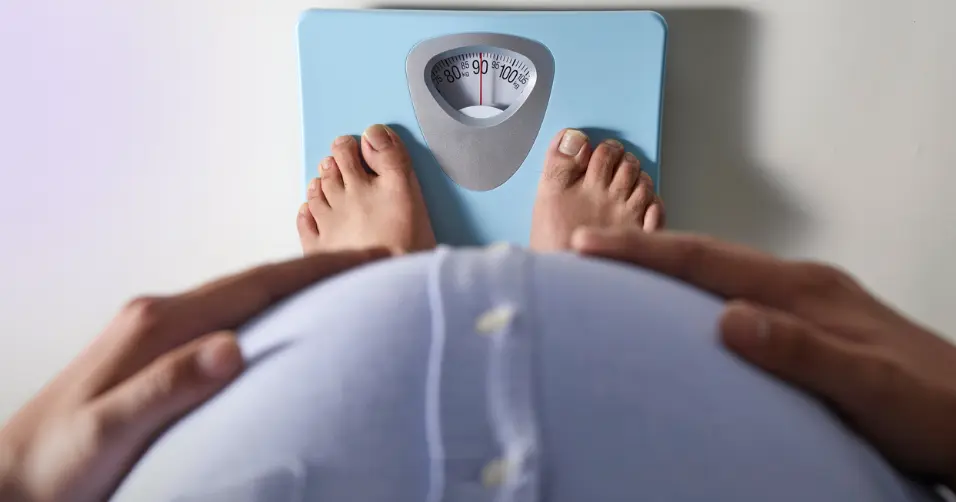
Weight Gain from Creatine
Following on from the water retention point, some people notice a slight increase on the scale. Again, this is typically due to the extra water being stored in the muscles, not an increase in body fat. For athletes looking to gain muscle mass, this initial weight gain can be seen as a positive sign. If you're not aiming for weight gain, it's usually temporary and resolves as your body adjusts to the supplementation.
Creatine Safety for Different Populations
So, who can safely hop on the creatine train? It's a question that pops up a lot, especially when we think about different age groups and health statuses.
Creatine Use in Children and Adolescents
This is a big one. Many parents and young athletes wonder if creatine is okay for younger folks. The research here is pretty encouraging. Studies have looked at kids and teens with various conditions, like muscular dystrophy and even after brain injuries, and found that creatine supplementation was generally well-tolerated. In some cases, it even seemed to help with things like muscle strength and recovery from injuries. The U.S. Food and Drug Administration (FDA) even gave creatine a 'generally recognized as safe' (GRAS) status in late 2020. While most studies show no negative impact on kidney or liver function in these younger groups, it's always smart to keep an eye on things. Some research suggests that athletes who don't eat meat might see more benefits, as their natural creatine levels could be lower.
Creatine for Female Athletes
Does creatine work differently for women? Not really, in terms of safety. The general consensus is that creatine is safe for female athletes when taken as directed. Some older studies might have focused more on male athletes, but newer research shows similar benefits for strength and performance in women. Like men, women might experience some water retention, which can lead to a slight increase in body weight, but this is usually temporary and related to muscle hydration.
Creatine and Older Adults
This is an area where creatine is showing some real promise. As we get older, maintaining muscle mass and strength can become a challenge. Creatine supplementation, alongside exercise, has been shown to help older adults improve muscle strength, function, and even cognitive performance. It seems to be quite safe for this population, with studies showing no adverse effects on kidney or liver health. For individuals who might have lower creatine levels due to diet or age, supplementation could offer noticeable benefits. It's a good way to support muscle health and keep up with daily activities.
The Truth About Creatine and Hair Loss
Let's talk about creatine and hair loss. It's a question that pops up a lot, and honestly, it's mostly based on one study from a while back. This study looked at some young rugby players taking creatine and noticed their levels of a hormone called DHT went up. Now, DHT is known to be linked to hair loss in some people, so the idea that creatine causes hair loss started to spread. It's easy to see how that connection got made, especially with how much information is out there online.
The Origin of the Hair Loss Myth
The whole hair loss discussion really kicked off because of a single research paper. In this study, male athletes took a pretty high dose of creatine for a few weeks. They found that their DHT levels increased significantly. This hormone, dihydrotestosterone (DHT), is a breakdown product of testosterone. In men who are genetically predisposed to it, DHT can attach to hair follicles on the scalp and cause them to shrink, which can lead to thinning hair or baldness. Because of this finding, people started worrying that taking creatine would automatically lead to hair loss.
Scientific Evidence on Creatine and Hair Loss
Here's the thing, though: that one study hasn't really been repeated or confirmed by other researchers. Plus, intense exercise itself can sometimes cause those same hormone levels to change. More importantly, even in that original study, the increase in DHT was still within what's considered normal. They didn't find any increase in total testosterone, and free testosterone, which is what actually gets converted to DHT, wasn't measured but also wasn't found to be elevated in other studies.
Think about it: creatine has been studied and used by millions of people for decades. If it genuinely caused hair loss, we'd have a lot more solid evidence by now. The current scientific consensus, based on the available research, is that creatine supplementation does not cause hair loss or baldness. While it's always good to be aware of potential effects, this particular concern seems to be largely unfounded based on what we know today.
So, What's the Verdict on Creatine?
Alright, so we've gone through a bunch of the common worries people have about creatine. It turns out, most of those scary stories about kidney damage, hair loss, or dehydration are pretty much just myths. The science really backs up that creatine is safe for most folks when you take it as recommended. It can actually help with your workouts and recovery, and it's not just for super-ripped guys either – it might even have benefits for women and older adults. Like anything, if you've got health issues, it's always smart to chat with your doctor first, but for the average person looking for a little boost, creatine seems like a solid, well-researched option.
Exploring Potential Creatine Side Effects
While creatine is generally considered safe for most people, it's not entirely without its quirks. Some individuals might experience a few less-than-ideal reactions when they start taking it. It's good to know what these might be so you're not caught off guard.
Digestive Issues with Creatine
Sometimes, taking creatine can upset your stomach. This isn't super common, but it happens. Things like nausea or stomach cramps can pop up, especially if you're taking a larger dose all at once or not drinking enough water. It's often recommended to split your dose throughout the day or take it with food to help ease this. Some people also find that certain forms of creatine, like micronized creatine, are easier on the stomach than others.
Bloating and Water Retention
This is probably one of the more talked-about side effects. Creatine pulls water into your muscle cells. This is actually part of how it works to help with performance, but it can make you feel a bit bloated or like you're holding onto extra water. It's important to remember this is mostly intracellular water, not fat. For most people, this effect is pretty mild and often goes away after the initial loading phase, if you even do one. Staying hydrated can help manage this feeling.
Weight Gain from Creatine
Following on from the water retention point, some people notice a slight increase on the scale. Again, this is typically due to the extra water being stored in the muscles, not an increase in body fat. For athletes looking to gain muscle mass, this initial weight gain can be seen as a positive sign. If you're not aiming for weight gain, it's usually temporary and resolves as your body adjusts to the supplementation.
Creatine Safety for Different Populations
So, who can safely hop on the creatine train? It's a question that pops up a lot, especially when we think about different age groups and health statuses.
Creatine Use in Children and Adolescents
This is a big one. Many parents and young athletes wonder if creatine is okay for younger folks. The research here is pretty encouraging. Studies have looked at kids and teens with various conditions, like muscular dystrophy and even after brain injuries, and found that creatine supplementation was generally well-tolerated. In some cases, it even seemed to help with things like muscle strength and recovery from injuries. The U.S. Food and Drug Administration (FDA) even gave creatine a 'generally recognized as safe' (GRAS) status in late 2020. While most studies show no negative impact on kidney or liver function in these younger groups, it's always smart to keep an eye on things. Some research suggests that athletes who don't eat meat might see more benefits, as their natural creatine levels could be lower.
Creatine for Female Athletes
Does creatine work differently for women? Not really, in terms of safety. The general consensus is that creatine is safe for female athletes when taken as directed. Some older studies might have focused more on male athletes, but newer research shows similar benefits for strength and performance in women. Like men, women might experience some water retention, which can lead to a slight increase in body weight, but this is usually temporary and related to muscle hydration.
Creatine and Older Adults
This is an area where creatine is showing some real promise. As we get older, maintaining muscle mass and strength can become a challenge. Creatine supplementation, alongside exercise, has been shown to help older adults improve muscle strength, function, and even cognitive performance. It seems to be quite safe for this population, with studies showing no adverse effects on kidney or liver health. For individuals who might have lower creatine levels due to diet or age, supplementation could offer noticeable benefits. It's a good way to support muscle health and keep up with daily activities.
The Truth About Creatine and Hair Loss
Let's talk about creatine and hair loss. It's a question that pops up a lot, and honestly, it's mostly based on one study from a while back. This study looked at some young rugby players taking creatine and noticed their levels of a hormone called DHT went up. Now, DHT is known to be linked to hair loss in some people, so the idea that creatine causes hair loss started to spread. It's easy to see how that connection got made, especially with how much information is out there online.
The Origin of the Hair Loss Myth
The whole hair loss discussion really kicked off because of a single research paper. In this study, male athletes took a pretty high dose of creatine for a few weeks. They found that their DHT levels increased significantly. This hormone, dihydrotestosterone (DHT), is a breakdown product of testosterone. In men who are genetically predisposed to it, DHT can attach to hair follicles on the scalp and cause them to shrink, which can lead to thinning hair or baldness. Because of this finding, people started worrying that taking creatine would automatically lead to hair loss.
Scientific Evidence on Creatine and Hair Loss
Here's the thing, though: that one study hasn't really been repeated or confirmed by other researchers. Plus, intense exercise itself can sometimes cause those same hormone levels to change. More importantly, even in that original study, the increase in DHT was still within what's considered normal. They didn't find any increase in total testosterone, and free testosterone, which is what actually gets converted to DHT, wasn't measured but also wasn't found to be elevated in other studies.
Think about it: creatine has been studied and used by millions of people for decades. If it genuinely caused hair loss, we'd have a lot more solid evidence by now. The current scientific consensus, based on the available research, is that creatine supplementation does not cause hair loss or baldness. While it's always good to be aware of potential effects, this particular concern seems to be largely unfounded based on what we know today.
So, What's the Verdict on Creatine?
Alright, so we've gone through a bunch of the common worries people have about creatine. It turns out, most of those scary stories about kidney damage, hair loss, or dehydration are pretty much just myths. The science really backs up that creatine is safe for most folks when you take it as recommended. It can actually help with your workouts and recovery, and it's not just for super-ripped guys either – it might even have benefits for women and older adults. Like anything, if you've got health issues, it's always smart to chat with your doctor first, but for the average person looking for a little boost, creatine seems like a solid, well-researched option.
Does Creatine Increase Blood Pressure?
Most research shows creatine does not significantly raise blood pressure in healthy individuals. It helps muscles store energy but doesn’t increase vascular resistance. However, dehydration can indirectly elevate blood pressure if fluid intake is insufficient. Staying hydrated ensures safe and stable levels. People with hypertension should consult a doctor before supplementation to confirm safety.
Clinical data: No consistent evidence links creatine to higher raise blood pressure risk.
Hydration factor: Proper water intake prevents temporary pressure spikes.
Safe range: Standard doses (3–5 g/day) are well tolerated by most users.
Health monitoring: Those with preexisting conditions should check blood pressure regularly.
Lifestyle balance: Combine creatine with a balanced diet and hydration for optimal safety.
Can Creatine Stunt Growth?
No, creatine does not stunt growth; it is safe for healthy teens.
Creatine does not stunt growth or affect height. It influences muscle energy systems, not bone development. Research on adolescents shows no interference with growth or hormone levels. It can even support training performance during developmental years under supervision. Proper hydration and dosage maintain safe use.
Growth plates remain unaffected by creatine metabolism or storage.
Supports lean muscle strength beneficial for youth athletics.
Studies show no adverse skeletal or endocrine effects.
Medical guidance ensures responsible supplementation in minors.
Harald Ragnarok, Editor in Chief, Myopedia
Myopedia is your to-go source for simple, practical guide to getting stronger, leaner, and healthier for the long run—bringing together biohacking, longevity, and muscle growth in one place. It breaks down what to do and why it works, with straightforward training and nutrition basics plus clear explanations of supplements and newer health tools, so you can make better choices without getting lost in hype.
Medical Disclaimer: All content on this website is intended solely for informational and educational purposes and should not be interpreted as a substitute for professional medical advice, diagnosis, or treatment, nor as encouragement or promotion for or against any particular use, product, or activity. Results may vary and are not guaranteed. No doctor–patient relationship is created by your use of this content. Always consult a qualified healthcare provider, nutritionist, or other relevant expert before starting or changing any supplement, diet, exercise, or lifestyle program. This website can contain errors. Check important information. Read our full Disclaimer.
RSS – Status – Terms of Service – Privacy Policy – Disclaimer – About Myopedia.
©2025 Myopedia™. All rights reserved.
Myopedia is your to-go source for simple, practical guide to getting stronger, leaner, and healthier for the long run—bringing together biohacking, longevity, and muscle growth in one place. It breaks down what to do and why it works, with straightforward training and nutrition basics plus clear explanations of supplements and newer health tools, so you can make better choices without getting lost in hype.
Medical Disclaimer: All content on this website is intended solely for informational and educational purposes and should not be interpreted as a substitute for professional medical advice, diagnosis, or treatment, nor as encouragement or promotion for or against any particular use, product, or activity. Results may vary and are not guaranteed. No doctor–patient relationship is created by your use of this content. Always consult a qualified healthcare provider, nutritionist, or other relevant expert before starting or changing any supplement, diet, exercise, or lifestyle program. This website can contain errors. Check important information. Read our full Disclaimer.
RSS – Status – Terms of Service – Privacy Policy – Disclaimer – About Myopedia.
©2025 Myopedia™. All rights reserved.
Myopedia is your to-go source for simple, practical guide to getting stronger, leaner, and healthier for the long run—bringing together biohacking, longevity, and muscle growth in one place. It breaks down what to do and why it works, with straightforward training and nutrition basics plus clear explanations of supplements and newer health tools, so you can make better choices without getting lost in hype.
Medical Disclaimer: All content on this website is intended solely for informational and educational purposes and should not be interpreted as a substitute for professional medical advice, diagnosis, or treatment, nor as encouragement or promotion for or against any particular use, product, or activity. Results may vary and are not guaranteed. No doctor–patient relationship is created by your use of this content. Always consult a qualified healthcare provider, nutritionist, or other relevant expert before starting or changing any supplement, diet, exercise, or lifestyle program. This website can contain errors. Check important information. Read our full Disclaimer.
RSS – Status – Terms of Service – Privacy Policy – Disclaimer – About Myopedia.
©2025 Myopedia™. All rights reserved.