How Long Does Protein Powder Last
Shelf Life and Storage Tips for Protein Powder
So, you've got a tub of protein powder sitting in your cupboard, maybe for a while now.
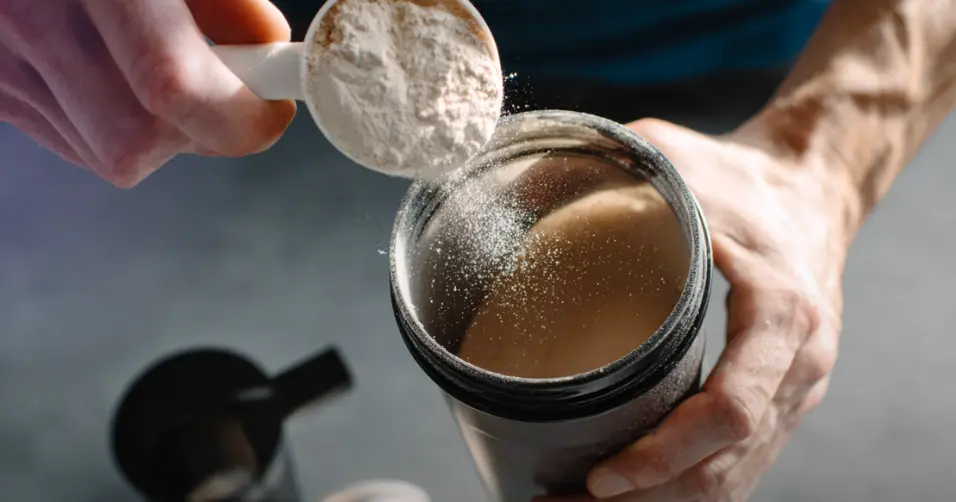
Whey Protein
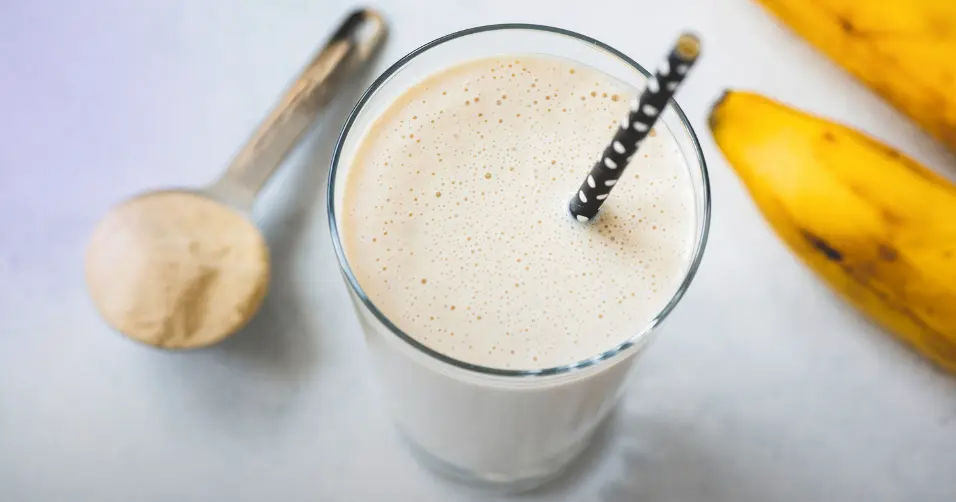
Top Lactose-Free Protein Options for Sensitive Stomachs

Soy Protein
Rice Protein
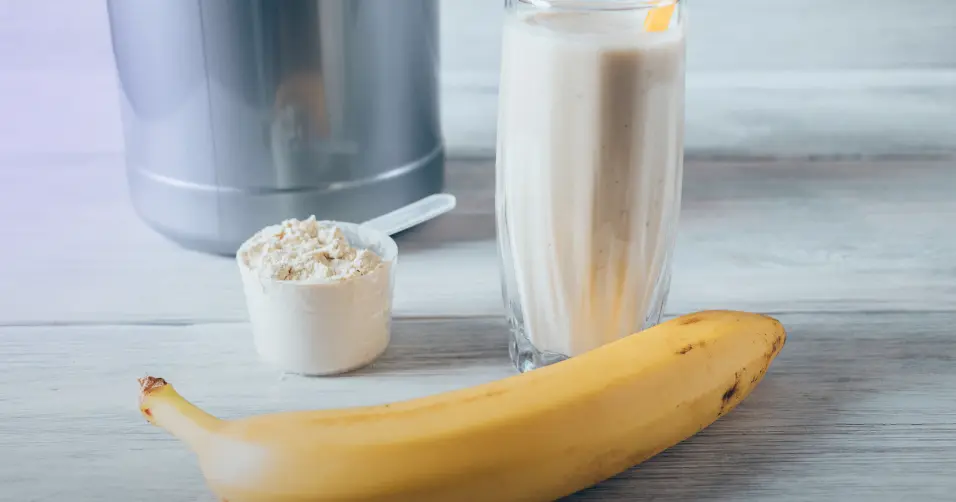
Plant-Based Protein
Pea Protein
Leucine
Lactose-Free Protein

Is Milk Good for Muscle Growth

Is a Protein Shake a Good Breakfast
How to Get 100 Grams of Protein a Day
How Long Does Protein Powder Last

How Is Protein Powder Made
High-Protein Vegan Meals That Boost Muscle and Energy

High-Protein Chicken Recipes for Muscle Building

Gluten-Free Protein

Does Protein Keep You Awake

Cheap and Easy High-Protein Meals for Busy Days
Casein Protein
Can Protein Make You Poop More?

Best Vegetarian Protein Sources

10 Best Seafood Protein Sources to Add to Your Diet
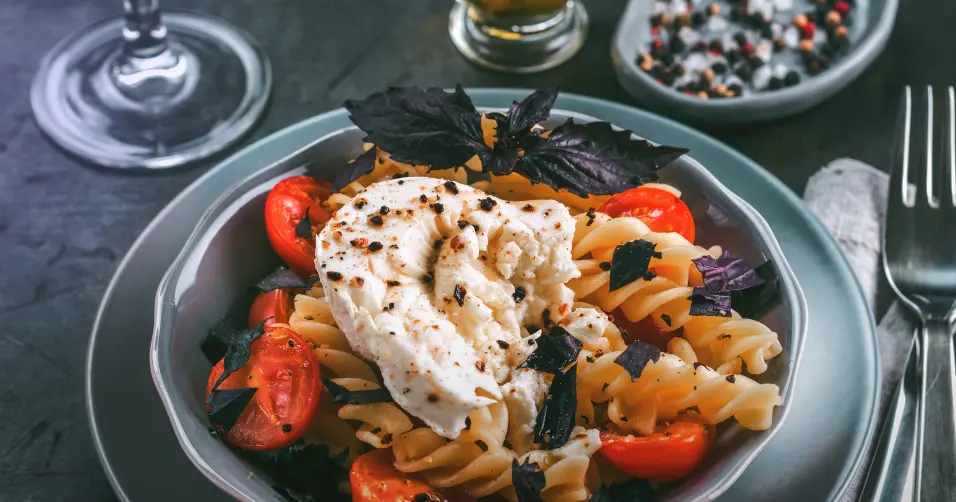
10 Best High-Protein Vegetarian Foods for Every Meal

10 Best High-Protein Vegan Foods for Plant-Based Diets
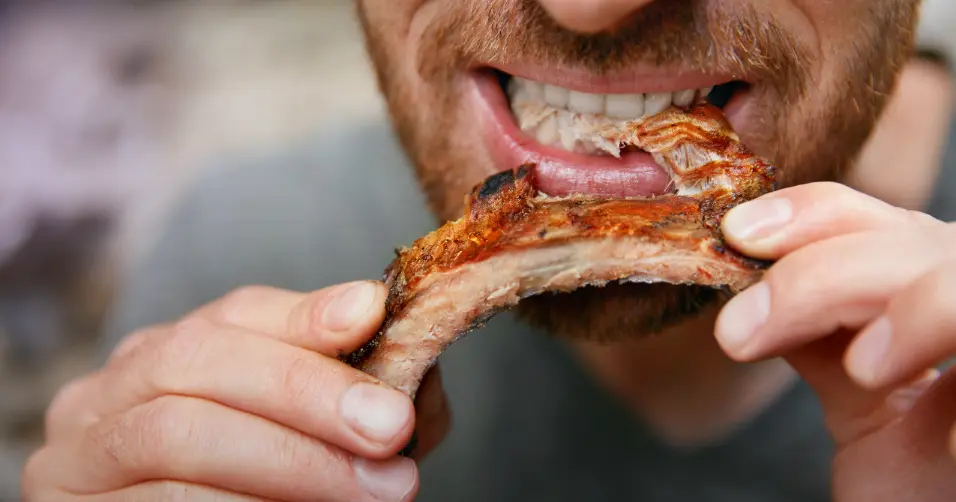
10 Best High-Protein Meat Dishes for Muscle Growth

10 Best High-Protein Chicken Dishes You’ll Crave
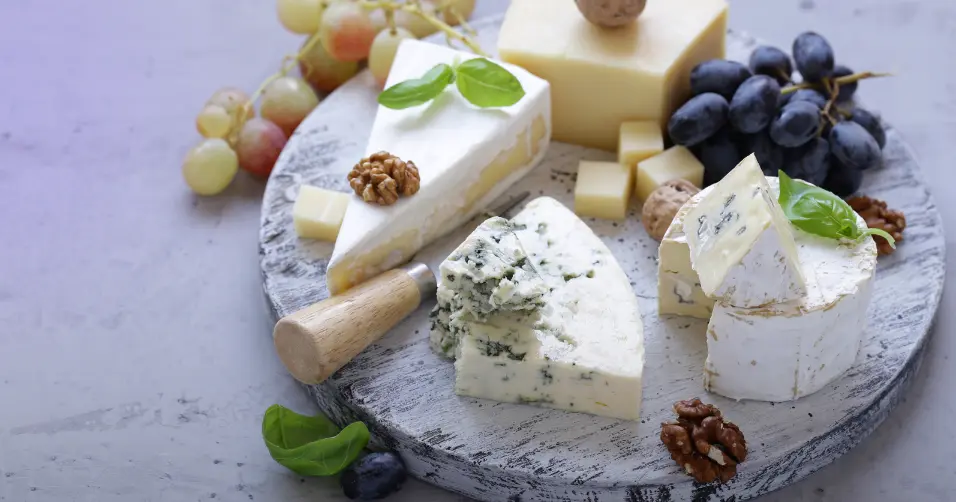
10 Best Cheeses High in Protein for Healthy Diets

8 Healthy High-Protein Dinners You’ll Want Every Night
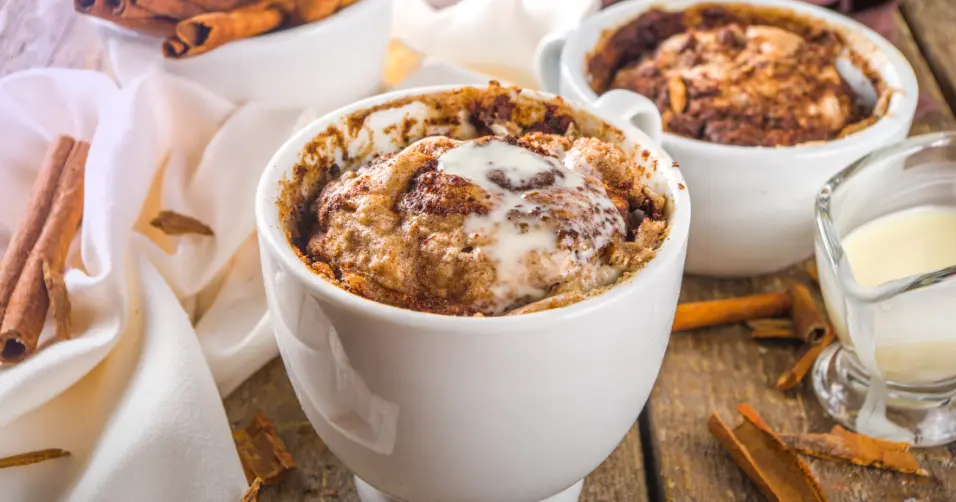
2-Minute Protein Mug Cake Recipe
So, you've got a tub of protein powder sitting in your cupboard, maybe for a while now.
You're probably wondering, 'How long does protein powder last?' It's a common question, especially if you're not using it every single day. We all want to get our money's worth and make sure we're not accidentally using something that's lost its punch or, worse, gone bad. Let's break down what you need to know about protein powder's shelf life.
Can Protein Powder Go Bad?
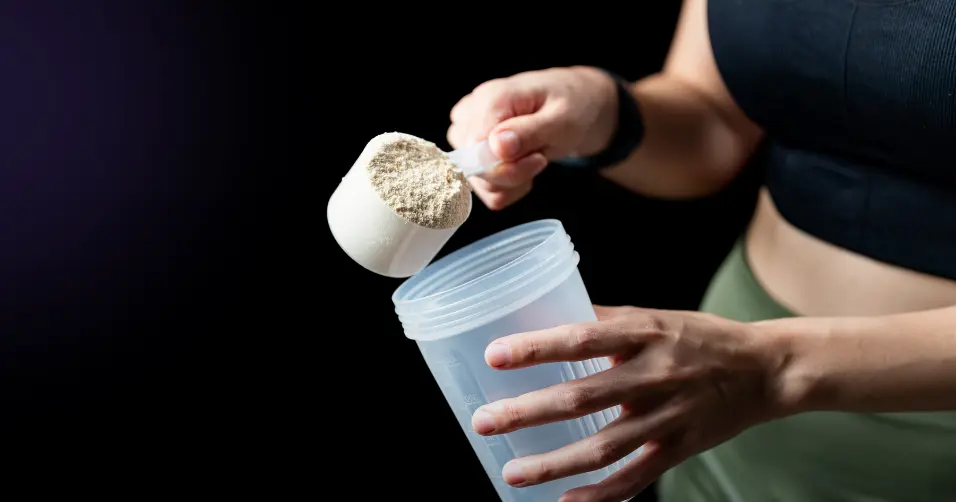
Protein powder can go bad over time, especially when exposed to moisture, heat, or sunlight. Most powders have a “best by” date, after which the nutrients may degrade and flavor can change. A sour smell, clumping, or a bitter taste are signs it should not be used. Proper storage in a cool, dry place with the lid tightly closed can help extend its shelf life. This helps ensure your protein powder last longer without losing quality.
Check the packaging date and store it away from humidity to prevent bacteria or mold growth.
Keep scoops clean and dry to reduce the risk of contamination.
If the powder smells rancid or tastes unusual, discard it immediately as fats and amino acids can oxidize.
Unopened powders usually stay fresh for about 1–2 years under proper storage conditions.
Can You Use Protein Powder After Expiration?
Yes, you can use protein powder after expiration only if smell, taste, and texture remain normal, though not recommended.
Protein powder can sometimes be used shortly after expiration if stored properly. However, potency and flavor may decline with time. If it smells rancid, clumps, or changes color, it should be discarded. Nutrient degradation increases the longer it’s past date. For best results, use within 6–12 months of opening.
Humidity and heat accelerate spoilage and bacterial growth.
Dry, sealed storage extends usability slightly past printed date.
Expired powder may lose amino acid strength and mix poorly.
Inspecting smell and texture ensures safety before consumption.
What Can Go Wrong With Protein Powder Once It Expire?
Expired protein powder may lose potency and develop bacteria or rancid fat.
When protein powder expires, it may lose potency or develop mold if exposed to moisture. Rancid smell, discoloration, or bitter taste are signs of spoilage. Consuming spoiled powder may cause stomach upset or reduced nutrient absorption. Storage in cool, dry conditions slows degradation. Always check sensory cues before use to ensure safety.
Expired powders can oxidize fats or degrade amino acids, reducing benefits.
Moisture causes clumping and increases microbial contamination risk.
Proper sealing extends shelf life by reducing air and humidity exposure.
Discard products showing odd color, odor, or texture changes.
Can Whey Protein Go Bad?
Yes, whey protein can go bad if exposed to heat, moisture, or air.
Whey protein can go bad when exposed to moisture or past its expiry date. Spoiled powder often develops a sour odor or clumpy texture. Although mild aging may only affect taste, extended decay risks bacterial growth. Proper storage in a cool, dry place prolongs shelf life. Discard immediately if mold or bitterness appears.
Air and heat accelerate oxidation and spoilage in dairy proteins.
Isolate forms may last longer due to lower fat and moisture content.
Unpleasant odor is the clearest spoilage indicator.
Airtight containers reduce oxidation and contamination risks.
How Long Does Whey Protein Last?
Unopened whey protein lasts about 1–2 years, and opened containers last 6–8 months if stored well.
On average, whey protein lasts 1–2 years from the manufacturing date if stored properly. Once opened, use it within 6–9 months for best freshness. Keep the container sealed and away from moisture and direct sunlight. Shelf life depends on storage temperature and humidity. Following label guidelines ensures consistent taste and safety.
Cool, dry storage prevents spoilage and maintains nutritional integrity.
Opened products degrade faster due to air and humidity exposure.
Check manufacturer’s date and sensory signs for accuracy.
Transferring powder to airtight containers extends usability.
Can Plant Protein Expire?
Yes, plant protein can expire, especially when exposed to humidity or light.
Plant protein can expire similar to other powdered foods. Exposure to humidity or air causes nutrient degradation and off flavors. Expired powder may lose amino acid potency or develop spoilage odor. Keeping it sealed and cool extends usability. Discard if it smells sour or changes color significantly.
Oxidation affects fats in plant proteins, causing rancid taste.
Moisture accelerates clumping and bacterial contamination.
Shelf life typically ranges 18–24 months when unopened.
Storage away from light maintains vitamin and flavor stability.
What Happens If You Consume Expired Protein Powder?
Consuming expired protein powder may cause stomach upset or reduced nutrient value.
If you consume expired protein powder, the effects depend on how long it’s been expired and storage conditions. Slightly expired powder may have reduced nutritional value but is generally safe if it smells and tastes normal. Spoiled protein, however, can cause stomach upset or nausea. Signs of spoilage include sour odor, clumping, or discoloration. Always check appearance and smell before consuming.
Properly stored protein may remain usable shortly past expiration but loses potency.
Exposure to heat or moisture can cause bacterial or mold growth.
Rancid or bitter flavors indicate amino acid and fat degradation.
When in doubt, discard to avoid digestive discomfort or nutrient loss.
How To Prevent Protein Powder From Going Bad?
To prevent protein powder spoilage, store it in a cool, dry, airtight container.
To prevent protein powder from going bad, store it in a cool, dry place away from sunlight and humidity. Keep the lid tightly sealed after each use to prevent moisture exposure. Avoid using wet scoops that can introduce bacteria. If possible, transfer the powder to an airtight container for longer freshness. Proper storage extends shelf life and preserves nutritional quality.
Dry storage prevents clumping and bacterial growth inside the container.
Airtight sealing maintains taste and prevents oxidation of fats.
Temperature control avoids breakdown of sensitive amino acids.
Keep away from kitchens or bathrooms where humidity levels fluctuate.
Harald Ragnarok, Editor in Chief, Myopedia