How to Gain Weight Fast
Proven Methods to Put on Weight Safely and Quickly
So, you're looking to pack on some pounds, and you want to do it fast.

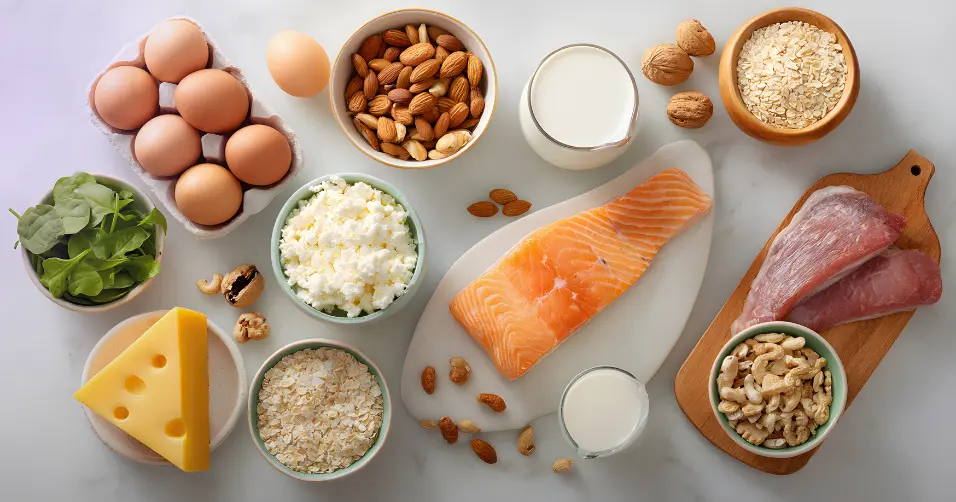




So, you're looking to pack on some pounds, and you want to do it fast.
It's not always easy, right? Some people struggle to gain weight, no matter how much they eat. Maybe you've got a super-fast metabolism, or maybe you're just naturally on the leaner side. Whatever the reason, if you're aiming for a quicker gain, you've come to the right place. We're going to break down some straightforward ways to help you reach your weight gain goals without just piling on unhealthy fat. It's all about being smart with your food and a few lifestyle tweaks.
Increase Your Calorie Intake Strategically
Alright, so you want to pack on some pounds, huh? It's not just about eating everything in sight, though. We need to be smart about it. Think of it like building something – you need the right materials and a good plan. The first big step is just getting more fuel into your body. That means strategically bumping up your calorie intake. It sounds simple, but there are a few ways to make sure you're doing it right.
Eat More Frequently Throughout The Day
If you're only eating three meals a day, you're missing out on opportunities to get more calories in. Try adding snacks between your meals. Even if you're not super hungry, having a small, calorie-dense snack can make a difference. Some people find it helpful to set alarms or put reminders in their phone to eat. It sounds a bit much, but when you're trying to gain weight, sometimes you need that nudge. It's all about creating more chances to fuel your body.
Choose Calorie-Dense Foods
This is a game-changer. Instead of filling up on low-calorie, high-volume foods like big salads, focus on foods that pack a lot of calories into a smaller package. This way, you can eat more without feeling completely stuffed. Think healthy fats, proteins, and complex carbs. You don't have to live on junk food to get calories; there are plenty of nutritious options that are also high in energy. It's about getting more bang for your buck, calorie-wise.
Here’s a quick look at some calorie-dense options:
Food Group | Example | Approx. Calories (per serving) |
|---|---|---|
Fats | Olive Oil | 120 (1 tbsp) |
Nuts | 170 (1/4 cup) | |
Avocado | 120 (1/2 cup) | |
Carbohydrates | Dried Fruit | 100 (1/4 cup) |
Whole Grain Muffin | 175-200 (1 large) | |
Dairy | Whole Milk | 150 (1 cup) |
Incorporate High-Calorie Toppings and Add-Ons
This is where you can really boost the calorie count of your regular meals without a lot of extra effort. Think about adding things like cheese to your eggs or sandwiches, nuts and seeds to your yogurt or salads, or a drizzle of olive oil over your cooked vegetables. Even simple things like using whole milk instead of skim, or adding a dollop of sour cream (or Greek yogurt for a protein boost) can add up. Sauces and dressings can also be calorie powerhouses, so choose wisely and add them generously to your meals.
Optimize Your Macronutrient Consumption
Alright, so you're trying to pack on some pounds, and just eating more isn't the whole story. We need to talk about what you're actually eating – the macros. Think of them as the building blocks for your body. Getting the right mix is key to making sure that extra food turns into muscle, not just extra padding.
Prioritize Protein At Every Meal
Protein is super important for building and repairing tissues, especially muscle. When you're trying to gain weight, you want that weight to be lean mass. Eating enough protein helps your body use those extra calories to build muscle instead of storing too much fat. Aim to include a good source of protein with every meal and snack. It doesn't have to be a huge amount each time, but consistency is what matters. Think chicken breast, fish, eggs, Greek yogurt, beans, or even a scoop of protein powder mixed into something.
Add protein powder to your oatmeal or pancake batter.
Swap regular yogurt for Greek yogurt.
Choose whole-grain pasta or add lentils to your regular pasta sauce.
Utilize Healthy Fats For Calorie Boosts
Fats are your best friend when you need to pack in calories without feeling stuffed. They have more than double the calories per gram compared to carbs or protein. Plus, healthy fats are good for your heart and overall health. Cooking with oils like olive oil or avocado oil is an easy way to add calories. You can also add nuts, seeds, avocados, and full-fat dairy products to your meals. These foods are calorie-dense and nutrient-rich, so you're getting a lot of bang for your buck.
Here's a quick look at how some healthy fats stack up:
Food Item | Serving Size | Approximate Calories |
|---|---|---|
Olive Oil | 1 tablespoon | 120 |
Avocado | 1/2 medium | 160 |
Almonds | 1/4 cup (about 23) | 170 |
Peanut Butter | 2 tablespoons | 190 |
Full-fat Cheese | 1 ounce | 100 |
Leverage Carbohydrates For Energy
Carbs get a bad rap sometimes, but they're your body's preferred energy source. When you're training and trying to gain weight, you need plenty of carbs to fuel your workouts and help your muscles recover. Don't shy away from them! Focus on complex carbohydrates like whole grains, oats, brown rice, and sweet potatoes. These provide sustained energy and also come with fiber and other nutrients. Simple carbs like fruits and even a bit of honey or maple syrup can also be useful for quick energy boosts, especially around workouts.
Supplement Your Diet Effectively
Sometimes, just eating more food isn't enough, or maybe you're looking for a more convenient way to pack in those extra calories and nutrients. That's where supplements can come in handy. They're not magic bullets, but they can definitely help fill the gaps and give you a boost.
Consider Protein Supplements
Protein is super important for building muscle, which is a big part of healthy weight gain. If you're finding it tough to get enough protein from your meals alone, a protein powder can be a lifesaver. You can mix it with water, milk, or even add it to smoothies. Whey protein is a popular choice because it's absorbed quickly, but there are also plant-based options if that's more your style. Just remember, it's a supplement, not a meal replacement. Aim to get most of your protein from whole foods first.
Explore Weight Gainer Shakes
These are basically calorie bombs in a shake. They're designed specifically for people who need to gain weight and often contain a mix of protein, carbs, and fats. They can be really useful if you have a fast metabolism or a very demanding schedule that makes it hard to eat enough. You can buy them pre-made or mix your own. Just be mindful of the sugar content in some commercial options; you might want to check the labels. A typical weight gainer might offer anywhere from 500 to over 1000 calories per serving.
Incorporate Creatine For Muscle Growth
Creatine is a compound that helps your muscles produce energy during intense exercise. While it's not directly a calorie source, it can help you train harder and longer, which in turn can support muscle growth. More muscle mass means healthier weight gain. It's generally safe for most people, but it's always a good idea to chat with a doctor before starting any new supplement, especially if you have any health conditions. A common starting dose is around 5 grams per day.
What To Eat To Gain Weight Fast?
To gain weight fast, eat calorie-dense foods like nuts, rice, avocados, and protein-rich meals more often.
To gain weight fast, consume a calorie surplus of 300–500 calories above maintenance daily. Prioritize high-protein foods like eggs, meat, dairy, and legumes for lean mass gain. Add calorie-dense options such as nuts, avocados, and whole grains. Eat frequently—5–6 meals per day with balanced macros. Strength training ensures added weight translates to muscle, not fat.
Frequent meals maintain positive energy balance throughout the day.
Protein intake supports muscle rather than fat accumulation.
Healthy fats increase calorie density without excessive volume.
Consistent training converts extra calories into lean muscle growth.
Increase Your Calorie Intake Strategically
Alright, so you want to pack on some pounds, huh? It's not just about eating everything in sight, though. We need to be smart about it. Think of it like building something – you need the right materials and a good plan. The first big step is just getting more fuel into your body. That means strategically bumping up your calorie intake. It sounds simple, but there are a few ways to make sure you're doing it right.
Eat More Frequently Throughout The Day
If you're only eating three meals a day, you're missing out on opportunities to get more calories in. Try adding snacks between your meals. Even if you're not super hungry, having a small, calorie-dense snack can make a difference. Some people find it helpful to set alarms or put reminders in their phone to eat. It sounds a bit much, but when you're trying to gain weight, sometimes you need that nudge. It's all about creating more chances to fuel your body.
Choose Calorie-Dense Foods
This is a game-changer. Instead of filling up on low-calorie, high-volume foods like big salads, focus on foods that pack a lot of calories into a smaller package. This way, you can eat more without feeling completely stuffed. Think healthy fats, proteins, and complex carbs. You don't have to live on junk food to get calories; there are plenty of nutritious options that are also high in energy. It's about getting more bang for your buck, calorie-wise.
Here’s a quick look at some calorie-dense options:
Food Group | Example | Approx. Calories (per serving) |
|---|---|---|
Fats | Olive Oil | 120 (1 tbsp) |
Nuts | 170 (1/4 cup) | |
Avocado | 120 (1/2 cup) | |
Carbohydrates | Dried Fruit | 100 (1/4 cup) |
Whole Grain Muffin | 175-200 (1 large) | |
Dairy | Whole Milk | 150 (1 cup) |
Incorporate High-Calorie Toppings and Add-Ons
This is where you can really boost the calorie count of your regular meals without a lot of extra effort. Think about adding things like cheese to your eggs or sandwiches, nuts and seeds to your yogurt or salads, or a drizzle of olive oil over your cooked vegetables. Even simple things like using whole milk instead of skim, or adding a dollop of sour cream (or Greek yogurt for a protein boost) can add up. Sauces and dressings can also be calorie powerhouses, so choose wisely and add them generously to your meals.
Optimize Your Macronutrient Consumption
Alright, so you're trying to pack on some pounds, and just eating more isn't the whole story. We need to talk about what you're actually eating – the macros. Think of them as the building blocks for your body. Getting the right mix is key to making sure that extra food turns into muscle, not just extra padding.
Prioritize Protein At Every Meal
Protein is super important for building and repairing tissues, especially muscle. When you're trying to gain weight, you want that weight to be lean mass. Eating enough protein helps your body use those extra calories to build muscle instead of storing too much fat. Aim to include a good source of protein with every meal and snack. It doesn't have to be a huge amount each time, but consistency is what matters. Think chicken breast, fish, eggs, Greek yogurt, beans, or even a scoop of protein powder mixed into something.
Add protein powder to your oatmeal or pancake batter.
Swap regular yogurt for Greek yogurt.
Choose whole-grain pasta or add lentils to your regular pasta sauce.
Utilize Healthy Fats For Calorie Boosts
Fats are your best friend when you need to pack in calories without feeling stuffed. They have more than double the calories per gram compared to carbs or protein. Plus, healthy fats are good for your heart and overall health. Cooking with oils like olive oil or avocado oil is an easy way to add calories. You can also add nuts, seeds, avocados, and full-fat dairy products to your meals. These foods are calorie-dense and nutrient-rich, so you're getting a lot of bang for your buck.
Here's a quick look at how some healthy fats stack up:
Food Item | Serving Size | Approximate Calories |
|---|---|---|
Olive Oil | 1 tablespoon | 120 |
Avocado | 1/2 medium | 160 |
Almonds | 1/4 cup (about 23) | 170 |
Peanut Butter | 2 tablespoons | 190 |
Full-fat Cheese | 1 ounce | 100 |
Leverage Carbohydrates For Energy
Carbs get a bad rap sometimes, but they're your body's preferred energy source. When you're training and trying to gain weight, you need plenty of carbs to fuel your workouts and help your muscles recover. Don't shy away from them! Focus on complex carbohydrates like whole grains, oats, brown rice, and sweet potatoes. These provide sustained energy and also come with fiber and other nutrients. Simple carbs like fruits and even a bit of honey or maple syrup can also be useful for quick energy boosts, especially around workouts.
Supplement Your Diet Effectively
Sometimes, just eating more food isn't enough, or maybe you're looking for a more convenient way to pack in those extra calories and nutrients. That's where supplements can come in handy. They're not magic bullets, but they can definitely help fill the gaps and give you a boost.
Consider Protein Supplements
Protein is super important for building muscle, which is a big part of healthy weight gain. If you're finding it tough to get enough protein from your meals alone, a protein powder can be a lifesaver. You can mix it with water, milk, or even add it to smoothies. Whey protein is a popular choice because it's absorbed quickly, but there are also plant-based options if that's more your style. Just remember, it's a supplement, not a meal replacement. Aim to get most of your protein from whole foods first.
Explore Weight Gainer Shakes
These are basically calorie bombs in a shake. They're designed specifically for people who need to gain weight and often contain a mix of protein, carbs, and fats. They can be really useful if you have a fast metabolism or a very demanding schedule that makes it hard to eat enough. You can buy them pre-made or mix your own. Just be mindful of the sugar content in some commercial options; you might want to check the labels. A typical weight gainer might offer anywhere from 500 to over 1000 calories per serving.
Incorporate Creatine For Muscle Growth
Creatine is a compound that helps your muscles produce energy during intense exercise. While it's not directly a calorie source, it can help you train harder and longer, which in turn can support muscle growth. More muscle mass means healthier weight gain. It's generally safe for most people, but it's always a good idea to chat with a doctor before starting any new supplement, especially if you have any health conditions. A common starting dose is around 5 grams per day.
Enhance Your Eating Habits
Sometimes, it's not just about what you eat, but how and when you eat it. Making small tweaks to your daily routine can really add up when you're trying to gain weight. Think of it like this: you're trying to fill a bucket, and you've got a good source of water, but if you're constantly taking some out or not pouring it in efficiently, it's going to take longer to fill.
Drink Water Between Meals, Not Before
This one's a classic tip, and for good reason. If you chug a big glass of water right before you sit down to eat, you're going to feel fuller faster. That means you'll likely eat less food, which is the opposite of what we want. Try to keep your water intake for between meals. This way, you stay hydrated without accidentally sabotaging your appetite. Aim for about 8 ounces of water about 30 minutes after you finish a meal, or an hour before your next one.
Use Larger Plates to Encourage More Eating
This might sound a little silly, but it's a psychological trick that can actually work. When you use a larger plate, your food looks like it takes up less space. This can make you feel like you need to eat more to feel satisfied, or at least, it makes a normal-sized portion look less intimidating. It's a subtle nudge to keep going and finish what's on your plate, and maybe even go back for seconds. Think about it – a scoop of mashed potatoes looks pretty sparse on a dinner-sized plate, but piled high on a small saucer? It looks like a lot more.
Prepare Homemade Protein Smoothies
Smoothies are fantastic for packing in a lot of calories and nutrients without feeling overly full. Plus, you can customize them to your liking. Forget those sugary store-bought options; making your own lets you control exactly what goes in. You can blend in things like:
Full-fat yogurt or milk
Nut butters (peanut, almond, cashew)
Oats for extra carbs and fiber
Fruits like bananas or berries
A scoop of protein powder if you're using one
These can be a great snack between meals or even a mini-meal on their own. They're easy to drink down quickly, meaning you can get a good amount of calories in without a ton of chewing or feeling weighed down.
Focus On Nutrient-Rich Food Choices
Okay, so we've talked about eating more and getting the right mix of protein, fats, and carbs. Now, let's get into the good stuff – the actual foods you can pile onto your plate to pack in those extra calories without feeling like you're just eating junk. It’s all about choosing foods that give you a lot of bang for your buck, calorie-wise, and also bring some good nutrients to the table.
Add Nuts, Seeds, And Nut Butters
These little guys are calorie powerhouses. Seriously, a small handful of almonds or walnuts can add a surprising number of calories. Think about it: they're packed with healthy fats and protein. Peanut butter, almond butter, sunflower seed butter – spread them on toast, add a spoonful to your oatmeal, or just eat them straight from the jar if you're feeling bold. They're super easy to keep around and snack on.
Include Dried Fruits In Your Diet
Fresh fruit is great, but dried fruit? It's like concentrated sweetness and calories. Raisins, apricots, dates, figs – they're all fantastic for a quick calorie boost. They're easy to toss into your yogurt, cereal, or trail mix. Just be mindful that they are also high in sugar, so maybe don't go overboard, but for weight gain, they're a solid choice.
Consume Whole Grains And Healthy Cereals
When you're looking for carbs, don't shy away from whole grains. Things like oatmeal, whole-wheat bread, brown rice, and quinoa are great. They provide sustained energy and fiber. Pair them with calorie-dense toppings, like nuts or seeds, and you've got a meal that's both filling and contributes to your calorie goals. Even some breakfast cereals, especially those made with whole grains, can be a good option if they're not loaded with sugar.
Incorporate Avocados And Dairy Products
Avocados are basically nature's butter – full of healthy fats and calories. Slice them onto sandwiches, add them to salads, or mash them onto toast. And don't forget full-fat dairy. Whole milk, full-fat yogurt, and cheese are your friends here. They add calories and protein, and you can use them in so many ways, from creamy sauces to simple snacks. Making these nutrient-dense choices a regular part of your eating routine is key to gaining weight healthily.
Support Weight Gain With Lifestyle Adjustments
Okay, so you're trying to pack on some pounds, and you've got your diet dialed in. That's awesome. But sometimes, what you do outside of eating can make a big difference too. It's not just about stuffing your face, you know? Little tweaks to how you live can really help your body build up.
Prioritize Quality Sleep For Recovery
Seriously, don't underestimate sleep. When you're trying to gain weight, especially muscle, your body does a lot of its repair and building work while you're catching Z's. If you're skimping on sleep, you're basically telling your body to slow down its recovery process. Aim for a solid 7-9 hours a night. It helps with hormone regulation, which is super important for muscle growth and overall recovery. Think of it as your body's nightly maintenance crew getting the job done.
Consider Quitting Smoking
If you're a smoker, this is a big one. People who smoke tend to weigh less, and quitting often leads to some weight gain. It's not just about the calories; smoking can mess with your appetite and metabolism. Plus, let's be real, quitting smoking is a massive win for your health overall, and that's always a good thing, right? The weight gain that might come with it is often a welcome side effect for those looking to increase their mass.
Engage In Resistance Training
This might sound counterintuitive when you're trying to gain weight, but hear me out. Lifting weights, or resistance training, is key if you want that weight to be muscle and not just fat. When you challenge your muscles, they grow back stronger and bigger. It also signals to your body that it needs to build more tissue. Plus, exercise can actually boost your appetite, making it easier to eat more calories throughout the day. You don't need to become a competitive bodybuilder overnight; starting with a few sessions a week focusing on compound movements can make a huge difference. It's about giving your body a reason to build itself up.
Wrapping It Up
So, you've got the rundown on how to pack on some pounds healthily. Remember, it's not just about eating everything in sight, but making smart choices. Focus on those calorie-dense foods, eat a bit more often, and don't forget protein. Consistency is key here, and while it might take some time, you'll get there. If you're struggling, talking to a doctor or a nutritionist can really help figure out what works best for your body. Good luck with your weight gain journey!
Enhance Your Eating Habits
Sometimes, it's not just about what you eat, but how and when you eat it. Making small tweaks to your daily routine can really add up when you're trying to gain weight. Think of it like this: you're trying to fill a bucket, and you've got a good source of water, but if you're constantly taking some out or not pouring it in efficiently, it's going to take longer to fill.
Drink Water Between Meals, Not Before
This one's a classic tip, and for good reason. If you chug a big glass of water right before you sit down to eat, you're going to feel fuller faster. That means you'll likely eat less food, which is the opposite of what we want. Try to keep your water intake for between meals. This way, you stay hydrated without accidentally sabotaging your appetite. Aim for about 8 ounces of water about 30 minutes after you finish a meal, or an hour before your next one.
Use Larger Plates to Encourage More Eating
This might sound a little silly, but it's a psychological trick that can actually work. When you use a larger plate, your food looks like it takes up less space. This can make you feel like you need to eat more to feel satisfied, or at least, it makes a normal-sized portion look less intimidating. It's a subtle nudge to keep going and finish what's on your plate, and maybe even go back for seconds. Think about it – a scoop of mashed potatoes looks pretty sparse on a dinner-sized plate, but piled high on a small saucer? It looks like a lot more.
Prepare Homemade Protein Smoothies
Smoothies are fantastic for packing in a lot of calories and nutrients without feeling overly full. Plus, you can customize them to your liking. Forget those sugary store-bought options; making your own lets you control exactly what goes in. You can blend in things like:
Full-fat yogurt or milk
Nut butters (peanut, almond, cashew)
Oats for extra carbs and fiber
Fruits like bananas or berries
A scoop of protein powder if you're using one
These can be a great snack between meals or even a mini-meal on their own. They're easy to drink down quickly, meaning you can get a good amount of calories in without a ton of chewing or feeling weighed down.
Focus On Nutrient-Rich Food Choices
Okay, so we've talked about eating more and getting the right mix of protein, fats, and carbs. Now, let's get into the good stuff – the actual foods you can pile onto your plate to pack in those extra calories without feeling like you're just eating junk. It’s all about choosing foods that give you a lot of bang for your buck, calorie-wise, and also bring some good nutrients to the table.
Add Nuts, Seeds, And Nut Butters
These little guys are calorie powerhouses. Seriously, a small handful of almonds or walnuts can add a surprising number of calories. Think about it: they're packed with healthy fats and protein. Peanut butter, almond butter, sunflower seed butter – spread them on toast, add a spoonful to your oatmeal, or just eat them straight from the jar if you're feeling bold. They're super easy to keep around and snack on.
Include Dried Fruits In Your Diet
Fresh fruit is great, but dried fruit? It's like concentrated sweetness and calories. Raisins, apricots, dates, figs – they're all fantastic for a quick calorie boost. They're easy to toss into your yogurt, cereal, or trail mix. Just be mindful that they are also high in sugar, so maybe don't go overboard, but for weight gain, they're a solid choice.
Consume Whole Grains And Healthy Cereals
When you're looking for carbs, don't shy away from whole grains. Things like oatmeal, whole-wheat bread, brown rice, and quinoa are great. They provide sustained energy and fiber. Pair them with calorie-dense toppings, like nuts or seeds, and you've got a meal that's both filling and contributes to your calorie goals. Even some breakfast cereals, especially those made with whole grains, can be a good option if they're not loaded with sugar.
Incorporate Avocados And Dairy Products
Avocados are basically nature's butter – full of healthy fats and calories. Slice them onto sandwiches, add them to salads, or mash them onto toast. And don't forget full-fat dairy. Whole milk, full-fat yogurt, and cheese are your friends here. They add calories and protein, and you can use them in so many ways, from creamy sauces to simple snacks. Making these nutrient-dense choices a regular part of your eating routine is key to gaining weight healthily.
Support Weight Gain With Lifestyle Adjustments
Okay, so you're trying to pack on some pounds, and you've got your diet dialed in. That's awesome. But sometimes, what you do outside of eating can make a big difference too. It's not just about stuffing your face, you know? Little tweaks to how you live can really help your body build up.
Prioritize Quality Sleep For Recovery
Seriously, don't underestimate sleep. When you're trying to gain weight, especially muscle, your body does a lot of its repair and building work while you're catching Z's. If you're skimping on sleep, you're basically telling your body to slow down its recovery process. Aim for a solid 7-9 hours a night. It helps with hormone regulation, which is super important for muscle growth and overall recovery. Think of it as your body's nightly maintenance crew getting the job done.
Consider Quitting Smoking
If you're a smoker, this is a big one. People who smoke tend to weigh less, and quitting often leads to some weight gain. It's not just about the calories; smoking can mess with your appetite and metabolism. Plus, let's be real, quitting smoking is a massive win for your health overall, and that's always a good thing, right? The weight gain that might come with it is often a welcome side effect for those looking to increase their mass.
Engage In Resistance Training
This might sound counterintuitive when you're trying to gain weight, but hear me out. Lifting weights, or resistance training, is key if you want that weight to be muscle and not just fat. When you challenge your muscles, they grow back stronger and bigger. It also signals to your body that it needs to build more tissue. Plus, exercise can actually boost your appetite, making it easier to eat more calories throughout the day. You don't need to become a competitive bodybuilder overnight; starting with a few sessions a week focusing on compound movements can make a huge difference. It's about giving your body a reason to build itself up.
Wrapping It Up
So, you've got the rundown on how to pack on some pounds healthily. Remember, it's not just about eating everything in sight, but making smart choices. Focus on those calorie-dense foods, eat a bit more often, and don't forget protein. Consistency is key here, and while it might take some time, you'll get there. If you're struggling, talking to a doctor or a nutritionist can really help figure out what works best for your body. Good luck with your weight gain journey!
Harald Ragnarok, Editor in Chief, Myopedia
Myopedia is your to-go source for simple, practical guide to getting stronger, leaner, and healthier for the long run—bringing together biohacking, longevity, and muscle growth in one place. It breaks down what to do and why it works, with straightforward training and nutrition basics plus clear explanations of supplements and newer health tools, so you can make better choices without getting lost in hype.
Medical Disclaimer: All content on this website is intended solely for informational and educational purposes and should not be interpreted as a substitute for professional medical advice, diagnosis, or treatment, nor as encouragement or promotion for or against any particular use, product, or activity. Results may vary and are not guaranteed. No doctor–patient relationship is created by your use of this content. Always consult a qualified healthcare provider, nutritionist, or other relevant expert before starting or changing any supplement, diet, exercise, or lifestyle program. This website can contain errors. Check important information. Read our full Disclaimer.
RSS – Status – Terms of Service – Privacy Policy – Disclaimer – About Myopedia.
©2025 Myopedia™. All rights reserved.
Myopedia is your to-go source for simple, practical guide to getting stronger, leaner, and healthier for the long run—bringing together biohacking, longevity, and muscle growth in one place. It breaks down what to do and why it works, with straightforward training and nutrition basics plus clear explanations of supplements and newer health tools, so you can make better choices without getting lost in hype.
Medical Disclaimer: All content on this website is intended solely for informational and educational purposes and should not be interpreted as a substitute for professional medical advice, diagnosis, or treatment, nor as encouragement or promotion for or against any particular use, product, or activity. Results may vary and are not guaranteed. No doctor–patient relationship is created by your use of this content. Always consult a qualified healthcare provider, nutritionist, or other relevant expert before starting or changing any supplement, diet, exercise, or lifestyle program. This website can contain errors. Check important information. Read our full Disclaimer.
RSS – Status – Terms of Service – Privacy Policy – Disclaimer – About Myopedia.
©2025 Myopedia™. All rights reserved.
Myopedia is your to-go source for simple, practical guide to getting stronger, leaner, and healthier for the long run—bringing together biohacking, longevity, and muscle growth in one place. It breaks down what to do and why it works, with straightforward training and nutrition basics plus clear explanations of supplements and newer health tools, so you can make better choices without getting lost in hype.
Medical Disclaimer: All content on this website is intended solely for informational and educational purposes and should not be interpreted as a substitute for professional medical advice, diagnosis, or treatment, nor as encouragement or promotion for or against any particular use, product, or activity. Results may vary and are not guaranteed. No doctor–patient relationship is created by your use of this content. Always consult a qualified healthcare provider, nutritionist, or other relevant expert before starting or changing any supplement, diet, exercise, or lifestyle program. This website can contain errors. Check important information. Read our full Disclaimer.
RSS – Status – Terms of Service – Privacy Policy – Disclaimer – About Myopedia.
©2025 Myopedia™. All rights reserved.