How to Get 100 Grams of Protein a Day
Simple Strategies to Reach 100 Grams of Protein Daily
Trying to hit 100 grams of protein a day might sound like a lot, and honestly, it can be a bit of a puzzle at first.
Whey Protein
Top Lactose-Free Protein Options for Sensitive Stomachs

Soy Protein
Rice Protein

Plant-Based Protein

Pea Protein

Leucine

Lactose-Free Protein

Is Milk Good for Muscle Growth

Is a Protein Shake a Good Breakfast
How to Get 100 Grams of Protein a Day
How Long Does Protein Powder Last

How Is Protein Powder Made

High-Protein Vegan Meals That Boost Muscle and Energy

High-Protein Chicken Recipes for Muscle Building

Gluten-Free Protein

Does Protein Keep You Awake

Cheap and Easy High-Protein Meals for Busy Days

Casein Protein

Can Protein Make You Poop More?
Best Vegetarian Protein Sources

10 Best Seafood Protein Sources to Add to Your Diet
10 Best High-Protein Vegetarian Foods for Every Meal

10 Best High-Protein Vegan Foods for Plant-Based Diets

10 Best High-Protein Meat Dishes for Muscle Growth

10 Best High-Protein Chicken Dishes You’ll Crave

10 Best Cheeses High in Protein for Healthy Diets

8 Healthy High-Protein Dinners You’ll Want Every Night

2-Minute Protein Mug Cake Recipe
Trying to hit 100 grams of protein a day might sound like a lot, and honestly, it can be a bit of a puzzle at first.
You see all these fitness gurus talking about protein goals, and it feels like you need a degree in nutrition to figure it out. But really, it's not as complicated as it seems. It's more about making smart choices throughout your day, rather than just chugging protein shakes. We're going to break down how to get 100 grams of protein a day without making it a full-time job. Think of it as adding a little extra protein power to your regular meals and snacks.
How To Get More Protein?
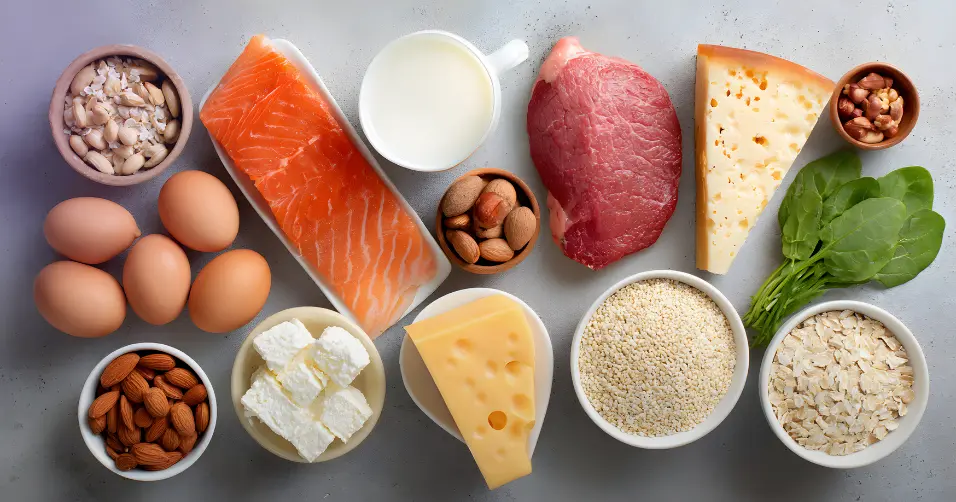
To get more protein, eat lean meats, eggs, legumes, dairy, and use protein powder when needed.
To get more protein, include a variety of sources like eggs, poultry, fish, beans, and lentils. Greek yogurt, tofu, and cottage cheese are also excellent options. For convenience, use protein shakes or bars between meals. Prioritize whole foods for steady amino acid delivery. Spreading intake evenly across meals improves absorption and muscle repair.
Combining plant and animal proteins enhances amino acid completeness.
Regular protein servings every 3–4 hours support ongoing synthesis.
Snacking on nuts or dairy boosts intake without large meals.
Planning meals ahead ensures consistent daily protein goals are met.
How To Eat 100 Grams Of Protein?
Eating 100 grams of protein daily can be done by spreading intake across multiple meals and snacks. Begin with high-protein breakfast options like eggs, Greek yogurt, or tofu scramble. Include lean proteins, legumes, and nuts in lunch and dinner for balanced nutrition. Tracking your meals or using a food scale can help stay accurate with the dosage of protein. Consistency and variety ensure all essential amino acids are consumed for muscle repair and energy.
Breakfast could include 20–25g from eggs or plant-based yogurt with seeds.
Lunch with beans, tofu, or chicken provides another 25–30g depending on portion.
Dinner of lentils, fish, or tempeh can add 30g more protein.
Snacks like protein bars or nuts supply the final 15–20g to reach the target safely.
5 Ideas How To Add Protein To Your Breakfast
Adding protein to breakfast helps support muscle repair, energy levels, and longer satiety throughout the day. You can mix both animal and plant-based sources to create balanced options that fit various diets. Start by including eggs, dairy, or legumes, and combine them with complex carbohydrates for steady energy release. Smoothies with protein-rich ingredients are also a quick solution for busy mornings. This approach ensures your breakfast supports your overall nutrition and fitness goals while keeping it enjoyable and easy to prepare.
Egg-based meals such as omelets or boiled eggs deliver complete proteins with essential amino acids for muscle maintenance.
Greek yogurt bowls mixed with fruit and seeds provide protein and probiotics for gut health.
Oatmeal upgrades with nut butter or protein powder add both texture and nutrient density.
Tofu scrambles serve as a vegan-friendly source of high-quality protein and can be flavored with vegetables and spices.
Protein smoothies combining milk, oats, and a scoop of protein powder create a fast, portable breakfast option.
5 Healthy Between-The-Meals Protein Snack Ideas
Healthy between-meal protein snacks include yogurt, boiled eggs, nuts, jerky, and protein shakes.
Here are 5 healthy between-the-meals protein snack ideas to keep energy and muscle repair steady. First, try Greek yogurt with nuts for a mix of protein and healthy fats. Second, boiled eggs make a portable, nutrient-dense option. Third, cottage cheese with fruit offers slow-digesting protein and natural sweetness. Fourth, protein smoothies with whey and berries provide quick amino acids. Fifth, roasted chickpeas or edamame add plant-based crunch and fiber.
Greek yogurt and nuts balance fast protein with lasting satiety.
Boiled eggs supply complete protein and essential minerals.
Cottage cheese delivers calcium and long-lasting fullness.
Smoothies are convenient post-workout or afternoon refuel options.
Chickpeas and edamame boost protein while aiding digestion naturally.
5 Ideas How To Add Protein To Your Lunch
To add protein to lunch, include grilled chicken, tuna, chickpeas, quinoa, or tofu.
Here are 5 easy ways to add protein to your lunch. Start by including grilled chicken or turkey in salads or wraps. Add beans or lentils to soups, stews, or grain bowls for plant-based protein. Use quinoa instead of rice for a complete amino acid profile. Include a side of Greek yogurt or cottage cheese for extra protein boost. Lastly, top meals with seeds or nuts to enhance both flavor and nutrition.
Lean poultry adds clean protein for energy and muscle maintenance.
Legumes offer fiber and slow-digesting plant protein for satiety.
Quinoa provides all essential amino acids for balanced nutrition.
Dairy sides increase calcium and protein density without much prep.
Seeds or nuts add crunch, healthy fats, and additional protein naturally.
5 Ideas How To Add Protein To Your Dinner
To add protein to dinner, use lean meats, lentils, tempeh, eggs, or cottage cheese.
Here are 5 ideas to add protein to your dinner for recovery and muscle repair. Incorporate grilled fish or lean meat as the main protein source. Add tofu or tempeh for plant-based options rich in complete amino acids. Include lentil or bean-based side dishes for extra protein and fiber. Mix in quinoa or buckwheat instead of low-protein grains. Finish with a casein-rich dessert like Greek yogurt or protein pudding for overnight recovery.
Fish and lean meats deliver high-quality protein and omega-3 fats.
Tofu and tempeh provide plant-based balance and versatile cooking options.
Legume sides boost fiber, satiety, and amino acid completeness.
Protein-focused grains improve meal texture and nutritional value.
Slow-digesting dairy-based desserts sustain muscle repair through sleep.
Simple Daily Habits To Add More Protein To Your Diet
Simple daily habits include adding nuts, seeds, eggs, or yogurt to meals for more protein.
Adopting simple daily habits to add more protein ensures consistent muscle support and fullness. Start every meal with a protein-rich food like eggs, yogurt, or legumes. Replace refined snacks with nuts, jerky, or protein bars. Add a scoop of protein powder to oatmeal or smoothies. Spread intake evenly throughout the day for optimal absorption. Planning meals ahead guarantees steady protein supply and easier tracking.
Front-loading meals with protein reduces hunger and supports steady energy.
Replacing processed snacks with high-protein options aids fat control.
Meal prepping ensures regular intake and eliminates missed servings.
Balanced distribution prevents muscle loss during long breaks between meals.
Tracking protein goals encourages awareness and long-term consistency.
How Much Protein Should You Consume Per Meal?
Aim for 20–40 grams of protein per meal for effective muscle maintenance.
The ideal protein intake per meal is around 20–40 grams depending on body size and activity level. This amount maximizes muscle protein synthesis for most people. Distributing protein evenly across 3–5 meals supports recovery and growth. Consuming more than 40 grams at once offers minimal extra benefit. Regular intake throughout the day maintains muscle repair and energy balance.
20–40 grams stimulates optimal muscle recovery and protein synthesis.
Even distribution across meals prevents amino acid waste or overload.
Heavier or more active individuals benefit from the higher end of the range.
Combining plant and animal proteins enhances absorption and completeness.
What Happens If You Eat 100 Grams Of Protein At Once?
Eating 100 grams of protein at once may not fully absorb and can cause digestive discomfort.
Eating 100 grams of protein at once is not harmful but inefficient for most people. The body uses what it needs for repair and converts the excess into energy or fat. It may also cause digestive discomfort or bloating. Splitting intake across several meals improves absorption. Balanced timing ensures steady amino acid levels for muscle recovery.
Large protein loads can strain digestion without improving growth results.
Evenly spaced servings optimize nutrient use and recovery rates.
Excess calories from large servings may hinder fat-loss goals.
Regular intake supports continuous anabolic processes more effectively.
How To Time Your Daily Protein Intake?
Space protein evenly across 3–5 meals daily to improve absorption and muscle repair.
To time daily protein intake, spread consumption evenly across meals and snacks. Aim for a protein serving every 3–4 hours. This ensures consistent amino acid availability for muscle repair. Include protein post-workout for faster recovery and before bed for overnight support. Consistency matters more than exact timing for long-term results.
Frequent smaller servings maintain anabolic balance throughout the day.
Post-exercise protein boosts recovery and performance adaptation.
Nighttime intake supports muscle preservation during fasting hours.
Structured meal timing prevents energy dips and hunger spikes.
Harald Ragnarok, Editor in Chief, Myopedia