Nutrition

Micronutrients

A Comprehensive Guide to Micronutrients

Micronutrients is an umbrella term for essential vitamins and minerals that play a crucial role in energy production, immune function, and recovery, helping to maintain optimal performance and longevity.

This article is educational and not intended to diagnose, treat, or suggest any specific intervention, and should not replace qualified medical advice.


Micronutrients are essential vitamins and minerals needed for health and function.

Are Micronutrients Good for You?

Micronutrients are good for health as they include vitamins and minerals needed in small amounts for normal growth and immunity.

Micronutrients are usually good for health because they include vitamins and minerals that the body needs in small amounts. They support vital functions like immunity, energy production, and tissue repair. Without them, deficiencies can cause conditions like scurvy (vitamin C deficiency) or anemia (iron deficiency). However, overdosing on certain micronutrients, especially through supplements, can harm the body. In general, getting them through a balanced diet is safe and highly beneficial.

  • Immune support: Vitamins like A, C, and D strengthen the body’s defenses against infections.

  • Energy production: B vitamins are crucial for converting food into usable energy.

  • Cell repair: Micronutrients like zinc and selenium help repair DNA and protect against damage.

  • Toxicity risk: Excess vitamin A or iron can be toxic and cause long-term health issues.

Micronutrients are usually good for health because they include vitamins and minerals that the body needs in small amounts. They support vital functions like immunity, energy production, and tissue repair. Without them, deficiencies can cause conditions like scurvy (vitamin C deficiency) or anemia (iron deficiency). However, overdosing on certain micronutrients, especially through supplements, can harm the body. In general, getting them through a balanced diet is safe and highly beneficial.

  • Immune support: Vitamins like A, C, and D strengthen the body’s defenses against infections.

  • Energy production: B vitamins are crucial for converting food into usable energy.

  • Cell repair: Micronutrients like zinc and selenium help repair DNA and protect against damage.

  • Toxicity risk: Excess vitamin A or iron can be toxic and cause long-term health issues.

Micronutrients: FACTS

Dietary Role

Regulate metabolism, repair, immunity, growth.

Sources

Whole foods, fruits, vegetables, nuts, seeds, meats.

Nutrient Value

Vitamins, minerals, trace elements in small amounts.

Safety & Interactions

Deficiency impairs health; excess may be toxic.

What Are Micronutrients?

Micronutrients are vitamins and minerals needed in small amounts for health.

Micronutrients are vitamins and minerals needed in very small amounts but are essential for health. They support growth, immune function, energy production, and repair processes in the body. Deficiency in micronutrients can cause serious problems, such as anemia from lack of iron or scurvy from lack of vitamin C. Because the body cannot produce most of them, they must come from food. A diverse diet is the best way to ensure adequate intake.

  • Essential role: Micronutrients keep the immune system strong and support daily body functions.

  • Deficiency risks: Lack of key micronutrients can lead to conditions like anemia, rickets, or scurvy.

  • Diet source: Fruits, vegetables, grains, dairy, and meat all provide different essential micronutrients.

  • Daily need: Although required in small amounts, missing them has large health impacts.

Micronutrients are vitamins and minerals needed in very small amounts but are essential for health. They support growth, immune function, energy production, and repair processes in the body. Deficiency in micronutrients can cause serious problems, such as anemia from lack of iron or scurvy from lack of vitamin C. Because the body cannot produce most of them, they must come from food. A diverse diet is the best way to ensure adequate intake.

  • Essential role: Micronutrients keep the immune system strong and support daily body functions.

  • Deficiency risks: Lack of key micronutrients can lead to conditions like anemia, rickets, or scurvy.

  • Diet source: Fruits, vegetables, grains, dairy, and meat all provide different essential micronutrients.

  • Daily need: Although required in small amounts, missing them has large health impacts.

How Do Micronutrients Affect Your Body?

Micronutrients act as cofactors, tiny helpers in many enzyme reactions.

Micronutrients work by supporting thousands of chemical reactions in the body. Vitamins act as coenzymes, helping enzymes break down food or build tissues. Minerals act as structural components, electrolytes, or enzyme cofactors. They work together to maintain immunity, energy, and organ function. Without them, the body cannot sustain normal growth and repair.

  • Enzyme helpers: Vitamins like B-complex aid in food-to-energy conversion.

  • Immune strength: Micronutrients such as vitamin C and zinc protect against infections.

  • Hormone production: Vitamin D and iodine are critical for hormone synthesis and balance.

  • Cell defense: Antioxidant micronutrients like selenium and vitamin E protect cells from damage.

Micronutrients work by supporting thousands of chemical reactions in the body. Vitamins act as coenzymes, helping enzymes break down food or build tissues. Minerals act as structural components, electrolytes, or enzyme cofactors. They work together to maintain immunity, energy, and organ function. Without them, the body cannot sustain normal growth and repair.

  • Enzyme helpers: Vitamins like B-complex aid in food-to-energy conversion.

  • Immune strength: Micronutrients such as vitamin C and zinc protect against infections.

  • Hormone production: Vitamin D and iodine are critical for hormone synthesis and balance.

  • Cell defense: Antioxidant micronutrients like selenium and vitamin E protect cells from damage.

What Foods Contain Micronutrients?

Micronutrients are contained in fruits, vegetables, nuts, seeds, and animal products.

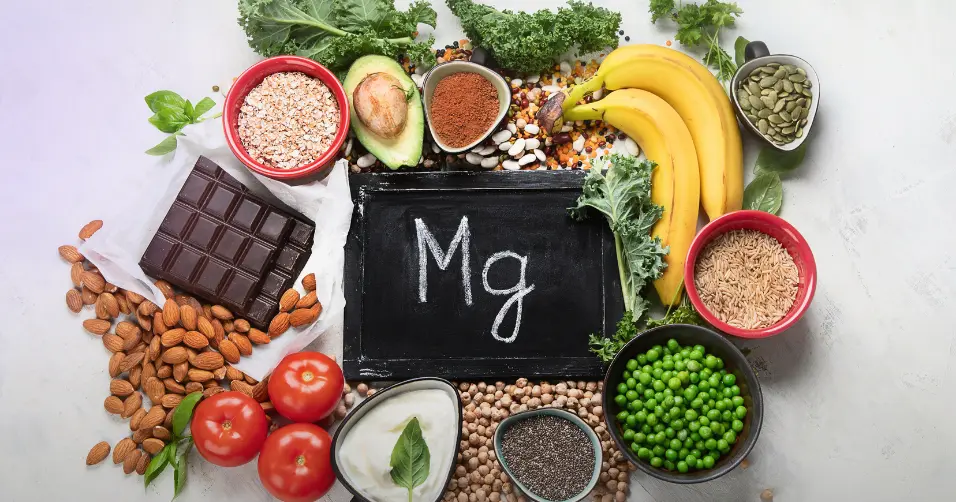
Micronutrients are found across all food groups in varying amounts. Fruits and vegetables supply vitamins A, C, and K along with minerals like potassium. Whole grains provide B vitamins and magnesium. Dairy and fortified foods contribute calcium and vitamin D. Meats, fish, and legumes supply iron, zinc, and B12.

  • Fruits and vegetables: Rich in antioxidants, vitamins, and minerals essential for immunity.

  • Whole grains: Provide B vitamins, iron, and trace minerals for energy production.

  • Dairy foods: Contain calcium, vitamin D, and iodine for bone and thyroid health.

  • Protein sources: Meat, fish, and beans are rich in iron, zinc, and vitamin B12.

Micronutrients are found across all food groups in varying amounts. Fruits and vegetables supply vitamins A, C, and K along with minerals like potassium. Whole grains provide B vitamins and magnesium. Dairy and fortified foods contribute calcium and vitamin D. Meats, fish, and legumes supply iron, zinc, and B12.

  • Fruits and vegetables: Rich in antioxidants, vitamins, and minerals essential for immunity.

  • Whole grains: Provide B vitamins, iron, and trace minerals for energy production.

  • Dairy foods: Contain calcium, vitamin D, and iodine for bone and thyroid health.

  • Protein sources: Meat, fish, and beans are rich in iron, zinc, and vitamin B12.

What Are Good Alternatives for Micronutrients?

Micronutrients alternatives are fortified foods that add essential vitamins and minerals.

Alternatives for micronutrients come from whole food groups that supply similar vitamins and minerals. If fruits are limited, vegetables can provide vitamin C and antioxidants. If dairy is avoided, fortified plant milks and leafy greens provide calcium and vitamin D. Legumes and nuts cover iron, magnesium, and zinc requirements. A colorful, varied diet naturally covers micronutrient needs without supplements for most people.

  • Vegetables: Broccoli, peppers, and kale replace fruit for vitamin C and antioxidants.

  • Fortified plant milks: Supply calcium and vitamin D without dairy.

  • Legumes: Beans and lentils cover iron and zinc needs for non-meat eaters.

  • Nuts and seeds: Provide vitamin E, magnesium, and selenium for cell protection.

Alternatives for micronutrients come from whole food groups that supply similar vitamins and minerals. If fruits are limited, vegetables can provide vitamin C and antioxidants. If dairy is avoided, fortified plant milks and leafy greens provide calcium and vitamin D. Legumes and nuts cover iron, magnesium, and zinc requirements. A colorful, varied diet naturally covers micronutrient needs without supplements for most people.

  • Vegetables: Broccoli, peppers, and kale replace fruit for vitamin C and antioxidants.

  • Fortified plant milks: Supply calcium and vitamin D without dairy.

  • Legumes: Beans and lentils cover iron and zinc needs for non-meat eaters.

  • Nuts and seeds: Provide vitamin E, magnesium, and selenium for cell protection.

How Do Micronutrients Affect Longevity?

Micronutrients may support longevity since even minor deficiencies could negatively affect health span.

Micronutrients strongly influence longevity by preventing age-related diseases. Antioxidant vitamins like C, E, and selenium reduce cell damage from free radicals. B vitamins help protect the brain and preserve memory with age. Vitamin D and calcium prevent fractures, which are a major cause of disability in older adults. Both deficiency and overdose can shorten lifespan, so balance through food is safest.

  • Oxidative stress: Antioxidants protect cells from DNA damage that accelerates aging.

  • Cognitive health: Adequate B vitamins lower risk of dementia and cognitive decline.

  • Bone strength: Vitamin D and calcium preserve independence by preventing fractures.

  • Toxicity risk: High-dose supplements may harm rather than extend life.

Micronutrients strongly influence longevity by preventing age-related diseases. Antioxidant vitamins like C, E, and selenium reduce cell damage from free radicals. B vitamins help protect the brain and preserve memory with age. Vitamin D and calcium prevent fractures, which are a major cause of disability in older adults. Both deficiency and overdose can shorten lifespan, so balance through food is safest.

  • Oxidative stress: Antioxidants protect cells from DNA damage that accelerates aging.

  • Cognitive health: Adequate B vitamins lower risk of dementia and cognitive decline.

  • Bone strength: Vitamin D and calcium preserve independence by preventing fractures.

  • Toxicity risk: High-dose supplements may harm rather than extend life.

Do Micronutrients Impact Your Workout Performance?

Micronutrients may help workouts by supporting energy metabolism and immune defenses.

Micronutrients impact workout performance by supporting energy, recovery, and immunity. B vitamins help convert food into energy during exercise. Vitamin D and calcium strengthen bones, lowering injury risk. Antioxidants like vitamin C and E protect muscles from oxidative stress after intense workouts. Without adequate micronutrients, performance, endurance, and recovery decline.

  • Energy conversion: B vitamins ensure carbohydrates and fats are turned into usable energy.

  • Bone support: Vitamin D and calcium strengthen skeletal structure under load.

  • Antioxidant defense: Vitamins C and E reduce muscle soreness from free radical damage.

  • Immunity: Zinc and vitamin C help athletes avoid illness that disrupts training.

Micronutrients impact workout performance by supporting energy, recovery, and immunity. B vitamins help convert food into energy during exercise. Vitamin D and calcium strengthen bones, lowering injury risk. Antioxidants like vitamin C and E protect muscles from oxidative stress after intense workouts. Without adequate micronutrients, performance, endurance, and recovery decline.

  • Energy conversion: B vitamins ensure carbohydrates and fats are turned into usable energy.

  • Bone support: Vitamin D and calcium strengthen skeletal structure under load.

  • Antioxidant defense: Vitamins C and E reduce muscle soreness from free radical damage.

  • Immunity: Zinc and vitamin C help athletes avoid illness that disrupts training.

What's the Nutritional Value of Micronutrients?

Micronutrients, including vitamins and minerals, have no calories but are critical for metabolism and immunity.

Micronutrients (vitamins and minerals) have no calories but are crucial for metabolism. Each one has a recommended daily allowance, such as 75–90 mg for vitamin C or 400 µg for folate. They are found in fruits, vegetables, grains, dairy, and proteins. Micronutrients regulate energy, immunity, and tissue repair rather than directly supplying fuel. A diet rich in variety ensures proper intake.

  • No caloric value: Micronutrients support metabolism but do not provide energy.

  • Wide distribution: Found across all food groups in small amounts.

  • Daily needs: Requirements are measured in milligrams or micrograms.

  • Metabolic role: Enable enzymes to convert carbs, fats, and proteins into energy.

Micronutrients (vitamins and minerals) have no calories but are crucial for metabolism. Each one has a recommended daily allowance, such as 75–90 mg for vitamin C or 400 µg for folate. They are found in fruits, vegetables, grains, dairy, and proteins. Micronutrients regulate energy, immunity, and tissue repair rather than directly supplying fuel. A diet rich in variety ensures proper intake.

  • No caloric value: Micronutrients support metabolism but do not provide energy.

  • Wide distribution: Found across all food groups in small amounts.

  • Daily needs: Requirements are measured in milligrams or micrograms.

  • Metabolic role: Enable enzymes to convert carbs, fats, and proteins into energy.

Who Should Avoid Micronutrients?

Micronutrients in large supplement doses should be avoided by those at risk of toxicity, like excess iron harming the liver.

Micronutrient supplements should be avoided or limited by people who already meet their needs through diet. Over-supplementation of fat-soluble vitamins (A, D, E, K) can cause toxicity. People with kidney or liver disease may need to restrict certain vitamins and minerals. Smokers are advised against high-dose beta-carotene, as it may increase cancer risk. Balanced food intake is safer than high-dose supplements for most individuals.

  • Toxicity risk: Excess fat-soluble vitamins accumulate in the body and cause harm.

  • Kidney/liver disease: Impaired filtering makes extra micronutrients dangerous.

  • Smokers: High beta-carotene raises lung cancer risk in this group.

  • Supplement overuse: Exceeding needs with pills can damage organs over time.

Micronutrient supplements should be avoided or limited by people who already meet their needs through diet. Over-supplementation of fat-soluble vitamins (A, D, E, K) can cause toxicity. People with kidney or liver disease may need to restrict certain vitamins and minerals. Smokers are advised against high-dose beta-carotene, as it may increase cancer risk. Balanced food intake is safer than high-dose supplements for most individuals.

  • Toxicity risk: Excess fat-soluble vitamins accumulate in the body and cause harm.

  • Kidney/liver disease: Impaired filtering makes extra micronutrients dangerous.

  • Smokers: High beta-carotene raises lung cancer risk in this group.

  • Supplement overuse: Exceeding needs with pills can damage organs over time.

Rapid changes in eating patterns may alter blood glucose, electrolytes, hydration, and physical performance. These shifts can lead to unintended results, especially with health conditions or medications. Make changes gradually where appropriate, and seek clinical monitoring if you have risk factors or concerning symptoms.

Rapid changes in eating patterns may alter blood glucose, electrolytes, hydration, and physical performance. These shifts can lead to unintended results, especially with health conditions or medications. Make changes gradually where appropriate, and seek clinical monitoring if you have risk factors or concerning symptoms.

What Are Intake Limits for Micronutrients?

Micronutrients vary by type, with recommended dietary allowances set for each vitamin and mineral.

Micronutrient limits depend on each vitamin or mineral. Fat-soluble vitamins like A, D, E, and K pose the highest risk since they accumulate in the body. For example, vitamin A should not exceed 3,000 mcg per day, while vitamin D is limited to 100 mcg. Water-soluble vitamins like C and B are safer but still have tolerable upper levels. A balanced diet usually prevents overdosing unless supplements are used heavily.

  • Vitamin A: Upper limit around 3,000 mcg daily, excess harms liver and vision.

  • Vitamin D: Safe upper limit is about 100 mcg daily for adults.

  • Vitamin C: Over 2,000 mg daily may cause stomach upset and kidney stones.

  • Supplement risk: Overuse is more dangerous than food-based intake.

Micronutrient limits depend on each vitamin or mineral. Fat-soluble vitamins like A, D, E, and K pose the highest risk since they accumulate in the body. For example, vitamin A should not exceed 3,000 mcg per day, while vitamin D is limited to 100 mcg. Water-soluble vitamins like C and B are safer but still have tolerable upper levels. A balanced diet usually prevents overdosing unless supplements are used heavily.

  • Vitamin A: Upper limit around 3,000 mcg daily, excess harms liver and vision.

  • Vitamin D: Safe upper limit is about 100 mcg daily for adults.

  • Vitamin C: Over 2,000 mg daily may cause stomach upset and kidney stones.

  • Supplement risk: Overuse is more dangerous than food-based intake.

How Are Micronutrients Metabolized?

Micronutrients are metabolized differently depending on type, with vitamins often processed in the liver.

Micronutrients are metabolized through diverse pathways depending on type. Water-soluble vitamins (like B and C) are absorbed in the intestine, used quickly, and excreted in urine. Fat-soluble vitamins (A, D, E, K) require bile for absorption and are stored in the liver and fat tissue. Minerals follow their own absorption and storage routes, with kidneys playing a central role in balance. Each micronutrient has specific enzymes and carriers that direct its metabolism.

  • Water-soluble: Absorbed quickly, used in metabolism, and excreted in urine.

  • Fat-soluble: Need bile for absorption and are stored in liver and fat.

  • Minerals: Absorbed in intestines and regulated by kidneys and hormones.

  • Enzyme use: Many micronutrients act as cofactors in metabolic reactions.

Micronutrients are metabolized through diverse pathways depending on type. Water-soluble vitamins (like B and C) are absorbed in the intestine, used quickly, and excreted in urine. Fat-soluble vitamins (A, D, E, K) require bile for absorption and are stored in the liver and fat tissue. Minerals follow their own absorption and storage routes, with kidneys playing a central role in balance. Each micronutrient has specific enzymes and carriers that direct its metabolism.

  • Water-soluble: Absorbed quickly, used in metabolism, and excreted in urine.

  • Fat-soluble: Need bile for absorption and are stored in liver and fat.

  • Minerals: Absorbed in intestines and regulated by kidneys and hormones.

  • Enzyme use: Many micronutrients act as cofactors in metabolic reactions.

Does Vitamin B12 Fit into Micronutrients?

Vitamin B12 fits into micronutrients as an essential vitamin for nerve and cell health.

Vitamin B12 fits into micronutrients because it is needed in small daily amounts. Micronutrients include vitamins and minerals essential for body function. B12 supports nerve and metabolic health. It works with folate in cell processes. Its classification reflects its small required dose.

  • Small requirement defines micronutrient status.

  • Nerve support relies partly on B12.

  • Cell division uses B12 with folate.

  • Metabolic reactions need steady supply.

  • Daily intake remains low but essential.

Vitamin B12 fits into micronutrients because it is needed in small daily amounts. Micronutrients include vitamins and minerals essential for body function. B12 supports nerve and metabolic health. It works with folate in cell processes. Its classification reflects its small required dose.

  • Small requirement defines micronutrient status.

  • Nerve support relies partly on B12.

  • Cell division uses B12 with folate.

  • Metabolic reactions need steady supply.

  • Daily intake remains low but essential.

Does Vitamin B6 Fit into Micronutrients?

Vitamin B6 fits into micronutrients as an essential nutrient for enzyme and neurotransmitter activity.

Vitamin B6 fits into micronutrients because it is required in small daily amounts for normal metabolism. It helps make neurotransmitters and supports protein processing. These roles rely on low but steady intake. B6 helps maintain hormonal and immune balance. Its classification reflects essential but minimal dose needs.

  • Small-dose requirement defines micronutrient status.

  • Neurotransmitter creation depends partly on B6.

  • Protein metabolism uses B6 enzymes.

  • Immune function benefits from stable levels.

  • Hormone balance links to B6 activity.

Vitamin B6 fits into micronutrients because it is required in small daily amounts for normal metabolism. It helps make neurotransmitters and supports protein processing. These roles rely on low but steady intake. B6 helps maintain hormonal and immune balance. Its classification reflects essential but minimal dose needs.

  • Small-dose requirement defines micronutrient status.

  • Neurotransmitter creation depends partly on B6.

  • Protein metabolism uses B6 enzymes.

  • Immune function benefits from stable levels.

  • Hormone balance links to B6 activity.

Does Vitamin C Fit into Micronutrients?

Vitamin C fits into micronutrients as a water-soluble vitamin essential for tissue repair.

Vitamin C fits into micronutrients because it is needed in small but essential amounts. Micronutrients include vitamins and minerals that support key body functions. Vitamin C supports immunity, collagen formation, and antioxidant defenses. The body cannot store large amounts. Daily consumption keeps levels steady.

  • Small-dose need defines micronutrient status.

  • Immune roles rely partly on vitamin C.

  • Antioxidant support fits micronutrient function.

  • Collagen synthesis depends on steady intake.

  • Daily supply prevents shortages.

Vitamin C fits into micronutrients because it is needed in small but essential amounts. Micronutrients include vitamins and minerals that support key body functions. Vitamin C supports immunity, collagen formation, and antioxidant defenses. The body cannot store large amounts. Daily consumption keeps levels steady.

  • Small-dose need defines micronutrient status.

  • Immune roles rely partly on vitamin C.

  • Antioxidant support fits micronutrient function.

  • Collagen synthesis depends on steady intake.

  • Daily supply prevents shortages.

Does Vitamin D Fit into Micronutrients?

Vitamin D fits into micronutrients as a fat-soluble vitamin crucial for bone and immune health.

Vitamin D fits into micronutrients because it is required in small amounts for metabolic and structural functions. It supports calcium use, muscle function, and immune regulation. The body synthesizes some through sunlight. Dietary intake fills gaps. Its essential but modest requirement confirms its classification.

  • Small-dose need defines micronutrient status.

  • Calcium balance depends partly on vitamin D.

  • Immune pathways link to its signaling.

  • Muscle function benefits from stable levels.

  • Sun exposure complements dietary intake.

Vitamin D fits into micronutrients because it is required in small amounts for metabolic and structural functions. It supports calcium use, muscle function, and immune regulation. The body synthesizes some through sunlight. Dietary intake fills gaps. Its essential but modest requirement confirms its classification.

  • Small-dose need defines micronutrient status.

  • Calcium balance depends partly on vitamin D.

  • Immune pathways link to its signaling.

  • Muscle function benefits from stable levels.

  • Sun exposure complements dietary intake.

Does Vitamin K Fit into Micronutrients?

Vitamin K fits into micronutrients as a fat-soluble vitamin for bone and clotting support.

Vitamin K fits into micronutrients because only small amounts are needed for clotting and bone protein functions. It supports essential reactions without requiring large doses. Foods provide steady supply. Its classification reflects its low daily requirement. It remains crucial for structural balance.

  • Small-dose need defines micronutrient status.

  • Clotting factors rely on vitamin K.

  • Bone proteins use K-dependent activation.

  • Dietary intake maintains function.

  • Essential classification fits micronutrient rules.

Vitamin K fits into micronutrients because only small amounts are needed for clotting and bone protein functions. It supports essential reactions without requiring large doses. Foods provide steady supply. Its classification reflects its low daily requirement. It remains crucial for structural balance.

  • Small-dose need defines micronutrient status.

  • Clotting factors rely on vitamin K.

  • Bone proteins use K-dependent activation.

  • Dietary intake maintains function.

  • Essential classification fits micronutrient rules.

Medical Disclaimer: All content on this website is intended solely for informational and educational purposes and should not be interpreted as a substitute for professional medical advice, diagnosis, or treatment, nor as encouragement or promotion for or against any particular use, product, or activity. Results may vary and are not guaranteed. No doctor–patient relationship is created by your use of this content. Always consult a qualified healthcare provider, nutritionist, or other relevant expert before starting or changing any supplement, diet, exercise, or lifestyle program. This website can contain errors. Check important information. Read our full Disclaimer.

StatusTerms of ServicePrivacy PolicyDisclaimerAbout Myopedia.

©2025 Myopedia™. All rights reserved.

Medical Disclaimer: All content on this website is intended solely for informational and educational purposes and should not be interpreted as a substitute for professional medical advice, diagnosis, or treatment, nor as encouragement or promotion for or against any particular use, product, or activity. Results may vary and are not guaranteed. No doctor–patient relationship is created by your use of this content. Always consult a qualified healthcare provider, nutritionist, or other relevant expert before starting or changing any supplement, diet, exercise, or lifestyle program. This website can contain errors. Check important information. Read our full Disclaimer.

StatusTerms of ServicePrivacy PolicyDisclaimerAbout Myopedia.

©2025 Myopedia™. All rights reserved.

Medical Disclaimer: All content on this website is intended solely for informational and educational purposes and should not be interpreted as a substitute for professional medical advice, diagnosis, or treatment, nor as encouragement or promotion for or against any particular use, product, or activity. Results may vary and are not guaranteed. No doctor–patient relationship is created by your use of this content. Always consult a qualified healthcare provider, nutritionist, or other relevant expert before starting or changing any supplement, diet, exercise, or lifestyle program. This website can contain errors. Check important information. Read our full Disclaimer.

StatusTerms of ServicePrivacy PolicyDisclaimerAbout Myopedia.

©2025 Myopedia™. All rights reserved.