Supplements
Milk Thistle
Your Complete Guide to Milk Thistle
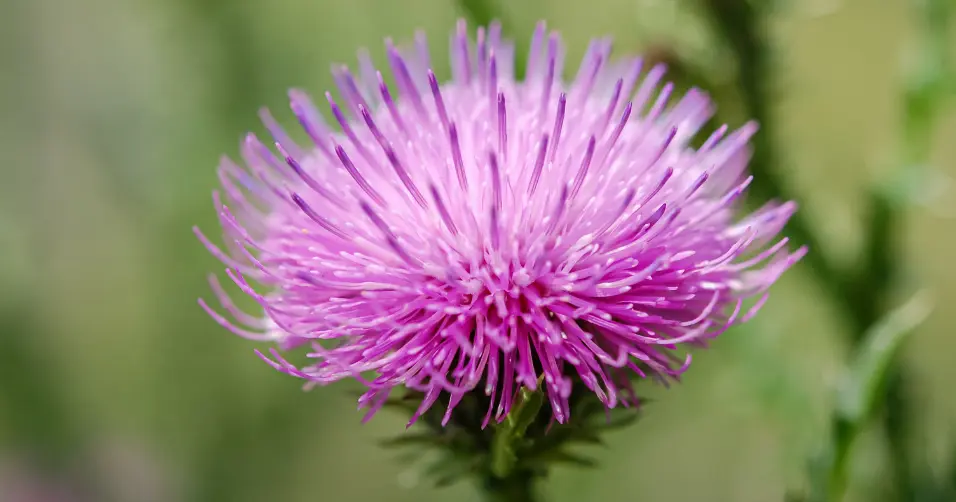
Milk Thistle is a herbal supplement known for its liver-protective properties, aiding in detoxification and overall health maintenance.
This article is educational and not intended to diagnose, treat, or suggest any specific intervention, and should not replace qualified medical advice.

What Does Milk Thistle Do?
Milk Thistle is a plant rich in silymarin, which protects the liver and supports detoxification.
Milk Thistle is primarily known for supporting liver health and protecting liver cells from toxins. It contains silymarin, a group of plant compounds with strong antioxidant and anti-inflammatory properties. It is often used by people with liver conditions or those exposed to environmental toxins. Research shows it may also help maintain healthy cholesterol levels and support blood sugar balance. Additionally, it has been studied for its potential role in skin health and anti-aging effects.
Silymarin stabilizes liver cell membranes, preventing toxins from binding and causing damage.
It enhances antioxidant defenses in the liver by raising glutathione, a key detox molecule.
Its anti-inflammatory action may reduce swelling in the digestive system and liver tissues.
Some studies suggest it helps regulate blood sugar by improving insulin sensitivity.
Milk Thistle is primarily known for supporting liver health and protecting liver cells from toxins. It contains silymarin, a group of plant compounds with strong antioxidant and anti-inflammatory properties. It is often used by people with liver conditions or those exposed to environmental toxins. Research shows it may also help maintain healthy cholesterol levels and support blood sugar balance. Additionally, it has been studied for its potential role in skin health and anti-aging effects.
Silymarin stabilizes liver cell membranes, preventing toxins from binding and causing damage.
It enhances antioxidant defenses in the liver by raising glutathione, a key detox molecule.
Its anti-inflammatory action may reduce swelling in the digestive system and liver tissues.
Some studies suggest it helps regulate blood sugar by improving insulin sensitivity.
Milk Thistle: FACTS
Role | Liver protector; antioxidant, detox support |
Form & Classification | Herbal extract; silymarin complex |
Typical Dosage & Intake | 200–600 mg/day extract |
Cycling | Not required; often long-term |
Sources | Milk thistle seeds, supplements |
Safety & Interactions | Safe; may affect liver-metabolized drugs |
Dosage information is general and may vary with product brand, quality or individual needs; verify accuracy on package and consult a qualified practitioner before use.
What Is Milk Thistle?
Milk Thistle is a plant with antioxidant compounds thought to support liver health.
Milk thistle is a plant commonly used as a herbal supplement, especially for liver health. Its main active compound, silymarin, is thought to act as an antioxidant that protects liver cells from damage. Some studies suggest it may help people with liver conditions, though evidence is mixed. It is also used to support digestion and reduce inflammation. While generally safe, it may interact with certain medications and should be used cautiously.
Liver support: Milk thistle is often used to protect the liver and aid its natural detox functions.
Antioxidant action: Silymarin helps protect cells from harmful molecules that can damage tissue.
Digestive aid: Some people take it to improve digestion and reduce stomach discomfort.
Safety concern: It may affect how some medicines work, so caution is advised with combined use.
Milk thistle is a plant commonly used as a herbal supplement, especially for liver health. Its main active compound, silymarin, is thought to act as an antioxidant that protects liver cells from damage. Some studies suggest it may help people with liver conditions, though evidence is mixed. It is also used to support digestion and reduce inflammation. While generally safe, it may interact with certain medications and should be used cautiously.
Liver support: Milk thistle is often used to protect the liver and aid its natural detox functions.
Antioxidant action: Silymarin helps protect cells from harmful molecules that can damage tissue.
Digestive aid: Some people take it to improve digestion and reduce stomach discomfort.
Safety concern: It may affect how some medicines work, so caution is advised with combined use.
Which Milk Thistle Type Is Best?
Milk Thistle standardized to 70–80% silymarin is considered most effective for liver support.
Milk Thistle supplements come in capsules, tinctures, and teas, but standardized extracts are usually considered best. Extracts with a high percentage of silymarin provide the most consistent results. Teas contain milk thistle seeds but deliver lower concentrations of active compounds. Capsules and tablets are convenient for everyday use and ensure measured dosing. Tinctures may provide faster absorption but can have a bitter taste.
Standardized extracts guarantee a reliable amount of silymarin for liver support.
Capsules and tablets make it easy to include milk thistle in daily routines.
Teas offer mild effects but may lack therapeutic potency.
Tinctures are absorbed quickly but may not be pleasant to consume.
Milk Thistle supplements come in capsules, tinctures, and teas, but standardized extracts are usually considered best. Extracts with a high percentage of silymarin provide the most consistent results. Teas contain milk thistle seeds but deliver lower concentrations of active compounds. Capsules and tablets are convenient for everyday use and ensure measured dosing. Tinctures may provide faster absorption but can have a bitter taste.
Standardized extracts guarantee a reliable amount of silymarin for liver support.
Capsules and tablets make it easy to include milk thistle in daily routines.
Teas offer mild effects but may lack therapeutic potency.
Tinctures are absorbed quickly but may not be pleasant to consume.
How to Add Milk Thistle to Your Diet?
Milk Thistle is taken as a capsule or tea made from the seeds.
Milk Thistle is most often consumed as capsules, tablets, or tea made from crushed seeds. Standardized extracts are the most reliable way to ensure consistent silymarin content. Tea provides a mild dose and can be used as a daily wellness beverage. Capsules and tablets are easy to add to a supplement routine with meals. Tinctures can be mixed with water for those who prefer liquid forms.
Capsules with standardized silymarin ensure consistent liver-support benefits.
Tea is gentle but less concentrated, suitable for everyday wellness use.
Tablets provide an easy and portable way to add milk thistle to a diet.
Tinctures can be quickly absorbed but have a strong herbal taste.
Milk Thistle is most often consumed as capsules, tablets, or tea made from crushed seeds. Standardized extracts are the most reliable way to ensure consistent silymarin content. Tea provides a mild dose and can be used as a daily wellness beverage. Capsules and tablets are easy to add to a supplement routine with meals. Tinctures can be mixed with water for those who prefer liquid forms.
Capsules with standardized silymarin ensure consistent liver-support benefits.
Tea is gentle but less concentrated, suitable for everyday wellness use.
Tablets provide an easy and portable way to add milk thistle to a diet.
Tinctures can be quickly absorbed but have a strong herbal taste.
What Are Key Ingredients of Milk Thistle?
Milk Thistle supplements contain standardized silymarin extract from seeds.
Milk Thistle has silymarin as its main active compound, which is a mix of flavonolignans. These include silybin, silydianin, and silychristin, known for their antioxidant and liver-protecting properties. The seeds also contain fatty acids, proteins, and vitamin E. Silymarin helps protect liver cells and improve regeneration. Together, these components make milk thistle a strong herbal support for detoxification.
Silybin is the most studied flavonolignan, key for liver support.
Silymarin as a whole provides antioxidant and anti-inflammatory actions.
Vitamin E in seeds adds protection against oxidative stress.
Fatty acids help support overall nutritional value of the plant.
Milk Thistle has silymarin as its main active compound, which is a mix of flavonolignans. These include silybin, silydianin, and silychristin, known for their antioxidant and liver-protecting properties. The seeds also contain fatty acids, proteins, and vitamin E. Silymarin helps protect liver cells and improve regeneration. Together, these components make milk thistle a strong herbal support for detoxification.
Silybin is the most studied flavonolignan, key for liver support.
Silymarin as a whole provides antioxidant and anti-inflammatory actions.
Vitamin E in seeds adds protection against oxidative stress.
Fatty acids help support overall nutritional value of the plant.
Which Processes Does Milk Thistle Affect?
Milk Thistle affects liver detoxification and antioxidant activity.
Milk Thistle primarily affects the liver, aiding detoxification, cell protection, and regeneration. Its antioxidant compounds help neutralize toxins and support healthy metabolism. It also influences blood sugar balance by interacting with insulin pathways. Some studies suggest effects on cholesterol metabolism as well. Overall, milk thistle’s impact centers on liver and metabolic health.
Protects liver cells from damage by toxins and free radicals.
Encourages liver cell regeneration for better detoxification capacity.
Influences blood sugar regulation through insulin sensitivity support.
Supports cholesterol balance by moderating lipid metabolism.
Milk Thistle primarily affects the liver, aiding detoxification, cell protection, and regeneration. Its antioxidant compounds help neutralize toxins and support healthy metabolism. It also influences blood sugar balance by interacting with insulin pathways. Some studies suggest effects on cholesterol metabolism as well. Overall, milk thistle’s impact centers on liver and metabolic health.
Protects liver cells from damage by toxins and free radicals.
Encourages liver cell regeneration for better detoxification capacity.
Influences blood sugar regulation through insulin sensitivity support.
Supports cholesterol balance by moderating lipid metabolism.
What Foods Contain Milk Thistle?
Milk Thistle is naturally found in the seeds of the milk thistle plant.
Milk Thistle is not generally considered a dietary food but its seeds can be consumed in teas or extracts. Some herbal teas blend milk thistle seeds with other herbs for liver support. Crushed seeds can be sprinkled into smoothies or baked goods, though this is less common. Traditional diets rarely include milk thistle directly as food. Most people rely on supplements or teas to consume it.
Seeds can be brewed into tea for gentle liver support.
Ground seeds may be added to smoothies or baked recipes.
Herbal teas sometimes combine milk thistle with other detox herbs.
It is not a regular food crop but mostly used in supplements.
Milk Thistle is not generally considered a dietary food but its seeds can be consumed in teas or extracts. Some herbal teas blend milk thistle seeds with other herbs for liver support. Crushed seeds can be sprinkled into smoothies or baked goods, though this is less common. Traditional diets rarely include milk thistle directly as food. Most people rely on supplements or teas to consume it.
Seeds can be brewed into tea for gentle liver support.
Ground seeds may be added to smoothies or baked recipes.
Herbal teas sometimes combine milk thistle with other detox herbs.
It is not a regular food crop but mostly used in supplements.
Is Milk Thistle Vegan?
Milk Thistle is vegan since it comes from plant seeds.
Milk Thistle is suitable for vegans because it is a plant-based herb with no animal-derived compounds. The seeds are harvested and processed into teas, extracts, or capsules. Most supplement forms use vegan-friendly fillers and capsules, though it’s best to check labels. Since it comes directly from a flowering plant, it aligns well with plant-based nutrition. Vegans can use it to support liver and antioxidant health without concern.
Seeds of the milk thistle plant are naturally vegan-friendly.
Capsules usually contain plant-based powders or extracts.
Checking capsule ingredients ensures they are not gelatin-based.
It provides liver support without animal-sourced ingredients.
Milk Thistle is suitable for vegans because it is a plant-based herb with no animal-derived compounds. The seeds are harvested and processed into teas, extracts, or capsules. Most supplement forms use vegan-friendly fillers and capsules, though it’s best to check labels. Since it comes directly from a flowering plant, it aligns well with plant-based nutrition. Vegans can use it to support liver and antioxidant health without concern.
Seeds of the milk thistle plant are naturally vegan-friendly.
Capsules usually contain plant-based powders or extracts.
Checking capsule ingredients ensures they are not gelatin-based.
It provides liver support without animal-sourced ingredients.
Will Milk Thistle Break a Fast?
Milk Thistle has negligible calories and does not break a fast.
Milk Thistle in pure supplement or tea form does not generally break a fast, as it is low in calories. Extracts and capsules are usually calorie-free and safe for fasting states. However, teas with added sweeteners or milk thistle mixed into smoothies would break a fast. The herb mainly provides antioxidants and liver support without affecting metabolism directly. Thus, it is compatible with fasting if taken in clean forms.
Capsules and standardized extracts are fasting-safe when calorie-free.
Herbal teas without sugar or honey maintain fasting benefits.
Added sweeteners or juice blends break a fast immediately.
The liver-supporting compounds do not interfere with fasting states.
Milk Thistle in pure supplement or tea form does not generally break a fast, as it is low in calories. Extracts and capsules are usually calorie-free and safe for fasting states. However, teas with added sweeteners or milk thistle mixed into smoothies would break a fast. The herb mainly provides antioxidants and liver support without affecting metabolism directly. Thus, it is compatible with fasting if taken in clean forms.
Capsules and standardized extracts are fasting-safe when calorie-free.
Herbal teas without sugar or honey maintain fasting benefits.
Added sweeteners or juice blends break a fast immediately.
The liver-supporting compounds do not interfere with fasting states.
Breaking a fast here is strictly physiological (e.g., insulin effects). When we say a supplement ‘does not break a fast,’ we mean it has negligible calories in normal use and is unlikely to disrupt fasting metabolism. Certain traditions or religious rules may treat any intake as breaking a fast—please follow your tradition and health needs.
How to Pick the Best Milk Thistle?
Milk Thistle should be picked in supplements standardized for silymarin content.
Milk Thistle quality depends on the concentration of silymarin in the extract. A high-quality product should state a standardized percentage, typically around 70–80%. Third-party testing ensures it is free of pesticides and contaminants. Capsules should avoid unnecessary additives and binders. Choosing an extract over raw seed powder provides more reliable potency.
Look for standardized extracts with clear silymarin percentages.
Ensure the product is tested for purity and heavy metals.
Avoid products with excess fillers or artificial binders.
Extracts provide stronger effects than ground seeds alone.
Milk Thistle quality depends on the concentration of silymarin in the extract. A high-quality product should state a standardized percentage, typically around 70–80%. Third-party testing ensures it is free of pesticides and contaminants. Capsules should avoid unnecessary additives and binders. Choosing an extract over raw seed powder provides more reliable potency.
Look for standardized extracts with clear silymarin percentages.
Ensure the product is tested for purity and heavy metals.
Avoid products with excess fillers or artificial binders.
Extracts provide stronger effects than ground seeds alone.
What’s the Optimal Dosage and Timing for Milk Thistle?
Milk Thistle is usually taken at 200–400 mg standardized extract daily.
Milk Thistle is often taken in doses of 200–400 mg of standardized extract daily. It is usually split into two or three smaller servings for better absorption. Supplements are best taken with meals to enhance bioavailability. Tea or whole seed forms provide lower doses and can be used more frequently. Consistency is important for long-term liver support rather than short-term effects.
Standardized extract doses ensure reliable silymarin intake.
Dividing doses helps maximize absorption over the day.
Taking with meals improves bioavailability of silymarin.
Teas provide lighter support but may be consumed daily.
Milk Thistle is often taken in doses of 200–400 mg of standardized extract daily. It is usually split into two or three smaller servings for better absorption. Supplements are best taken with meals to enhance bioavailability. Tea or whole seed forms provide lower doses and can be used more frequently. Consistency is important for long-term liver support rather than short-term effects.
Standardized extract doses ensure reliable silymarin intake.
Dividing doses helps maximize absorption over the day.
Taking with meals improves bioavailability of silymarin.
Teas provide lighter support but may be consumed daily.
Dosage and timing information is generalized and may not be appropriate for all individuals; occasional inaccuracies may occur. Variations in supplement purity, formulation, or quality can also affect dosing relevance. Verify accuracy on package and consult a qualified practitioner before use.
What Are Common Mistakes When Taking Milk Thistle?
Milk Thistle mistakes include using low-quality products not standardized to silymarin.
Milk Thistle mistakes include expecting immediate liver results without consistent use. Some users also take unstandardized seed powders, which may not deliver enough silymarin. Combining milk thistle with alcohol or poor diet reduces its effectiveness. People sometimes take very high doses assuming more is better, which can upset digestion. Not checking supplement purity can expose users to contaminants.
Unstandardized powders lack enough active silymarin for real effect.
Using milk thistle without lifestyle changes undermines liver support.
Excessive dosing may cause stomach discomfort or nausea.
Skipping quality testing risks exposure to unwanted contaminants.
Milk Thistle mistakes include expecting immediate liver results without consistent use. Some users also take unstandardized seed powders, which may not deliver enough silymarin. Combining milk thistle with alcohol or poor diet reduces its effectiveness. People sometimes take very high doses assuming more is better, which can upset digestion. Not checking supplement purity can expose users to contaminants.
Unstandardized powders lack enough active silymarin for real effect.
Using milk thistle without lifestyle changes undermines liver support.
Excessive dosing may cause stomach discomfort or nausea.
Skipping quality testing risks exposure to unwanted contaminants.
How Fast Does Milk Thistle Work?
Milk Thistle benefits for liver support take weeks to develop.
Milk Thistle effects usually take several weeks to become noticeable. Liver enzyme improvements in studies often appear after 4–8 weeks of daily supplementation. For general liver protection, results may be subtle and long-term. People using it for digestion may notice benefits sooner. Its antioxidant support builds gradually rather than immediately.
Liver enzyme balance may improve within 1–2 months.
Protective effects accumulate with consistent daily intake.
Digestive comfort may improve within days for some users.
Antioxidant benefits are long-term and preventive in nature.
Milk Thistle effects usually take several weeks to become noticeable. Liver enzyme improvements in studies often appear after 4–8 weeks of daily supplementation. For general liver protection, results may be subtle and long-term. People using it for digestion may notice benefits sooner. Its antioxidant support builds gradually rather than immediately.
Liver enzyme balance may improve within 1–2 months.
Protective effects accumulate with consistent daily intake.
Digestive comfort may improve within days for some users.
Antioxidant benefits are long-term and preventive in nature.
Results may vary between individuals, and no outcome is guaranteed. A tailored supplemntation plan is the best way to ensure the desired outcome.
Does Milk Thistle Require a Cooldown?
Milk Thistle may require cooldown after several months of use due to limited long-term studies.
Milk Thistle does not require a cooldown, but breaks can help evaluate its necessity. Research shows safety over long periods, but most studies last a few months. Cycling use, such as several weeks on followed by a pause, may prevent over-reliance. For liver support, lifestyle changes should accompany supplementation. Continuous use is not harmful but may not always be needed.
Milk thistle has been studied safely for up to several months.
No strict cooldown is required but can help reassess liver health.
Cycling avoids unnecessary prolonged use without evaluation.
Supports liver best when combined with lifestyle improvements.
Milk Thistle does not require a cooldown, but breaks can help evaluate its necessity. Research shows safety over long periods, but most studies last a few months. Cycling use, such as several weeks on followed by a pause, may prevent over-reliance. For liver support, lifestyle changes should accompany supplementation. Continuous use is not harmful but may not always be needed.
Milk thistle has been studied safely for up to several months.
No strict cooldown is required but can help reassess liver health.
Cycling avoids unnecessary prolonged use without evaluation.
Supports liver best when combined with lifestyle improvements.
The need to pause or cycle depends on individual factors such as goals, tolerance, and clinical context. No universal rule applies, and specialist review is recommended before making adjustments.
Does Tolerance Develop for Milk Thistle?
Milk Thistle may show reduced effect with prolonged continuous use.
Milk Thistle does not appear to cause tolerance with long-term use. Its active compound, silymarin, acts as an antioxidant and cell protector rather than a stimulant. Continuous use shows consistent support for liver function in studies. Benefits may plateau if liver stress factors are not addressed. Cycling is optional but not required for maintaining effectiveness.
Silymarin protects cells without triggering tolerance mechanisms.
Studies show continued liver support during prolonged intake.
Plateaus may reflect unchanged lifestyle stress, not tolerance.
Cycling is optional and based on user preference.
Milk Thistle does not appear to cause tolerance with long-term use. Its active compound, silymarin, acts as an antioxidant and cell protector rather than a stimulant. Continuous use shows consistent support for liver function in studies. Benefits may plateau if liver stress factors are not addressed. Cycling is optional but not required for maintaining effectiveness.
Silymarin protects cells without triggering tolerance mechanisms.
Studies show continued liver support during prolonged intake.
Plateaus may reflect unchanged lifestyle stress, not tolerance.
Cycling is optional and based on user preference.
Information on tolerance is generalized and may not reflect individual differences in metabolism, duration of use, or health status. Reactions can vary, and any adjustment should follow qualified practicioner's recommendations.
Can Milk Thistle Be Stacked?
Milk Thistle can be stacked with NAC (N-acetyl cysteine) for liver protection.
Milk Thistle stacks well with other liver-supporting nutrients such as N-acetylcysteine (NAC). It also combines with antioxidants like vitamin C and selenium for enhanced detox effects. Some blends use milk thistle with artichoke extract for digestive support. Research supports its safety in multi-herb liver formulas. Stacking beyond these combinations has limited evidence.
NAC pairs with milk thistle to raise glutathione levels in the liver.
Vitamin C and selenium improve antioxidant defense in cells.
Artichoke supports bile flow, complementing milk thistle detox actions.
Best stacking results are with compounds that directly target liver health.
Milk Thistle stacks well with other liver-supporting nutrients such as N-acetylcysteine (NAC). It also combines with antioxidants like vitamin C and selenium for enhanced detox effects. Some blends use milk thistle with artichoke extract for digestive support. Research supports its safety in multi-herb liver formulas. Stacking beyond these combinations has limited evidence.
NAC pairs with milk thistle to raise glutathione levels in the liver.
Vitamin C and selenium improve antioxidant defense in cells.
Artichoke supports bile flow, complementing milk thistle detox actions.
Best stacking results are with compounds that directly target liver health.
Many supplements can interact in ways that enhance or alter their effects. However, stacking makes it difficult to monitor the impact of each component and increases the risk of oversupplementation or unintended interactions.
Do Milk Thistle Effects Persist?
Milk Thistle effects stop when supplementation is discontinued.
The effects of Milk Thistle can persist for a short time after use because it influences liver enzymes and antioxidant pathways. Its main compound, silymarin, reduces oxidative stress in the liver, which may keep liver function stable even after stopping. However, these benefits fade as natural stressors return and liver cells are exposed to toxins. Long-term liver support generally requires consistent intake. Some protective changes in liver cell membranes may last slightly longer but not permanently.
Silymarin helps protect liver cells, but this effect weakens without continuous intake.
Antioxidant effects decrease as the compound is cleared from the body.
Enzyme balancing in the liver tends to revert within weeks of stopping.
No permanent structural liver improvements are confirmed after discontinuation.
The effects of Milk Thistle can persist for a short time after use because it influences liver enzymes and antioxidant pathways. Its main compound, silymarin, reduces oxidative stress in the liver, which may keep liver function stable even after stopping. However, these benefits fade as natural stressors return and liver cells are exposed to toxins. Long-term liver support generally requires consistent intake. Some protective changes in liver cell membranes may last slightly longer but not permanently.
Silymarin helps protect liver cells, but this effect weakens without continuous intake.
Antioxidant effects decrease as the compound is cleared from the body.
Enzyme balancing in the liver tends to revert within weeks of stopping.
No permanent structural liver improvements are confirmed after discontinuation.
Results may vary between individuals, and no outcome is guaranteed. A tailored supplemntation plan is the best way to ensure the desired outcome.
Does Milk Thistle Aid Longevity?
Milk Thistle may support longevity by protecting the liver from damage.
Milk Thistle may contribute to longevity by protecting liver health. A healthy liver is central to detoxification, hormone balance, and metabolic stability. Its antioxidants, such as silymarin, reduce oxidative stress in tissues. Some animal studies suggest anti-aging effects, but human data is limited. It is best considered a supportive herb for healthy aging, not proven lifespan extension.
Protects liver cells from toxins, supporting long-term metabolic health.
Reduces oxidative stress, a key driver of cellular aging.
Animal data hints at longevity benefits, but human proof is lacking.
Supports overall vitality through improved detox capacity.
Milk Thistle may contribute to longevity by protecting liver health. A healthy liver is central to detoxification, hormone balance, and metabolic stability. Its antioxidants, such as silymarin, reduce oxidative stress in tissues. Some animal studies suggest anti-aging effects, but human data is limited. It is best considered a supportive herb for healthy aging, not proven lifespan extension.
Protects liver cells from toxins, supporting long-term metabolic health.
Reduces oxidative stress, a key driver of cellular aging.
Animal data hints at longevity benefits, but human proof is lacking.
Supports overall vitality through improved detox capacity.
What Are Alternatives to Milk Thistle?
Milk Thistle alternatives include dandelion root and artichoke extract for liver health.
Milk Thistle alternatives include artichoke extract, which supports liver and bile flow. Dandelion root provides detox support and mild diuretic benefits. Schisandra berry is another herb used traditionally for liver and stress balance. These alternatives focus on liver and digestive system support through plant compounds.
Artichoke extract stimulates bile, aiding liver detox.
Dandelion root helps cleanse the liver and kidneys together.
Schisandra berry offers antioxidant and adaptogenic support.
All are plant-based options for liver and digestion health.
Milk Thistle alternatives include artichoke extract, which supports liver and bile flow. Dandelion root provides detox support and mild diuretic benefits. Schisandra berry is another herb used traditionally for liver and stress balance. These alternatives focus on liver and digestive system support through plant compounds.
Artichoke extract stimulates bile, aiding liver detox.
Dandelion root helps cleanse the liver and kidneys together.
Schisandra berry offers antioxidant and adaptogenic support.
All are plant-based options for liver and digestion health.
There are often alternatives that better align with personal risk profiles, preferences, or resources; comparative review with a relevant certified consultant is advised.
What Are Possible Milk Thistle Side Effects?
Milk Thistle side effects include diarrhea and allergic reactions.
Milk Thistle is generally well tolerated but may cause mild digestive issues. Some users report bloating, diarrhea, or nausea. Rare allergic reactions can happen in people sensitive to plants in the daisy family. Very high doses may affect hormone balance or interact with medications. Most side effects are mild and temporary.
Bloating and nausea are the most common complaints.
Allergic reactions may occur in sensitive individuals.
High doses could mildly affect hormones.
Interactions with medications are possible and should be monitored.
Milk Thistle is generally well tolerated but may cause mild digestive issues. Some users report bloating, diarrhea, or nausea. Rare allergic reactions can happen in people sensitive to plants in the daisy family. Very high doses may affect hormone balance or interact with medications. Most side effects are mild and temporary.
Bloating and nausea are the most common complaints.
Allergic reactions may occur in sensitive individuals.
High doses could mildly affect hormones.
Interactions with medications are possible and should be monitored.
Responses differ among individuals. If adverse effects occur, discontinuation and professional evaluation are advised.
Who Should Avoid Milk Thistle?
Milk Thistle should be avoided by people allergic to ragweed plants.
Milk Thistle should be avoided by people allergic to plants in the daisy family. Those with hormone-sensitive conditions may also need caution, as it can mildly affect estrogen. Pregnant or breastfeeding women should avoid it due to limited safety research. People taking liver-metabolized medications should consult a doctor first. Rare cases of digestive upset make it unsuitable for sensitive individuals.
Daisy family plant allergies can trigger reactions with milk thistle.
Hormone-sensitive conditions may worsen with its compounds.
Lack of pregnancy and breastfeeding data makes it unsuitable.
Medication interactions are possible via liver metabolism.
Milk Thistle should be avoided by people allergic to plants in the daisy family. Those with hormone-sensitive conditions may also need caution, as it can mildly affect estrogen. Pregnant or breastfeeding women should avoid it due to limited safety research. People taking liver-metabolized medications should consult a doctor first. Rare cases of digestive upset make it unsuitable for sensitive individuals.
Daisy family plant allergies can trigger reactions with milk thistle.
Hormone-sensitive conditions may worsen with its compounds.
Lack of pregnancy and breastfeeding data makes it unsuitable.
Medication interactions are possible via liver metabolism.
Individuals who may be at higher risk—including those with diabetes, eating disorders, pregnancy or breastfeeding, heavy training loads, health conditions, medication use, or prior adverse reactions—should seek tailored guidance before deciding supplementation or making major supplement or lifestyle changes.
Is Milk Thistle Available Over-the-Counter?
Milk Thistle is available over-the-counter as capsules and teas.
Milk Thistle is available over-the-counter in most regions. It is typically sold as capsules, tablets, or teas. Supplements are marketed for liver and digestive support. Extracts with standardized silymarin are commonly stocked. No prescription is required for general use.
OTC products include capsules, tablets, and seed teas.
Commonly sold in health food stores and pharmacies.
Marketed for liver detox and antioxidant benefits.
Standardized extracts are the most popular forms.
Milk Thistle is available over-the-counter in most regions. It is typically sold as capsules, tablets, or teas. Supplements are marketed for liver and digestive support. Extracts with standardized silymarin are commonly stocked. No prescription is required for general use.
OTC products include capsules, tablets, and seed teas.
Commonly sold in health food stores and pharmacies.
Marketed for liver detox and antioxidant benefits.
Standardized extracts are the most popular forms.
For over-the-counter availability we use generic US data. Product availability and status may vary by country and region.
What’s the History of Milk Thistle?
Milk Thistle has been used for over 2000 years in Europe for liver health.
Milk Thistle has a long history of medicinal use dating back over 2,000 years. Ancient Greeks and Romans used it to treat liver and digestive issues. In the Middle Ages, it was widely used as a “liver tonic” across Europe. Modern scientific interest began in the 20th century with the discovery of silymarin. Today, milk thistle is one of the most researched liver-supporting herbs.
Documented use goes back to ancient Greek and Roman medicine.
It was valued in medieval Europe for liver and gallbladder health.
Silymarin was isolated as the key compound in the 20th century.
Modern research supports its role in liver protection and detox.
Milk Thistle has a long history of medicinal use dating back over 2,000 years. Ancient Greeks and Romans used it to treat liver and digestive issues. In the Middle Ages, it was widely used as a “liver tonic” across Europe. Modern scientific interest began in the 20th century with the discovery of silymarin. Today, milk thistle is one of the most researched liver-supporting herbs.
Documented use goes back to ancient Greek and Roman medicine.
It was valued in medieval Europe for liver and gallbladder health.
Silymarin was isolated as the key compound in the 20th century.
Modern research supports its role in liver protection and detox.
How Does Milk Thistle Differ from Chlorella?
Milk thistle differs from chlorella by using silymarin compounds that protect liver cells from toxins rather than detoxifying directly.
Milk thistle comes from a plant seed extract, while chlorella is a freshwater algae. Milk thistle is often discussed in the context of liver-supporting herbal use, whereas chlorella is considered more of a nutrient-rich algae. Their active components differ sharply. Milk thistle contains silymarin, while chlorella contains chlorophyll and fiber. Their mechanisms and nutrient profiles are unrelated.
Milk thistle focuses on silymarin, an herbal compound linked to liver-related research. Chlorella relies on algae-based nutrients.
Chlorella offers fiber, which milk thistle lacks. This may affect digestion differently.
Different origins: one is a plant extract, the other an algae. This leads to different uses and benefits.
Milk thistle comes from a plant seed extract, while chlorella is a freshwater algae. Milk thistle is often discussed in the context of liver-supporting herbal use, whereas chlorella is considered more of a nutrient-rich algae. Their active components differ sharply. Milk thistle contains silymarin, while chlorella contains chlorophyll and fiber. Their mechanisms and nutrient profiles are unrelated.
Milk thistle focuses on silymarin, an herbal compound linked to liver-related research. Chlorella relies on algae-based nutrients.
Chlorella offers fiber, which milk thistle lacks. This may affect digestion differently.
Different origins: one is a plant extract, the other an algae. This leads to different uses and benefits.
How Does Milk Thistle Differ from Curcumin?
Milk thistle differs from curcumin as it contains silymarin, a compound studied for liver-protective antioxidant effects.
Milk thistle differs from curcumin because it contains silymarin, a compound studied for liver support. Curcumin is studied more for inflammation-related effects. Milk thistle targets liver cell stability. Curcumin acts more broadly on immune signaling. Their antioxidant profiles also differ.
Silymarin focus makes milk thistle more liver-centered.
Curcumin’s broader signaling affects inflammation pathways.
Different plant origins lead to unique compound profiles.
Milk thistle differs from curcumin because it contains silymarin, a compound studied for liver support. Curcumin is studied more for inflammation-related effects. Milk thistle targets liver cell stability. Curcumin acts more broadly on immune signaling. Their antioxidant profiles also differ.
Silymarin focus makes milk thistle more liver-centered.
Curcumin’s broader signaling affects inflammation pathways.
Different plant origins lead to unique compound profiles.
Does Milk Thistle Support Liver Health?
Milk thistle supports liver health through antioxidant compounds like silymarin.
Milk thistle is often used because it contains plant compounds studied for liver support. Research shows it may help maintain normal liver function in some conditions. Effects tend to be mild and gradual. It is widely used for general wellness. Responses vary by individual.
Contains silymarin a plant compound examined for liver-related effects.
Supports normal enzyme patterns in some studies.
Best used conservatively with realistic expectations.
Milk thistle is often used because it contains plant compounds studied for liver support. Research shows it may help maintain normal liver function in some conditions. Effects tend to be mild and gradual. It is widely used for general wellness. Responses vary by individual.
Contains silymarin a plant compound examined for liver-related effects.
Supports normal enzyme patterns in some studies.
Best used conservatively with realistic expectations.
Medical Disclaimer: All content on this website is intended solely for informational and educational purposes and should not be interpreted as a substitute for professional medical advice, diagnosis, or treatment, nor as encouragement or promotion for or against any particular use, product, or activity. Results may vary and are not guaranteed. No doctor–patient relationship is created by your use of this content. Always consult a qualified healthcare provider, nutritionist, or other relevant expert before starting or changing any supplement, diet, exercise, or lifestyle program. This website can contain errors. Check important information. Read our full Disclaimer.
Status – Terms of Service – Privacy Policy – Disclaimer – About Myopedia.
©2025 Myopedia™. All rights reserved.
Medical Disclaimer: All content on this website is intended solely for informational and educational purposes and should not be interpreted as a substitute for professional medical advice, diagnosis, or treatment, nor as encouragement or promotion for or against any particular use, product, or activity. Results may vary and are not guaranteed. No doctor–patient relationship is created by your use of this content. Always consult a qualified healthcare provider, nutritionist, or other relevant expert before starting or changing any supplement, diet, exercise, or lifestyle program. This website can contain errors. Check important information. Read our full Disclaimer.
Status – Terms of Service – Privacy Policy – Disclaimer – About Myopedia.
©2025 Myopedia™. All rights reserved.
Medical Disclaimer: All content on this website is intended solely for informational and educational purposes and should not be interpreted as a substitute for professional medical advice, diagnosis, or treatment, nor as encouragement or promotion for or against any particular use, product, or activity. Results may vary and are not guaranteed. No doctor–patient relationship is created by your use of this content. Always consult a qualified healthcare provider, nutritionist, or other relevant expert before starting or changing any supplement, diet, exercise, or lifestyle program. This website can contain errors. Check important information. Read our full Disclaimer.
Status – Terms of Service – Privacy Policy – Disclaimer – About Myopedia.
©2025 Myopedia™. All rights reserved.