Pea Protein
Your Complete Guide to Pea Protein
Pea protein, a plant-based alternative, is rich in branched-chain amino acids and iron, offering hypoallergenic muscle support for vegans or those with lactose intolerance.
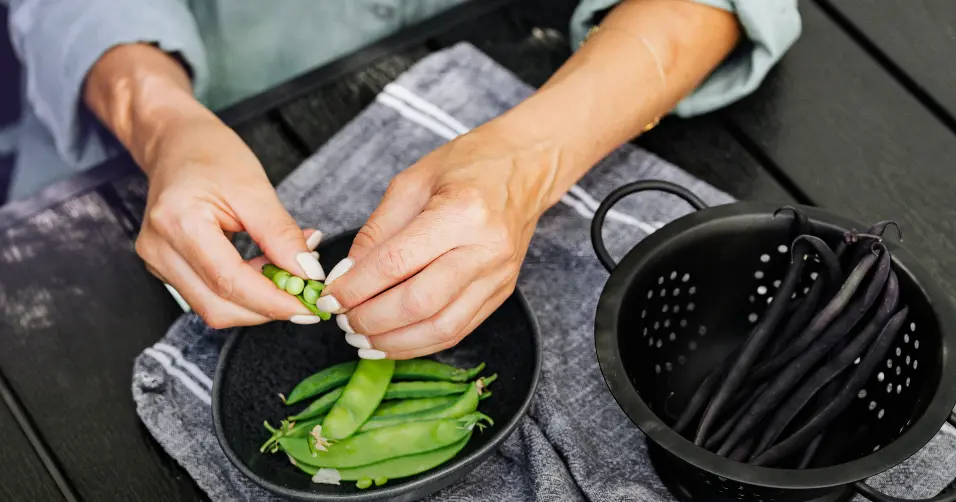
Pea protein comes from yellow peas and is a great plant-based protein source, offering a good amount of protein per serving, similar to whey.
It's packed with essential amino acids, including BCAAs like leucine, and is particularly rich in arginine, which is good for muscle and heart health.
This protein is known for being easy to digest and is hypoallergenic, making it a good choice for those with common food sensitivities like dairy or gluten.
Pea protein is an environmentally friendly option, requiring less land and having a smaller carbon footprint compared to animal-based proteins.
It can be easily added to smoothies and shakes, serving as a versatile supplement to boost your daily protein intake without replacing whole foods.
This article is educational and not intended to diagnose, treat, or suggest any specific intervention, and should not replace qualified medical advice.
Whey Protein
Top Lactose-Free Protein Options for Sensitive Stomachs

Soy Protein
Rice Protein
Plant-Based Protein
Pea Protein
Leucine
Lactose-Free Protein
Is Milk Good for Muscle Growth

Is a Protein Shake a Good Breakfast
How to Get 100 Grams of Protein a Day
How Long Does Protein Powder Last

How Is Protein Powder Made
High-Protein Vegan Meals That Boost Muscle and Energy

High-Protein Chicken Recipes for Muscle Building
Gluten-Free Protein

Does Protein Keep You Awake

Cheap and Easy High-Protein Meals for Busy Days
Casein Protein

Can Protein Make You Poop More?
Best Vegetarian Protein Sources
10 Best Seafood Protein Sources to Add to Your Diet
10 Best High-Protein Vegetarian Foods for Every Meal
10 Best High-Protein Vegan Foods for Plant-Based Diets
10 Best High-Protein Meat Dishes for Muscle Growth

10 Best High-Protein Chicken Dishes You’ll Crave
10 Best Cheeses High in Protein for Healthy Diets

8 Healthy High-Protein Dinners You’ll Want Every Night
2-Minute Protein Mug Cake Recipe
Pea Protein: FACTS
Role | Plant protein; muscle recovery, digestion-friendly |
Form & Classification | Protein isolate from yellow peas |
Typical Dosage & Intake | 20–40 g/serving |
Cycling | No cycling; daily safe |
Sources | Pea protein powders |
Safety & Interactions | Hypoallergenic, safe for most |
Dosage information is general and may vary with product brand, quality or individual needs; verify accuracy on package and consult a qualified practitioner before use.
What Does Pea Protein Do?
Pea protein helps muscle development by providing a good leucine content, which is the key amino acid for muscle protein synthesis.
Pea protein supports muscle by delivering high amounts of branched-chain amino acids, especially arginine, which also aids blood flow. While slightly lower in methionine, it is considered one of the stronger plant proteins for growth. Studies show pea protein promotes muscle thickness increases similar to whey when taken consistently. It is easy to digest and suitable for people with common allergies. Because of its amino acid profile, it works well when blended with rice protein.
High arginine content helps improve blood circulation, indirectly supporting recovery.
Pea protein provides solid amounts of leucine, key for stimulating muscle repair.
It is allergen-friendly, making it accessible to most people.
When paired with rice protein, it becomes a complete amino acid source.
What Is Pea Protein?
Pea protein is a plant protein high in arginine, an amino acid that supports blood flow and recovery.
Pea protein is made from yellow split peas and is a popular plant-based protein choice. It is high in branched-chain amino acids, particularly arginine, which supports blood flow and recovery. While it is not fully complete, it pairs well with rice protein to balance lysine content. Its digestibility is high and generally easier on the stomach compared to soy. Studies show it can support muscle growth similarly to whey when consumed in sufficient amounts.
Pea protein is naturally free from common allergens like dairy, gluten, and soy.
It has a smooth texture and blends well in shakes compared to some other plant proteins.
It is often used in vegan protein blends to strengthen the amino acid profile.
Research suggests pea protein can be as effective as whey in supporting muscle mass over training cycles.
Which Type of Pea Protein Is Best?
Pea protein isolate is best because it has high protein purity and reduced starch and fiber content.
Pea protein is best in isolate form, which offers higher protein content and improved digestibility compared to concentrate. Isolate contains fewer antinutrients, compounds that may interfere with absorption. It is also smoother in texture and easier to mix in shakes. Blends with rice protein further improve amino acid balance, especially methionine. Overall, pea isolate provides a strong, allergen-friendly option for muscle growth.
Pea isolate has higher protein density, often around 85–90% protein.
It reduces fiber and starch, making it easier on the stomach.
Blending pea with rice protein addresses its low methionine levels.
Isolate forms mix better into shakes, which is practical for daily use.
How to Add Pea Protein to Your Diet?
Pea protein can be added by stirring powder into soups, smoothies, or pancake batter.
Pea protein can be used in shakes, smoothies, or plant-based recipes. It mixes well with nut milks, fruits, and vegetables for balanced nutrition. Because of its earthy flavor, it is often combined with cocoa or vanilla in recipes. It can also be added to oatmeal, pancakes, or soups for extra protein. Pairing it with rice protein enhances its amino acid profile.
Smoothies with pea protein work well as post-workout recovery drinks.
Adding to oatmeal or pancakes increases the protein content of breakfast.
Flavoring with cocoa or vanilla improves its natural taste.
Combining pea with rice protein provides a complete amino acid profile.
What Are Key Ingredients of Pea Protein?
Pea protein’s main ingredients are arginine and lysine, amino acids needed for blood flow and tissue building.
Pea protein is rich in proteins like legumin and vicilin, which provide essential amino acids. It has a high arginine content, supporting both muscle repair and blood flow. The isolate form removes most fiber and starch, leaving concentrated protein. Natural pea protein also carries small amounts of iron and magnesium. Together, these ingredients make it a strong plant-based alternative to dairy proteins.
Legumin and vicilin are the main protein fractions contributing to amino acid content.
High arginine content supports circulation and recovery.
Pea isolate offers around 85–90% protein per serving.
Trace minerals add to its overall nutritional profile.
Which Processes Does Pea Protein Affect?
Pea protein influences blood flow, muscle recovery, and nutrient transport because of its high arginine content.
Pea protein impacts muscle protein synthesis, though slightly less than whey due to methionine levels. Its high arginine content influences nitric oxide production, which affects circulation. It supports digestive processes as it is hypoallergenic and easy to absorb. Pea protein also helps maintain lean mass during exercise or dieting. Overall, it engages both muscle and circulatory processes.
Stimulates muscle repair and growth when consumed regularly.
Arginine content boosts nitric oxide, improving blood flow to tissues.
Easy digestion supports nutrient absorption processes.
Helps preserve lean tissue during calorie restriction.
What Foods Contain Pea Protein?
Pea protein is naturally found in yellow split peas and other legumes.
Pea protein is naturally found in yellow and green peas. These legumes are protein-rich and provide many essential amino acids. Split peas and pea flour also carry high levels of protein. While not as concentrated as powders, they remain strong dietary sources. Including peas regularly can support protein intake on plant-based diets.
Whole peas provide balanced plant protein with good amino acid coverage.
Split peas are commonly used in soups and are rich in protein.
Pea flour increases protein content in baked or cooked foods.
Yellow peas are the main raw material for pea protein isolates.
Is Pea Protein Vegan?
Pea protein is vegan because it is made from yellow split peas.
Pea protein is entirely vegan since it comes from yellow peas. The isolation process uses only plant materials. It is one of the cleanest vegan protein sources available. Pea protein is widely used in vegan powders and bars. It also serves as a base for many plant-protein blends.
Comes directly from peas, without any animal involvement.
Processed in a way that preserves vegan status.
Common in powders marketed specifically for vegans.
Often blended with rice protein for complete amino acid coverage.
Will Pea Protein Break a Fast?
Pea protein will break a fast due to its calorie and protein content.
Pea protein will break a fast since it contains calories, amino acids, and small amounts of fiber or carbs. Once consumed, it triggers digestive and metabolic responses. Like other proteins, it stops fasting benefits such as autophagy. It is best reserved for eating windows after fasting. For refeeding, pea protein is a suitable vegan-friendly option.
Delivers calories that end fasting processes immediately.
Contains amino acids that start protein synthesis, ending fasting mode.
Fiber and carbs in pea protein also activate digestion.
Best consumed after fasting for muscle recovery.
Breaking a fast here is strictly physiological (e.g., insulin effects). When we say a supplement ‘does not break a fast,’ we mean it has negligible calories in normal use and is unlikely to disrupt fasting metabolism. Certain traditions or religious rules may treat any intake as breaking a fast—please follow your tradition and health needs.
What's the Best Pea Protein?
High-quality pea protein should be labeled as pea protein isolate and show a complete amino acid breakdown.
Pea protein quality depends on its isolate purity, digestibility, and amino acid content. High-quality pea protein provides 85–90% protein per scoop with minimal carbs or fats. It should be processed to reduce anti-nutrients while keeping the amino acids intact. Pairing with rice protein improves its completeness. Reliable brands test for allergens and heavy metals to ensure safety.
Isolate forms deliver the highest protein concentration with easy digestion.
Processing methods should preserve amino acid content while lowering anti-nutrients.
Blending with rice protein balances methionine deficiency.
Third-party testing ensures clean and safe supplementation.
What’s the Optimal Dosage and Timing for Pea Protein?
Pea protein is effective at 25–30 g per serving, used once or twice daily.
Pea protein is best used at doses of 25–35 grams, especially after exercise. This amount provides enough amino acids to trigger muscle protein synthesis. Blending with rice protein may improve effectiveness at the same dose. It can also be taken between meals to support daily intake. Consistency matters more than excess dosing.
25–35g per serving ensures sufficient amino acid delivery.
Best timing is post-workout for recovery support.
Blending with rice protein improves amino acid balance.
Regular use across meals keeps protein intake steady.
Dosage and timing information is generalized and may not be appropriate for all individuals; occasional inaccuracies may occur. Variations in supplement purity, formulation, or quality can also affect dosing relevance. Verify accuracy on package and consult a qualified practitioner before use.
What Are Common Mistakes When Taking Pea Protein?
A common mistake with pea protein is not checking for complete amino acid coverage when used as the sole protein source.
Pea protein mistakes include taking too little, ignoring its methionine gap, or using poor-quality powders. Some skip combining it with rice protein, limiting amino acid coverage. Others underdose, not reaching 25–35g needed for full effect. Low-grade pea protein may taste unpleasant or contain too many fillers. Failing to time it after workouts also reduces recovery benefits.
Underdosing leaves muscle protein synthesis insufficiently triggered.
Not blending with rice protein leaves methionine deficiency unresolved.
Poor-quality powders may cause taste and texture issues.
Skipping post-exercise intake reduces its usefulness.
How Fast Does Pea Protein Work?
Pea protein helps recovery within a few hours, though visible results develop over several weeks.
Pea protein begins supporting recovery within a few days of use. For muscle thickness or growth, results are seen after 8–10 weeks of consistent intake. Studies show its effects are similar to whey when consumed at proper doses. Digestive comfort may improve quickly compared to dairy proteins. Long-term consistency ensures muscle-building results.
Recovery benefits appear in the first week of use.
Muscle growth usually shows after 8–10 weeks of training and intake.
Comparable to whey when consumed in equal protein amounts.
Gentle digestion benefits may be noticed immediately.
Results may vary between individuals, and no outcome is guaranteed. A tailored supplemntation plan is the best way to ensure the desired outcome.
Does Pea Protein Require a Cooldown?
Pea protein does not require a cooldown, but variety in protein sources is recommended.
Pea protein does not require a cooldown because it is food-derived and plant-based. It can be taken daily without risks linked to cycling. Like other plant proteins, it works best when paired with other protein sources for variety. People with sensitivities to legumes may consider breaks if issues arise. For most users, continuous intake is safe.
Safe for everyday use without structured cooldowns.
Best combined with rice protein for amino acid balance.
Cooldown is optional, only if digestive issues occur.
Considered reliable for long-term vegan protein intake.
The need to pause or cycle depends on individual factors such as goals, tolerance, and clinical context. No universal rule applies, and specialist review is recommended before making adjustments.
Does Tolerance Develop for Pea Protein?
Pea protein does not cause tolerance, as it functions like other dietary proteins.
Pea protein does not lead to tolerance because it is a plant-derived nutrient. The body continues to process its amino acids for muscle repair as long as demand exists. If results decline, it is usually due to amino acid imbalance rather than adaptation. Regular pairing with rice protein avoids this issue. There is no need for breaks to restore effectiveness.
No tolerance develops since pea protein is food-based.
Results remain steady if taken in adequate doses.
Any plateau is caused by incomplete amino acid coverage, not adaptation.
Combining with rice protein ensures ongoing effectiveness.
Information on tolerance is generalized and may not reflect individual differences in metabolism, duration of use, or health status. Reactions can vary, and any adjustment should follow qualified practicioner's recommendations.
Is Pea Protein Safe?
Pea protein is regarded as safe for long-term consumption and is easily digested with few reported side effects.
Pea protein is safe for long-term use and well tolerated by most people. It is hypoallergenic and contains a good amino acid profile, though lower in methionine. Studies show no negative health impacts when consumed daily. It is often used as part of plant-based protein blends for balance. Regular use supports muscle and overall protein intake without known long-term risks.
Pea protein does not stress the kidneys in healthy people when used appropriately.
Its digestibility makes it suitable for those avoiding dairy or soy proteins.
Supplementing with grains or rice protein ensures a complete amino acid intake.
Long-term use is supported by its natural origin and absence of harmful compounds.
Everyone’s biology and history are different. Unknown or underlying conditions can introduce unforeseen risks. Individualized professional advice is always recommended.
Can Pea Protein Be Stacked?
Pea protein stacks best with rice protein to balance amino acid content.
Pea protein stacks effectively with rice protein to provide a balanced amino acid profile. Adding leucine boosts anabolic signaling since pea alone has slightly lower methionine. Creatine works well with pea protein for vegan muscle support. Post-workout, pairing with carbs improves glycogen recovery. This makes pea protein highly versatile in vegan stacks.
Rice protein complements pea by covering amino acid gaps.
Leucine boosts the anabolic signal alongside pea intake.
Creatine stacking supports vegan-friendly strength training.
Carbohydrates enhance recovery and energy balance.
Many supplements can interact in ways that enhance or alter their effects. However, stacking makes it difficult to monitor the impact of each component and increases the risk of oversupplementation or unintended interactions.
Do Pea Protein Effects Persist?
Pea protein effects last as long as protein needs are consistently met.
Pea protein supports muscle recovery for hours after consumption. Long-term benefits persist with consistent intake in balanced doses. If stopped, effects decline unless replaced by other proteins. Pairing with rice protein ensures better lasting results. Persistence depends mainly on overall protein sufficiency in the diet.
Recovery effects last only a few hours after use.
Daily use maintains lean mass long term.
Stopping without replacement reduces effectiveness.
Combining with rice protein improves long-term persistence.
Results may vary between individuals, and no outcome is guaranteed. A tailored supplemntation plan is the best way to ensure the desired outcome.
What Are Alternatives to Pea Protein?
Pea protein alternatives are rice protein, soy protein, and hemp protein.
Pea protein alternatives include rice protein, soy protein, and hemp protein. Rice protein balances pea’s methionine deficiency, making the pair highly effective. Soy protein is a complete standalone option but less hypoallergenic. Hemp protein provides added nutrients though at lower protein density. These ensure variety for vegan and allergy-sensitive diets.
Rice protein pairs well with pea for amino acid balance.
Soy serves as a full replacement with all essentials.
Hemp offers omega-3s and fiber alongside protein.
Alternatives chosen based on diet and digestion needs.
There are often alternatives that better align with personal risk profiles, preferences, or resources; comparative review with a relevant certified consultant is advised.
Does Pea Protein Aid Longevity?
Pea protein may aid longevity by offering a plant-based, heart-healthy protein source.
Pea protein may support longevity by maintaining lean muscle and offering a hypoallergenic, vegan-friendly option. Its arginine content aids circulation, which supports cardiovascular health over time. By preventing muscle loss, it reduces risks tied to aging weakness. It lacks unique longevity compounds but supports overall dietary patterns linked to long life. Its main benefit is sustaining strength into older age.
Helps preserve lean tissue, reducing frailty risk.
Arginine content improves blood flow and cardiovascular health.
Hypoallergenic nature supports safe, long-term use.
Fits into plant-based diets associated with longevity.
How Does Pea Protein Compare with Similar Supplements?
Pea protein compared with soy is hypoallergenic and free of isoflavones but slightly lower in methionine.
Pea protein compares well with soy and rice protein, often serving as the base of vegan blends. Soy is complete on its own, while pea requires rice to balance methionine levels. Compared to whey, pea has similar muscle growth results in studies but slightly slower digestion. Pea protein is also hypoallergenic, unlike soy for some people. It stands as one of the best plant alternatives to whey.
Similar muscle-building effect to whey when dosed equally.
Less complete than soy alone, but balanced with rice for effectiveness.
Hypoallergenic advantage over soy, good for sensitive users.
Digests slower than whey, but still effective in recovery.
What Are Possible Side Effects of Pea Protein?
Pea protein side effects may include bloating or gas due to its fiber content.
Pea protein side effects are usually mild and digestive, such as bloating or gas. Some people sensitive to legumes may experience discomfort. It is hypoallergenic compared to soy and dairy proteins, making severe reactions rare. Excessive intake may cause stomach heaviness or reduced appetite. Quality pea protein powders reduce chances of impurities or contamination.
Gas and bloating may occur, especially in sensitive individuals.
Legume sensitivity may cause mild digestive discomfort.
Hypoallergenic nature makes allergic reactions uncommon.
High doses may cause heaviness or reduced appetite.
Responses differ among individuals. If adverse effects occur, discontinuation and professional evaluation are advised.
Who Should Avoid Pea Protein?
Pea protein should be avoided by people with pea or legume allergy.
Pea protein should be avoided by people with legume allergies, since peas are part of this family. Those with kidney disease should limit intake to avoid excess protein load. Digestive sensitivities may cause bloating at high doses. Otherwise, pea protein is widely considered safe for most. Care is mainly required for those with existing health conditions.
Legume allergies make pea protein unsafe for some.
Kidney patients must limit high protein intake, including pea protein.
Sensitive people may get bloating with large servings.
Safe for most when consumed in balanced amounts.
Individuals who may be at higher risk—including those with diabetes, eating disorders, pregnancy or breastfeeding, heavy training loads, health conditions, medication use, or prior adverse reactions—should seek tailored guidance before deciding supplementation or making major supplement or lifestyle changes.
What Is the Regulatory Status of Pea Protein?
Pea protein is regulated as a food ingredient and widely approved as safe.
Pea protein is classified as a food product and follows standard dietary supplement regulations. It is widely recognized as safe, with no restrictions from sports organizations. Since it is hypoallergenic, it usually requires fewer allergen warnings than soy or whey. Regulators mainly focus on ensuring the stated protein content is accurate. Contamination control is also part of oversight to guarantee product safety.
Pea protein is considered safe and does not require special approvals.
It is regulated as a dietary supplement or food depending on the market.
Sports regulatory bodies allow its use without restriction.
Labeling must clearly state protein content and any additives used.
Regulations differ by region and change over time. This overview is general; please check current rules where you live and, if relevant, your sport’s governing body.
What’s the History of Pea Protein?
Pea protein history traces back to Europe in the 1970s as an alternative protein for vegetarian diets.
Pea protein has been part of diets through peas for thousands of years. As a supplement, it emerged in recent decades to meet vegan demand. Its digestibility and amino acid profile made it a strong plant-based alternative to whey. Studies in the 2010s confirmed its effectiveness for muscle growth. Today, it is often blended with rice protein for complete nutrition.
Peas used as food for centuries worldwide.
Pea protein powder developed for vegan supplementation.
Grew popular as a hypoallergenic protein option.
Research validated its muscle-building potential in recent years.
Does Pea Protein Powder Work?
Yes, pea protein powder works effectively as a plant-based protein for muscle repair and growth.
Pea protein powder is effective for muscle growth when taken consistently. It offers a strong amino acid profile, especially high in arginine and lysine. Though slightly lower in methionine, it supports muscle recovery well. When combined with resistance training, gains are comparable to dairy protein. It is suitable for individuals with dairy or gluten sensitivities.
Adding rice or hemp protein balances amino acid completeness.
Pea protein digests moderately fast, ideal for post-workout use.
Low allergen content makes it gentle on the digestive system.
Fortified formulas may include added BCAAs for improved effectiveness.
Results may vary between individuals, and no outcome is guaranteed. A tailored supplemntation plan is the best way to ensure the desired outcome.
Can You Cook With Pea Protein Powder?
Yes, you can cook or bake with pea protein powder without losing much nutritional value.
Pea protein powder can be used in cooking, retaining most of its nutritional value. It blends well into baked goods, pancakes, or soups without major taste changes. Heating slightly reduces digestibility but keeps protein content intact. It can replace part of flour in recipes for extra protein. Users should experiment with ratios to maintain good texture.
Cooking temperatures below 160°C preserve most amino acids.
Adding extra liquid improves texture when replacing flour.
Suitable for savory or sweet dishes due to neutral flavor.
Useful for increasing protein intake in plant-based diets.
Hemp Protein Vs Pea Protein
Hemp protein contains more fiber and omega-3s, while pea protein offers higher total protein and better muscle-building support.
Hemp protein vs pea protein mainly differs in nutrient composition and digestibility. Hemp offers more omega-3 fats and fiber, while pea protein provides more complete amino acids. Pea protein digests faster, making it ideal for post-workout recovery. Hemp supports gut health and sustained energy due to higher fiber. Combining both provides a balanced nutritional profile.
Pea protein has higher lysine content crucial for muscle repair.
Hemp adds essential fatty acids that improve overall metabolism.
Blending them balances amino acid completeness and digestive comfort.
Both are suitable for plant-based diets with different health focuses.
Pea Protein Vs Whey Protein
Pea protein has slightly less leucine than whey but is a good alternative for lactose-intolerant or vegan users.
Pea protein and whey protein are both effective, but whey digests faster and contains slightly higher leucine. Pea protein is dairy-free and easier on digestion for sensitive users. Whey may promote quicker muscle recovery post-workout, while pea protein supports steady repair over time. Both can build similar muscle mass when total protein intake is matched. The choice depends on dietary preference and tolerance.
Whey triggers faster muscle protein synthesis due to rapid absorption.
Pea protein offers hypoallergenic benefits and steady amino acid release.
Both proteins are complete when combined with balanced nutrition.
Personal digestion and lifestyle dictate which is more practical long term.
Harald Ragnarok, Editor in Chief, Myopedia