Vitamin B2: Riboflavin
A Beginner’s Guide to Riboflavin
Riboflavin, or vitamin B2, plays a key role in energy production, antioxidant activity, and the metabolism of fats, drugs, and steroids. Dairy products, eggs, and green vegetables are rich sources, and deficiency may cause skin disorders or vision problems.

Riboflavin, or vitamin B2, is important for energy production and helps your body use fats, drugs, and steroids.
Your body absorbs Riboflavin mainly in the small intestine and doesn't store much, so excess is usually peed out.
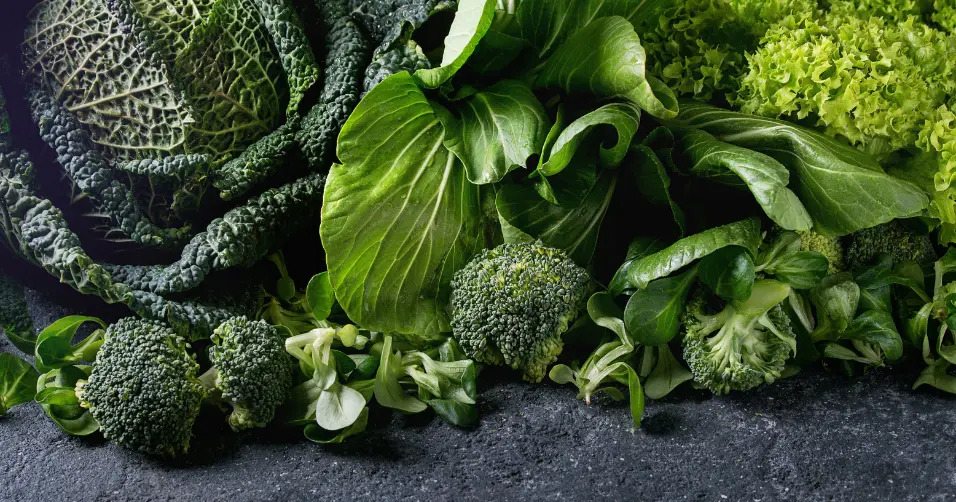
You can get Riboflavin from animal products like meat and dairy, fortified foods like cereals, and some plant sources like nuts and green veggies.
A common way to check Riboflavin levels involves looking at an enzyme in your red blood cells, but it's not always straightforward.
While serious Riboflavin deficiency is rare in places like the US, symptoms can include skin and mouth issues, and it's often seen alongside other nutrient deficiencies.
This article is educational and not intended to diagnose, treat, or suggest any specific intervention, and should not replace qualified medical advice.






Riboflavin: FACTS
Role | Energy metabolism; antioxidant support |
Form & Classification | Vitamin B2, water-soluble |
Typical Dosage & Intake | 1.1–1.3 mg/day |
Cycling | Not required |
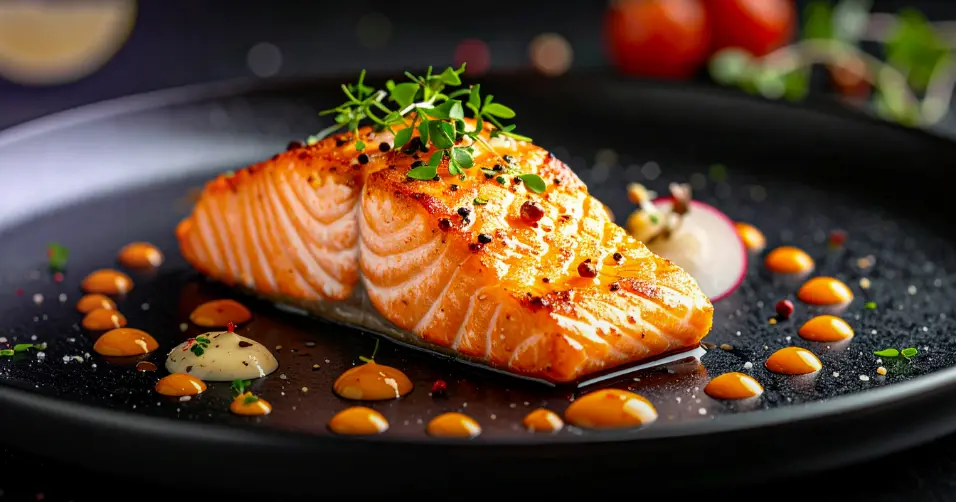
Sources | Eggs, dairy, meat, leafy greens |
Safety & Interactions | Very safe; excess turns urine bright yellow |
Dosage information is general and may vary with product brand, quality or individual needs; verify accuracy on package and consult a qualified practitioner before use.
What Does Riboflavin Do?
Riboflavin, also called vitamin B2, helps the body convert food into energy and supports cell function.
Riboflavin, also known as vitamin B2, is vital for turning food into usable energy. It is a cofactor in many metabolic pathways, especially those involving carbohydrates, fats, and proteins. Riboflavin supports the production of red blood cells and maintains healthy skin and eyes. It also helps recycle glutathione, a key antioxidant that defends cells against oxidative stress. Low intake may result in fatigue, mouth sores, or sensitivity to light.
Assists enzymes in producing cellular energy through the citric acid cycle.
Supports red blood cell formation, helping prevent anemia and fatigue.
Promotes skin and eye health by supporting tissue repair and reducing oxidative stress.
Recycles antioxidants, strengthening the body’s natural defense system.
What Is Riboflavin?
Riboflavin is vitamin B2, needed for energy production and cell function.
Riboflavin, also known as vitamin B2, is a water-soluble vitamin important for energy production and metabolism. It helps the body convert carbohydrates, fats, and proteins into usable energy. Riboflavin is found in foods such as eggs, milk, lean meats, and green vegetables. Deficiency can cause symptoms like cracked lips, sore throat, and skin disorders. Because the body does not store much riboflavin, it needs to be consumed regularly.
Energy role: Riboflavin helps release energy from food by supporting enzymes.
Antioxidant support: It assists in protecting cells from oxidative stress.
Deficiency signs: Cracked lips and skin inflammation are common symptoms of low intake.
Dietary sources: Found in dairy, eggs, leafy greens, and whole grains.
Which Riboflavin Type Is Best?
Riboflavin-5-phosphate is the active form of vitamin B2 and better utilized by the body.
The best type of Riboflavin is riboflavin-5’-phosphate, the active form that the body uses directly. Standard riboflavin is also effective, though it requires conversion in the body. Supplements in capsule or tablet form are convenient for consistent intake. Food-derived riboflavin blends may offer additional synergistic nutrients. The choice depends on personal absorption and dietary needs.
Riboflavin-5’-phosphate avoids the need for conversion, supporting quicker use in energy metabolism.
Standard riboflavin supplements are widely available and affordable while still effective.
Capsules and tablets provide reliable daily dosing without major differences in bioavailability.
Food-based riboflavin blends include additional nutrients that may aid absorption and balance.
How to Add Riboflavin to Your Diet?
Riboflavin can be added with dairy, eggs, meat, and green vegetables.
You can add Riboflavin to your diet by eating foods such as dairy, eggs, lean meats, and green vegetables. Supplements in capsule or tablet form are also widely available. Riboflavin is water-soluble, so it is best taken with meals for better use by the body. Cooking can destroy riboflavin, so lightly steaming vegetables helps preserve it. Daily intake is important since the body does not store large amounts.
Consume dairy and eggs regularly for reliable riboflavin intake.
Capsules or tablets can help meet needs if diet is low in animal products.
Take with meals to enhance utilization in energy pathways.
Steam vegetables instead of boiling to keep more riboflavin intact.
What Are Key Ingredients of Riboflavin?
Riboflavin supplements contain riboflavin (vitamin B2) or riboflavin-5-phosphate.
The key ingredients of Riboflavin supplements are riboflavin itself or its active form, riboflavin-5’-phosphate. These compounds serve as cofactors in energy-producing enzymes. Sometimes riboflavin is included in B-complex blends for broader support. The vitamin contributes to red blood cell formation and antioxidant recycling. Its water-soluble nature means it must be replenished daily.
Riboflavin is the base ingredient supporting energy metabolism pathways.
Riboflavin-5’-phosphate is a pre-activated form for immediate use by cells.
Often paired with other B vitamins to enhance metabolic synergy.
Supports antioxidant recycling, particularly glutathione activity.
Which Processes Does Riboflavin Affect?
Riboflavin influences energy production and breakdown of fats, proteins, and carbs.
Riboflavin affects processes of cellular energy production and antioxidant recycling. It is part of coenzymes FAD and FMN, which drive reactions in metabolism. Riboflavin also supports red blood cell production and oxygen delivery. It influences skin and eye tissue repair processes. Antioxidant regeneration, particularly of glutathione, depends on riboflavin.
Enables carbohydrate, fat, and protein breakdown into usable energy.
Supports red blood cell creation, ensuring oxygen supply throughout the body.
Aids skin and eye repair by contributing to tissue enzyme activity.
Recycles antioxidants, maintaining cellular protection systems.
What Foods Contain Riboflavin?
Riboflavin is naturally found in milk, eggs, and leafy greens.
Riboflavin is naturally found in dairy products, eggs, and lean meats. Plant-based sources include almonds, mushrooms, and leafy greens. Fortified cereals often provide significant amounts. Organ meats, such as liver, are especially rich in riboflavin. A balanced diet with both plant and animal foods covers most needs.
Milk and cheese are among the most consistent riboflavin sources.
Eggs and lean meats contribute to steady intake.
Almonds and mushrooms provide plant-based riboflavin.
Fortified cereals help meet needs in populations with lower animal food intake.
Is Riboflavin Vegan?
Riboflavin is vegan if synthetically produced or from microbial fermentation.
Riboflavin is suitable for vegans when sourced from fermentation or plant-derived processes. Some riboflavin comes from microbial fermentation, making it vegan-friendly. Food sources include almonds, mushrooms, and fortified cereals. Animal products are rich in riboflavin, but supplements offer vegan alternatives. Label checking ensures no animal-based carriers are used.
Microbial fermentation provides vegan riboflavin supplements.
Plant foods like almonds and mushrooms naturally contain riboflavin.
Animal-based foods are not necessary to meet riboflavin needs.
Fortified cereals ensure vegans have accessible riboflavin sources.
Will Riboflavin Break a Fast?
Riboflavin does not break a fast since it has no caloric energy.
Riboflavin does not break a fast because it provides no calories by itself. As a vitamin, it acts as a coenzyme without contributing energy directly. It does not impact insulin levels or autophagy. Some people take B-complex vitamins during fasting without problems. For best absorption, it is usually paired with meals, but it does not disrupt fasting states.
Riboflavin has no calories, so it does not interfere with fasting metabolism.
Safe for use during intermittent or prolonged fasting.
Does not affect insulin or autophagy processes.
Absorption may be improved if taken with food.
Breaking a fast here is strictly physiological (e.g., insulin effects). When we say a supplement ‘does not break a fast,’ we mean it has negligible calories in normal use and is unlikely to disrupt fasting metabolism. Certain traditions or religious rules may treat any intake as breaking a fast—please follow your tradition and health needs.
How to Pick the Best Riboflavin?
Riboflavin should be chosen from trusted suppliers with clear labeling of riboflavin or riboflavin-5-phosphate.
To pick high-quality Riboflavin, consider supplements that use riboflavin-5’-phosphate, the active form. Ensure labeling clearly lists the type and amount of riboflavin. Products combined with other B vitamins may provide better synergy. Choose brands with third-party verification for accuracy. Capsules tend to dissolve more easily than hard tablets.
Active form riboflavin-5’-phosphate ensures direct use by the body.
Clear labeling prevents confusion with low-dose or inactive products.
B-complex blends may improve overall energy metabolism benefits.
Third-party testing confirms potency and purity.
What’s the Optimal Dosage and Timing for Riboflavin?
Riboflavin is often taken at 1.1–1.3 mg daily, ideally with food.
The optimal dosage and timing for Riboflavin is 1.1–1.3 mg daily for adults, though therapeutic use may be higher. It is usually taken with meals to improve absorption. Since it is water-soluble, excess is excreted and must be replenished daily. Divided doses may be more effective in high-need cases like migraine support. Timing is flexible, but routine intake is most important.
Daily need is around 1.1–1.3 mg, with higher therapeutic use in some studies.
Taking with food improves absorption in the digestive tract.
Excess riboflavin is flushed out, requiring daily intake.
Divided doses may support specific health conditions more effectively.
Dosage and timing information is generalized and may not be appropriate for all individuals; occasional inaccuracies may occur. Variations in supplement purity, formulation, or quality can also affect dosing relevance. Verify accuracy on package and consult a qualified practitioner before use.
What Are Common Mistakes When Taking Riboflavin?
Riboflavin mistakes include inconsistent intake since it is water-soluble and easily lost.
Common mistakes when taking Riboflavin include assuming excess intake provides more benefits, though excess is excreted. People may take it on an empty stomach, leading to reduced absorption. Some ignore cooking losses, not realizing riboflavin is destroyed by light and heat. Skipping daily intake is another mistake, since the body does not store it. Overlooking its role in synergy with other B vitamins may limit effects.
Megadoses offer little added benefit since riboflavin is water-soluble.
Taking without food can limit uptake in the body.
Cooking methods like boiling may reduce riboflavin in foods.
Inconsistent intake leads to deficiency due to lack of storage.
How Fast Does Riboflavin Work?
Riboflavin supports energy metabolism within days.
Riboflavin works quickly in deficiency cases, with energy and fatigue improvement noticeable within days. For general wellness, benefits like antioxidant recycling develop over weeks. Migraine studies show effects after at least 1–3 months of supplementation. Since riboflavin is water-soluble, it needs daily replenishment. Skipping intake can quickly reduce its benefits.
Deficiency correction can improve energy in just a few days.
Migraine prevention benefits usually require 1–3 months of use.
Antioxidant regeneration builds gradually with consistent intake.
Daily replenishment is necessary due to lack of storage in the body.
Results may vary between individuals, and no outcome is guaranteed. A tailored supplemntation plan is the best way to ensure the desired outcome.
Does Riboflavin Require a Cooldown?
Riboflavin does not require cooldown because it is water-soluble.
Riboflavin does not require a cooldown because it is water-soluble and excess is excreted in urine. Continuous daily intake is safe and often necessary. Cycling provides no added benefit since the body cannot store it. Daily intake from food or supplements ensures consistent support. No rest periods are recommended or needed.
Excess riboflavin leaves the body quickly, preventing buildup.
Safe to take continuously without breaks.
Daily replenishment is required due to lack of storage.
Cooldowns are unnecessary for this vitamin.
The need to pause or cycle depends on individual factors such as goals, tolerance, and clinical context. No universal rule applies, and specialist review is recommended before making adjustments.
Does Tolerance Develop for Riboflavin?
Riboflavin does not cause tolerance because excess is excreted.
Riboflavin does not lead to tolerance, since it is a water-soluble vitamin. Excess amounts are excreted in urine rather than reducing its effect. Benefits depend on daily intake rather than cumulative use. The body does not adjust to make riboflavin less effective. Consistency ensures steady results without diminishing returns.
Water-soluble vitamins like riboflavin do not build tolerance.
Excess is excreted instead of altering effectiveness.
Daily replenishment maintains benefits over time.
No adaptation occurs to reduce riboflavin’s impact on metabolism.
Information on tolerance is generalized and may not reflect individual differences in metabolism, duration of use, or health status. Reactions can vary, and any adjustment should follow qualified practicioner's recommendations.
Can Riboflavin Be Stacked?
Riboflavin can be stacked with other B vitamins for energy production.
Riboflavin stacks well with other B vitamins in a B-complex for energy metabolism. It also combines with magnesium to support cellular energy production. Riboflavin pairs with niacin to strengthen coenzyme activity. Together with iron, it supports hemoglobin formation. Stacking riboflavin is most effective in synergistic vitamin blends.
B-complex blends ensure balanced intake across all B vitamins.
Magnesium and riboflavin support mitochondria and energy conversion.
Riboflavin and niacin both contribute to NAD/NADP-dependent reactions.
Iron + riboflavin enhance red blood cell production and oxygen delivery.
Many supplements can interact in ways that enhance or alter their effects. However, stacking makes it difficult to monitor the impact of each component and increases the risk of oversupplementation or unintended interactions.
Do Riboflavin Effects Persist?
Riboflavin effects fade quickly since it is water-soluble.
Riboflavin effects do not persist long after stopping because it is water-soluble. Excess leaves the body within hours to days. Energy and antioxidant benefits decline quickly without replenishment. Symptoms of deficiency may return if intake is interrupted. Continuous daily intake is needed to maintain effects.
Riboflavin is flushed out rapidly, leaving little reserve.
Energy metabolism weakens quickly without daily intake.
Antioxidant recycling declines within days of stopping.
Daily use is required for ongoing benefits.
Results may vary between individuals, and no outcome is guaranteed. A tailored supplemntation plan is the best way to ensure the desired outcome.
Does Riboflavin Aid Longevity?
Riboflavin may aid longevity by supporting energy production and antioxidant defense.
Riboflavin may aid longevity by supporting cellular energy and antioxidant recycling. It helps regenerate glutathione, one of the body’s strongest defenses against aging. Riboflavin also reduces homocysteine levels, protecting cardiovascular health. Continuous intake prevents fatigue and tissue deterioration. Its role is supportive rather than directly lifespan-extending.
Supports mitochondrial energy, maintaining vitality into older age.
Helps recycle antioxidants that defend against cellular aging.
Reduces homocysteine, protecting cardiovascular health over time.
Prevents fatigue and weakness, improving aging quality.
What Are Alternatives to Riboflavin?
Riboflavin alternatives include dairy, eggs, and leafy vegetables.
Riboflavin alternatives include other B vitamins such as niacin and thiamine for energy metabolism. Multivitamin blends ensure coverage if riboflavin is lacking. Foods like fortified cereals provide riboflavin replacements naturally. Antioxidants like vitamin C support oxidative balance in place of riboflavin’s recycling role. These alternatives overlap in function but not identically.
Niacin and thiamine substitute in energy conversion pathways.
Multivitamins ensure broad coverage including riboflavin gaps.
Fortified foods naturally replace missing riboflavin in diets.
Vitamin C aids oxidative stress balance when riboflavin is low.
There are often alternatives that better align with personal risk profiles, preferences, or resources; comparative review with a relevant certified consultant is advised.
What Are Possible Riboflavin Side Effects?
Riboflavin side effects are minimal but may cause bright yellow urine.
Riboflavin side effects are rare, since excess is excreted in urine. Large doses may cause bright yellow urine, which is harmless. Very high intakes can lead to mild diarrhea or increased urination. Allergic reactions are extremely rare. Overall, riboflavin is considered one of the safest vitamins.
Bright yellow urine is a harmless effect of high riboflavin intake.
Diarrhea and frequent urination may occur with very high doses.
Allergic reactions are rare but possible in sensitive individuals.
Low toxicity makes riboflavin safe for long-term use.
Responses differ among individuals. If adverse effects occur, discontinuation and professional evaluation are advised.
Who Should Avoid Riboflavin?
Riboflavin is safe for most but should be monitored in people with rare metabolic disorders.
Riboflavin is generally safe, but people with very rare riboflavin transporter deficiencies should use it under medical care. Extremely high doses may not be suitable for people with kidney disorders. People sensitive to B-vitamin blends may experience headaches. Overall, riboflavin has very few risk groups. Caution applies only in unusual medical conditions.
Transporter deficiency patients need supervision for riboflavin use.
Kidney disease may reduce ability to process very high doses.
B-vitamin sensitivities can cause headaches in some individuals.
General population faces little risk from safe intakes.
Individuals who may be at higher risk—including those with diabetes, eating disorders, pregnancy or breastfeeding, heavy training loads, health conditions, medication use, or prior adverse reactions—should seek tailored guidance before deciding supplementation or making major supplement or lifestyle changes.
Is Riboflavin Available Over-the-Counter?
Riboflavin is available over-the-counter as vitamin B2 supplements.
Riboflavin is available over-the-counter as single vitamin tablets or in B-complex formulas. It is sold without prescription worldwide. Commonly found in fortified foods and supplements. Available in pharmacies, supermarkets, and online stores. Safe OTC status reflects its low toxicity risk.
Sold as stand-alone or B-complex supplements OTC.
No prescription required for riboflavin purchase.
Widely present in fortified foods as well as capsules.
Low toxicity makes OTC availability safe.
For over-the-counter availability we use generic US data. Product availability and status may vary by country and region.
What’s the History of Riboflavin?
Riboflavin was identified in the 1930s as part of the vitamin B complex.
Riboflavin was first identified in the 1920s during research into B vitamins. It was isolated from milk and named for its yellow "flavin" pigment. By the 1930s, riboflavin was recognized as vitamin B2. Synthetic production began soon after, making it widely available. Today, it is included in fortified foods and supplements globally.
Discovered in the 1920s as part of B-vitamin research.
Originally isolated from milk and known for its yellow color.
Identified as vitamin B2 in the 1930s.
Now mass-produced and used in supplements and fortification.
Harald Ragnarok, Editor in Chief, Myopedia