Rice Protein
Your Complete Guide to Rice Protein
Rice protein, derived from brown or white rice, is a hypoallergenic plant-based protein rich in essential amino acids, often used to support muscle repair and growth in vegan diets. It is easily digestible and free from common allergens like gluten and dairy, making it ideal for sensitive individuals.
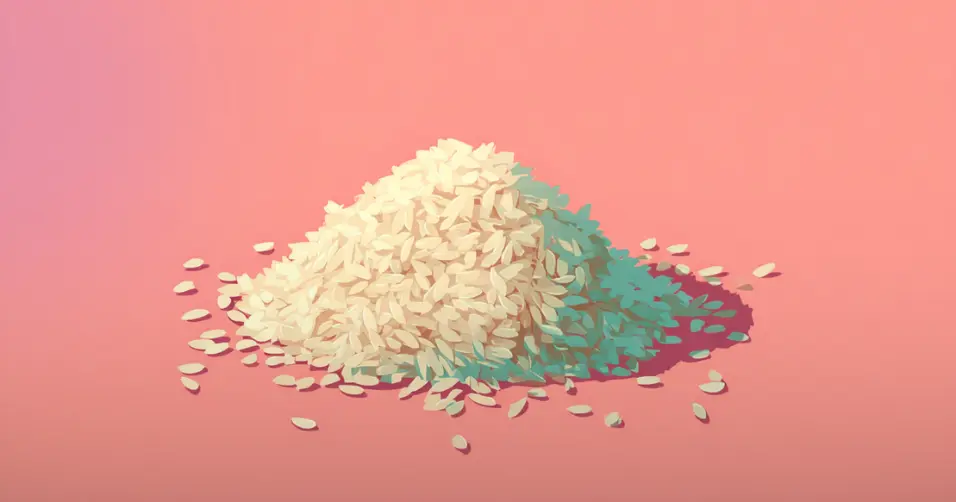
Rice protein is a plant-based powder made from rice, often brown rice, and it's a good option for vegetarians, vegans, or anyone looking to cut back on animal products.
It can help with muscle growth and strength, similar to whey protein, and is easier on the stomach for many people.
Rice protein is naturally free from common allergens like gluten, dairy, soy, and nuts, making it a safe choice for those with sensitivities.
While not technically a 'complete' protein on its own, it contains most essential amino acids and can be combined with other foods throughout the day to meet your needs.
When choosing a product, you can opt for pure rice protein or blends with other plant proteins like pea, and it's worth trying different brands for taste and texture.
This article is educational and not intended to diagnose, treat, or suggest any specific intervention, and should not replace qualified medical advice.
Whey Protein
Top Lactose-Free Protein Options for Sensitive Stomachs

Soy Protein
Rice Protein
Plant-Based Protein
Pea Protein
Leucine
Lactose-Free Protein

Is Milk Good for Muscle Growth

Is a Protein Shake a Good Breakfast
How to Get 100 Grams of Protein a Day
How Long Does Protein Powder Last

How Is Protein Powder Made
High-Protein Vegan Meals That Boost Muscle and Energy

High-Protein Chicken Recipes for Muscle Building

Gluten-Free Protein

Does Protein Keep You Awake

Cheap and Easy High-Protein Meals for Busy Days

Casein Protein

Can Protein Make You Poop More?
Best Vegetarian Protein Sources
10 Best Seafood Protein Sources to Add to Your Diet
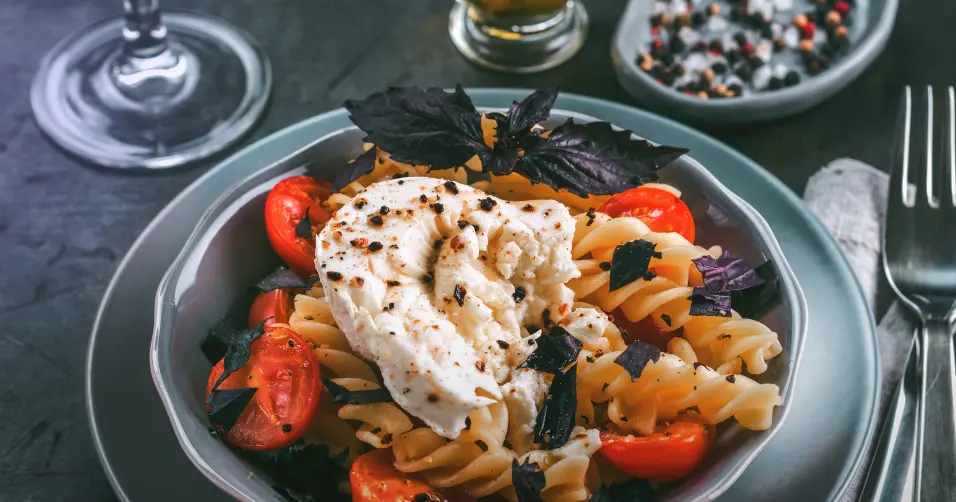
10 Best High-Protein Vegetarian Foods for Every Meal

10 Best High-Protein Vegan Foods for Plant-Based Diets
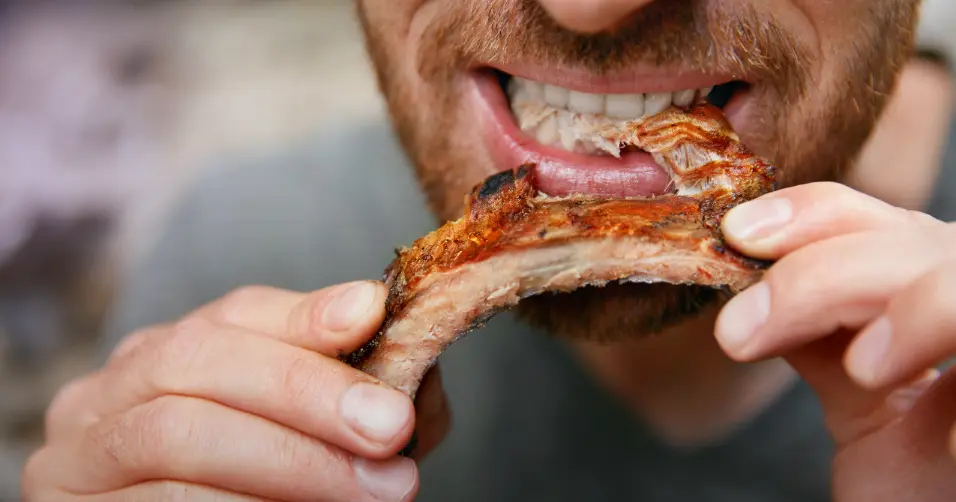
10 Best High-Protein Meat Dishes for Muscle Growth

10 Best High-Protein Chicken Dishes You’ll Crave
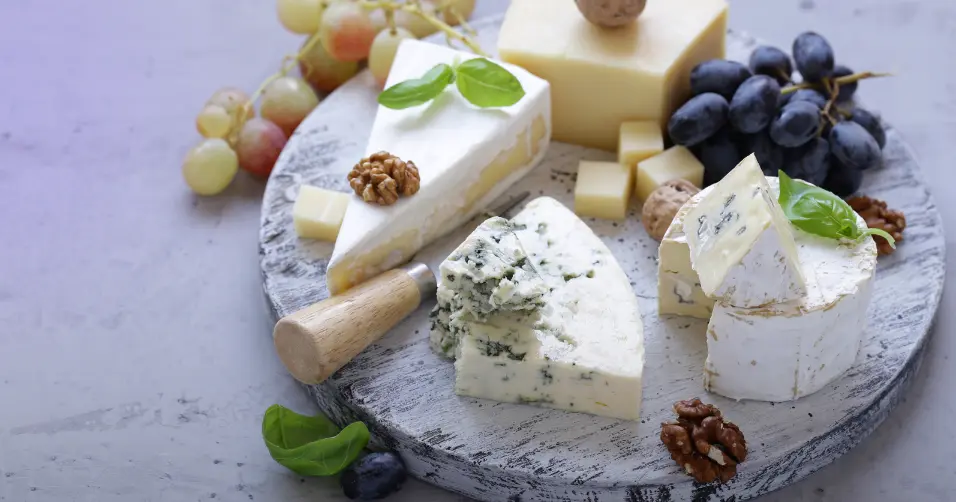
10 Best Cheeses High in Protein for Healthy Diets

8 Healthy High-Protein Dinners You’ll Want Every Night
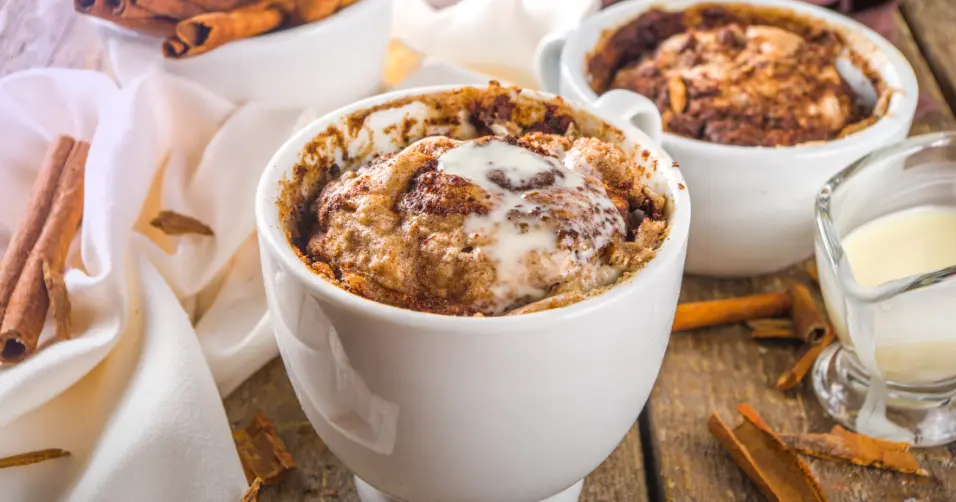
2-Minute Protein Mug Cake Recipe
Rice Protein: FACTS
Role | Plant-based protein; supports muscle & digestion |
Form & Classification | Protein isolate from rice |
Typical Dosage & Intake | 20–40 g/serving |
Cycling | Not needed; daily safe |
Sources | Brown rice protein powders |
Safety & Interactions | Hypoallergenic; safe for most |
Dosage information is general and may vary with product brand, quality or individual needs; verify accuracy on package and consult a qualified practitioner before use.
What Does Rice Protein Do?
Rice protein aids muscle repair and growth by delivering a complete protein source with high levels of cysteine and methionine, amino acids important for tissue repair.
Rice protein impacts muscle by providing a plant-based source of amino acids, though it is slightly lower in lysine compared to animal proteins. It can still trigger muscle protein synthesis when taken in higher doses. Some research suggests rice protein supports muscle growth similarly to whey if total protein intake is matched. It is also hypoallergenic, meaning it is suitable for people with dairy or soy sensitivities. Because of its digestibility, it can be an effective alternative in plant-based nutrition plans.
Rice protein has good amounts of cysteine and methionine, which complement other plant proteins.
It tends to be digested slower than whey, offering a more gradual amino acid release.
Studies show similar muscle gains when rice protein is consumed in equal protein amounts as whey.
It is gentle on digestion, making it ideal for people with food intolerances.
What Is Rice Protein?
Rice protein is a hypoallergenic plant-based protein low in lysine, an amino acid needed for tissue repair.
Rice protein is made from brown rice and is commonly used as a hypoallergenic alternative to dairy or soy proteins. While it contains most essential amino acids, it is relatively low in lysine, making it less balanced compared to whey or soy. It digests at a moderate rate and is often combined with pea protein to improve amino acid coverage. Rice protein is considered gentle on digestion and suitable for sensitive stomachs. Its effectiveness for muscle building may be lower unless complemented with other protein sources.
Rice protein is often chosen by individuals with multiple food allergies or intolerances.
It has a grain-like taste and texture, which can affect mixability in shakes.
When combined with pea protein, the amino acid profile becomes closer to that of animal proteins.
Research suggests rice protein can support recovery when consumed in sufficient amounts, though usually larger doses are needed than whey.
Which Type of Rice Protein Is Best?
Rice protein concentrate is generally preferred because it is hypoallergenic and easier to digest.
Rice protein is best in a sprouted and organic isolate form, which improves digestibility and amino acid content. Standard rice protein is lower in lysine, but isolate forms are more refined and concentrated. Pairing rice protein with another source like pea protein makes it more complete for muscle support. Sprouted varieties may have slightly higher nutrient availability. Choosing high-quality, minimally processed rice protein ensures better effectiveness and absorption.
Isolate forms provide higher protein per serving compared to concentrates.
Sprouted rice protein may increase bioavailability of amino acids.
Combining rice with pea protein balances out the lysine deficiency.
Organic options may reduce exposure to unwanted residues from farming.
How to Add Rice Protein to Your Diet?
Rice protein can be added by blending its powder into post-workout drinks or plant-based milks.
Rice protein is usually consumed as a powder added to shakes or smoothies. It mixes well with plant milks, fruits, and greens for a nutrient-dense drink. For better amino acid balance, it is often combined with pea protein in recipes. It can also be stirred into oatmeal or soups for extra protein. Since it has a mild flavor, it works well in both sweet and savory dishes.
Rice protein shakes are light and easy to digest after workouts.
Combining with pea protein ensures a complete amino acid profile.
Adding to oatmeal or soups increases protein content without changing taste much.
The mild taste makes it suitable for use in smoothies and baked snacks.
What Are Key Ingredients of Rice Protein?
Rice protein is rich in sulfur-containing amino acids like cysteine and methionine, important for tissue repair.
Rice protein is mainly composed of albumin and globulin protein fractions. It provides most essential amino acids but has lower lysine levels compared to other proteins. When refined into isolate, the carbohydrate and fat content is minimized. It also contains small amounts of vitamins and minerals from rice. These ingredients make it hypoallergenic and easy to digest.
Albumin and globulin are the main protein structures extracted from rice.
Lysine is the limiting amino acid, which is why rice protein is often blended.
Isolate form concentrates protein while reducing starch and fiber.
Trace nutrients from rice remain in some minimally processed versions.
Which Processes Does Rice Protein Affect?
Rice protein affects muscle rebuilding and energy metabolism by providing amino acids for tissue growth.
Rice protein affects protein synthesis, but works best when combined with other plant proteins due to its lysine limitation. It supports digestive processes by being hypoallergenic and easy to tolerate. It contributes to muscle repair when taken in sufficient amounts. Its amino acid profile influences energy metabolism during training. Overall, it supports recovery in plant-based diets.
Activates protein synthesis, though requires higher intake for full effect.
Gentle digestion supports nutrient absorption processes.
Influences energy pathways during exercise through amino acid contribution.
Complements other plant proteins for more complete metabolic effects.
What Foods Contain Rice Protein?
Rice protein comes from whole grain brown rice and rice bran.
Rice protein is naturally present in whole rice grains. Brown rice retains more protein than white rice because it keeps the bran layer. Sprouted rice products may provide slightly more accessible protein. Although rice protein is not as concentrated as soy or whey, it still contributes to daily intake. Rice powders are simply concentrated forms of this natural content.
Brown rice is richer in protein than polished white rice.
Sprouted rice may offer better amino acid availability.
Whole rice contributes protein but at lower density than legumes.
Rice protein powders come from extracting protein from these natural grains.
Is Rice Protein Vegan?
Rice protein is vegan-friendly since it is extracted from whole grain rice.
Rice protein is suitable for vegans because it is extracted from rice grains. It involves no animal products during processing. The isolate form is popular in vegan protein blends. Rice protein is hypoallergenic, making it accessible for both vegans and those with sensitivities. It is often paired with pea protein to balance amino acids.
Rice grains provide a 100% plant-based protein source.
Processing does not require animal inputs.
Often included in vegan protein powders for completeness.
Pairs well with other vegan proteins to enhance amino acid balance.
Will Rice Protein Break a Fast?
Rice protein breaks a fast as it delivers calories and protein that activate metabolic processes.
Rice protein will break a fast because it provides calories and essential amino acids. These nutrients require digestion and activate metabolic pathways, ending the fasted state. Like other proteins, rice protein stimulates insulin release. It is best used as part of the first meal after fasting. This allows muscle repair without interrupting fasting benefits.
Rice protein’s calories end the fast once consumed.
It stimulates digestion and insulin, breaking fasting processes.
Autophagy is interrupted when protein intake begins.
Ideal to use when refeeding after a fasting period.
Breaking a fast here is strictly physiological (e.g., insulin effects). When we say a supplement ‘does not break a fast,’ we mean it has negligible calories in normal use and is unlikely to disrupt fasting metabolism. Certain traditions or religious rules may treat any intake as breaking a fast—please follow your tradition and health needs.
What's the Best Rice Protein?
High-quality rice protein should come from whole grain brown rice and be third-party tested for heavy metals.
Rice protein quality is determined by amino acid balance, digestibility, and source purity. Isolate forms are superior because they provide higher protein per scoop with fewer carbs. Combining rice protein with pea protein improves quality by covering amino acid gaps. Organic and sprouted rice protein may offer better nutrient availability. A trustworthy brand will ensure testing for heavy metals, since rice can absorb them from soil.
Isolate forms concentrate protein and improve effectiveness.
Blending with pea protein creates a complete amino acid profile.
Organic and sprouted options may have better bioavailability.
Third-party tests confirm low heavy metal levels for safety.
What’s the Optimal Dosage and Timing for Rice Protein?
Rice protein is usually taken at 25–30 g post-workout to support recovery.
Rice protein is most effective at 25–35 grams per serving due to its slightly lower amino acid density. Taking it after workouts ensures amino acids are available during recovery. Combining with pea protein improves results, so blends often recommend similar serving sizes. It can also be used in smoothies or meals as a protein boost. Timing around training is most important for performance support.
25–35g ensures enough amino acids despite lower lysine levels.
Best consumed post-workout to trigger recovery processes.
Blending with pea protein increases effectiveness at the same dose.
Works well in shakes, smoothies, or fortified meals.
Dosage and timing information is generalized and may not be appropriate for all individuals; occasional inaccuracies may occur. Variations in supplement purity, formulation, or quality can also affect dosing relevance. Verify accuracy on package and consult a qualified practitioner before use.
What Are Common Mistakes When Taking Rice Protein?
A frequent mistake with rice protein is not combining it with other plant proteins to complete the amino acid profile.
Rice protein mistakes involve relying on it without balancing with other proteins, or underdosing due to its lower lysine content. Some users do not take enough (25–35g) to stimulate protein synthesis. Others choose poor-quality powders with heavy metal contamination from rice fields. Not blending with pea protein leaves amino acid gaps. Skipping post-workout timing reduces its recovery benefits.
Taking too little rice protein fails to trigger muscle repair effectively.
Not blending with pea protein leaves lysine deficiency unaddressed.
Ignoring safety testing risks exposure to heavy metals like arsenic.
Delaying intake after workouts lowers its effectiveness.
How Fast Does Rice Protein Work?
Rice protein works within hours for recovery, but long-term effects appear over weeks of use.
Rice protein works steadily, with recovery effects noticeable within a week of use. For muscle growth, visible progress usually takes 6–8 weeks of training with proper dosing. It is comparable to whey in studies when taken in equal protein amounts. Being slower-digesting, its impact builds more gradually. Consistency in use is key for long-term results.
Recovery benefits can be noticed in the first week of supplementation.
Muscle growth changes take 6–8 weeks of consistent intake.
When matched in grams, rice protein shows similar effects to whey.
Its slower digestion makes progress feel more gradual but steady.
Results may vary between individuals, and no outcome is guaranteed. A tailored supplemntation plan is the best way to ensure the desired outcome.
Does Rice Protein Require a Cooldown?
Rice protein does not require cycling, but combining it with other proteins ensures balance.
Rice protein does not require a cooldown period because it is derived from whole rice. It can be consumed daily as part of a balanced diet. Since it is hypoallergenic, most people tolerate long-term use without issues. Still, rotating with other proteins ensures better amino acid coverage. Only those experiencing digestive concerns may consider taking breaks.
Rice protein can be taken continuously without a cooldown.
Its hypoallergenic nature makes it safe for long-term use.
Rotating with pea protein improves amino acid completeness.
Short breaks may help if digestion problems occur.
The need to pause or cycle depends on individual factors such as goals, tolerance, and clinical context. No universal rule applies, and specialist review is recommended before making adjustments.
Does Tolerance Develop for Rice Protein?
Rice protein does not produce tolerance, but results depend on total diet balance.
Rice protein does not lead to tolerance development. Its effectiveness stays consistent when taken at the right dose and paired with complementary proteins. Any reduced results are usually due to amino acid limitations if not blended with other proteins. Long-term use continues to support muscle growth in plant-based diets. It remains effective without cycling or breaks.
No tolerance forms with rice protein as it is nutrient-based.
Consistency in dosing ensures steady effectiveness.
Blending with pea protein prevents amino acid imbalance issues.
Works reliably in long-term vegan or vegetarian diets.
Information on tolerance is generalized and may not reflect individual differences in metabolism, duration of use, or health status. Reactions can vary, and any adjustment should follow qualified practicioner's recommendations.
Is Rice Protein Safe?
Rice protein is considered safe long term, though quality control is important to avoid contamination with heavy metals like arsenic.
Rice protein is considered safe for long-term use, especially for those who prefer a plant-based diet. It is hypoallergenic, making it suitable for people with dairy or soy intolerance. While it is slightly lower in some amino acids like lysine, combining it with other proteins improves balance. No harmful effects have been documented in long-term studies. It is best consumed in moderation as part of a varied diet.
Rice protein does not appear to affect hormones or organ health even with long-term use.
Its hypoallergenic nature makes it a stable option for extended supplementation.
Digestive tolerance is generally good, with few reports of bloating or gas.
Since it is low in lysine, pairing with pea protein or other sources ensures complete amino acid intake.
Everyone’s biology and history are different. Unknown or underlying conditions can introduce unforeseen risks. Individualized professional advice is always recommended.
Can Rice Protein Be Stacked?
Rice protein stacks well with pea protein to provide all essential amino acids.
Rice protein stacks best with pea protein to create a complete amino acid profile. Adding leucine further enhances its anabolic potential. Post-workout, combining rice protein with carbohydrates improves recovery. Creatine also stacks well with rice protein for muscle and strength gains. This combination allows vegans to build muscle comparably to whey users.
Pea and rice together provide complete essential amino acids.
Leucine addition improves stimulation of protein synthesis.
Carbs with rice protein support energy restoration.
Creatine complements rice protein for vegan-friendly stacking.
Many supplements can interact in ways that enhance or alter their effects. However, stacking makes it difficult to monitor the impact of each component and increases the risk of oversupplementation or unintended interactions.
Do Rice Protein Effects Persist?
Rice protein effects persist with regular intake but diminish if protein intake drops.
Rice protein effects persist through consistent intake, though each serving supports muscle protein synthesis for only a few hours. Long-term muscle gains are maintained if rice protein is part of a balanced routine. If discontinued without replacement, results decline over weeks. Combining with pea protein extends long-term benefits. Persistence depends on continuous intake and total protein sufficiency.
Each serving supports muscle building for several hours.
Long-term effects last if consumed daily with training.
Stopping intake causes gradual decline unless replaced with other proteins.
Best persistence when paired with pea protein for balance.
Results may vary between individuals, and no outcome is guaranteed. A tailored supplemntation plan is the best way to ensure the desired outcome.
What Are Alternatives to Rice Protein?
Rice protein alternatives include pea protein, soy protein, and plant-based blends.
Rice protein alternatives include pea protein, soy protein, and hemp protein. Pea protein corrects rice’s lysine deficiency, making it the best match. Soy protein is a complete protein, though some avoid it due to sensitivities. Hemp protein adds nutritional diversity but is less concentrated. Choosing blends ensures reliable performance for athletes.
Pea protein fills amino acid gaps left by rice protein.
Soy provides a complete plant-based alternative.
Hemp adds fiber and omega-3s for health balance.
Blending improves amino acid completeness and effectiveness.
There are often alternatives that better align with personal risk profiles, preferences, or resources; comparative review with a relevant certified consultant is advised.
Does Rice Protein Aid Longevity?
Rice protein supports longevity indirectly by providing a hypoallergenic protein source for muscle maintenance.
Rice protein supports longevity mainly through muscle preservation in plant-based diets. It is hypoallergenic and easy to digest, reducing stress on the gut. While it lacks unique longevity compounds, it prevents muscle loss, which is vital for aging health. Combined with pea protein, it ensures amino acid completeness. Its role is indirect but important for sustaining strength over time.
Helps preserve muscle mass critical for aging well.
Easy digestion reduces stress on the digestive system.
Blends with pea protein provide full amino acid support.
Supports plant-based nutrition associated with long-term health.
How Does Rice Protein Compare with Similar Supplements?
Rice protein compared with pea protein is lower in lysine, so it is often blended to match amino acid quality.
Rice protein compares best when paired with pea protein, forming a complete amino acid profile similar to whey. Alone, it is slightly weaker due to lysine deficiency. Compared to soy, rice protein is hypoallergenic and easier to digest, making it gentler for sensitive users. Whey remains more anabolic, but rice is preferred in vegan and allergen-free diets. Thus, rice works best in blends, while whey or soy stand stronger alone.
Rice is less complete alone but highly effective with pea protein.
Gentler on digestion than soy or dairy proteins.
Soy is naturally complete, whereas rice requires blending.
Whey remains stronger for growth compared to rice protein.
What Are Possible Side Effects of Rice Protein?
Rice protein side effects are uncommon but may involve heavy metal exposure if poorly sourced.
Rice protein side effects are rare but can include digestive issues like bloating if taken in very large amounts. Some rice proteins may contain traces of heavy metals if not tested, which can pose risks with long-term high use. It is naturally hypoallergenic, so allergic reactions are uncommon. Its mild taste and digestibility make it well-tolerated for most people. Quality control is the main factor in preventing risks.
Large doses may cause mild digestive discomfort.
Potential heavy metal contamination is the biggest safety concern.
Hypoallergenic nature makes allergies rare.
Quality-tested products minimize side effect risks.
Responses differ among individuals. If adverse effects occur, discontinuation and professional evaluation are advised.
Who Should Avoid Rice Protein?
Rice protein should be avoided by people with rice allergy, though this is rare.
Rice protein should be avoided by those with rice allergies, though rare. People concerned about heavy metal exposure should avoid poorly tested products. Those with very high protein diets may not need rice protein, as excess adds no benefits. Individuals with digestive sensitivities may find large servings cause bloating. Otherwise, it is widely tolerated.
Rice allergies, though rare, make it unsafe.
Poorly tested products may contain harmful heavy metals.
Excess protein intake from rice powder adds unnecessary strain.
Large servings may cause digestive issues in sensitive users.
Individuals who may be at higher risk—including those with diabetes, eating disorders, pregnancy or breastfeeding, heavy training loads, health conditions, medication use, or prior adverse reactions—should seek tailored guidance before deciding supplementation or making major supplement or lifestyle changes.
What Is the Regulatory Status of Rice Protein?
Rice protein is regulated as a food supplement with no special restrictions.
Rice protein is regulated as a natural food ingredient and considered safe for general use. It is not treated as a drug or controlled substance, so no special approval is required for sale. Food safety agencies mainly check for heavy metal contamination, since rice can absorb arsenic from soil. There are no restrictions from sports organizations. It is widely sold as a clean-label, hypoallergenic protein option.
Rice protein must comply with contaminant limits, particularly for heavy metals like arsenic.
It is classified under dietary supplements or food products depending on local laws.
There are no restrictions in competitive sports environments.
Regulators mainly require clear labeling and absence of harmful impurities.
Regulations differ by region and change over time. This overview is general; please check current rules where you live and, if relevant, your sport’s governing body.
What’s the History of Rice Protein?
Rice protein history is more recent, developed in the late 20th century as a hypoallergenic alternative for sensitive individuals.
Rice protein has been part of human diets for millennia through rice as a staple food. Isolating rice protein into powder form is a modern development, growing with vegan nutrition demand. It gained traction as a hypoallergenic protein alternative. Research in the 2000s showed it could support muscle growth comparably to whey. It is now a common choice in plant-based protein blends.
Rice as a staple food dates back thousands of years.
Protein isolation developed more recently for supplements.
Chosen as a hypoallergenic alternative to soy and whey.
Research confirmed its effectiveness in sports nutrition.
Does Rice Have Protein?
is there protein in rice
Rice does contain protein, though the amount depends on the type. White rice has about 2–3 grams per 100 grams, while brown rice offers slightly more due to the outer layers remaining intact. The protein quality in rice is moderate because it lacks some essential amino acids like lysine. Still, it contributes to daily intake, especially in regions where rice is a staple. Combining rice with legumes or beans can create a more balanced amino acid profile, improving overall protein quality.
Brown rice retains more nutrients, including small amounts of healthy fats and fiber, which can aid digestion and nutrient absorption.
Pairing rice with foods high in lysine, like lentils or peas, helps form a complete protein meal, which supports muscle maintenance.
Cooking methods such as steaming preserve more amino acids compared to frying or overcooking, maintaining protein quality.
Rice protein powder extracted from brown rice is often used by people avoiding dairy or soy, offering an allergen-friendly alternative.
How To Make A Rice Protein Drink?
To make a rice protein drink, blend rice protein powder with water or milk substitute and fruit for flavor.
To make a rice protein drink, blend one scoop of rice protein powder with 300–400 ml of water or plant milk. Add fruits like banana or berries for flavor and natural sweetness. Mixing with nut butter or oats increases calorie and nutrient density. Blend until smooth for a complete post-workout or meal replacement drink. Adjust liquid for desired consistency and taste.
Rice protein mixes well with plant milks and fruits for better flavor.
Combining with carbohydrates improves recovery after exercise.
Adding cinnamon or vanilla enhances taste naturally without added sugar.
Chilling the shake improves texture and drinkability after blending.
Rice Protein Powder Benefits
Rice protein powder benefits include easy digestion, hypoallergenic properties, and a full amino acid profile when combined with other proteins.
Rice protein powder offers several benefits including easy digestion, hypoallergenic properties, and high amino acid content. It’s suitable for those avoiding dairy or gluten. While slightly lower in lysine than whey, it still supports muscle repair when combined with other plant proteins. It’s also rich in antioxidants and fiber, aiding overall health. Regular use helps maintain lean muscle and steady energy levels.
Rice protein is gentle on digestion, making it ideal for sensitive individuals.
It provides a clean vegan source of protein without common allergens.
Combining with pea protein creates a complete amino acid profile.
Its low fat and sugar content supports muscle recovery and weight control.
Does Brown Rice Have Protein?
Yes, brown rice has protein, about 5–6 grams per cooked cup.
Brown rice contains protein, though not as much as animal sources. A typical cooked cup provides around 5 grams of protein. It also includes fiber, vitamins, and minerals that support digestion and energy. While not a complete protein, it contributes to daily intake when combined with other foods. It is beneficial in plant-based or balanced diets for steady energy release.
Pairing with beans or lentils forms a complete amino acid profile.
Brown rice retains bran layer, providing additional nutrients over white rice.
Useful as a carbohydrate-protein mix for post-workout meals.
Supports gradual energy release aiding longer satiety compared to refined grains.
Does White Rice Have Protein?
Yes, white rice contains small amounts of protein, around 4 grams per cooked cup.
White rice has a modest protein content, about 4 grams per cooked cup. Though lower in nutrients than brown rice, it provides easy-digesting carbohydrates. It supports recovery by replenishing glycogen stores after workouts. While not a complete protein, it complements protein-rich foods well. Its low fiber makes it suitable for sensitive digestive systems.
Combining white rice with lean protein improves meal balance.
Useful for athletes needing quick carbohydrate absorption for energy.
Lower fiber aids rapid digestion during bulking or high-calorie phases.
Fortified varieties may add small vitamin and mineral boosts.
How Much Protein In Rice?
Cooked rice has about 2–3 grams of protein per 100 grams, with brown rice slightly higher than white.
Rice (General) – A cup of cooked Rice (about the size of a small fist or ramekin) provides roughly 53 grams of protein in a multi-cup bulk measure — typically translating to about 4–5 grams of protein per single cup of Rice. Rice is soft, neutral, and commonly paired with vegetables or proteins for balanced meals.
Brown Rice – Brown Rice is a hearty, nutty whole grain that stays slightly chewy when cooked. One cup of cooked Brown Rice (medium bowl size) delivers up to 62 grams of protein across a large portion batch — about 5–6 grams per standard cup. Brown Rice retains more fiber and nutrients than White Rice, making it a nutritious staple.
White Rice – White Rice is soft, fluffy, and mild in flavor. One cooked cup of White Rice (about a small bowlful) provides up to 68 grams of protein per large batch — around 4 grams per serving. White Rice is lighter in texture but lower in fiber compared to Brown Rice.
Jasmine Rice – Jasmine Rice is aromatic and slightly sticky when cooked. A cup of cooked Jasmine Rice (fits in a small bowl) offers approximately 18 grams of protein per larger multi-serving measure, or about 4 grams per single cup. Jasmine Rice is ideal for Asian-style dishes and curries thanks to its fragrant aroma and smooth texture.
Wild Rice – Wild Rice is long, dark, and slightly chewy with a rich, nutty flavor. A cooked cup of Wild Rice (fills a medium bowl) contains around 25 grams of protein per multi-serving batch — about 6–7 grams per single cup. Wild Rice is higher in protein and antioxidants than both White Rice and Brown Rice, offering a hearty, nutrient-dense option.
Basmati Rice – Basmati Rice is a long-grain variety known for its light, fluffy texture and fragrant aroma. One cooked cup of Basmati Rice provides around 4–5 grams of protein. Basmati Rice grains are slender and separate easily, making them perfect for curries, stir-fries, and Middle Eastern or Indian dishes.
Sticky Rice – Sticky Rice, also called Glutinous Rice, is short-grain Rice that becomes soft and sticky when cooked. A cooked cup of Sticky Rice contains about 4 grams of protein and is roughly the size of a small bowl. Sticky Rice is commonly used in Asian cuisine, sushi, and desserts, offering a unique chewy texture and mild flavor.
Dosage and timing information is generalized and may not be appropriate for all individuals; occasional inaccuracies may occur. Variations in supplement purity, formulation, or quality can also affect dosing relevance. Verify accuracy on package and consult a qualified practitioner before use.
Is Brown Rice Protein Good For You?
Brown rice protein is good as a plant-based, hypoallergenic protein source suitable for sensitive diets.
Brown rice protein benefits include being a plant-based, easily digestible source of amino acids that supports muscle recovery and general health. It is hypoallergenic and suitable for people who cannot tolerate dairy or soy proteins. While slightly lower in certain amino acids like lysine, it still contributes effectively to muscle maintenance when combined with other protein sources. It supports metabolism and promotes steady energy release. Regular use helps improve protein intake in vegan or vegetarian diets.
Digestibility: Gentle on the stomach and ideal for sensitive individuals seeking brown rice protein benefits.
Amino acid profile: Contains essential building blocks for muscle repair, though best paired with complementary proteins.
Allergen-free: Free of gluten and lactose, making it suitable for most dietary preferences.
Metabolism support: Helps maintain energy levels during calorie-controlled diets.
Environmentally friendly: Derived from sustainable plant sources with low ecological impact.
Yummy & Simple Protein Rice Recipe
A simple protein rice recipe mixes cooked brown rice with beans and vegetables for balanced amino acids.
Making protein rice is an easy way to increase daily protein intake while keeping meals filling and balanced. It combines rice with protein-rich ingredients like eggs, legumes, or tofu for a nutritious dish. Cooked rice can also be mixed with protein powder for post-workout recovery. Seasoning with herbs and vegetables enhances flavor and adds micronutrients. This approach helps boost protein intake without relying solely on shakes.
Base choice: Use brown or jasmine rice as the main carbohydrate source for protein rice recipes.
Protein add-ins: Add cooked chicken, lentils, or tofu to raise protein density naturally.
Flavoring: Season with garlic, pepper, and herbs for a tasty, nutrient-packed meal.
Post-workout use: Ideal after training to replenish glycogen and support muscle recovery.
Meal prep: Easy to batch cook and store for balanced, high-protein lunches.
Can Rice Help You Gain Weight?
Yes, rice can help you gain weight when eaten in large portions as part of a calorie surplus.
Rice can help with weight gain when consumed in calorie surplus. Its high carbohydrate content supplies energy for training and muscle growth. Pairing rice with protein and healthy fats supports balanced weight increase. White rice digests faster, making it easier to eat in larger amounts. Regular intake in portion-controlled meals assists in lean bulking.
Cooked rice adds dense calories without heavy fullness, aiding surplus intake.
Combining with olive oil or nut butter raises calorie density safely.
Brown rice offers fiber and micronutrients beneficial for digestive health.
Frequent meals ensure steady calorie accumulation for healthy gain.
Rice Protein Drink Recipe
A simple rice protein drink recipe includes 1 scoop rice protein powder, 250 ml almond milk, and 1 banana blended together.
To make a rice protein drink, blend one scoop of rice protein powder with 300 ml of plant milk or water. Add half a banana, a handful of oats, and a teaspoon of nut butter for texture and nutrition. Optionally include cocoa or cinnamon for flavor. Blend until smooth and serve chilled. This shake works well post-workout or as a meal replacement.
Combining rice protein with carbs like oats improves post-workout recovery.
Healthy fats from nut butter increase satiety and calorie balance.
Adding fruits enhances flavor and antioxidant content.
Cold blending maintains texture and nutrient quality.
How Is Rice Protein Powder Made?
Rice protein powder is made by extracting protein from brown rice through enzymatic or mechanical processing.
Rice protein powder is made by extracting protein from brown rice. The rice is soaked, milled, and treated with enzymes to separate starch and fiber from protein. The resulting concentrate is dried into fine powder. It’s hypoallergenic, vegan, and easy to digest. This makes it a suitable alternative for those avoiding dairy or soy-based proteins.
Enzymatic processing isolates protein without harsh chemicals.
Brown rice provides complete amino acids with low fat content.
The mild flavor blends easily into shakes and recipes.
Ideal for lactose-intolerant or plant-based dietary preferences.
Harald Ragnarok, Editor in Chief, Myopedia