Urolithin A
A Complete Guide to Urolithin A and How It Works
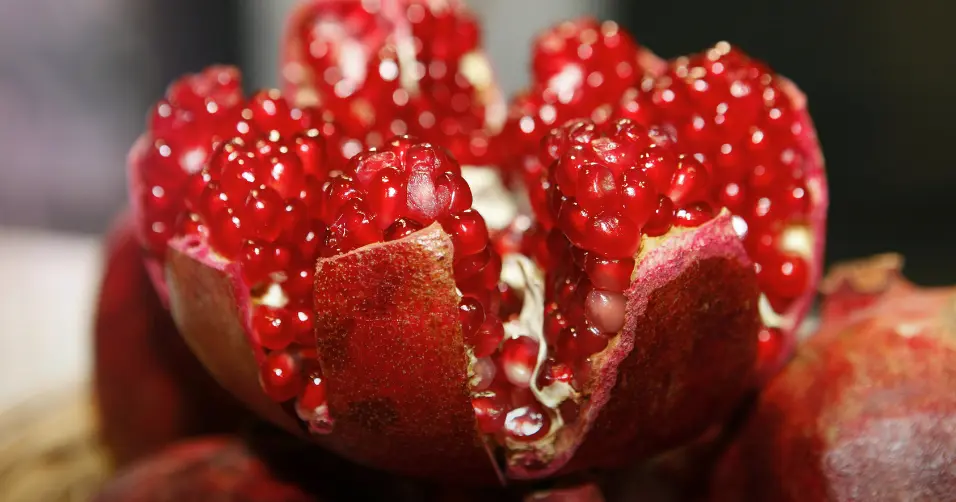
Urolithin A is a gut-derived metabolite from foods like pomegranates, known to activate mitophagy and enhance cellular energy production. Preclinical studies suggest it may support muscle health, longevity, and neuroprotection, though human trials are ongoing.
We cover emerging biohacking topics because our readers ask about them. This is not guidance to self-experiment. This article is educational and not intended to diagnose, treat, or suggest any specific intervention, and should not replace qualified medical advice.
We recognize growing interest in biohacking and experimental-stage substances. This article discusses an experimental method that may not be suitable for DIY use; any consideration belongs with qualified supervision.




Urolithin A: FACTS
Role | Promotes mitochondrial health, longevity |
Form & Classification | Postbiotic from gut microbes digesting ellagitannins |
Typical Dosage & Intake | 250–1000 mg/day in studies |
Cycling | Not established; continuous safe |
Sources | Pomegranates, berries, walnuts |
Safety & Interactions | Well tolerated; human data limited |
Why Is Urolithin A Gaining Attention?
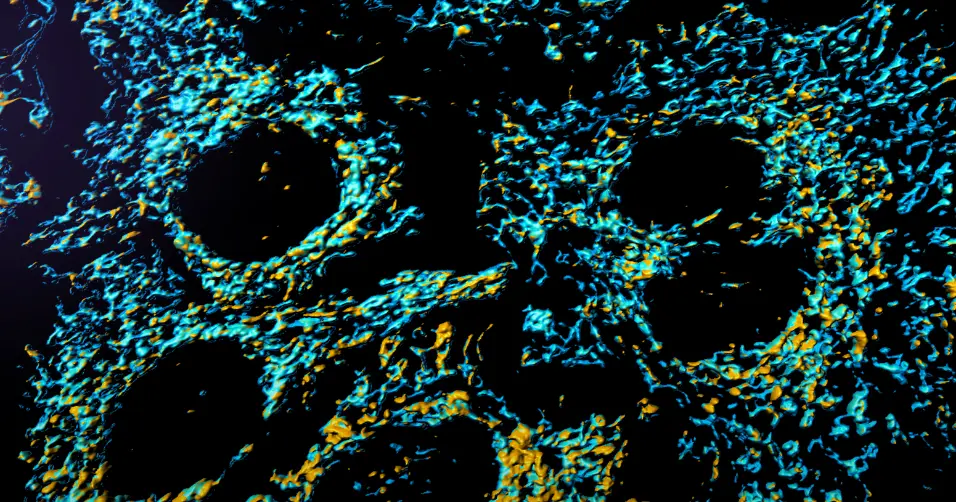
Urolithin A is gaining attention for its role in improving mitochondrial health, the energy-producing structures in cells, by stimulating mitophagy, the recycling of damaged mitochondria.
Urolithin A is gaining attention as a compound that may improve mitochondrial health, which is vital for energy and aging. It is produced naturally in the gut when certain foods are digested, but not everyone can make it efficiently. Studies suggest it may help cells recycle old mitochondria, a process called mitophagy, which declines with age. This connection to cellular renewal and longevity has caught the eye of researchers and health enthusiasts. Its presence in clinical studies makes it stand out as a promising longevity compound.
Interest grows because Urolithin A supports mitophagy, helping remove damaged mitochondria linked to aging.
It is studied for its possible role in muscle endurance, which has relevance for older adults.
Not everyone produces it from food, which raises demand for supplementation research.
Its link to slowing age-related decline has made it popular in the biohacking and longevity community.
What Is Urolithin A?
Urolithin A is a gut-derived metabolite that helps cells recycle damaged mitochondria, the energy-producing structures.
Urolithin A is a compound produced in the gut when certain foods rich in ellagitannins are digested by bacteria. It has been studied for its role in improving mitochondrial function, which is key for energy production. Early human trials suggest it may improve muscle endurance and cellular health. Safety data so far looks favorable, with only mild digestive issues reported. Because it depends on gut microbiome composition, not everyone produces it naturally in the same amounts.
Urolithin A promotes mitophagy, the recycling of damaged mitochondria.
Supplementation bypasses the variability in gut bacteria that normally produce it.
Trials up to several months have shown improved mobility in older adults.
Long-term safety studies are ongoing but results so far are encouraging.
What Does Urolithin A Do?
Urolithin A affects cellular energy by enhancing mitophagy, the selective recycling of dysfunctional mitochondria.
Urolithin A affects processes related to mitochondrial health and aging. It activates mitophagy, which is the recycling of old or damaged mitochondria into new, efficient ones. This is important because mitochondria produce the energy needed for cell function. With age, mitophagy slows down, and Urolithin A may help restore it. These actions make it a candidate for improving muscle function and longevity.
Urolithin A boosts cellular energy efficiency by promoting healthy mitochondrial turnover.
It supports muscle endurance by enhancing mitochondrial performance.
It influences pathways related to aging by clearing damaged cellular parts.
Its role in gut microbiome metabolism also links it to digestion and nutrient processing.
How Is Urolithin A Used in Biohacking?
Urolithin A is used in biohacking to support mitochondrial health and endurance by promoting removal of damaged mitochondria.
Urolithin A is used in biohacking for longevity and cellular health. People supplement it to improve mitochondrial recycling, which supports energy and endurance. It is popular among those aiming to delay aging processes. Its potential to boost exercise performance in older adults makes it appealing. Because not everyone produces it naturally, supplementation fills this gap in biohacking circles.
Biohackers use Urolithin A to support mitophagy, keeping cells youthful and efficient.
It is used as a longevity tool, often stacked with other mitochondrial boosters.
It attracts older biohackers who want to regain stamina and energy levels.
Its natural origin from certain foods gives it a more approachable image than synthetic agents.
Descriptions of protocols are provided to explain research methods only. They are not instructions for personal use. Individuals should not adapt or perform study procedures outside approved research settings with qualified supervision.
How Is Urolithin A Used in Research Settings?
Urolithin A is used in research to examine mitochondrial function, aging, and muscle health.
Urolithin A is used in research settings to study mitochondrial health, aging, and endurance. Clinical trials investigate its ability to trigger mitophagy in humans. Studies explore its effects on older adults’ muscle function and exercise performance. Research also examines how gut microbiome diversity impacts its natural production. These findings help determine supplementation strategies for people lacking natural conversion.
Trials measure its effect on mitochondrial renewal and energy efficiency in humans.
It is studied as a longevity aid in age-related decline and muscle weakness.
Researchers explore differences in production between individuals with varying gut microbiomes.
Ongoing studies evaluate safety, dosage, and consistency of supplementation outcomes.
How Fast Does Urolithin A Work?
Urolithin A effects on mitochondria are seen after weeks of supplementation in clinical studies.
Urolithin A works gradually, as it influences mitochondrial recycling, a process that takes time. Early studies suggest measurable cellular improvements after 4–8 weeks of supplementation. Unlike stimulants, effects are not felt immediately in terms of energy or alertness. Instead, endurance and recovery may improve subtly over weeks or months. Its benefits appear more as long-term cellular resilience than quick energy boosts.
Mitophagy activation requires weeks of consistent intake to show impact.
Endurance and strength benefits are observed in studies after at least a month.
Effects accumulate over time, with longer-term cellular health improvements.
Immediate sensations are rare, making it a subtle but lasting compound.
Is Urolithin A Safe?
Urolithin A risks are minimal, but digestive discomfort has been reported in some studies.
Urolithin A appears relatively safe but still carries unknowns. Since it alters mitochondrial recycling, long-term impacts are not fully studied. Mild digestive discomfort has been reported in trials. Effects may differ depending on gut microbiome diversity. As with many longevity compounds, risks may emerge only with prolonged use.
Most human trials report good tolerance, with minor side effects like stomach upset.
Long-term safety of continuous mitochondrial activation is not fully known.
Individual response varies depending on ability to naturally produce it in the gut.
Unknown risks may arise with extended supplementation beyond current studies.
Small or early studies can overlook important risks, including organ effects and drug–substance interactions. Product quality outside research supply chains is uncertain. Individuals should not conduct at-home trials; participation should occur only within approved research or clinical care.
What Is the Most Common Form of Urolithin A?
Urolithin A is most commonly taken as oral supplements.
Urolithin A is most commonly available as a capsule supplement. This ensures consistent dosage, unlike natural production which varies between individuals. It is taken orally for longevity and mitochondrial health purposes. Research studies typically rely on capsule form for standardization. Other delivery methods remain rare.
Capsules are the standard form used in clinical trials for consistent dosing.
Oral delivery supports easy integration into daily routines.
Food-derived production is unreliable, making supplementation more dependable.
Alternative forms like powders are less studied for bioavailability.
What Are Key Ingredients of Urolithin A?
Urolithin A key ingredient is the metabolite formed when gut bacteria process ellagitannins, compounds found in some fruits and nuts.
Urolithin A supplements have one main active ingredient: Urolithin A. It is usually derived from conversion of natural precursors found in pomegranates and certain nuts. Supplements contain the pure compound to bypass differences in gut microbiome ability. Capsules may include carriers to aid absorption but these do not add biological activity. The focus is on Urolithin A as the functional agent.
Active ingredient is purified Urolithin A, the metabolite of ellagitannins from foods.
Carriers or excipients may be added for stability but are not active.
It is standardized for clinical trials to ensure consistent dosing.
The biological effect depends solely on Urolithin A content.
Is Urolithin A Naturally Available in Food?
Urolithin A is not directly in food but is produced by gut bacteria from ellagitannins in pomegranates, walnuts, and berries.
Urolithin A can be indirectly produced from foods but not always. Certain fruits like pomegranates and nuts contain precursors called ellagitannins. Gut bacteria convert these into Urolithin A, but only in people with the right microbiome. This means not everyone benefits equally from dietary sources. Supplements bypass this variability by providing the compound directly.
Pomegranates, walnuts, and berries contain precursors for Urolithin A.
Gut microbiome diversity decides whether conversion occurs effectively.
Some people produce little or none naturally, even with high fruit intake.
Supplements offer a direct and consistent source.
Does Urolithin A Impact Longevity?
Urolithin A may impact longevity by improving mitochondrial quality control, which supports healthy aging.
Urolithin A shows strong potential for impacting longevity through mitochondrial health. By improving mitophagy, it helps cells renew their energy systems. This process declines with age, making Urolithin A valuable for slowing age-related decline. Animal and human studies show improved endurance and muscle function with supplementation. It is one of the more promising longevity-linked compounds under investigation.
Urolithin A activates mitophagy, a key aging-related cellular process.
Improved mitochondrial efficiency supports long-term energy and resilience.
Studies link it to better muscle function in older adults.
It is being tested directly in clinical trials for longevity-related benefits.
Does Tolerance Develop for Urolithin A?
Urolithin A tolerance has not been reported in studies so far.
Urolithin A is not linked with tolerance in current research. It works through cellular recycling rather than stimulating receptors. This makes it less likely to lose effectiveness with long-term use. Human studies so far show stable results across weeks of intake. Long-term tolerance data, however, is still limited.
No evidence suggests declining response to Urolithin A over time.
Its action on mitophagy does not rely on overstimulation pathways.
Trials lasting several weeks show consistent cellular benefits.
More research is needed for multi-year tolerance confirmation.
Short, controlled tests do not establish long-term safety or cumulative effects. This information is for context, not for ongoing personal use. Exposure to experimental substances should not occur outside clinically supervised tests.
Do Urolithin A Effects Persist?
Urolithin A effects on mitochondria may persist for a short period but fade without continued intake.
Urolithin A effects can persist beyond supplementation due to improved mitochondrial quality. Once mitophagy is stimulated, cells retain healthier mitochondria for a time. However, benefits decline if supplementation or precursor intake is stopped. Its persistence is therefore medium-term rather than permanent. Ongoing intake supports continuous cellular renewal.
Cells maintain improved mitochondria for weeks after stimulation.
Endurance and energy benefits fade if supplementation is stopped long-term.
No permanent adaptation is known without continuous intake.
Effects depend on sustained activation of mitophagy pathways.
Signals that look promising in a lab may not hold up in broader populations and may reveal risks later. This information is explanatory only and does not support self-directed use to “reproduce” results.
How Long Do Urolithin A’s Side Effects and Traces Persist?
Urolithin A side effects, such as digestive upset, resolve within a day after stopping.
Urolithin A side effects are minimal and fade within a day. Mild digestive upset resolves quickly after discontinuation. Cellular benefits decline over weeks rather than causing persistent harm. No toxic buildup is known. It is generally cleared rapidly from the body.
Digestive issues like bloating end within a day of stopping.
No evidence of long-term harmful residue in tissues.
Positive effects fade slowly as mitochondrial renewal slows.
Clearance is efficient, making lingering side effects rare.
Early reports may miss rare, delayed, or interaction-related harms. This section explains study observations only and does not justify anyone trying the substance. Individuals should stop and seek care for concerning symptoms and should not self-experiment.
Is Urolithin A a Regulated Substance?
Urolithin A is not strictly regulated and is available as a dietary supplement in some regions.
Urolithin A is generally unregulated as a supplement. It is considered a dietary compound since it originates from natural food metabolism. No major bans or restrictions exist on its use. It is available in supplements and clinical research freely. Unlike many experimental agents, it faces no regulatory prohibitions.
It is treated as a dietary metabolite rather than a drug in most regions.
No restrictions exist from anti-doping authorities.
Clinical trials are ongoing but regulation remains light.
Its natural origin supports its unregulated status.
Legal status, import rules, and anti-doping policies vary and change. Clinical study access does not imply personal use is permitted. Verify current rules with relevant authorities; do not proceed outside them.
When Was Urolithin A First Used?
Urolithin A was first identified in 2005 as a gut-derived metabolite from ellagitannins.
Urolithin A has been present naturally in humans for thousands of years. It was first identified as a gut-derived metabolite of ellagitannins in the early 2000s. Researchers discovered its role in mitochondrial health shortly afterward. Clinical trials began in the 2010s to test supplementation. Its recognition as a longevity compound is therefore recent.
Identified in early 2000s as a human metabolite of dietary polyphenols.
Linked to mitophagy activation in cell studies soon after discovery.
Clinical testing in humans began around the 2010s.
Interest in longevity applications rose in the last decade.
What Additional Research Is Needed on Urolithin A?
Urolithin A needs more trials to define dosage, safety in elderly, and long-term effects on aging.
Urolithin A research needs longer and larger clinical trials. Current studies show mitochondrial benefits, but long-term outcomes are unclear. Its effect on aging markers and lifespan remains unproven in humans. More work is required on differences in gut microbiome conversion. Optimal dosing schedules also need to be established.
Trials should measure long-term impact on muscle and aging in older adults.
Research must confirm whether supplementation extends human healthspan.
Gut microbiome influence on production needs further mapping.
Dosing and cycling protocols are not yet standardized.
Harald Ragnarok, Editor in Chief, Myopedia
Biohacking involves significant health risks, including potential disruption of normal body processes, interference with medications, and interactions with underlying medical conditions. The use of experimental substances—even when not currently banned or regulated—can have unpredictable and possibly long-term effects. Even where small human trials have reported encouraging short-term outcomes, the broader and long-term safety profiles often remain anecdotal or unverified. Myopedia recognizes the increasing attention toward biohacking and emerging longevity or performance technologies. These articles are intended to inform and encourage understanding of scientific developments, not to promote personal experimentation or unsupervised use.
Information about applications, case studies, or trial data is presented for educational purposes only, may contain inaccuracies or omissions, and should not be used to guide the use of any substance, method, or routine.