Biohacking
GDF-11
The Definitive Guide to GDF-11
GDF-11 is a growth differentiation factor that has been researched for its potential to rejuvenate aging tissues and promote muscle repair.

We cover emerging biohacking topics because our readers ask about them. This is not guidance to self-experiment. This article is educational and not intended to diagnose, treat, or suggest any specific intervention, and should not replace qualified medical advice.


We recognize growing interest in biohacking and experimental-stage substances. This article discusses an experimental method that may not be suitable for DIY use; any consideration belongs with qualified supervision.

Why Is GDF-11 Gaining Attention?
GDF-11 is gaining attention because studies suggest it may reverse some aspects of aging by promoting tissue regeneration, though evidence is mixed.
GDF-11 is gaining attention because it has been linked to potential anti-aging effects, particularly in improving muscle and brain function in older animals. Research has suggested it may reverse age-related decline in tissues, making it a focus for longevity studies. Some scientists believe it could influence regeneration and repair pathways. Its role in circulating blood factors has sparked interest in “young blood” experiments. Despite the excitement, results have been mixed, keeping it in the spotlight of debate.
Studies in mice suggested GDF-11 might restore muscle strength and cognitive function, which drew large interest.
It is being looked at as a possible tool for understanding age-related diseases and tissue degeneration.
The controversies around conflicting results have made it a hot topic in scientific circles.
Biohackers and longevity enthusiasts follow it closely because of its possible regenerative properties.
GDF-11 is gaining attention because it has been linked to potential anti-aging effects, particularly in improving muscle and brain function in older animals. Research has suggested it may reverse age-related decline in tissues, making it a focus for longevity studies. Some scientists believe it could influence regeneration and repair pathways. Its role in circulating blood factors has sparked interest in “young blood” experiments. Despite the excitement, results have been mixed, keeping it in the spotlight of debate.
Studies in mice suggested GDF-11 might restore muscle strength and cognitive function, which drew large interest.
It is being looked at as a possible tool for understanding age-related diseases and tissue degeneration.
The controversies around conflicting results have made it a hot topic in scientific circles.
Biohackers and longevity enthusiasts follow it closely because of its possible regenerative properties.
GDF-11: FACTS
Role | Rejuvenation factor, vascular and tissue repair |
Form & Classification | Protein, growth differentiation factor |
Research Status | Mouse rejuvenation data; early human studies |
Sources | Recombinant protein research |
Risk Profile & Monitoring | Potential cancer-promoting effects |
What Is GDF-11?
GDF-11 is a growth factor protein linked to tissue regeneration and age-related decline, though its role remains debated.
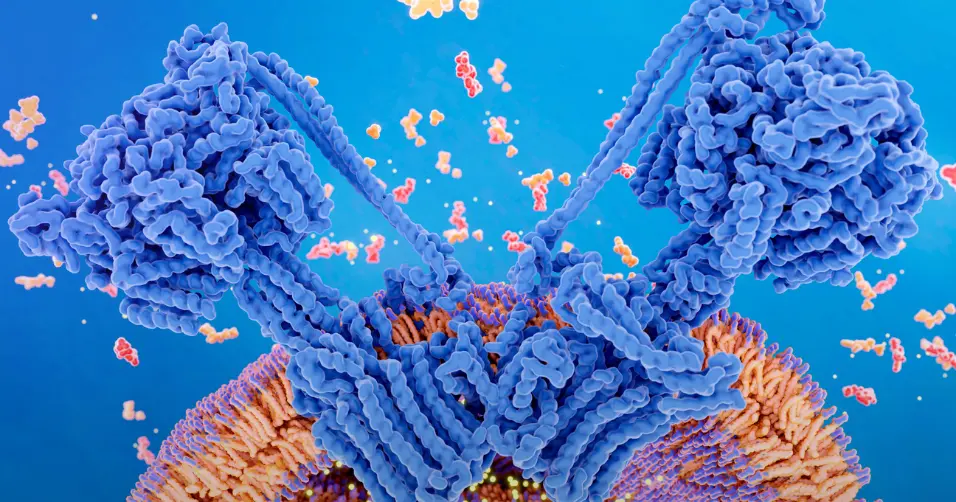
GDF-11, or growth differentiation factor 11, is a protein related to tissue development and regeneration. It gained attention after studies suggested it could rejuvenate aging tissues in mice. Research since then has been mixed, with some studies finding opposite effects. Human studies are lacking, so its role remains unclear. Interest continues, but it is still experimental.
GDF-11 is part of the transforming growth factor-beta family of proteins.
Early mouse studies linked it to restored muscle and brain function in aging.
Later studies suggested it may actually impair tissue repair in some contexts.
No controlled human trials have confirmed benefits or safety.
GDF-11, or growth differentiation factor 11, is a protein related to tissue development and regeneration. It gained attention after studies suggested it could rejuvenate aging tissues in mice. Research since then has been mixed, with some studies finding opposite effects. Human studies are lacking, so its role remains unclear. Interest continues, but it is still experimental.
GDF-11 is part of the transforming growth factor-beta family of proteins.
Early mouse studies linked it to restored muscle and brain function in aging.
Later studies suggested it may actually impair tissue repair in some contexts.
No controlled human trials have confirmed benefits or safety.
What Does GDF-11 Do?
GDF-11 affects tissue regeneration by promoting blood vessel growth and neural repair, though its role in aging is debated.
GDF-11 affects biological processes related to aging, tissue regeneration, and vascular function. It has been studied for its role in muscle repair, brain plasticity, and improving blood vessel health. Some experiments suggest it may influence stem cell activity, which helps with repair and renewal. It is also linked to pathways that regulate mitochondrial health and energy use. However, its exact effects remain debated because some studies found no benefit or even negative impacts.
Research shows possible action in promoting muscle regeneration and reversing age-related decline in animals.
It may affect neurogenesis, the process of forming new brain cells, important for memory and cognition.
GDF-11 can impact blood vessel growth and flexibility, which influences circulation and heart health.
Its role in mitochondrial function may connect it to energy metabolism and aging pathways.
GDF-11 affects biological processes related to aging, tissue regeneration, and vascular function. It has been studied for its role in muscle repair, brain plasticity, and improving blood vessel health. Some experiments suggest it may influence stem cell activity, which helps with repair and renewal. It is also linked to pathways that regulate mitochondrial health and energy use. However, its exact effects remain debated because some studies found no benefit or even negative impacts.
Research shows possible action in promoting muscle regeneration and reversing age-related decline in animals.
It may affect neurogenesis, the process of forming new brain cells, important for memory and cognition.
GDF-11 can impact blood vessel growth and flexibility, which influences circulation and heart health.
Its role in mitochondrial function may connect it to energy metabolism and aging pathways.
How Is GDF-11 Used in Biohacking?
GDF-11 is used in biohacking experiments for potential rejuvenation effects on muscle, brain, and vessels.
GDF-11 is used in biohacking as a potential longevity and rejuvenation agent. Some enthusiasts view it as a way to restore youthful function in muscles, blood vessels, and the brain. Interest comes from experiments showing possible reversal of age-related decline in animals. Because natural levels drop with age, biohackers explore ways to raise them artificially. However, the lack of proven safety keeps its use experimental and controversial.
It is discussed in relation to “young blood” transfusion-style approaches for rejuvenation.
Some biohackers monitor GDF-11 research for insights on anti-aging therapies.
Interest lies in its potential to repair tissues rather than short-term performance boosts.
Self-experimentation has been reported but remains risky due to uncertain effects.
GDF-11 is used in biohacking as a potential longevity and rejuvenation agent. Some enthusiasts view it as a way to restore youthful function in muscles, blood vessels, and the brain. Interest comes from experiments showing possible reversal of age-related decline in animals. Because natural levels drop with age, biohackers explore ways to raise them artificially. However, the lack of proven safety keeps its use experimental and controversial.
It is discussed in relation to “young blood” transfusion-style approaches for rejuvenation.
Some biohackers monitor GDF-11 research for insights on anti-aging therapies.
Interest lies in its potential to repair tissues rather than short-term performance boosts.
Self-experimentation has been reported but remains risky due to uncertain effects.
Descriptions of protocols are provided to explain research methods only. They are not instructions for personal use. Individuals should not adapt or perform study procedures outside approved research settings with qualified supervision.
How Is GDF-11 Used in Research Settings?
GDF-11 is used in research to investigate tissue regeneration and its controversial role in aging.
GDF-11 is used in research settings to study aging, regeneration, and cardiovascular health. Scientists investigate its role in reversing age-related decline in muscle, brain, and blood vessels. It is also used to explore how blood-borne factors influence tissue repair. Some studies involve parabiosis, the linking of circulatory systems between young and old animals, to see GDF-11’s effects. Research is ongoing to determine if it can be safely applied to humans.
It is used in animal models to examine muscle and brain rejuvenation potential.
Researchers test its effects on blood vessel health and circulation.
Its influence on stem cell function is explored for regenerative medicine.
Conflicting data on its benefits make it a focus for repeat studies.
GDF-11 is used in research settings to study aging, regeneration, and cardiovascular health. Scientists investigate its role in reversing age-related decline in muscle, brain, and blood vessels. It is also used to explore how blood-borne factors influence tissue repair. Some studies involve parabiosis, the linking of circulatory systems between young and old animals, to see GDF-11’s effects. Research is ongoing to determine if it can be safely applied to humans.
It is used in animal models to examine muscle and brain rejuvenation potential.
Researchers test its effects on blood vessel health and circulation.
Its influence on stem cell function is explored for regenerative medicine.
Conflicting data on its benefits make it a focus for repeat studies.
How Fast Does GDF-11 Work?
GDF-11 shows effects on regeneration within days in animal studies, though human timelines remain unclear.
GDF-11 works relatively slowly, with most effects in research seen over weeks. Animal studies showed changes in muscle and brain function after repeated exposure. It is not something that gives an immediate performance boost. Instead, its impact is linked to gradual tissue repair and regeneration. The slow timeline is one reason it remains experimental rather than practical.
In parabiosis studies, noticeable improvements in tissue health appeared after several weeks.
Regenerative effects like muscle recovery and neurogenesis take time, not hours or days.
Its influence is more on long-term biology than short-term energy or strength.
Because results are inconsistent, the actual timeframe is still debated.
GDF-11 works relatively slowly, with most effects in research seen over weeks. Animal studies showed changes in muscle and brain function after repeated exposure. It is not something that gives an immediate performance boost. Instead, its impact is linked to gradual tissue repair and regeneration. The slow timeline is one reason it remains experimental rather than practical.
In parabiosis studies, noticeable improvements in tissue health appeared after several weeks.
Regenerative effects like muscle recovery and neurogenesis take time, not hours or days.
Its influence is more on long-term biology than short-term energy or strength.
Because results are inconsistent, the actual timeframe is still debated.
Is GDF-11 Safe?
GDF-11 risks include possible muscle weakness and uncertain long-term impact.
GDF-11 carries risks because its long-term effects are not well understood. Some studies show it may improve tissue regeneration, while others report muscle wasting or reduced strength. Overstimulation of certain pathways could lead to abnormal growth or organ stress. Since it affects multiple systems, off-target effects are possible. The lack of human safety data makes experimentation especially uncertain.
Animal studies reported mixed results, including both regeneration and muscle weakness.
Its influence on stem cells could raise risks of abnormal tissue growth or imbalance.
Circulatory system effects may alter blood pressure or vessel function.
Self-experimentation risks are high because dosage and safety windows are unknown.
GDF-11 carries risks because its long-term effects are not well understood. Some studies show it may improve tissue regeneration, while others report muscle wasting or reduced strength. Overstimulation of certain pathways could lead to abnormal growth or organ stress. Since it affects multiple systems, off-target effects are possible. The lack of human safety data makes experimentation especially uncertain.
Animal studies reported mixed results, including both regeneration and muscle weakness.
Its influence on stem cells could raise risks of abnormal tissue growth or imbalance.
Circulatory system effects may alter blood pressure or vessel function.
Self-experimentation risks are high because dosage and safety windows are unknown.
Small or early studies can overlook important risks, including organ effects and drug–substance interactions. Product quality outside research supply chains is uncertain. Individuals should not conduct at-home trials; participation should occur only within approved research or clinical care.
What Is the Most Common Form of GDF-11?
GDF-11 is most commonly used in research as injectable protein.
The most common form of GDF-11 is as a recombinant protein used in laboratory research. It is typically supplied as a purified protein for injection into animal models. This allows researchers to study its systemic and tissue-specific effects. Commercial supplement versions are not available due to lack of approval. Any reported use outside research usually involves experimental, unregulated sources.
It is manufactured in labs as a recombinant protein for controlled studies.
Animal experiments use injection for systemic delivery.
There are no approved supplement or clinical forms for humans.
Self-reported biohacking use involves gray-market protein sources.
The most common form of GDF-11 is as a recombinant protein used in laboratory research. It is typically supplied as a purified protein for injection into animal models. This allows researchers to study its systemic and tissue-specific effects. Commercial supplement versions are not available due to lack of approval. Any reported use outside research usually involves experimental, unregulated sources.
It is manufactured in labs as a recombinant protein for controlled studies.
Animal experiments use injection for systemic delivery.
There are no approved supplement or clinical forms for humans.
Self-reported biohacking use involves gray-market protein sources.
What Are Key Ingredients of GDF-11?
GDF-11 key ingredient is a naturally occurring protein growth differentiation factor 11.
The key ingredients of GDF-11 products are the recombinant GDF-11 protein itself. In laboratory preparations, stabilizers and buffers are added to keep the protein active. Some formulations may include carrier proteins to prevent rapid breakdown. These additives ensure the protein can be tested reliably in research. No approved supplement-grade formulations exist.
The main component is the GDF-11 recombinant protein.
Buffers such as saline solutions help maintain stability during storage.
Carrier proteins prevent denaturation and extend shelf life.
Lab preparations are tightly controlled to preserve bioactivity.
The key ingredients of GDF-11 products are the recombinant GDF-11 protein itself. In laboratory preparations, stabilizers and buffers are added to keep the protein active. Some formulations may include carrier proteins to prevent rapid breakdown. These additives ensure the protein can be tested reliably in research. No approved supplement-grade formulations exist.
The main component is the GDF-11 recombinant protein.
Buffers such as saline solutions help maintain stability during storage.
Carrier proteins prevent denaturation and extend shelf life.
Lab preparations are tightly controlled to preserve bioactivity.
Is GDF-11 Naturally Available in Food?
GDF-11 is not found in food but is a natural protein in blood.
GDF-11 is not naturally available in food. It is a protein produced in the body and circulates in the blood, with levels declining as people age. Because it is generated internally, it cannot be consumed directly from dietary sources. Research focuses on boosting its presence through recombinant proteins rather than diet. No foods are known to meaningfully alter GDF-11 levels.
It is an endogenous protein, made by the body itself.
Dietary intake does not supply or increase GDF-11 directly.
Its levels are mainly regulated by genetics and age.
Research seeks synthetic ways to replace age-related declines.
GDF-11 is not naturally available in food. It is a protein produced in the body and circulates in the blood, with levels declining as people age. Because it is generated internally, it cannot be consumed directly from dietary sources. Research focuses on boosting its presence through recombinant proteins rather than diet. No foods are known to meaningfully alter GDF-11 levels.
It is an endogenous protein, made by the body itself.
Dietary intake does not supply or increase GDF-11 directly.
Its levels are mainly regulated by genetics and age.
Research seeks synthetic ways to replace age-related declines.
Does GDF-11 Impact Longevity?
GDF-11 may impact longevity by aiding tissue regeneration, but evidence is conflicting.
GDF-11 may impact longevity by influencing tissue regeneration and vascular health. Some studies suggest it can reverse age-related decline in muscle and brain function. Improved stem cell activity and mitochondrial support could theoretically extend healthspan. However, conflicting data raises doubts about whether it increases or decreases lifespan. Its role in longevity remains unproven and debated.
Animal studies showed improved muscle and brain rejuvenation linked to GDF-11.
Some data reported reduced strength, suggesting possible harm instead of benefit.
Its impact on stem cells ties it closely to longevity research.
Clear evidence in humans is lacking, leaving its role uncertain.
GDF-11 may impact longevity by influencing tissue regeneration and vascular health. Some studies suggest it can reverse age-related decline in muscle and brain function. Improved stem cell activity and mitochondrial support could theoretically extend healthspan. However, conflicting data raises doubts about whether it increases or decreases lifespan. Its role in longevity remains unproven and debated.
Animal studies showed improved muscle and brain rejuvenation linked to GDF-11.
Some data reported reduced strength, suggesting possible harm instead of benefit.
Its impact on stem cells ties it closely to longevity research.
Clear evidence in humans is lacking, leaving its role uncertain.
Does Tolerance Develop for GDF-11?
GDF-11 tolerance is not documented, but long-term effects are uncertain.
GDF-11 tolerance has not been clearly established. Since it is a protein growth factor, repeated exposure could alter body sensitivity. Some studies suggest effects decline over time, but data is inconsistent. The body may regulate its receptors to prevent overstimulation. Overall, tolerance development remains an open research question.
Animal studies show mixed results on whether benefits persist with repeated dosing.
Receptor desensitization could occur, lowering effectiveness over time.
Because it acts systemically, tolerance may vary by tissue type.
No human data is available to confirm tolerance patterns.
GDF-11 tolerance has not been clearly established. Since it is a protein growth factor, repeated exposure could alter body sensitivity. Some studies suggest effects decline over time, but data is inconsistent. The body may regulate its receptors to prevent overstimulation. Overall, tolerance development remains an open research question.
Animal studies show mixed results on whether benefits persist with repeated dosing.
Receptor desensitization could occur, lowering effectiveness over time.
Because it acts systemically, tolerance may vary by tissue type.
No human data is available to confirm tolerance patterns.
Short, controlled tests do not establish long-term safety or cumulative effects. This information is for context, not for ongoing personal use. Exposure to experimental substances should not occur outside clinically supervised tests.
Do GDF-11 Effects Persist?
GDF-11 effects on regeneration may last temporarily but fade without ongoing administration.
The effects of GDF-11 may not persist once dosing stops. Some animal studies showed tissue improvements fade when treatment ends. Because it influences circulating proteins, levels return to baseline after discontinuation. Regenerative effects may leave partial long-term benefit, but consistency is unproven. Overall, persistence is limited and variable.
Muscle and brain rejuvenation effects often decline after treatment withdrawal.
Circulating GDF-11 levels drop back to natural age-related levels quickly.
Lasting structural changes may occur in some tissues but are inconsistent.
Most evidence suggests benefits require ongoing exposure.
The effects of GDF-11 may not persist once dosing stops. Some animal studies showed tissue improvements fade when treatment ends. Because it influences circulating proteins, levels return to baseline after discontinuation. Regenerative effects may leave partial long-term benefit, but consistency is unproven. Overall, persistence is limited and variable.
Muscle and brain rejuvenation effects often decline after treatment withdrawal.
Circulating GDF-11 levels drop back to natural age-related levels quickly.
Lasting structural changes may occur in some tissues but are inconsistent.
Most evidence suggests benefits require ongoing exposure.
Signals that look promising in a lab may not hold up in broader populations and may reveal risks later. This information is explanatory only and does not support self-directed use to “reproduce” results.
How Long Do GDF-11’s Side Effects and Traces Persist?
GDF-11 side effects duration is unclear due to limited data.
GDF-11’s side effects and traces are not well defined in humans. In animal studies, benefits faded within weeks of stopping treatment. Potential negative effects like muscle loss may also reverse after discontinuation. Since it is a protein, it is cleared from circulation within days. Long-term traces are unlikely, but functional changes may persist briefly.
Circulating protein levels drop quickly once dosing ends.
Functional benefits or harms usually last only a few weeks.
No evidence suggests long-term storage in tissues.
Regenerative effects may remain longer if tissue repair occurred.
GDF-11’s side effects and traces are not well defined in humans. In animal studies, benefits faded within weeks of stopping treatment. Potential negative effects like muscle loss may also reverse after discontinuation. Since it is a protein, it is cleared from circulation within days. Long-term traces are unlikely, but functional changes may persist briefly.
Circulating protein levels drop quickly once dosing ends.
Functional benefits or harms usually last only a few weeks.
No evidence suggests long-term storage in tissues.
Regenerative effects may remain longer if tissue repair occurred.
Early reports may miss rare, delayed, or interaction-related harms. This section explains study observations only and does not justify anyone trying the substance. Individuals should stop and seek care for concerning symptoms and should not self-experiment.
Is GDF-11 a Regulated Substance?
GDF-11 is a regulated research protein without approval for supplementation.
GDF-11 is not a regulated substance for human supplementation. It is considered a research protein and is not approved for medical or dietary use. No health authorities have authorized its sale as a supplement. Some agencies caution against unregulated distribution. Its status remains experimental and closely watched in aging research.
No government agency has approved GDF-11 for public use.
It is classified as a research-only compound in labs.
Unregulated sales may be subject to legal action depending on jurisdiction.
Its association with aging research draws regulatory scrutiny.
GDF-11 is not a regulated substance for human supplementation. It is considered a research protein and is not approved for medical or dietary use. No health authorities have authorized its sale as a supplement. Some agencies caution against unregulated distribution. Its status remains experimental and closely watched in aging research.
No government agency has approved GDF-11 for public use.
It is classified as a research-only compound in labs.
Unregulated sales may be subject to legal action depending on jurisdiction.
Its association with aging research draws regulatory scrutiny.
Legal status, import rules, and anti-doping policies vary and change. Clinical study access does not imply personal use is permitted. Verify current rules with relevant authorities; do not proceed outside them.
When Was GDF-11 First Used?
GDF-11 was first characterized in 1999 as part of the TGF-beta protein family.
GDF-11 was first used in scientific research in the early 1990s when it was identified as part of the transforming growth factor-beta family. Its role in development was studied before aging research gained interest. In the 2010s, it became widely known through parabiosis experiments linking young and old animals. These studies suggested rejuvenation effects, sparking broad attention. Since then, its use has remained limited to laboratory models.
First identified in the 1990s as a growth differentiation factor.
Initially studied for its role in embryonic development.
Gained attention in the 2010s with aging and parabiosis research.
Use remains in controlled animal experiments rather than clinical trials.
GDF-11 was first used in scientific research in the early 1990s when it was identified as part of the transforming growth factor-beta family. Its role in development was studied before aging research gained interest. In the 2010s, it became widely known through parabiosis experiments linking young and old animals. These studies suggested rejuvenation effects, sparking broad attention. Since then, its use has remained limited to laboratory models.
First identified in the 1990s as a growth differentiation factor.
Initially studied for its role in embryonic development.
Gained attention in the 2010s with aging and parabiosis research.
Use remains in controlled animal experiments rather than clinical trials.
What Additional Research Is Needed on GDF-11?
GDF-11 needs clarification of its role in aging and whether it helps or harms in humans.
GDF-11 research still needs clarification on whether it truly reverses aging or causes harm. Studies in animals show conflicting outcomes, with both positive and negative effects reported. Human studies are lacking, leaving safety and dosing unknown. Researchers also need to understand how it interacts with other growth factors. More clinical trials are essential before practical applications are possible.
Further work must resolve contradictions between studies showing benefit vs harm.
Human trials are needed to assess long-term safety and tolerability.
Research should clarify how GDF-11 interacts with stem cell and mitochondrial pathways.
Dosing ranges and delivery methods remain unexplored in people.
GDF-11 research still needs clarification on whether it truly reverses aging or causes harm. Studies in animals show conflicting outcomes, with both positive and negative effects reported. Human studies are lacking, leaving safety and dosing unknown. Researchers also need to understand how it interacts with other growth factors. More clinical trials are essential before practical applications are possible.
Further work must resolve contradictions between studies showing benefit vs harm.
Human trials are needed to assess long-term safety and tolerability.
Research should clarify how GDF-11 interacts with stem cell and mitochondrial pathways.
Dosing ranges and delivery methods remain unexplored in people.
How Does GDF-11 Relate to Autophagy?
GDF-11 is a signaling protein called a growth factor with early research linking it to autophagy activity.
GDF-11 relates to autophagy through its role in tissue maintenance signals. GDF-11 is a protein studied for its involvement in cell renewal pathways. Some early studies link it to processes that may resemble increased autophagy. Its influence appears to depend on cell type and age. Research remains early, so interpretations should stay conservative.
May signal repair pathways that overlap with autophagy mechanisms; effect strength varies.
Appears in aging studies where cell cleanup processes are important; links are still being explored.
Interacts with growth signals that can shift cell maintenance; this may indirectly influence autophagy.
Works as part of complex networks not as a single switch; many factors shape autophagy levels.
GDF-11 relates to autophagy through its role in tissue maintenance signals. GDF-11 is a protein studied for its involvement in cell renewal pathways. Some early studies link it to processes that may resemble increased autophagy. Its influence appears to depend on cell type and age. Research remains early, so interpretations should stay conservative.
May signal repair pathways that overlap with autophagy mechanisms; effect strength varies.
Appears in aging studies where cell cleanup processes are important; links are still being explored.
Interacts with growth signals that can shift cell maintenance; this may indirectly influence autophagy.
Works as part of complex networks not as a single switch; many factors shape autophagy levels.
Does GDF-11 Support Cellular Health?
GDF-11, a growth differentiation factor protein, may support cellular health by influencing tissue regeneration, but human evidence is unclear.
GDF-11 is a naturally occurring protein involved in developmental processes. Interest grew after early animal studies, but human data is minimal. Its role in adult cellular function is still unclear. Much of the excitement comes from experimental aging research rather than clinical findings. It currently has no established use for general health.
GDF-11 levels shift with age, but we do not know what this means for cell function. Findings are mostly from animal work.
Its pathways overlap with growth signals, but the direction of effect is still uncertain. Cellular outcomes vary by tissue.
Supplementation is experimental, meaning no proven benefits or usage guidelines exist. Safety remains unclear.
GDF-11 is a naturally occurring protein involved in developmental processes. Interest grew after early animal studies, but human data is minimal. Its role in adult cellular function is still unclear. Much of the excitement comes from experimental aging research rather than clinical findings. It currently has no established use for general health.
GDF-11 levels shift with age, but we do not know what this means for cell function. Findings are mostly from animal work.
Its pathways overlap with growth signals, but the direction of effect is still uncertain. Cellular outcomes vary by tissue.
Supplementation is experimental, meaning no proven benefits or usage guidelines exist. Safety remains unclear.
Biohacking involves significant health risks, including potential disruption of normal body processes, interference with medications, and interactions with underlying medical conditions. The use of experimental substances—even when not currently banned or regulated—can have unpredictable and possibly long-term effects. Even where small human trials have reported encouraging short-term outcomes, the broader and long-term safety profiles often remain anecdotal or unverified. Myopedia recognizes the increasing attention toward biohacking and emerging longevity or performance technologies. These articles are intended to inform and encourage understanding of scientific developments, not to promote personal experimentation or unsupervised use.
Information about applications, case studies, or trial data is presented for educational purposes only, may contain inaccuracies or omissions, and should not be used to guide the use of any substance, method, or routine.
Medical Disclaimer: All content on this website is intended solely for informational and educational purposes and should not be interpreted as a substitute for professional medical advice, diagnosis, or treatment, nor as encouragement or promotion for or against any particular use, product, or activity. Results may vary and are not guaranteed. No doctor–patient relationship is created by your use of this content. Always consult a qualified healthcare provider, nutritionist, or other relevant expert before starting or changing any supplement, diet, exercise, or lifestyle program. This website can contain errors. Check important information. Read our full Disclaimer.
Status – Terms of Service – Privacy Policy – Disclaimer – About Myopedia.
©2025 Myopedia™. All rights reserved.
Medical Disclaimer: All content on this website is intended solely for informational and educational purposes and should not be interpreted as a substitute for professional medical advice, diagnosis, or treatment, nor as encouragement or promotion for or against any particular use, product, or activity. Results may vary and are not guaranteed. No doctor–patient relationship is created by your use of this content. Always consult a qualified healthcare provider, nutritionist, or other relevant expert before starting or changing any supplement, diet, exercise, or lifestyle program. This website can contain errors. Check important information. Read our full Disclaimer.
Status – Terms of Service – Privacy Policy – Disclaimer – About Myopedia.
©2025 Myopedia™. All rights reserved.
Medical Disclaimer: All content on this website is intended solely for informational and educational purposes and should not be interpreted as a substitute for professional medical advice, diagnosis, or treatment, nor as encouragement or promotion for or against any particular use, product, or activity. Results may vary and are not guaranteed. No doctor–patient relationship is created by your use of this content. Always consult a qualified healthcare provider, nutritionist, or other relevant expert before starting or changing any supplement, diet, exercise, or lifestyle program. This website can contain errors. Check important information. Read our full Disclaimer.
Status – Terms of Service – Privacy Policy – Disclaimer – About Myopedia.
©2025 Myopedia™. All rights reserved.