Body

Muscle Fiber Types – Type I Type II

Muscle Fiber Types: What They Are and How They Work

Muscle Fiber Types (Type I Type II) is a classification that differentiates between slow-twitch endurance fibers and fast-twitch power fibers, influencing training focus and performance.
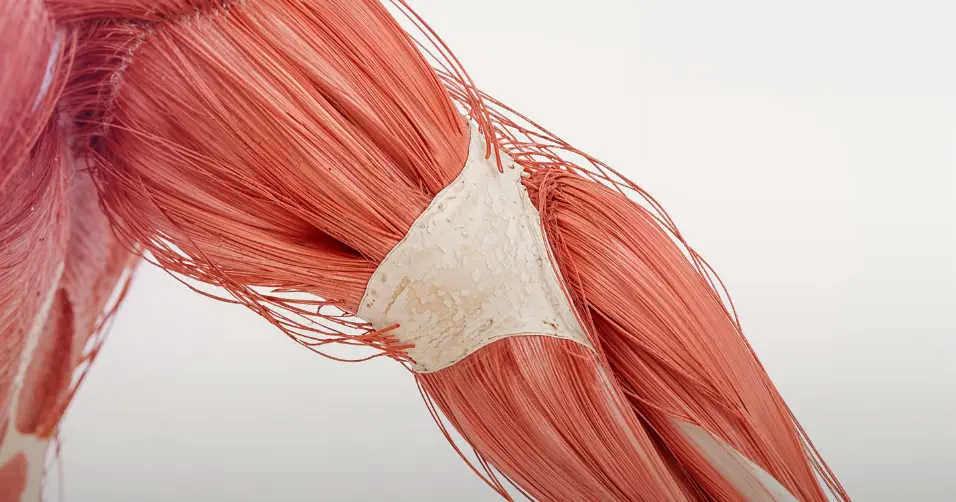
This article is educational and not intended to diagnose, treat, or suggest any specific intervention, and should not replace qualified medical advice.


Muscle fiber types determine endurance (Type I) or power (Type II) performance.

How to Manage Muscle Fiber Types?

Muscle fiber types (Type I slow-twitch and Type II fast-twitch) can be managed by training both endurance and strength systems.

To manage muscle fiber types – Type I and Type II, training should target both endurance and strength. Type I fibers support long-lasting, low-intensity activity, while Type II fibers generate short bursts of high force. Balanced training ensures neither system is neglected. Endurance sessions improve oxygen use, while heavy lifting or sprints develop fast-twitch capacity. Understanding fiber type dominance can guide personalized training programs.

  • Low-intensity, longer workouts improve Type I fiber endurance and cardiovascular efficiency.

  • High-intensity, short-burst exercises activate and strengthen Type II fibers for explosive movements.

  • Mixing both training styles maintains balanced muscle performance across different activities.

  • Recovery days ensure both fiber types repair and adapt effectively.

To manage muscle fiber types – Type I and Type II, training should target both endurance and strength. Type I fibers support long-lasting, low-intensity activity, while Type II fibers generate short bursts of high force. Balanced training ensures neither system is neglected. Endurance sessions improve oxygen use, while heavy lifting or sprints develop fast-twitch capacity. Understanding fiber type dominance can guide personalized training programs.

  • Low-intensity, longer workouts improve Type I fiber endurance and cardiovascular efficiency.

  • High-intensity, short-burst exercises activate and strengthen Type II fibers for explosive movements.

  • Mixing both training styles maintains balanced muscle performance across different activities.

  • Recovery days ensure both fiber types repair and adapt effectively.

What Are Muscle Fiber Types – Type I Type II?

Muscle Fiber Types – Type I Type II are slow-twitch fibers for endurance and fast-twitch fibers for strength and power.

Muscle fibers are categorized into Type I (slow-twitch) and Type II (fast-twitch), each with unique characteristics. Type I fibers are more fatigue-resistant and suited for endurance activities like distance running. Type II fibers generate more power and speed but fatigue faster, making them better for sprinting and lifting. Training can influence how efficiently each type functions, but genetics largely determine the mix. Both fiber types contribute to overall athletic ability.

  • Type I function: Slow-twitch fibers rely on oxygen, allowing long-lasting, lower-intensity performance.

  • Type II function: Fast-twitch fibers produce quick, strong bursts of power but tire rapidly.

  • Training effect: Endurance training enhances Type I efficiency, while strength work develops Type II power.

  • Genetic factor: The natural ratio of fiber types varies by individual, shaping athletic strengths.

Muscle fibers are categorized into Type I (slow-twitch) and Type II (fast-twitch), each with unique characteristics. Type I fibers are more fatigue-resistant and suited for endurance activities like distance running. Type II fibers generate more power and speed but fatigue faster, making them better for sprinting and lifting. Training can influence how efficiently each type functions, but genetics largely determine the mix. Both fiber types contribute to overall athletic ability.

  • Type I function: Slow-twitch fibers rely on oxygen, allowing long-lasting, lower-intensity performance.

  • Type II function: Fast-twitch fibers produce quick, strong bursts of power but tire rapidly.

  • Training effect: Endurance training enhances Type I efficiency, while strength work develops Type II power.

  • Genetic factor: The natural ratio of fiber types varies by individual, shaping athletic strengths.

How Do Muscle Fiber Types Impact Your Health?

Muscle fiber types affect health by determining endurance (Type I) and strength (Type II) capacity.

Muscle fiber types – Type I and Type II impact health differently. Type I fibers support endurance and cardiovascular health, while Type II fibers improve strength and power. A balance of both types enhances overall physical function and protects against health decline. Training both systems reduces risks of chronic disease and frailty. Neglecting one type may create imbalances and limit overall fitness.

  • Type I fibers help protect heart health through endurance activity support.

  • Type II fibers maintain strength for daily tasks like lifting and climbing stairs.

  • Balanced fiber activation improves both stamina and explosive power, supporting long-term health.

  • A lack of training variety may reduce resilience against age-related decline.

Muscle fiber types – Type I and Type II impact health differently. Type I fibers support endurance and cardiovascular health, while Type II fibers improve strength and power. A balance of both types enhances overall physical function and protects against health decline. Training both systems reduces risks of chronic disease and frailty. Neglecting one type may create imbalances and limit overall fitness.

  • Type I fibers help protect heart health through endurance activity support.

  • Type II fibers maintain strength for daily tasks like lifting and climbing stairs.

  • Balanced fiber activation improves both stamina and explosive power, supporting long-term health.

  • A lack of training variety may reduce resilience against age-related decline.

What We Often Get Wrong About Muscle Fiber Types?

Muscle fiber types – Type I Type II are often assumed fixed, but training can shift them slightly in function.

A common misconception about muscle fiber types – Type I and Type II is that people are born with one dominant type they cannot change. Training can improve function of both types, though the basic ratio is genetic. Some think endurance training turns Type II into Type I fibers, but it mostly changes their efficiency. Another myth is that only sprinters need Type II fibers, when everyone benefits from both. Fiber types are adaptable but not completely interchangeable.

  • Training improves both fiber types regardless of genetic makeup, enhancing overall fitness.

  • Type II fibers do not fully become Type I, though endurance training increases their fatigue resistance.

  • Type II fibers are useful not just for athletes but for everyday tasks like climbing stairs.

  • Believing in fixed fiber dominance discourages people from training their weaker side.

A common misconception about muscle fiber types – Type I and Type II is that people are born with one dominant type they cannot change. Training can improve function of both types, though the basic ratio is genetic. Some think endurance training turns Type II into Type I fibers, but it mostly changes their efficiency. Another myth is that only sprinters need Type II fibers, when everyone benefits from both. Fiber types are adaptable but not completely interchangeable.

  • Training improves both fiber types regardless of genetic makeup, enhancing overall fitness.

  • Type II fibers do not fully become Type I, though endurance training increases their fatigue resistance.

  • Type II fibers are useful not just for athletes but for everyday tasks like climbing stairs.

  • Believing in fixed fiber dominance discourages people from training their weaker side.

Key Muscle Fiber Type Indicators You May Want to Track

Key muscle fiber type indicators include muscle biopsy results, endurance capacity, and power output.

Key muscle fiber type indicators can be seen in endurance versus power performance. High Type I fiber function is reflected in long-duration stamina and recovery speed. High Type II fiber function is shown in explosive strength, sprinting, and heavy lifting. Training performance shifts can reveal which fibers are being developed. Balance in both areas indicates well-rounded adaptation.

  • Strong stamina in long-distance activities shows Type I fiber efficiency.

  • Explosive performance in sprints or lifts highlights Type II fiber capacity.

  • Recovery rate from fatigue links to endurance fiber dominance.

  • Performance in mixed activities reveals adaptation across both fiber types.

Key muscle fiber type indicators can be seen in endurance versus power performance. High Type I fiber function is reflected in long-duration stamina and recovery speed. High Type II fiber function is shown in explosive strength, sprinting, and heavy lifting. Training performance shifts can reveal which fibers are being developed. Balance in both areas indicates well-rounded adaptation.

  • Strong stamina in long-distance activities shows Type I fiber efficiency.

  • Explosive performance in sprints or lifts highlights Type II fiber capacity.

  • Recovery rate from fatigue links to endurance fiber dominance.

  • Performance in mixed activities reveals adaptation across both fiber types.

What Causes Changes in Muscle Fiber Types?

Changes in muscle fiber types are caused by training style, genetics, and aging.

Changes in muscle fiber types are caused by training style, genetics, and aging. Endurance training makes Type I fibers more efficient, while power training develops Type II fibers. Genetics sets the basic ratio, but adaptation alters performance within each type. With aging, Type II fibers decline faster, reducing explosive strength. Balanced training helps preserve both fiber types over time.

  • Endurance work increases fatigue resistance of Type I fibers.

  • Strength and sprint training enhance force capacity of Type II fibers.

  • Genetic makeup defines proportions but not functional improvements.

  • Aging lowers Type II fiber capacity, making power harder to maintain.

Changes in muscle fiber types are caused by training style, genetics, and aging. Endurance training makes Type I fibers more efficient, while power training develops Type II fibers. Genetics sets the basic ratio, but adaptation alters performance within each type. With aging, Type II fibers decline faster, reducing explosive strength. Balanced training helps preserve both fiber types over time.

  • Endurance work increases fatigue resistance of Type I fibers.

  • Strength and sprint training enhance force capacity of Type II fibers.

  • Genetic makeup defines proportions but not functional improvements.

  • Aging lowers Type II fiber capacity, making power harder to maintain.

Do Muscle Fiber Types Relate to Longevity?

Muscle fiber types relate to longevity as more preserved Type II fibers reduce fall risk and frailty.

Muscle fiber types influence longevity through balance of endurance and strength capacity. Strong Type I fibers improve cardiovascular health and stamina, extending functional lifespan. Type II fibers preserve power, balance, and independence with age. Decline of either fiber type increases risks of frailty and falls. Training both systems supports long-term resilience and mobility.

  • Type I fibers protect heart health and prevent chronic fatigue in later life.

  • Type II fibers preserve strength for daily tasks, lowering fall risk.

  • Maintaining both fiber types delays frailty and mobility decline.

  • Neglecting one type creates imbalance, reducing healthy lifespan potential.

Muscle fiber types influence longevity through balance of endurance and strength capacity. Strong Type I fibers improve cardiovascular health and stamina, extending functional lifespan. Type II fibers preserve power, balance, and independence with age. Decline of either fiber type increases risks of frailty and falls. Training both systems supports long-term resilience and mobility.

  • Type I fibers protect heart health and prevent chronic fatigue in later life.

  • Type II fibers preserve strength for daily tasks, lowering fall risk.

  • Maintaining both fiber types delays frailty and mobility decline.

  • Neglecting one type creates imbalance, reducing healthy lifespan potential.

What Can Go Wrong With Muscle Fiber Types?

With muscle fiber types, what can go wrong is loss of fast-twitch fibers leading to weakness and falls.

What can go wrong with muscle fiber types is imbalance between endurance and power development. Overtraining only Type I fibers limits strength and explosiveness. Overtraining only Type II fibers reduces stamina and cardiovascular resilience. Aging naturally decreases Type II fibers, worsening power loss. Poor training balance accelerates functional decline.

  • Endurance-only training weakens strength needed for daily tasks.

  • Power-only training reduces stamina and long-term resilience.

  • Aging reduces Type II fibers, leading to greater fall risk.

  • Unbalanced programs shorten overall functional healthspan.

What can go wrong with muscle fiber types is imbalance between endurance and power development. Overtraining only Type I fibers limits strength and explosiveness. Overtraining only Type II fibers reduces stamina and cardiovascular resilience. Aging naturally decreases Type II fibers, worsening power loss. Poor training balance accelerates functional decline.

  • Endurance-only training weakens strength needed for daily tasks.

  • Power-only training reduces stamina and long-term resilience.

  • Aging reduces Type II fibers, leading to greater fall risk.

  • Unbalanced programs shorten overall functional healthspan.

How Do Muscle Fiber Types Vary With Age?

Muscle fiber types vary with age as fast-twitch fibers shrink more, reducing power and speed.

Muscle fiber types vary with age as proportions and efficiency shift. Type I endurance fibers often remain stable into older age. Type II power fibers decline more rapidly, reducing explosiveness. This makes strength and speed harder to preserve later in life. Balanced training can slow these changes.

  • Type I fibers preserve stamina well into older age.

  • Type II fibers decline quickly, affecting strength and balance.

  • Younger adults have balanced fiber performance with higher peak output.

  • Targeted training helps older adults preserve both fiber types.

Muscle fiber types vary with age as proportions and efficiency shift. Type I endurance fibers often remain stable into older age. Type II power fibers decline more rapidly, reducing explosiveness. This makes strength and speed harder to preserve later in life. Balanced training can slow these changes.

  • Type I fibers preserve stamina well into older age.

  • Type II fibers decline quickly, affecting strength and balance.

  • Younger adults have balanced fiber performance with higher peak output.

  • Targeted training helps older adults preserve both fiber types.

How Does Your Lifestyle Affect Muscle Fiber Types?

Lifestyle affects muscle fiber types slightly through chosen training focus and activity levels.

Your lifestyle affects muscle fiber types by favoring endurance or power development. Regular cardio strengthens Type I fibers, while strength training supports Type II fibers. A balanced approach maintains both. Inactivity weakens both types, reducing performance. Daily habits determine which fiber qualities dominate.

  • Endurance activity strengthens slow-twitch fibers for stamina.

  • Resistance or sprint training develops fast-twitch fibers for power.

  • Sedentary living weakens both systems, accelerating decline.

  • Varied training supports a balanced fiber profile long term.

Your lifestyle affects muscle fiber types by favoring endurance or power development. Regular cardio strengthens Type I fibers, while strength training supports Type II fibers. A balanced approach maintains both. Inactivity weakens both types, reducing performance. Daily habits determine which fiber qualities dominate.

  • Endurance activity strengthens slow-twitch fibers for stamina.

  • Resistance or sprint training develops fast-twitch fibers for power.

  • Sedentary living weakens both systems, accelerating decline.

  • Varied training supports a balanced fiber profile long term.

How Does Nutrition Impact Muscle Fiber Types?

Nutrition impacts muscle fiber types by training support with carbs and protein, though genetic limits apply.

Nutrition impacts muscle fiber types by fueling endurance and strength performance differently. Carbohydrates improve Type I fiber activity for long efforts. Protein supports Type II fiber recovery and strength. Creatine-rich foods enhance short-burst power of Type II fibers. Balanced nutrition maintains both fiber systems effectively.

  • Carbohydrates supply oxygen-dependent Type I fibers with steady fuel.

  • Protein intake helps fast-twitch Type II fibers repair after heavy lifting.

  • Creatine from food sources enhances explosive fiber performance.

  • Lack of nutrients reduces both endurance and power output efficiency.

Nutrition impacts muscle fiber types by fueling endurance and strength performance differently. Carbohydrates improve Type I fiber activity for long efforts. Protein supports Type II fiber recovery and strength. Creatine-rich foods enhance short-burst power of Type II fibers. Balanced nutrition maintains both fiber systems effectively.

  • Carbohydrates supply oxygen-dependent Type I fibers with steady fuel.

  • Protein intake helps fast-twitch Type II fibers repair after heavy lifting.

  • Creatine from food sources enhances explosive fiber performance.

  • Lack of nutrients reduces both endurance and power output efficiency.

What Supplements May Aid Muscle Fiber Types?

Supplements that may aid muscle fiber performance are creatine for fast-twitch and beta-alanine for endurance fibers.

Supplements that may aid muscle fiber types include creatine, beta-alanine, and nitrates. Creatine benefits fast-twitch Type II fibers for explosive power. Beta-alanine improves endurance in both fiber types. Nitrates from beetroot enhance oxygen use in Type I fibers. Together, these nutrients balance both endurance and strength performance.

  • Creatine maximizes short-term strength from fast-twitch fibers.

  • Beta-alanine supports both power and endurance capacity.

  • Nitrates improve oxygen efficiency for long-duration activity.

  • Balanced supplementation enhances both fiber type functions.

Supplements that may aid muscle fiber types include creatine, beta-alanine, and nitrates. Creatine benefits fast-twitch Type II fibers for explosive power. Beta-alanine improves endurance in both fiber types. Nitrates from beetroot enhance oxygen use in Type I fibers. Together, these nutrients balance both endurance and strength performance.

  • Creatine maximizes short-term strength from fast-twitch fibers.

  • Beta-alanine supports both power and endurance capacity.

  • Nitrates improve oxygen efficiency for long-duration activity.

  • Balanced supplementation enhances both fiber type functions.

Can Fasting Impact Muscle Fiber Types?

Fasting can impact muscle fiber use by favoring endurance adaptations due to reliance on fat for energy.

Fasting may impact muscle fiber types by altering energy use. Short fasts increase fat use, supporting endurance fibers. Prolonged fasting reduces glycogen, limiting fast-twitch fiber performance. With balanced refeeding, both fiber systems can be preserved. Extreme fasting weakens explosive power capacity the most.

  • Fat use during fasting favors endurance fiber activity.

  • Fast-twitch fibers lose glycogen supply during long fasting, reducing power.

  • Proper meal timing after fasting supports both fiber types.

  • Chronic fasting reduces performance across both systems.

Fasting may impact muscle fiber types by altering energy use. Short fasts increase fat use, supporting endurance fibers. Prolonged fasting reduces glycogen, limiting fast-twitch fiber performance. With balanced refeeding, both fiber systems can be preserved. Extreme fasting weakens explosive power capacity the most.

  • Fat use during fasting favors endurance fiber activity.

  • Fast-twitch fibers lose glycogen supply during long fasting, reducing power.

  • Proper meal timing after fasting supports both fiber types.

  • Chronic fasting reduces performance across both systems.

How Your Workout Regimen Affects Muscle Fiber Types?

Your workout regimen affects muscle fiber types by training both endurance (Type I) and strength (Type II) fibers.

Your workout regimen affects muscle fiber types depending on exercise style. Endurance training favors Type I fibers, boosting stamina. Strength and sprint work enhance Type II fibers, improving power. Balanced regimens preserve both systems. Extreme focus on one side creates performance gaps.

  • Endurance sessions enhance slow-twitch fibers for longer efforts.

  • Power training strengthens fast-twitch fibers for explosive force.

  • Balanced training maintains efficiency in both fiber systems.

  • Neglecting one type reduces overall performance resilience.

Your workout regimen affects muscle fiber types depending on exercise style. Endurance training favors Type I fibers, boosting stamina. Strength and sprint work enhance Type II fibers, improving power. Balanced regimens preserve both systems. Extreme focus on one side creates performance gaps.

  • Endurance sessions enhance slow-twitch fibers for longer efforts.

  • Power training strengthens fast-twitch fibers for explosive force.

  • Balanced training maintains efficiency in both fiber systems.

  • Neglecting one type reduces overall performance resilience.

What's the Latest Research on Muscle Fiber Types?

Latest research on muscle fiber types shows that endurance training can slightly shift fast-twitch fibers toward mixed types.

The latest research on muscle fiber types shows greater adaptability than previously thought. Endurance training improves Type II fiber fatigue resistance, while strength training enhances Type I power. Genetic testing is being explored to personalize fiber-targeted training. Studies suggest mixed training produces the most balanced outcomes. Aging research confirms faster loss of Type II fibers, stressing power training importance.

  • Type II fibers adapt to endurance training by resisting fatigue better.

  • Strength training improves Type I fibers’ force-generating ability.

  • Genetic profiling may help personalize fiber-type training plans.

  • Aging studies highlight need for power work to slow decline.

The latest research on muscle fiber types shows greater adaptability than previously thought. Endurance training improves Type II fiber fatigue resistance, while strength training enhances Type I power. Genetic testing is being explored to personalize fiber-targeted training. Studies suggest mixed training produces the most balanced outcomes. Aging research confirms faster loss of Type II fibers, stressing power training importance.

  • Type II fibers adapt to endurance training by resisting fatigue better.

  • Strength training improves Type I fibers’ force-generating ability.

  • Genetic profiling may help personalize fiber-type training plans.

  • Aging studies highlight need for power work to slow decline.

How Do Fibers Affect Bulking?

Fibers, indigestible plant parts, aid bulking by improving digestion and controlling blood sugar without adding excess calories.

Fibers affect bulking by helping control digestion and appetite. High fiber can make it harder to eat enough calories. Moderate fiber helps maintain gut comfort during large meals. Fiber also supports nutrient absorption. Balance is key in a bulking plan.

  • Slows digestion which can limit total calorie intake.

  • Supports gut health important for absorbing nutrients.

  • Helps regulate blood sugar which stabilizes training energy.

  • Too much fiber can cause fullness and reduce surplus.


Fibers affect bulking by helping control digestion and appetite. High fiber can make it harder to eat enough calories. Moderate fiber helps maintain gut comfort during large meals. Fiber also supports nutrient absorption. Balance is key in a bulking plan.

  • Slows digestion which can limit total calorie intake.

  • Supports gut health important for absorbing nutrients.

  • Helps regulate blood sugar which stabilizes training energy.

  • Too much fiber can cause fullness and reduce surplus.


Does L-Citrulline Enhance Pre-Workout Pumps?

L-Citrulline enhances pre-workout pumps by sustaining nitric oxide production longer than arginine.

L-citrulline can enhance pre-workout pumps because it raises arginine levels more reliably and increases nitric oxide. This widens blood vessels and improves muscle fullness during early sets. Many people feel stronger pumps after a proper warm-up. The effect usually lasts through most of a workout. Hydration improves the response.

  • Boosts nitric oxide leading to smoother blood flow and stronger swelling.

  • Absorbs efficiently making effects more consistent than arginine.

  • Supports endurance which keeps pumps sustained across sets.

L-citrulline can enhance pre-workout pumps because it raises arginine levels more reliably and increases nitric oxide. This widens blood vessels and improves muscle fullness during early sets. Many people feel stronger pumps after a proper warm-up. The effect usually lasts through most of a workout. Hydration improves the response.

  • Boosts nitric oxide leading to smoother blood flow and stronger swelling.

  • Absorbs efficiently making effects more consistent than arginine.

  • Supports endurance which keeps pumps sustained across sets.

How Do Fibers Affect Lean Mass?

Fibers affect lean mass indirectly by improving digestion and nutrient absorption.

Fibers affect lean mass by supporting gut health and nutrient absorption. A healthier gut improves protein use. Fiber also stabilizes blood sugar, supporting steady energy for training. Certain fibers feed microbes that produce short-chain fatty acids, which support gut integrity. Good digestion helps muscle repair.

  • Supports absorption making amino acids more usable.

  • Stabilizes energy improving training quality.

  • Feeds beneficial microbes that protect gut lining.

Fibers affect lean mass by supporting gut health and nutrient absorption. A healthier gut improves protein use. Fiber also stabilizes blood sugar, supporting steady energy for training. Certain fibers feed microbes that produce short-chain fatty acids, which support gut integrity. Good digestion helps muscle repair.

  • Supports absorption making amino acids more usable.

  • Stabilizes energy improving training quality.

  • Feeds beneficial microbes that protect gut lining.

How Do Fibers Relate to Atrophy?

Fibers relate to atrophy indirectly by supporting nutrient absorption that aids muscle preservation.

Muscle fibers relate to atrophy because they shrink when underused or under-fed. Each fiber adapts to the demands placed on it. When movement, resistance, or nutrition drops, fibers reduce protein content. This leads to smaller, weaker muscle tissue. Re-training can gradually reverse this change.

  • Fiber size change: Atrophy reduces the diameter of fibers. This directly lowers strength.

  • Protein turnover: Atrophy shifts cells toward breaking down proteins. Growth requires the opposite shift.

  • Reversibility: Regular strain can rebuild fibers. The process is slower than loss.


Muscle fibers relate to atrophy because they shrink when underused or under-fed. Each fiber adapts to the demands placed on it. When movement, resistance, or nutrition drops, fibers reduce protein content. This leads to smaller, weaker muscle tissue. Re-training can gradually reverse this change.

  • Fiber size change: Atrophy reduces the diameter of fibers. This directly lowers strength.

  • Protein turnover: Atrophy shifts cells toward breaking down proteins. Growth requires the opposite shift.

  • Reversibility: Regular strain can rebuild fibers. The process is slower than loss.


How Do Fibers Influence Muscle Growth?

Fibers influence growth by activating mechanical stress signals in muscle tissue.

Muscle fibers respond differently to training and shape growth patterns. Fast-twitch fibers create powerful contractions and grow faster with heavy loads. Slow-twitch fibers handle endurance, adapting with smaller but steady size increases. The mix of fiber types varies between people, influencing how easily they gain size. Balanced training can activate both types for broad growth.

  • Fast-twitch fibers react strongly to high tension and short sets, giving quick size gains.

  • Slow-twitch fibers need longer sets that raise oxygen use and support gradual change.

  • Fiber recruitment rises as effort increases, helping more fibers grow.

  • Local fatigue signals fibers to remodel, which prepares them for larger loads.


Muscle fibers respond differently to training and shape growth patterns. Fast-twitch fibers create powerful contractions and grow faster with heavy loads. Slow-twitch fibers handle endurance, adapting with smaller but steady size increases. The mix of fiber types varies between people, influencing how easily they gain size. Balanced training can activate both types for broad growth.

  • Fast-twitch fibers react strongly to high tension and short sets, giving quick size gains.

  • Slow-twitch fibers need longer sets that raise oxygen use and support gradual change.

  • Fiber recruitment rises as effort increases, helping more fibers grow.

  • Local fatigue signals fibers to remodel, which prepares them for larger loads.


How Do Fibers Influence Hypertrophy?

Fibers influence hypertrophy through activation of satellite cells that repair and enlarge muscle.

Fiber type shapes how quickly and how much hypertrophy happens. Fast-twitch fibers grow larger because they handle explosive loads. Slow-twitch fibers adapt more slowly but support endurance-based hypertrophy. The combination of both types determines each person’s growth pattern. Training style influences which fibers hypertrophy most.

  • Heavy resistance targets fast-twitch fibers, causing bigger structural changes.

  • Longer sets challenge slow-twitch fibers, improving stamina and modest size gain.

  • Fiber recruitment rises when effort nears maximum, speeding hypertrophy.

  • Metabolic stress encourages cell swelling and signals size increase.


Fiber type shapes how quickly and how much hypertrophy happens. Fast-twitch fibers grow larger because they handle explosive loads. Slow-twitch fibers adapt more slowly but support endurance-based hypertrophy. The combination of both types determines each person’s growth pattern. Training style influences which fibers hypertrophy most.

  • Heavy resistance targets fast-twitch fibers, causing bigger structural changes.

  • Longer sets challenge slow-twitch fibers, improving stamina and modest size gain.

  • Fiber recruitment rises when effort nears maximum, speeding hypertrophy.

  • Metabolic stress encourages cell swelling and signals size increase.


How Does Sleep Influence Muscle Fiber Recovery?

Sleep influences muscle fiber recovery by enhancing protein synthesis overnight.

Sleep influences muscle fiber recovery by restoring energy and repairing damage. Muscle fibers experience microtears during training. Deep sleep supports rebuilding through hormone release. Energy systems reset overnight. This makes muscles feel stronger the next day.

  • Protein repair strengthens fibers. Rest allows steady rebuilding.

  • Hormonal support helps organize recovery. GH and other hormones assist repair.

  • Energy restoration replenishes ATP, a basic energy molecule. This fuels next-day performance.

  • Inflammation control helps comfort. Balanced signals reduce soreness.

Sleep influences muscle fiber recovery by restoring energy and repairing damage. Muscle fibers experience microtears during training. Deep sleep supports rebuilding through hormone release. Energy systems reset overnight. This makes muscles feel stronger the next day.

  • Protein repair strengthens fibers. Rest allows steady rebuilding.

  • Hormonal support helps organize recovery. GH and other hormones assist repair.

  • Energy restoration replenishes ATP, a basic energy molecule. This fuels next-day performance.

  • Inflammation control helps comfort. Balanced signals reduce soreness.

Medical Disclaimer: All content on this website is intended solely for informational and educational purposes and should not be interpreted as a substitute for professional medical advice, diagnosis, or treatment, nor as encouragement or promotion for or against any particular use, product, or activity. Results may vary and are not guaranteed. No doctor–patient relationship is created by your use of this content. Always consult a qualified healthcare provider, nutritionist, or other relevant expert before starting or changing any supplement, diet, exercise, or lifestyle program. This website can contain errors. Check important information. Read our full Disclaimer.

StatusTerms of ServicePrivacy PolicyDisclaimerAbout Myopedia.

©2025 Myopedia™. All rights reserved.

Medical Disclaimer: All content on this website is intended solely for informational and educational purposes and should not be interpreted as a substitute for professional medical advice, diagnosis, or treatment, nor as encouragement or promotion for or against any particular use, product, or activity. Results may vary and are not guaranteed. No doctor–patient relationship is created by your use of this content. Always consult a qualified healthcare provider, nutritionist, or other relevant expert before starting or changing any supplement, diet, exercise, or lifestyle program. This website can contain errors. Check important information. Read our full Disclaimer.

StatusTerms of ServicePrivacy PolicyDisclaimerAbout Myopedia.

©2025 Myopedia™. All rights reserved.

Medical Disclaimer: All content on this website is intended solely for informational and educational purposes and should not be interpreted as a substitute for professional medical advice, diagnosis, or treatment, nor as encouragement or promotion for or against any particular use, product, or activity. Results may vary and are not guaranteed. No doctor–patient relationship is created by your use of this content. Always consult a qualified healthcare provider, nutritionist, or other relevant expert before starting or changing any supplement, diet, exercise, or lifestyle program. This website can contain errors. Check important information. Read our full Disclaimer.

StatusTerms of ServicePrivacy PolicyDisclaimerAbout Myopedia.

©2025 Myopedia™. All rights reserved.